

A bee flies towards a Japanese Aloe flower and then lands to gather the good stuff within.

A bee flies towards a Japanese Aloe flower and then lands to gather the good stuff within.

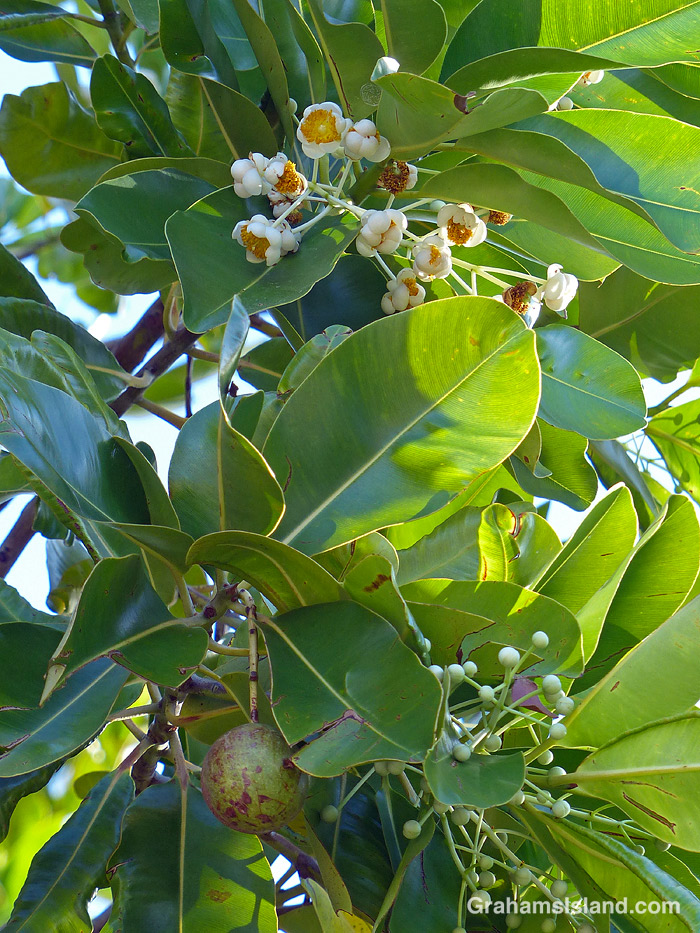
Kamani is a canoe plant, brought to Hawaii by early Polynesian settlers, though it grows naturally across most of the Pacific islands. Its common name is Alexandrian Laurel (Calophyllum inophyllum).
The wood of the tree was used for canoe building, homes, containers, and food bowls, and the fragrant flowers are popular with bees.
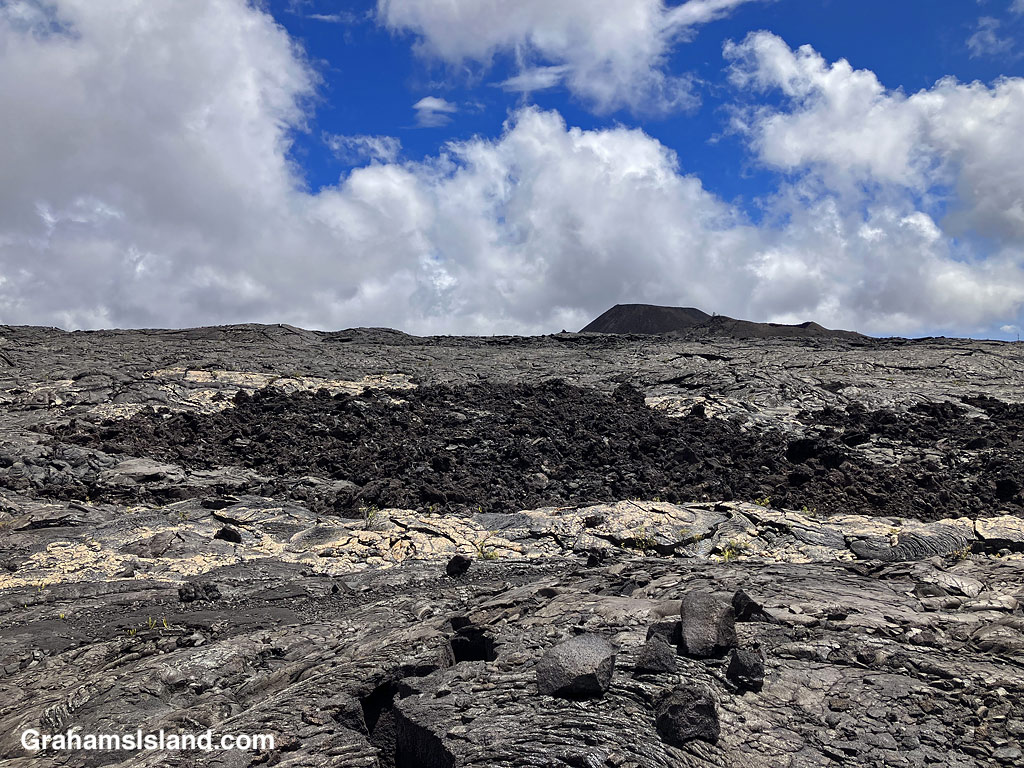
This week’s Sunday Stills challenge theme is ‘I’d Rather Be…’ See more responses here.
It had been a while since I went hiking, for various reasons, and it’s something I was missing, something I’d rather be doing. So last week, I headed down to Hawaii Volcanoes National Park to try the Ka’u Desert Trail. This backcountry trail has been on my list for a long time, but I had never done it before. For one thing, it’s about as far from my house as one can get on the island. For another, it’s directly downwind from Kilauea Volcano, so when the volcano is active and the trade winds are blowing, gasses blow across the length of the trail.
The latest eruption of Kilauea is currently either paused or over, so gas emissions are much reduced, and last week, the trade winds had given way to winds from the southwest. So off I went.


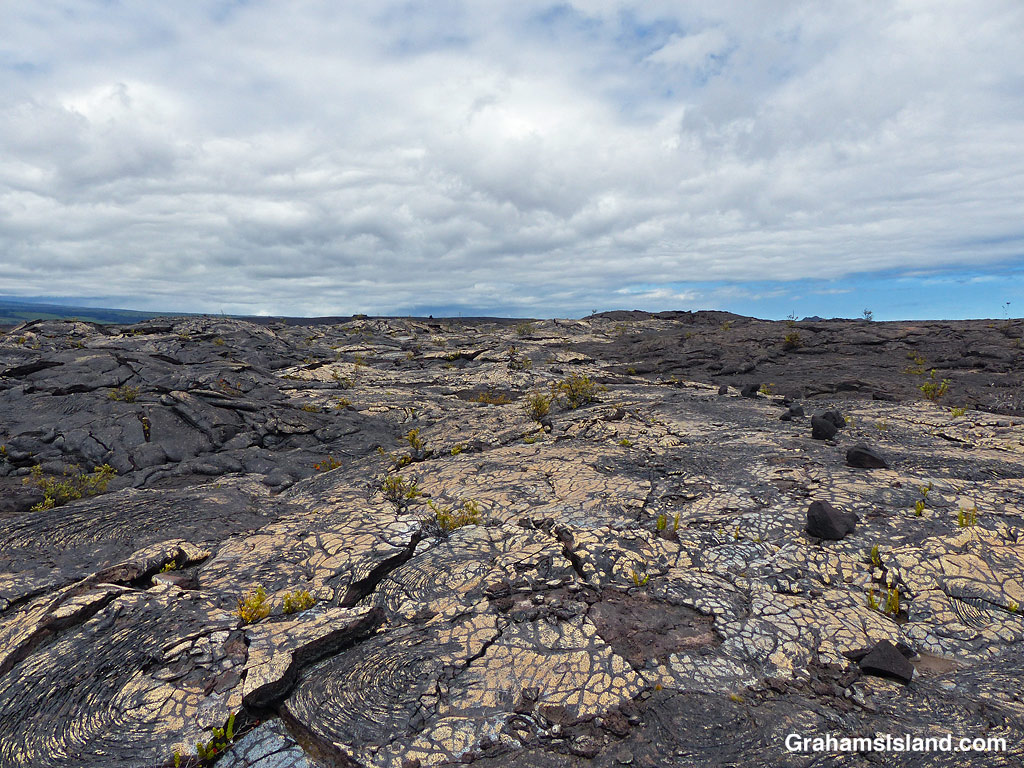
The trailhead is several miles west of the main entrance to the park, with a strip of parking along the highway. The first mile of the hike is also known at the Footprints Trail. It’s a sort of paved path that threads through ohias to a small building that houses footprints left by early Hawaiians in volcanic mud and ash. Alas, I couldn’t identify any footprints in the display. Shortly after the footprints, the path breaks out of the vegetation into open lava fields. This isn’t a tropical Hawaii walk, this a bleak hellscape Hawaii walk. Or is it?

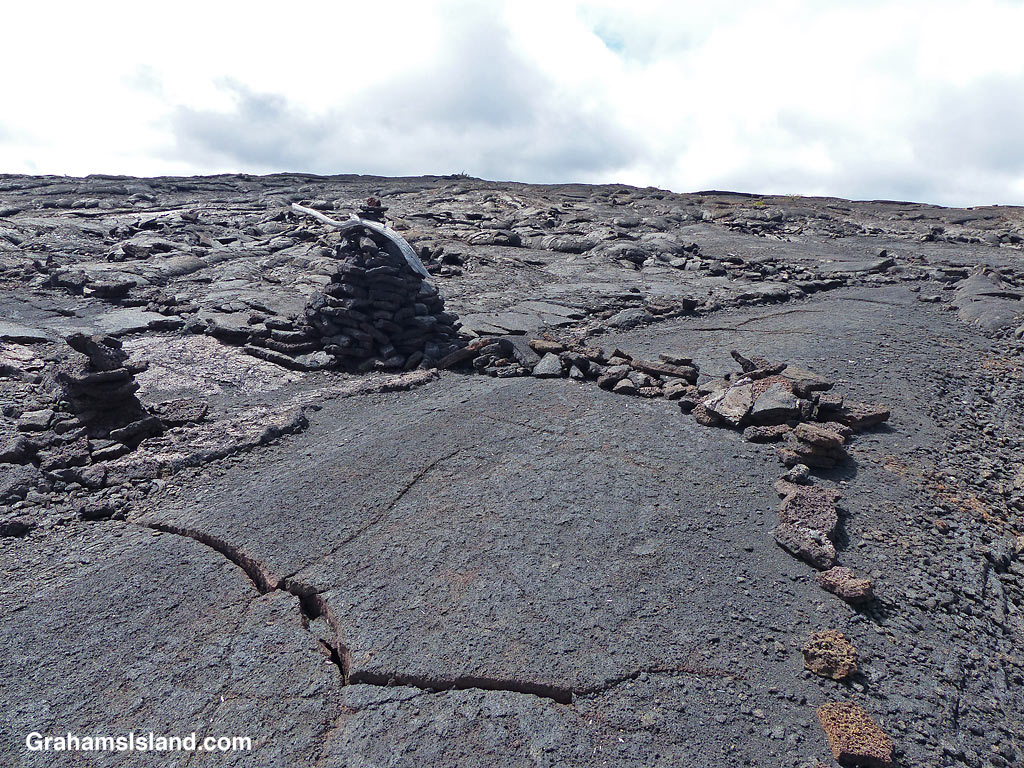
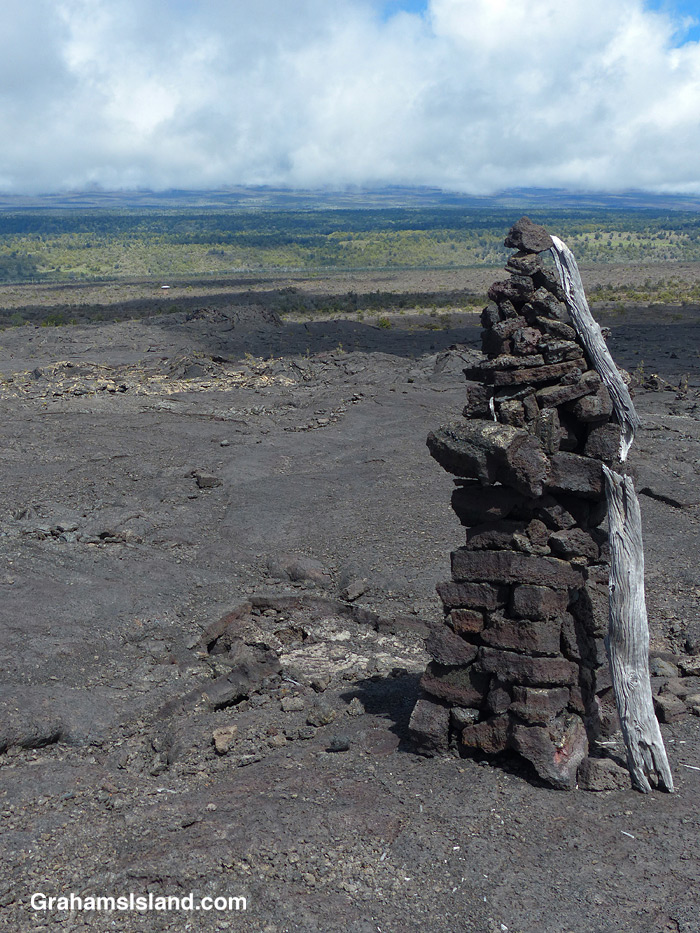
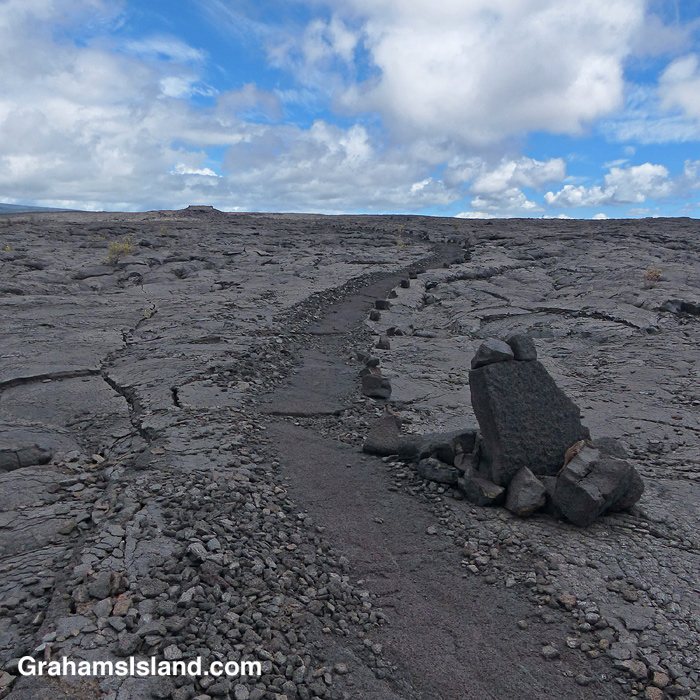
The trail ascends gently to the only junction for miles around, at Mauna Iki. To the left is a trail back towards the heart of the park. The Ka’u Desert Trail heads to the right and into backcountry wilderness. Mauna Iki was the site of an eruption in 1919 and the trail traverses the lava fields from this eruption.
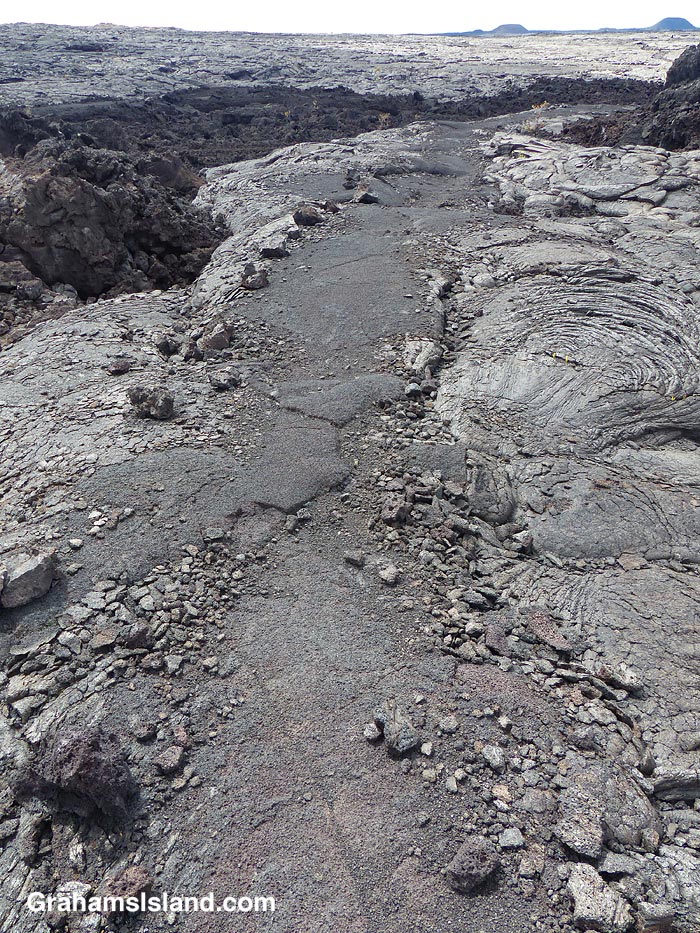

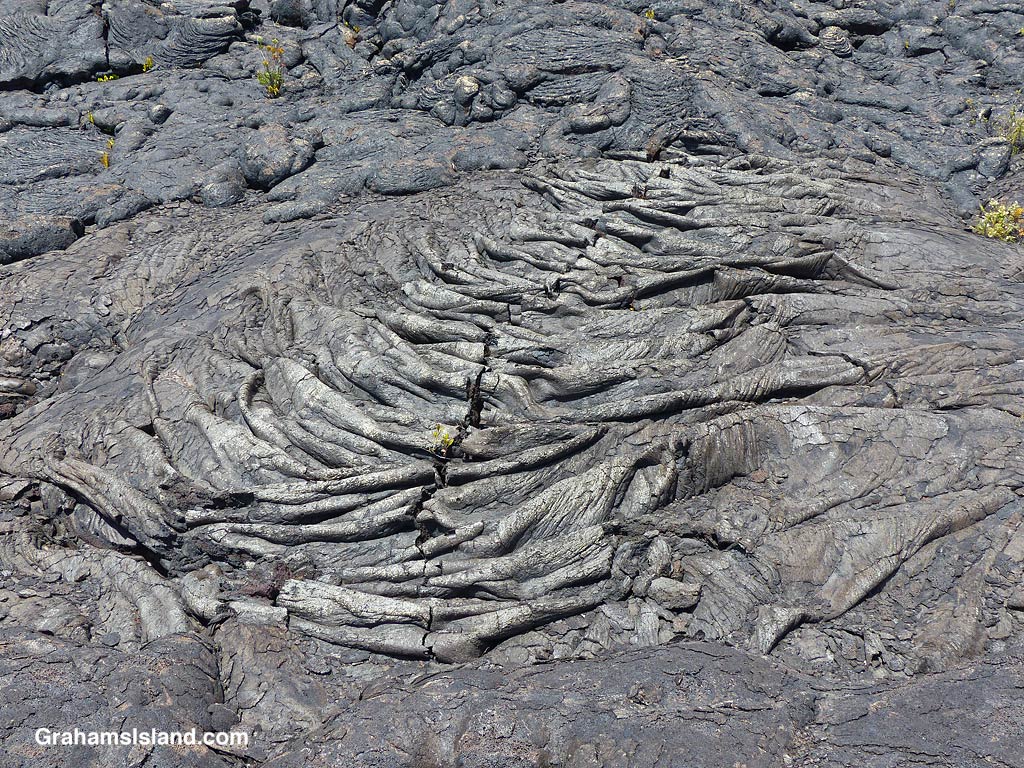
Much of the trail is over pahoehoe lava, which is rounded and much easier to walk on than jagged a’a lava. The trail is marked by cairns and single rocks placed alongside it. It’s pretty easy to follow with just one or two parts where attention has to be paid to make sure one doesn’t stray.

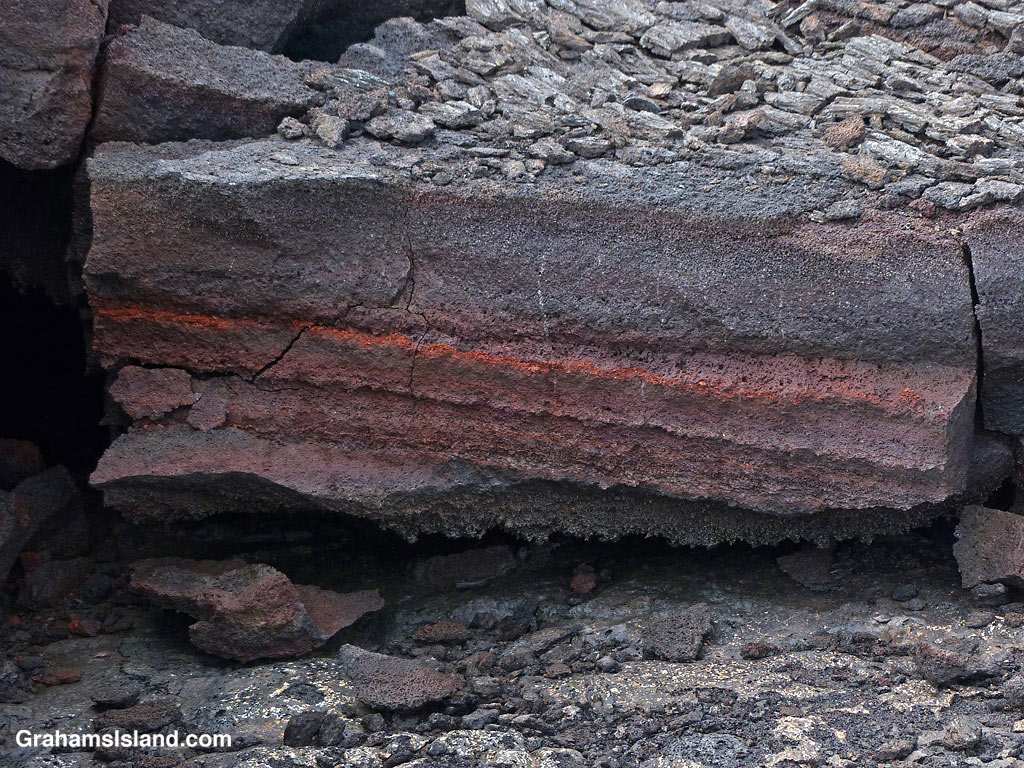


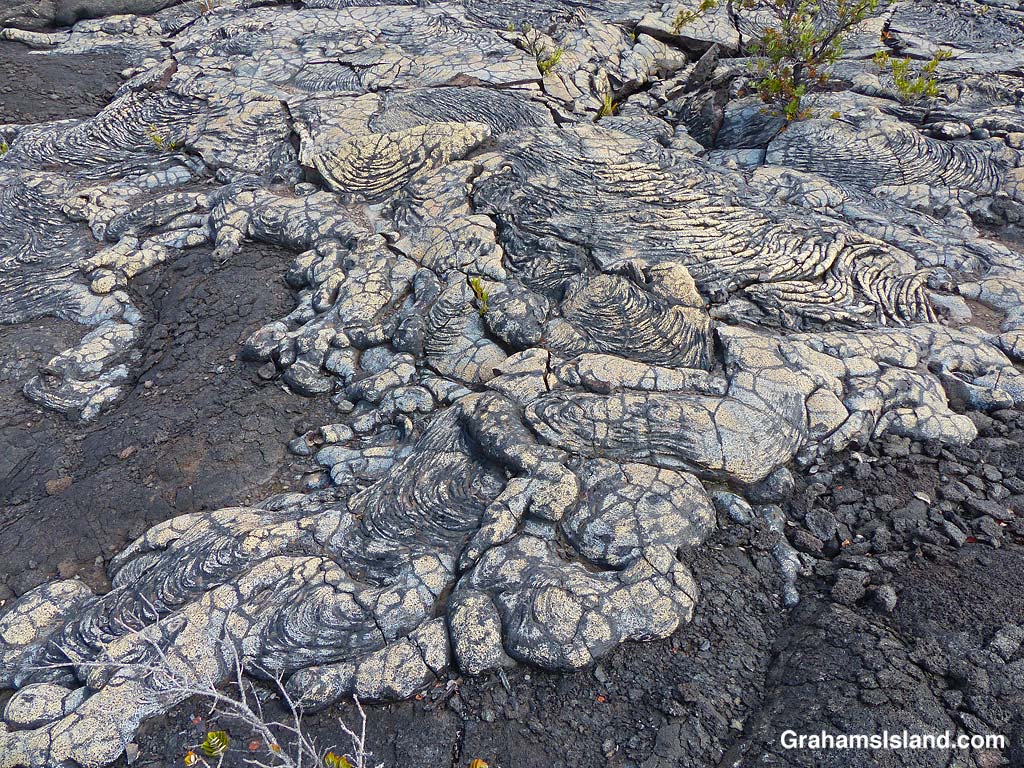

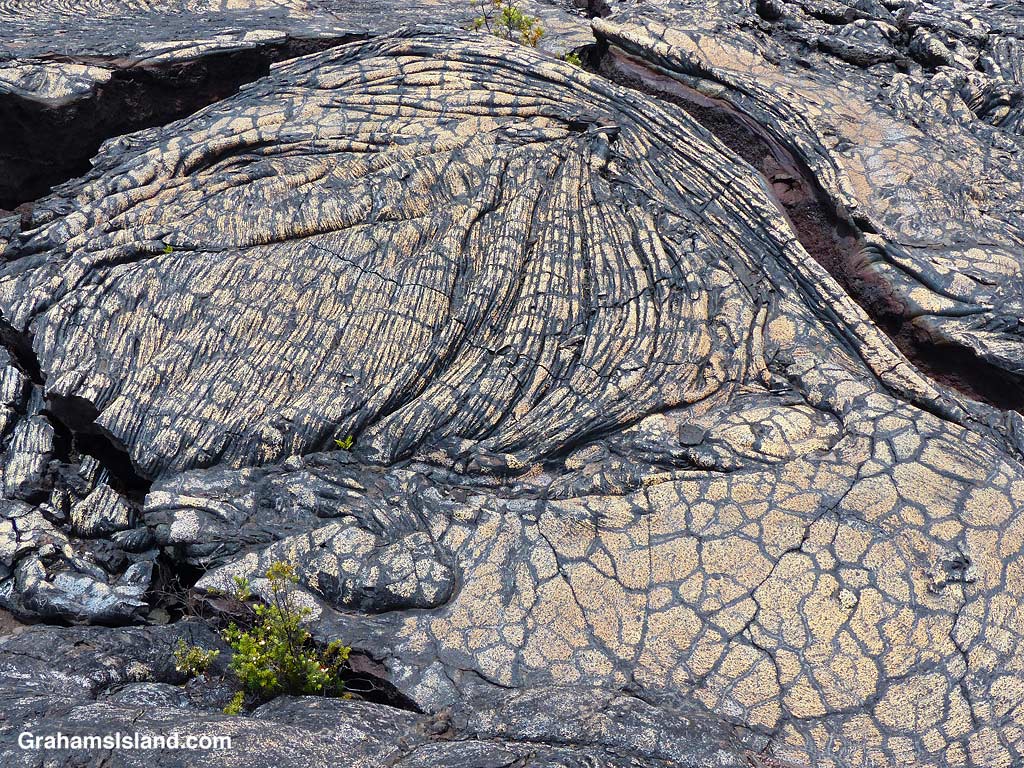

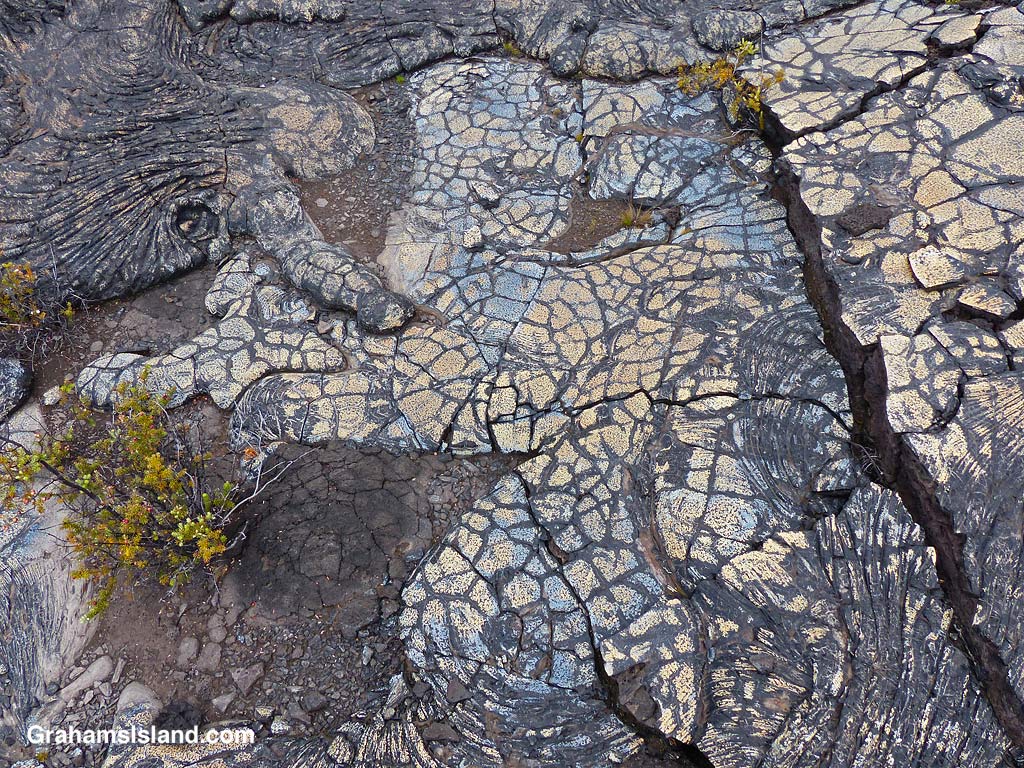
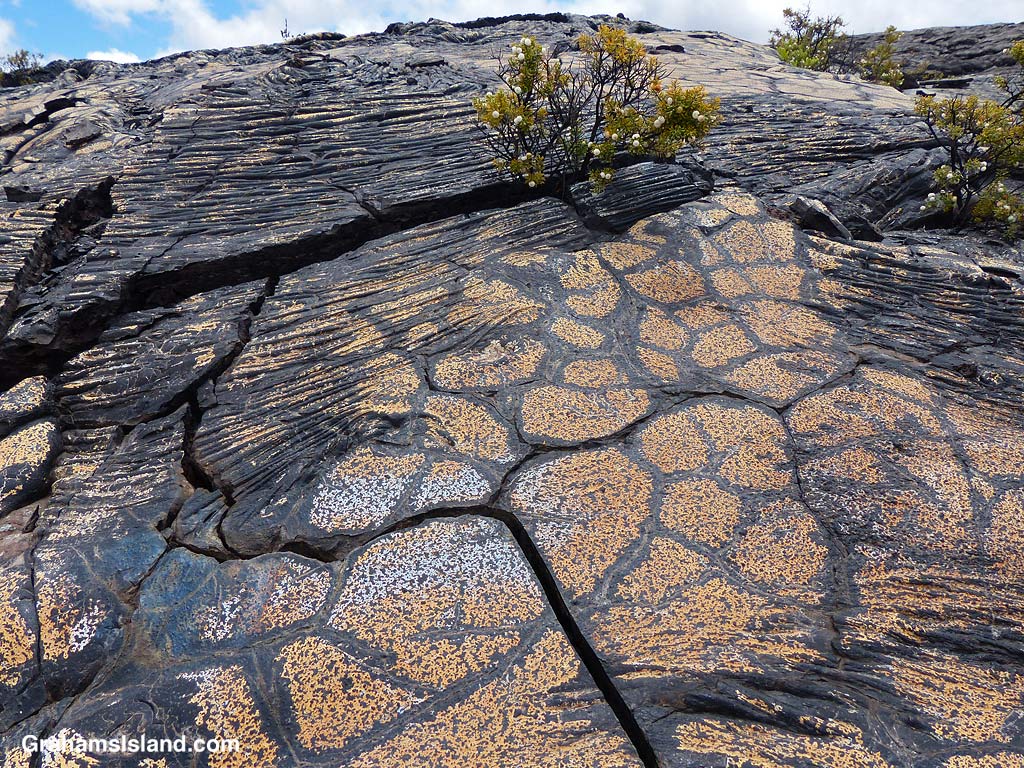
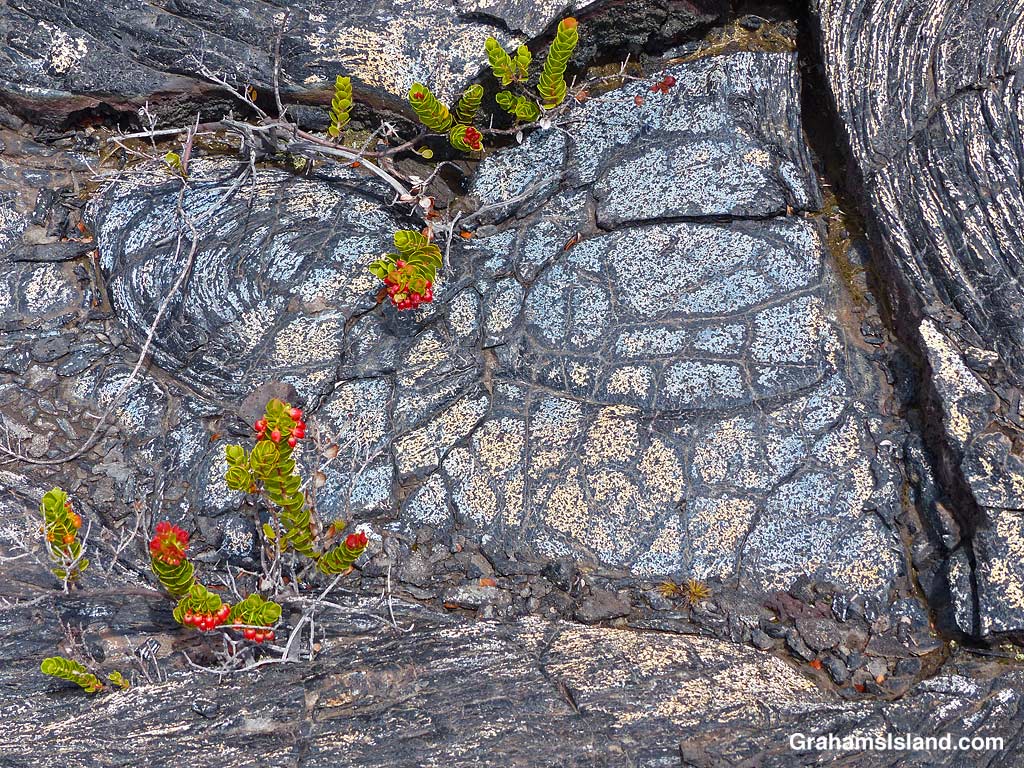


It wasn’t far along this part of the trail that I first encountered blue lava. That’s right, blue lava. Who knew? But not just blue. There’s bronze, pink, red, orange, gold, and who knows what. I’ve seen colorful lava on the Puna Coast Trail, but this was more varied and quite wonderful. In places the trail crossed this colorful lava and I felt bad for walking on it, though as I hiked I could see many more patches of color out in the lava fields. It’s not wise to leave the trail since there are many lava tubes, some with very thin ceilings.
This is an out and back trail and I turned around once I reached the Kamakai’a Hills, after about 5 miles. It’s another 2 or 3 miles to the next junction where there is a small cabin.
Also posted for Jo’s Monday Walk. See more responses here.

A bee forages on a colorful Lantana flower.


This Praying Mantis spent several days on this Agave Attenuata, waiting patiently for food. There were bees all over the flowers and I think the mantis got some of them, as well as other insects.
I presumed the mantis was a female as it seemed to be getting bigger. A couple of days after taking these photos, the mantis disappeared but I saw an egg sac on a nearby tree, so maybe there will be more on the way!


I couldn’t resist returning to the Agave Attenuata currently blooming in the yard. On this occasion, I was watching a gecko buried in the flower when one of the bees that have been collecting from the flowers came into the frame.
The gecko looked decidedly unimpressed by the bee’s proximity, and relieved when it disappeared.
Posted for Becky’s Squares theme of “Walking” (See more responses here).
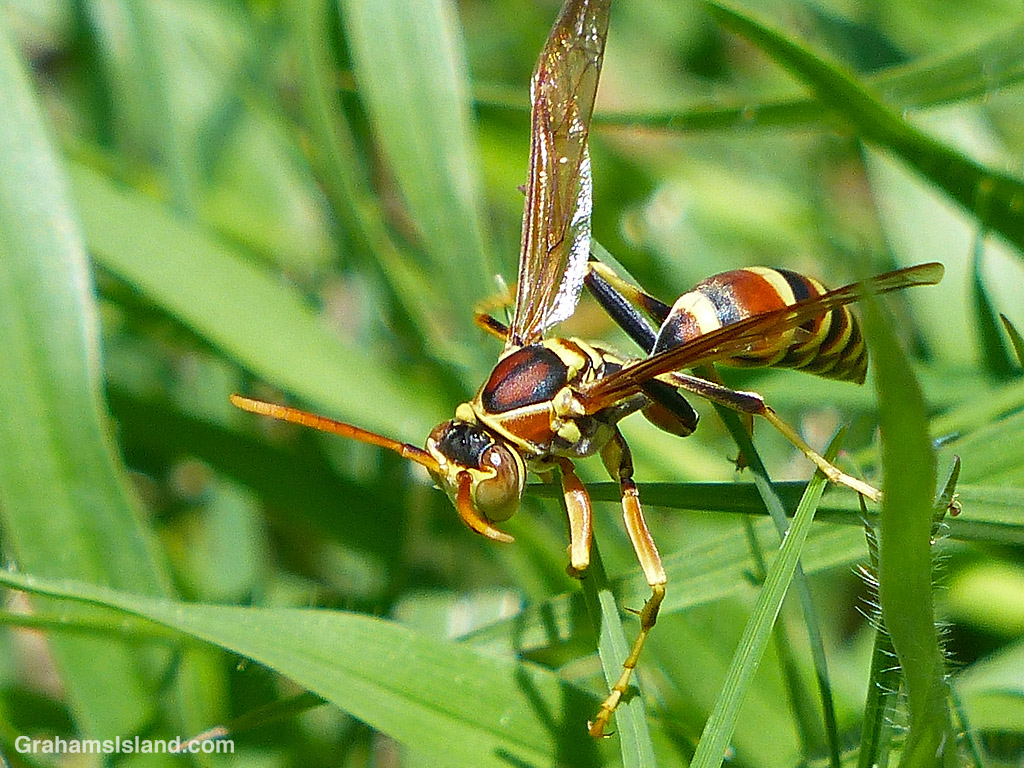
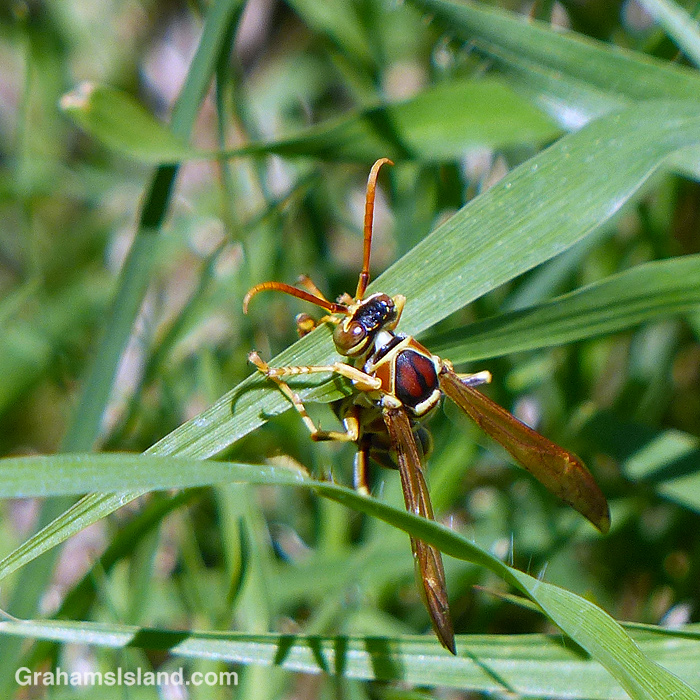
I noticed this wasp clambering through the grass one day recently. It made no attempt to fly, but didn’t seem damaged in any way. Its movements were a bit frenetic and, frankly, it looked a bit insane. So naturally, I got down on my hands and knees and shoved my camera into its face, taking photos!
I shoved enough that at one point the wasp climbed onto the lens and up onto the camera. At that point I decided discretion was the better part of photography, set my camera down in the grass, and waited for it to finish its exploration and stagger away, which it duly did.


Tree Heliotropes are blooming along the coast. They’re not showy flowers but there are lots of them and the bees are all over them.
 Graham's Island