The idea of The Numbers Game is to enter a number into the search bar of your computer and then post a selection of the photos that turn up. This week’s number is 141. Captions are on the photos.
Also posted for Becky’s Squares: Move Forward, Reconstruct, Renew, and/or are Burgeoning. See more responses here.
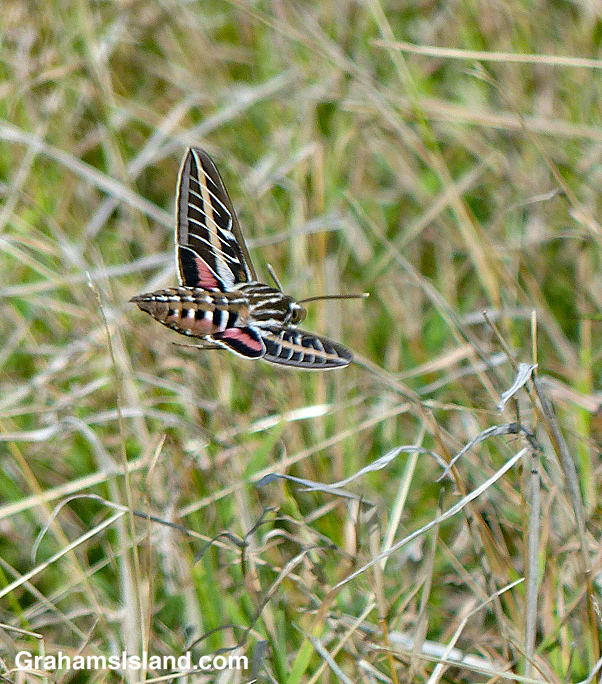
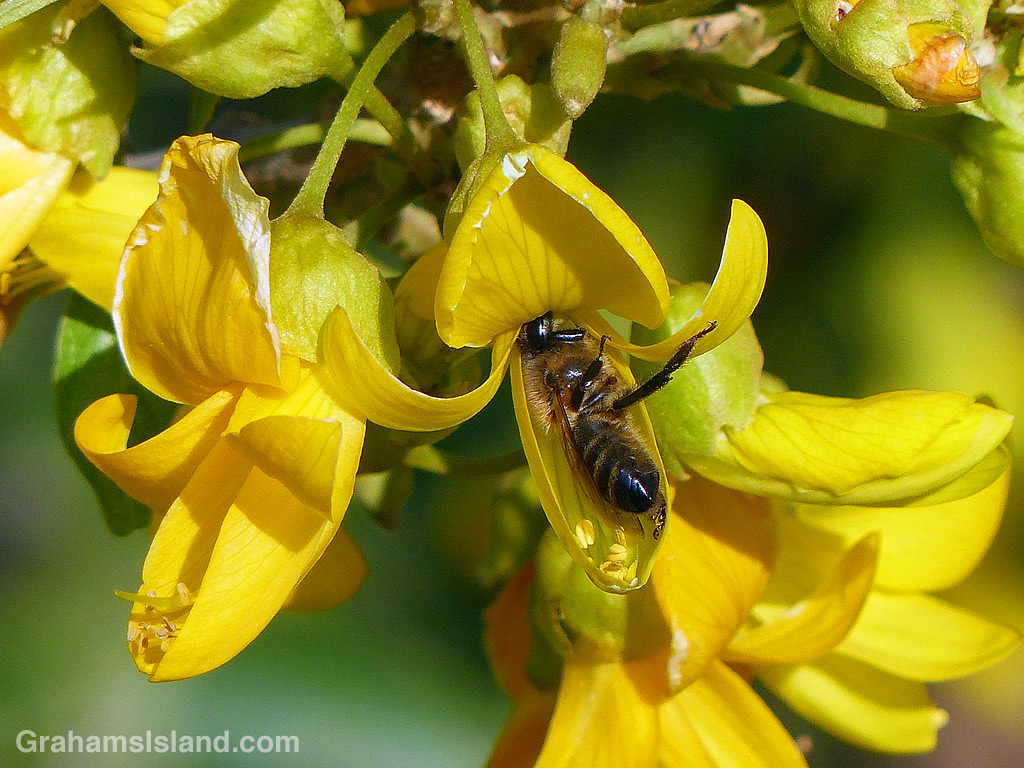
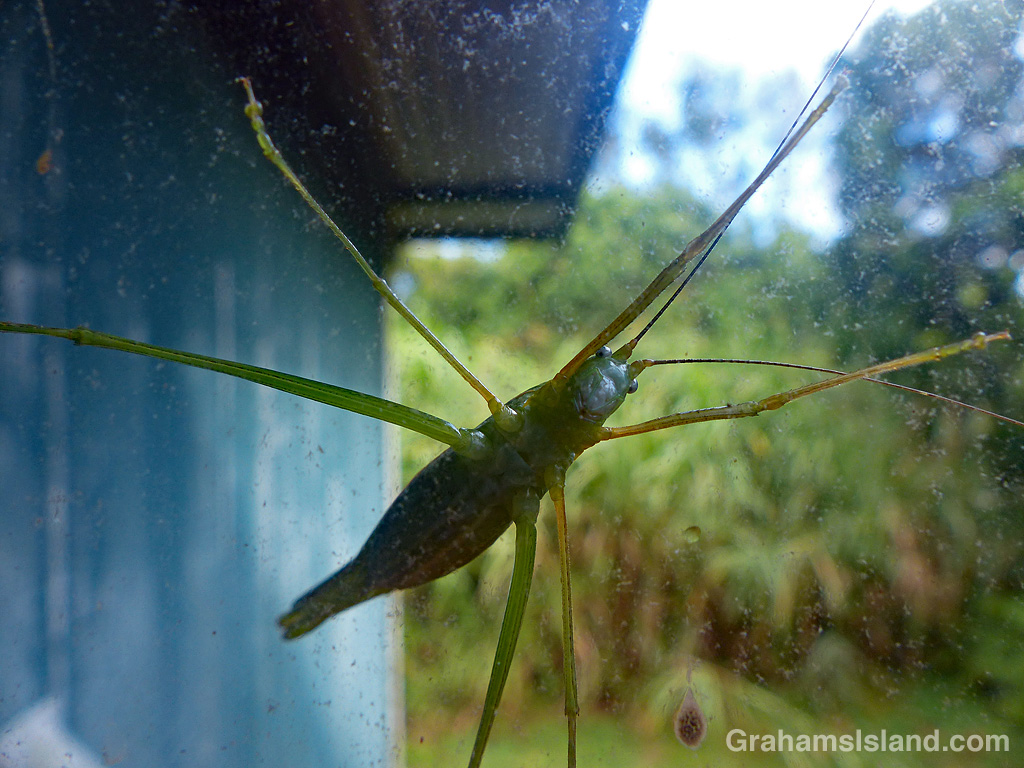
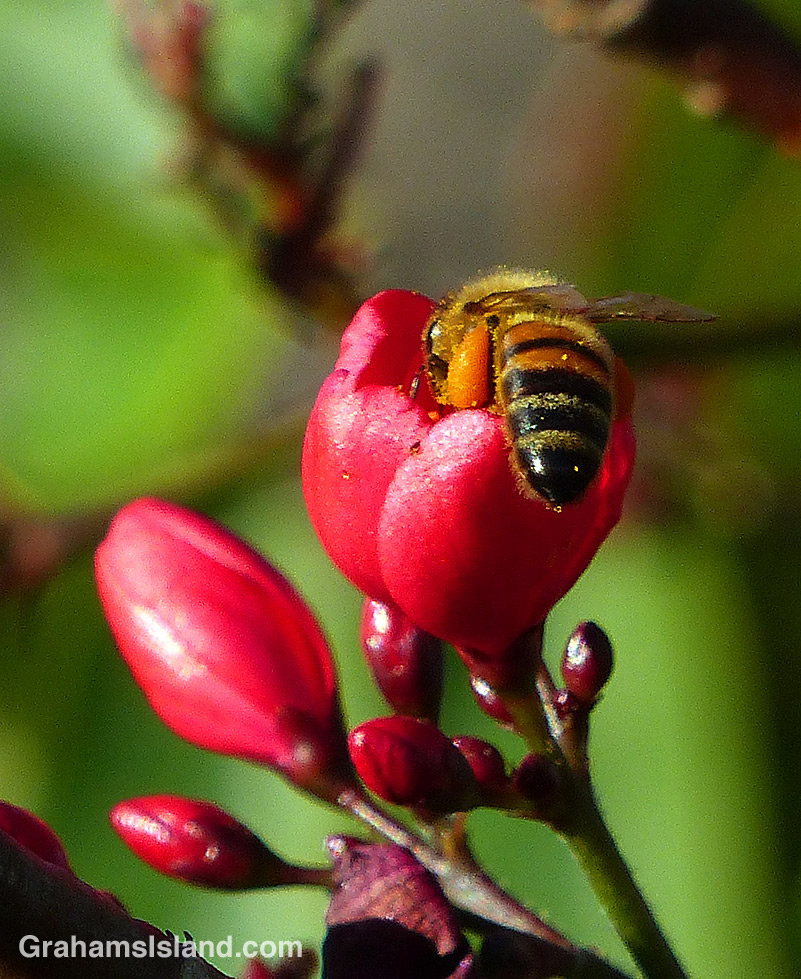
An Hawaii Amakihi in a Mamane tree.A green anole on a Ti leaf.A White-lined Sphinx Moth.A bee working hard in a Mamane flower.A Praying Mantis hoping the photographer gets lost.A Katydid says hi.
The photo number isn’t 140, but this still works. Watch out for that tub!
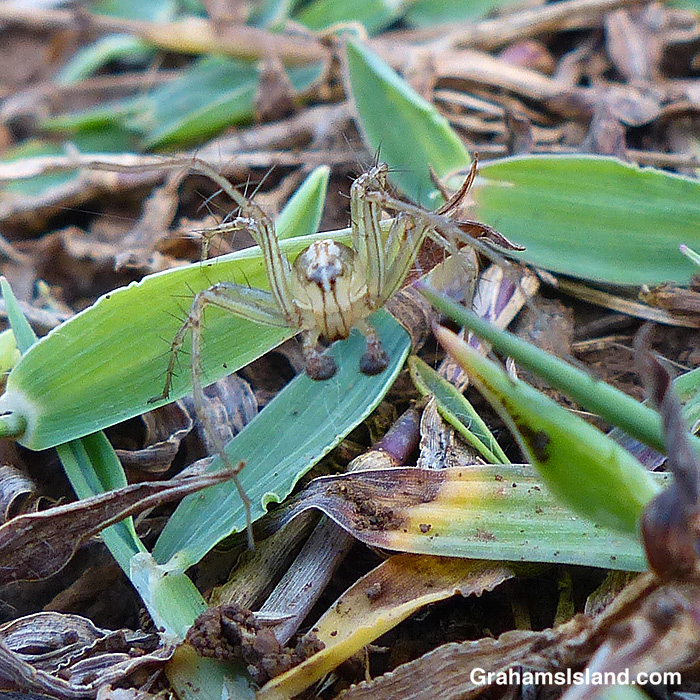
An itsy bitsy, teeny weeny Striped Lynx Spider.
The idea of The Numbers Game is to enter a number into the search bar of your computer and then post a selection of the photos that turn up. This week’s number is 140. Captions are on the photos.
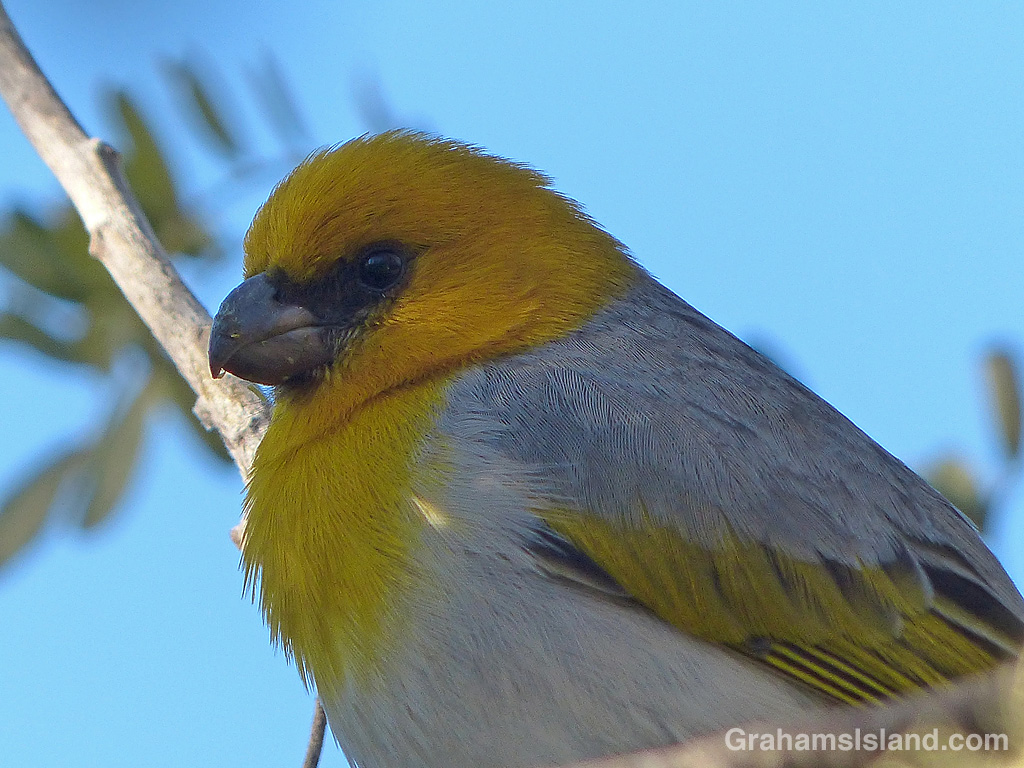
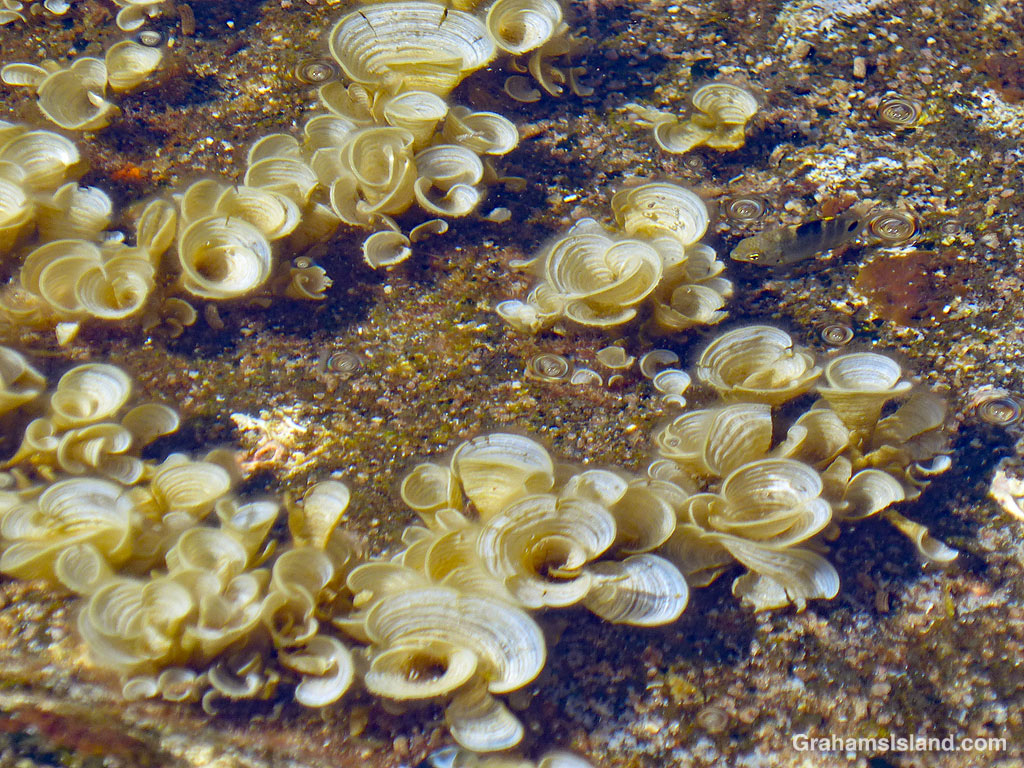
An endangered Palila, a bird found only on the Big Island, Hawaii.Rainbow over North Kohala.Little fish and Padina japonica seaweed in a tide pool.A fireweed control moth (Secusio extensa).Sunrise over North Kohala.
This Monarch Butterfly caterpillar was busy munching its way through an Hawaiian Crown Flower plant. But all that eating means it poops a lot. That poop, politely known as frass, is what those greenish nuggets on the left are. My first thought when I saw them was, ‘those are big poops!’
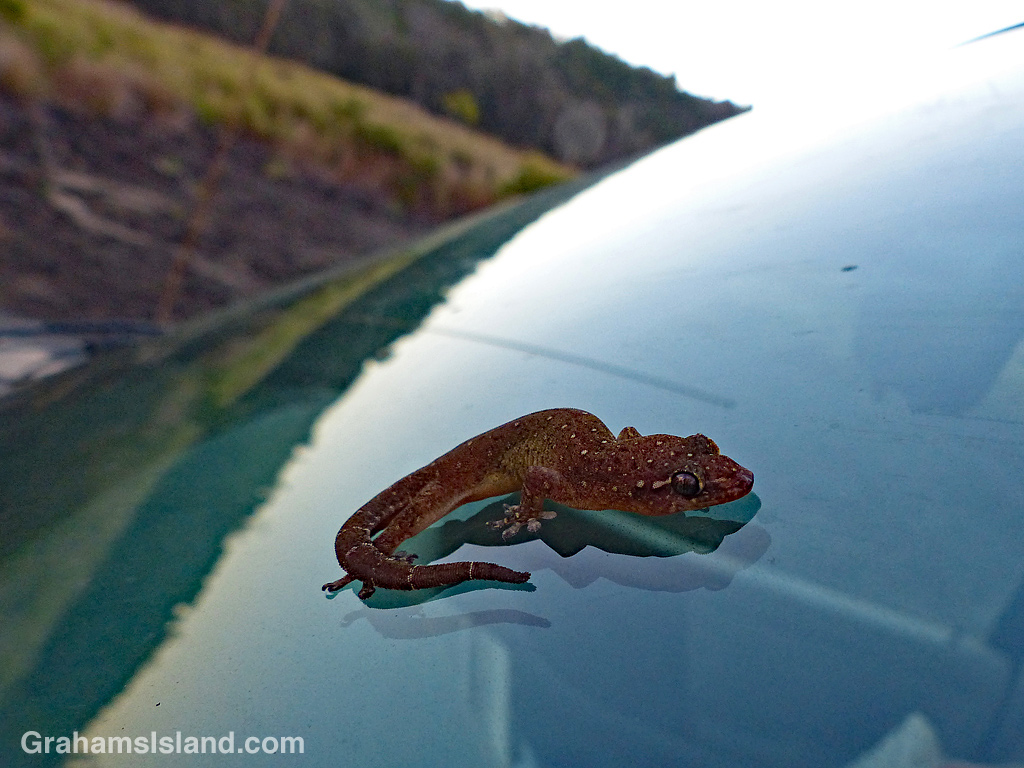
This stump-toed gecko rode on my windshield for about 40 miles!
The idea of The Numbers Game is to enter a number into the search bar of your computer and then post a selection of the photos that turn up. This week’s number is 137. Captions are on the photos.
Tropical Milkweed (Asclepias curassavica) is an introduced species here. It’s become popular in part because milkweeds are food for butterflies, including Monarch Butterflies, whose numbers have been falling for some time. However, there are questions about whether planting Tropical Milkweed is a good or bad thing.
One concern is that Tropical Milkweed’s perennial habit might be disrupting the Monarch’s epic migrations. Another concern is that the plant hosts Oe (Ophryocystis elektroscirrha), a parasite that adversely infects butterflies, and that is passed down to subsequent generations. This parasite is more prevalent in non-migratory butterflies such as those in Hawaii, but it’s not clear whether Hawaii’s population is suffering in the same way as some of those on the mainland. Hawaii’s Monarchs primarily use Crown Flowers to lay their eggs.
The idea of The Numbers Game is to enter a number into the search bar of your computer and then post a selection of the photos that turn up. This week’s number is 130. You can see more responses here.
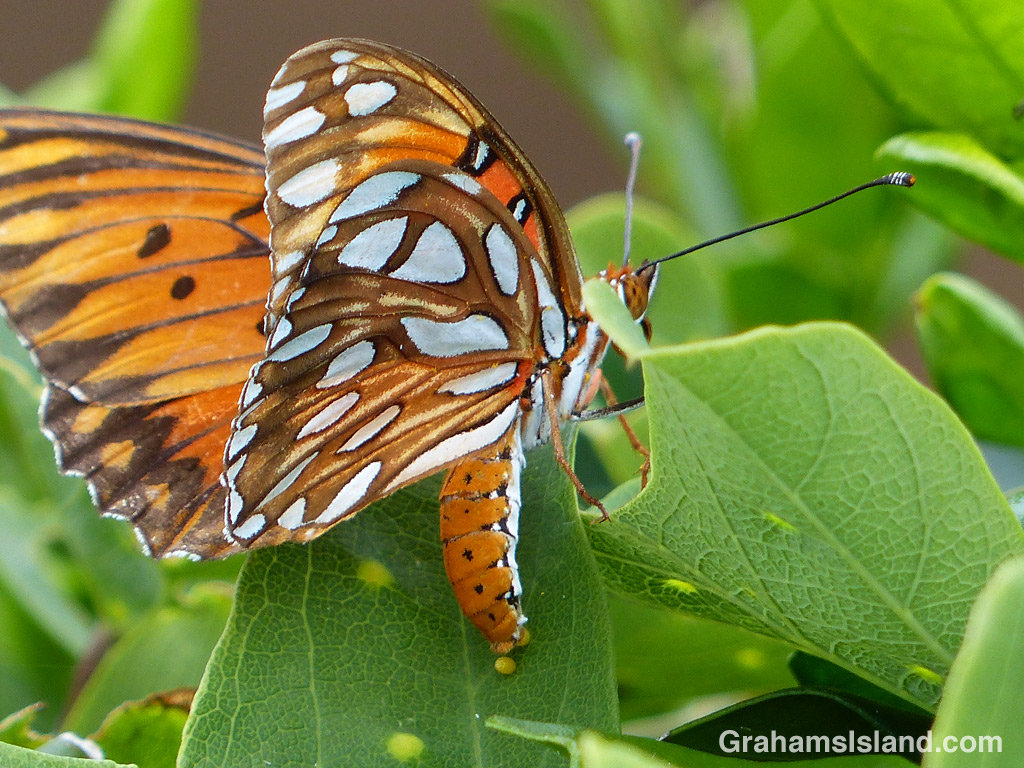
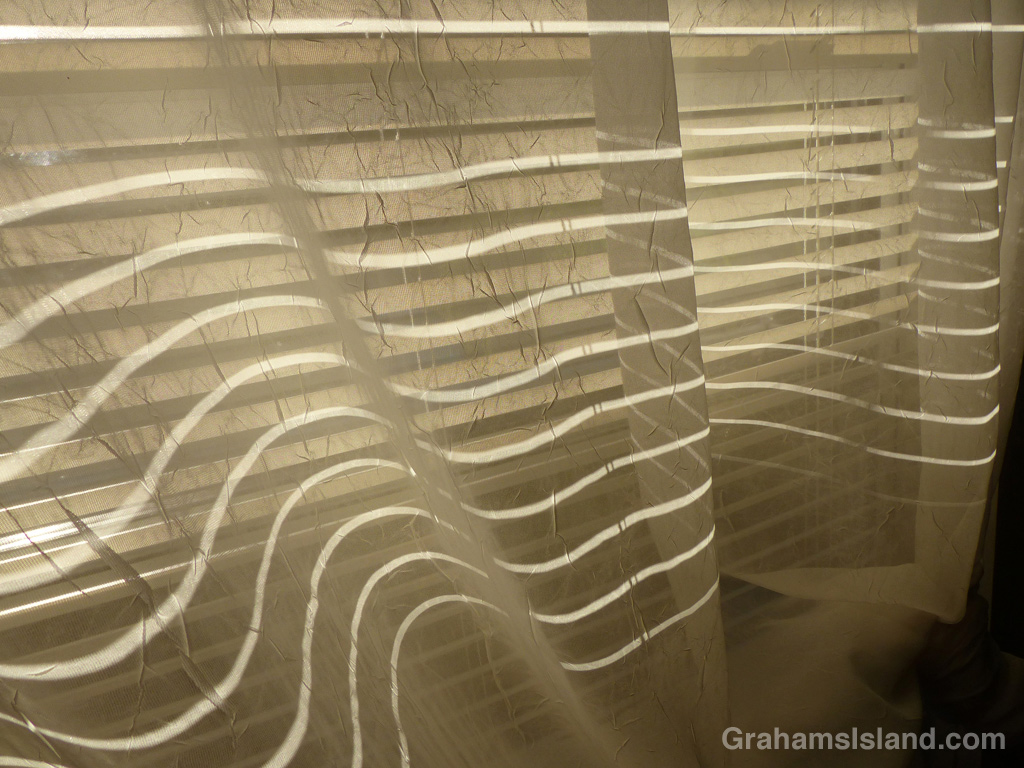
A Passion Vine Butterfly lays an egg.Early morning webs.Light through the blinds.Not a castaway, but an opihi picker.
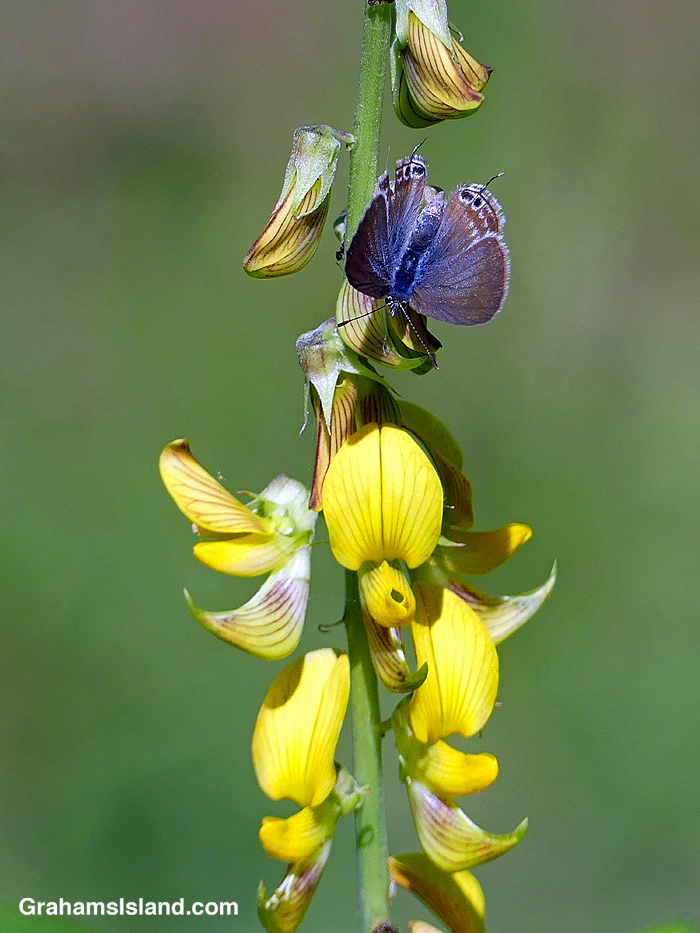
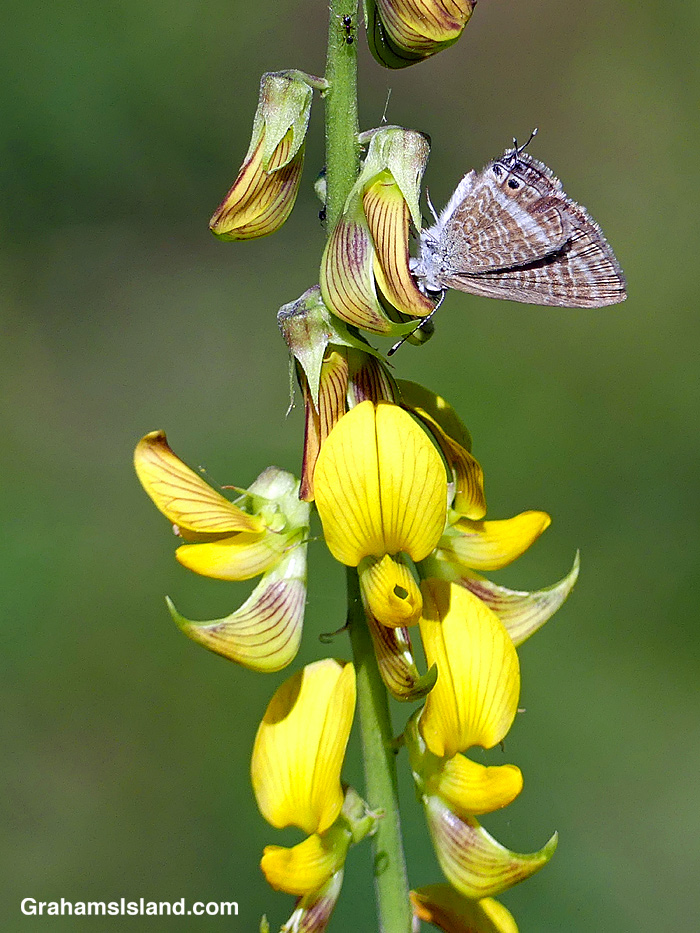
A Long-tailed Blue Butterfly on what I think is a rattlepod, one of the Crotileria family. The Long-tailed Blue is common in Hawaii having been accidentally introduced back in the 1880s.
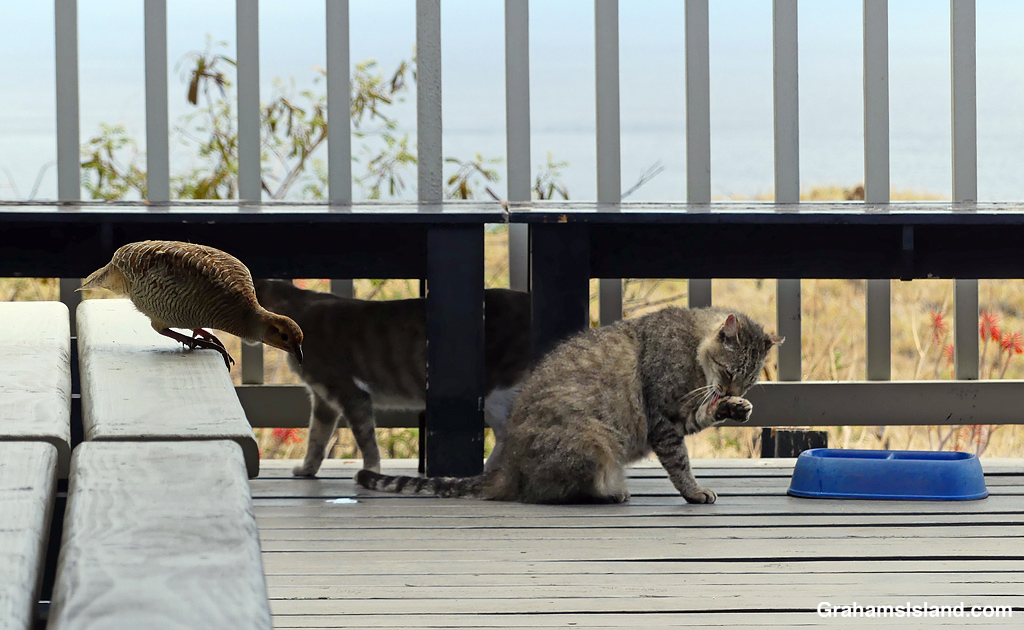
A Gray Francolin ventures into the territory of some cats.
The idea of The Numbers Game is to enter a number into the search bar of your computer and then post a selection of the photos that turn up. This week’s number is 128. You can see more responses here.
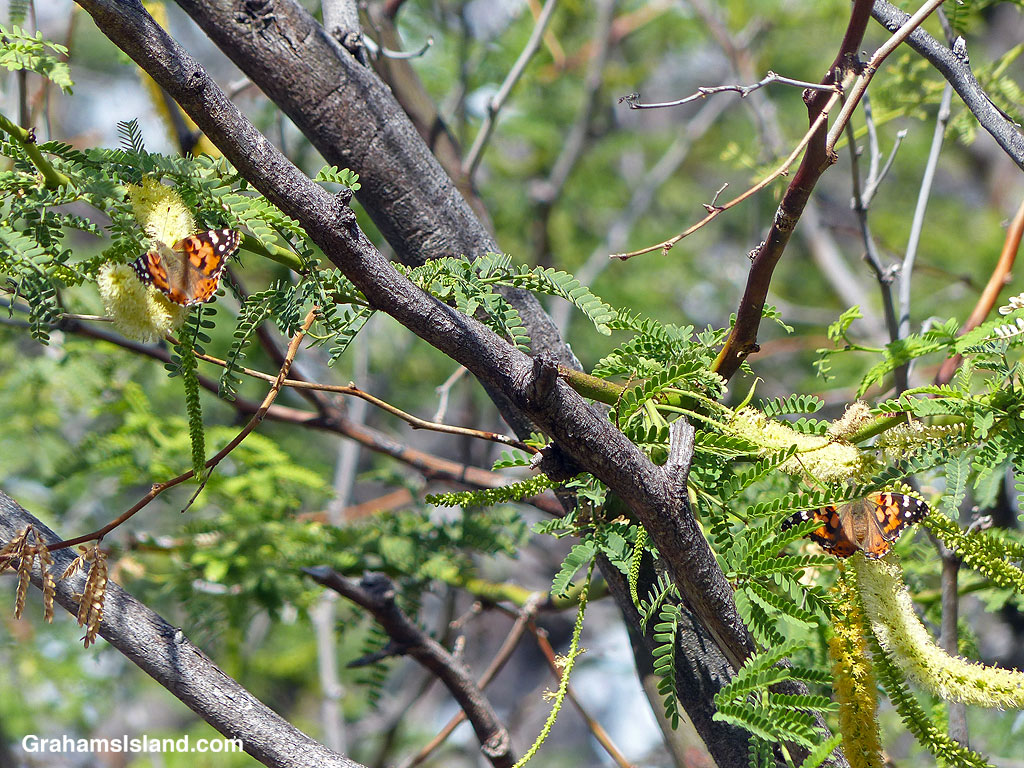
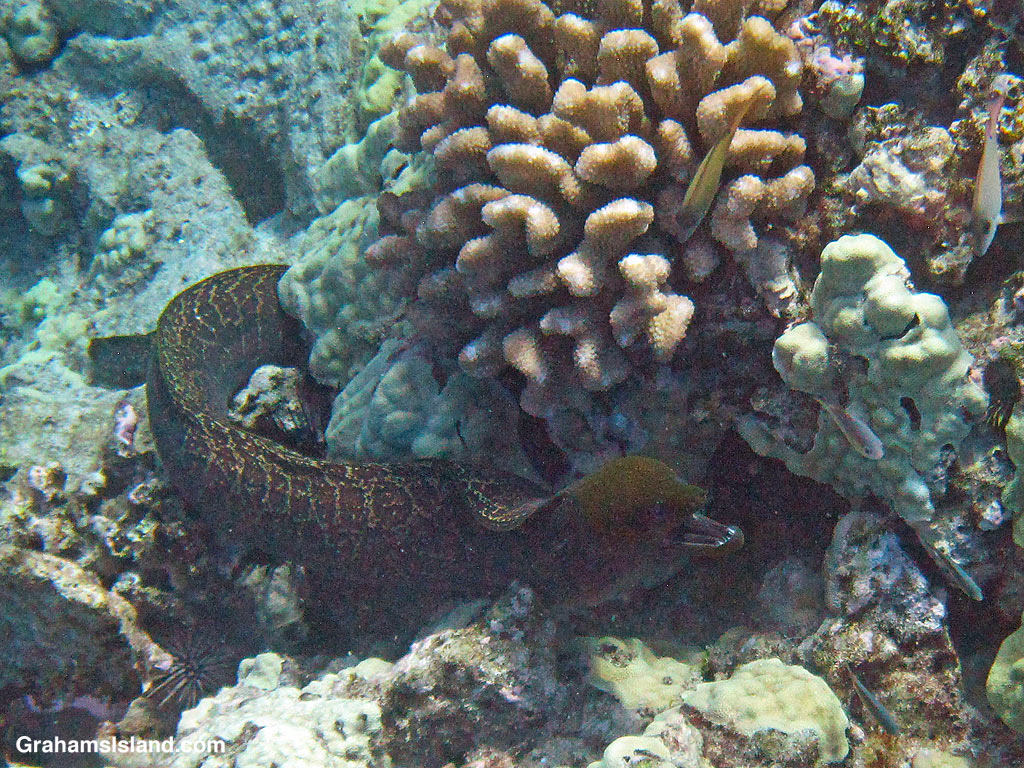
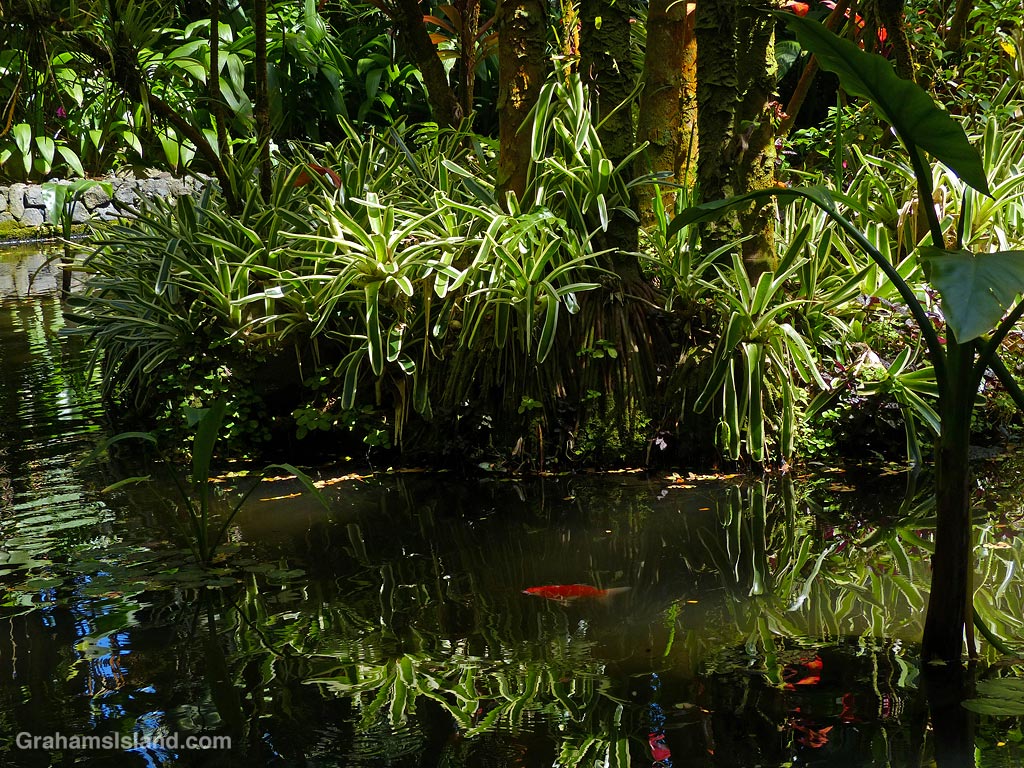
Two Painted Lady Butterflies in a Kiawe tree.An Undulated Moray Eel looking grouchy, as per usual.Koi swim in Lily Lake at Hawaii Tropical Bioreserve and Garden.

















 Graham's Island