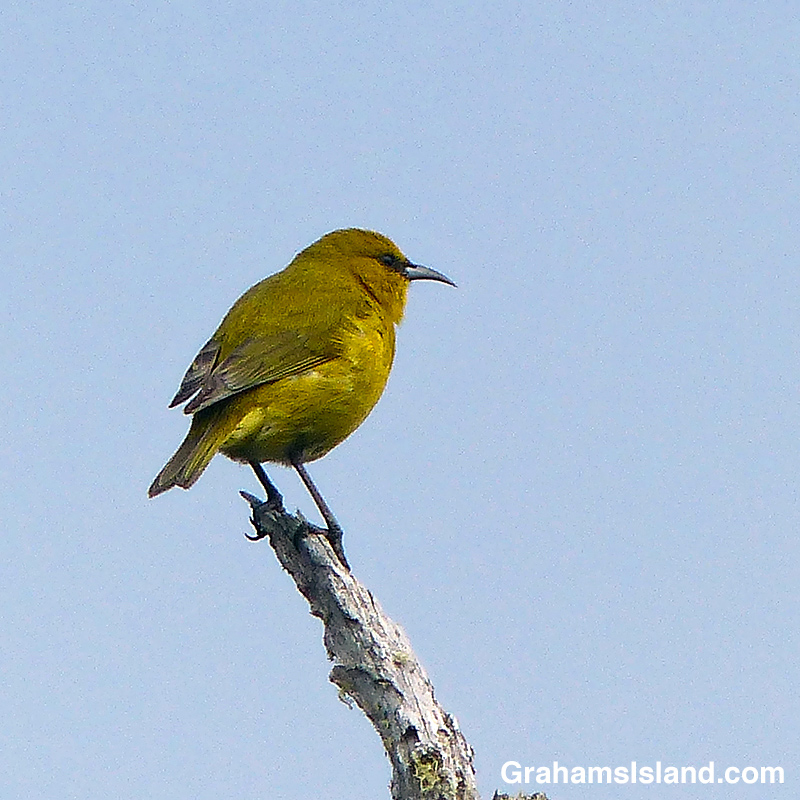
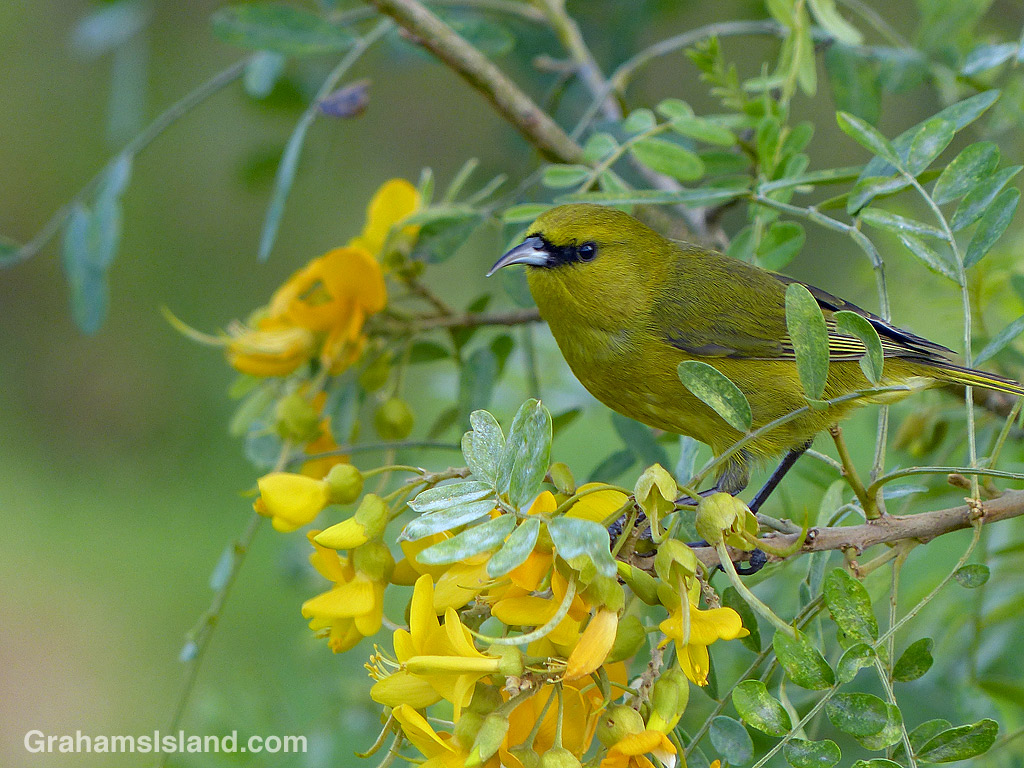
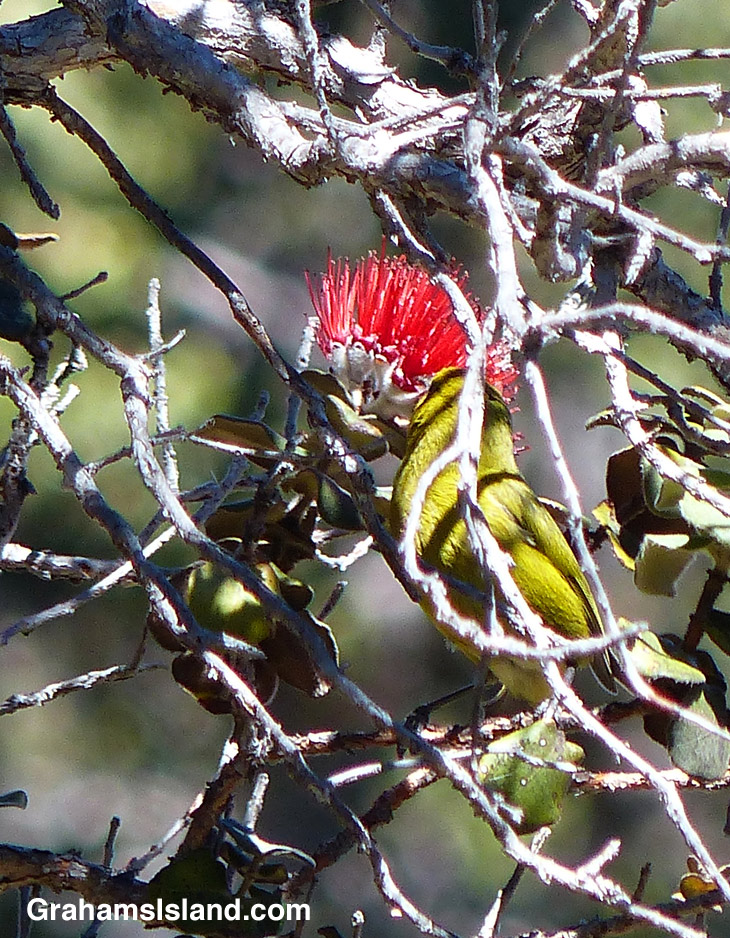
I saw this endemic Hawaii Amakihi on the slopes of Mauna Kea, feeding at Mamane flowers. The Hawaii in the name refers, not to the state, but to the island of Hawaii, otherwise known as the Big Island. There are different species on Oahu, Maui, and Kauai.
This week’s Sunday Stills challenge theme is ‘Great Outdoors.’ See more responses here.
In Hawaii, people spend a great deal of time outdoors. It’s common for people to have an outdoor kitchen, sometimes their only kitchen, sometimes a second one where a barbecue is the featured cooking apparatus. Carports often feature chairs and tables with cars parked elsewhere. The lanai, or deck, is as well-used as any room in the house.
Outdoor activities are popular here, too. Many involve the ocean and its inviting water: swimming, snorkeling, paddling, and of course surfing. Plenty of people go fishing and hunting, longtime sources of food for the table.
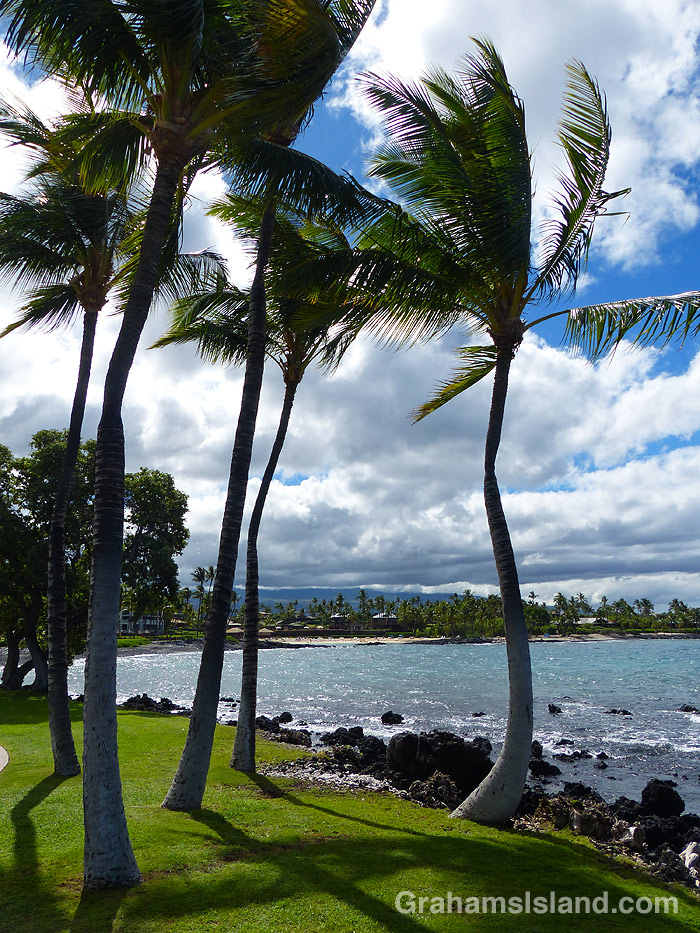
Palm trees on the coast.
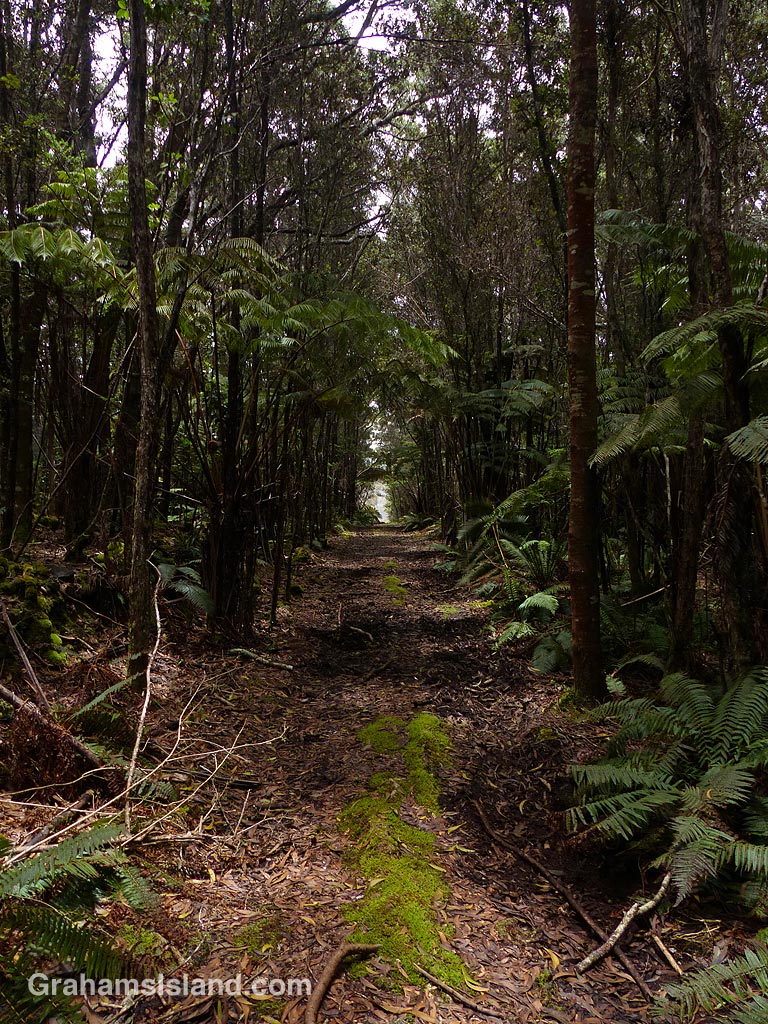
A trail through the woods.
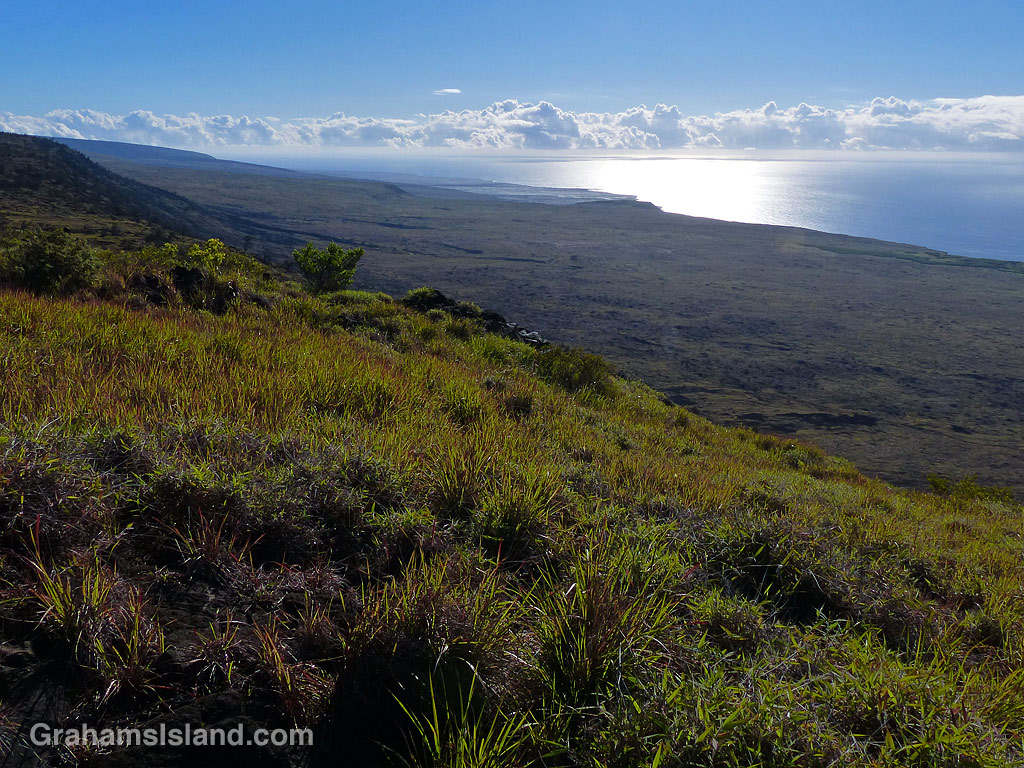
A view from the Hilina Pali Trail.
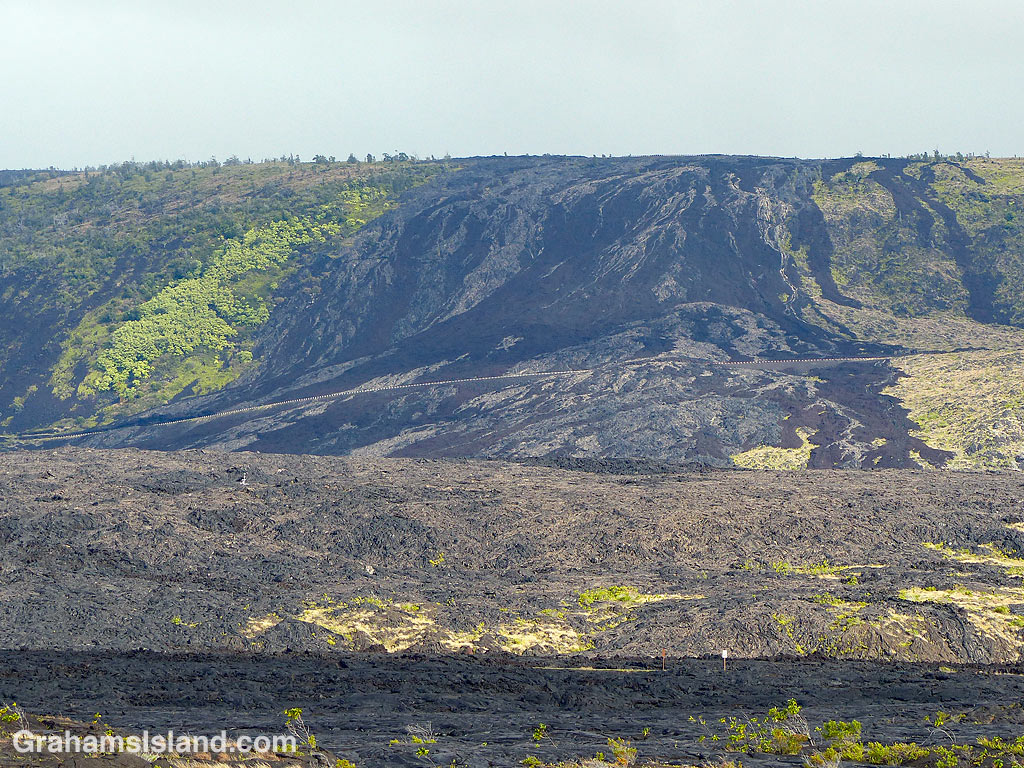
View of an old flow over Holei Pali.
For me, experiencing the great outdoors primarily involves hiking and snorkeling. Hiking isn’t especially popular here, especially along the coast where it can get quite hot. I get strange looks when I hike the length of popular beaches togged out in hiking gear, including shoes, hat, and fanny pack loaded with water. For most, the beach is a place for stretching out and broiling in the sun, not actively working up a sweat.
Hawaii Amakihi
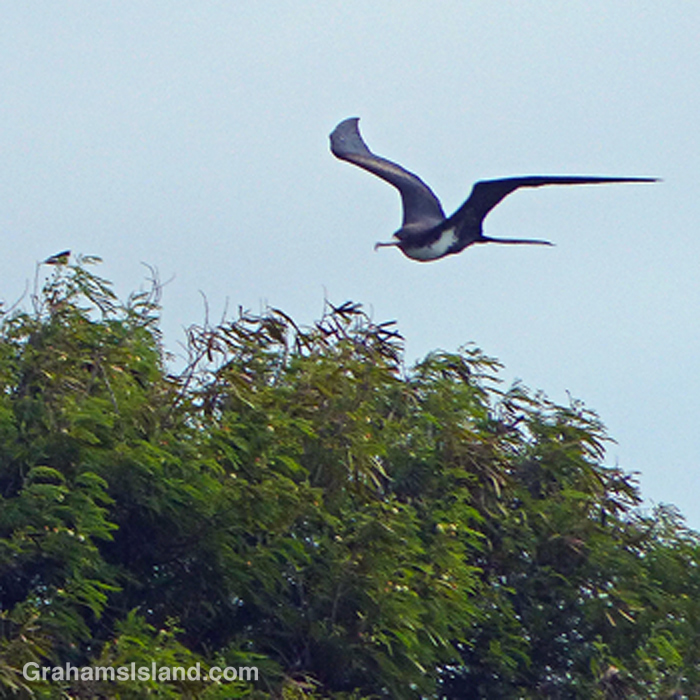
Great Frigatebird
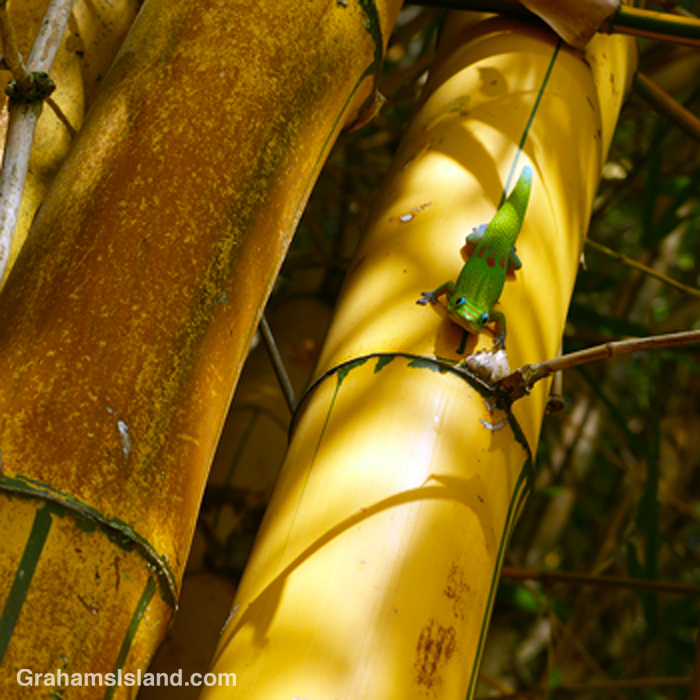
A gecko on yellow bamboo.
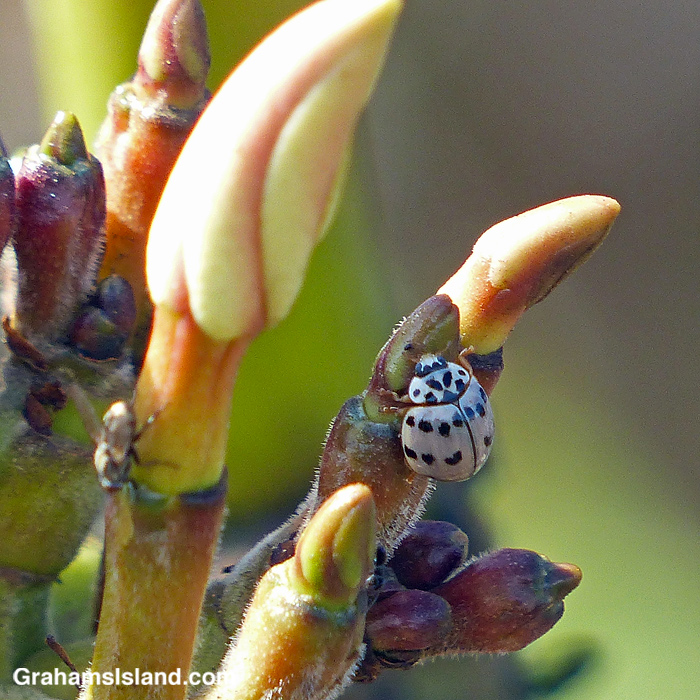
An ashy grey lady beetle on Plumeria.
The vast majority of photos on this blog are taken in the great outdoors. These photos are a small selection of things I’ve seen while out and about, from sweeping views to birds and bugs.
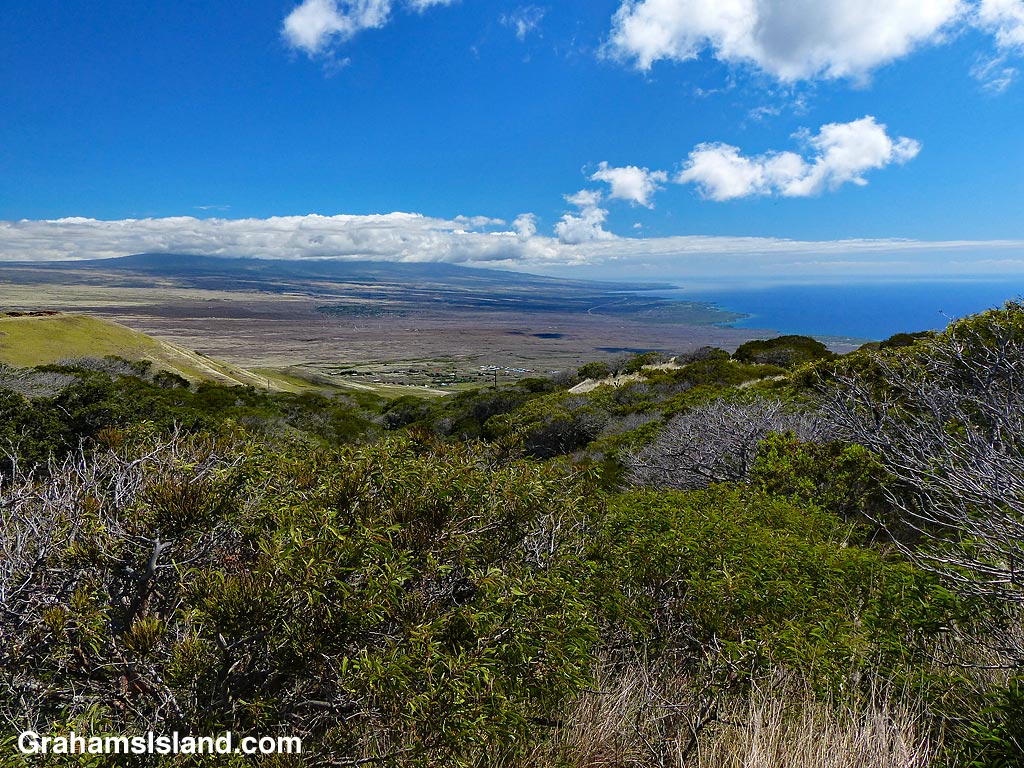
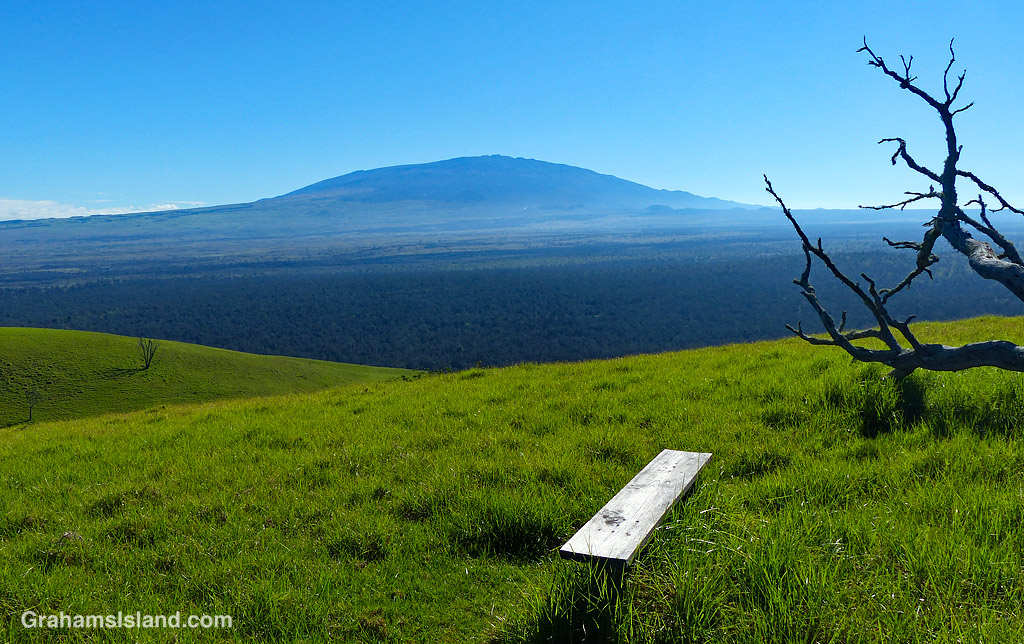
A view of the south Kohala Coast from Koai’a Tree SanctuaryA view of Mauna Kea from Pu’u Wa’awa’a.
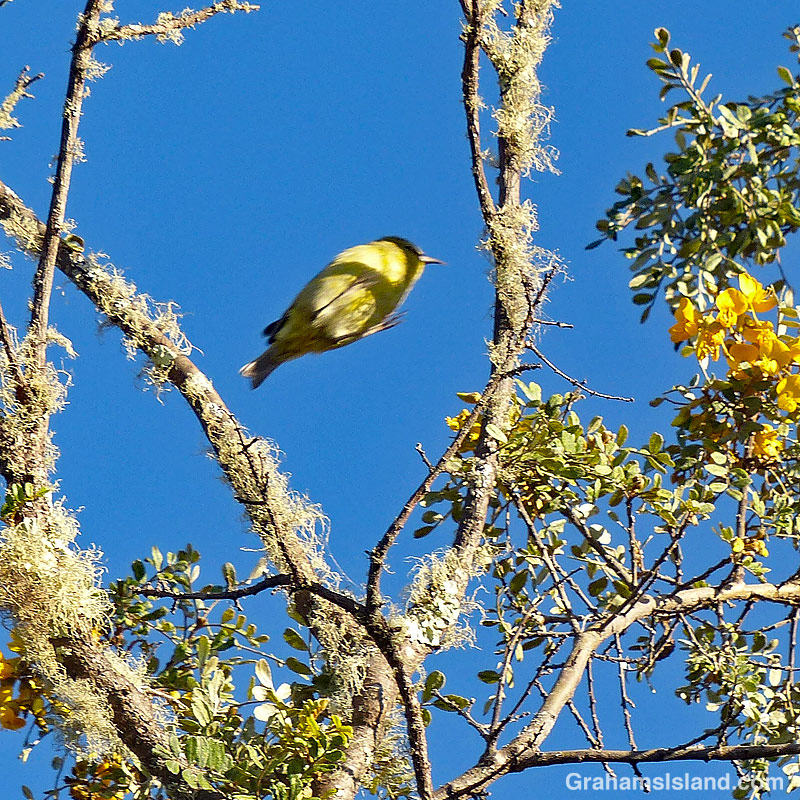
I was at the Palila Forest Discovery Trail, on the lower slopes of Mauna Kea, when I looked up and saw this Hawai’i amakihi, a native honeycreeper. When I got home, I was happy to find that one of my photos had caught the bird in mid hop, from one branch to another.
Recently, I walked around the Palila Forest Discovery Trail on the slopes of Mauna Kea without seeing any palilas. The mamane seeds that they feed on were either dry and brown or just starting to form, so a return in a few weeks might bring more luck. But there were other birds flitting around, usually easier to hear than see, especially in some areas where the tangle of branches make it hard to see anything.
This endemic Hawaii Amakihi was one of them, but then it landed on part of a branch where I happened to have a clear view. I snapped two photos before it once more vanished. I like how this photo makes it looks like the bird is settled in for the long term rather than the momentary landing and take off that actually occurred.
‘Amakihi are endemic honeycreepers and the different islands have slightly different versions of the bird. The Hawai‘i ‘amakihi is very similar to the Maui ‘amakihi, but the O‘ahu and Kaua‘i birds have more noticeable differences. They’re one native bird that has adapted relatively well to changing habitat and introduced diseases including avian malaria.
This one was feeding from bright yellow māmane flowers at the Palila Forest Discovery Trail on the southwest slope of Mauna Kea.





 Graham's Island