
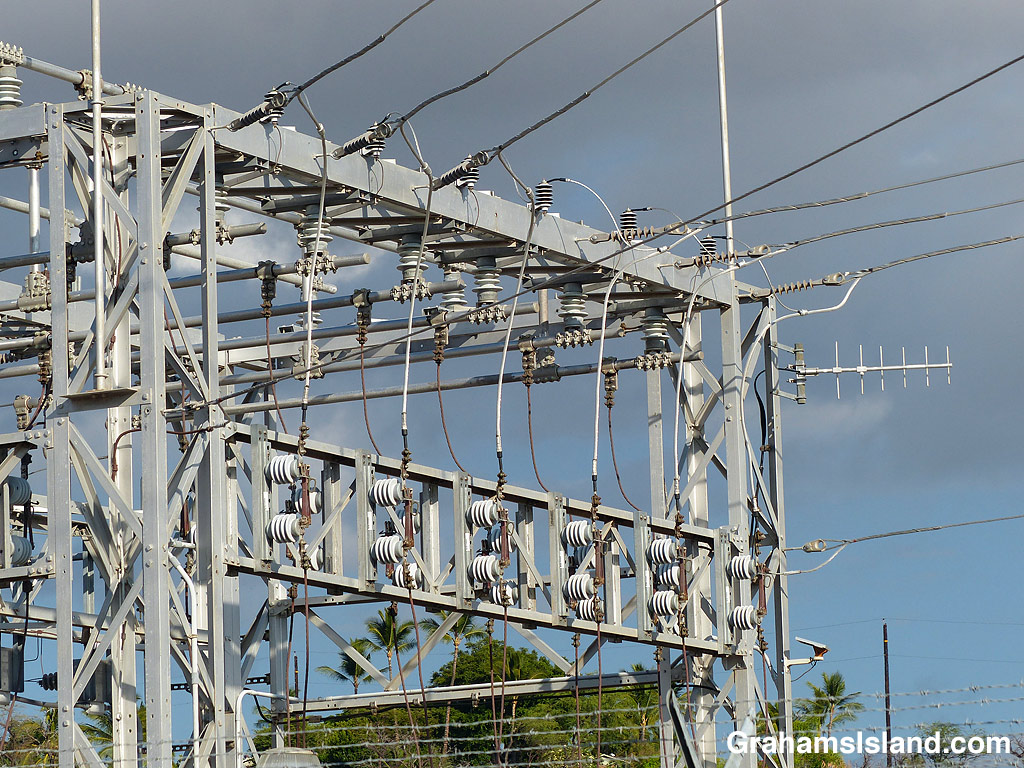
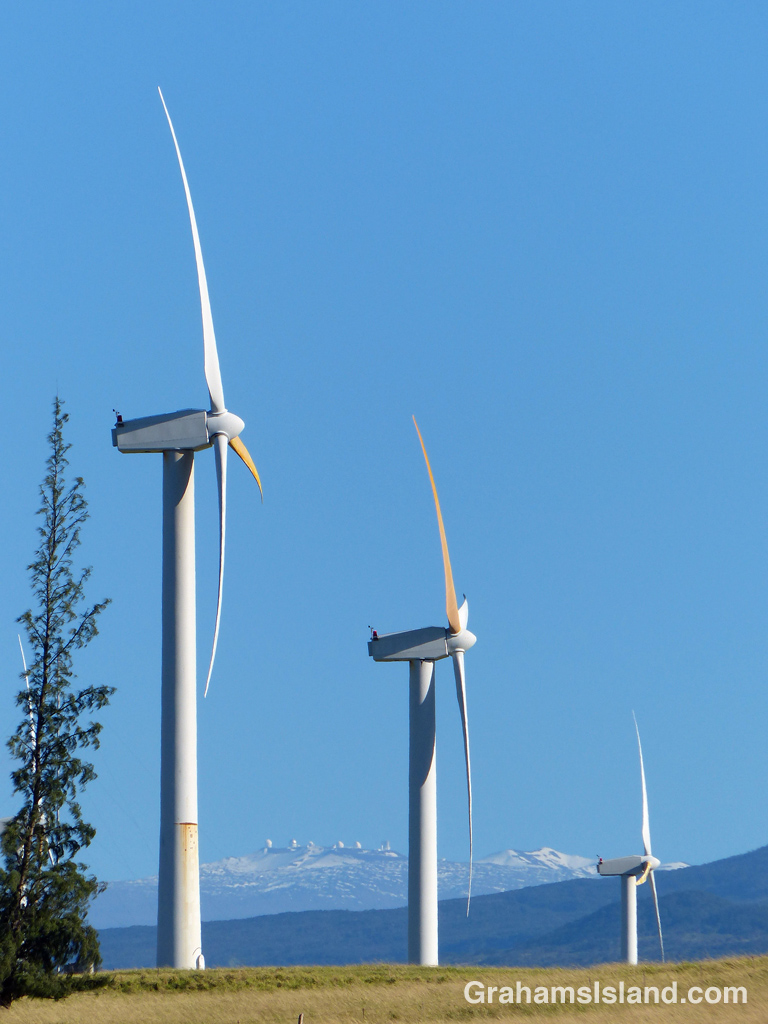
This week’s Friendly Friday challenge theme is ‘Electric.’ See more responses here. These three photos are quite different, but linked by this theme.
The top photo shows a view of an electric substation. I like the lines and shapes such facilities offer. But where does this power come from? A good deal is from oil fired plants, but Hawaii is working to get more of its electricity from locally sustainable sources.
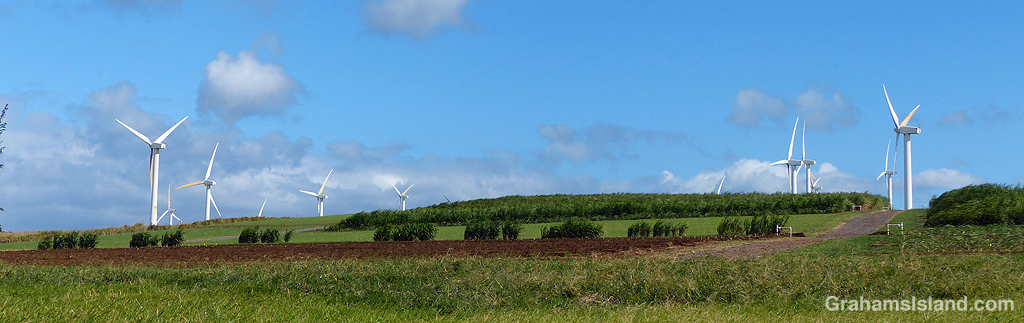
In the middle is a view of Hawi wind farm, with Mauna Kea in the background. There are several wind farms of varying sizes in Hawaii including a few on the Big Island. Their contribution to the power grid is small, but growing. Solar power is also a big contributor, on an individual house basis or for whole communities (here).
One source that provided around 25% of the Big Island’s electricity was the Puna Geothermal Venture (PGV). Last year’s eruption shut them down, though, as the bottom photo shows, the flows mostly missed the plant itself. I think a couple of their wells were covered by lava, but most were spared. Currently, they’re in the process of restarting power production. Not everyone here is a fan of this power source. The same can be said about the Honua Ola bioenergy plant, which will generate electricity from burning eucalyptus chips, but which is still to become operational.




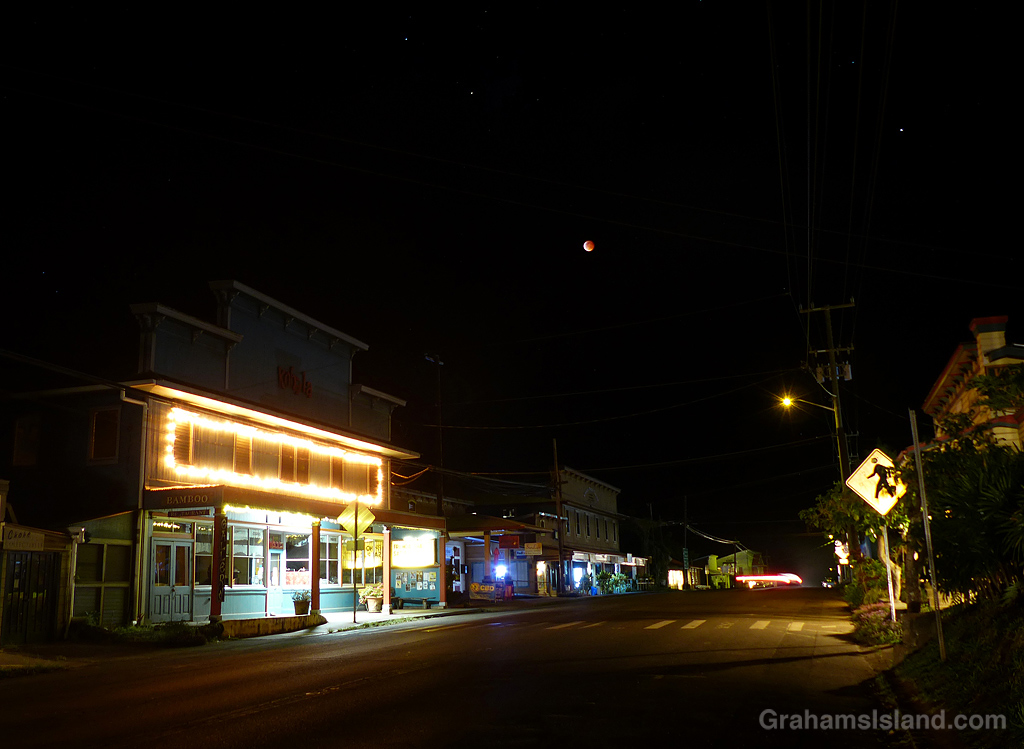
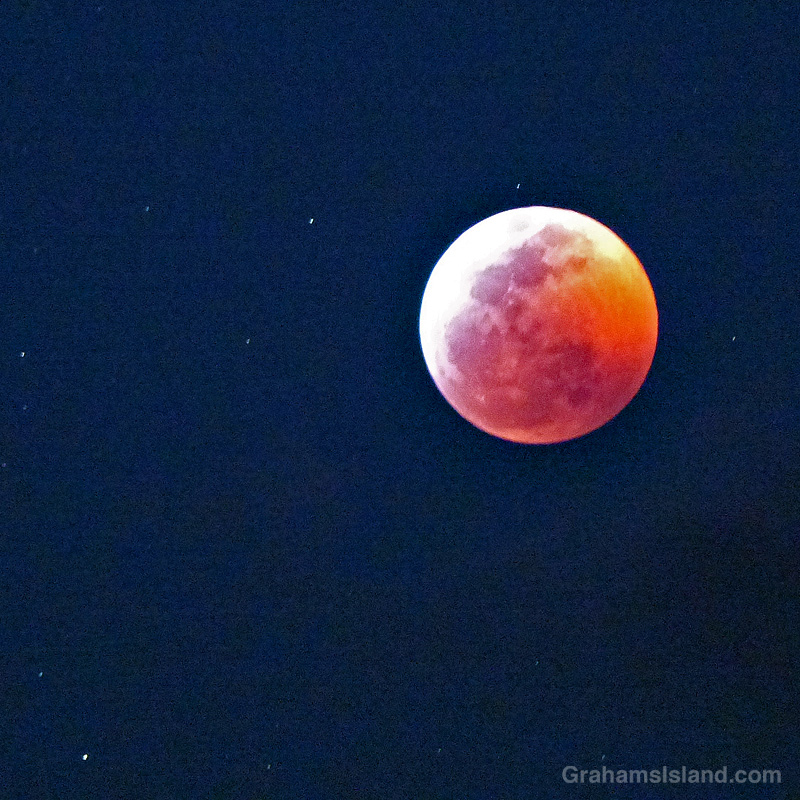 The recent lunar eclipse occurred last Sunday evening here in Hawaii. When the moon rose at 6:02 p.m. (five minutes before sunset) the eclipse was already well underway. Where I was watching, the sky was hazy so the moon wasn’t very clear. It then disappeared into a bank of clouds and I considered heading for home. But the cloud bank wasn’t huge and was drifting away from the area I was watching.
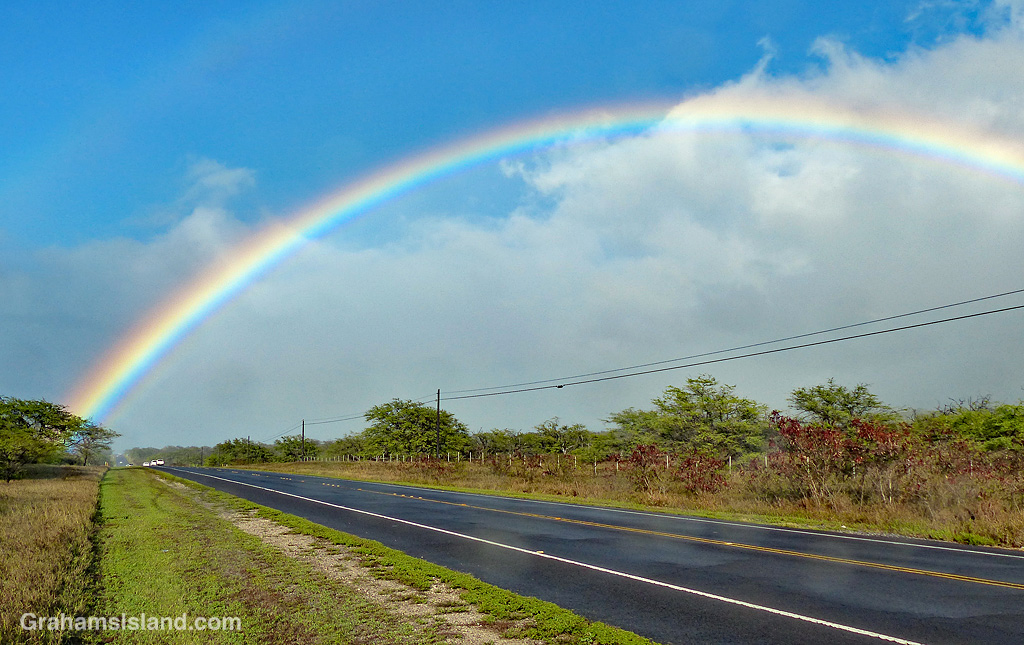
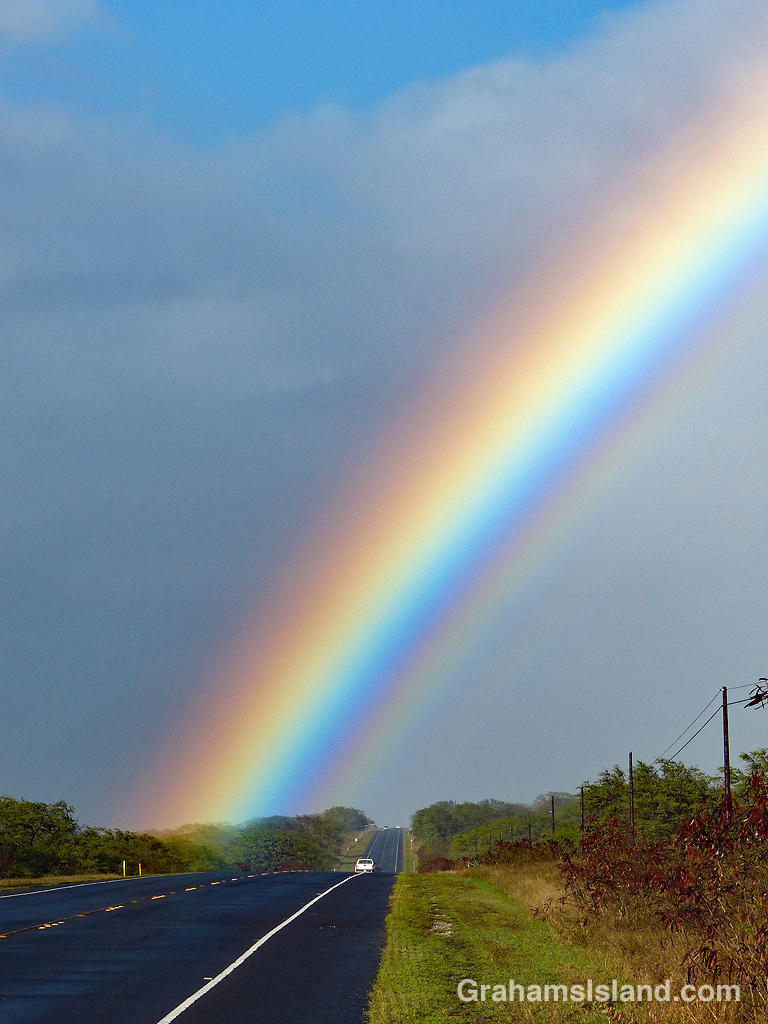 Today marks the start of the fourth year for this blog. Post number one was of a rainbow over the northern coast, so I thought I’d post another one on the anniversary.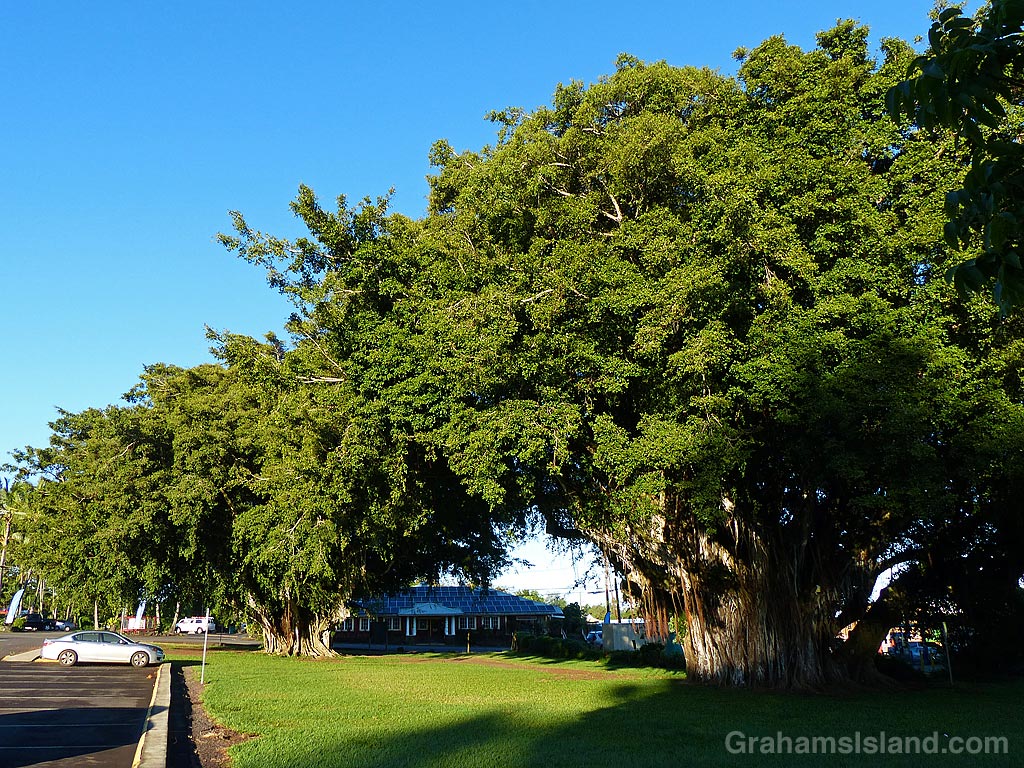
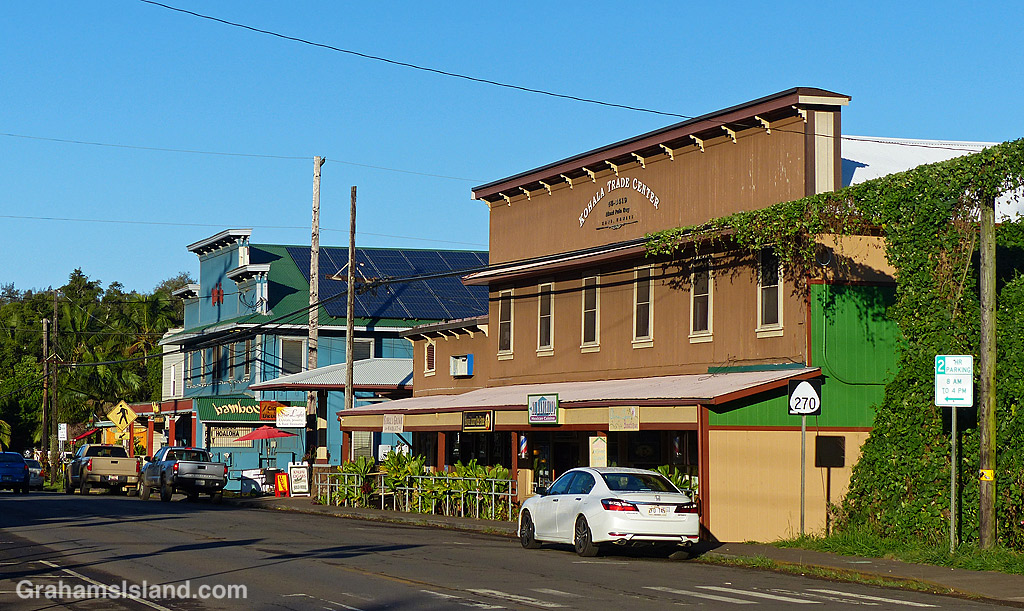
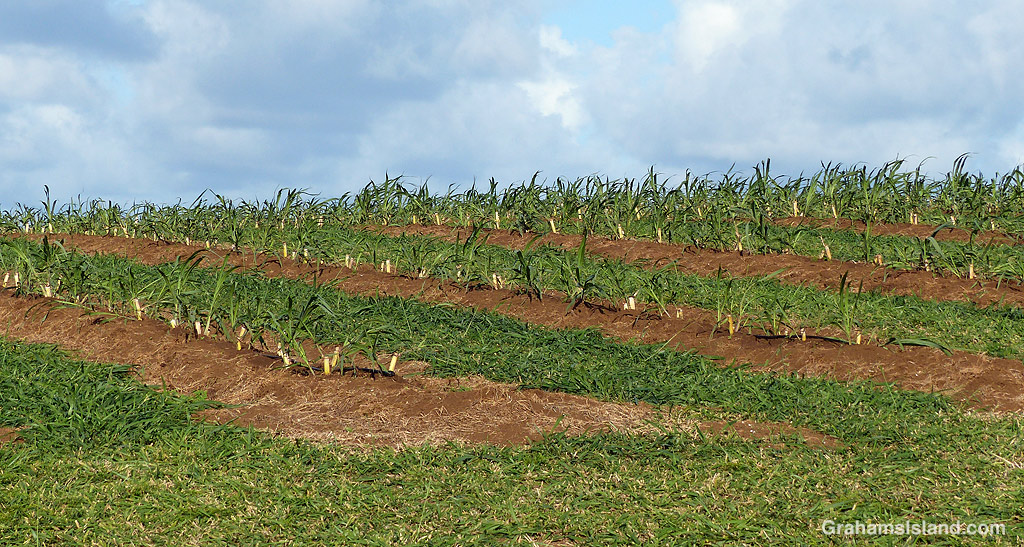
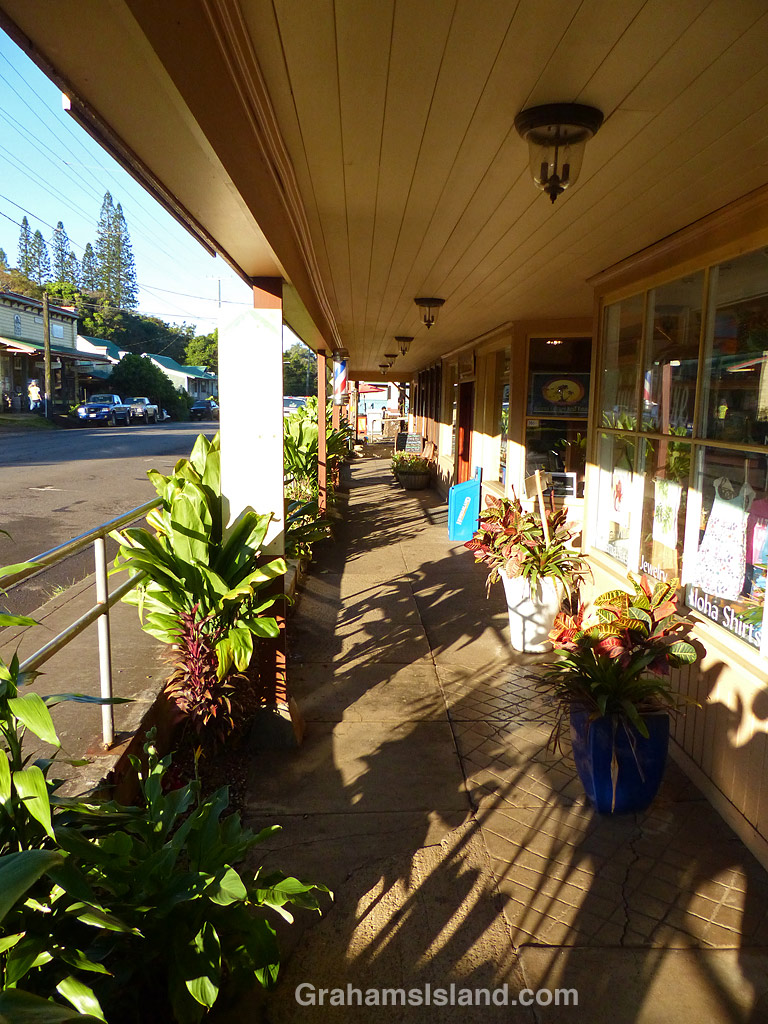 Hawi is the northernmost town on the Big Island. Together with Kapa’au, two miles to the east, it’s the main population center in North Kohala. This area was a center of sugar production from the mid 1800s to the early 1900s. Today, it’s geared towards tourism and agriculture.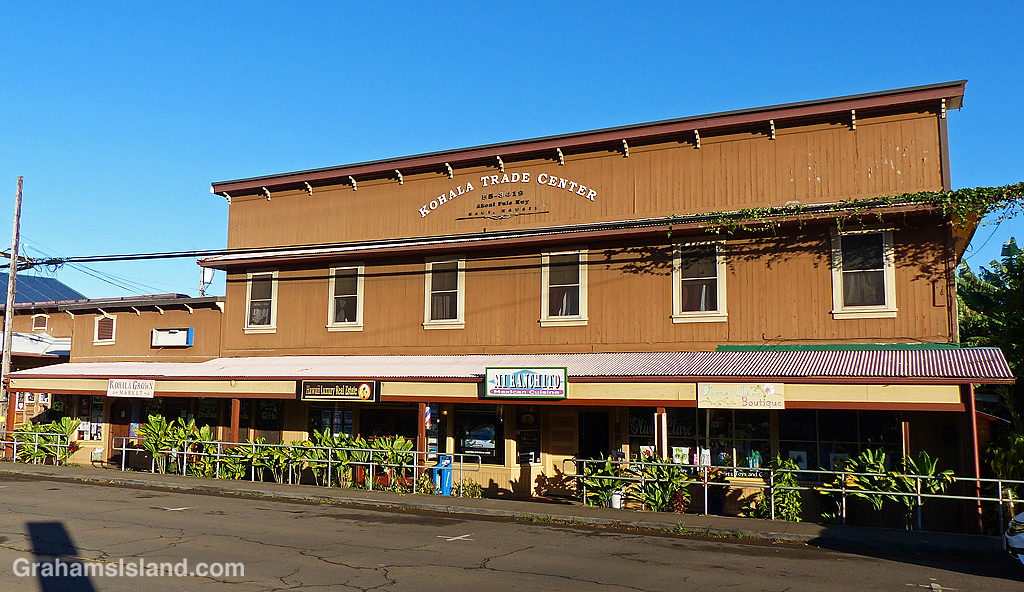
 Graham's Island