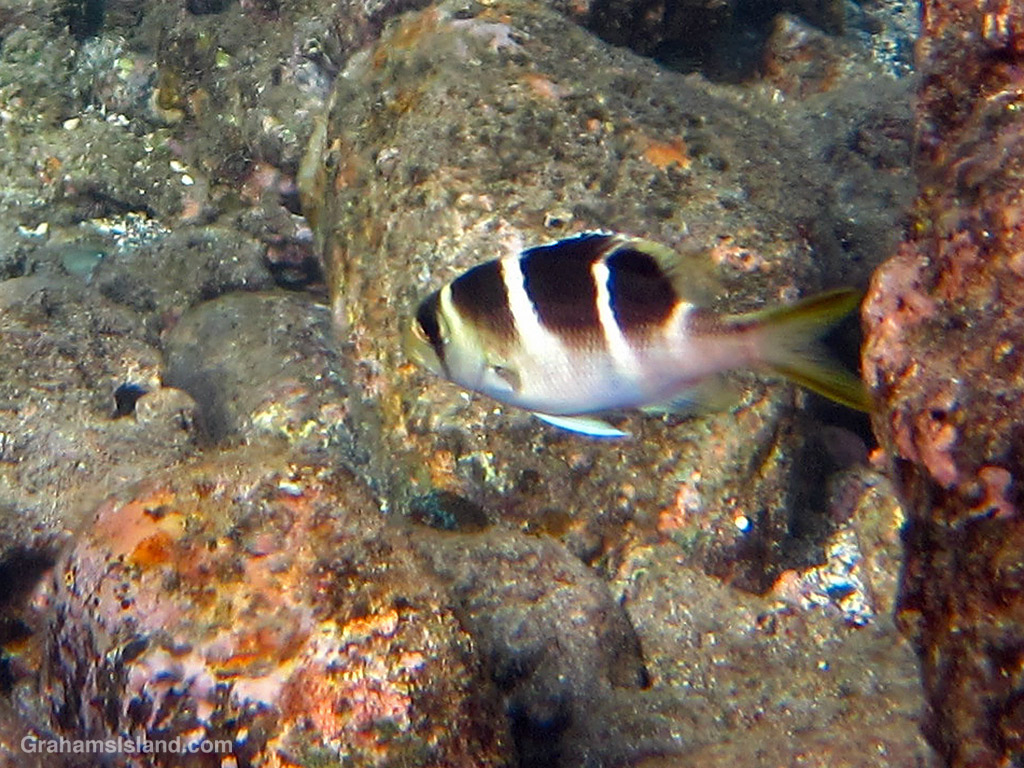
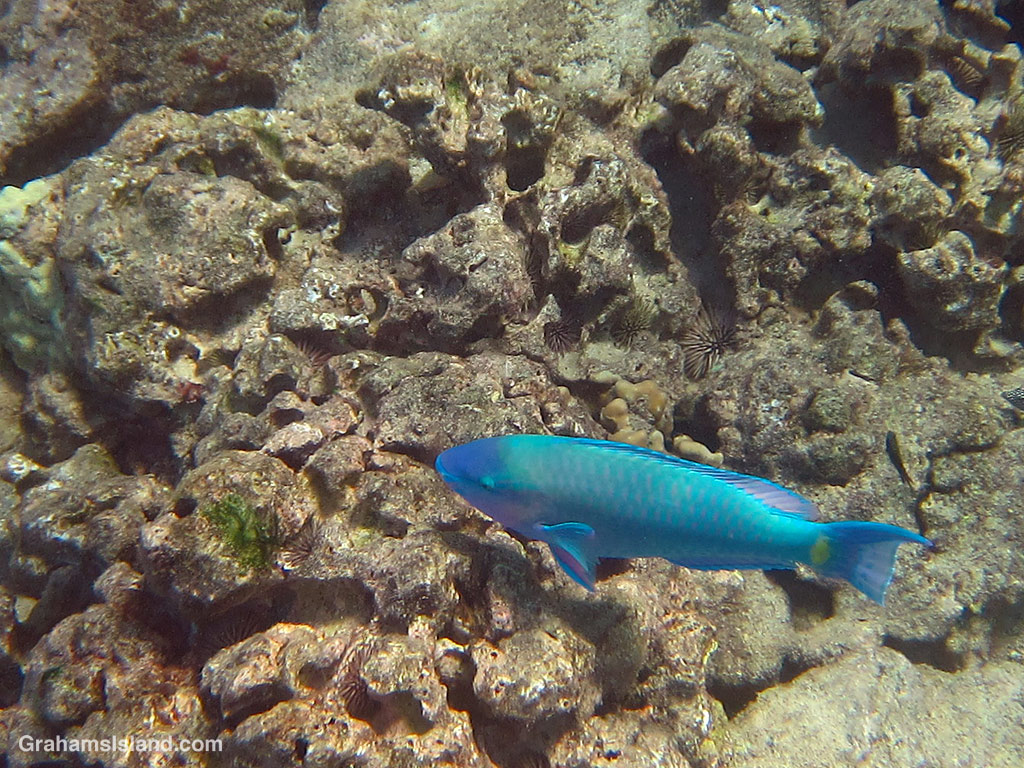
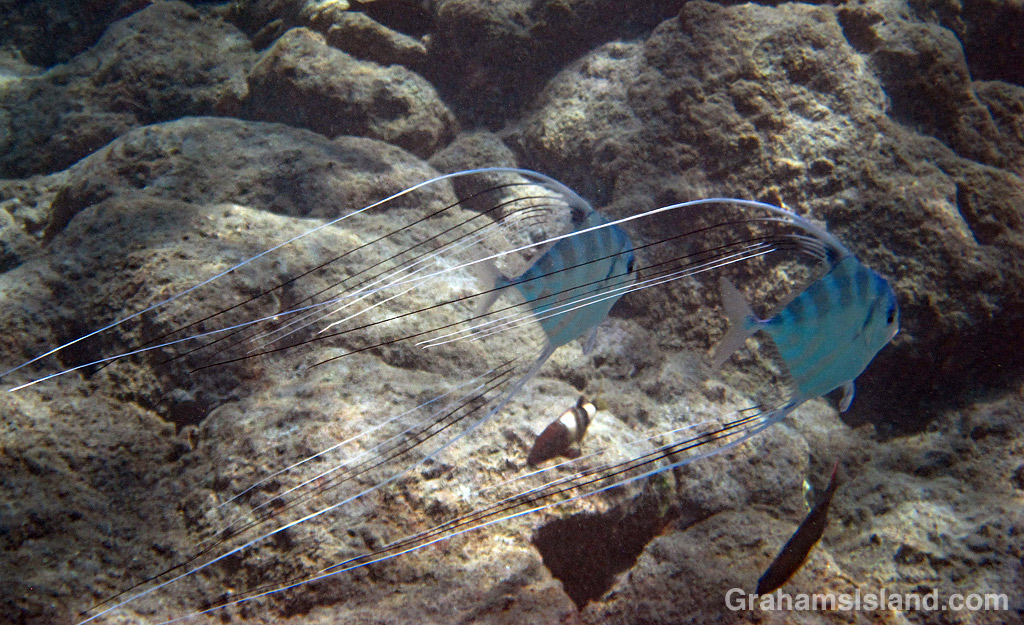
Juvenile Bigeye Emperors have bold markings, which gradually fade and disappear entirely in adults, to be replaced by some yellow tinges.
These large fish are notable for their ability to hang motionless in the water, often in large groups.
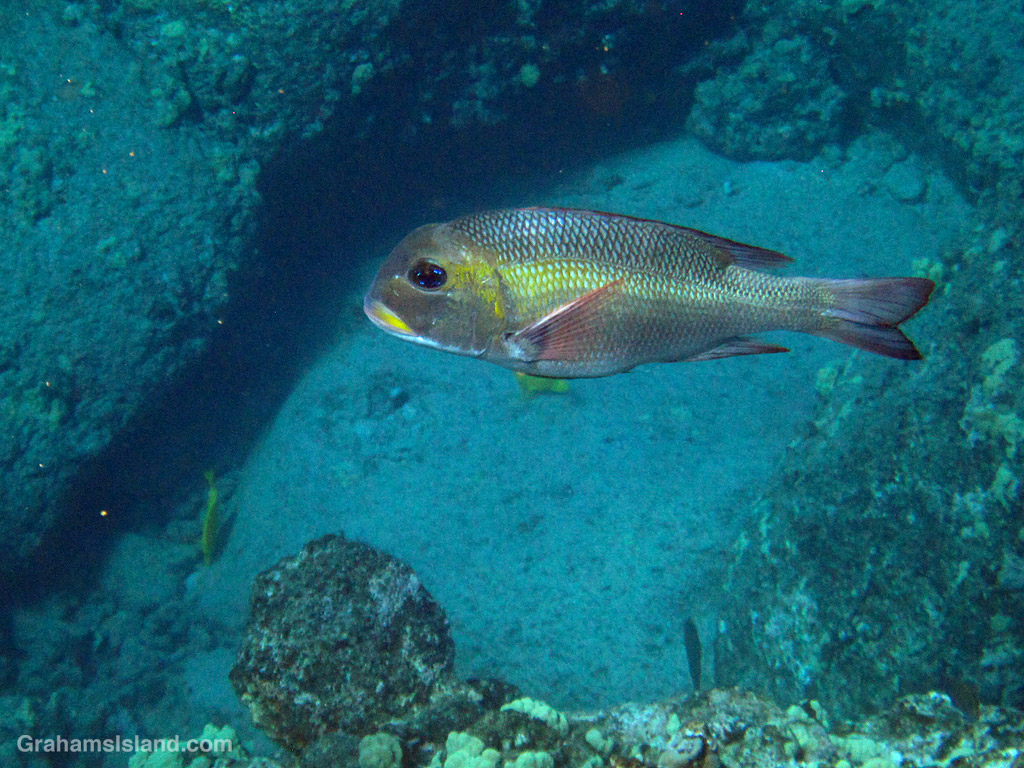

Juvenile Bigeye Emperors have bold markings, which gradually fade and disappear entirely in adults, to be replaced by some yellow tinges.
These large fish are notable for their ability to hang motionless in the water, often in large groups.
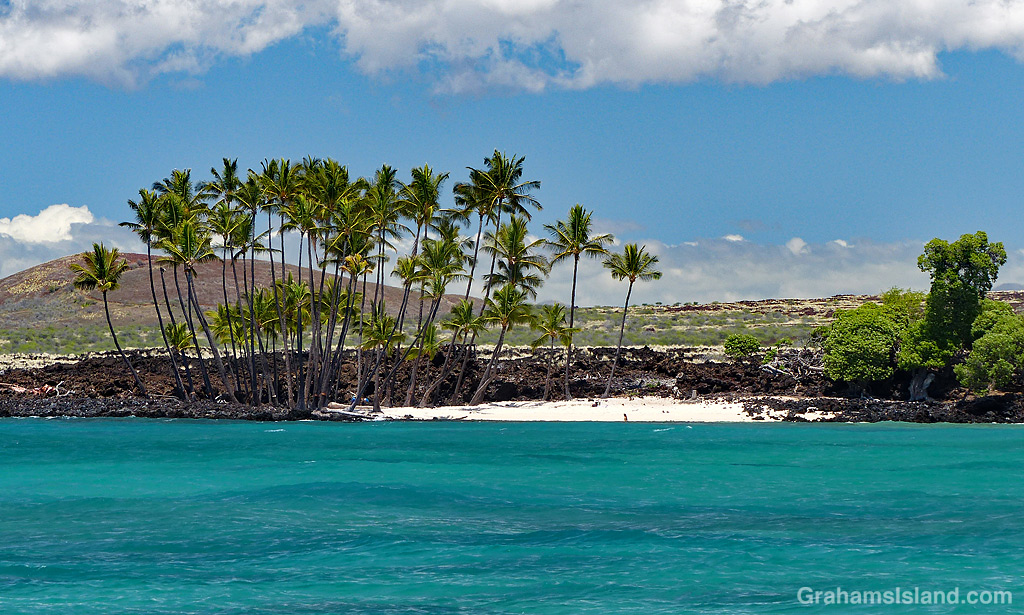
The idea of The Numbers Game is to enter a number into the search bar of your computer and then post a selection of the photos that turn up. This week’s number is 192. Captions are on the photos. You can see more responses here.
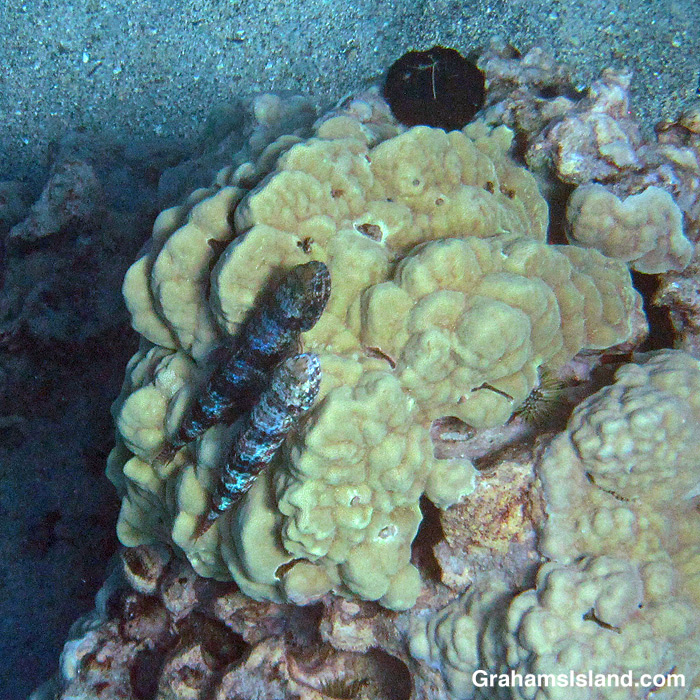
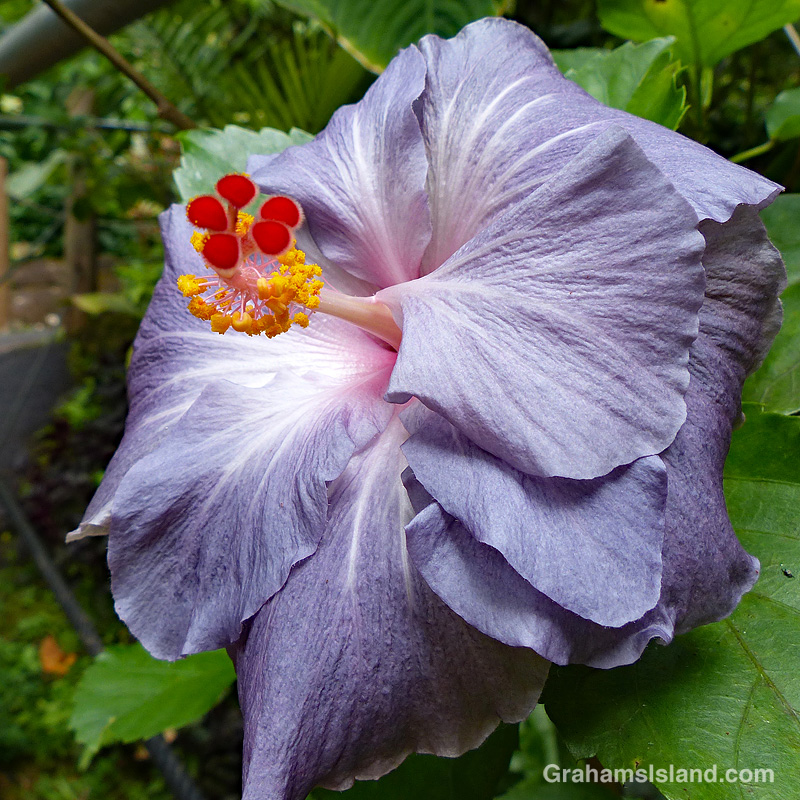

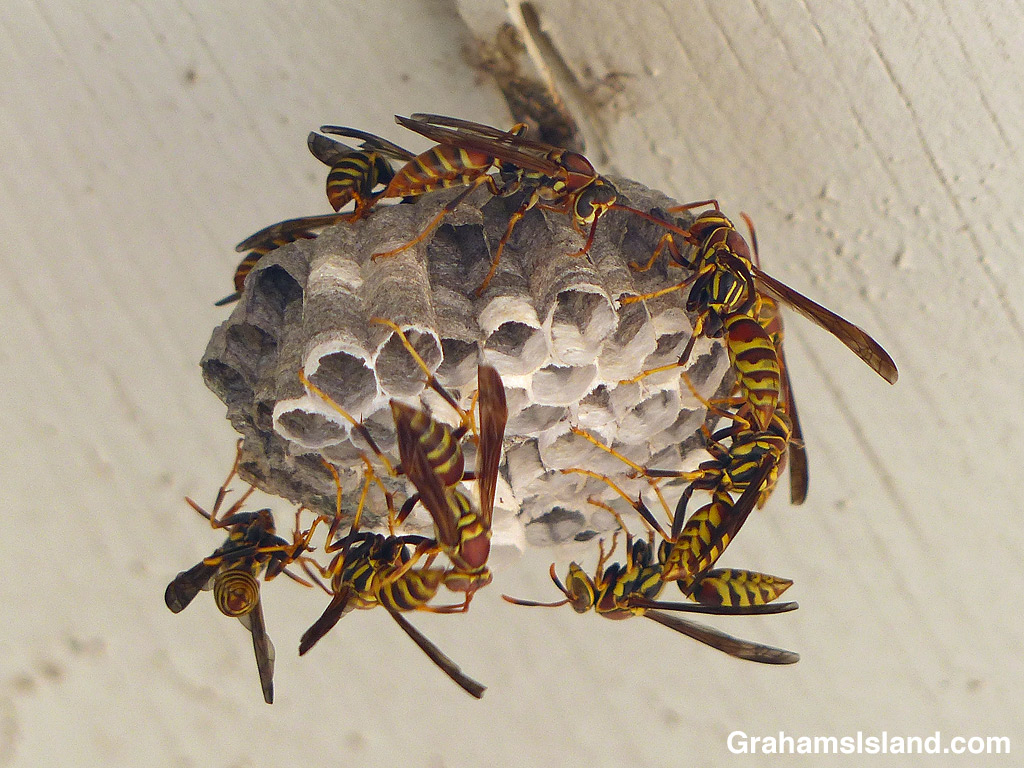
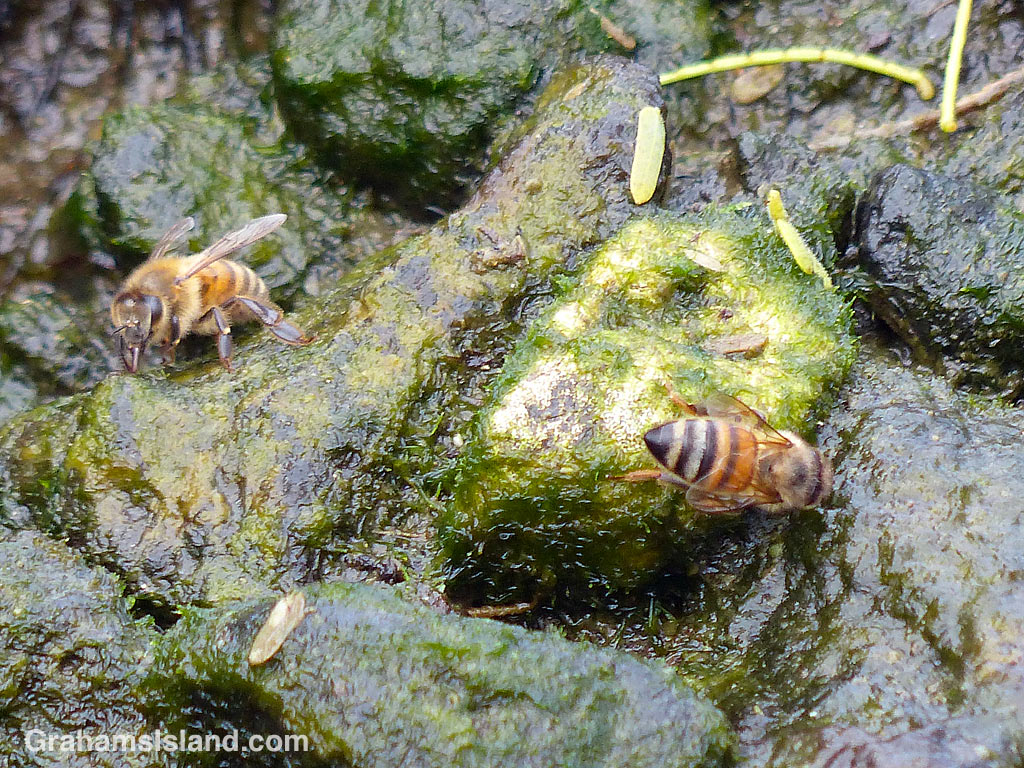
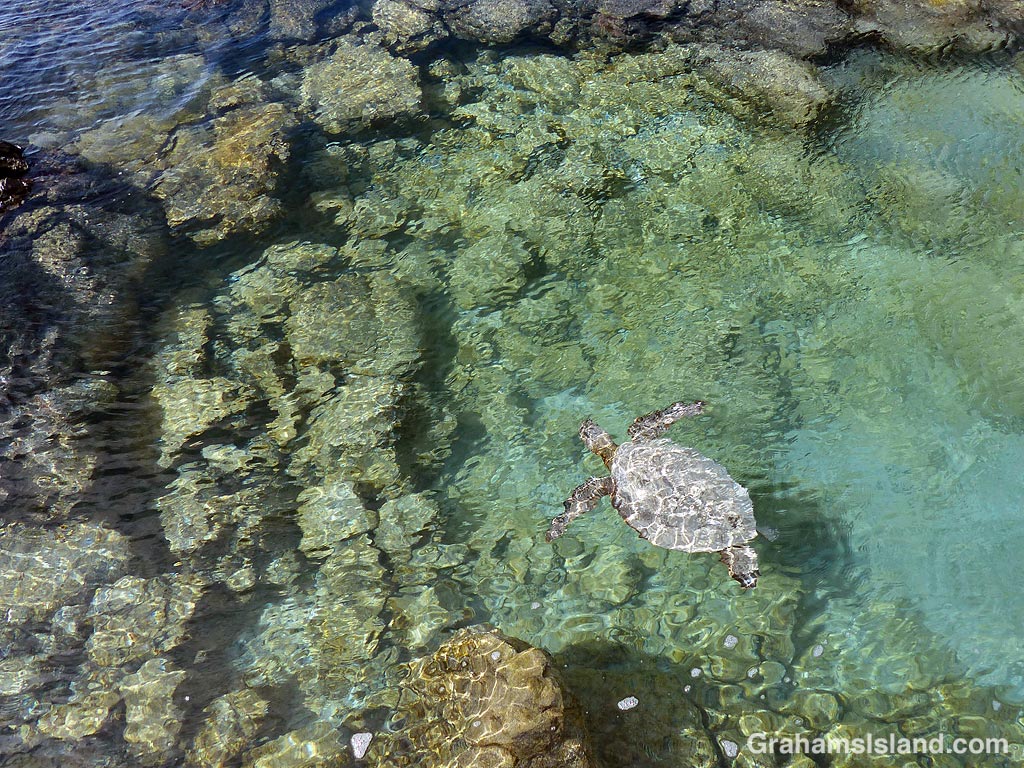

This week’s Sunday Stills color challenge theme is ‘Pastels.’ See more responses here. Captions on the photos.






Turbinaria ornata is an algae, native to Hawaii. It’s also known as crowded sea bells or crowned sea bells, depending on where you live. That name comes from how it bobs back and forth in the coastal surge where it’s found.
It’s something of an invasive species in other parts of the world. It can reproduce sexually or from bits breaking off and floating to other areas. It’s also good at adapting to different conditions.
This large colony was in the waters off Mauna Lani, which is not surprising. Turbinaria ornata has been found to do well near developed areas where the waters are rich in nutrients and have strong water motion.

The idea of The Numbers Game is to enter a number into the search bar of your computer and then post a selection of the photos that turn up. This week’s number is 191. Captions are on the photos. You can see more responses here.
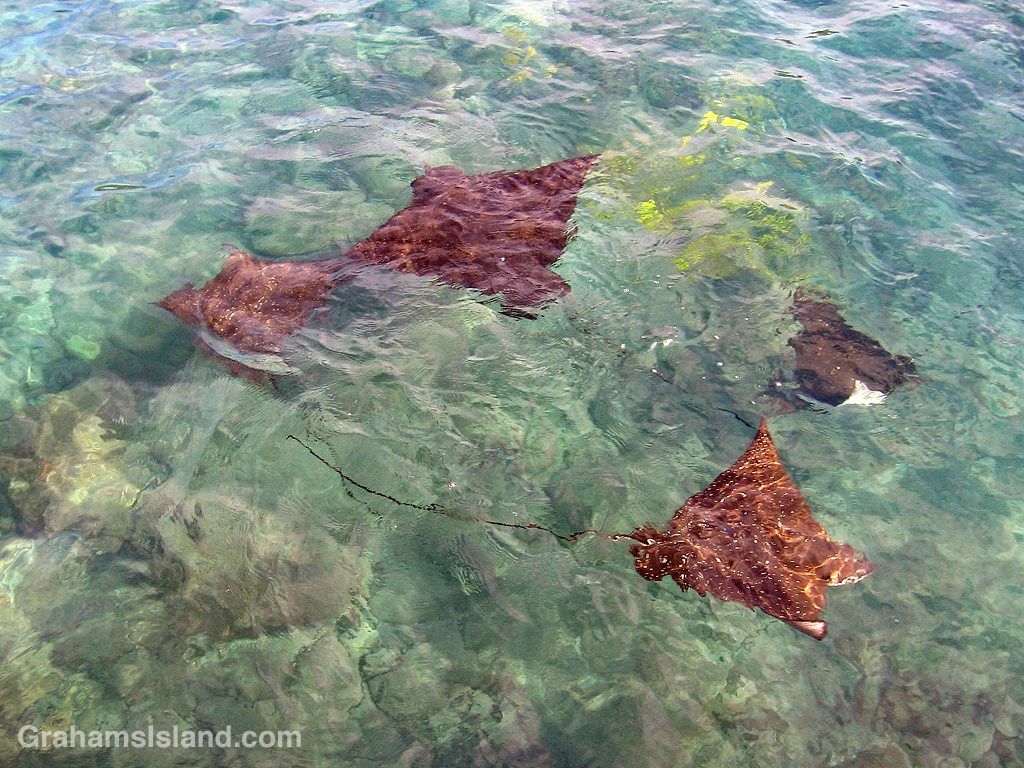

During yesterday’s swim, this Manta Ray appeared in front of me. It passed directly beneath me, and was clearly not inclined to pause and check out the ungainly creature above it. It’s the first I’ve seen in a long while, and certainly the first this year. Manta Ray encounters are a treat, especially as this one was beautifully marked and in great condition, which is always good to see.


Yes, there’s a fish in this photo. I admit it’s not easy to see because flounders are very good at blending in. But after I took this photo, the flounder did a little shimmy, stirring up the sand. I thought it had zipped away, but realized it couldn’t have. Looking hard, I spotted two little bumps, its eyes, protruding above the smooth layer of sand. I didn’t bother taking a photo because they wouldn’t have shown up.
It’s the first time I’ve seen a flounder doing that sand shimmy. It was certainly effective.
Update: To help in spotting the flounder, in the bottom third of the photo on the right side, there’s an ear-shaped rocky bit that sticks into the sand. The sand shows mostly as lines and dots, but just to the left of the rocky bit, in the center of the photo, there’s an area of little circles. That’s the fish. After the sand shimmy, those circles were all covered with sand with only the eye bumps protruding. You can see why I didn’t bother to photograph that.
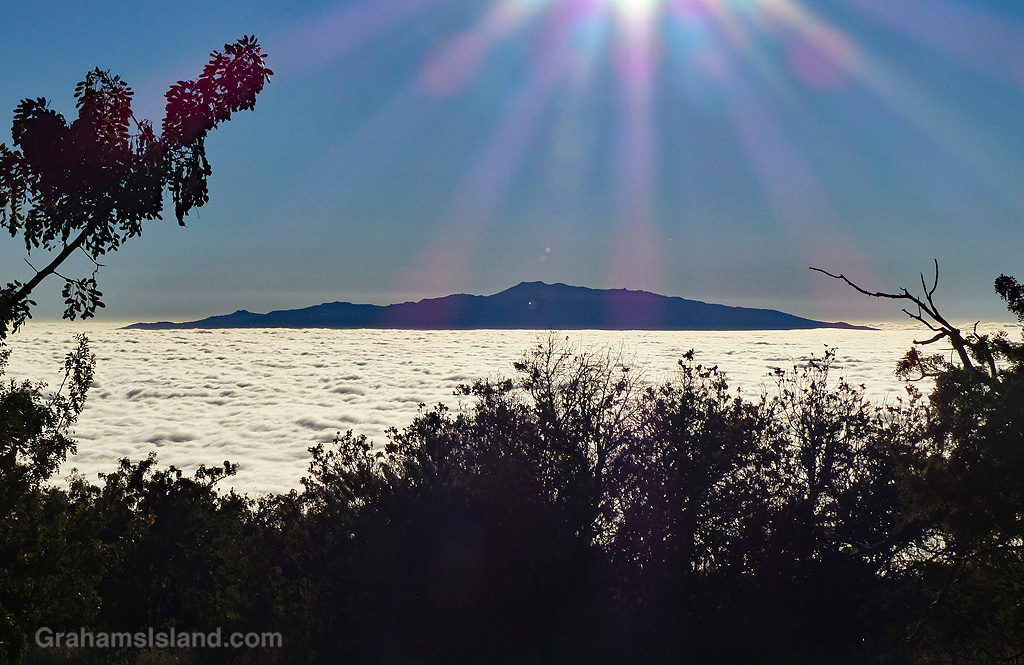
The idea of The Numbers Game is to enter a number into the search bar of your computer and then post a selection of the photos that turn up. This week’s number is 190. Captions are on the photos. You can see more responses here.
 Graham's Island