Tag Archives: Upolu

Upolu

I call this spot Fran Point since that’s the name on the cross in this photo. Here, a rainbow arches over the coast and the surf rolling in.
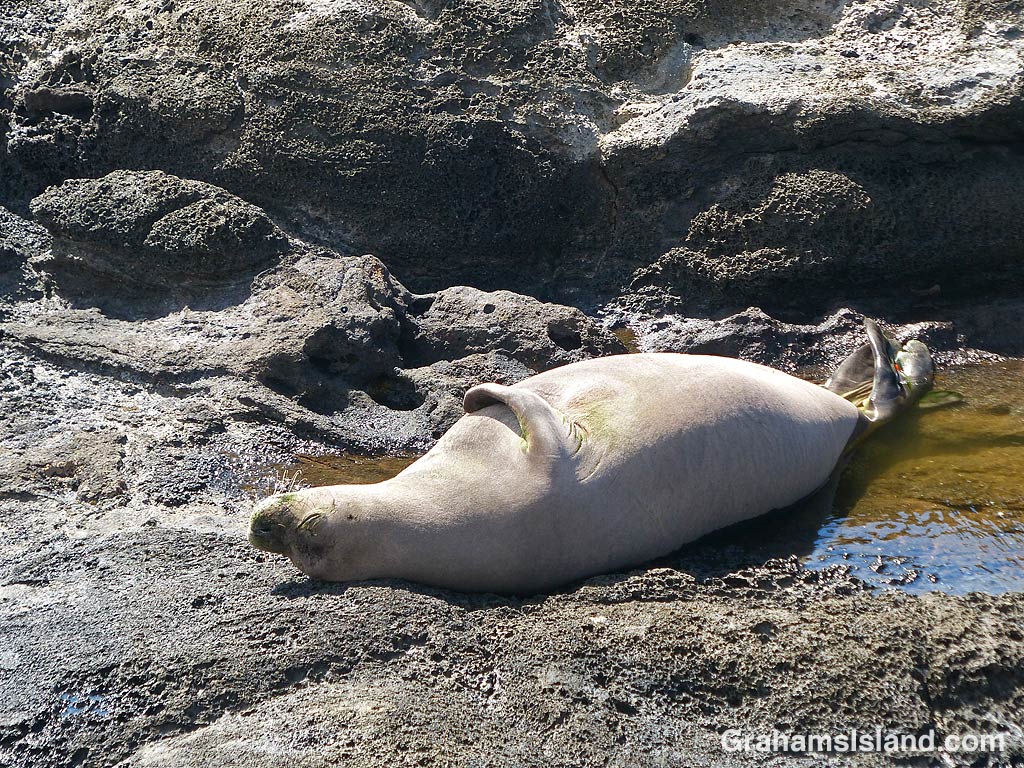
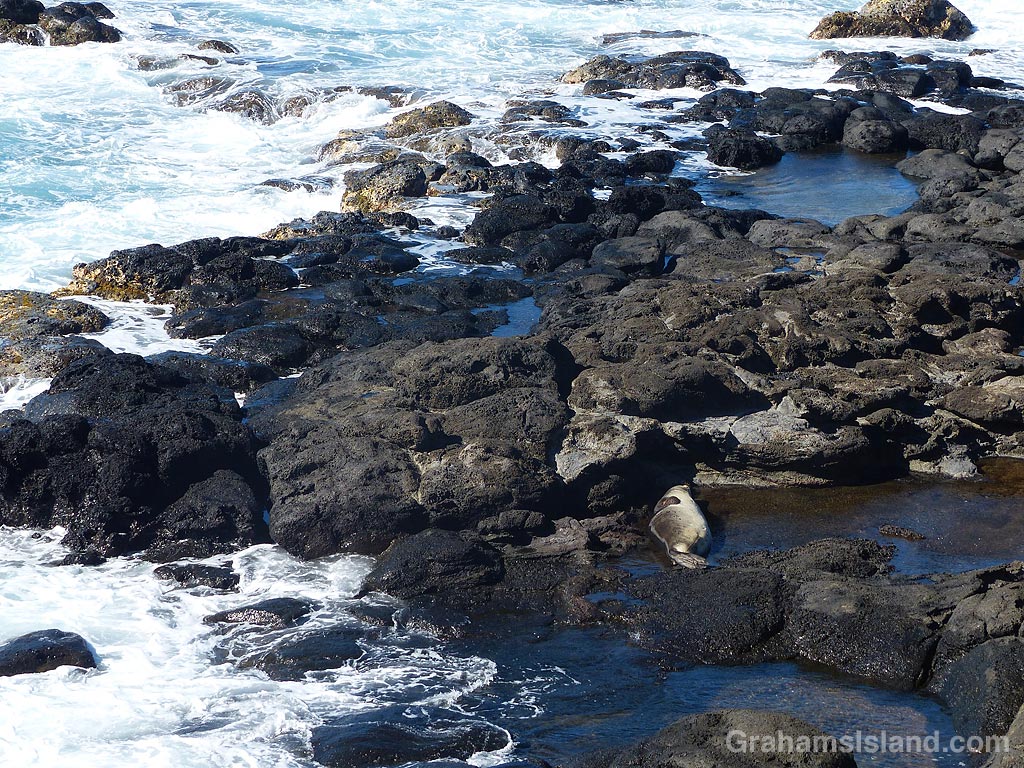
An endangered Hawaiian monk seal rests in a tide pool along the rocky shoreline.
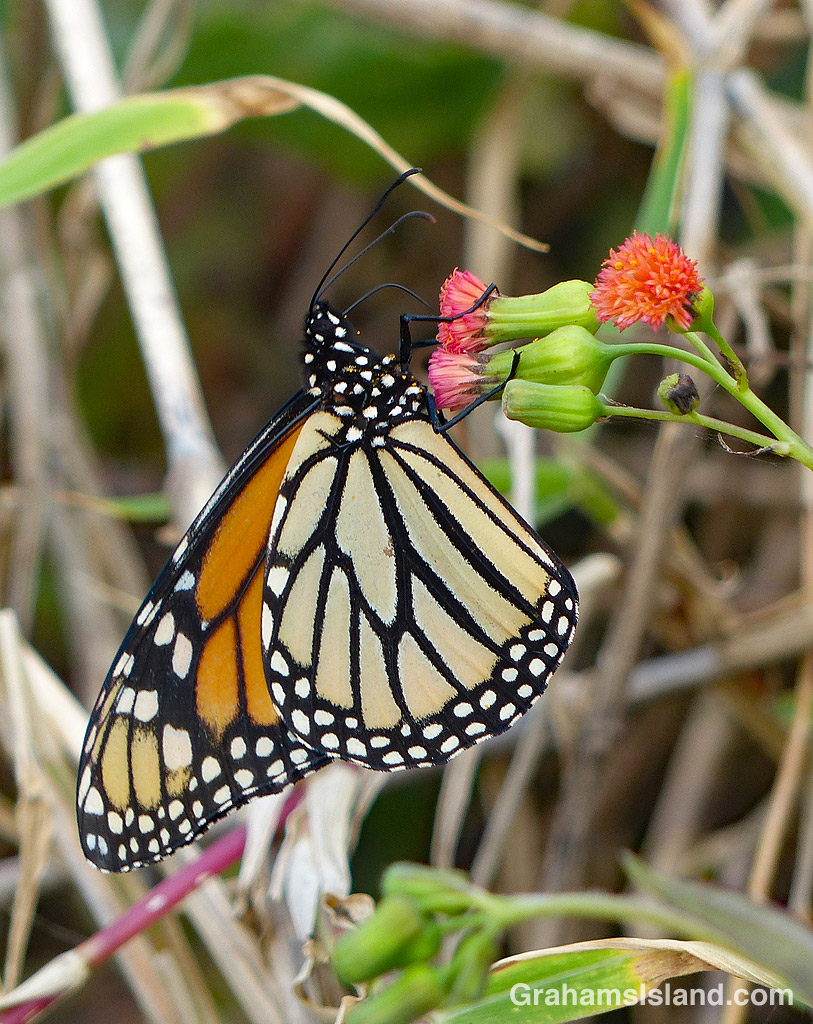
A monarch butterfly on a tasselflower.

This week’s Sunday Stills challenge theme is ‘Favorite Place.’ See more offerings here.

I could think of several places on the Big Island that would fall into the category of favorite place. Hawaii Tropical Botanical Garden, Hawaii Volcanoes National Park, Palila Forest Discovery Trail, the ocean – all these are places I return to. But the coast at Upolu is where I go for exercise and to enjoy the ever-changing scene there.

This stretch of coast features scenic high cliffs interspersed with lower areas where tide pools nestle among the rocks. Often, there’s a great view of Maui across the ʻAlenuihāhā Channel. In those waters I look for humpback whales, turtles, monk seals, and once, even a passing shark. Up in the air I might see anything from plovers to noddys to great frigatebirds. On land, there’s an assortment of birds, bugs and butterflies to be seen, as well as horses, cattle, and the occasional wild pig.

Sometimes, it’s hot and dry, but usually there’s a decent breeze, occasionally strong enough to make me lean into it while blown dirt sandblasts my legs. Sometimes, I get caught in the rain, but when I do, I’m usually dry again by the time I get back to my truck.

I’ve lived here seven years now and I never tire of going down there and looping around the fenced airstrip, wondering what I’ll see.

A bristle-thighed curlew strides along the edge of the airstrip at Upolu.
A humpback whale cruises no more than 50 feet offshore. This was one of a pair that I saw just this past week. I suspect they were a male and female, with the male interested in mating before heading north to Alaska. Not only was this as close as I’ve seen whales, but it was the first time, from land, that I’ve heard a whale do anything other than blowing. In this case, the pursuing whale made a deep, two-toned mooing sound as it went by.

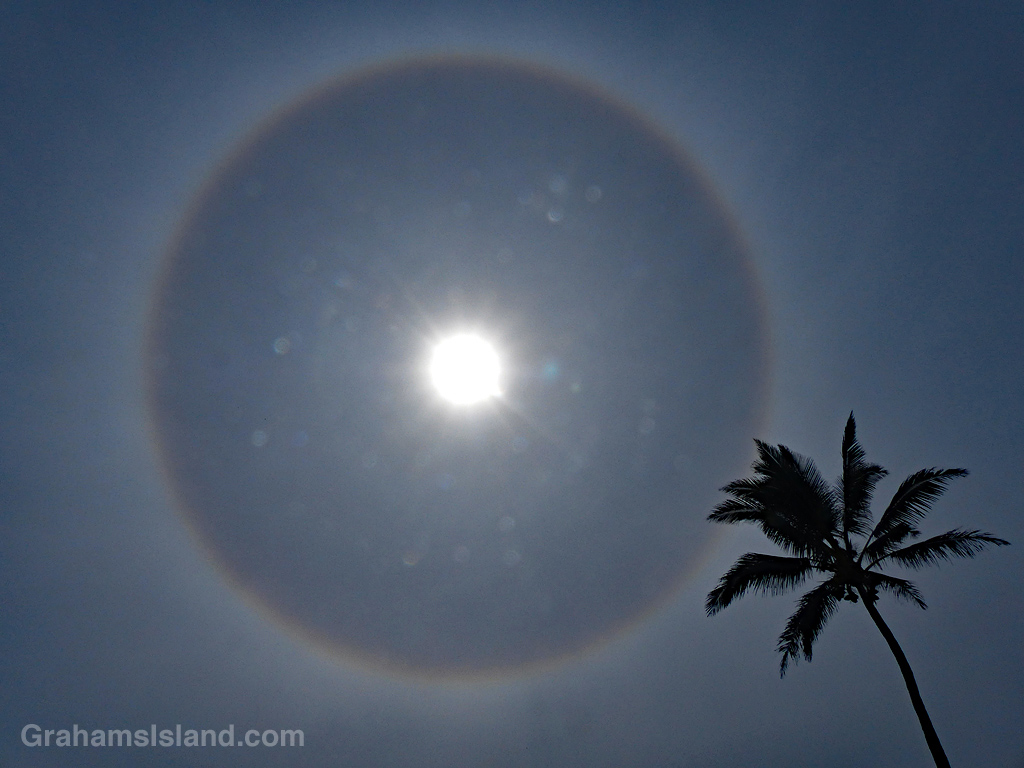
Halo around the sun

I was about to set out on one of my regular walks at Upolu, when I looked up and saw this halo around the sun. It’s the first I’ve seen here (which doesn’t mean there haven’t been others).

In days of yore, halos were considered a sign of impending bad weather. In this case, there’s some evidence to back that up. The ice crystals that cause halos are found in clouds, high in the troposphere, and these clouds are often a sign of an approaching weather front. Sure enough, the next day was fairly wet though, ironically, not in the area where I saw the halo.

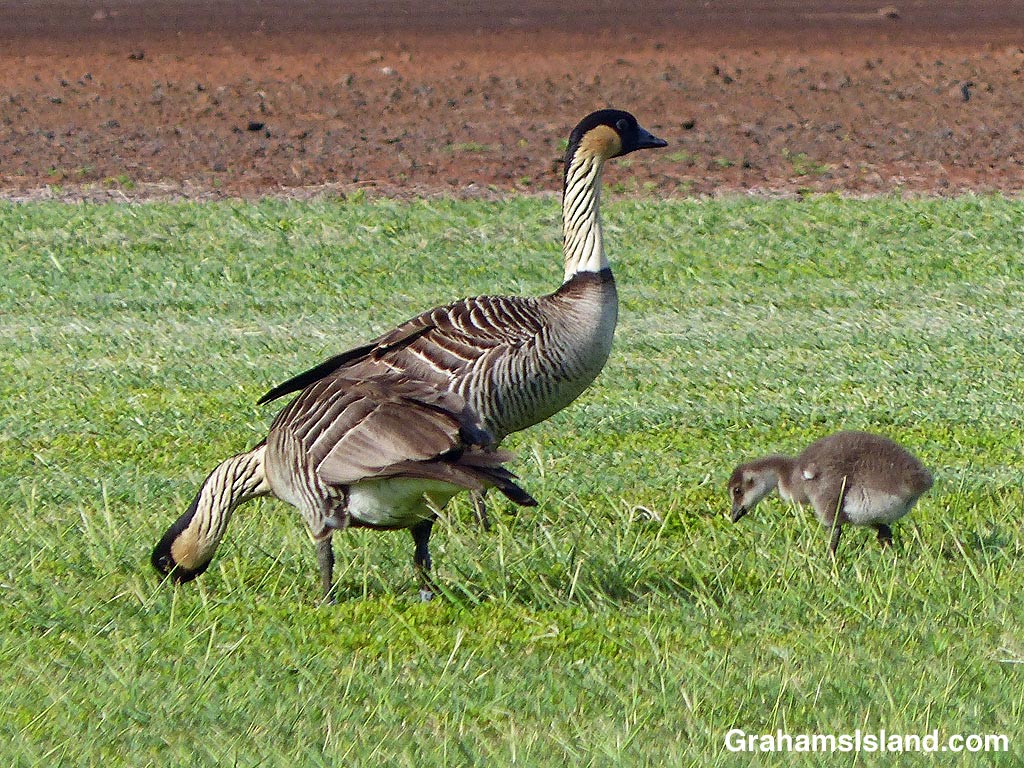
Nenes and gosling

I’ve lived on the Big Island for more than seven years now, and I’ve seen lots of nene in that time. But until recently, I’d never seen a nene gosling. Then, a few weeks ago, I was driving and saw a pair of nenes with a gosling alongside the road. Alas, I couldn’t stop and take a photo at that time. I went back to the area later, but didn’t see the family again.

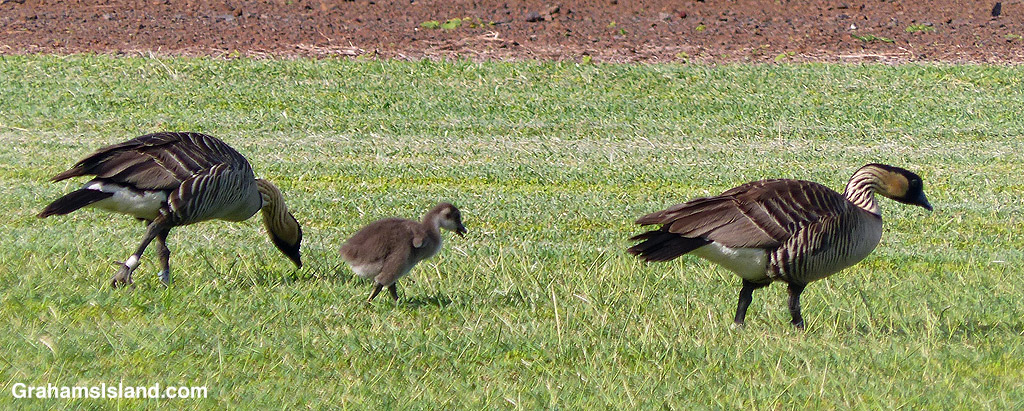
Then, a couple of weeks ago, I was out on one of my regular walks around Upolu and I saw this family at the airport. The two parent birds were very attentive and the chick was just a little ball of fuzz.

When I see nene at Upolu, I call the information in to the East Hawai’i Division of Forestry and Wildlife. Forestry and Wildlife keep track of the birds and how they’re doing. Many birds are banded and, when I can, I record that information and pass it on. The bands can be seen in the photos, but not the details. However, I was able to get other pictures that showed the parent birds were 8A7 and 8A6. The color of the bands helps identify them and which leg the bands are on depends on the bird’s sex.

I saw this family again the next day, but not after that. It turned out that the Forestry and Wildlife people relocated the family because they felt that the airport was a dangerous place for the gosling, particularly as it grows and learns to fly.

Still, it was fun to see the little one when I did. It reminded me of the baby goats that I see around the island. Like them, it would busily follow its parents in foraging for food, then suddenly drop to the ground to rest, only to bounce up again soon after and peck away again.

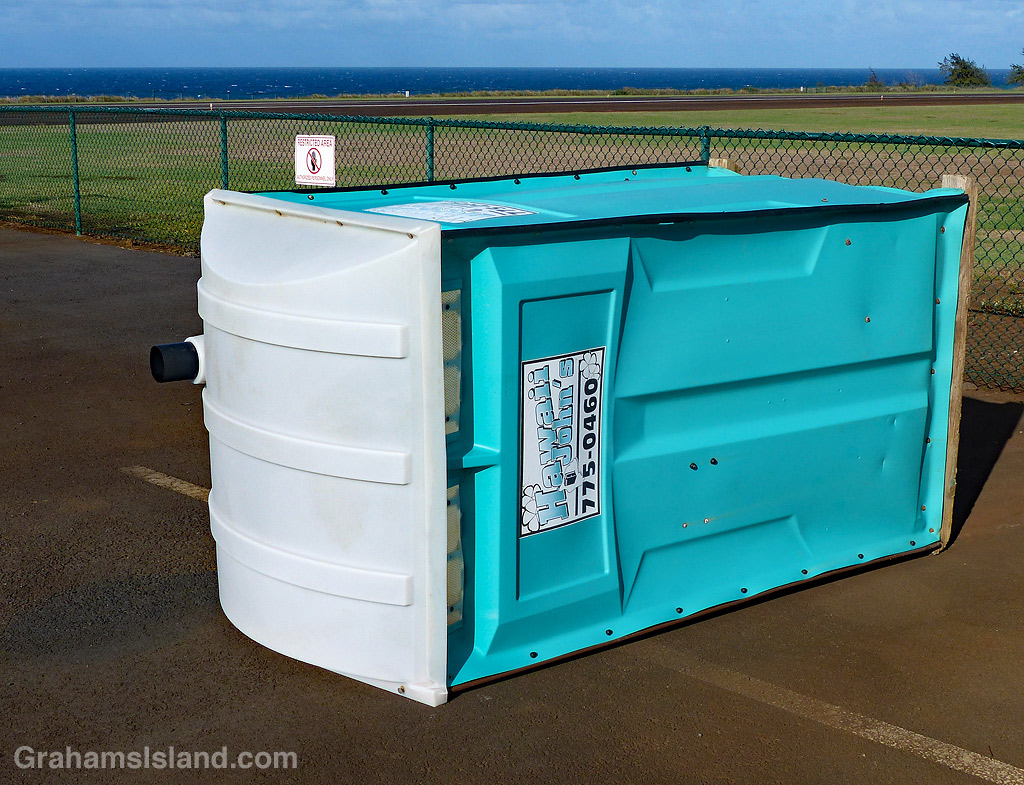
Uh oh

There are few more disturbing sights than a portable toilet lying on its side. This one was at Upolu Airport, a victim of the strong winds which often blow there. I’d always thought the toilet was fastened to the fence behind it, but apparently not.

Luckily, I didn’t see any suspicious looking puddles, nor smell any untoward aromas, so the unit might have been empty.

Electric

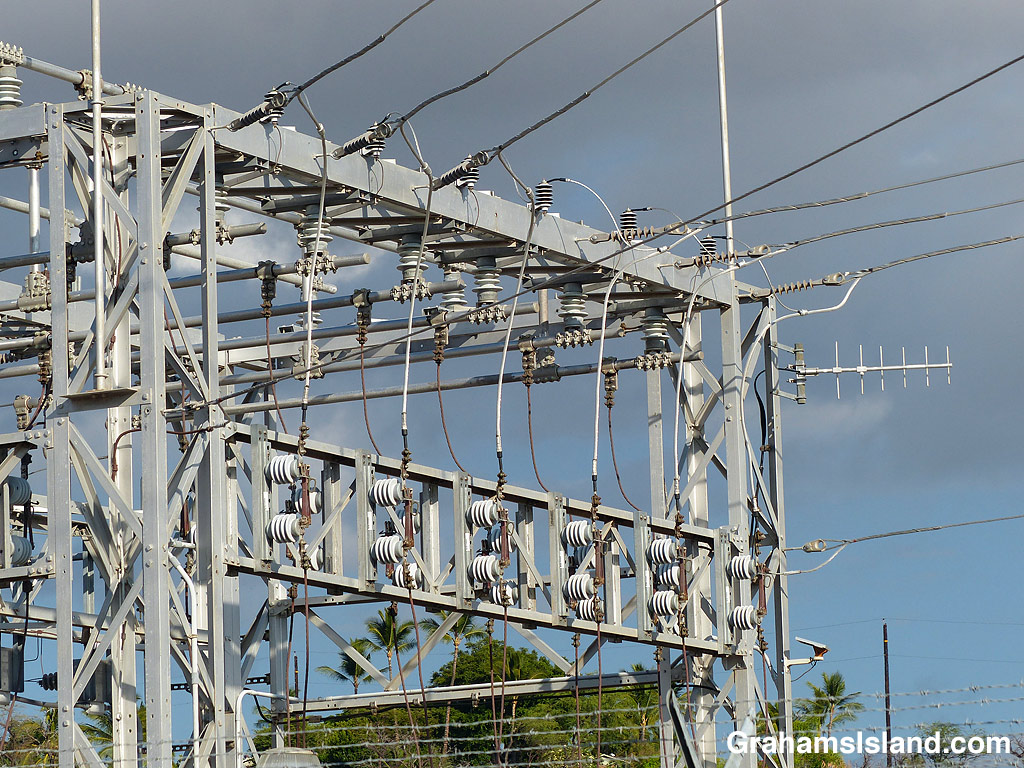
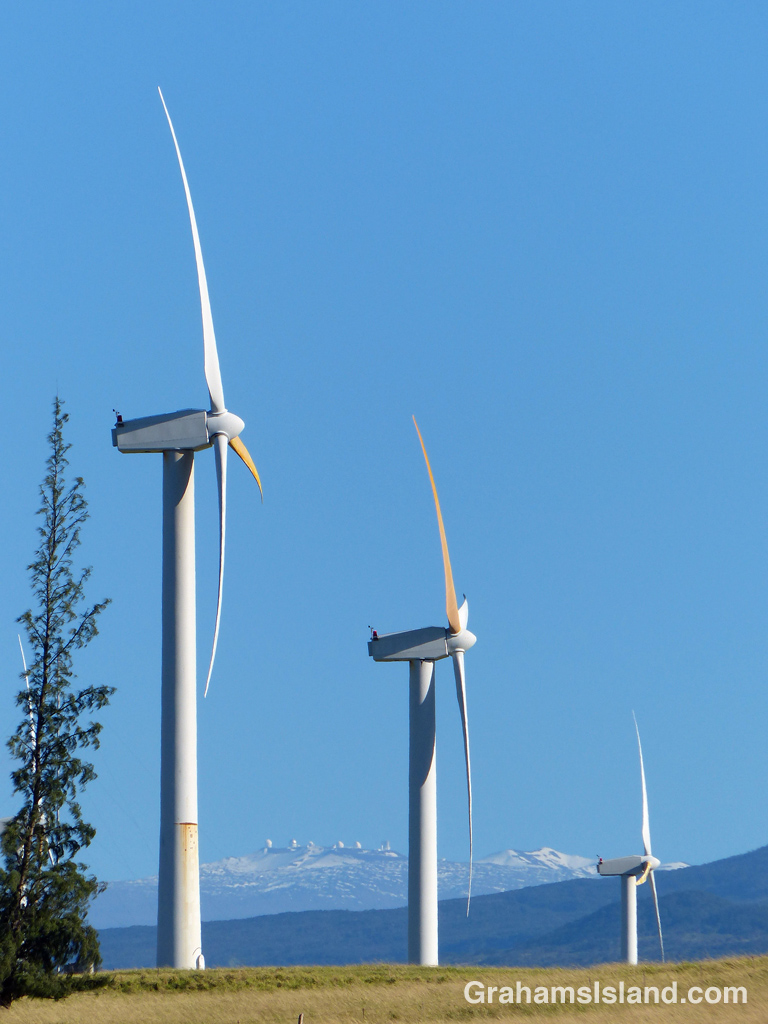
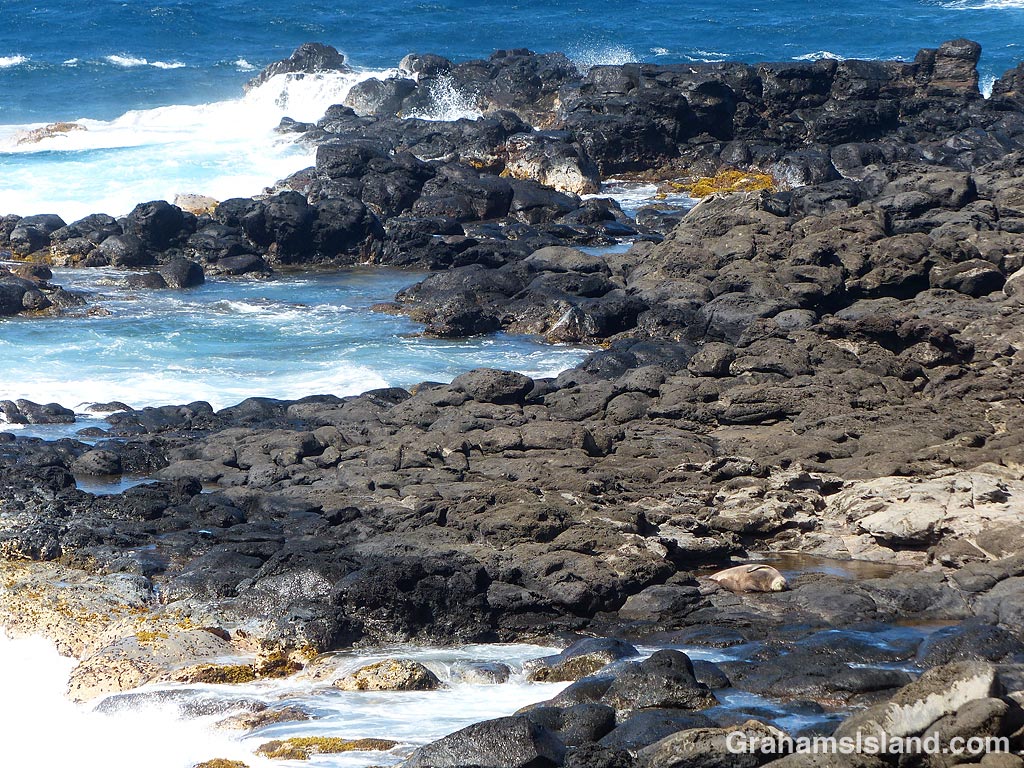
This week’s Friendly Friday challenge theme is ‘Electric.’ See more responses here. These three photos are quite different, but linked by this theme.

The top photo shows a view of an electric substation. I like the lines and shapes such facilities offer. But where does this power come from? A good deal is from oil fired plants, but Hawaii is working to get more of its electricity from locally sustainable sources.

In the middle is a view of Hawi wind farm, with Mauna Kea in the background. There are several wind farms of varying sizes in Hawaii including a few on the Big Island. Their contribution to the power grid is small, but growing. Solar power is also a big contributor, on an individual house basis or for whole communities (here).

One source that provided around 25% of the Big Island’s electricity was the Puna Geothermal Venture (PGV). Last year’s eruption shut them down, though, as the bottom photo shows, the flows mostly missed the plant itself. I think a couple of their wells were covered by lava, but most were spared. Currently, they’re in the process of restarting power production. Not everyone here is a fan of this power source. The same can be said about the Honua Ola bioenergy plant, which will generate electricity from burning eucalyptus chips, but which is still to become operational.

Nothing on TV

I was walking along the coast recently when I came upon this scene. The TV looked in good shape, but why was it there? I heard voices: ‘Nothin’ to look at here. Is there anythin’ on TV?’ ‘Let’s watch that nature show, the one about coastal wildlife.’ ‘I just love looking at that glossy black screen. It’s the best.’

Next time I went out there, the TV was gone.

Signs: Graffiti

A few years back, a joint project by the county and kids from local schools, sought to address erosion along the coastline below Upolu Airport. The county laid straw barriers (that looked like long sausages) to control water runoff. The kids put in plants that would help stabilize areas of bare dirt and put up signs identifying these plants. At either end of the area where this project took place, two large signs were erected, with a bit of information about the project and some colorful artwork by the kids.

Within a year, one of the large signs fell down, a victim of high winds and one of the posts breaking. The plant identification signs followed, one by one, for various reasons. Some of the plants began to take hold and the sausages did their bit in reducing runoff, but the project seemed to have lost its impetus.

Last year, it sputtered to life again with a few more signs and some tape asking people not to drive in certain areas. Most of these were gone within weeks.

A couple of weeks ago, as I was walking in the area, I noticed that the remaining large sign had been graffitied (top photo). It seemed like an unfortunate, but somehow fitting epitaph for the project.

A few days later, approaching the graffitied sign from the other direction, I was surprised to notice the kids’ original artwork. It was upside down on the back of the sign (bottom photo). Whoever had graffitied the sign had taken the trouble to unscrew the board, turn it around, and refasten it. This took some thought and planning since the board was held in place by Torx or star screws (photo at right).

The sign is still graffitied and the project still on life support or dead, but this concern for the artwork on the board somehow made me feel that, perhaps not all hope is gone.