This week’s Sunday Stills challenge theme is ‘Sunrise or Sunset.’ See more responses here.
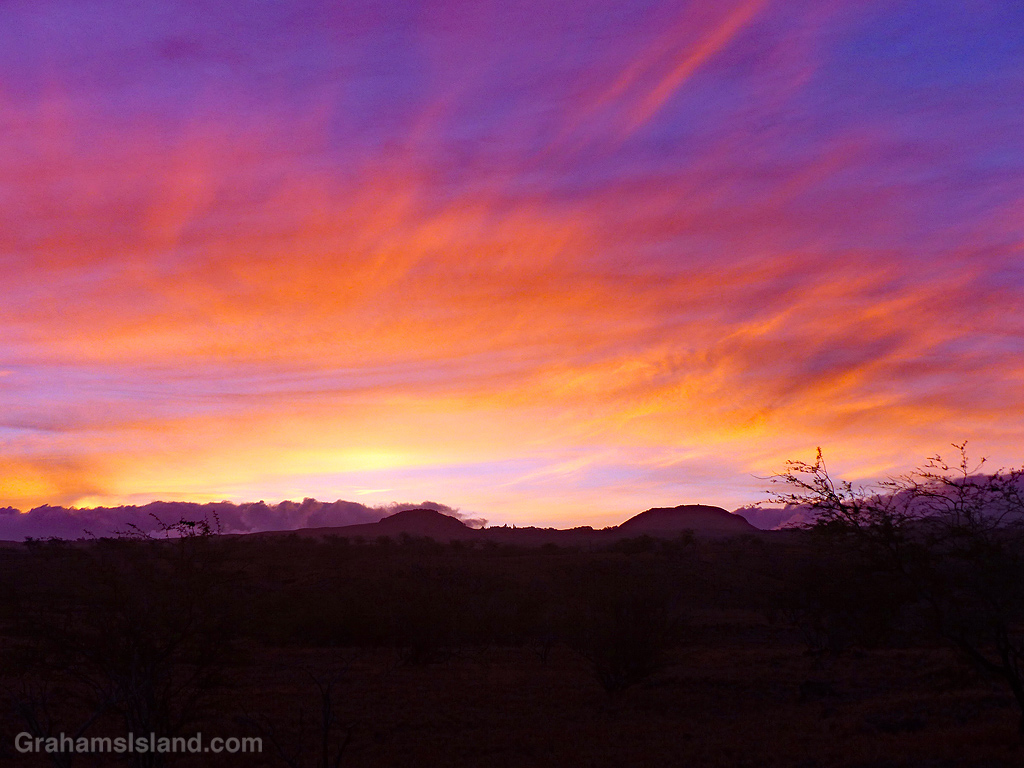
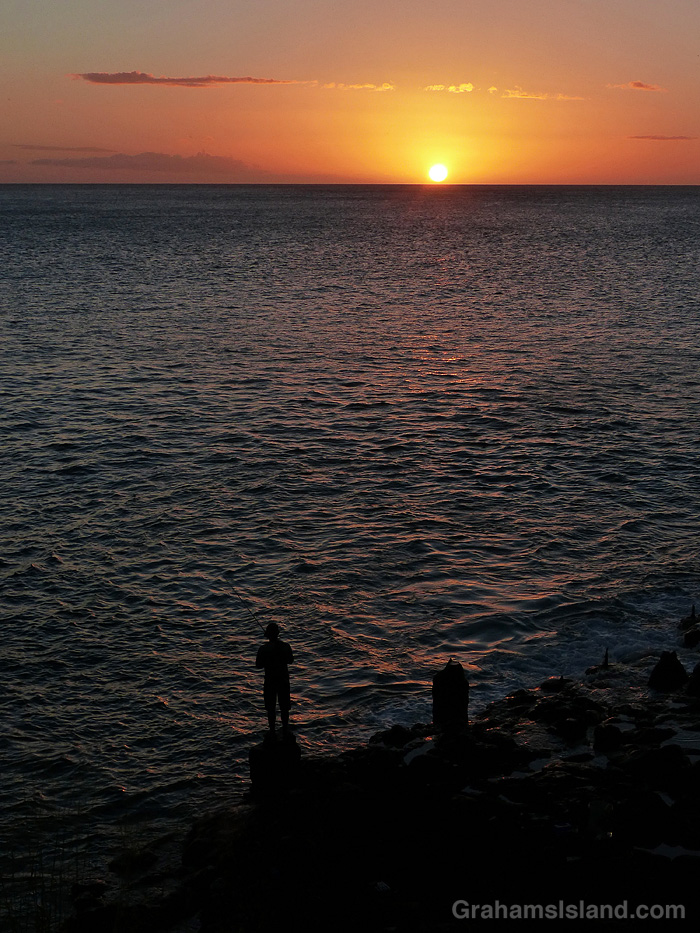
Wracked by my usual indecision, I opted for both. The top photo is a sunrise over Kohala Mountain. The second photo shows a fisherman at sunset, near the Old Coastguard Station at Upolu.
I saw this Brighamia insignis plant in the Hawaiian garden at Kohanaiki Beach Park. It caught my eye for its unusual appearance, which is the source of one of its common names of cabbage-on-a-stick. In Hawaii it’s called Ālula, Hāhā, Pū aupaka, or ʻŌlulu.
Brighamia insignis is endemic to Hawaii, specifically the sea cliffs of Kauaʻi and Niʻihau. However, if you look for it there you’re almost certainly going to be disappointed. The last survey in 2014 found just one plant in Kauaʻi. The reasons for its demise are familiar. The hawk moth that used to pollinate the plant is long since extinct and it has been ravaged by introduced species. In addition, in 1992, Hurricane ʻIniki destroyed half the remaining wild plants.
On the bright side, the plant is easy to propagate by hand and it has been widely distributed by nurseries and botanical gardens.
The reddish color of this day octopus is an indication that I had startled it. If it felt threatened, it would turn white. I like how the patterns on the rock it’s on looks like sucker marks from its tentacles.
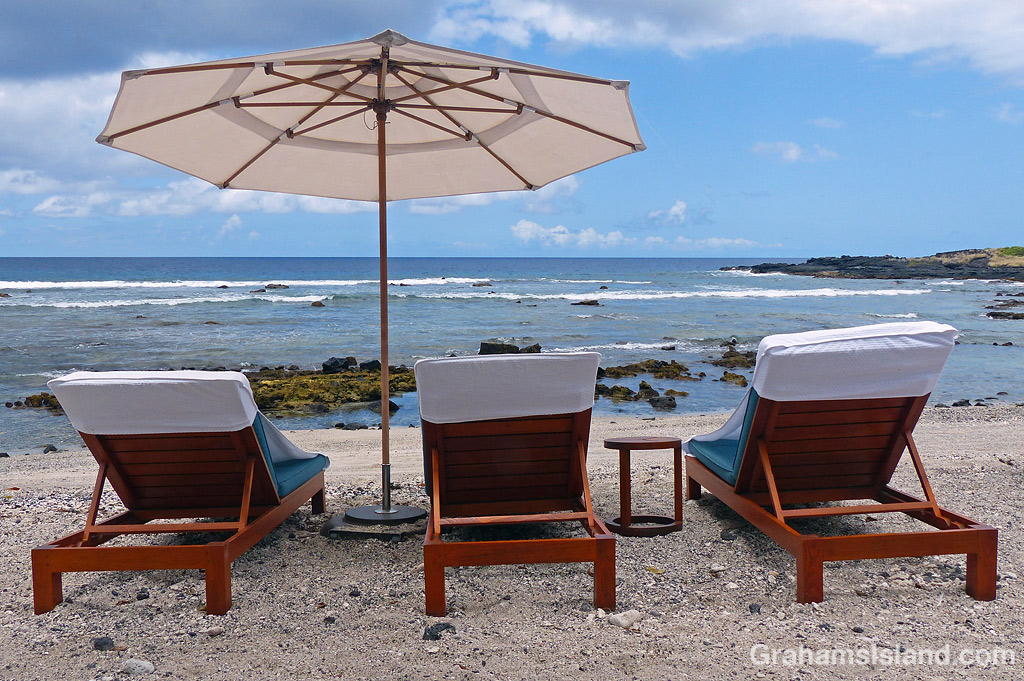
These chairs in front of Kohanaiki Beach Club looked very tempting to me when I walked by on a recent hike. However, I think if I’d plopped into one I wouldn’t have been able to relax for too long before being moved on.
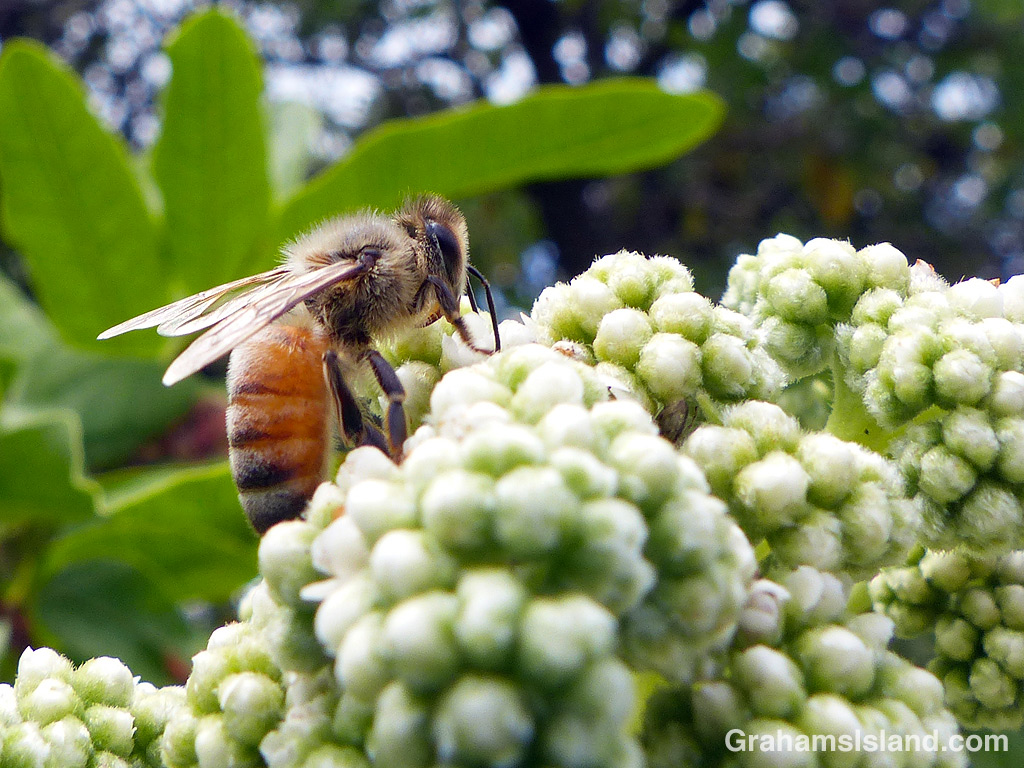
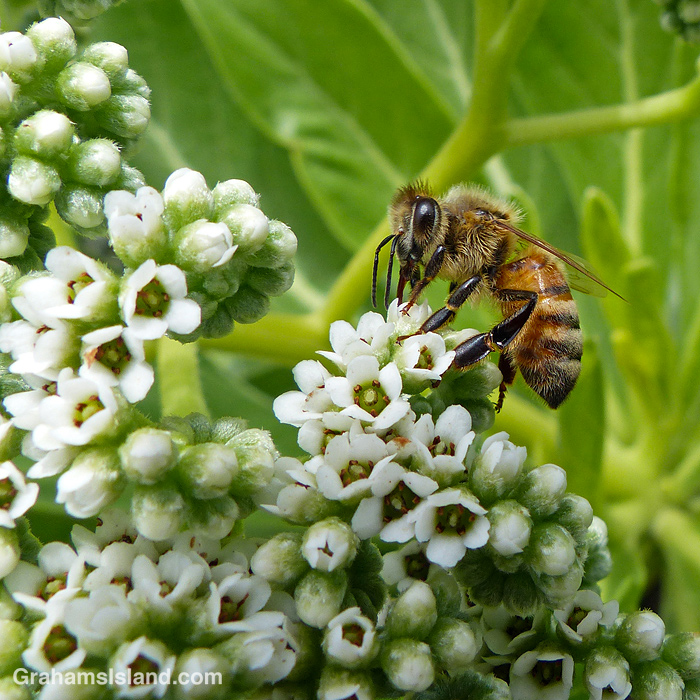
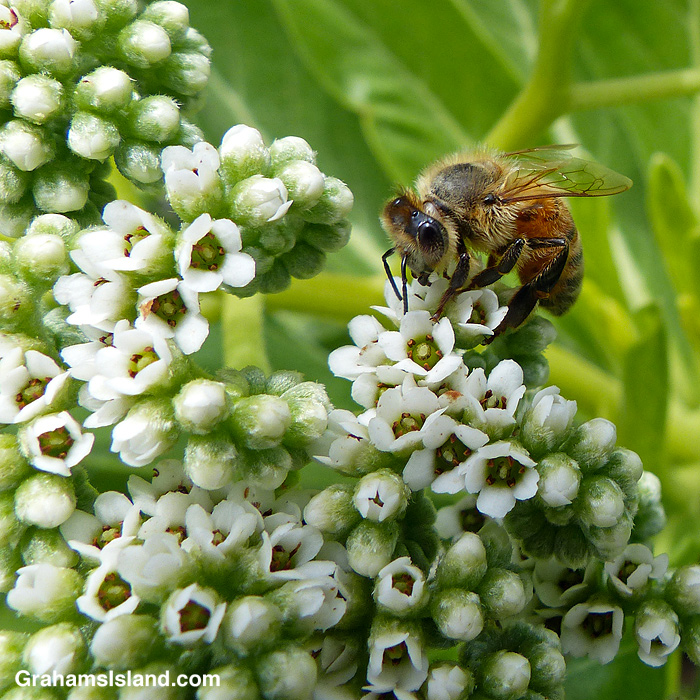
Tree heliotropes produce clusters of little white flowers which are a big draw for bees. When the flowers bloom there are usually plenty of bees in attendance to gather the goodies within.
Cushion stars (Culcita novaeguineae) look just like their name implies – small but comfy-looking cushions that would not look out of place on your couch. However, these cushions would move around on their little tube feet, which might be a bit disconcerting.
They come in several colors including red, yellow, and tan and there’s often quite a bit of variety in their markings. Cushion stars feed on living coral, which they eat by pushing their stomach out and consuming the coral where it sits.
This week’s Sunday Stills challenge theme is ‘Pink.’ See more responses here.
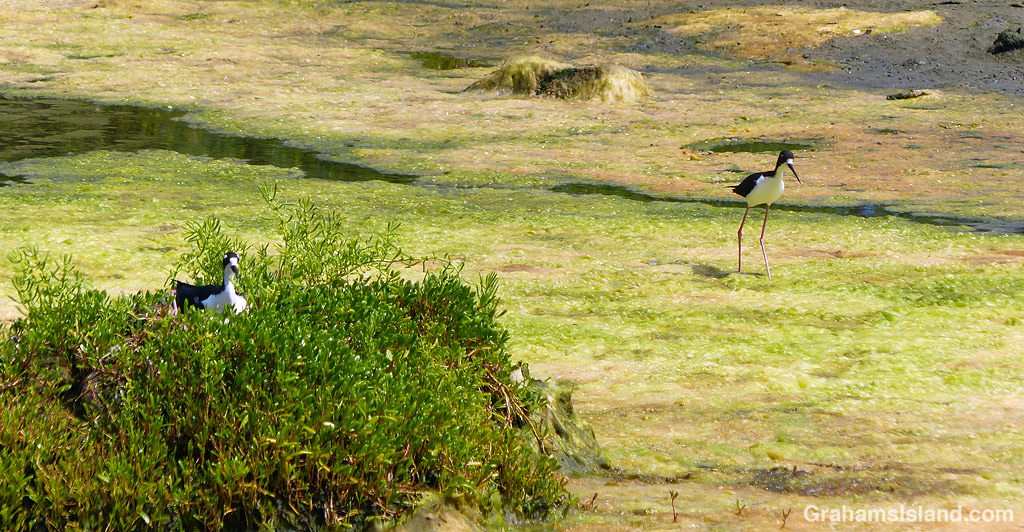
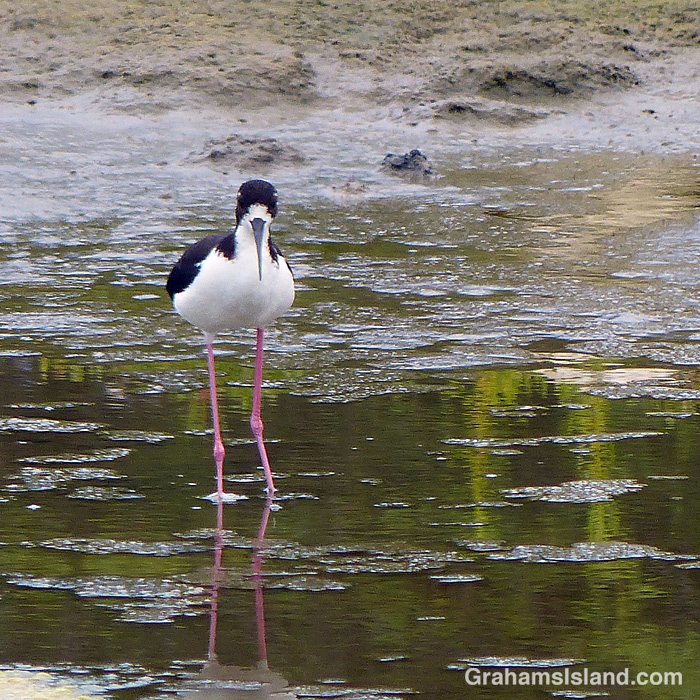
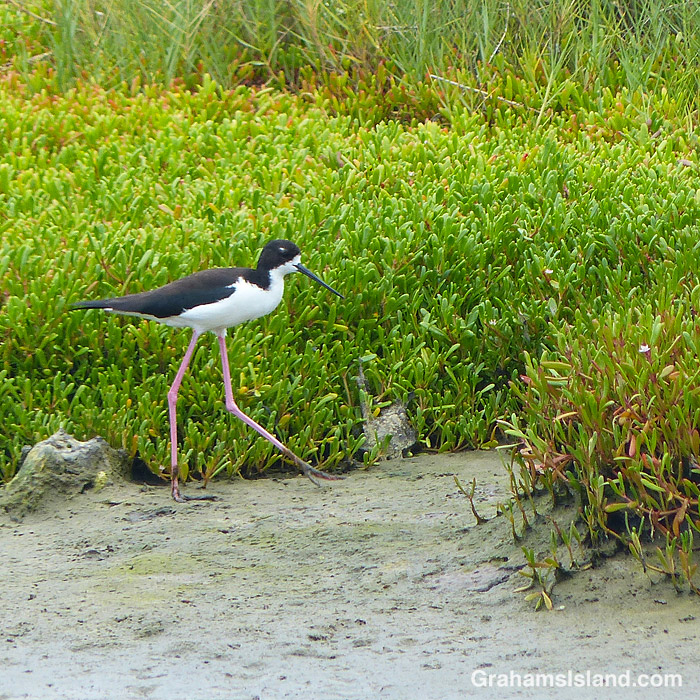
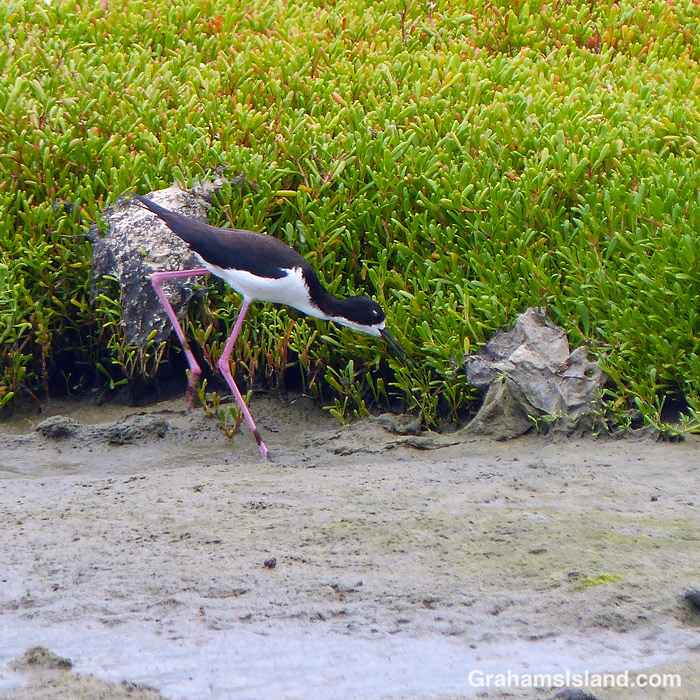
I saw these two Hawaiian stilts at Kohanaiki Beach Park. They were in a pond at the south end of the park and, when I arrived, one was already making a lot of noise. I think this was because another person was walking on the path bordering one side of the pond. My arrival meant that the wading bird kept up its noise as it moved across the pond, away from the bird on the nest.
I took some photos and moved on. When I returned from my walk, 90 minutes later, all was quiet. The bird on the nest was still there, the other was gone. I looked around and saw the other bird in a neighboring pond, at which point, the bird saw me. It immediately began making a lot of noise and then flew back to the pond where the nest was. After a splashy landing it gathered itself, gave me a long look and then began wading along the edge of the pond, probing for snacks. It occurred to me that this bird’s very demonstrative behavior was mostly to get my attention and, by doing so, draw it away from the nesting bird. It kept up its noise, kept moving away from the nest. When I left, the bird quietened immediately. Hawaiian stilts are known for robustly defending their nests and also for such acts as feigning injury to draw attention away from the nest.
The Hawaiian stilt (Himantopus mexicanus knudseni) is considered a sub-species of the North American black-necked stilt. In Hawaii it’s called the aeʻo. It’s an endangered species and, while the population is considered stable or increasing slightly, it’s estimated that the total population is less than two-thousand birds.
In the little-known-fact department, the Hawaiian stilt’s long, pink legs are the second-longest legs in proportion to their bodies of any bird. Only flamingos rank above them in this regard.