

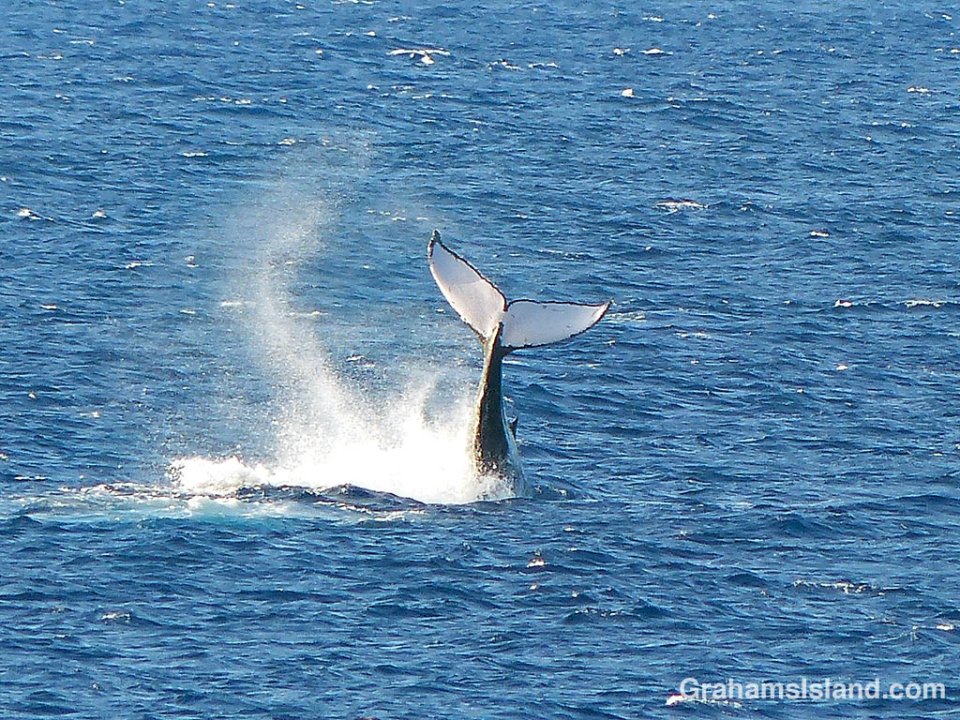
 This week’s Friendly Friday challenge theme is ‘Climate Change.’ (See more responses here.) Living on an island in the middle of the Pacific Ocean makes climate change a relevant topic. Our weather is affected, our wildlife is impacted, our food supplies could be disrupted. But I’ve chosen to picture something obvious and current – humpback whales.
I posted (here) about the decline in the number of humpbacks coming to Hawaii to breed and calve, an estimated drop of 50- to 80-percent over the last four years. I expect that decline to extend to this year’s numbers.
I’ve lived here for seven whale seasons and the drop in numbers from the first couple of years to now is visible and obvious. January through March are supposed to be the height of whale season, but the number of whales here is dropping. I spend a lot of time in the island’s prime whale viewing area and already they are few and far between.
Each year, NOAA conducts a whale count on the last Saturday of January, February, and March. Last year, at the count site I attended, we saw no whales in March – none. This was unprecedented. I wouldn’t be surprised if this month’s count repeats that result and I certainly don’t expect them to see more than two or three whales.
A conference in Honolulu last fall attributed the drop in the number of whales visiting Hawaii to warmer waters in Alaska affecting the whales’ food supply. Those waters are warming because of climate change. So what will happen? Well, my belief is that people make money off activities that cause climate change and the best/only way to change that is to make those activities less profitable or to make it more profitable to be engaged in activities that combat climate change. An alternative is to have people become less geared to making obscene amounts of money, but that, I think, is wishful thinking indeed.
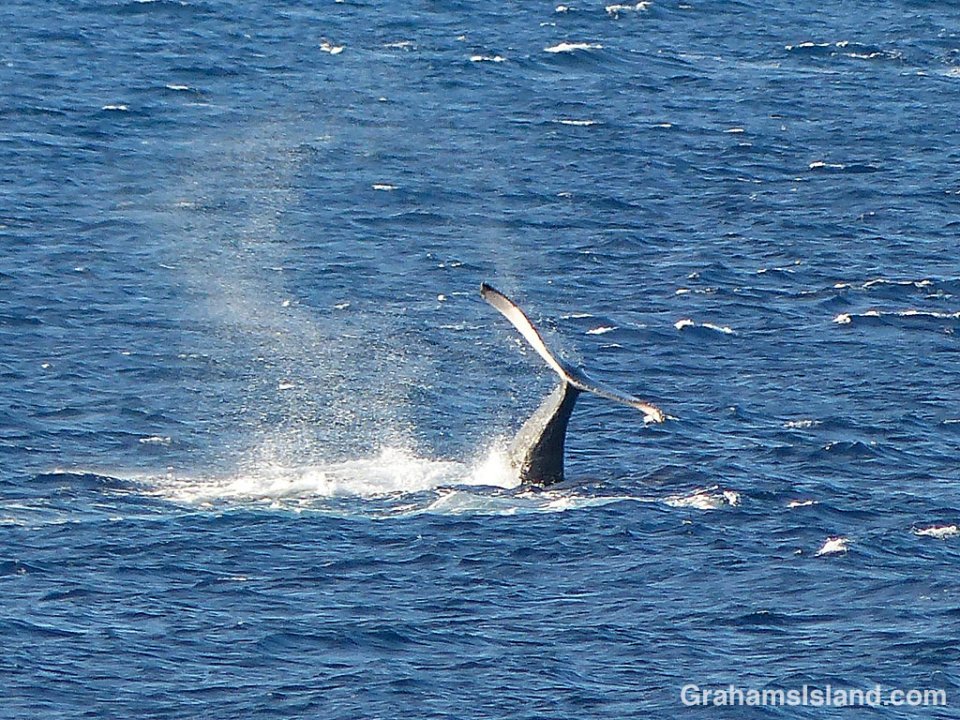
In these photos, a humpback whale slaps its tail, one of several common humpback activities that are monitored during the NOAA whale counts.
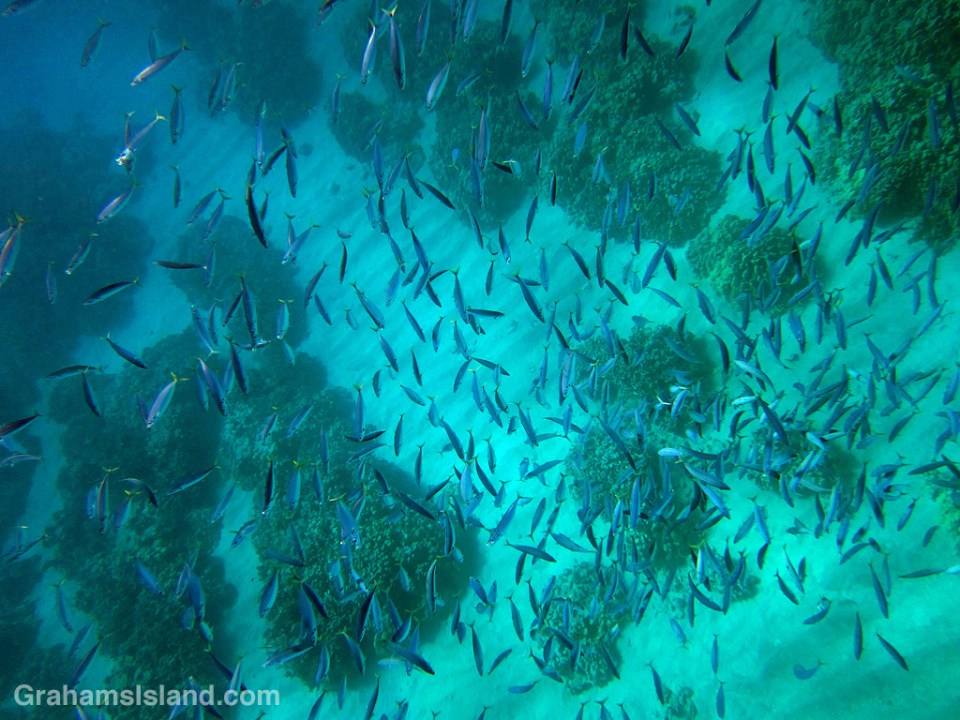
 Mackerel scad are schooling fish, the kind that make ‘bait balls’ which end up being decimated by large predators. They’re members of the jack family, not that this does them much good. Some of those large predators are other members of the jack family such as greater amberjacks and almaco jacks.


 This is Sunshine, once a feral cat, now somewhat domesticated. Her right ear has been clipped to show she’s been spayed. She’s also been chipped and had her shots. And while she can be affectionate, especially when she’d like to be fed, she’s not above slashing wrists if she feels like it. A cat to handle with care, perhaps.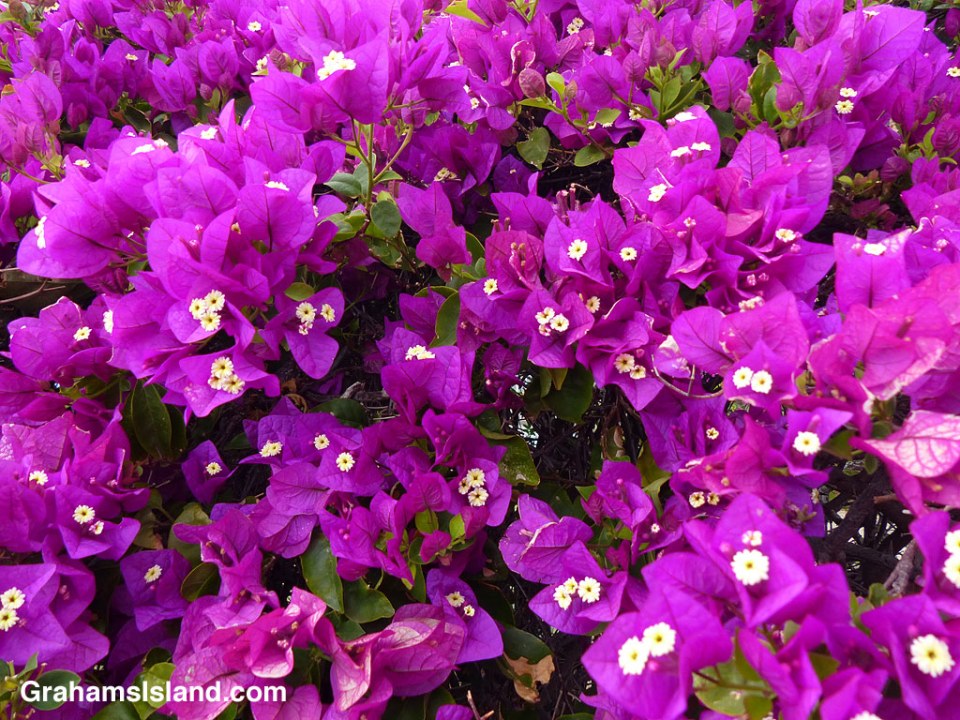
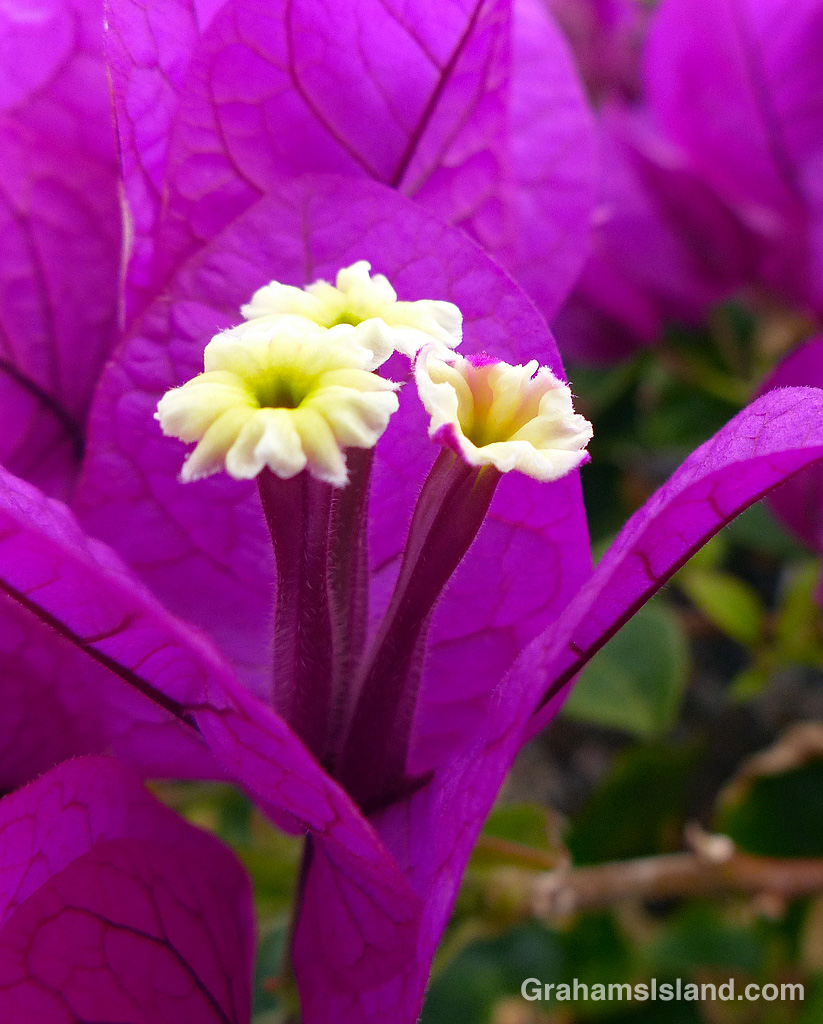 There are a lot of bougainvillea blooming currently, creating swathes of color where they’re planted as hedges or borders. I’ve been surprised by the scarcity of bees and other pollinators around the new flowers. Perhaps this is just a factor of the area where I see most of these flowers.
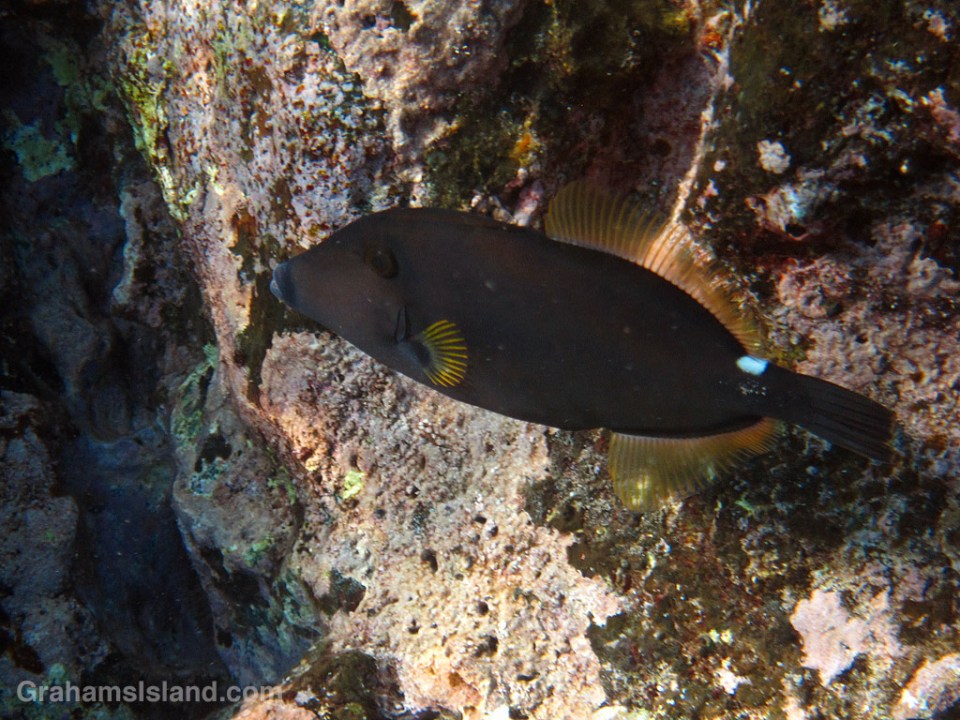
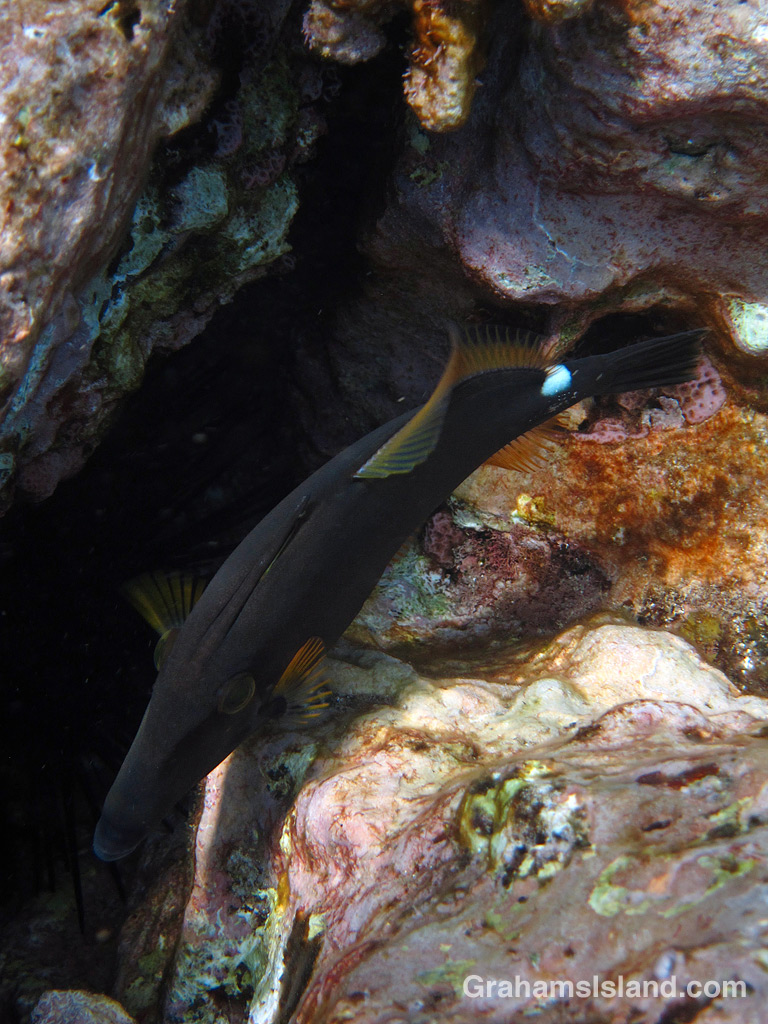 Squaretail filefish are easily identified by the white patch at the base of the tail and the orange fins.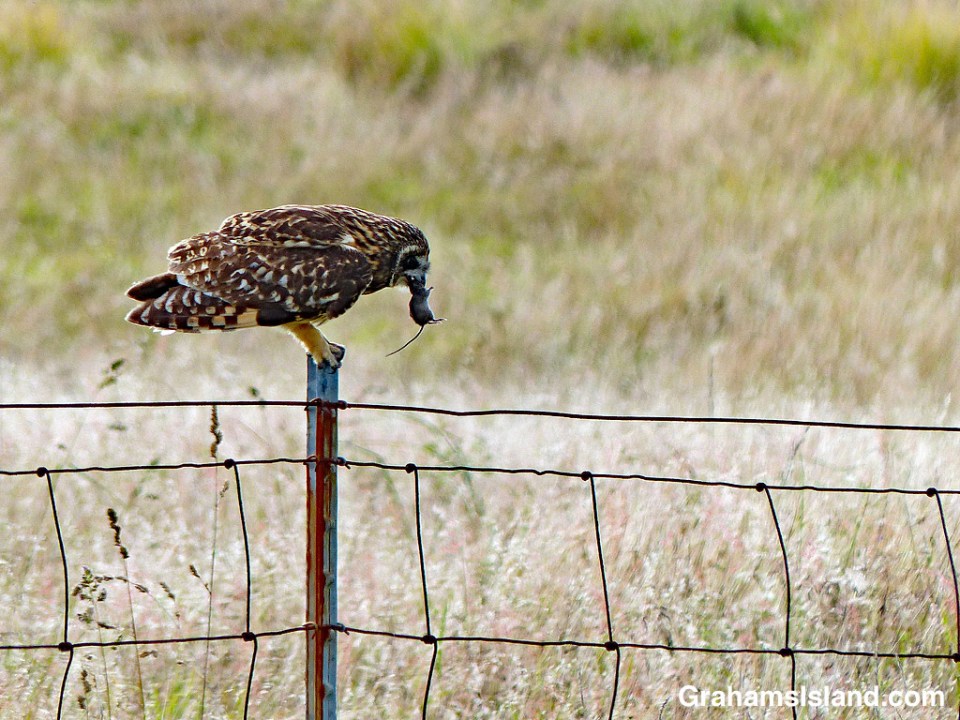
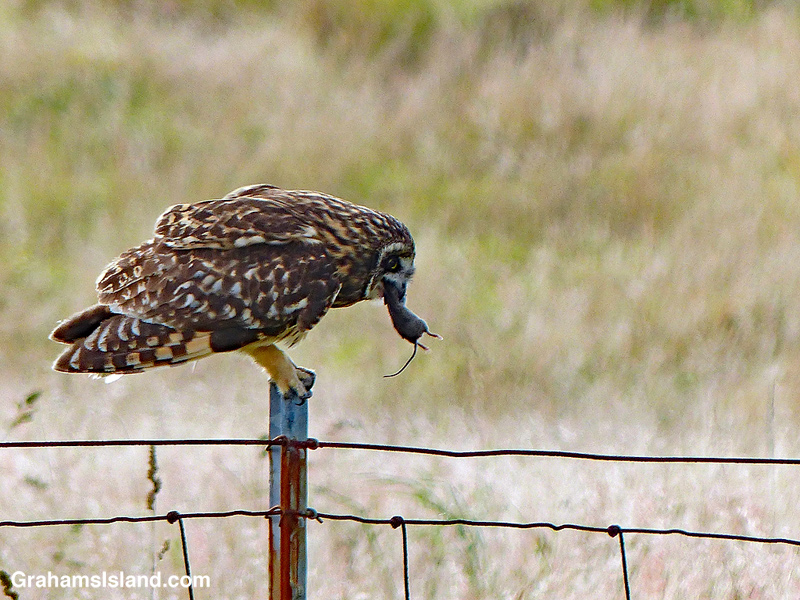
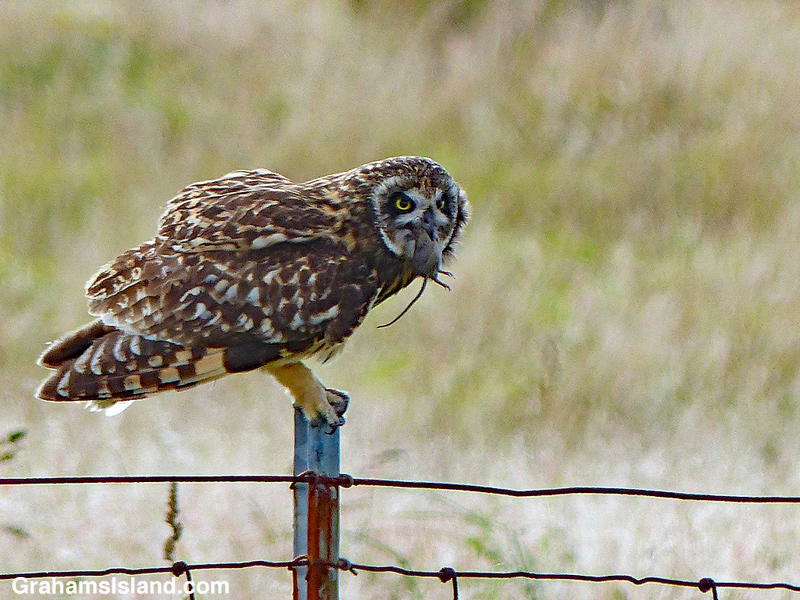
 Last week’s Sunday Stills challenge theme was ‘Flight’ and I posted photos of a pueo flying


 This week’s Friendly Friday challenge theme is ‘Turning point.’ (See more responses

