Recent swells stirred up the water so visibility in the water wasn’t great. Instead, I focused upward to where bubbles and debris floated on the surface, yielding some interesting images.


Recent swells stirred up the water so visibility in the water wasn’t great. Instead, I focused upward to where bubbles and debris floated on the surface, yielding some interesting images.


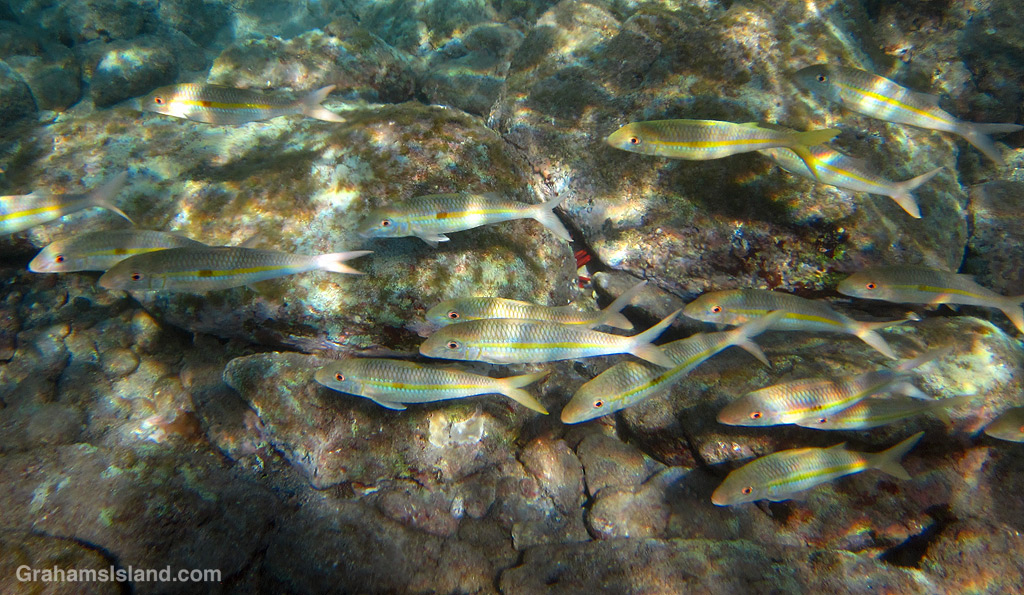
An assortment of sergeantfishes swim beneath floating debris, gathered by a series of big swells. Unlike the fish, I got to swim through the debris, which can sometimes include sizable chunks of wood.

The surge zone is the area above shallow reefs near shore, where incoming swells churn up the water. It’s home to a variety of fish including chubs and flagtails, the turbulent, bubbling water acting as a screen from predators.
Chubs will venture out a ways during the day, but flagtails only emerge at night to feed on plankton.

The idea of The Numbers Game is to enter a number into the search bar of your computer and then post a selection of the photos that turn up. This week’s number is 171. Captions are on the photos. You can see more responses here.


’Tis the season for big northwest swells to start rolling in here. Happy days for surfers, not so much for snorkelers. The first of the season hit west-facing shores over the past two days. By and large the swells weren’t too bad, but every so often a big swell, such as this one, would crash ashore.
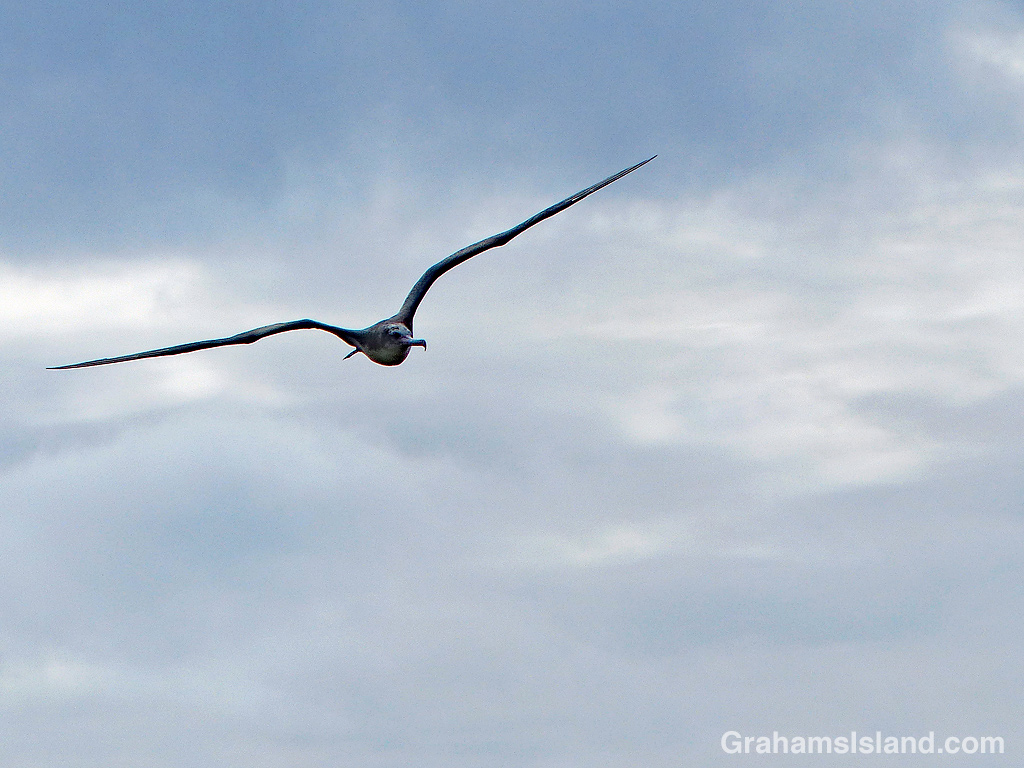
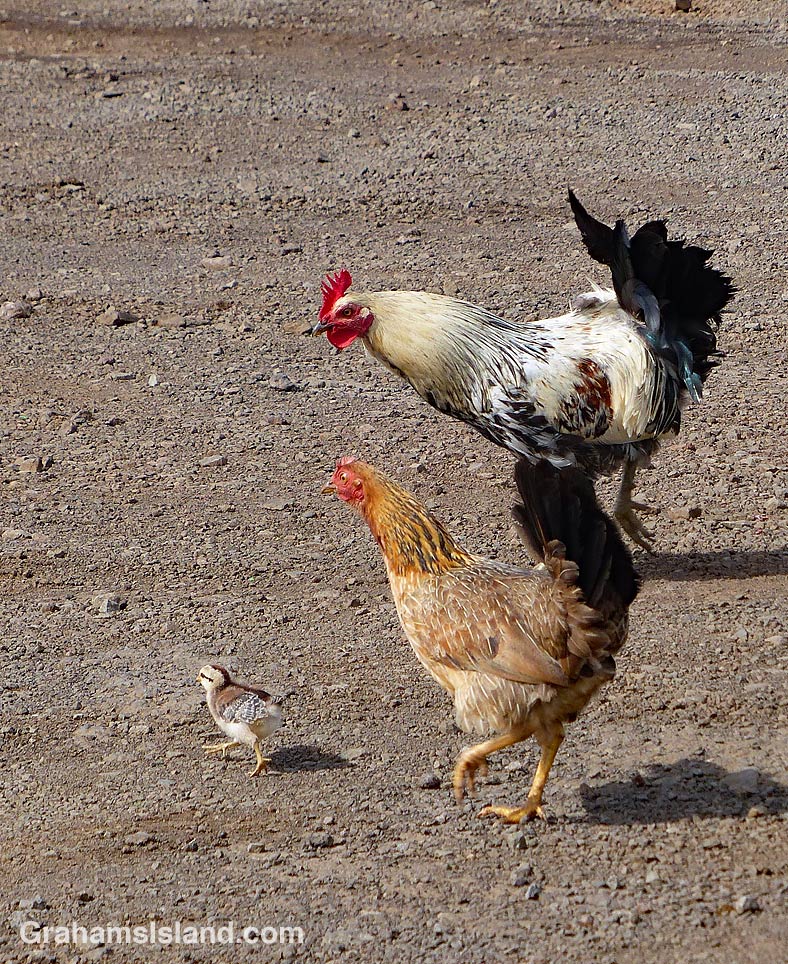
No birds or small children were harmed in the taking of this photo! Posted for Bushboy’s Last on the Card. See more responses here.
This week’s Sunday Stills challenge theme is ‘Traditions.’ See more responses here.
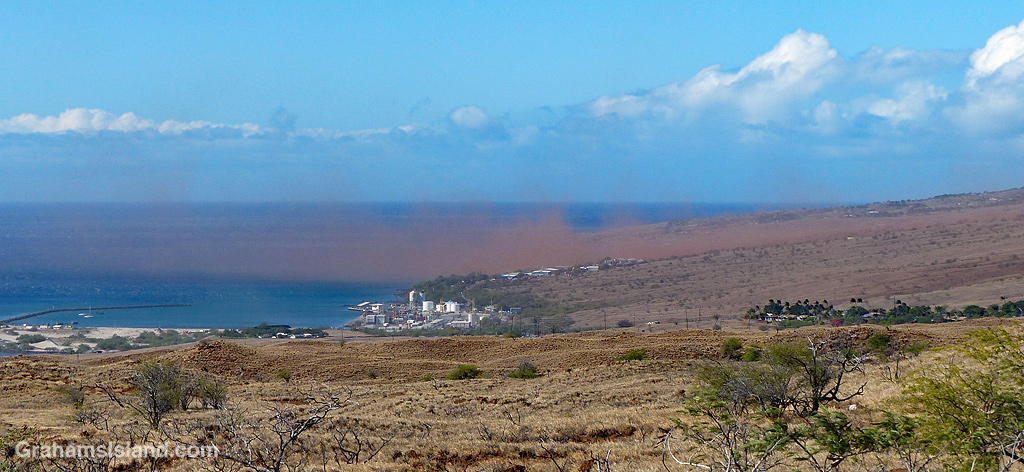
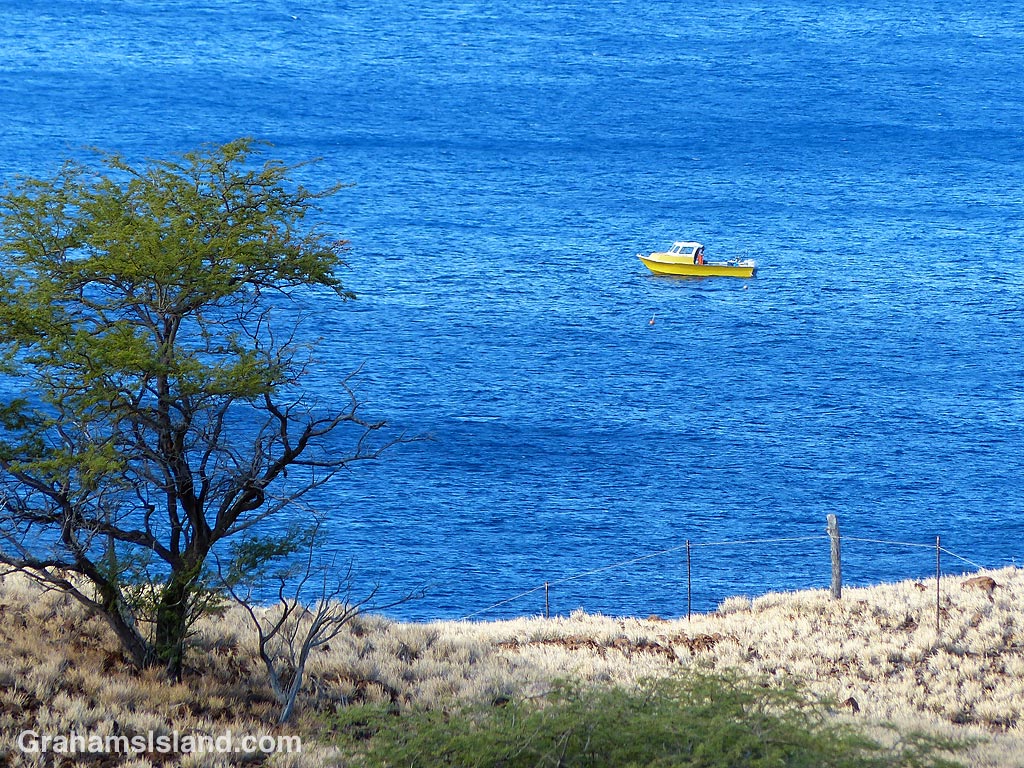
I’m the world’s worst fisherman and would have starved long ago if I had to rely on catching fish for food. But in Hawaii, fishing has long been a traditional way of putting food on the table. With line, net, or spear, on shore or from a boat, catching fish has been, and still is, a big feature of island life. And if the fish aren’t biting, at least the view tends to be wonderful.


Rainbow Chubs are rare in Hawaii. I’ve seen them before, though not often. These three were in an area where I saw two the week before. My fish book says they drift in as waifs from the Eastern Pacific, but I wonder if perhaps a breeding population is establishing itself in Hawaii.


I know this fish as a Crocodile Needlefish (Tylosurus crocodilus), a name explained by looking at the jaws and teeth. Elsewhere, it’s known as a Houndfish. When I first saw it, I thought it might have a bit of fishing gear hooked into its mouth. It was working its jaws up and down, as if it might be trying to dislodge something. But when I got closer, I saw it had a fish in it’s mouth.
The unlucky fish looks like a toby, probably an Hawaiian White-spotted Toby. Except the unlucky fish might be the needlefish because the toby has clearly inflated itself, as they do. Not only that, but the skin of these tobies is highly toxic. My fish book tells of a diver who found a frogfish with one of these tobies inflated in its mouth. The frogfish was dead, though whether suffocated or poisoned he couldn’t tell. He freed the toby, which swam away none the worse for wear!