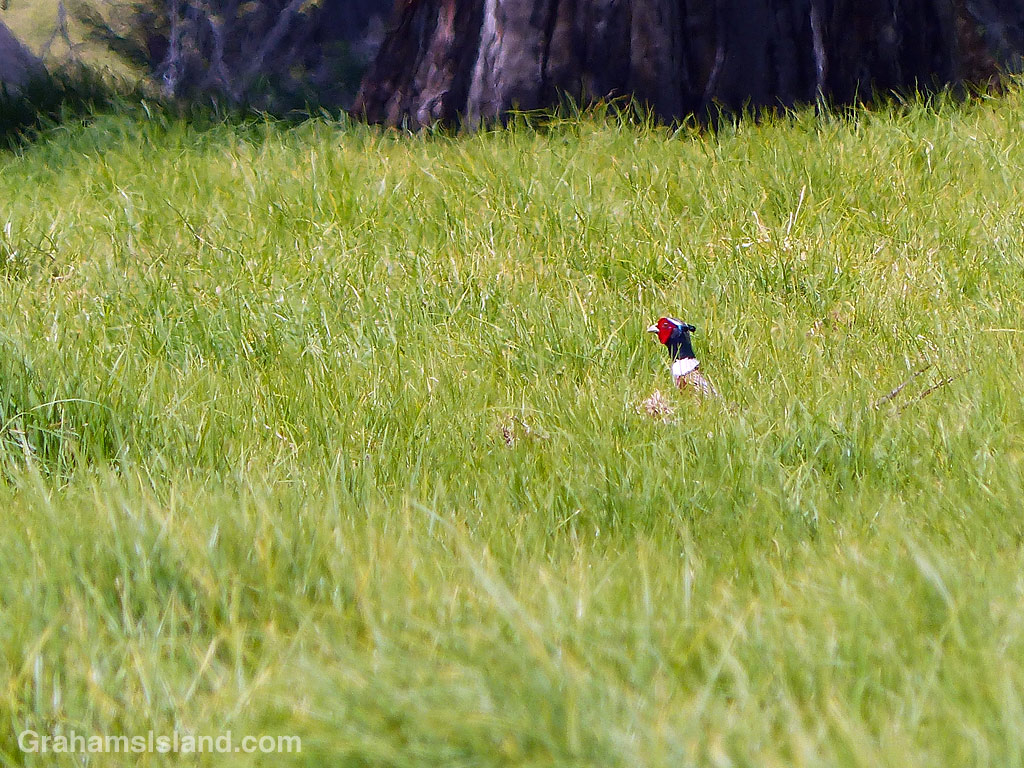
I saw this ring-necked pheasant scurrying through the tall grass off Old Saddle Road. It doesn’t exactly blend in with its surroundings, not a good trait for a game bird.

I saw this ring-necked pheasant scurrying through the tall grass off Old Saddle Road. It doesn’t exactly blend in with its surroundings, not a good trait for a game bird.
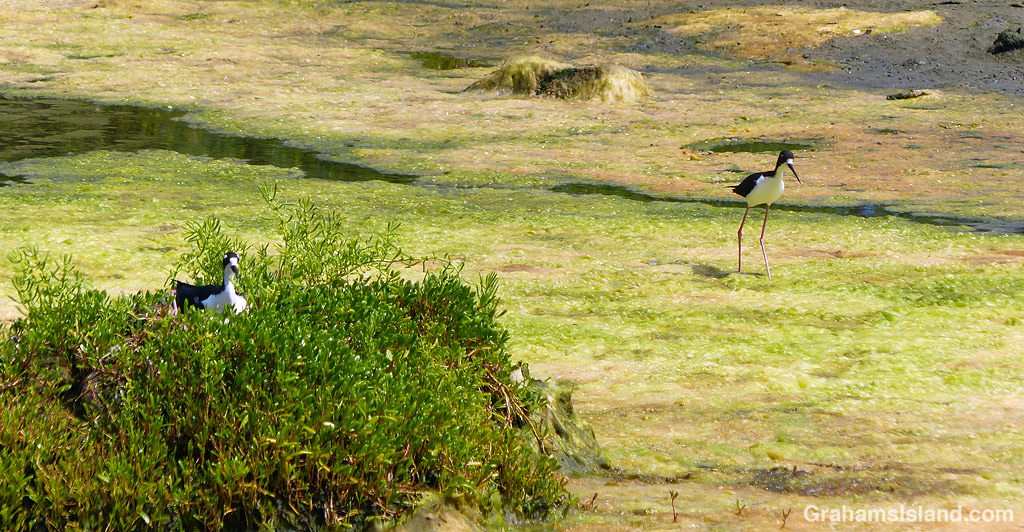


This week’s Sunday Stills challenge theme is ‘Pink.’ See more responses here.
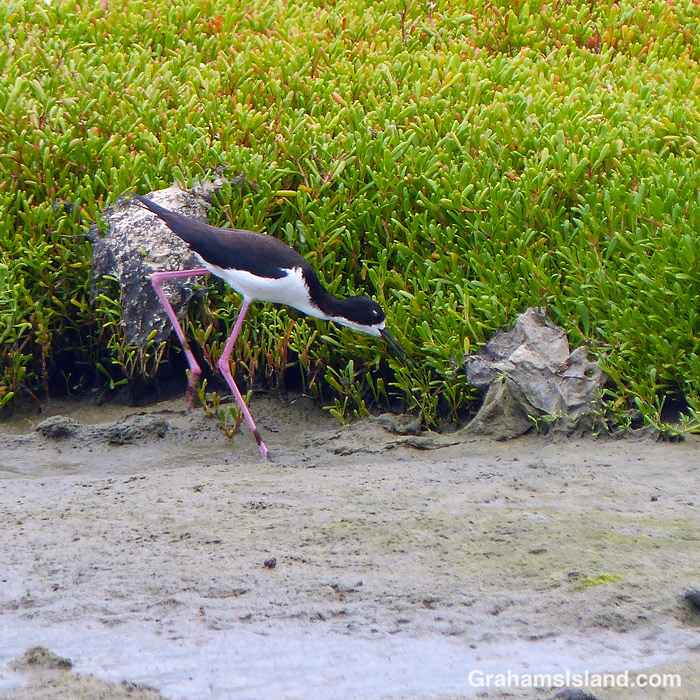
I saw these two Hawaiian stilts at Kohanaiki Beach Park. They were in a pond at the south end of the park and, when I arrived, one was already making a lot of noise. I think this was because another person was walking on the path bordering one side of the pond. My arrival meant that the wading bird kept up its noise as it moved across the pond, away from the bird on the nest.
I took some photos and moved on. When I returned from my walk, 90 minutes later, all was quiet. The bird on the nest was still there, the other was gone. I looked around and saw the other bird in a neighboring pond, at which point, the bird saw me. It immediately began making a lot of noise and then flew back to the pond where the nest was. After a splashy landing it gathered itself, gave me a long look and then began wading along the edge of the pond, probing for snacks. It occurred to me that this bird’s very demonstrative behavior was mostly to get my attention and, by doing so, draw it away from the nesting bird. It kept up its noise, kept moving away from the nest. When I left, the bird quietened immediately. Hawaiian stilts are known for robustly defending their nests and also for such acts as feigning injury to draw attention away from the nest.
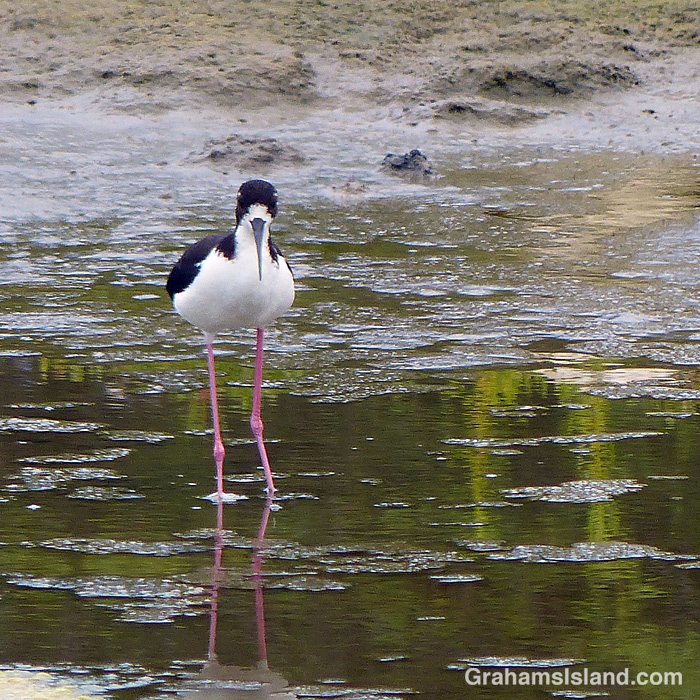
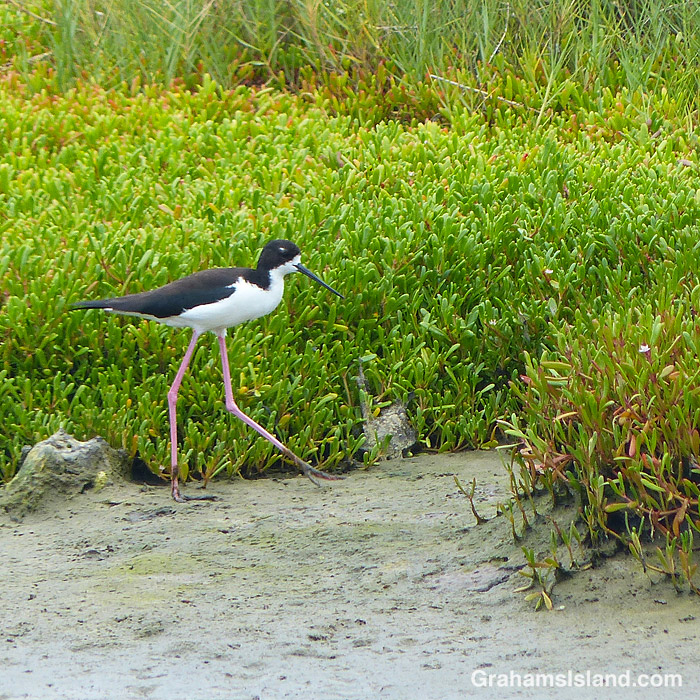
The Hawaiian stilt (Himantopus mexicanus knudseni) is considered a sub-species of the North American black-necked stilt. In Hawaii it’s called the aeʻo. It’s an endangered species and, while the population is considered stable or increasing slightly, it’s estimated that the total population is less than two-thousand birds.
In the little-known-fact department, the Hawaiian stilt’s long, pink legs are the second-longest legs in proportion to their bodies of any bird. Only flamingos rank above them in this regard.


There are quite a few murals around Hawi and this is one of them. I quite like this one and when I look at it I imagine it painted on the ceiling over my bed. I imagine waking up in the early morning and opening my eyes and …

This week’s Sunday Stills challenge theme is ‘Favorite Vacation Spot.’ See more responses here.
It’s been a long while since I took a vacation, but a favorite day out is a road trip to the east side of the island and a visit to Hawaii Tropical Bioreserve & Garden.
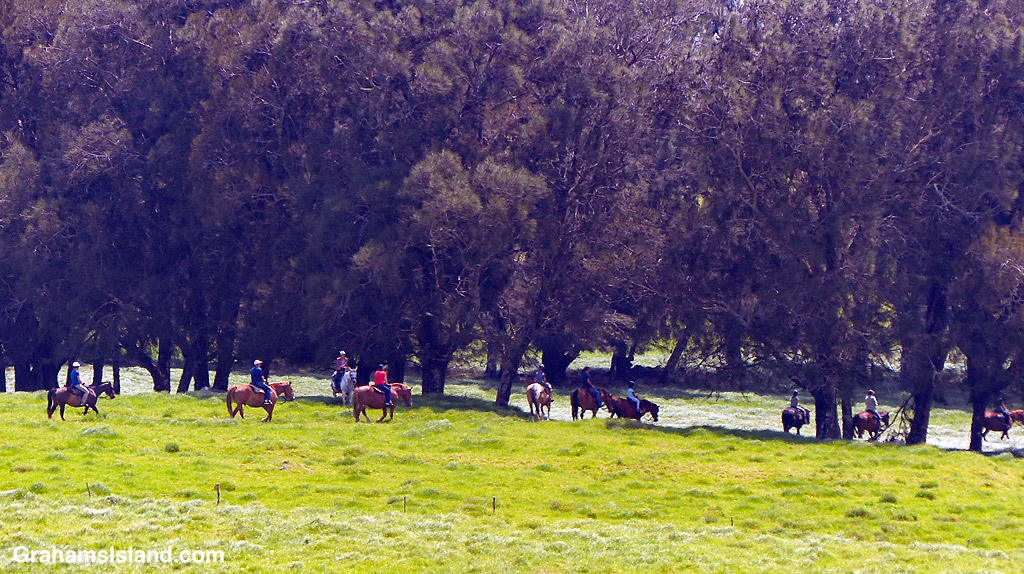
The day starts with a drive out of Hawi, up the hill to Kohala Mountain Road. This winding road climbs to around 3,500 feet before descending into Waimea. One the way, it passes through pastureland that is home to cattle, horses, and sheep.
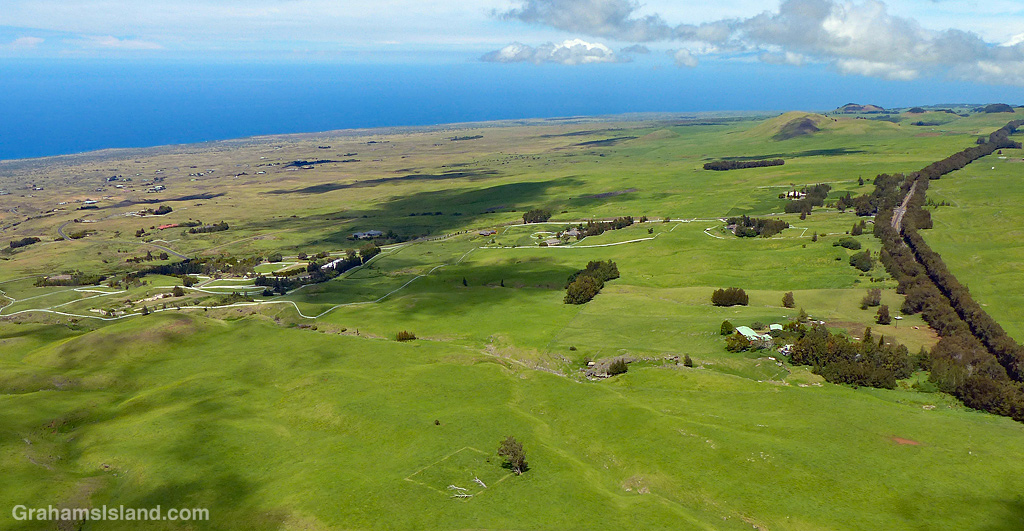
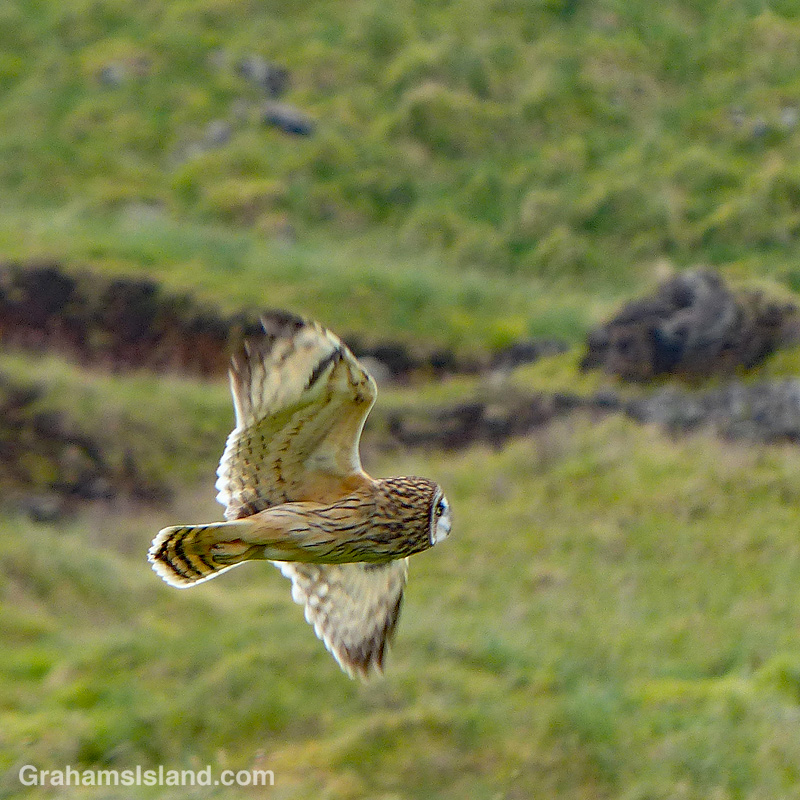
A few miles after driving through Waimea, there’s a left turn onto Old Saddle Road. These days, the main road across the island is a smooth, wide thoroughfare, but it’s not so long ago that the highway was all like Old Saddle Road – narrow and twisting. In those days, rental car companies would not allow their cars to be driven on that road. Old Saddle Road is the last remnant of the original road and it’s one of my favorite roads to drive here, not just because of the road’s qualities, but because it’s one of the most reliable places to see pueos, the Hawaiian short-eared owl. On this road I drive like one of those people you follow and say ‘What the !@^%$@)&^ is that idiot doing?’ I’m prone to zipping off the tarmac and bolting from the car, camera in hand, snapping photos as I go.
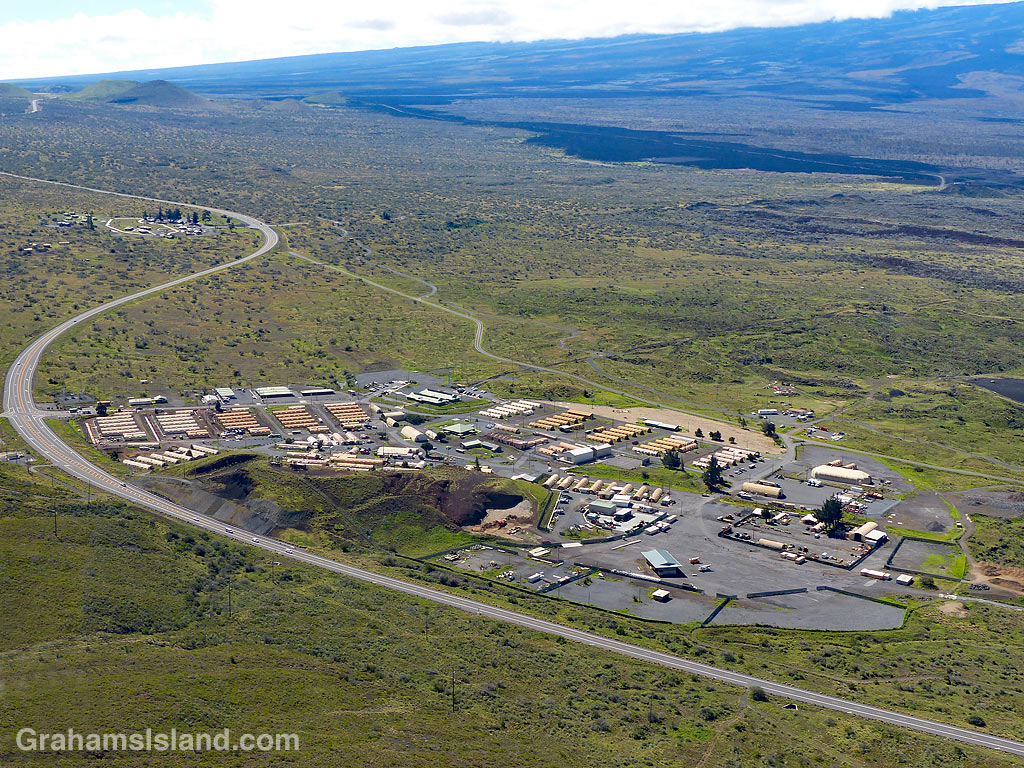
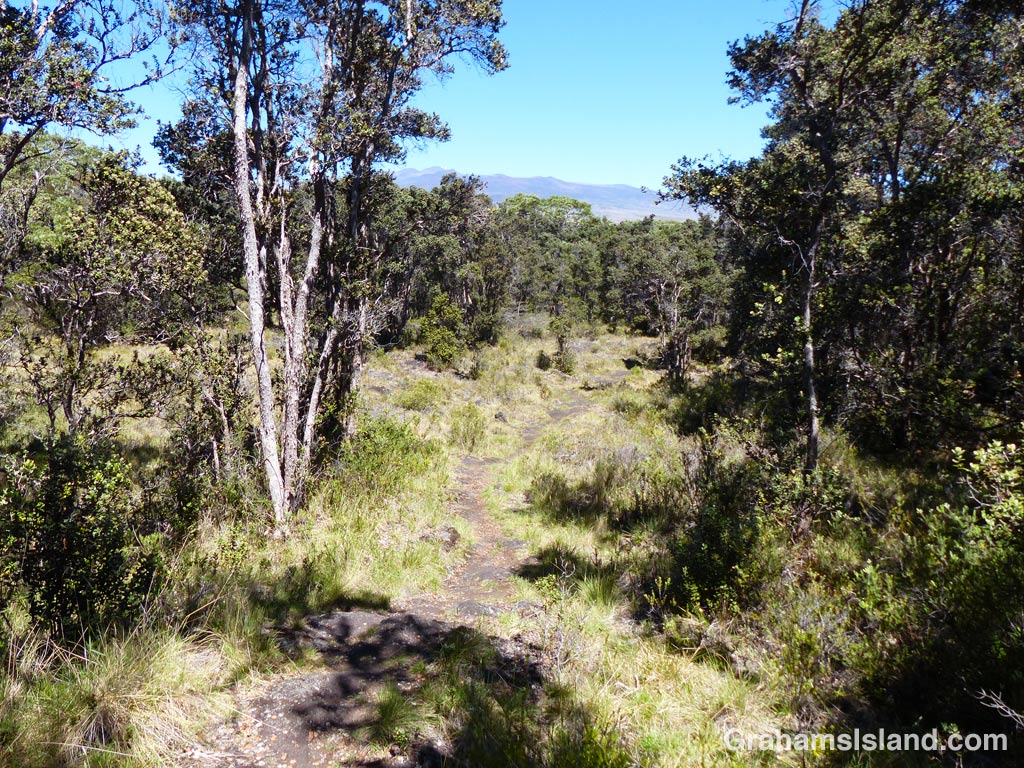
Old Saddle Road joins the new highway a just before it reaches Pohakuloa Training Area, a large military base in the saddle between Mauna Kea and Mauna Loa. It’s not unusual to hear the sound of shells exploding here as they do live ammunition fire. Past this area, there are several good hiking trails that venture into the high elevation landscape. This is one of the best areas for seeing native birds that are still hanging on in much reduced habitat.
After that, there’s the descent into Hilo and then a jog north to the garden where, every time I visit, I see something different, something that wasn’t blooming on previous visits or that I’d just missed in the profusion wonderful plants to see.
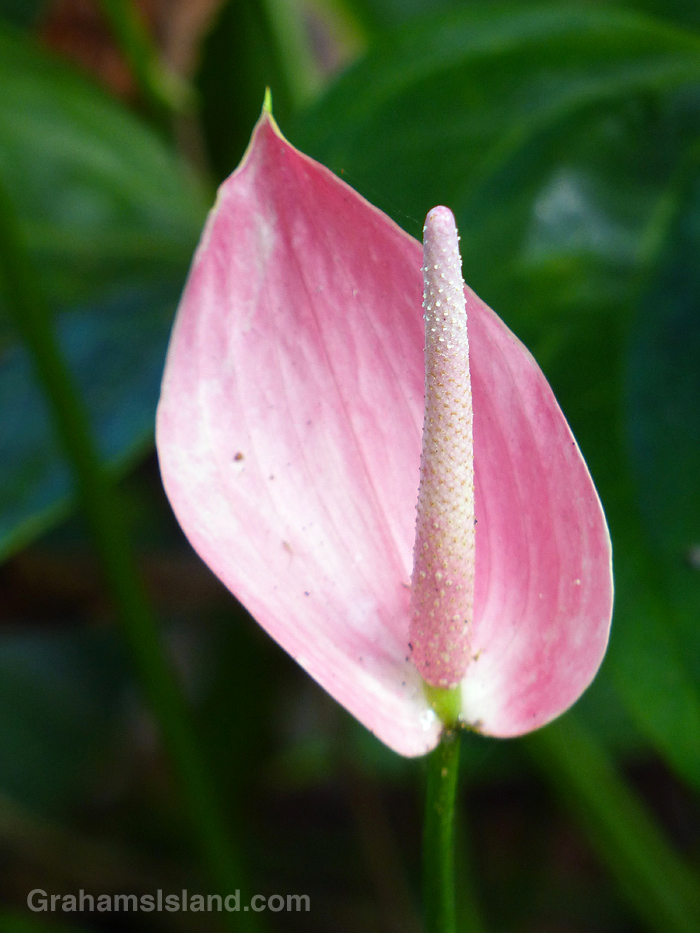
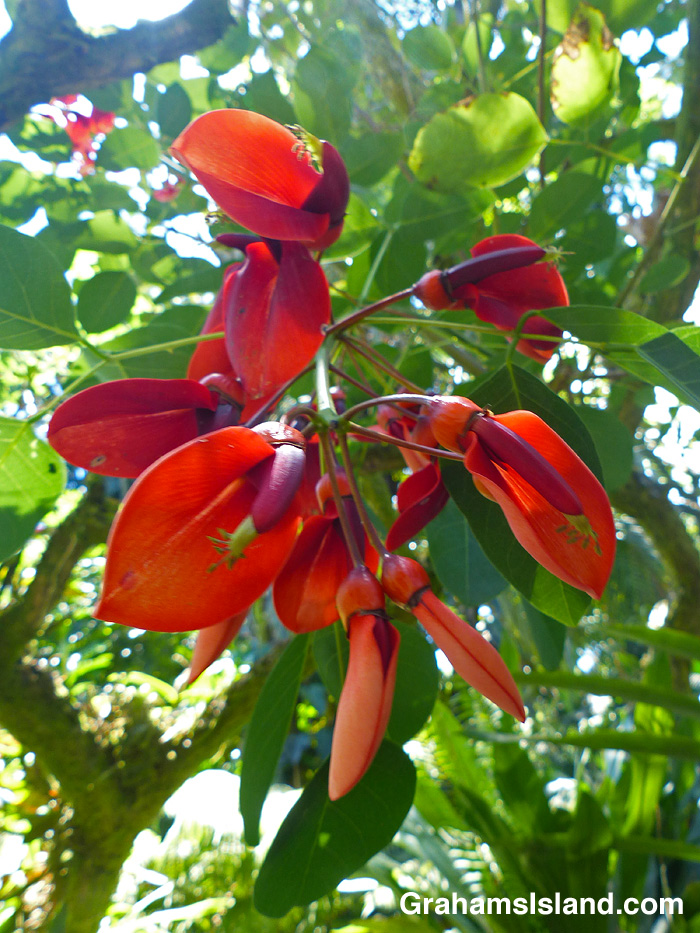
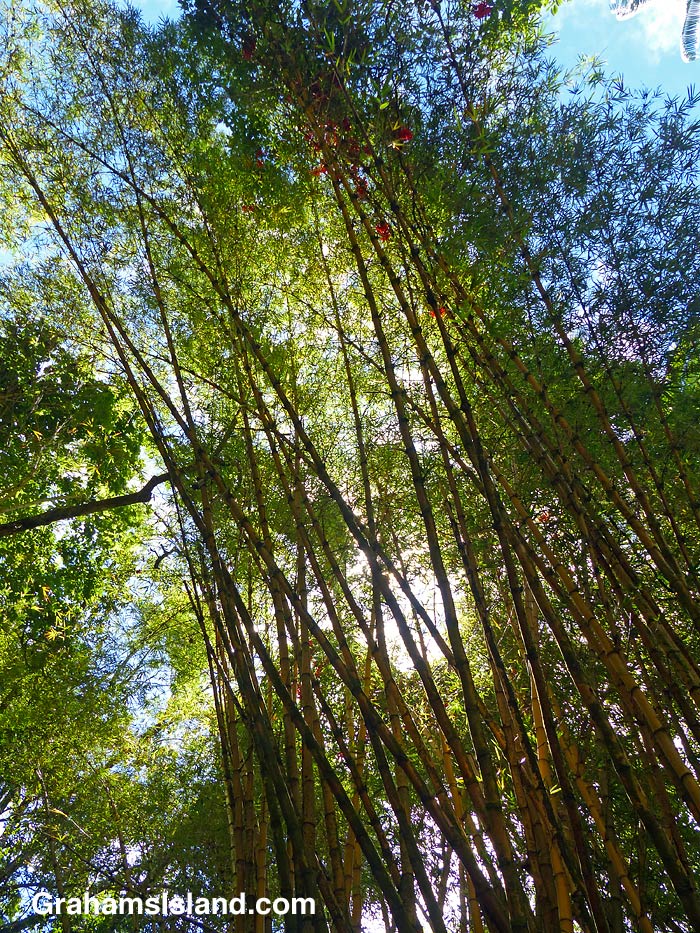
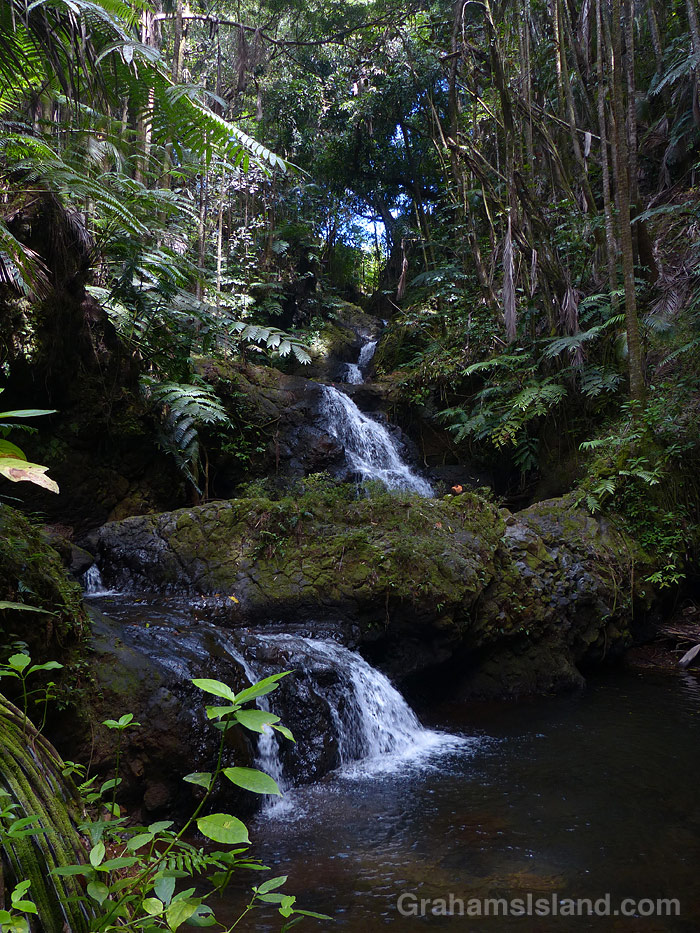
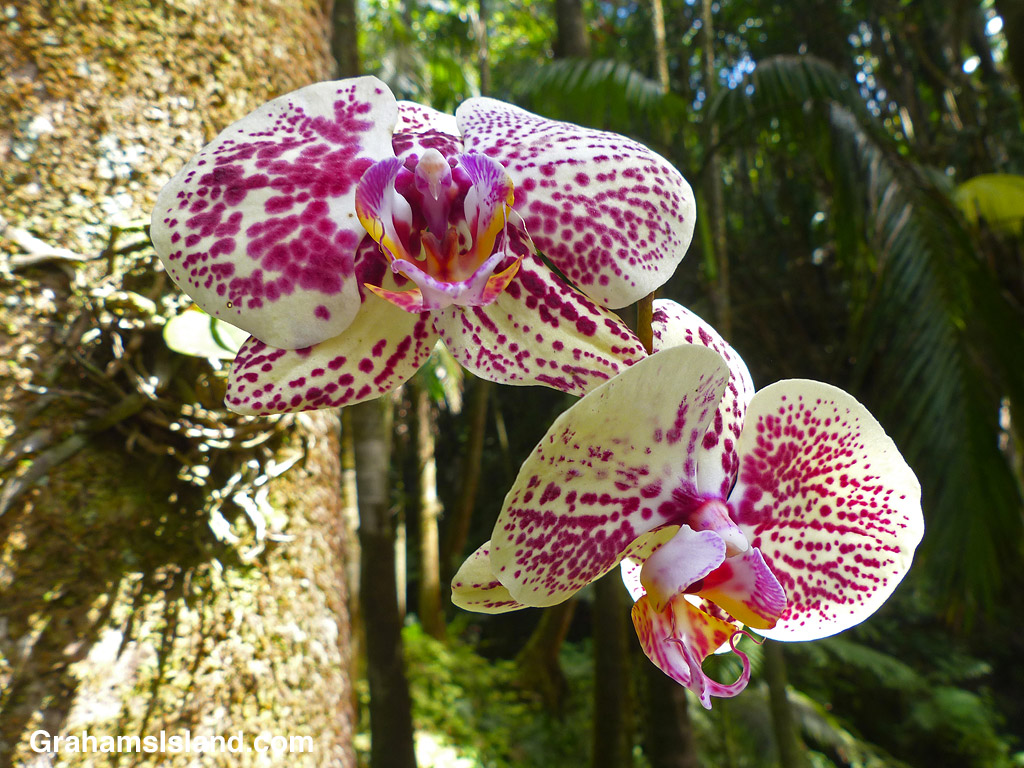
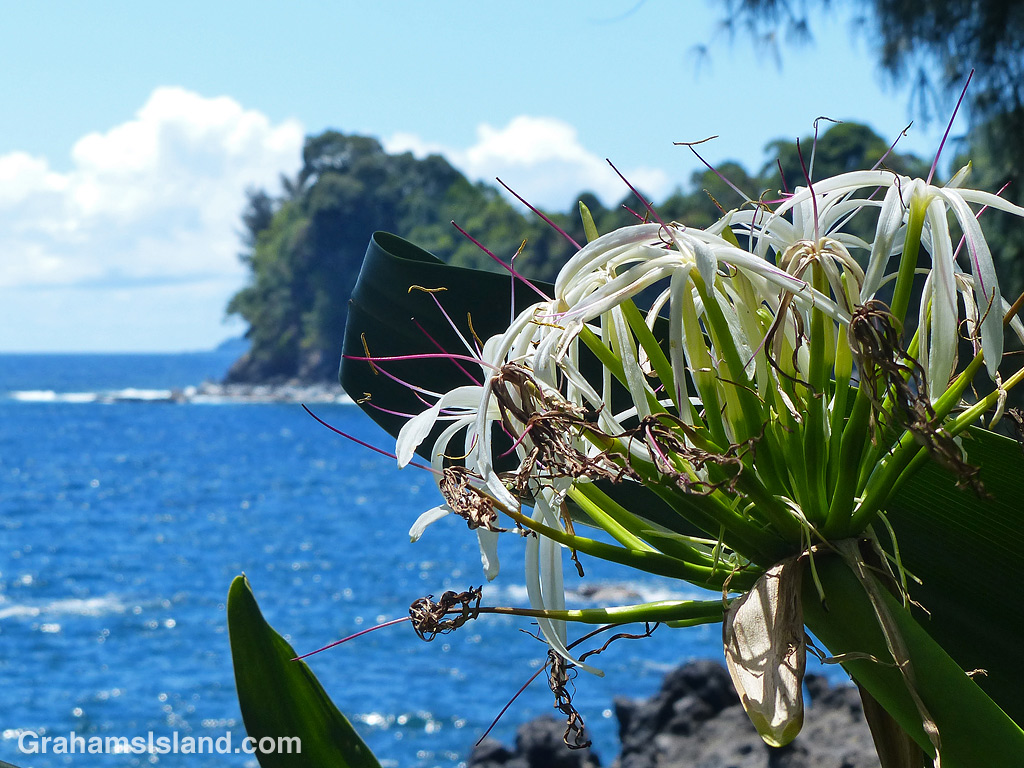
And on the way back there’s a good chance that there’ll be a splendid sunset to be enjoyed.
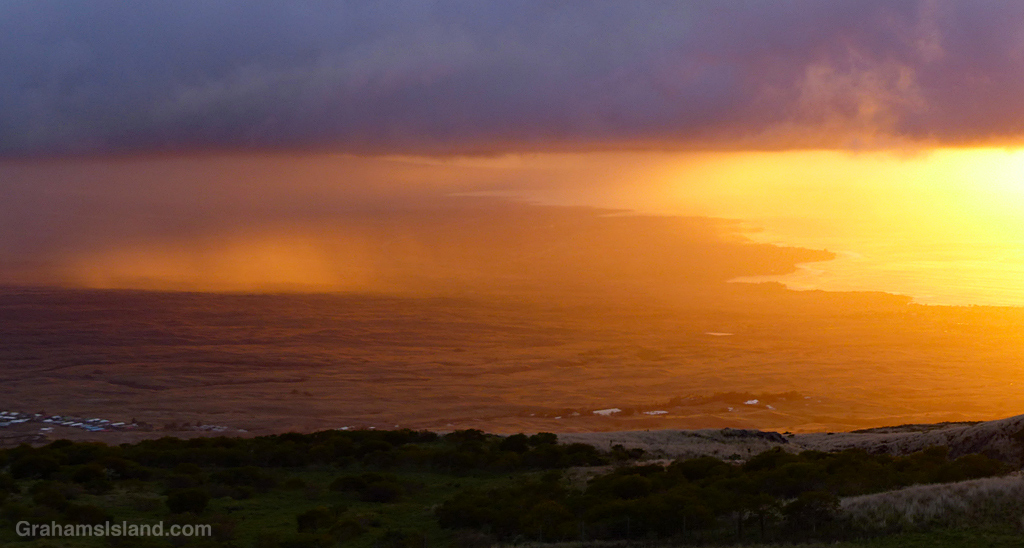
Also posted for this week’s Friendly Friday challenge theme is ‘Road Trip.’ See more responses here.

On my last hike on the Pu’u O’o Trail, off Saddle Road, I’d been busy taking photos of an i’iwi when I noticed this little bird hopping up a tree trunk, probing for insects. It’s an Hawaii ‘elepaio (Chasiempis sandwichensis sandwichensis), a member of the flycatcher family, and endemic to the island. The Hawaii ‘elepaio is one of three ‘elepaio species in Hawaii, the other two being on Oahu and Kauai.

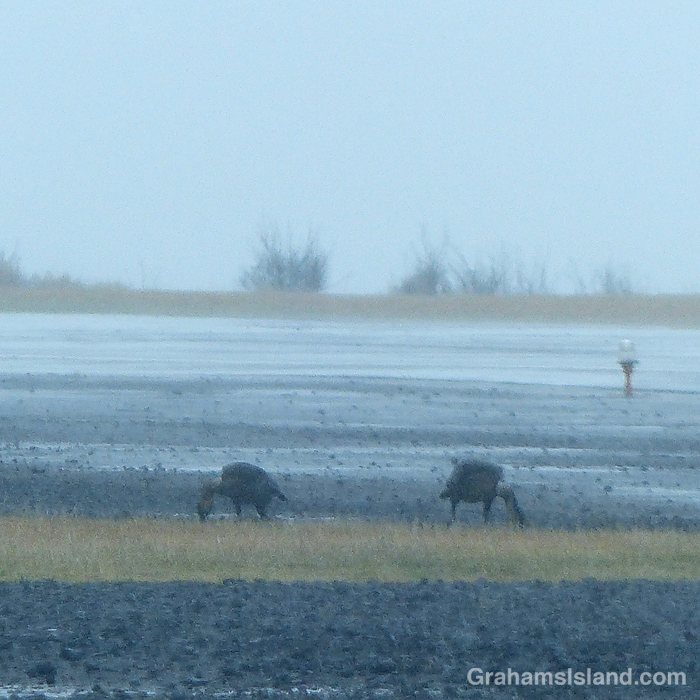
This week’s Sunday Stills challenge theme is ‘Gray.’ See more responses here.
The top photo is finally getting scheduled after being lined up for a previous Sunday Stills challenge with the theme of ’emerging.’ I was walking along the coast on a damp, gray day, when I heard a noise out over the water. I couldn’t see anything, but the noise got louder. Finally, this helicopter emerged out of the clouds. It looked like a military helicopter, which would have been the most likely thing flying in those conditions, and which tend to be louder than the average helicopter.
In the second photo, a pair of nene chow down on a strip of grass beside Upolu airstrip’s gray tarmac under an equally gray sky.

Many of the Pacific golden plovers around here are all decked out in their summer finery, ready for the journey to their breeding grounds in Alaska.
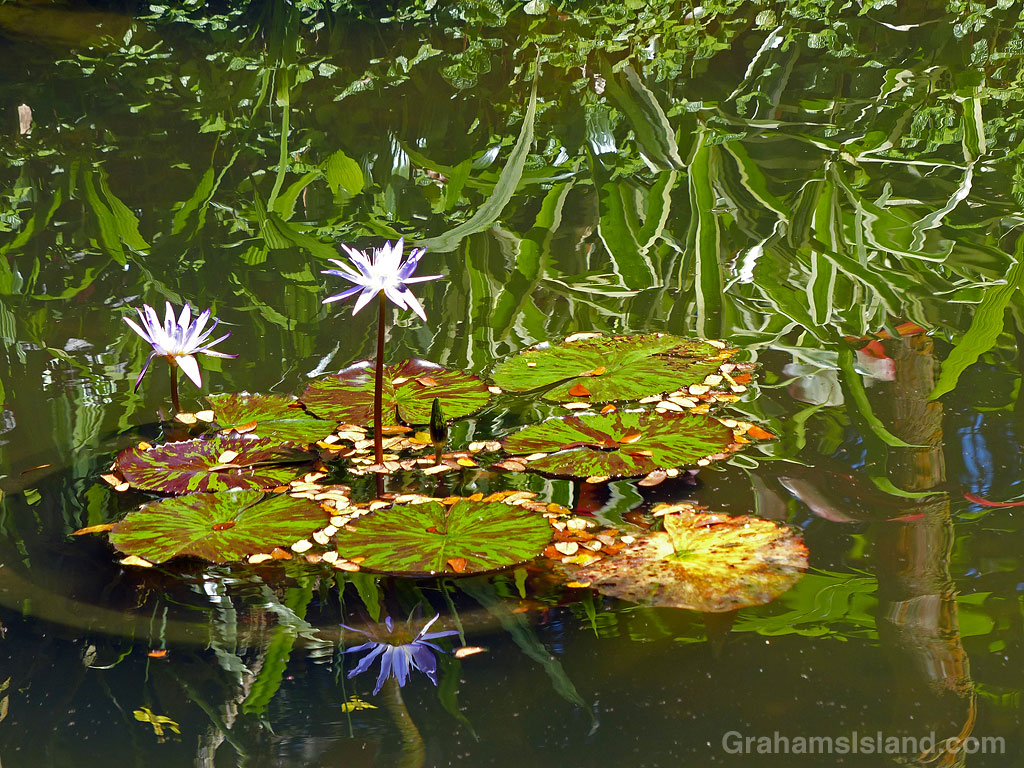
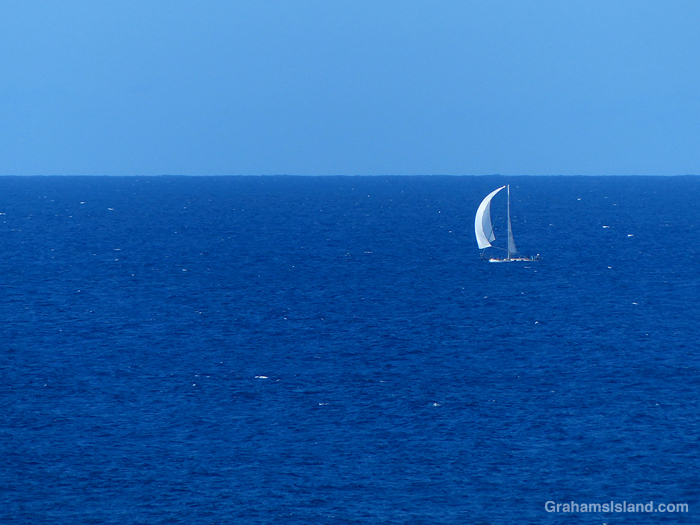
This week’s Sunday Stills challenge theme is ‘Water.’ See more responses here.
First up is a patch of water lilies on Lily Lake at Hawaii Tropical Bioreserve and Gardens, which reopened at the beginning of April after being closed all year. My wife and I visited last Friday and it was great to be back. As usual, I took a bunch of photos most of which still need processing.
Second is a sailboat running before the wind on the blue Pacific.
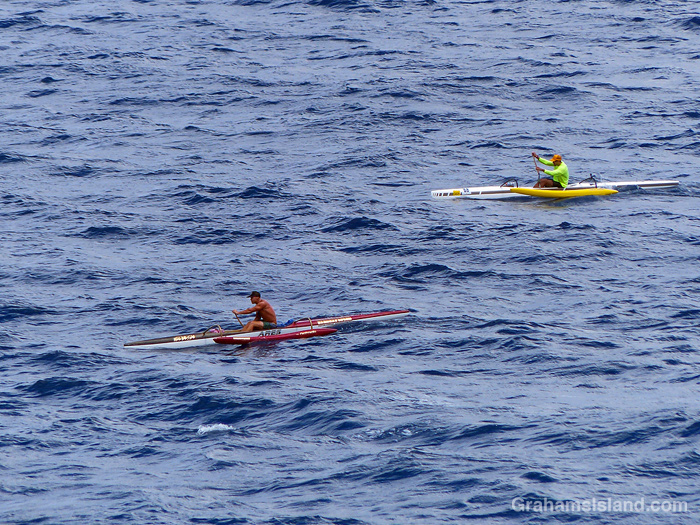
Below that is a pair of canoeists paddling along the island’s northern coast. Yesterday, I saw several vehicles going by with canoes, probably headed for Keokea Park, where they can put in safely, possibly for a race. One of the vehicles pulled in to the likely landing spot, where surf was crashing over the parking lot. The driver didn’t look too enthusiastic. I don’t know whether the race took place or not.
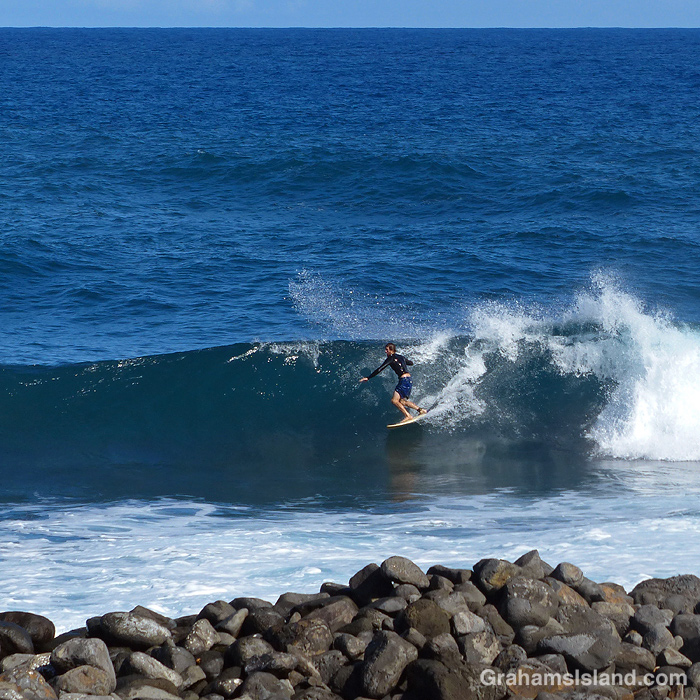
Fourth is that quintessential Hawaiian pastime – surfing. Watch out for those rocks!
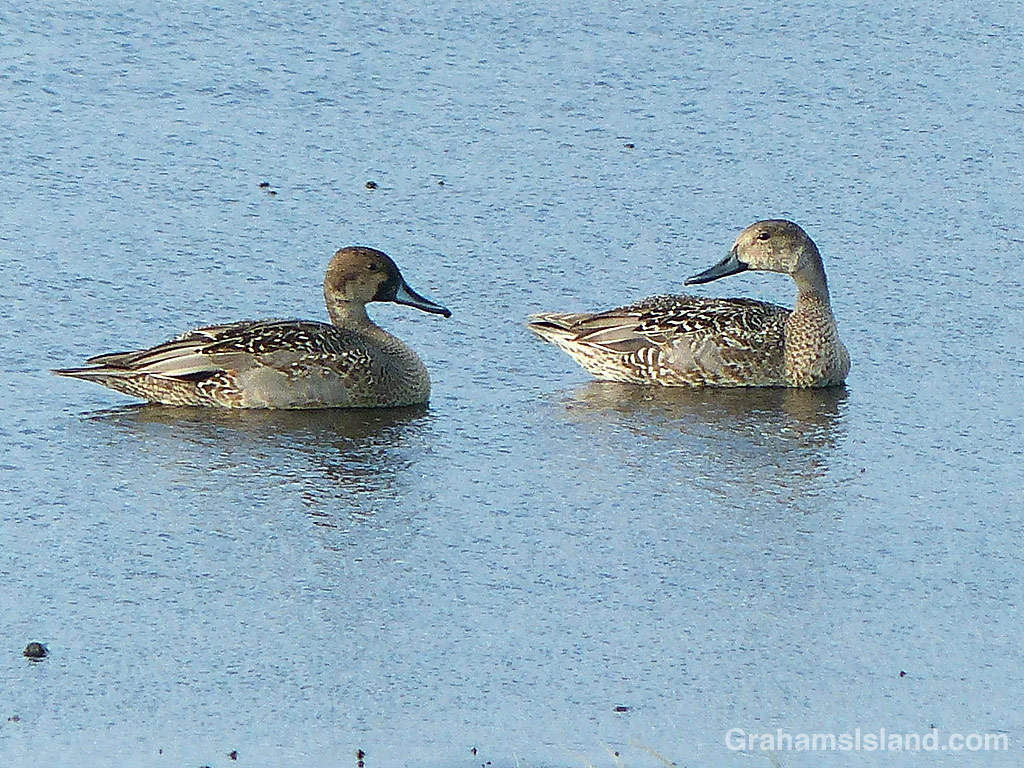
Finally, a pair of northern pintails coast on a pool of water at Upolu. These used to be seen in large numbers in Hawaii, but not so much these days.
 Graham's Island