There are many kinds of orchids, one of which is the phalaenopsis or moth orchid, but there are also many different looks within this one group.
Posted in response to Becky’s October Squares challenge theme of ‘Kind.’ See more responses here.



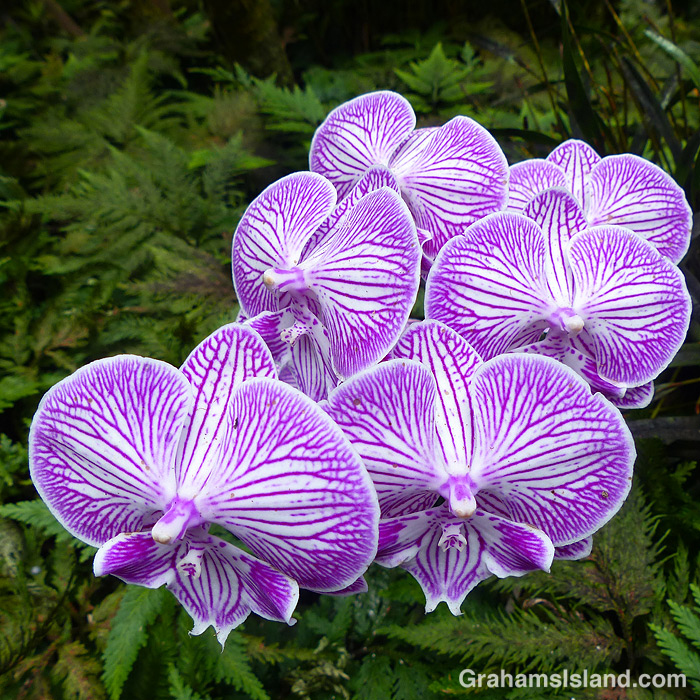
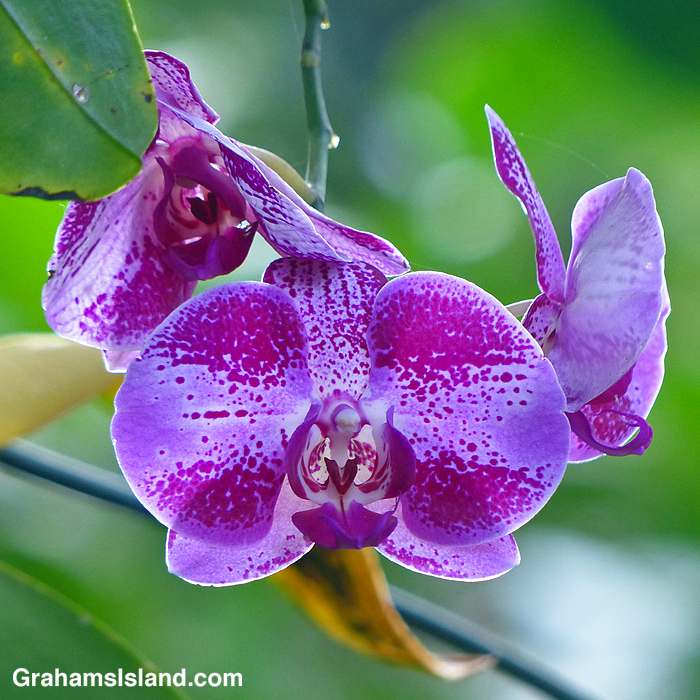

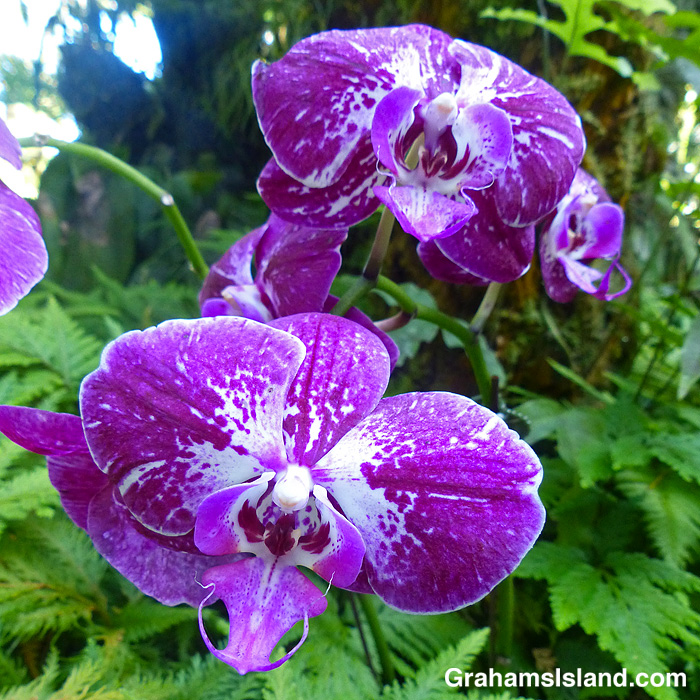
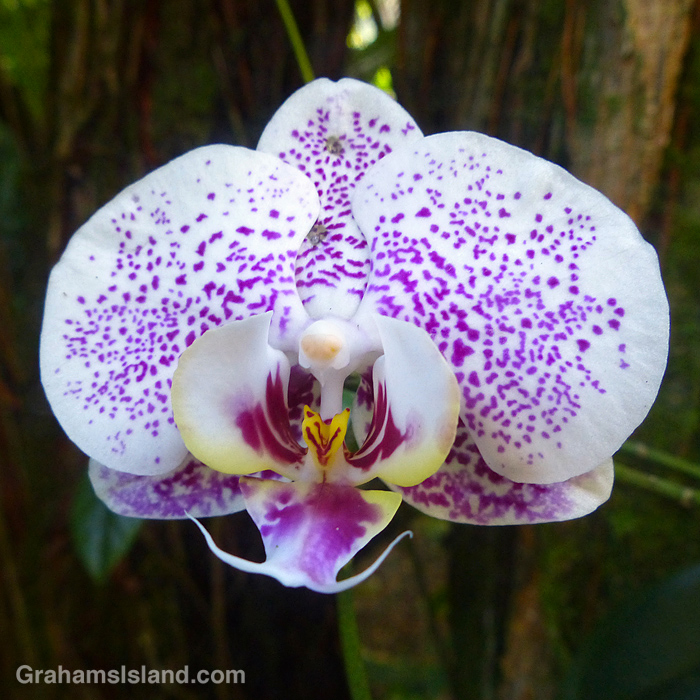
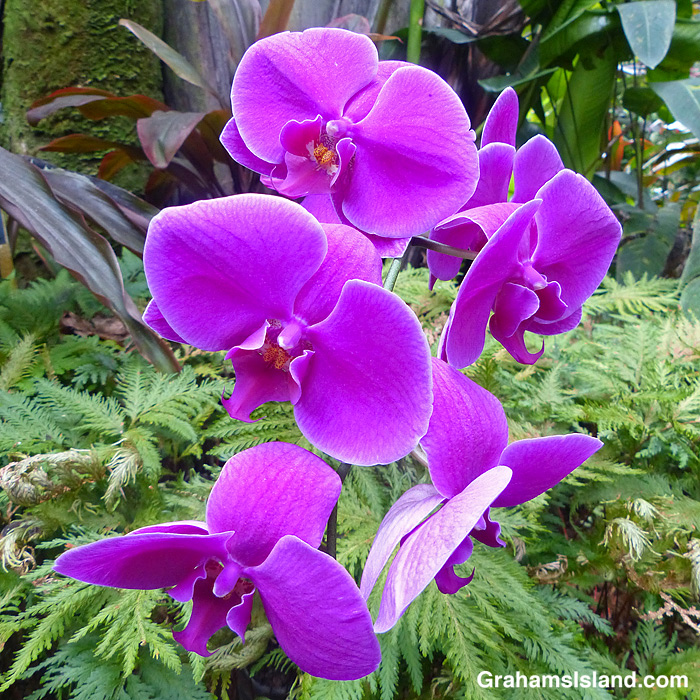

There are many kinds of orchids, one of which is the phalaenopsis or moth orchid, but there are also many different looks within this one group.
Posted in response to Becky’s October Squares challenge theme of ‘Kind.’ See more responses here.
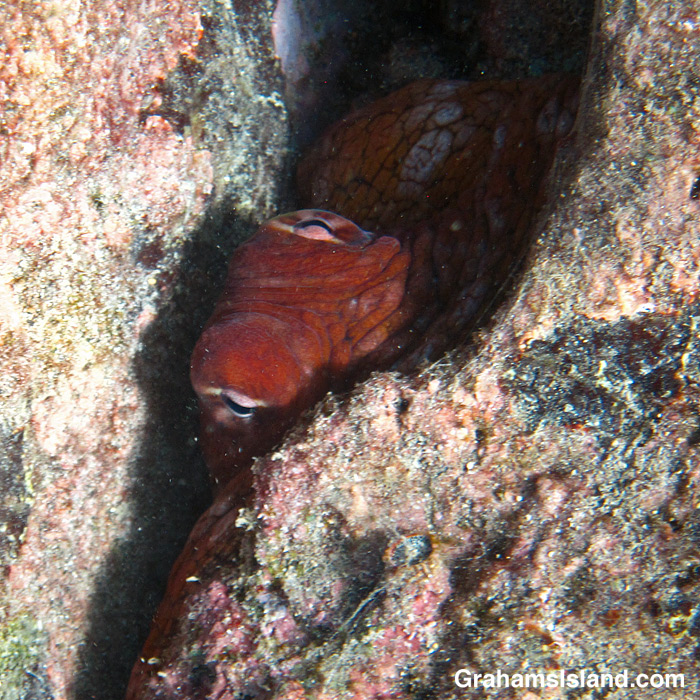
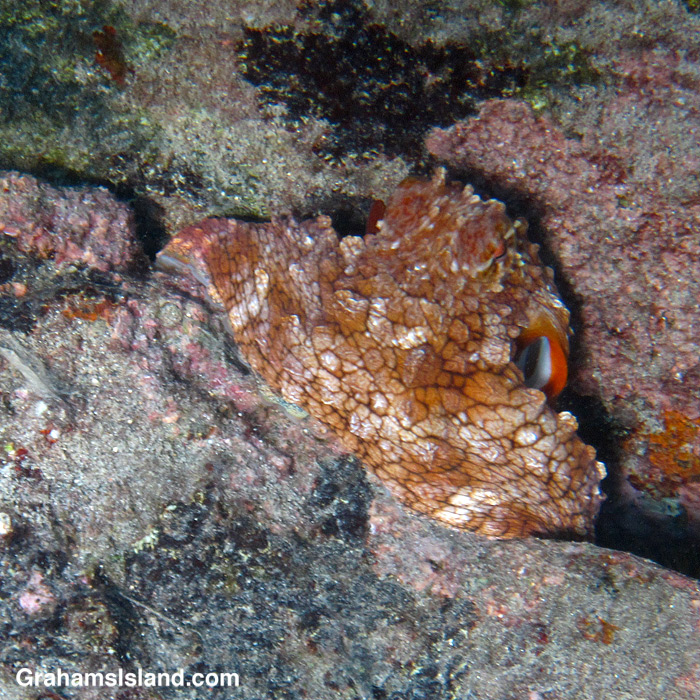
I was almost done with my swim yesterday when I noticed this small day octopus sneaking into this crack. It was shallow there so I got a decent photo of the octopus watching me. Then I swam on a few feet. The octopus, as they do, emerged from its hideaway, so I quickly turned and got the second photo. I can be kind of sneaky, too.
Posted in response to Becky’s October Squares challenge theme of ‘Kind.’ See more responses here.
There are two kinds of endemic birds of prey in Hawaii. One is the pueo, the Hawaiian short-eared owl. I see these birds on a regular basis, particularly while driving on Old Saddle Road. Search for ‘pueo’ on this blog and you’ll find a raft of photos.
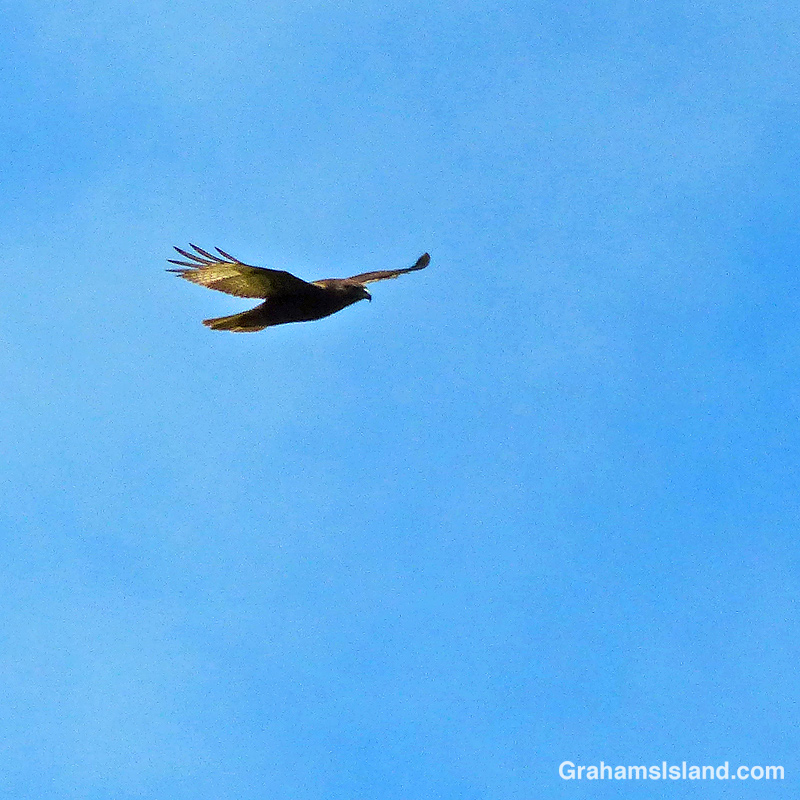
The other endemic bird of prey is the Io or Hawaiian hawk. Search for ‘io’ on this blog and you’ll find a post with the letters ‘i’ and ‘o’ in the title. That’s because I rarely see these birds. I sometimes see them circling high above, scouting for prey, but not where a photo could be taken. And once, an io landed in the yard when it snagged a small rodent. My wife saw this; I was in the bathroom. By the time I emerged, the bird was gone.
So this photo, while not exactly stellar, is a first for me. Again this was a bird circling above the neighborhood. I tried to get photos, but as they tend to do, this one drifted away out of sight. I went round to the other side of the house, hoping to spot it again, and was surprised to see it again, not only gliding back in my general direction, but losing altitude as it did so.
I snapped a few photos before it dipped below the tree line and disappeared for good, and I was happy to get this shot with the sun illuminating the wing and the distinctive beak also prominent.
Posted in response to Becky’s October Squares challenge theme of ‘Kind.’ See more responses here.

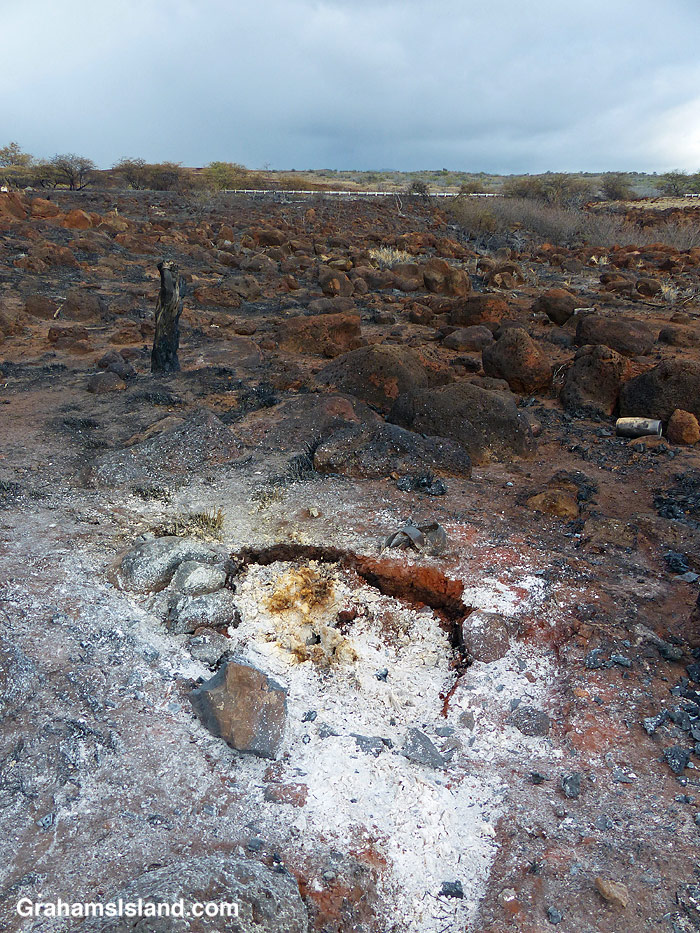
This week’s Sunday Stills challenge theme is ‘Dry.’ (See more responses here.) I posted a photo of one of the local cow pastures yesterday (here), which would have been fine for this topic, but this is another aspect of these unusually dry conditions. It makes the land susceptible to fires.
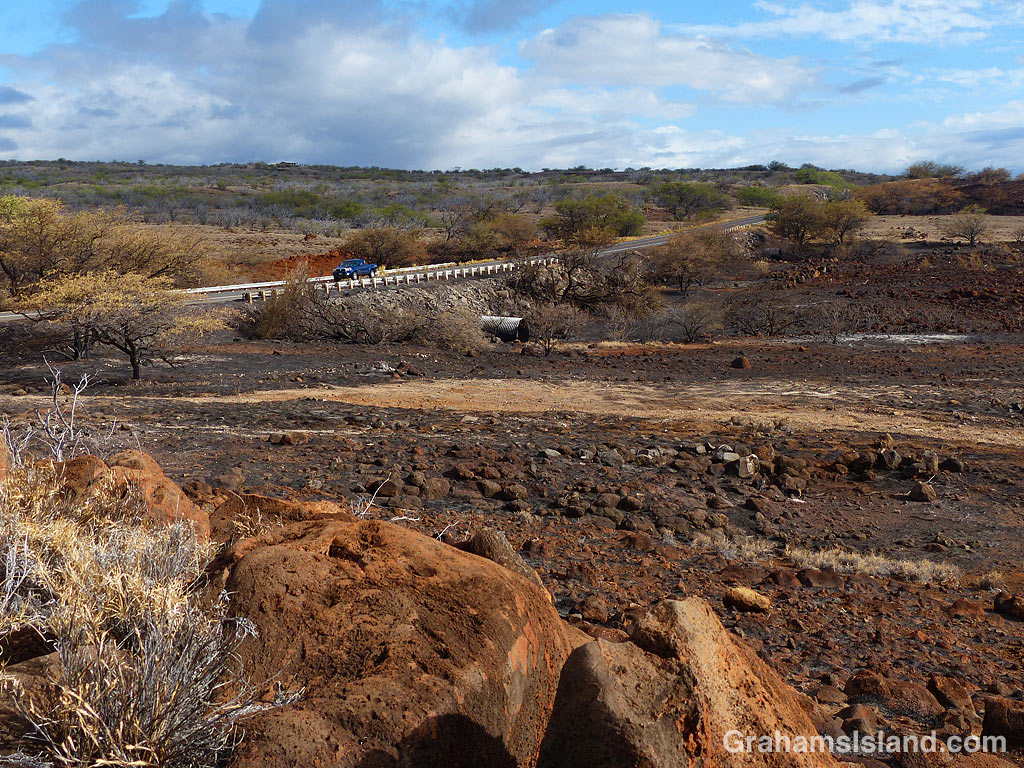
There have been a couple of fires in the area recently. The first of these was caused by someone setting fire to an abandoned vehicle, which is something of a local sport. These photos were from the aftermath of the second fire. The cause is currently unknown, but about 40 acres were burned. I took these photos a couple of days after the fire happened and there were still some small areas emitting smoke.
The top photo shows burned areas and lighter brown unburned grass. When I walked on this grass it crunched beneath my feet, it’s so dry. The second photo shows a hotspot that was still putting out puffs of smoke. The bottom photo shows burned land next to the highway. In the center of this photo, that large metal pipe is there to channel water beneath the highway. If this seems redundant in this very dry scene, bear in mind that rains in the Kohala Mountains can send flash floods down these gullies and, without pipes like this one, the road could easily be washed out.
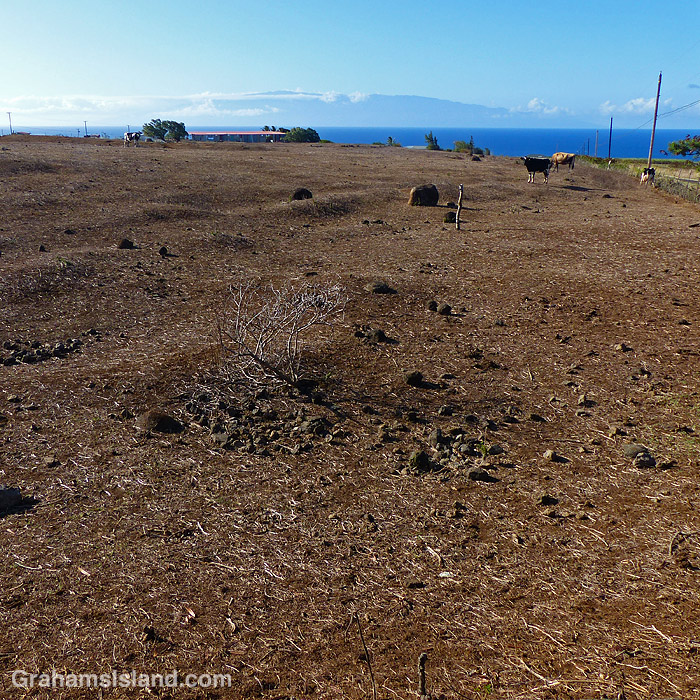
A couple of days ago I posted an image of an irrigation unit used in one of the local dairy’s fields (here). This is the same kind of field but without irrigation. There were more cows in this field than blades of grass because it’s been so dry in this part of the island.
Ironically, since I took this photo three days ago, we’ve had a couple of days of fairly solid rain and this field is already showing a tinge of green where new grass is coming through. However, the last time it was this dry, after it rained the first things to spring up were weeds which basically choked out the grass.
Posted in response to Becky’s October Squares challenge theme of ‘Kind.’ See more responses here.

Blennies are the kind of fish that it’s hard not to like. They always appear to be smiling and their willingness to stay put when being observed is appreciated. This one is a female and its behavior is typical of spotted coral blennies in Hawaii. Here, they often sit out in the open, but elsewhere in the Pacific, they almost always shelter in branches of coral.
Posted in response to Becky’s October Squares challenge theme of ‘Kind.’ See more responses here. Also posted in response to this week’s Friendly Friday challenge theme of ‘Smiles.’ See more responses here.
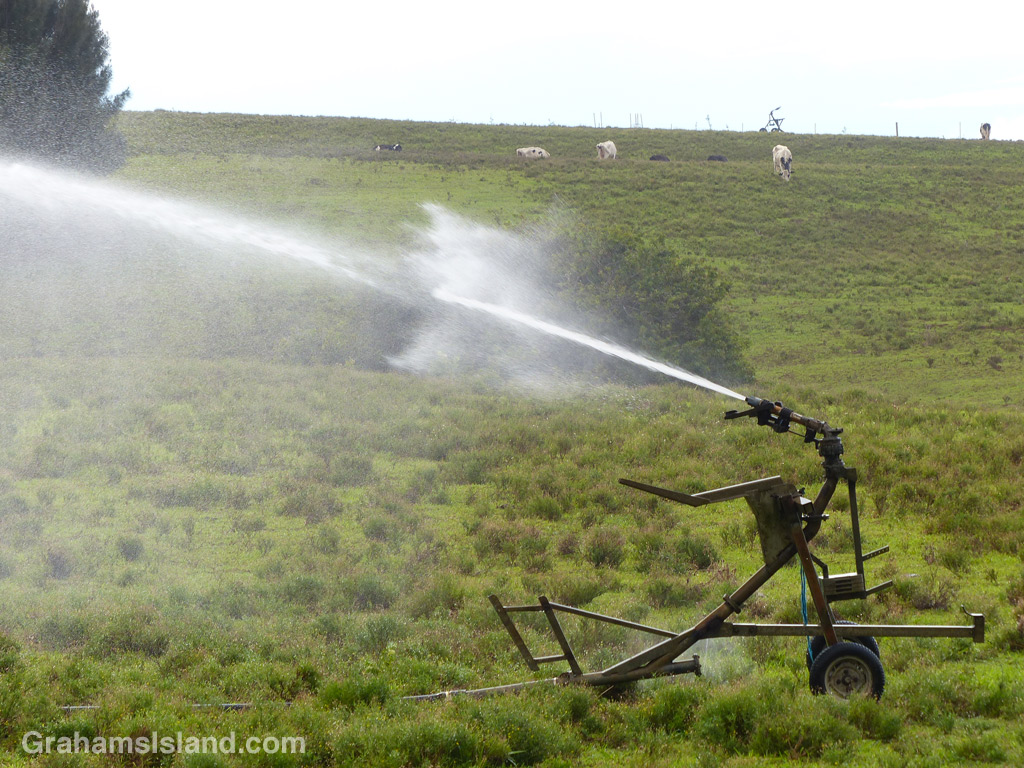
It’s been a very dry summer and fall in this part of the island. This is one of the greener fields in the area and that’s entirely due to irrigation of which this is one unit.
Posted in response to Bushboy’s Last on the Card photo challenge. See more responses here.

This week’s Sunday Stills challenge theme is ‘Water Droplets.’ See more responses here.
Light rain began to fall right after this metal panel had been waxed, resulting in an array of water drops beading up on the surface.

