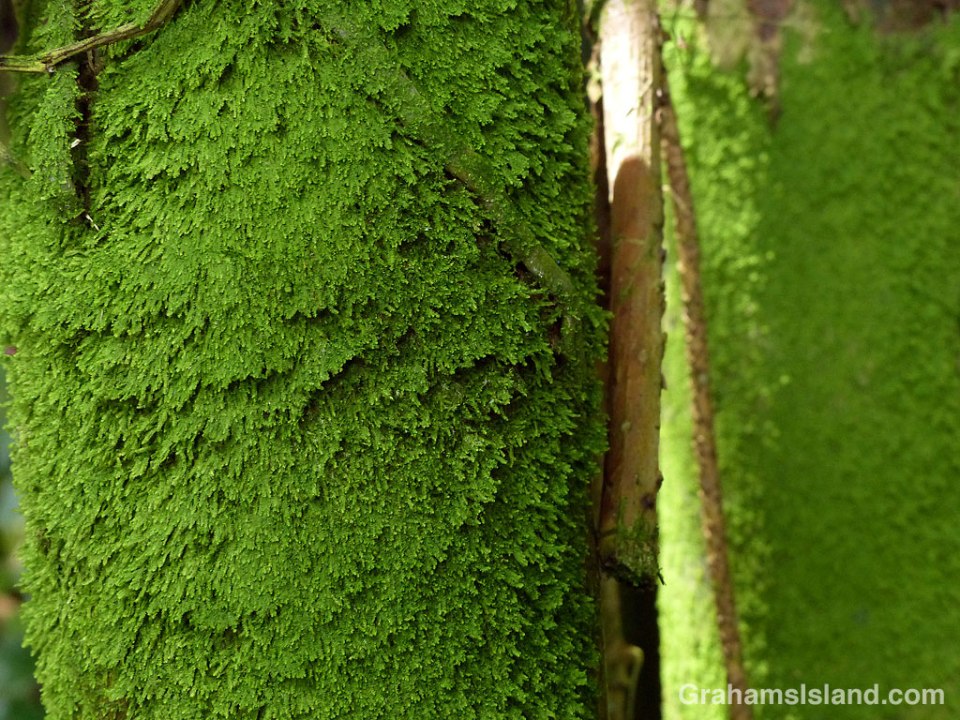
 This rich, green moss, growing on large bamboo canes, oozes softness.
Posted in response to this week’s Sunday Stills challenge on the theme of ‘Texture.’ See more responses here.

This rich, green moss, growing on large bamboo canes, oozes softness.
Posted in response to this week’s Sunday Stills challenge on the theme of ‘Texture.’ See more responses here.
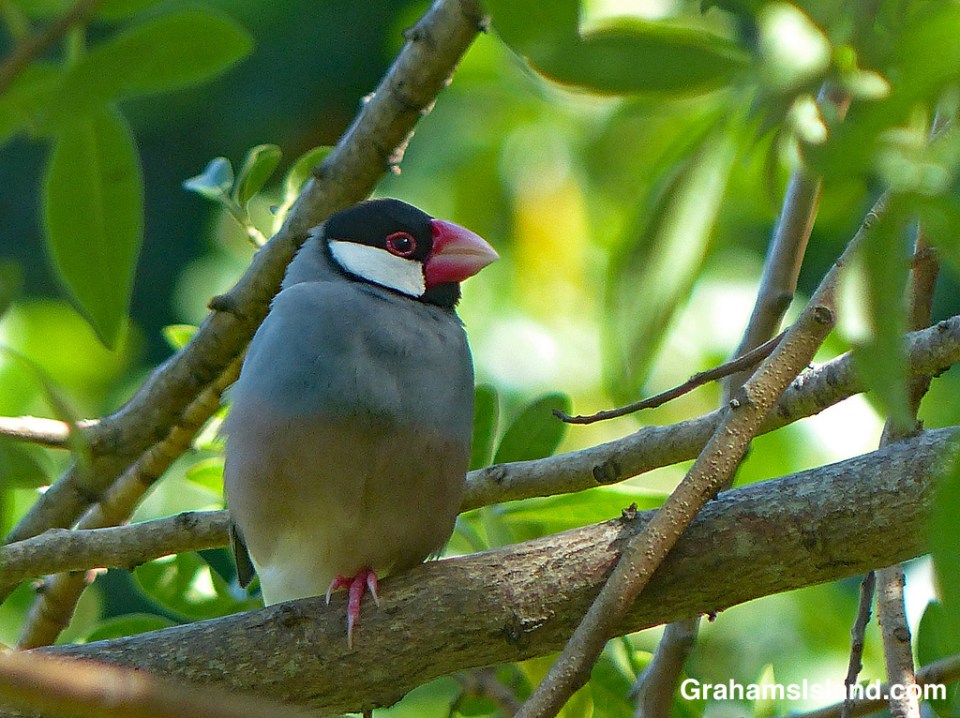
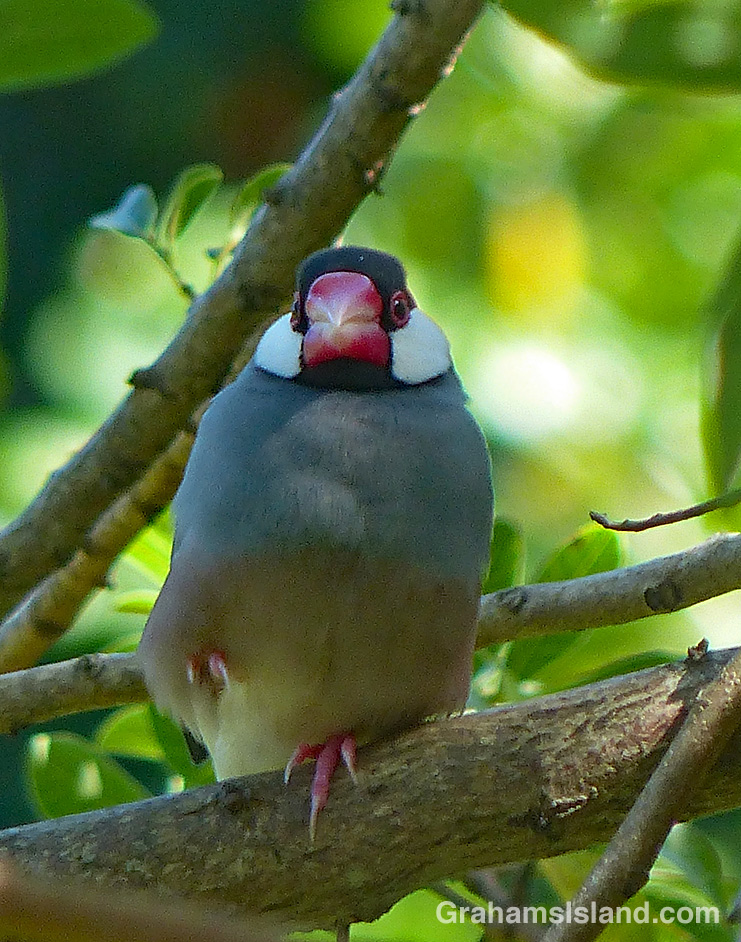 This week’s Sunday Stills challenge theme is ‘Pink.’ (See more responses here.) I mulled a few possibilities before settling on this fine little bird, a Java sparrow. The Java sparrow, as its name suggests, is native to Indonesia, but is now well established in Hawaii. It’s notable for its thick, pink bill which matches its eye ring and feet.

 In Hawaii, it’s not unusual for people to commute between islands. Many medical professionals are based in Honolulu, but have offices on the Big Island which they visit on a weekly basis. The same can be said for other professionals: lawyers, scientists, engineers and the like. Politicians and government officials go back and forth on a regular basis.
But it’s not just professionals. Skilled tradespeople might work on any of the islands, commuting on a daily or weekly basis. Highway construction crews likewise move from island to island depending on where and what projects are being worked on. Musicians and other artists are regular island hoppers. The list goes on.
There’s one mode of transport for all these people and that’s air travel. There are no inter-island ferries. The Hawaii Superferry operated from 2007 to 2009 but was suspended when the Hawaii Supreme Court ruled that a second environmental impact statement was required. One concern with a ferry is the increased risk of spreading invasive species and diseases of plants and animals.
Hawaiian Airlines is the biggest operator in the islands, with the lion’s share of the inter-island business. It operates from its hub in Honolulu, but also offers direct flights between the other islands. The second photo shows the distinctive tails of a couple of its planes at Honolulu Airport.
Smaller airlines have also offered inter-island routes. These include Aloha Airlines, Go! Airlines and Island Air. These three ceased business in 2008, 2014, and 2017 respectively. Currently, the only other island airline is Mokulele Airlines, though it doesn’t fly to Kauai. They service some smaller airports and operate smaller planes such as the one above, coming in to land at Kona Airport.
Posted in response to this week’s Sunday Stills challenge is on the theme of ‘Transportation or Commute.’ (More responses here.)

This week’s Sunday Stills challenge theme is ‘Autumn,’ (more responses here) which poses a bit of a challenge. In Hawaii, we don’t have leaves turning color or a certain crispness in the air. But what we do have at this time of year is migratory birds coming to the islands.
One of the more impressive of these travelers is the Pacific golden plover. These birds spend the summer, their breeding season, in the Arctic tundra from western Alaska to northern Asia. At the end of the season they make an epic migration south to places as far away as Australia, Southeast Asia, and northeast Africa.
Hawaii is a stopover on their way to Australia, New Zealand, and other Pacific islands, but some of the birds spend their winters in Hawaii. This is a non-stop journey of more than 2,500 miles and takes the birds three to four days. How they do this is not fully understood. There are no landmarks or stopping points en route and no room for errors in navigation. But year after year, Pacific golden plovers return precisely to the same sites. Not only that, but new born plovers are able to make the journey independently despite never having flown the route before.
Then there’s the small matter of how this little bird fuels itself for such a long flight. There’s a fine balance between the amount of fuel it must carry and the need to fly fast. But even if it gets this right, the fact is an individual plover still wouldn’t be able to go that far. The secret lies in the birds flying in a V-formation which saves enough energy for the birds to make the whole distance with a little bit to spare to cover adverse conditions. It’s a remarkably precise balance which the birds manage successfully year after year.
This plover was foraging (successfully in the top photo) in tide pools along the Kona coast.
For more information about the Pacific golden plover’s migration to Hawaii, go to https://phys.org/news/2011-06-plovers-tracked-pacific.html.


 On a recent walk I noticed some disturbance in the water not far offshore and was happy to see a school of 15 to 20 spinner dolphins. I thought they were headed south and set out to follow them from shore. Then they turned around and went north again. I followed. This happened several times, so I just sat down and watched while they tried to make up their minds.
Spinner dolphins get their name from the twirls they make when they leap from the water. It’s thought this activity helps dolphins know where others in the school are because the bubbles generated by their takeoff and return to the water are a good target for their echolocation.
Posted in response to this week’s Sunday Stills challenge on the theme of ‘Back to School’ (Yes, it’s a stretch!). See more responses here.

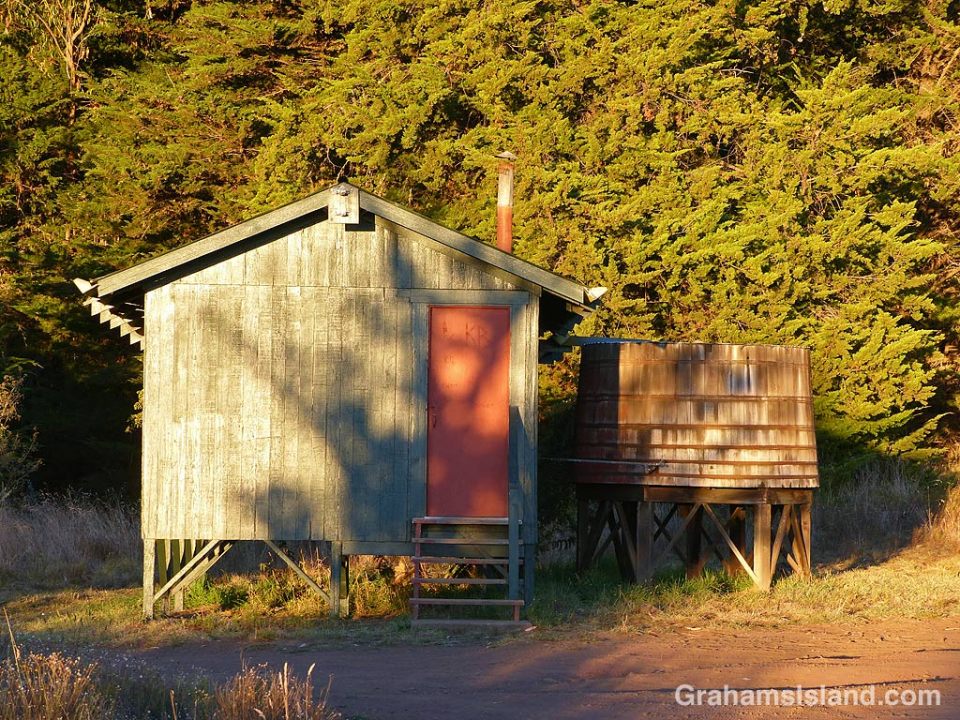
This Civilian Conservation Corps (CCC) Cabin is one of seven that were built around Mauna Kea in the 1930s. The CCC was a public work relief program to create jobs during the Great Depression. It focused on the conservation of resources on government-owned lands.
The seven cabins on Mauna Kea were used by crews working on the construction of sheep-proof fencing. The goal was to remove sheep from parts of Mauna Kea in order to protect the high-elevation dry forest which was rapidly being destroyed.
This cabin is just above the Palila Forest Discovery Trail on the southwest slopes of Mauna Kea.
Posted in response to this week’s Sunday Stills challenge on the theme of ‘Work.’ See more responses here.


 In response to this week’s Sunday Stills challenge on the theme of ‘Water’ (more responses here) I thought I’d post something very Hawaiian. Most widely-seen surfing images feature a surfer cruising through a barrel of blue water or sliding down the face of a terrifyingly steep wave. But many people enjoy getting out on the water and having fun on whatever waves are available.
The Big Island isn’t known for its surfing spots in the same way as Maui and Oahu, but there are still plenty of surfing enthusiasts. Good, rideable surf often leads to an increase in people calling in sick to work.
These photos were taken at Honolii Beach Park north of Hilo, a popular surfing spot on the east side of the island and a good spot for kids to get to grips with the sport.
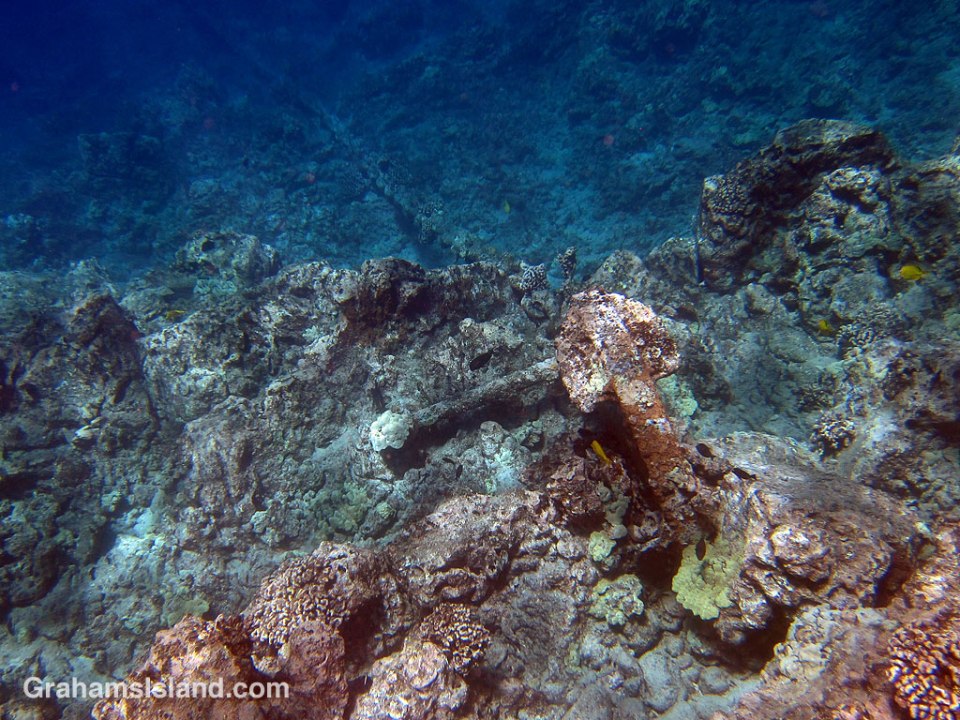
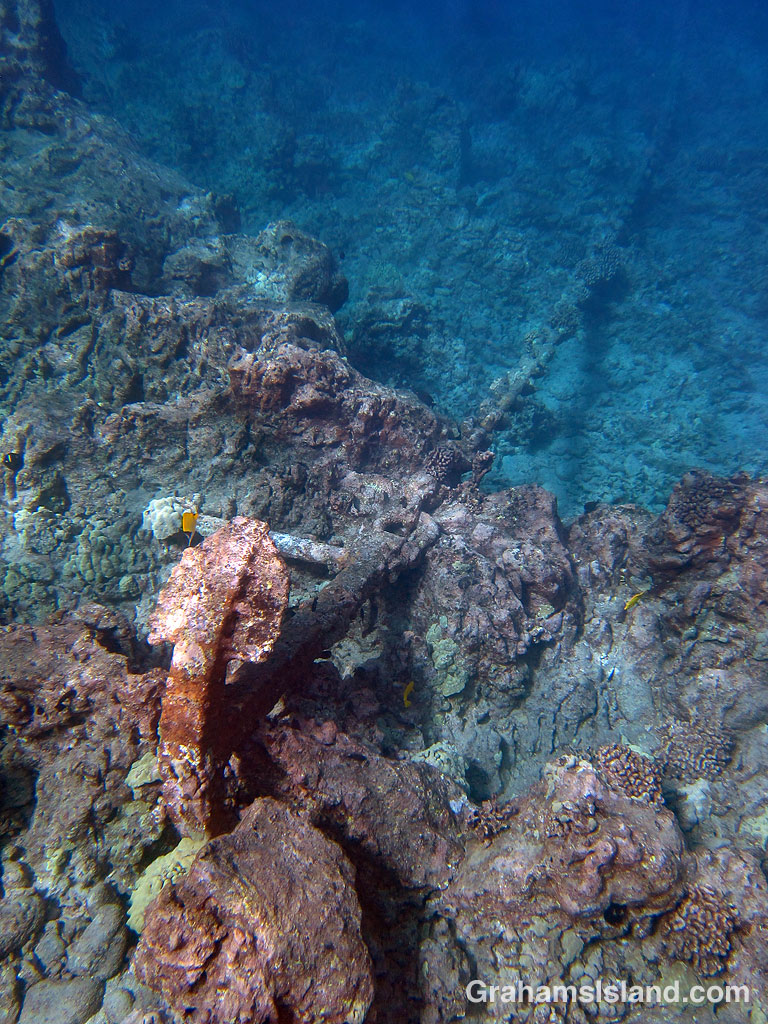 This week’s Sunday Stills challenge theme is ‘Objects over 100 years old.’ (See more responses here.)
I can’t say for certain that this anchor and chain is more than 100 years old, but it almost certainly is. In the late 1800s and early 1900s, North Kohala was the center of the sugar industry with many plantations and several mills. This anchor likely dates from that time. It’s located in the bay where sugar used to be loaded onto ships.
I suspect the anchor isn’t lost from a ship, since it’s located in shallow water close to shore, with the chain leading out to deeper water – the opposite arrangement of how a ship would normally anchor. Instead, I think the anchor and chain were part of an offshore anchoring system used at the harbor. A ship would drop its anchor from the bow in deep water and attach to the anchoring system from the stern. This would keep the ship fairly stable and make the transfer of cargo, from small boats, easier.
After the sugar industry shut down, a lot of buildings and equipment were abandoned, and in the water, the anchoring system was left to rust.
 Graham's Island