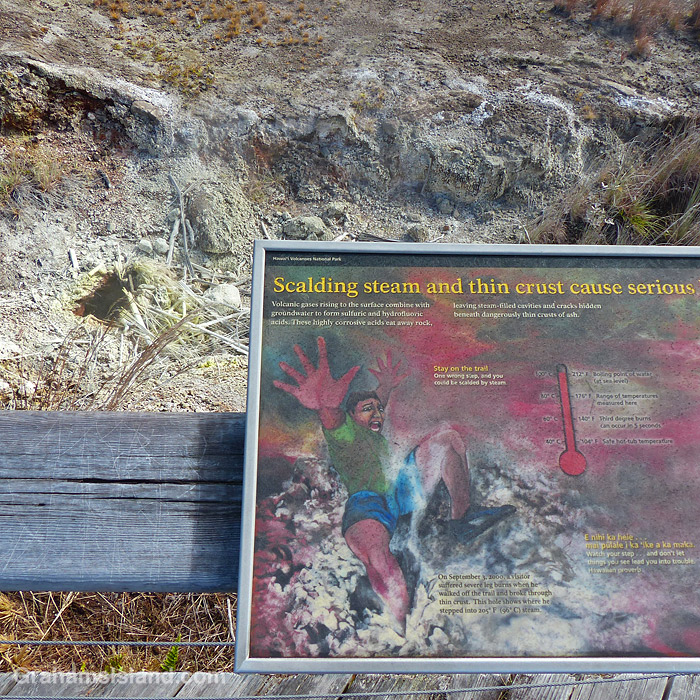
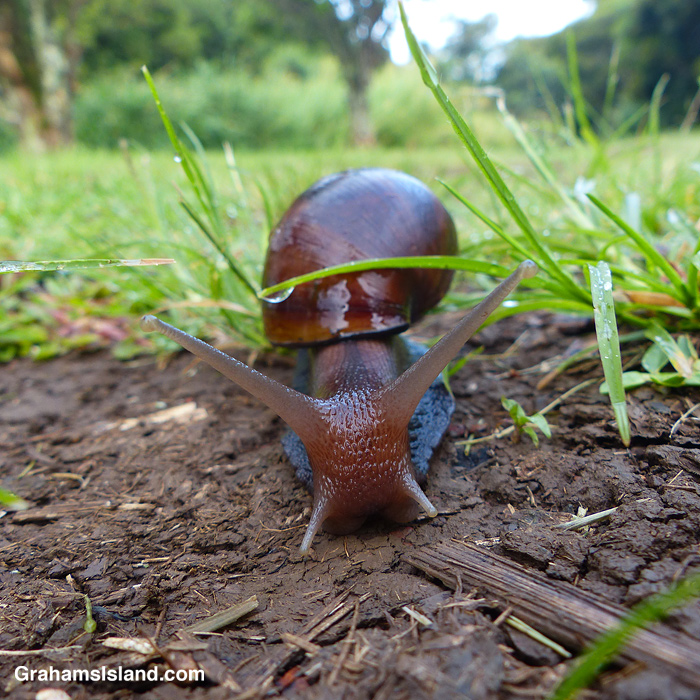
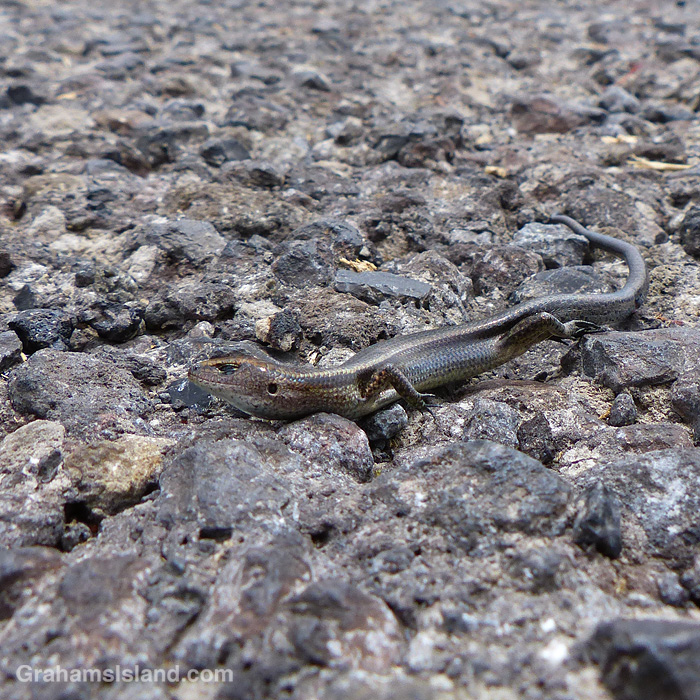
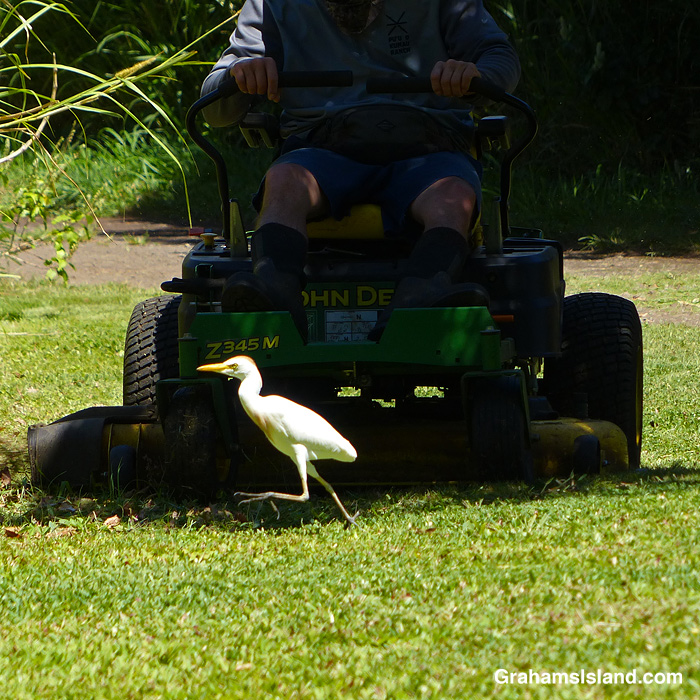
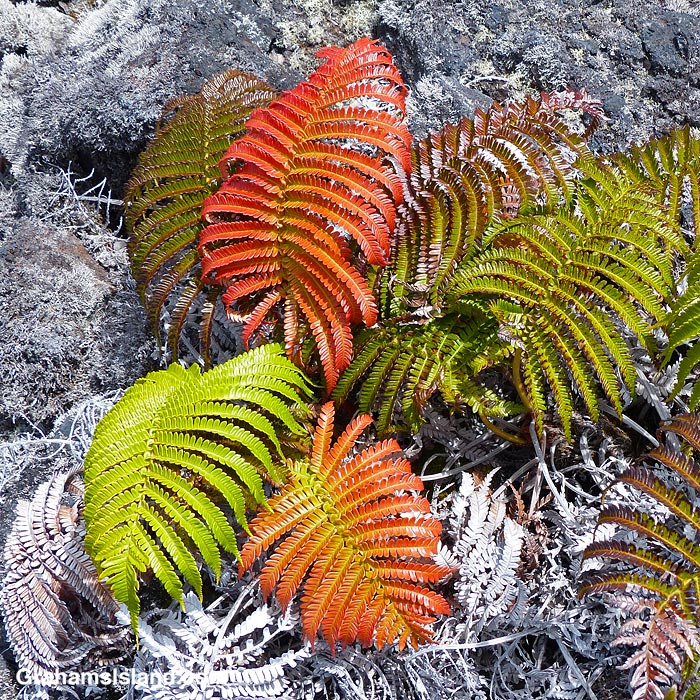
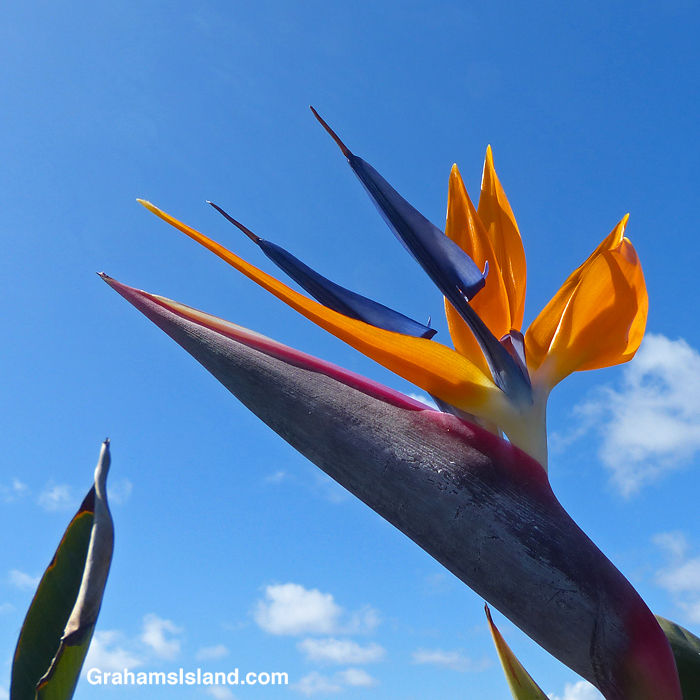
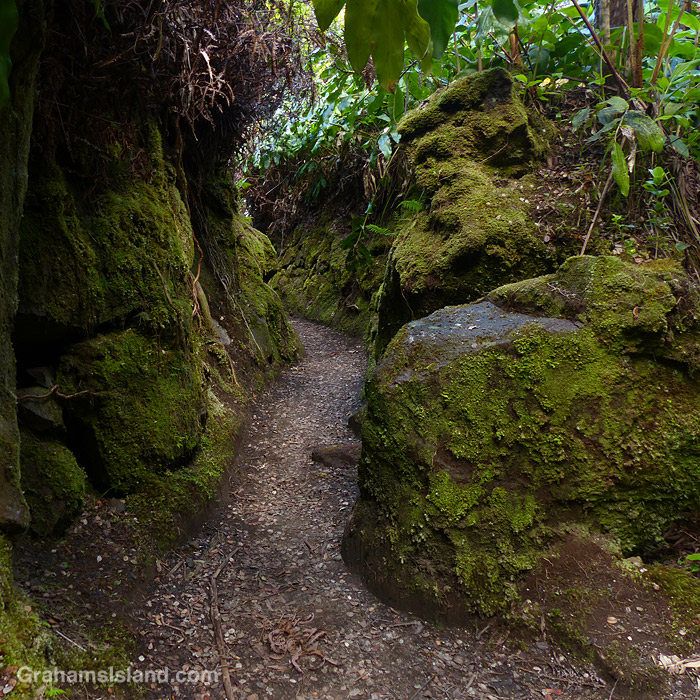
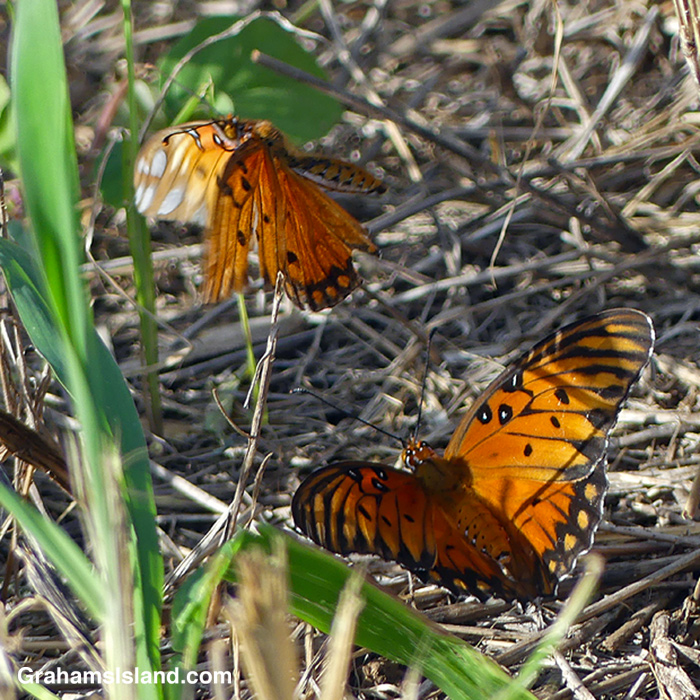
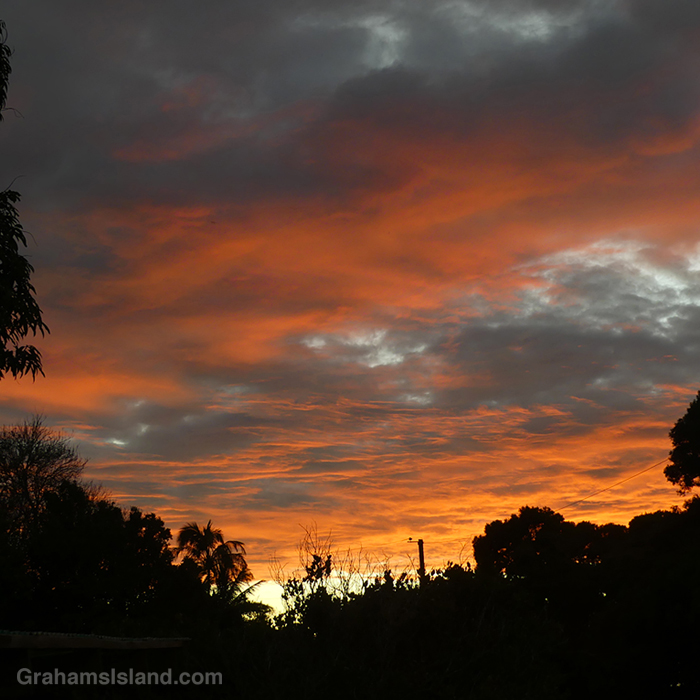
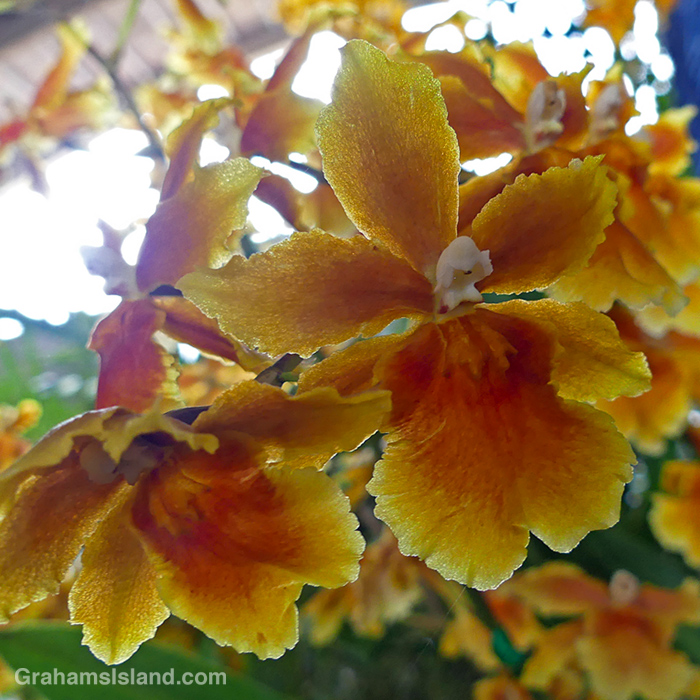
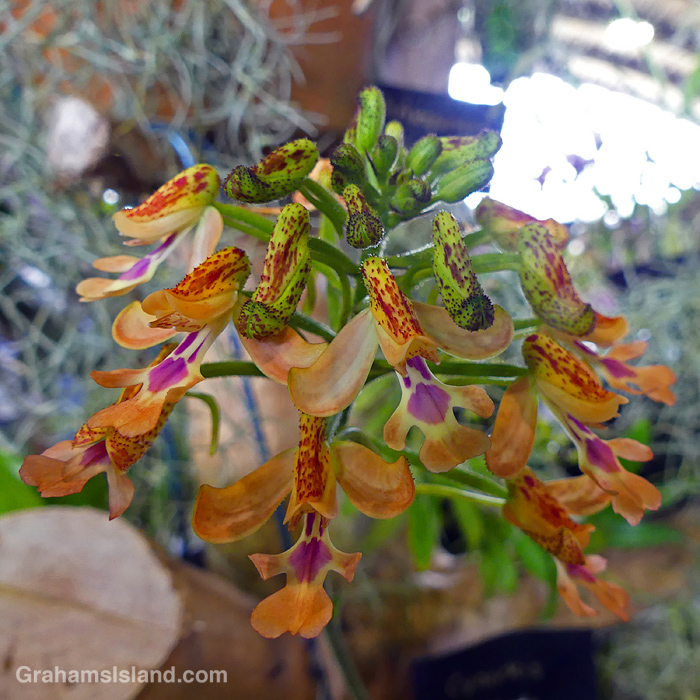
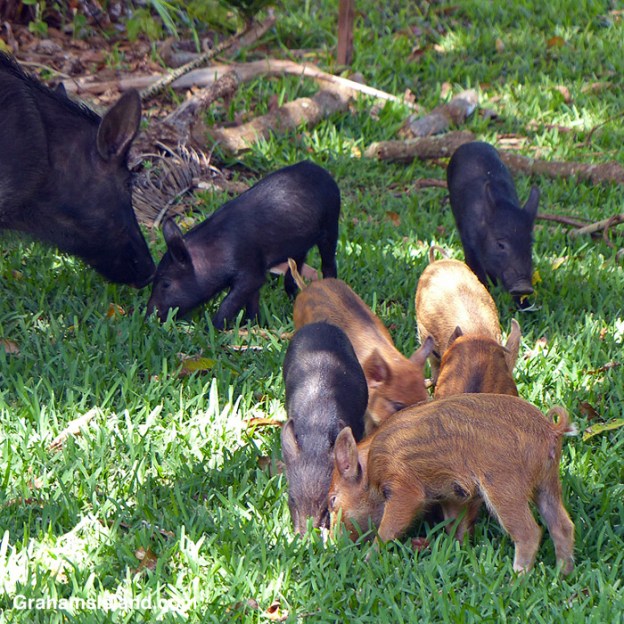
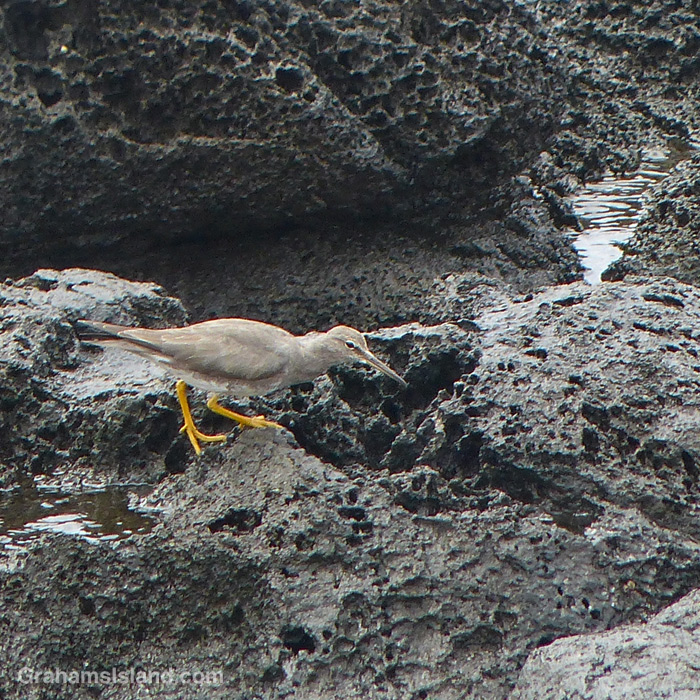
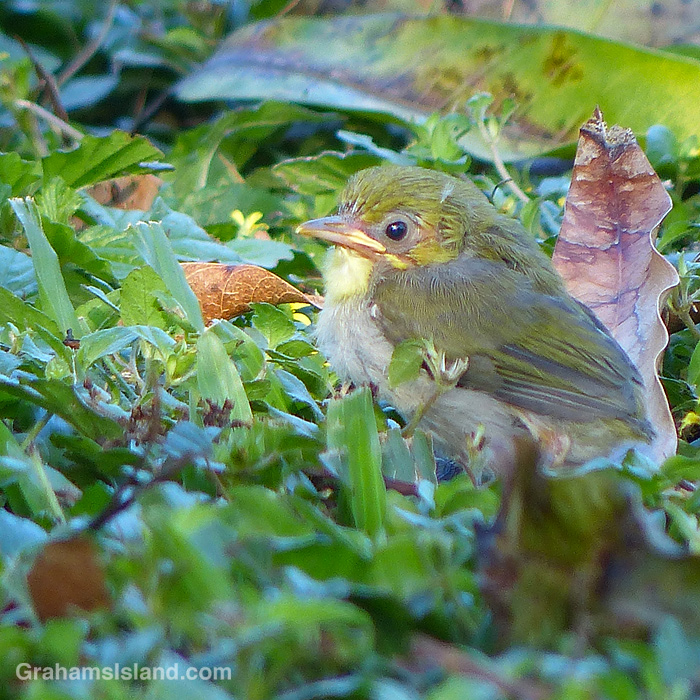
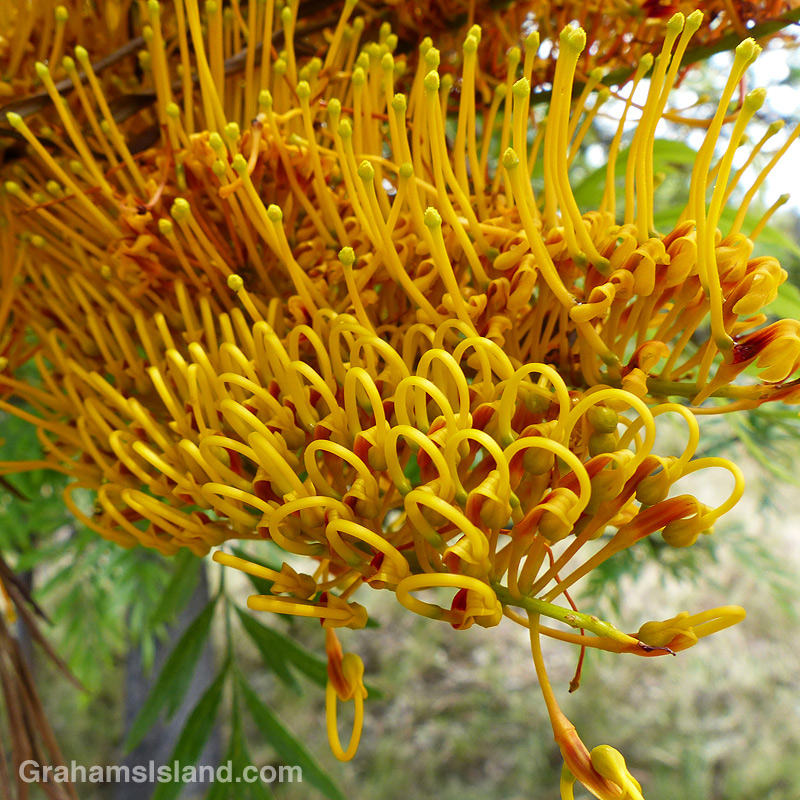
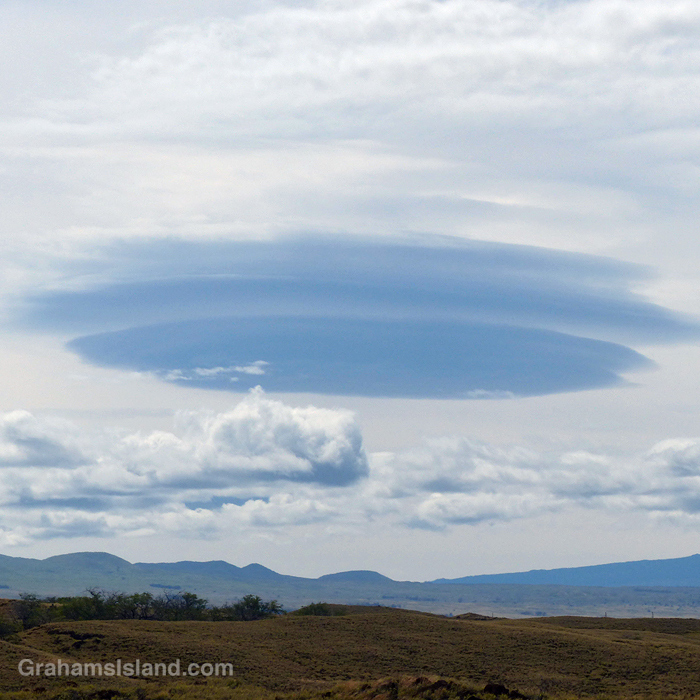
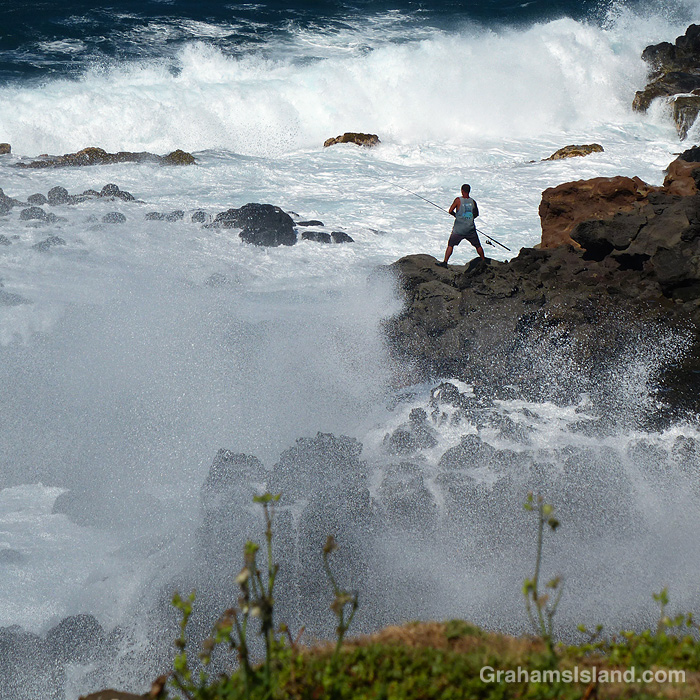
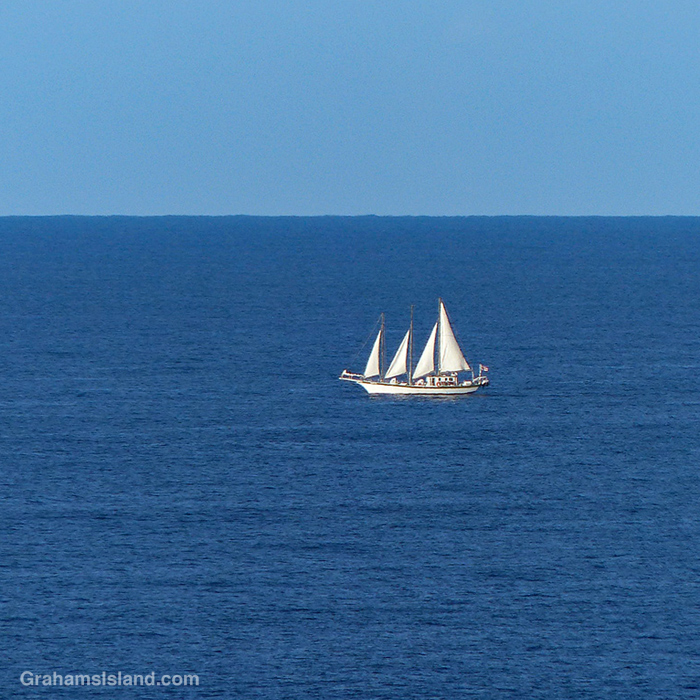
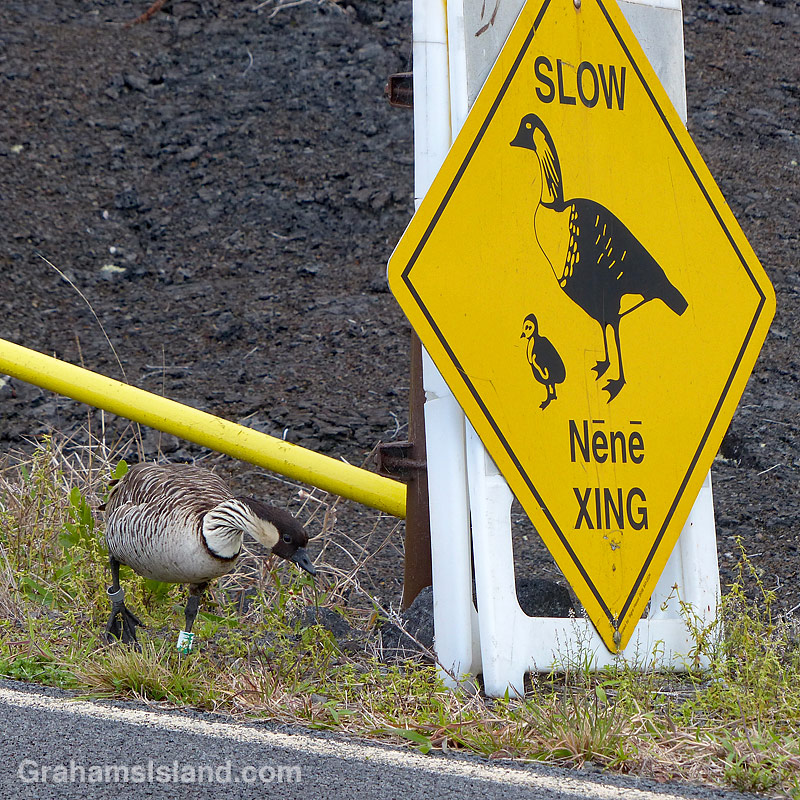
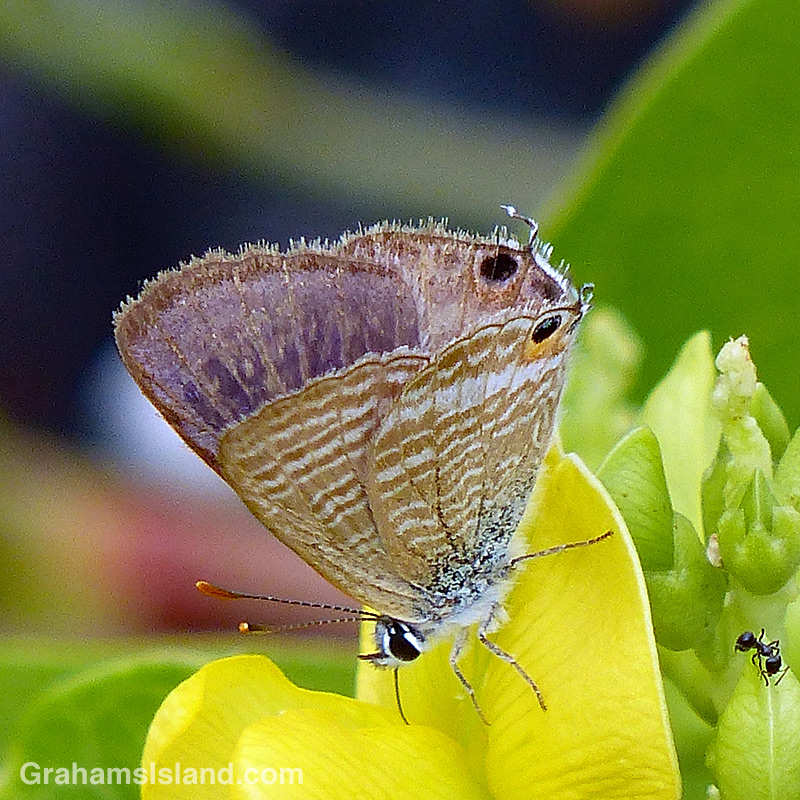
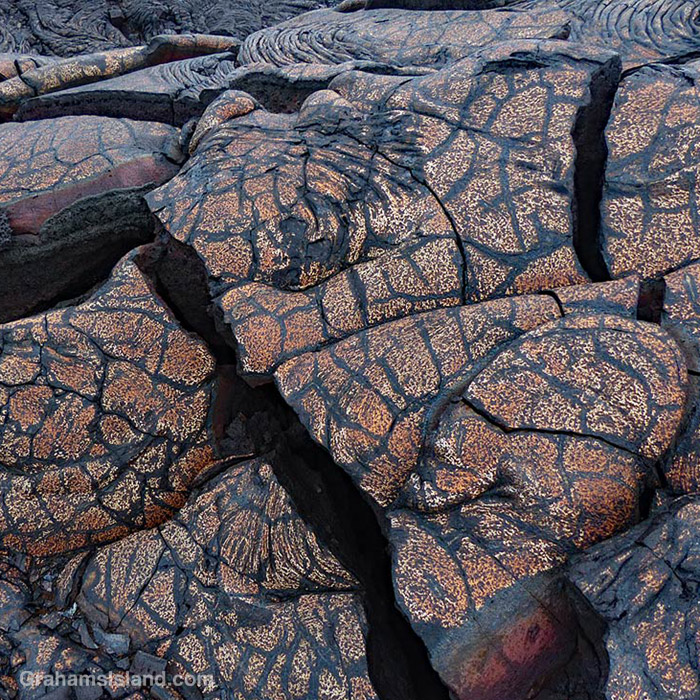
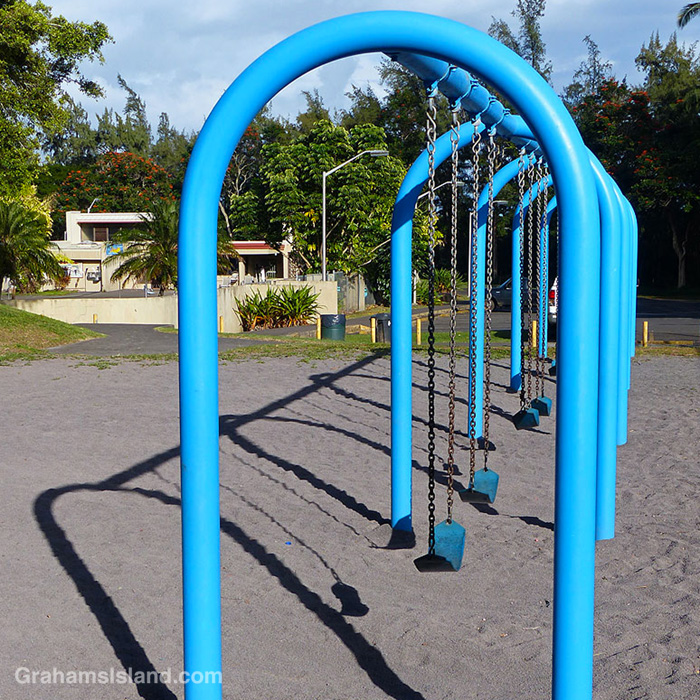
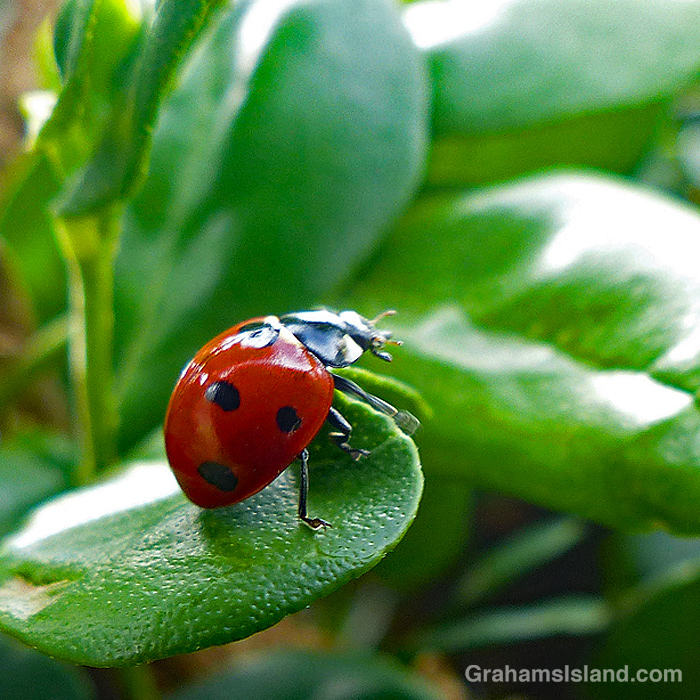
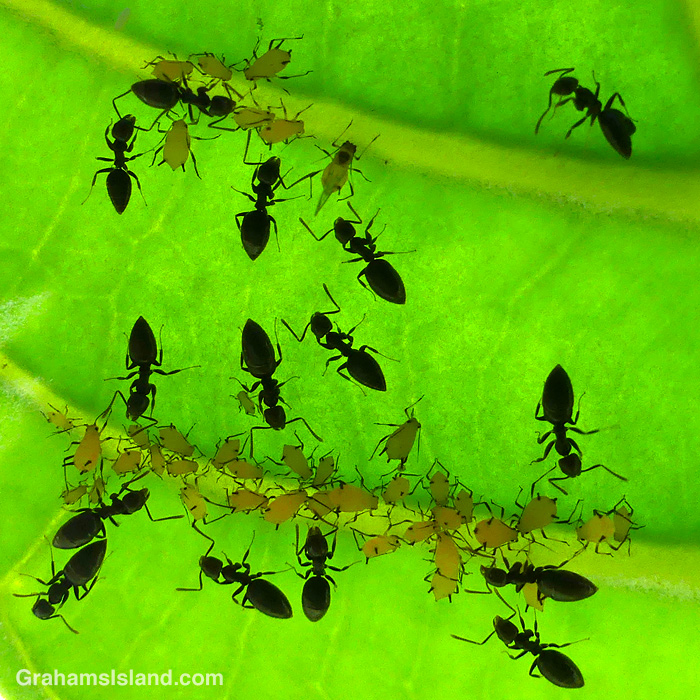
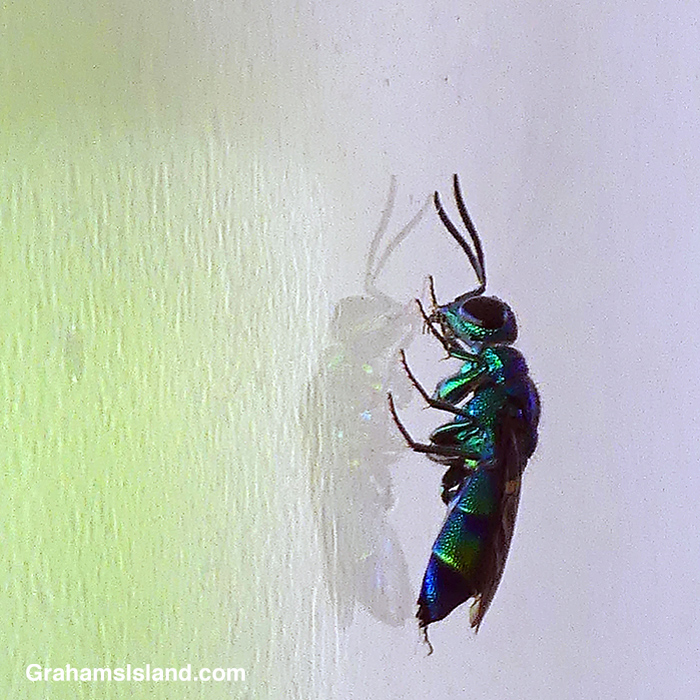
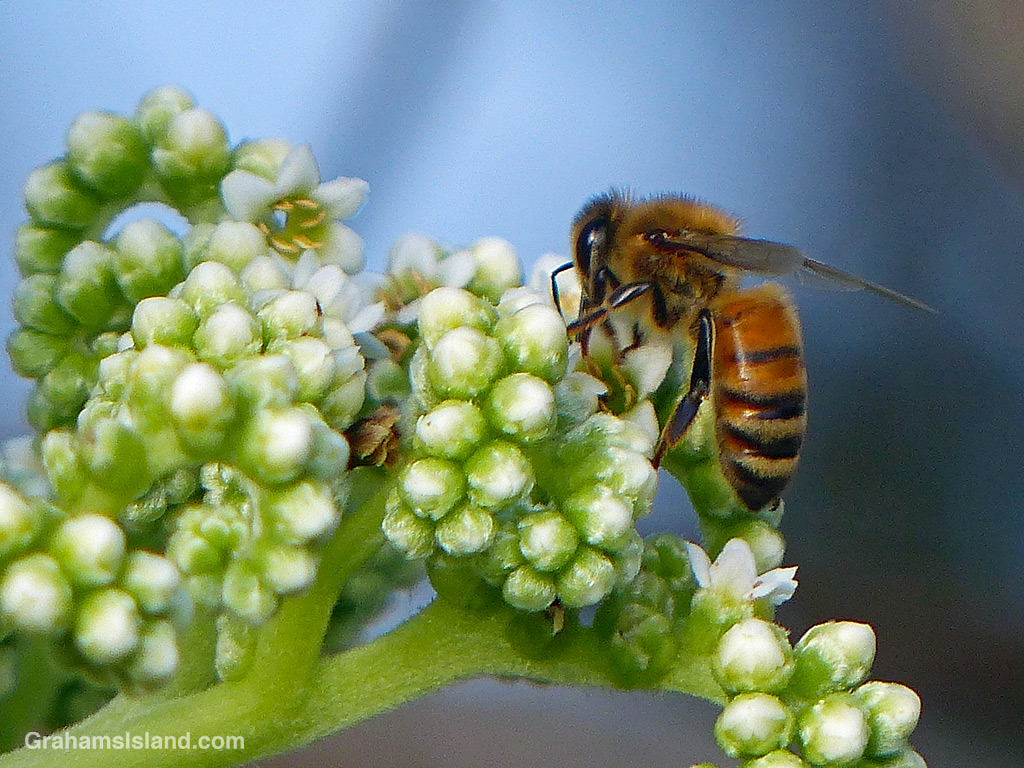
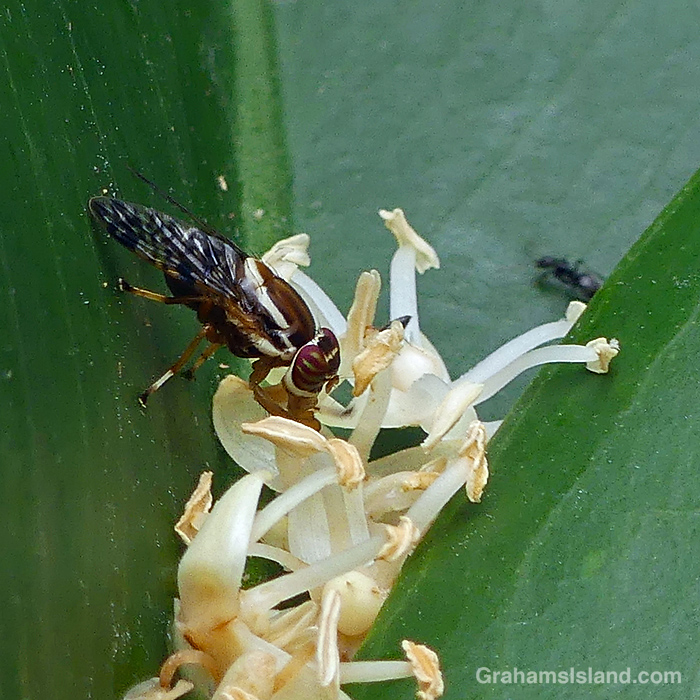
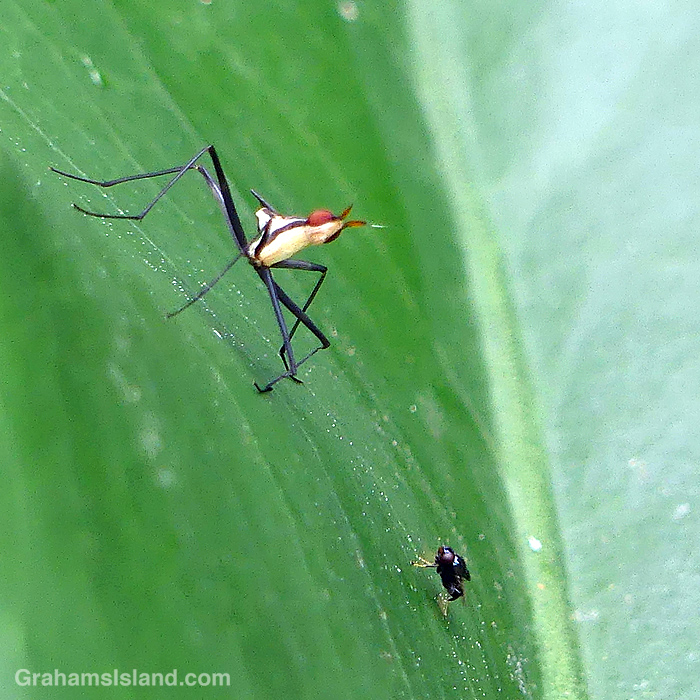
The idea of The Numbers Game is to enter a number into the search bar of your computer and then post a selection of the photos that turn up. This week’s number is 137. Captions are on the photos.
You can see more responses here.


The idea of The Numbers Game is to enter a number into the search bar of your computer and then post a selection of the photos that turn up. This week’s number is 137. Captions are on the photos.
You can see more responses here.


This week’s Sunday Stills challenge theme is ‘April Flowers.’ See more responses here.
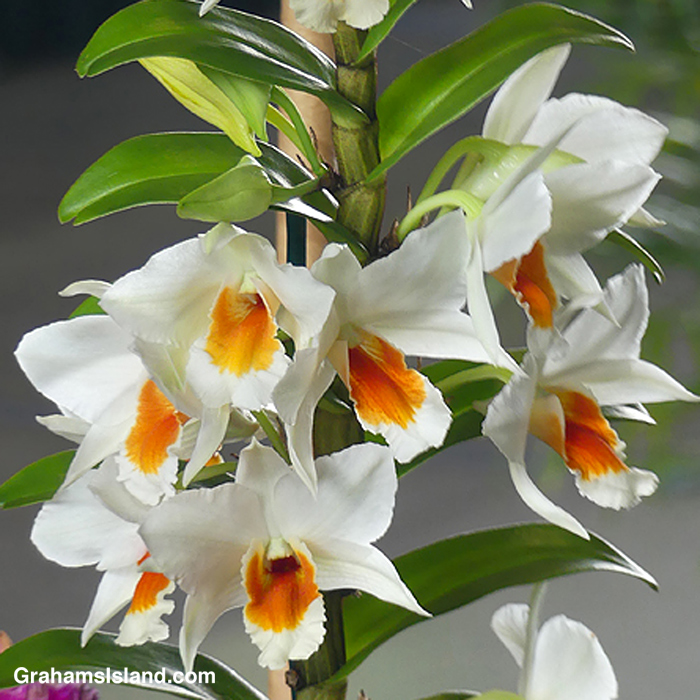
Looking through my files, I found a dearth of flower photos taken in April, except for one visit to Hawai’i Tropical Bioreserve & Garden a couple of years ago. These photos are from that visit.

Some ‘flowers’ aren’t flowers at all. These are the bracts of the plants, which are far more showy than the small flowers that emerge from them later.


For more information about Hawai’i Tropical Bioreserve & Garden, go to htbg.com.

The idea of The Numbers Game is to enter a number into the search bar of your computer and then post a selection of the photos that turn up. This week’s number is 136. Captions are on the photos.
You can see more responses here.


A good deal of rain was falling onto several pigs running through the yard recently. This one found a little sunshine in the shape of a fallen tangerine, which it carried to the shelter of the cane grass to devour.


Portea Petropolitana is a bromeliad that’s native to Brazil. These were growing in a local garden and were very popular with the geckos.


Tropical Milkweed (Asclepias curassavica) is an introduced species here. It’s become popular in part because milkweeds are food for butterflies, including Monarch Butterflies, whose numbers have been falling for some time. However, there are questions about whether planting Tropical Milkweed is a good or bad thing.
One concern is that Tropical Milkweed’s perennial habit might be disrupting the Monarch’s epic migrations. Another concern is that the plant hosts Oe (Ophryocystis elektroscirrha), a parasite that adversely infects butterflies, and that is passed down to subsequent generations. This parasite is more prevalent in non-migratory butterflies such as those in Hawaii, but it’s not clear whether Hawaii’s population is suffering in the same way as some of those on the mainland. Hawaii’s Monarchs primarily use Crown Flowers to lay their eggs.


The idea of The Numbers Game is to enter a number into the search bar of your computer and then post a selection of the photos that turn up. This week’s number is 134. Captions are on the photos.
You can see more responses here.


I spotted this Gold Dust Day Gecko deep in a clump of heliconias at Hawai’i Tropical Bioreserve & Garden.