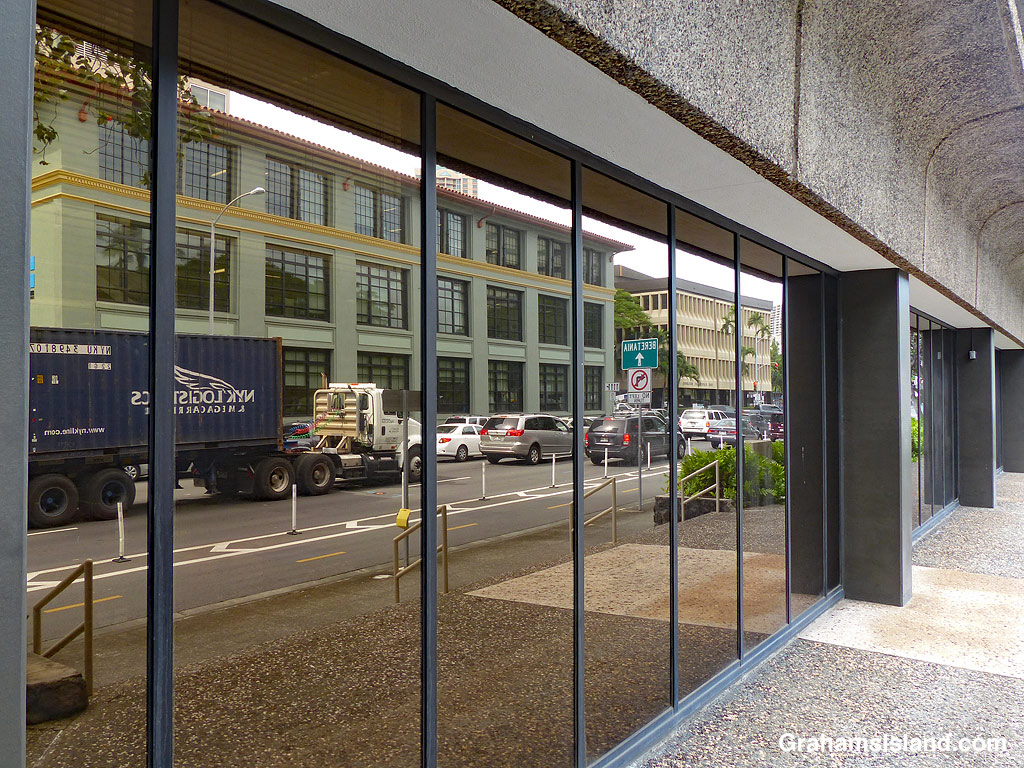
Traffic, which can be brutal, reflected in the glass front of a downtown building.
Yesterday I posted a small town response to this week’s Sunday Stills challenge theme of ‘Urban.’ See more responses here. It wasn’t until after that post went live that it occurred to me I could have used photos from my jaunt to Honolulu a few years back. It’s not the Big Island, but in Hawaii, Honolulu is by far the largest urban area.
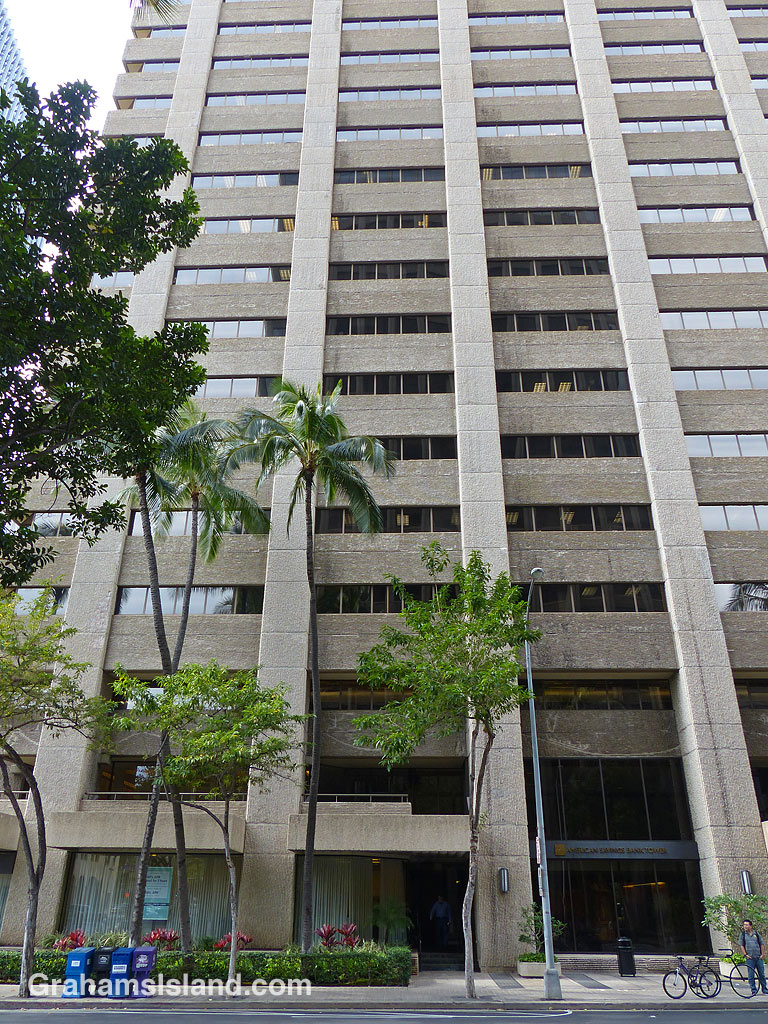
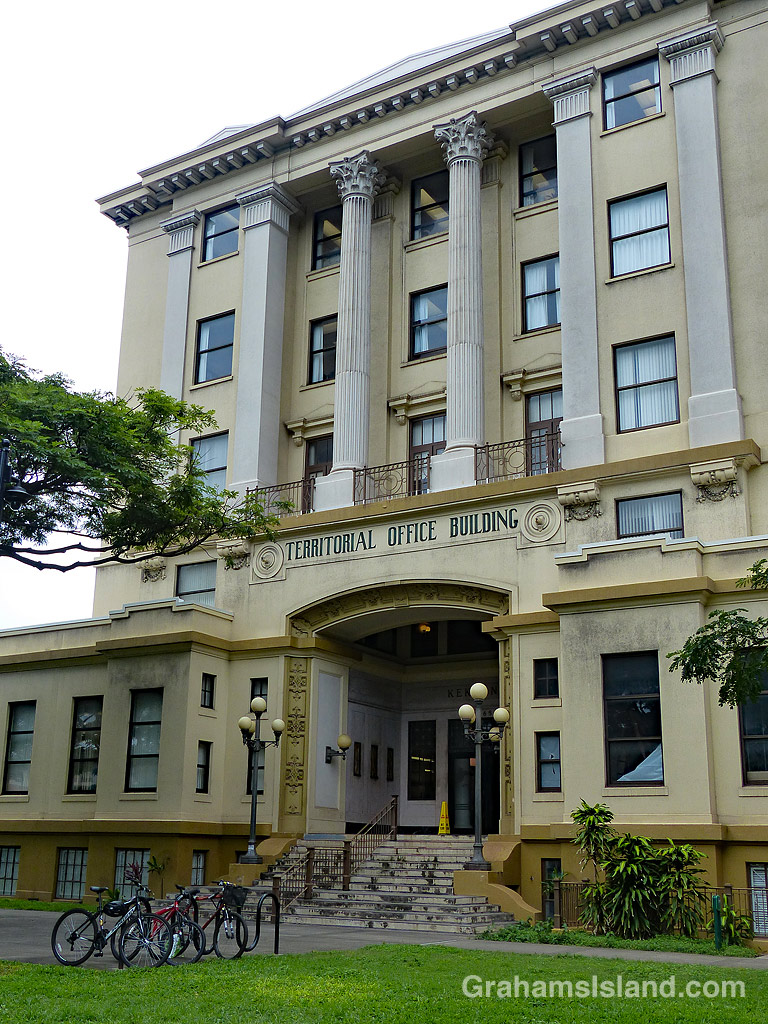
When I got home, I had a look to see what photos I could use and came up with these images. The entire population of Hawi could fit comfortably into one of those skyscrapers.
The concrete face of the American Savings Bank TowerA downtown building from the State CapitolA plane flies above downtown buildingsA doorway to one of the downtown office buildingsA person sits in the open air atrium of the State Capitol BuildingThe entrance to the Territorial Office BuildingA railing in downtown HonoluluThe 1820 Mission Memorial building
This week’s Sunday Stills challenge theme is ‘Meaningful Memories.’ See more responses here.
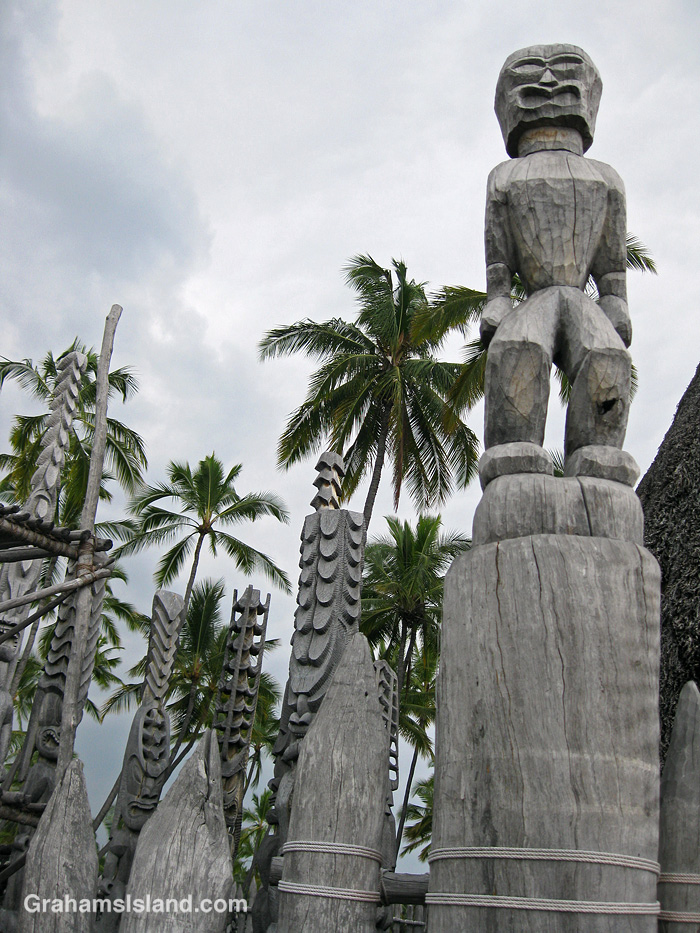
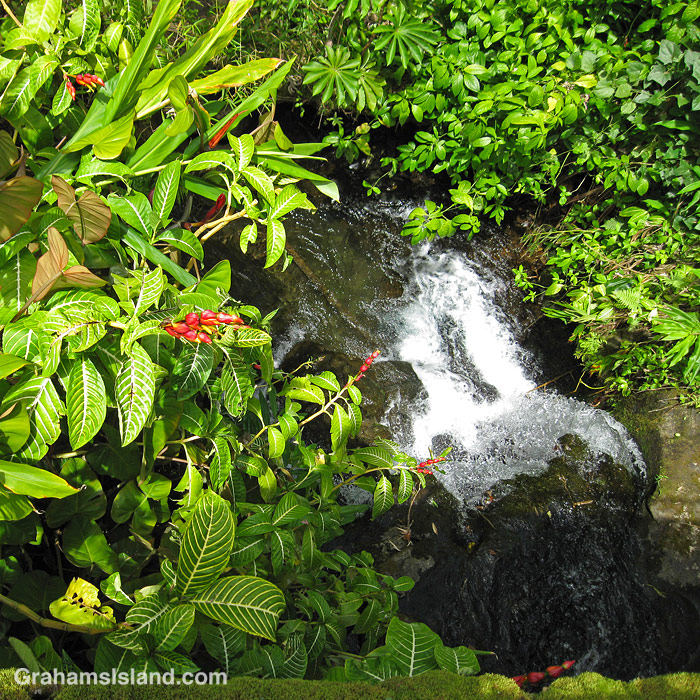
This seemed like an opportune time to revisit my first visit to Hawaii, back in 2010. My wife and I stayed in a vacation rental near Captain Cook, overlooking Kealakekua Bay. The sky was hazy with vog from Kilauea Volcano, but the place was awash with colorful flowers. Just down the road was the Painted Church and at the foot of the hill, Puʻuhonua o Hōnaunau National Historical Park celebrates Hawaiian culture and history with its wooden ki’i and towering palms.
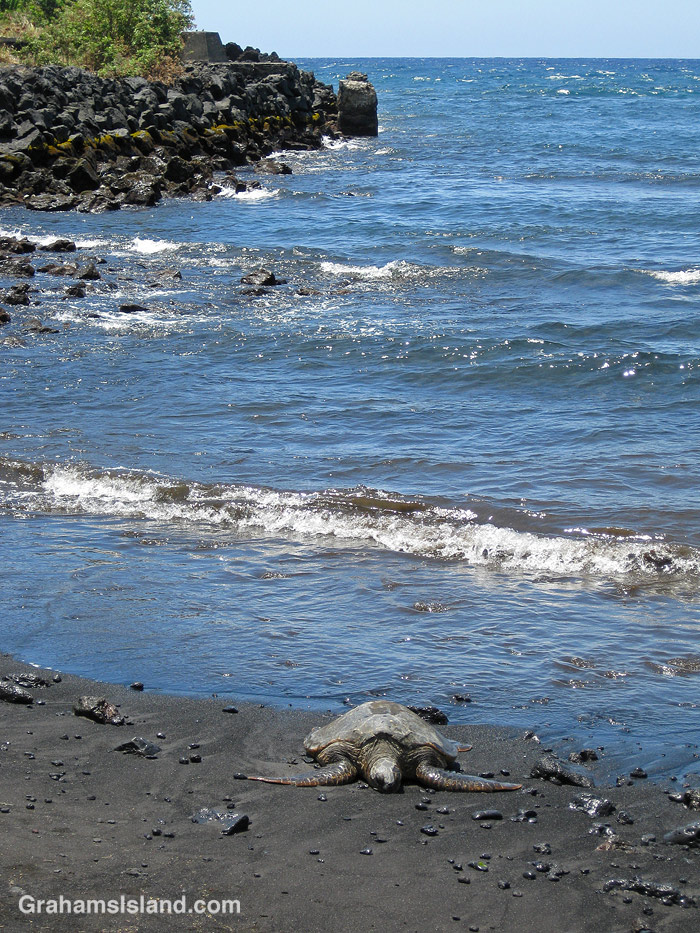
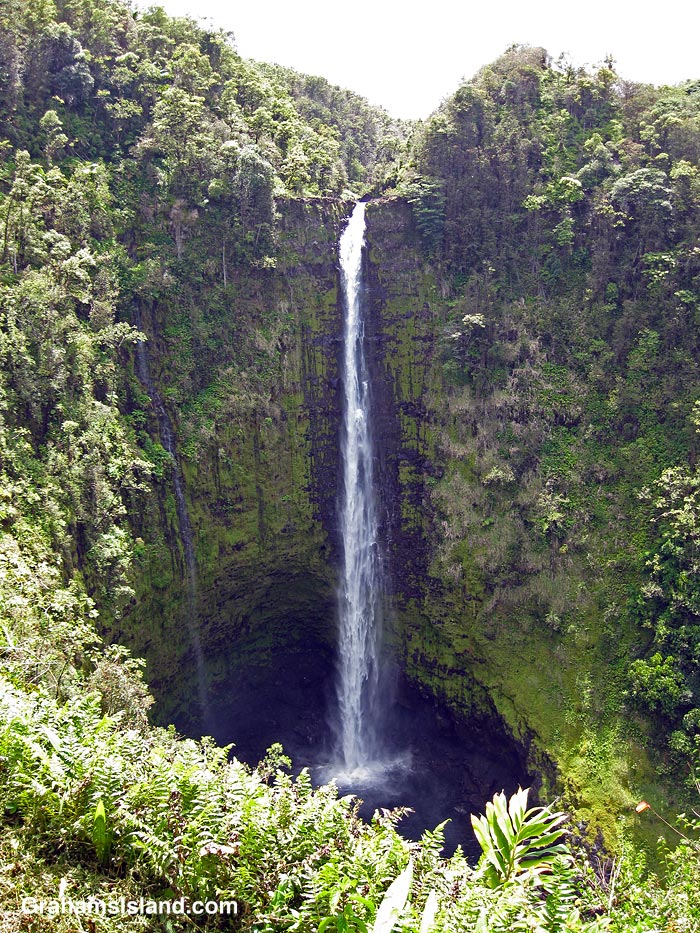
We traveled the whole island from the black sand beach at Pololu (even if we had to pass the carcass of a dead whale twice) to the black sand beach at Punalu’u, dotted with resting green turtles, and rocky surrounds. There were waterfalls big and small, and roads lined with tropical foliage leading to the active lava flow at that time.
There, signs warned that flowing lava is dangerous (who knew?), but we were still able to get within 10 feet of oozing tongues of red, and saw small fires still burning in nearby brush.
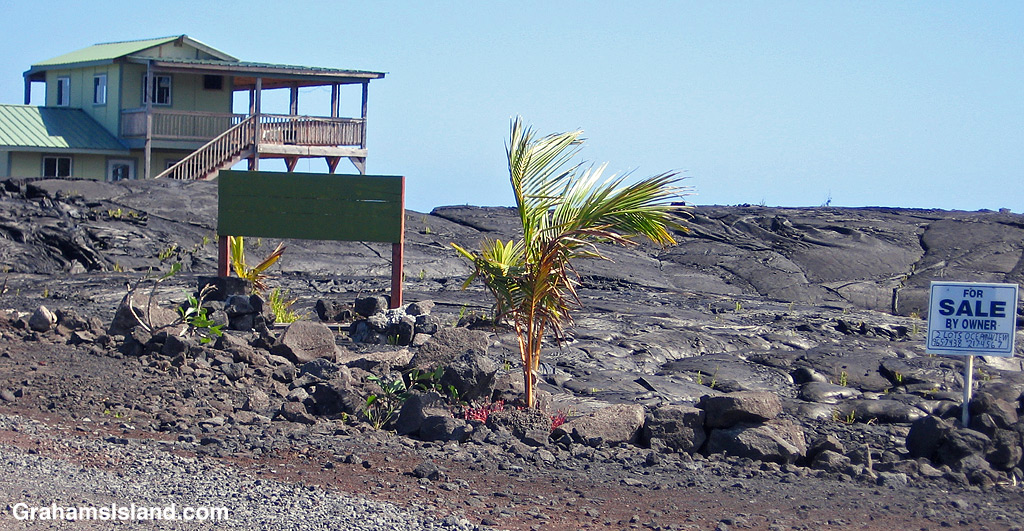
There was even a house for sale: ‘Buy now before it burns!’ We didn’t, though that house still stands while others, much farther from that scene, have since been consumed by subsequent flows.
It was this visit that prompted us to return permanently two years later. Hawaii isn’t paradise – it has its pros and cons like any place – but we haven’t regretted the move and are looking forward to the next 10 years.
I encountered this grasshopper while walking at Puʻukoholā Heiau National Historic Site at Kawaihae. As I approached, the grasshopper held its ground and I immediately thought of the Black Knight in Monty Python’s Holy Grail movie. Unlike the Black Knight, this grasshopper finally pinged off to the side and let me pass, all it’s limbs still intact!
Posted in response to this month’s Becky’s Squares challenge theme of ‘Odd.’ See more responses here.
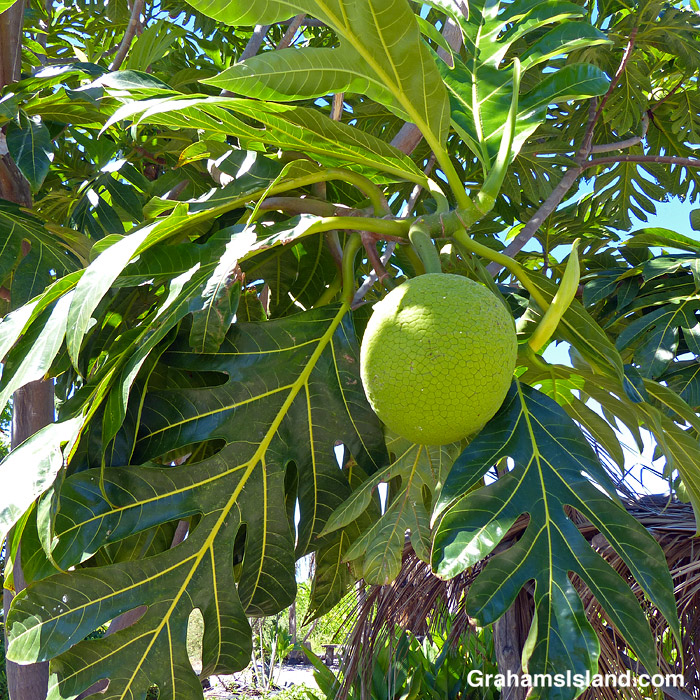
Breadfruit (Artocarpus altilis) is generally considered to be a canoe plant, brought to Hawaii by Polynesian settlers, though it’s not entirely clear when the introduction occurred. However, it is clear that breadfruit, known as ‘ulu in Hawaii, was a major food source in days gone by and that the trees were possibly the most prevalent tree to be found on the islands.
Ipu is the Hawaiian word for the gourd (Langenaria sacraria). The early Polynesians brought the seeds to Hawaii and also used the hollowed out gourds on the voyage, for storing water, food, and other items, and to bail out the canoes.
These days, the gourds are used to make musical instruments that are used in dances and in chants. The plant is a climbing vine and the gourds are the fruit of this vine.
This week’s Sunday Stills challenge theme is ‘Leaves and Trees.’ See more responses here.
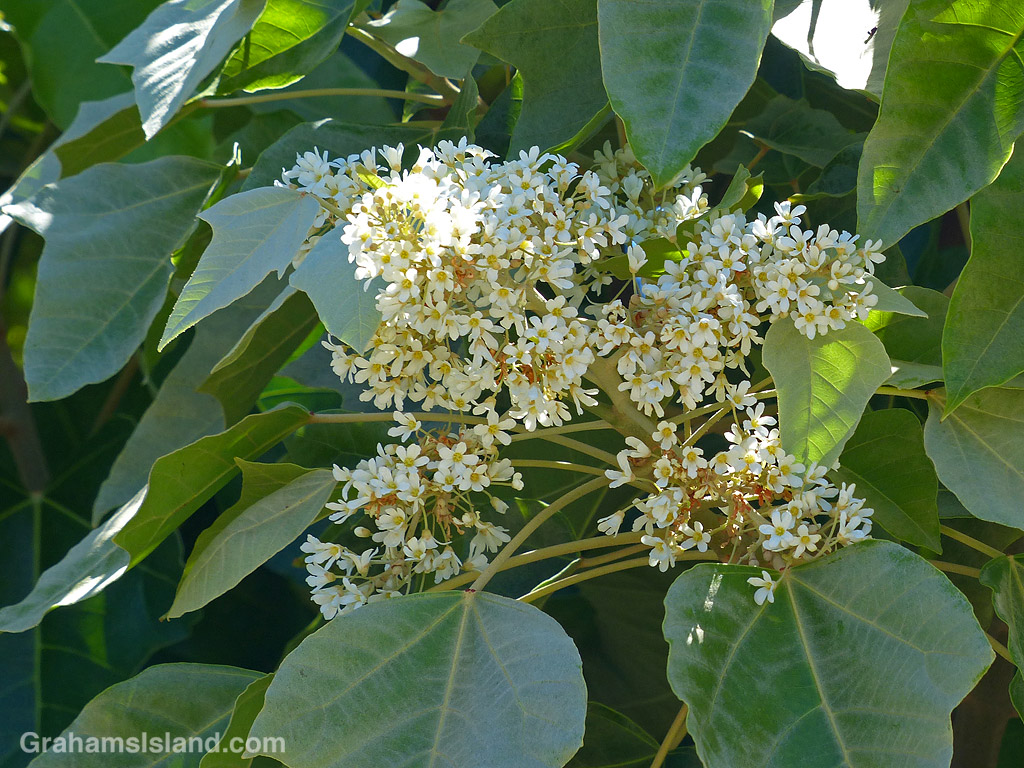
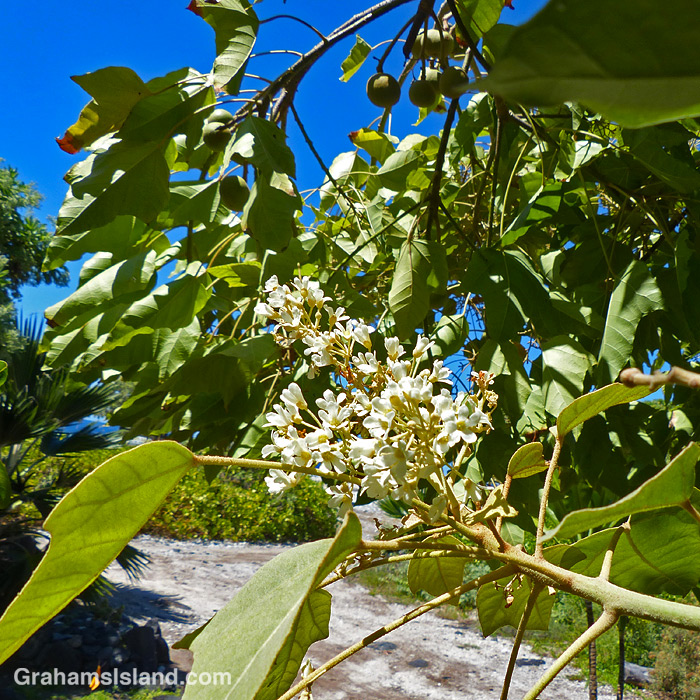
Candlenut (Aleurites moluccana) is known as Kukui in Hawaii. It’s a canoe plant, brought to Hawaii by the early Polynesian settlers. The tree can grow to around 60 feet tall but is usually shorter. Large clusters of small white flowers are followed by round nuts, which can be seen at the top of the second photo.
The tree had many uses. Oil was extracted from the nuts for various uses and the nuts themselves were burned for lighting, hence the name. Roasted nuts are edible and were used for flavoring. Raw nuts are a potent laxative. The plants had several other uses, both decorative and medicinal.
Because of this versatility and cultural background, Kukui was named the state tree of Hawaii in 1959, replacing the coconut palm. It’s the only state to have a non-indigenous state tree.
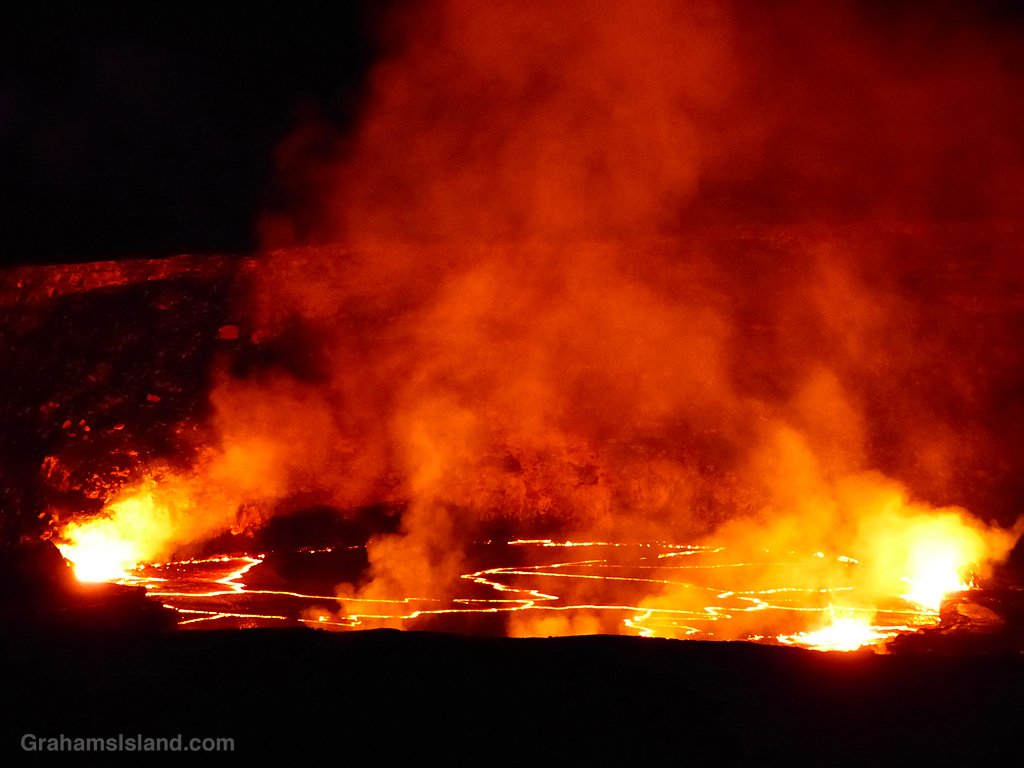
Yesterday afternoon, around 3:20 p.m., Kilauea Volcano began a new eruption. Like the previous one, from December 2020 to May 2021, the eruption is in Halemaʻumaʻu crater, at the summit of the volcano. That eruption created a lava lake in an area that collapsed in 2018 when the main activity moved down the east rift zone to the Leilani Estates Subdivision. This new eruption has reactivated the lake in the crater.
These photos are from the 2018 activity in Halemaʻumaʻu crater shortly before the level of the lava lake dropped and the crater floor collapsed.
Alexandrian laurel (Calophyllum inophyllum) is known as Kamani in Hawaii. It’s a canoe plant, which means it was brought to Hawaii by the early Polynesian voyagers. They would have carried this evergreen tree because of its importance for building their ocean-going outriggers.
The small white and yellow flowers usually bloom twice a year and are followed by round fruits with a single large seed.