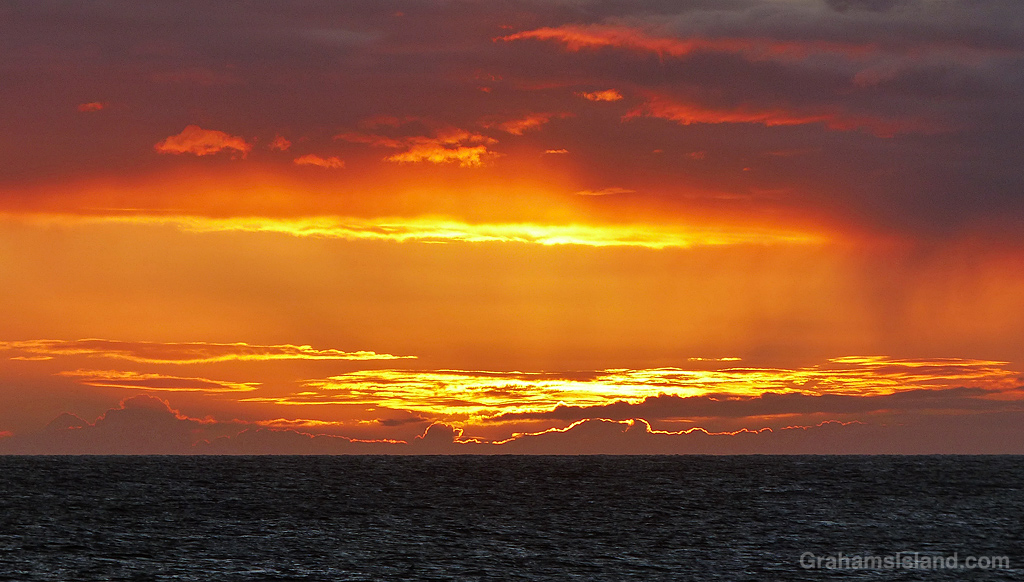
This week’s Sunday Stills challenge theme is ‘Orange.’ See more responses here.
I thought I’d keep it simple with a sunset taken from the old Coastguard Station in North Kohala.

This week’s Sunday Stills challenge theme is ‘Orange.’ See more responses here.
I thought I’d keep it simple with a sunset taken from the old Coastguard Station in North Kohala.
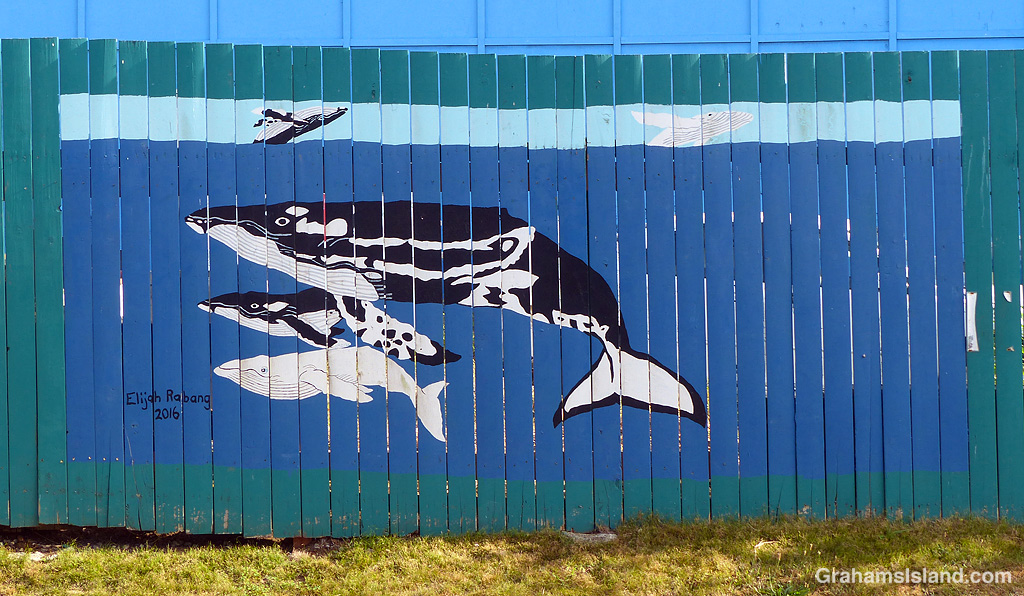
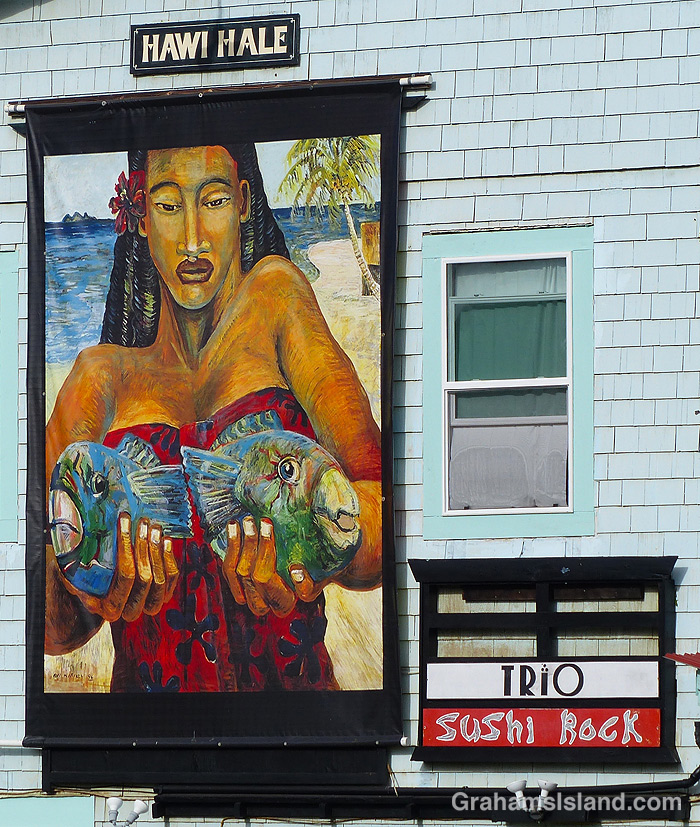

This week’s Friendly Friday challenge theme is ‘Street Art.’ See more responses here.
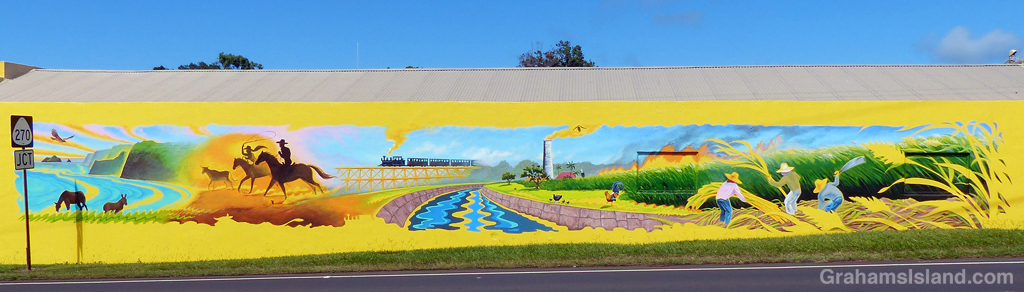
Here’s a tour of some of the street art in beautiful downtown Hawi. The actual walking tour would take you about the same amount of time as it will to read this post, since Hawi is not a big place. But, it being an arty community, there’s a fair bit of street art in a small area. As for graffiti, I posted a bit of that just the other day (here).

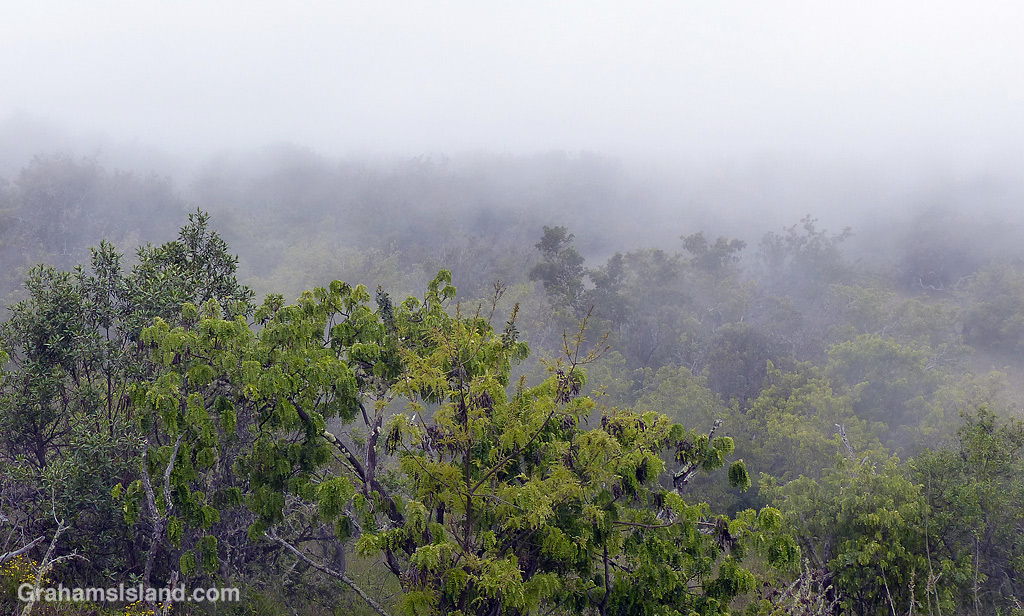
The scrubby woodlands on the side of Mauna Kea take on an eerie air when the clouds roll in.
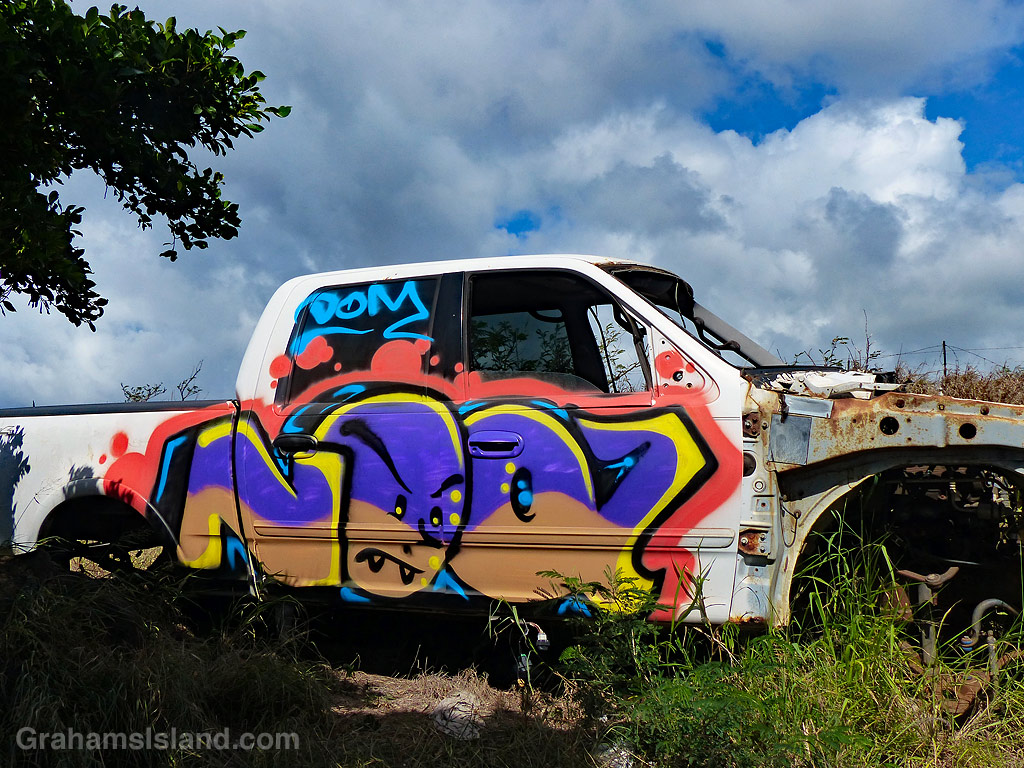
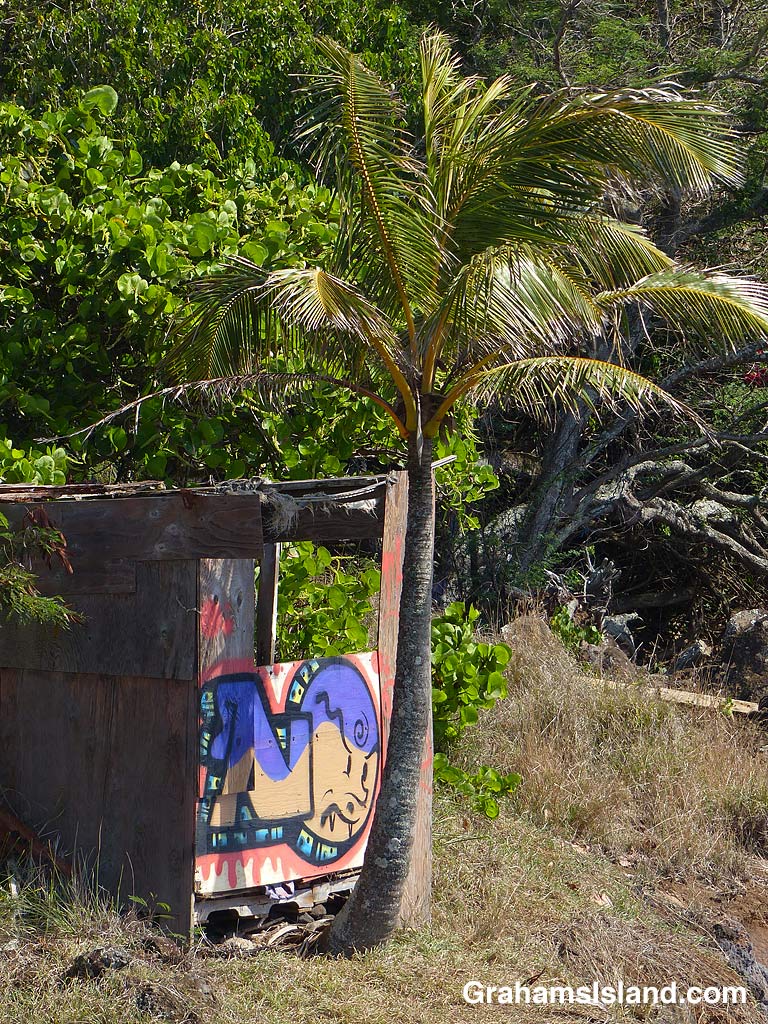
Places and things that have seen better days are likely to be vandalized or tagged with graffiti. On the North Kohala coast, there’s an old fishing shack with a couple of derelict vehicles nearby. At some time in the fairly recent past, the scene has been accessorized with a paint job. I think Noak Dom is the name of the graffiti artist who painted these.
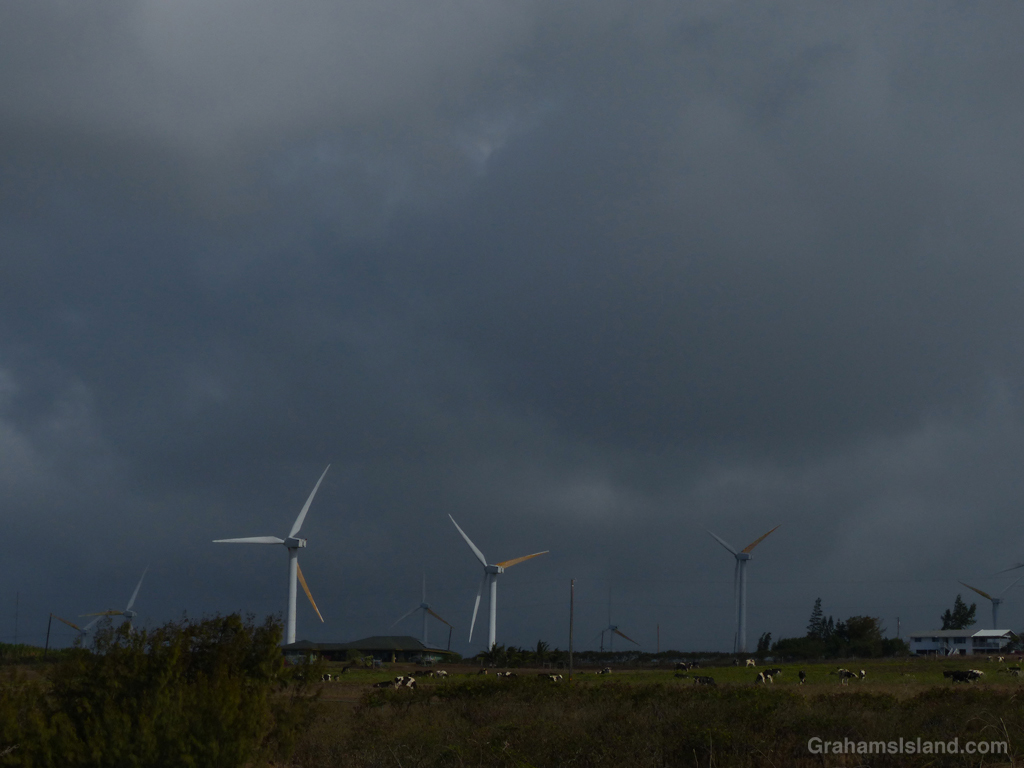
Posted in response to Bushboy’s Last on the Card photo challenge. See more responses here.

In Hawaii, a pu’u is a hill. These are old cinder cones that dot the landscape from the coast to the top of Mauna Loa and Mauna Kea.
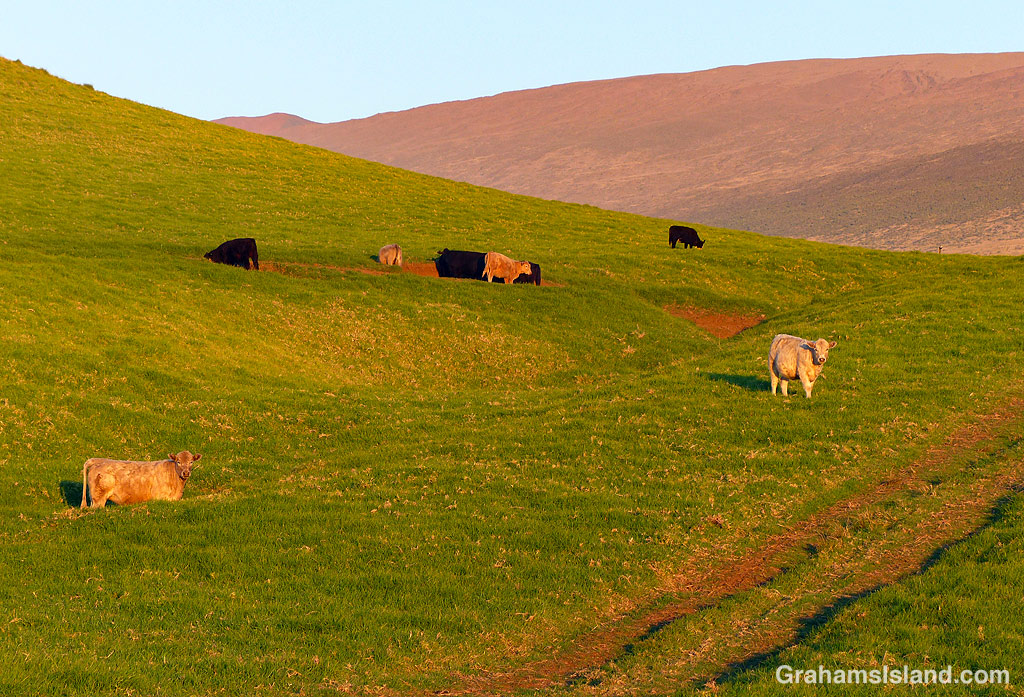
Along Old Saddle Road, the land and it’s pu’us are grass-covered. This pastureland is cattle, horse, and sheep country, with a lot of goats thrown in for good measure. The land is steep and and rough and the grass varied, but the rainfall is heavy enough that there’s a lot of it.
Old Saddle Road is one of my favorite drives on the island, particularly in the early morning (above) and late afternoon (below).
Posted in response to Friendly Friday challenge theme of ‘Splendour in the Grass.’ See more responses here.


Halemaumau Crater, at the summit of Kiluaea Volcano, underwent profound changes during the 2018 eruption. When lava drained from the summit vent, the crater floor experienced a series of collapses, radically changing the appearance of the crater and its surrounds.
I had seen this area from the air and posted about it (here). The middle photo was taken during that flight and shows where a section of Crater Rim Drive slid into the crater. When I last visited the park, I got a different view of this.
The recently reopened Byron Ledge Trail has good views across the crater. In the top photo, the chunk of road is clearly visible with its white line running down the middle of it. The bottom photo shows the longer view across the crater with the road in the distance. In the center of the photo, equipment used to monitor the volcano’s activity, can be seen. The tree in the foreground is an ‘ōhi‘a lehua with its brilliant red flowers. It’s an early colonizer of new lava flows and all those little dark spots on the main crater floor are ‘ōhi‘a lehua trees, mostly still shrub-sized at this time.

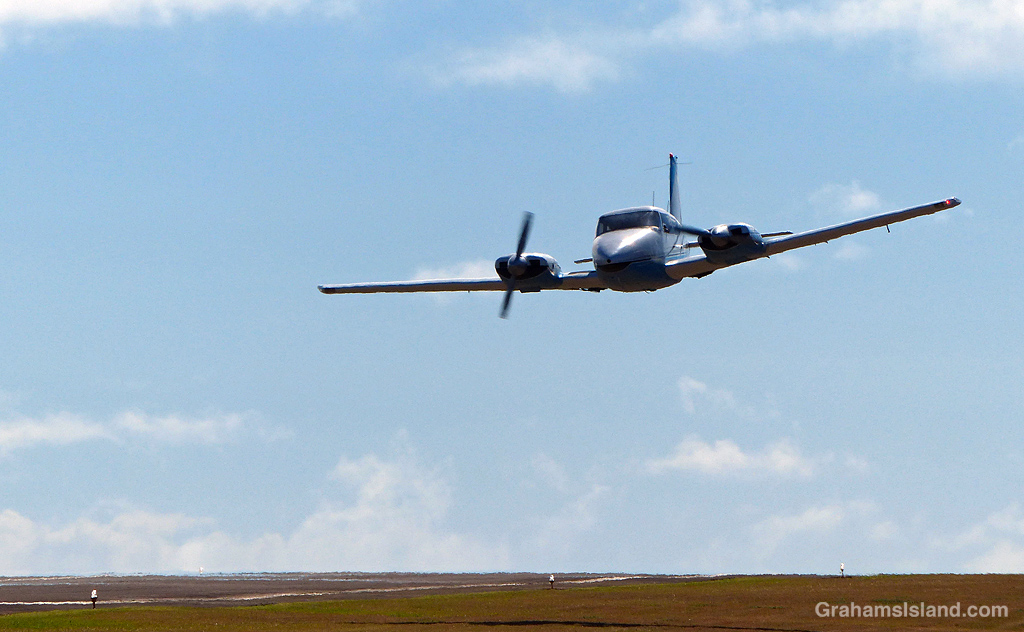
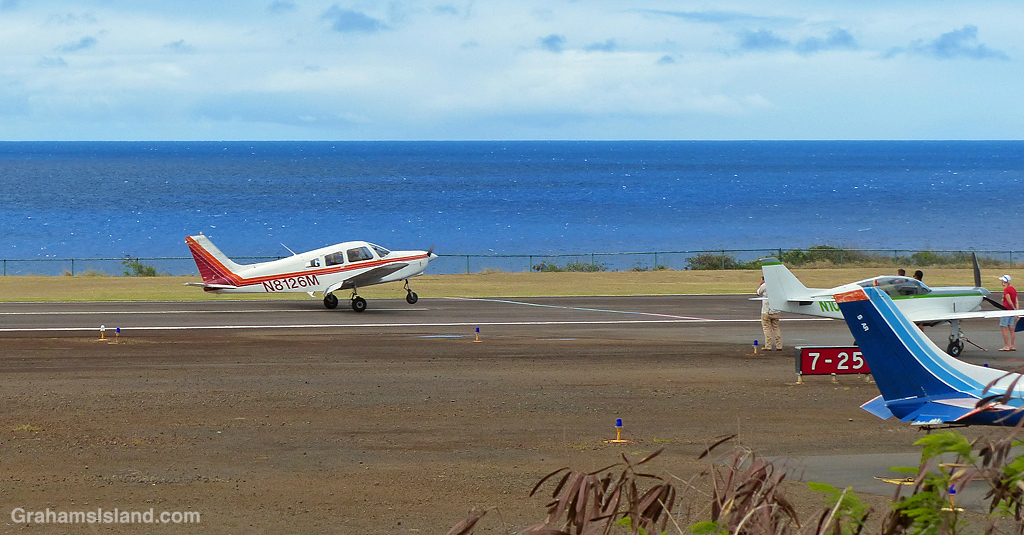
Why would anyone want to bomb Upolu Airport, a lightly used airstrip at the northern tip of the island, which is where I go walking because of the peace and quiet? That’s what I wondered when I went down there on Saturday and found 20-plus aircraft, cars parked alongside the road, and a lot of people milling around. Turns out, a group of aviation enthusiasts had organized a fly-in and I’d stumbled on it en route to my walk.
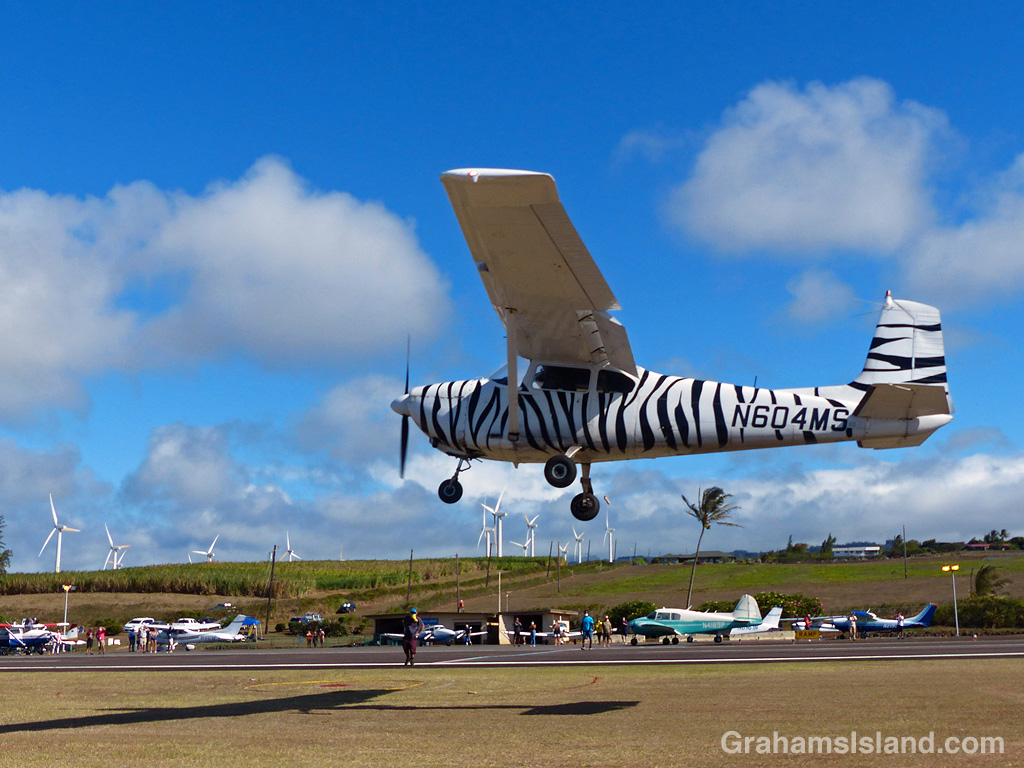
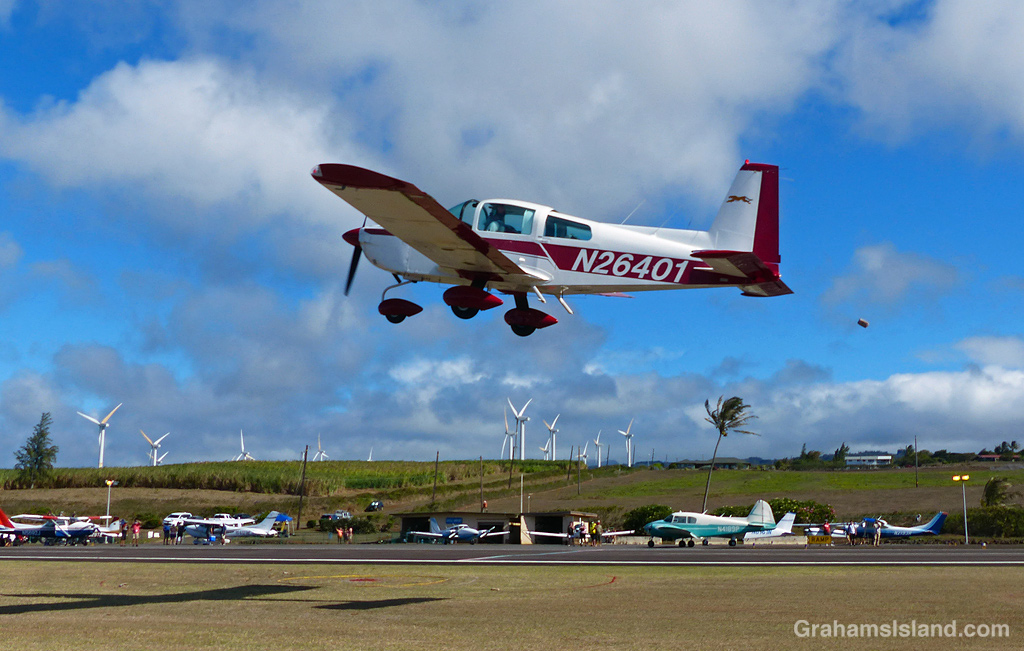
There were planes parked, planes circling above, planes zipping by a whisker above the ground. Apart from the general milling around, a couple of events were scheduled. The first was a touch and go challenge where the goal was to touch as close as possible in front of a line across the runway. Touch down after the line and it counted for nought.
The other event was the bombing run. By the time that rolled around, I’d walked around to the other side of the runway and was leaning on a fence chatting to a couple of airport maintenance workers. The target circle for the bombing challenge, which involved bags of flour rather than high explosives, was not far from where I was so I decided to wait for it to play out, which took rather longer than I anticipated.
What I was hoping for was large bags of flour being dropped from a decent height and exploding in a large white cloud. Instead the bags were small and dropped from just a few feet above the ground as the planes flew by very low indeed. I don’t think the exercise even broke a bag, let alone throwing up a cloud of flour.
Still, it appeared that a good time was had by all, and while my walk got a zero on the peace and quiet scale, it got high marks for being, as they used to say on Monty Python, something completely different.