The small Indian mongoose is the poster child for bad ideas in Hawaii. Introduced back in the days of the sugar plantations, the idea was for them to get rid of the rats running rampant in the cane fields. Alas, rats are nocturnal, mongooses diurnal, so their paths only crossed on the shift change. Instead, the mongooses appreciated the absence of predators in Hawaii and the abundance of ground-nesting birds and were major reasons for the extinction of many native bird species.
They are most frequently seen running across roads, like big sausages with little legs. Closer up, there’s an intensity about them, as seen in this photo. I’ve had a couple of close encounters and have no wish to get into an altercation with one. I’d probably win, but would likely bear the scars of victory!
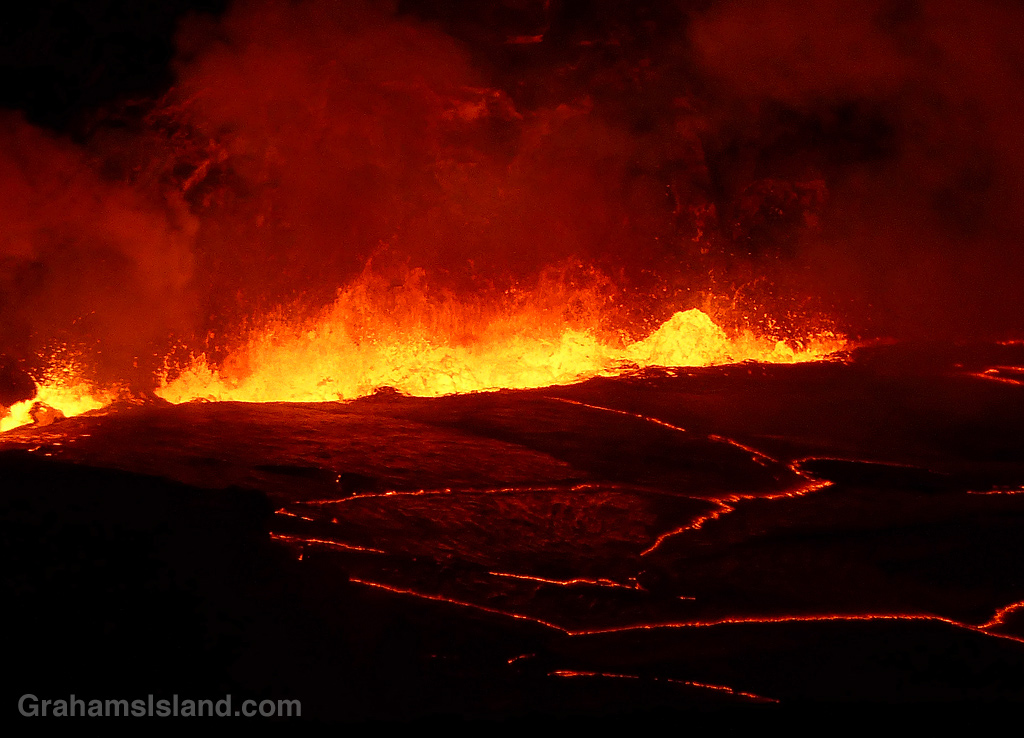
The lava lake in Halema’uma’u Crater in April 2018. Two weeks later the lake had dropped 1,000 feet. Yesterday, Kilauea erupted again, but for just 12 hours before it was declared paused!
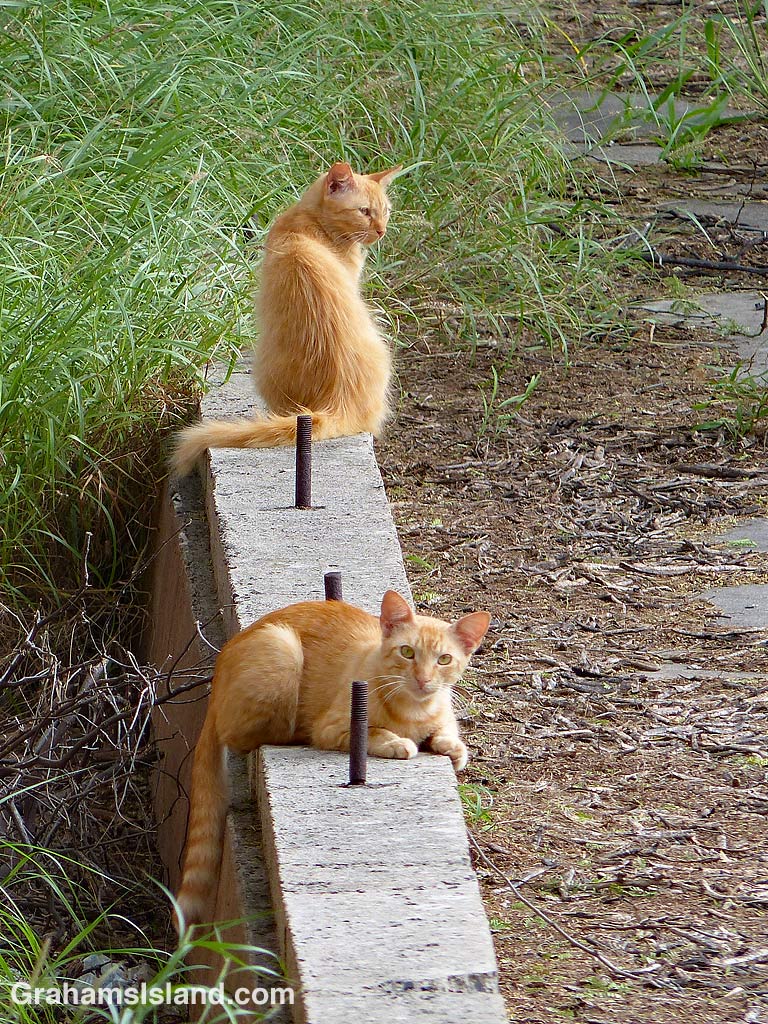
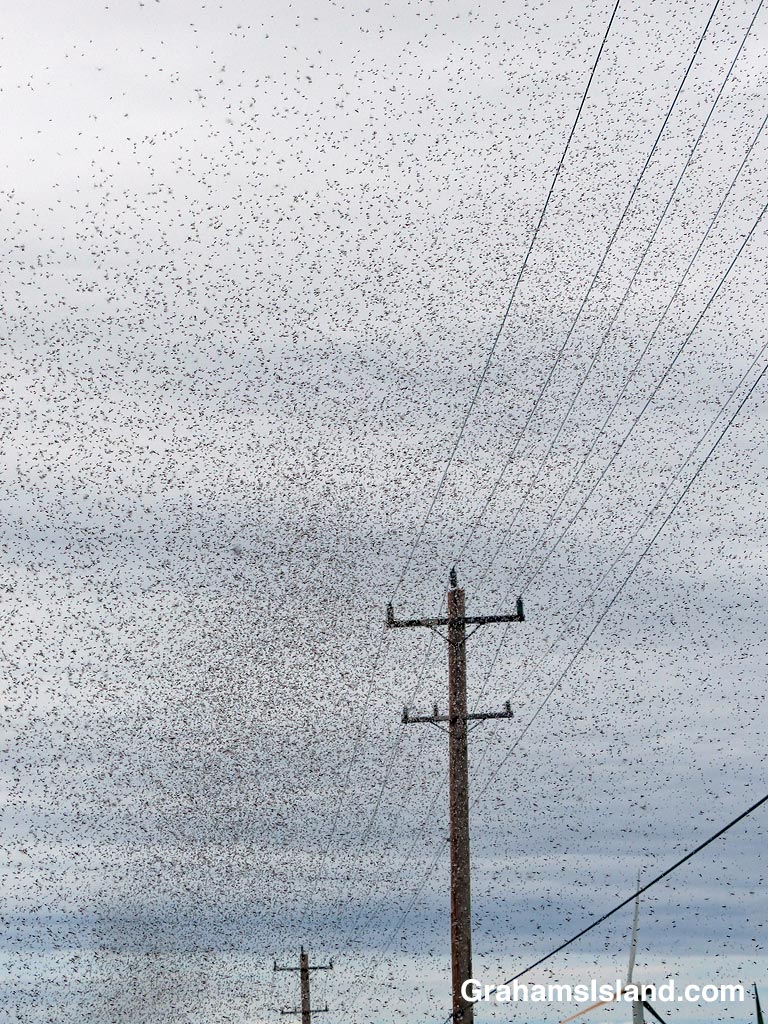
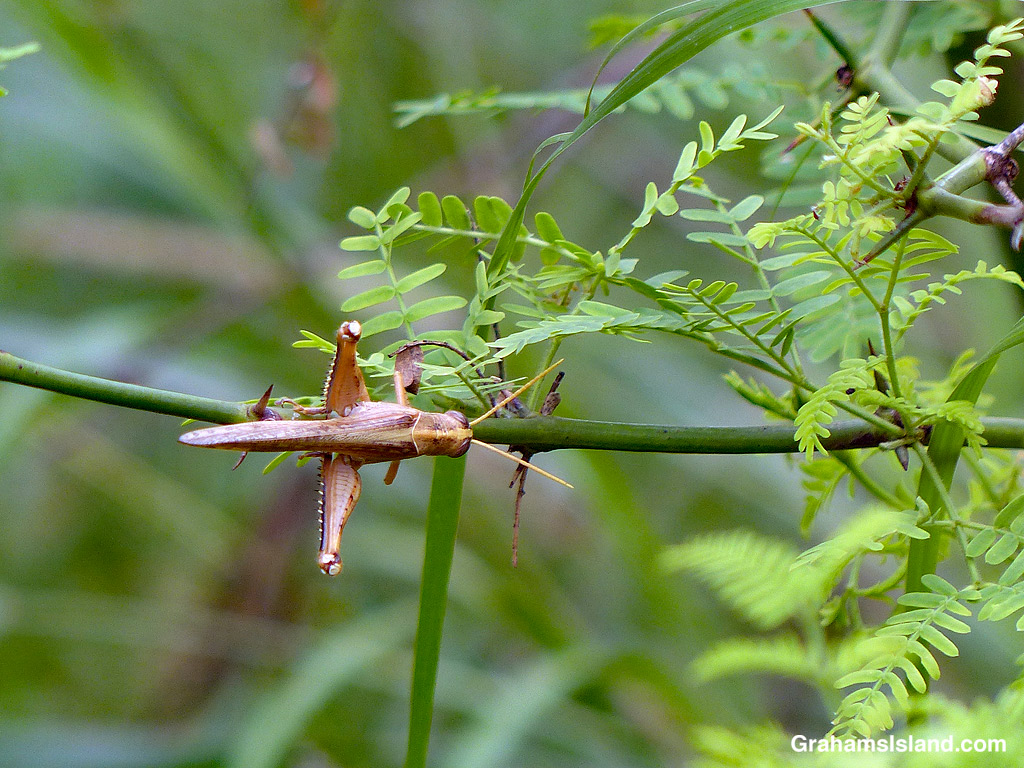
The idea of The Numbers Game is to enter a number into the search bar of your computer and then post a selection of the photos that turn up. This week’s number is 145. Captions are on the photos. You can see more responses here.
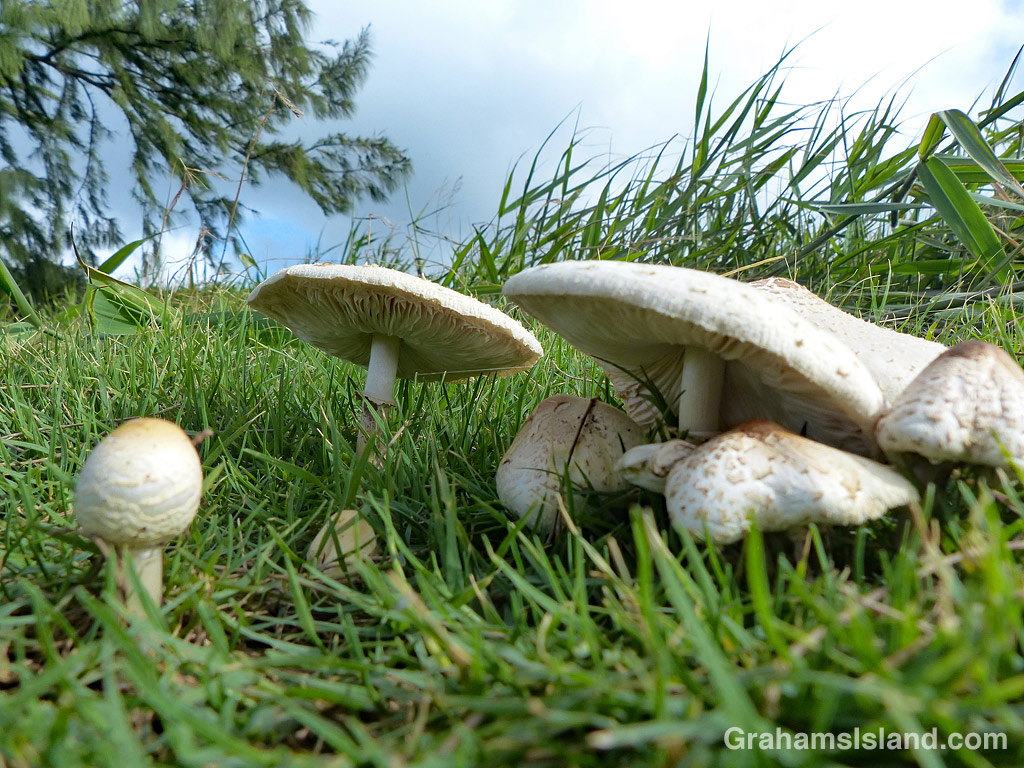
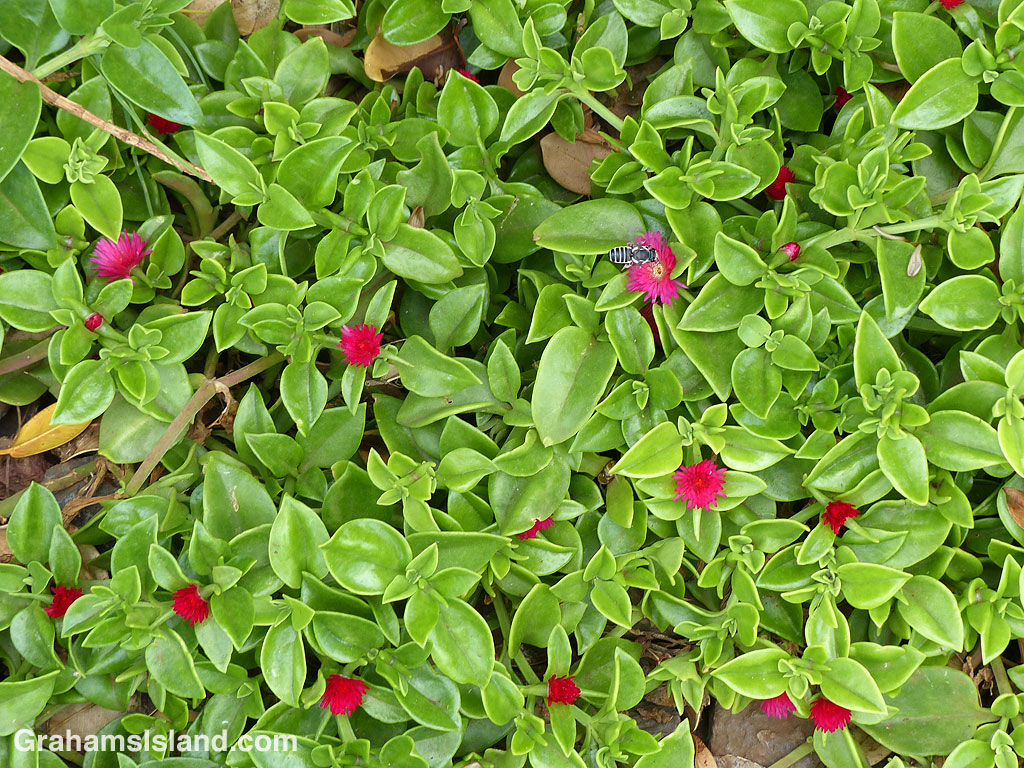
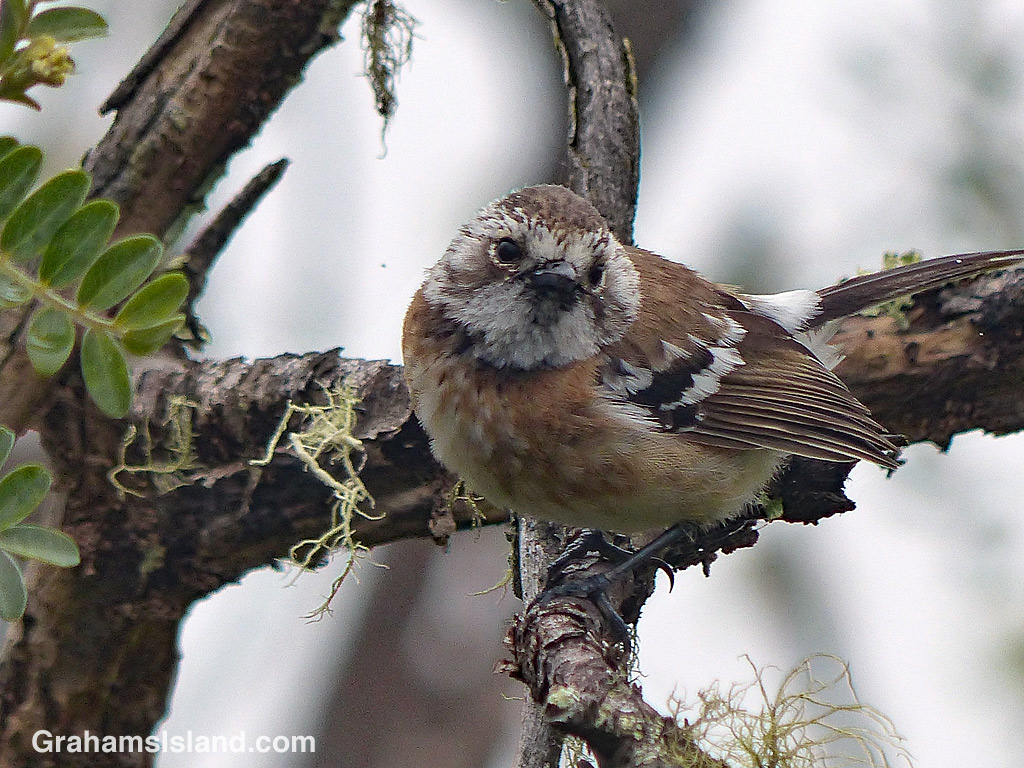
Two orange feral cats.A gnat cloud at Upolu.A grasshopper on a Kiawe branch. Watch out for those thorns!Mushrooms make a shady rest area for bugs!A leaf cutter bee on Aptenia cordifolia.An Hawaii ‘elepaio (Chasiempis sandwichensis sandwichensis).
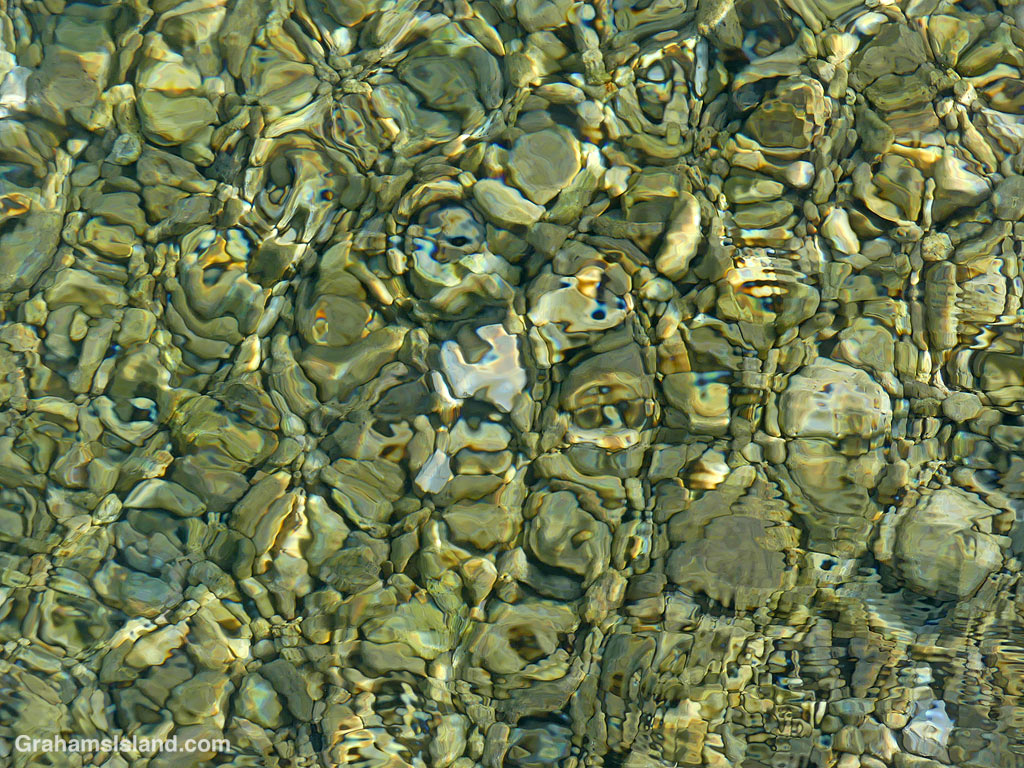
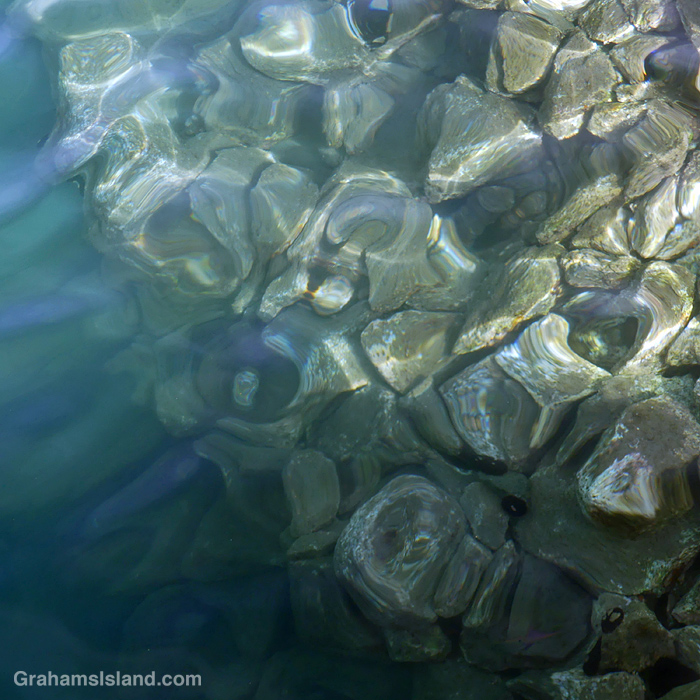
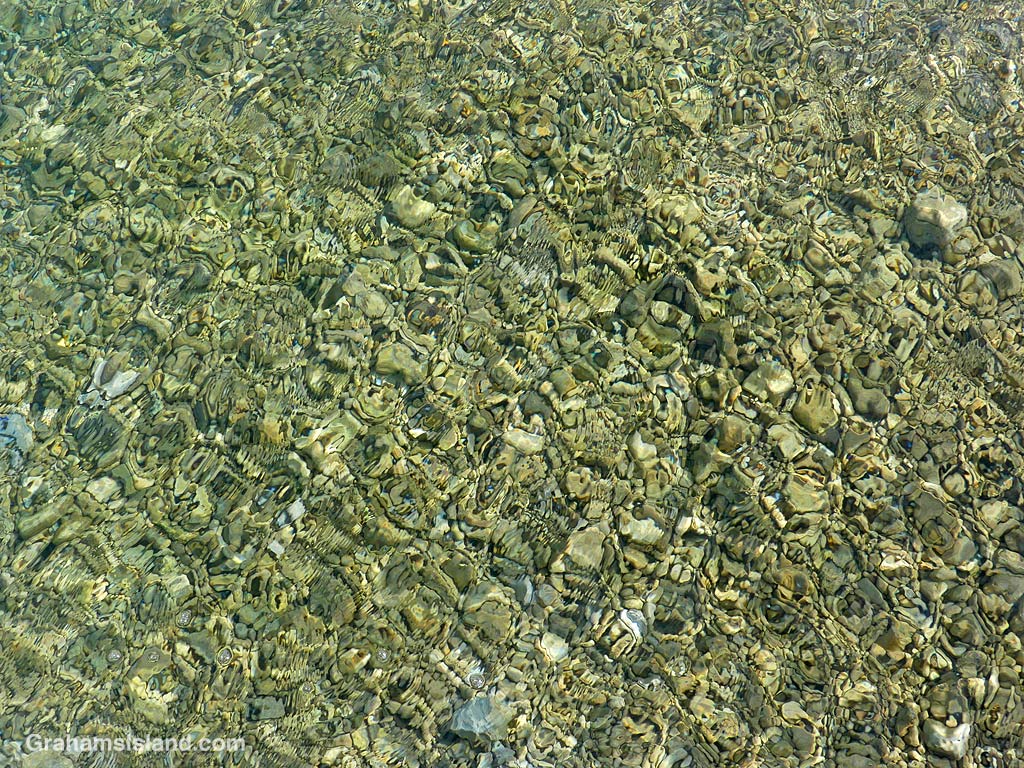
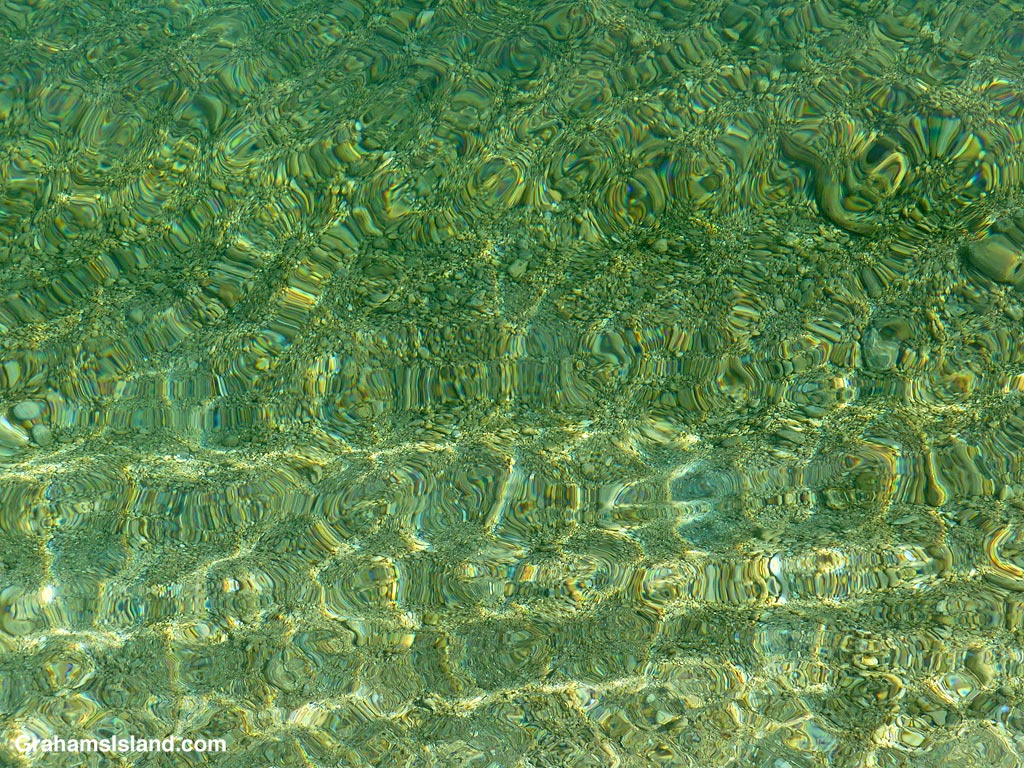
Some abstract water photos taken while walking at the harbor at Kawaihae. I started getting a little dizzy as the patterns kept changing with the gentle lapping of the water.
This week’s Sunday Stills challenge theme is ‘Great Outdoors Month.’ See more responses here.
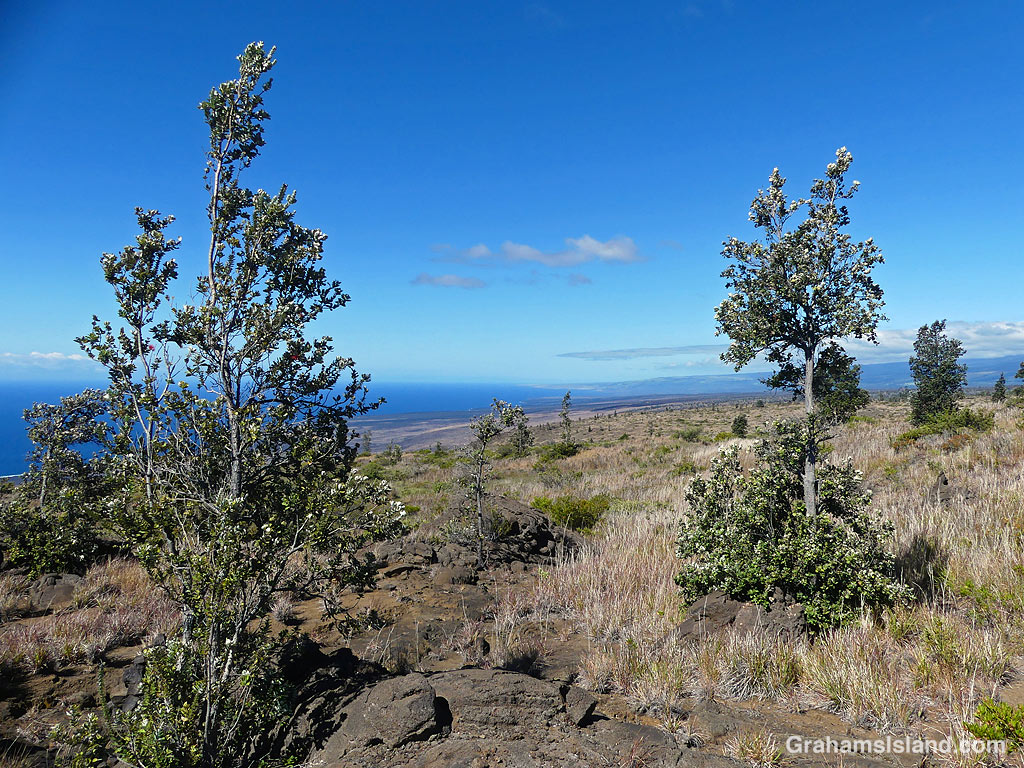
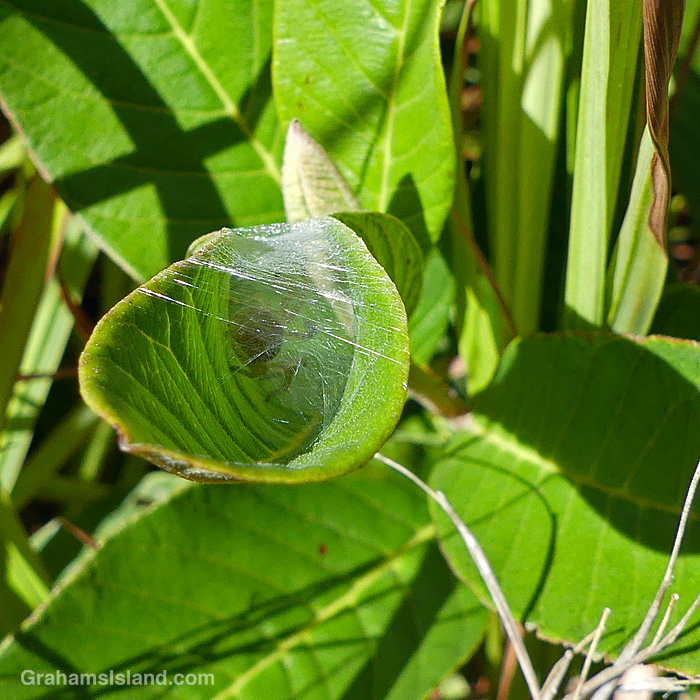
I did this hike, at Hawaiʻi Volcanoes National Park, quite a while ago, but for one reason or another the post never came together and then went missing in my files! This hike started from the lookout at the end of Hilina Pali Road. A few years back, I did a different hike from this starting point that almost did me in (here). This time, having learned from that experience, I stayed on top of the pali (Hawaiian for cliff). My destination was Pepeiao Cabin (pronounced ‘pay-pay-ow’), about five miles away, though the trail is the Ka’u Desert Trail, part of which I’ve hiked from the other end (here).
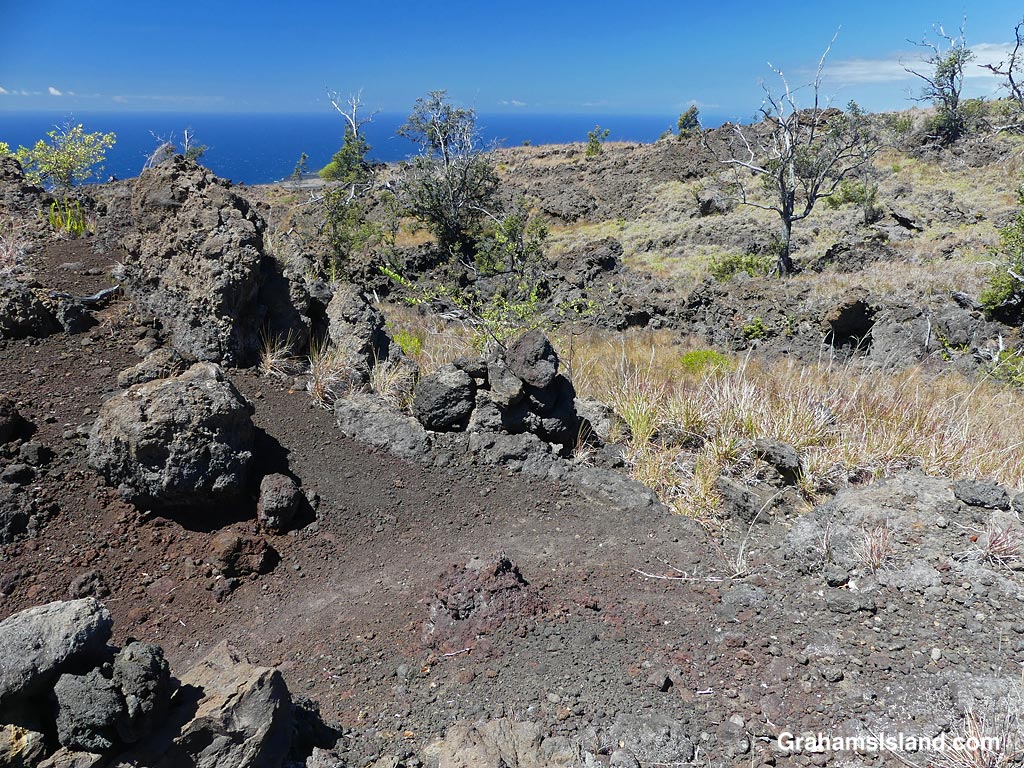
Ohia trees on the trail.A spider sheltering in a leaf.The Ka’u Desert Trail.The Ka’u Desert Trail marked by cairns.View from The Ka’u Desert Trail.
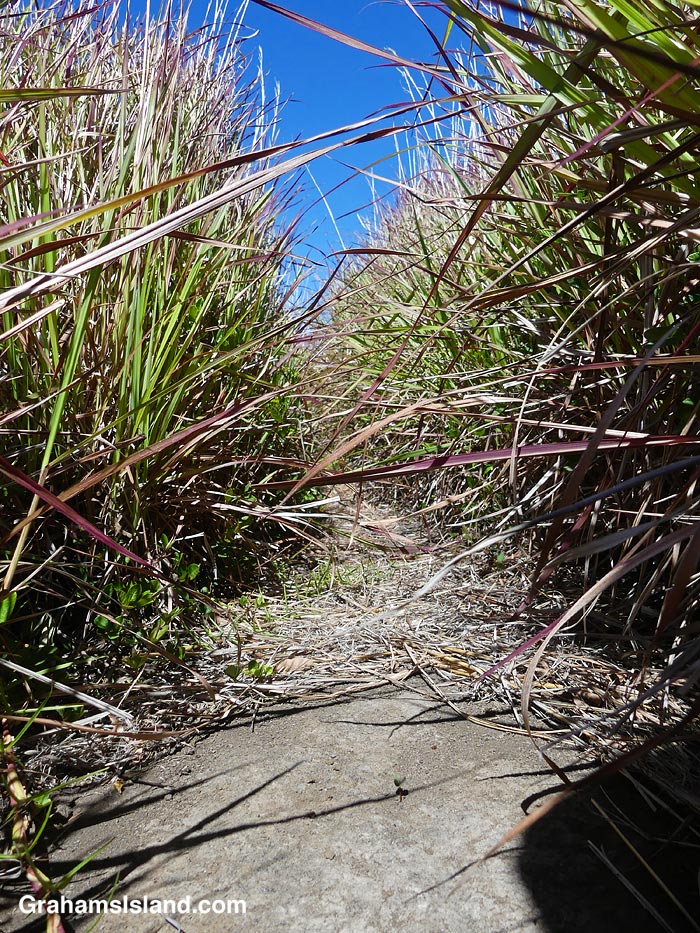
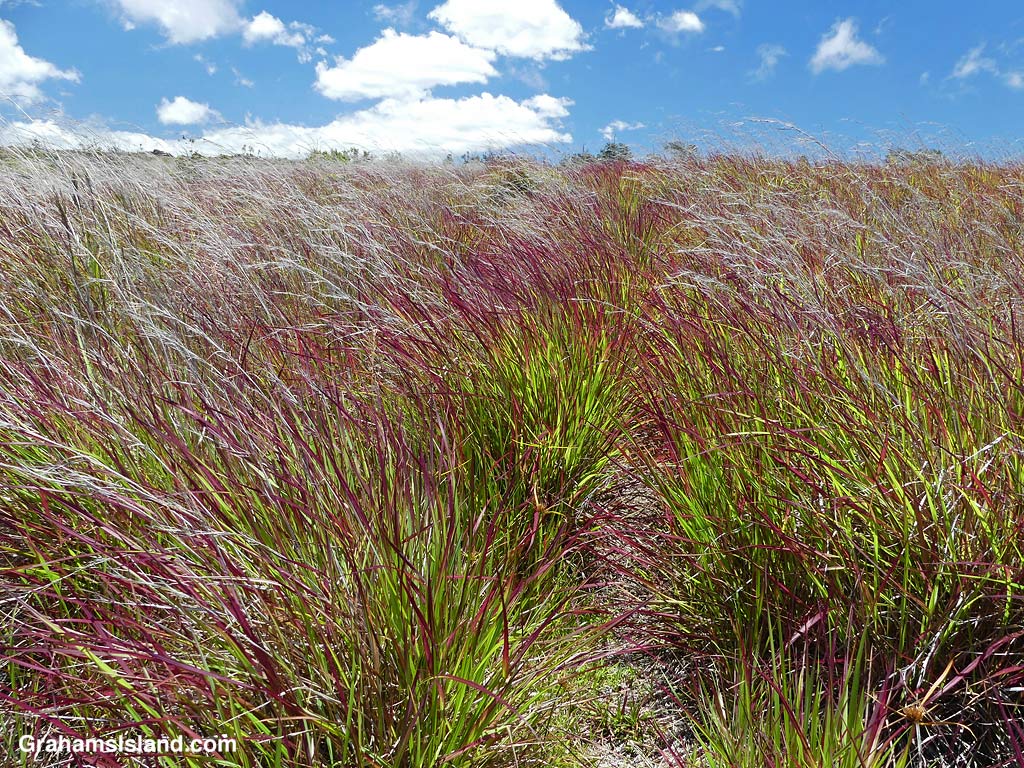
The day was sunny, but not too hot, and with a nice breeze for the most part. The elevation drop (and gain on the return) is only around 500 feet so it wasn’t too strenuous, and the trail was fairly easy to follow. It passes through grassy areas and across lava flows, and is well-marked with cairns. Ohia trees dot the landscape, along with a variety of shrubs and other flowers. I didn’t see too many birds, but there was a decent show of butterflies and bugs. The views were splendid, down to the coast or upslope towards Mauna Loa.
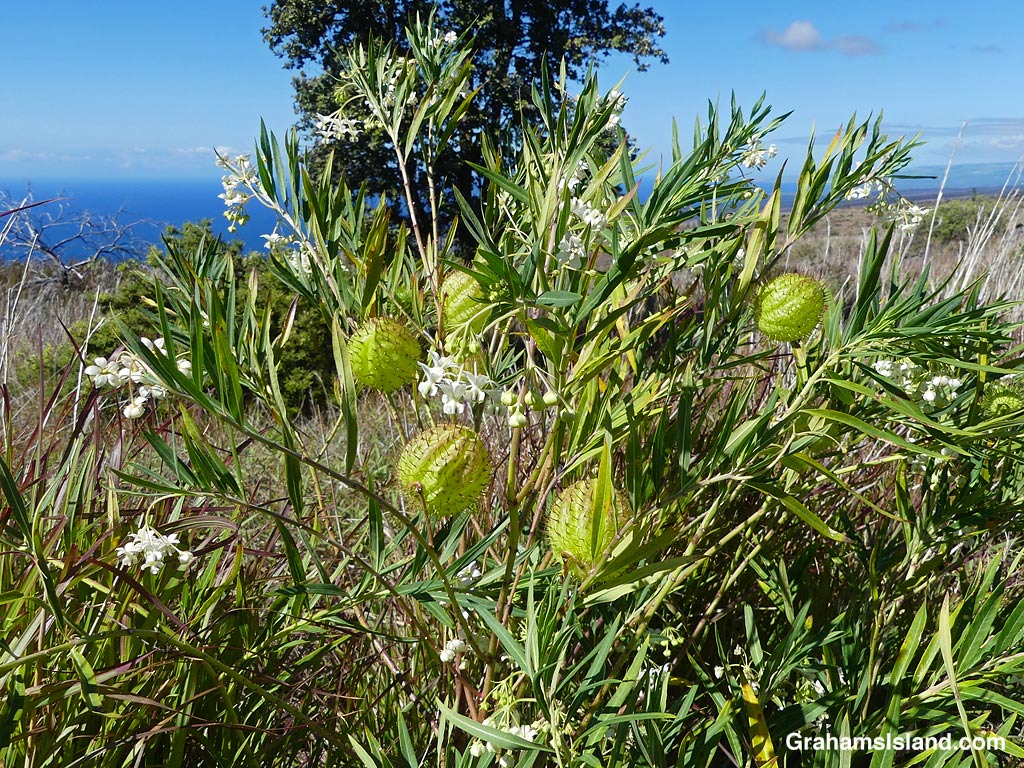
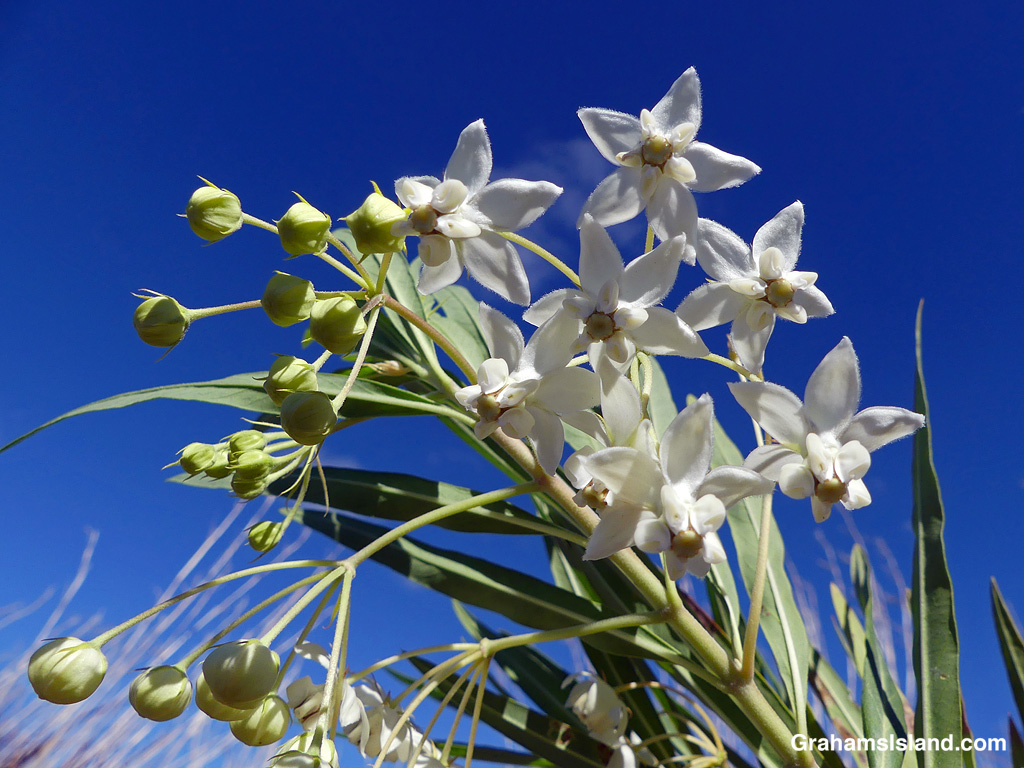
A Balloon plant on the Ka’u Desert Trail.Balloon plant flowers on the Ka’u Desert Trail.Common Guava on the Ka’u Desert Trail.Grasses alongside the Ka’u Desert Trail.Grasses alongside the Ka’u Desert Trail.
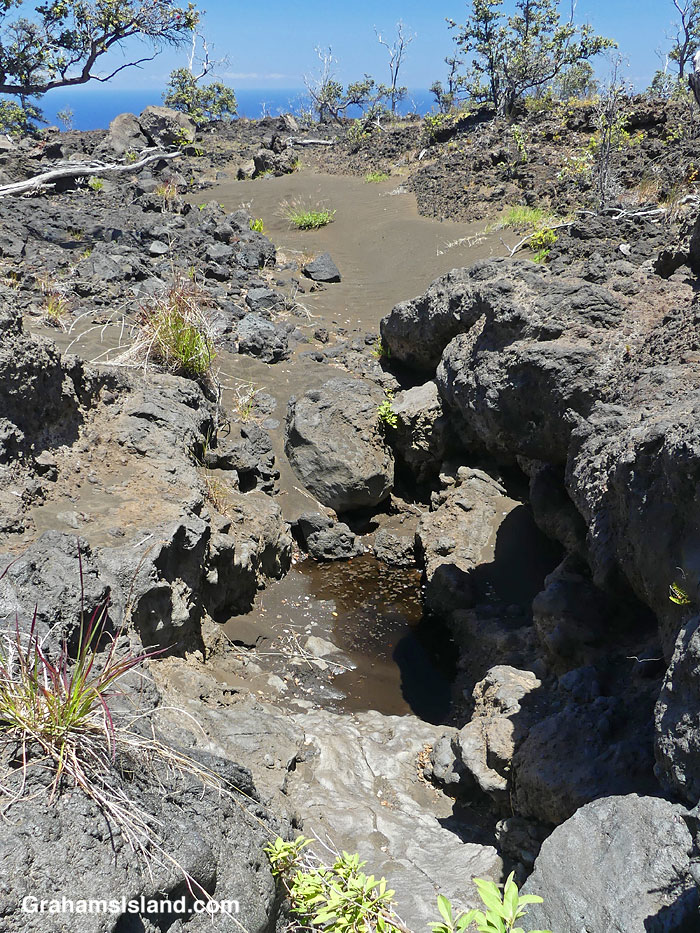
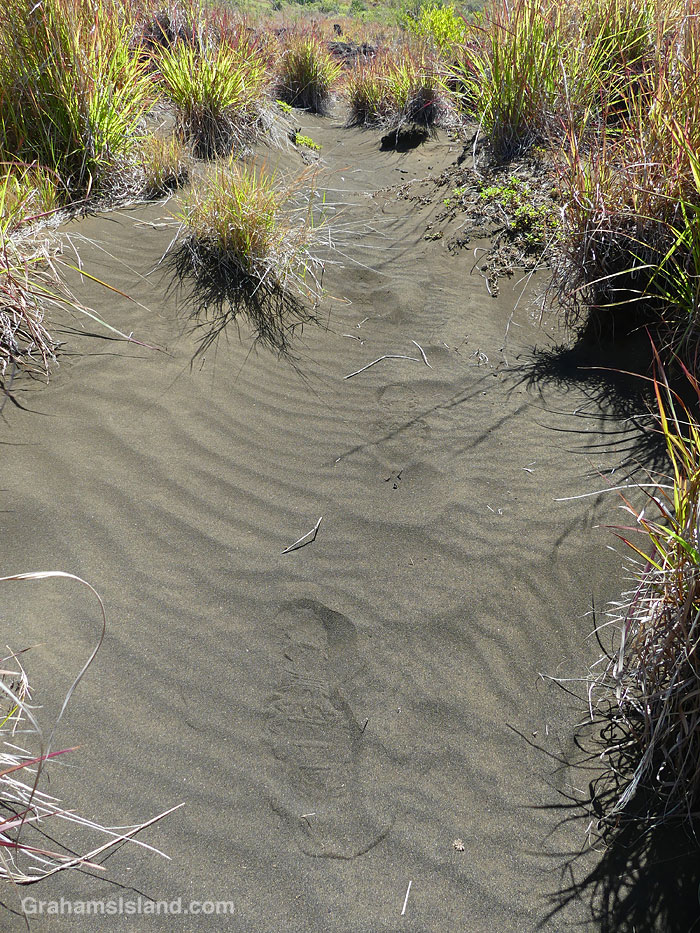
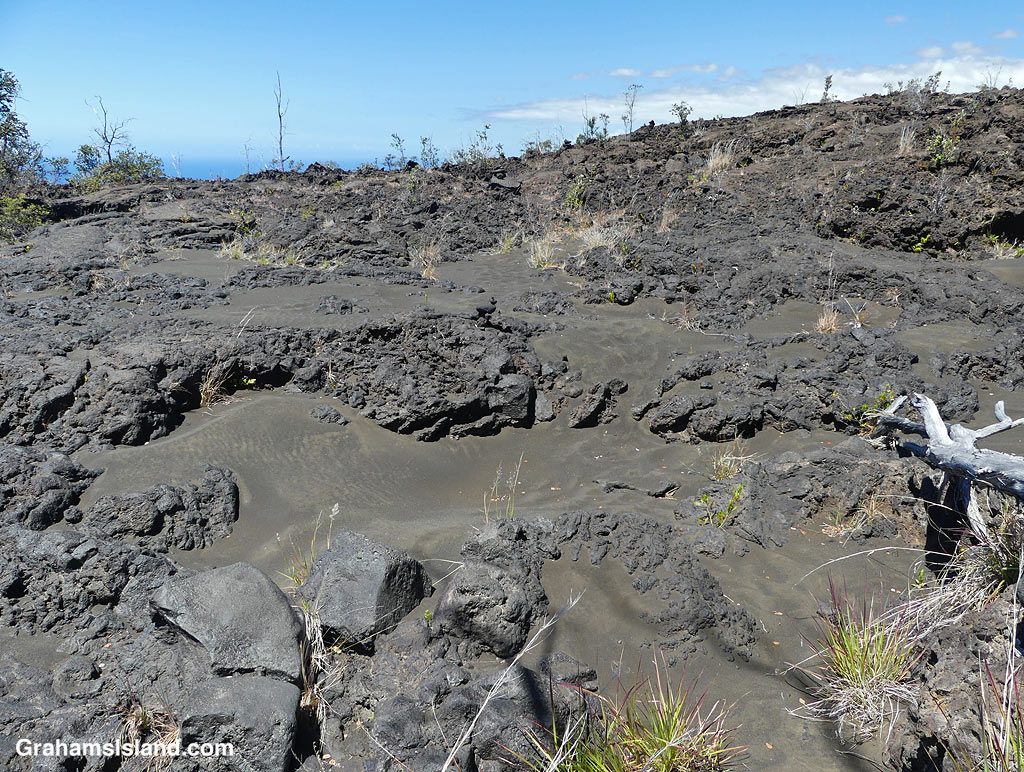
All the backcountry trails I’ve hiked in the park have featured something particularly unusual and interesting. On this hike, I was amazed by the substantial areas of sand on the trail or alongside it. This certainly didn’t get there from the beach, since the elevation is around 2,000 feet. My assumption is that it’s just volcanic rock broken down by rainfall, but just not washed down to the coast. Some of the sand was grassed over and it was like walking through dunes on the coast!
Sand on the Ka’u Desert Trail.Footprints in the sand on the Ka’u Desert Trail.Tracks in the sand on the Ka’u Desert Trail.Sand on the Ka’u Desert Trail.Sand in the lava on the Ka’u Desert Trail.
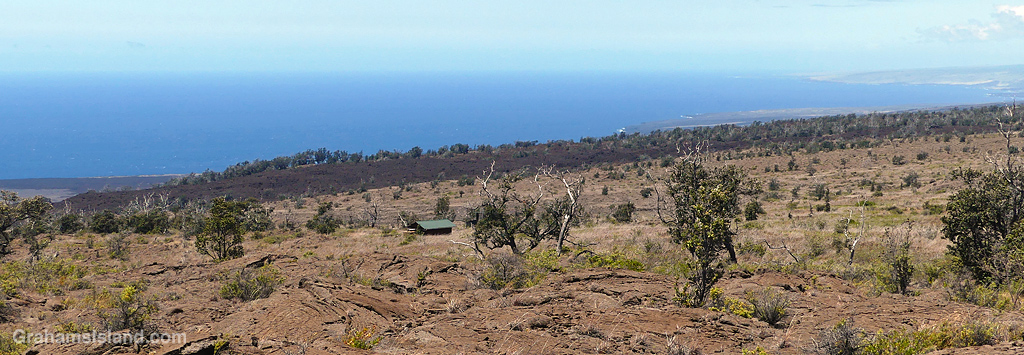
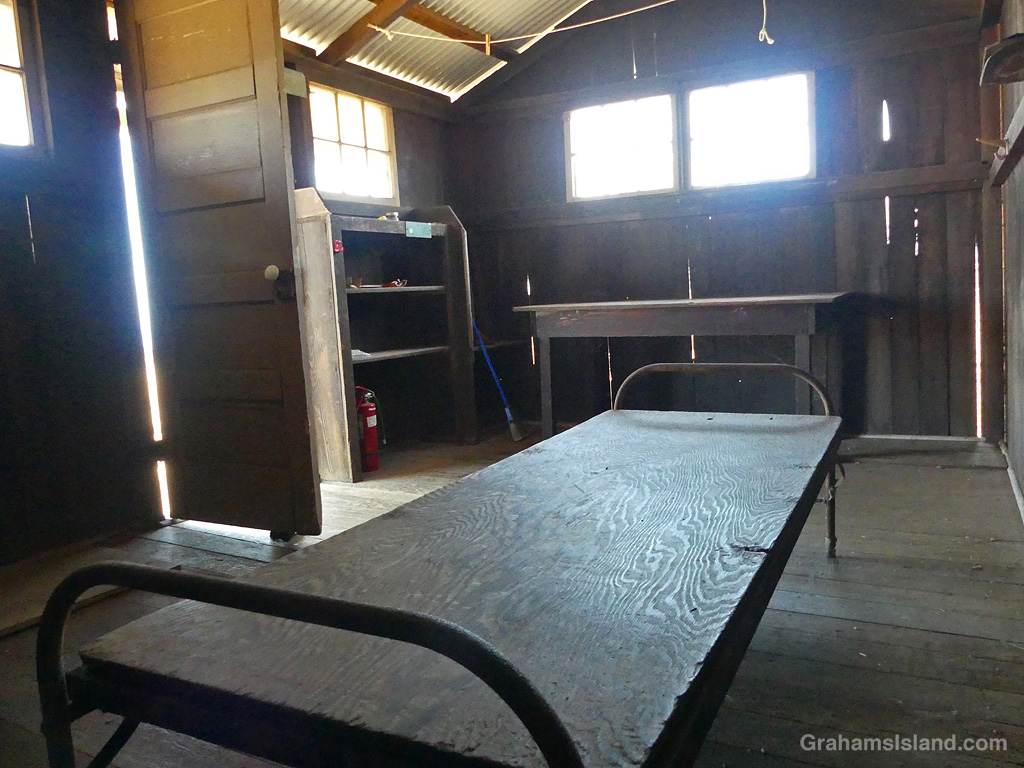
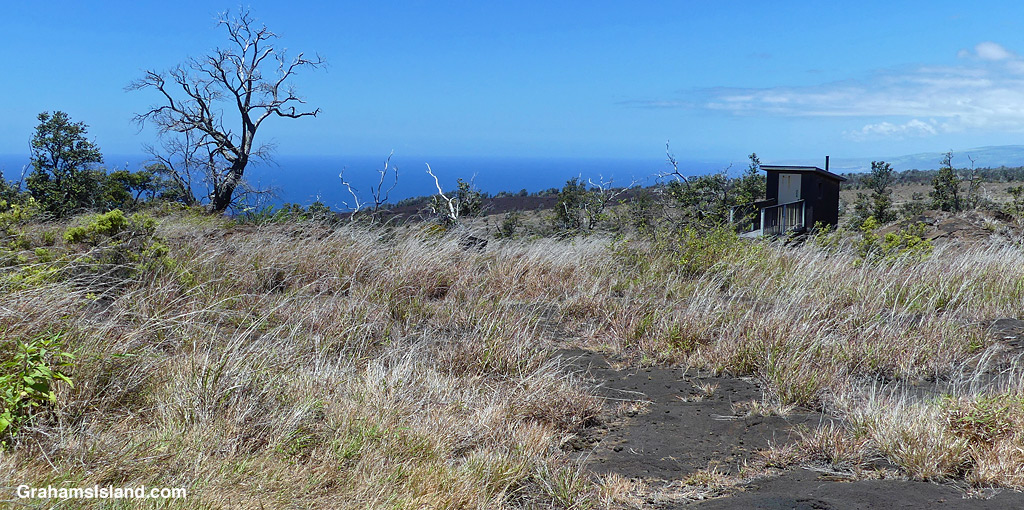
Eventually, I reached Pepeiao Cabin. There are several of these backcountry cabins in the park, and they require a permit to stay at them. This one was typically rustic, with a catchment water tank that may or may not contain water, depending on the weather and use. There’s also an outhouse with a splendid view. Inside, the cabin was basic, but the kind of place I’d be happy to stay in if it was raining outside.
Pepeiao Cabin on the Ka’u Desert Trail.Pepeiao Cabin on the Ka’u Desert Trail.The interior of Pepeiao Cabin on the Ka’u Desert Trail.The outhouse by Pepeiao Cabin on the Ka’u Desert Trail.
After I got back, I saw that the park website says “Pepeiao is in the southwestern reaches of Hawaiʻi Volcanoes National Park backcountry. The cabin is no longer safe for use and visitors should plan on tent camping.” I was a bit surprised because I’ve certainly stayed in plenty of less salubrious accommodations in my day!
Also posted for Jo’s Monday Walk. See more responses here.
Next door the Mauna Kea Visitor Center is an enclosed area where Mauna Kea Silverswords (Argyroxiphium sandwicense subsp. sandwicense) grow. These silverswords are closely related to species found on Mauna Loa and Haleakala on Maui. All silverswords are at risk of extinction. The reasons are the usual suspects: humans, feral sheep and goats, climate change. They also suffer from a lack of genetic diversity. The current burgeoning population of more than 8,000 has been produced from only six wild plants.
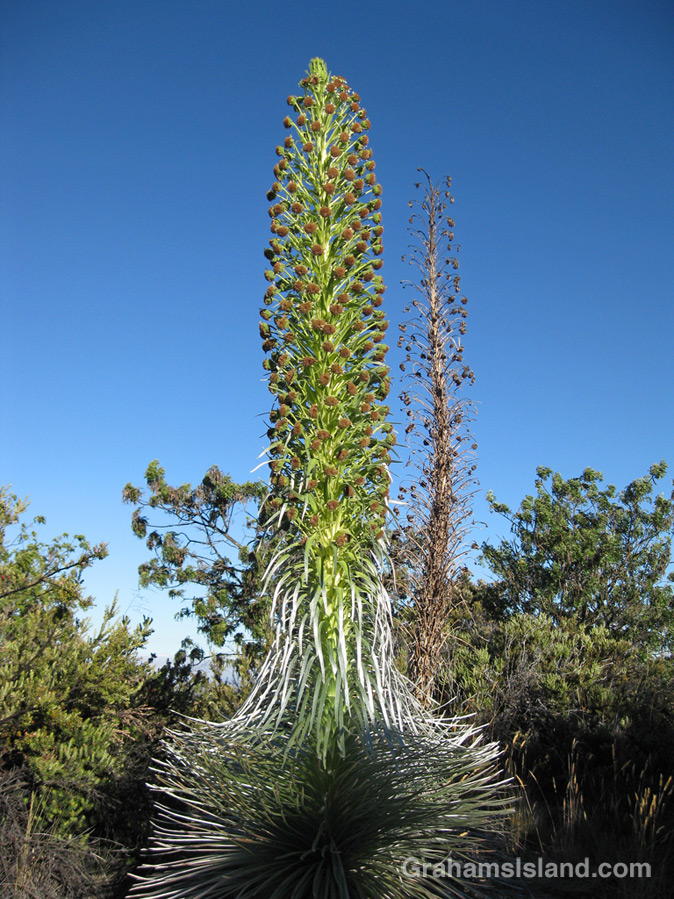
Silverswords can grow for 30 years or more, but once they bloom, they die. I haven’t seen a Mauna Kea Silversword blooming, but I was lucky enough to see Mauna Loa Silverswords blooming not long after I moved to the island (here). The second photo shows one of those plants in bloom. It was over six feet tall!
Posted for Becky’s Squares: Move Forward, Reconstruct, Renew, and/or are Burgeoning. See more responses here.
A Giant African Land Snail moves forward with purpose, if not speed.
The idea of The Numbers Game is to enter a number into the search bar of your computer and then post a selection of the photos that turn up. This week’s number is 144. Captions are on the photos. You can see more responses here.
Also posted for Becky’s Squares: Move Forward, Reconstruct, Renew, and/or are Burgeoning. See more responses here.
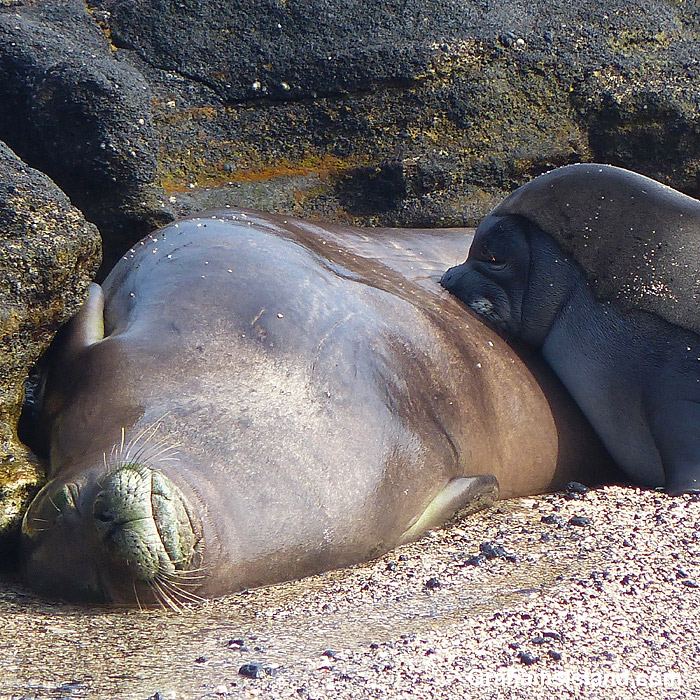
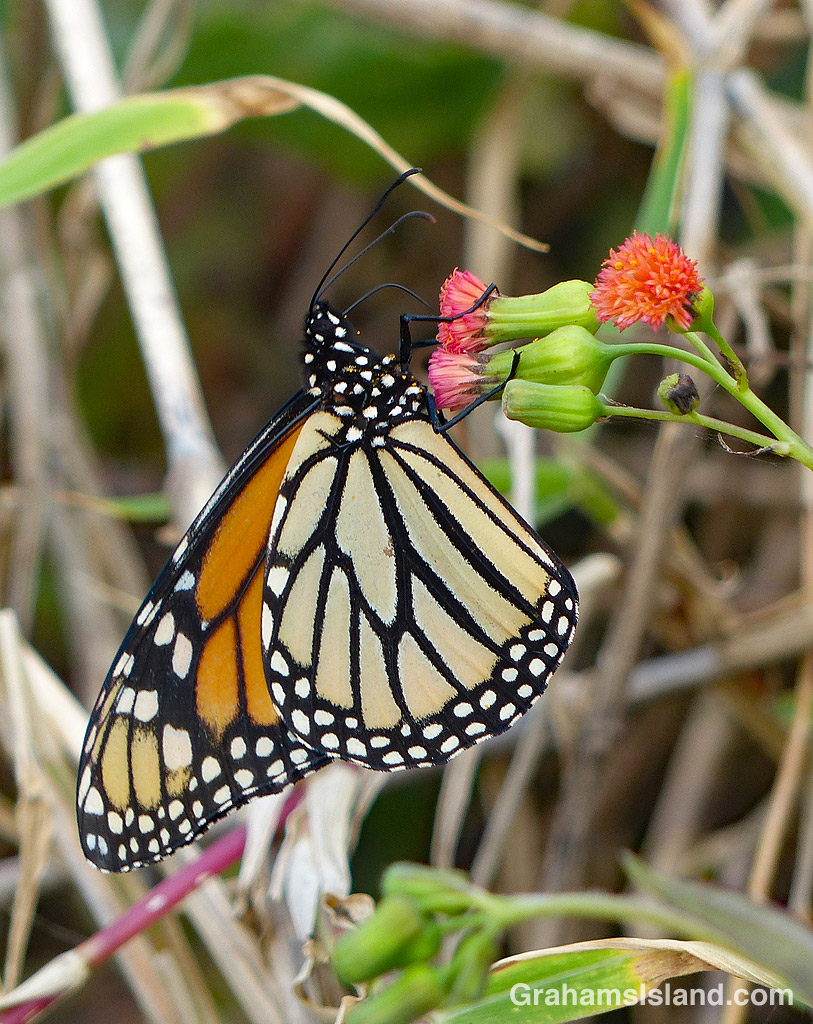
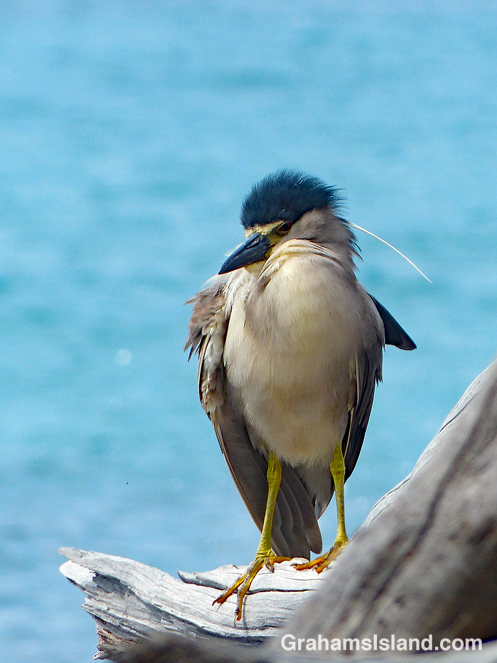
A monk seal and her pup at feeding time.A Japan Airlines plane taxis before takeoff at Kona Airport.A couple of spear fishermen exit the water, with their catch, in North Kohala.A Monarch Butterfly on a Tasselflower.A Black-crowned Night Heron having a bad hair day.A Lesser Grass Blue Butterfly opens its wings.
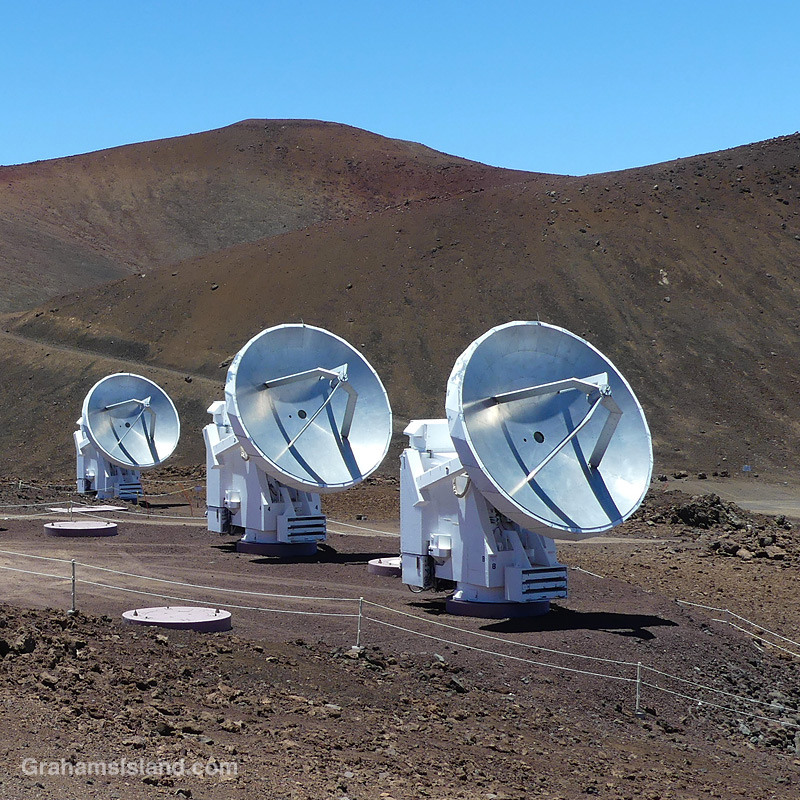
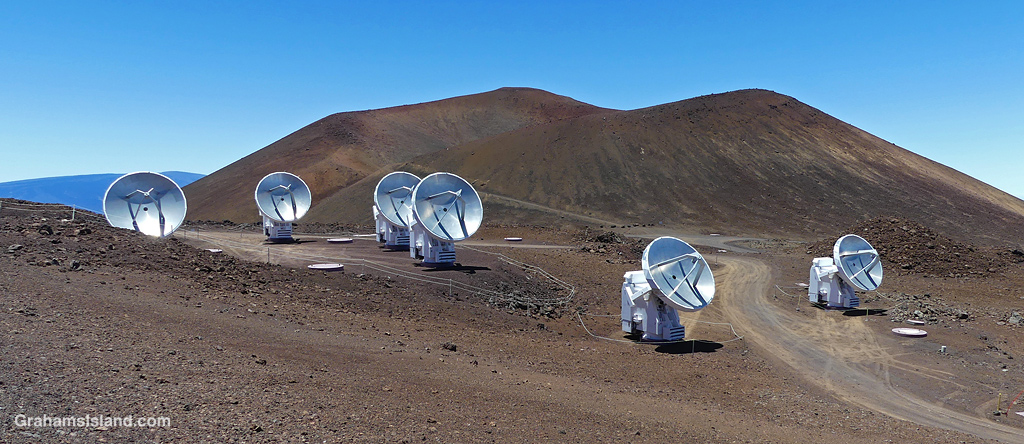
According to their website (here), the Smithsonian Submillimeter Array (SMA) on Mauna Kea “is a type of multiple-antenna observatory known as an interferometer, in this case consisting of eight radio dishes, each 6 meters in diameter. The eight antennas observe the same astronomical object simultaneously. Combining the light measured by all the dishes produces an interference pattern, which results in a sharper image than could be made by any of the individual antennas. For that reason, the eight-antenna interferometer behaves like a single telescope as much as 500 meters (one-third of a mile) across.”
These dishes sit on little concrete pads, which can also be seen in these photos. If a change in the dish configuration is needed, they can be moved from one pad to another. What I’ve always liked about this is that some of these pads are only a few feet apart. I like to imagine conversations along the lines of: “We need more data from the Invisible Particle Cluster. Let’s move Dish Three over there.” “You mean, to that pad six feet away. Why didn’t I think of that?”
Of course, there are probably good scientific reasons for moving the dishes around like chess pieces. However, in chess one only has to lean forward, lift an itty-bitty piece of wood, and plunk it on a new square, while giving your opponent a knowing smirk. These dishes are big and heavy. Even Arnold Schwarzenegger, in his heyday, would have trouble moving one without the assistance of special effects.
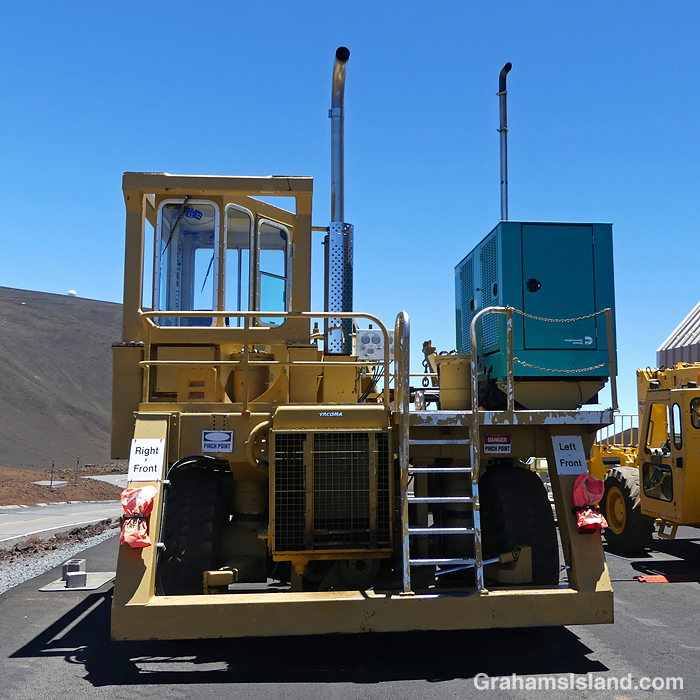
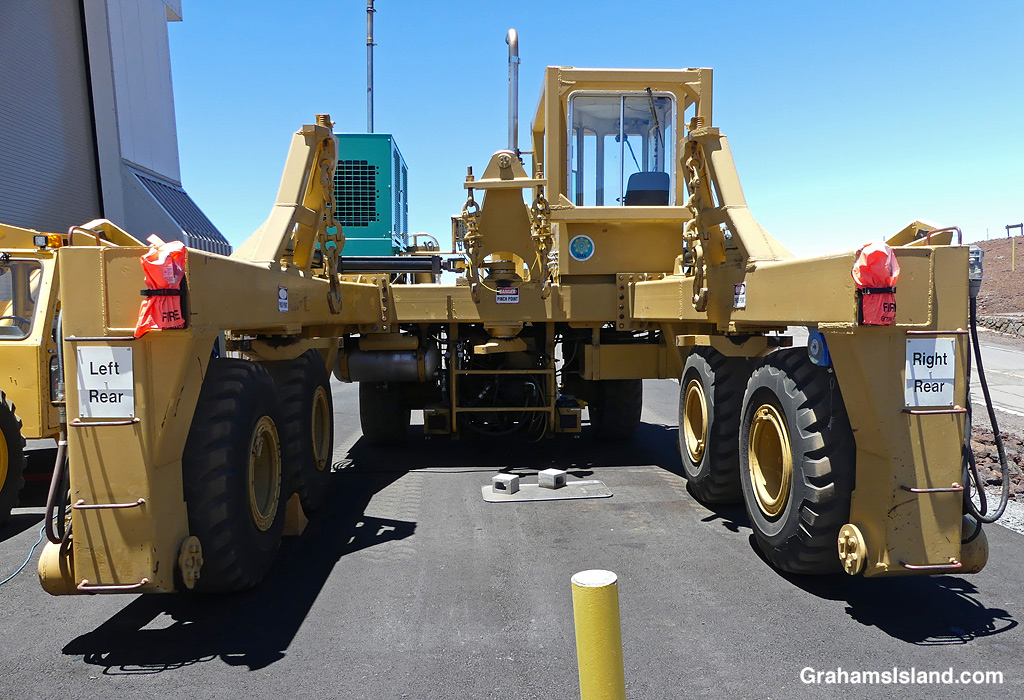
That’s why they have the vehicle below. I suspect this is not something purchased at the local used car dealership. I suspect it costs a good deal more than the combined value of all the vehicles at the local used car dealership.
It’s something of an out-of-this-world design, which is entirely appropriate. There are two things I really like about this vehicle. One is that the scientific minds have thought it prudent to label the front and back, left and right of it. This way, everyone knows whether the vehicle is moving forwards, backwards, or sideways. The other is that they have also recognized that for safe, efficient operation, it’s important to have, in the cab, a pair of fuzzy dice.
Posted for Becky’s Squares: Move Forward, Reconstruct, Renew, and/or are Burgeoning. See more responses here.














 Graham's Island