
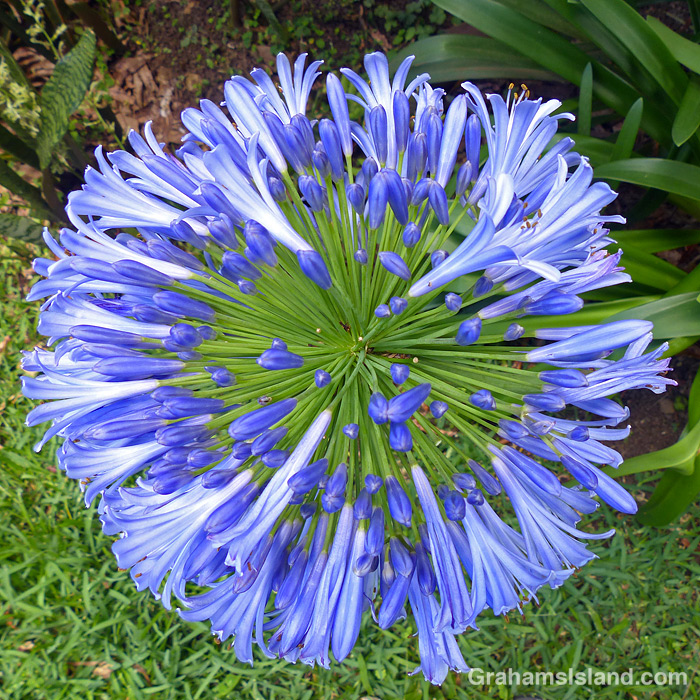
This agapanthus has bloomed for the first time, with a fine array of showy blue flowers. Not only do they look good, but the bees like them, too.


This agapanthus has bloomed for the first time, with a fine array of showy blue flowers. Not only do they look good, but the bees like them, too.
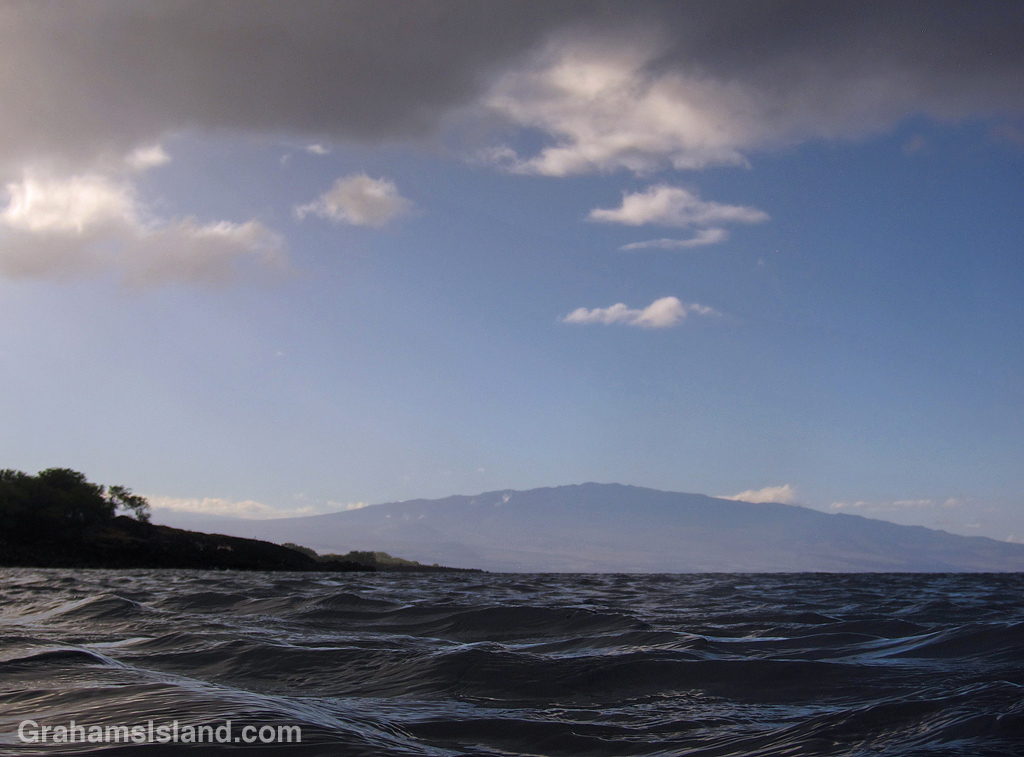
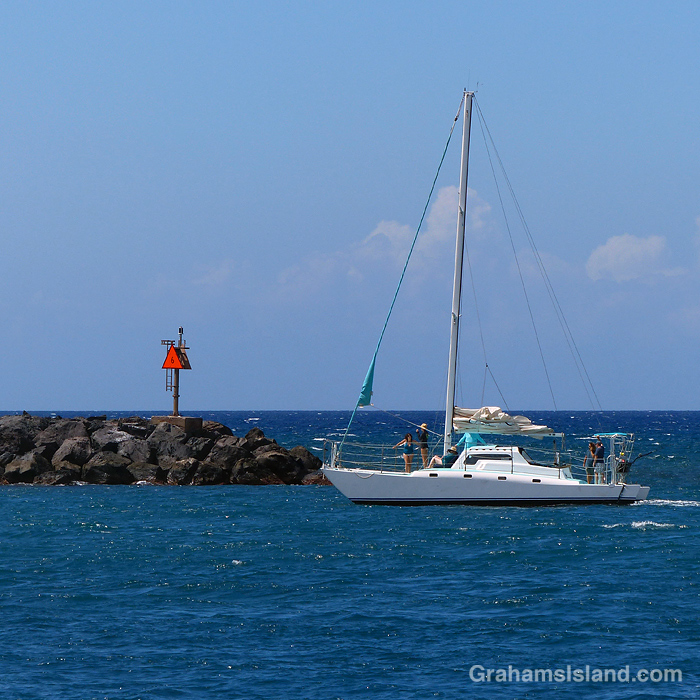
This week’s Sunday Stills challenge theme is ‘Great Outdoors.’ See more responses here.
In Hawaii, people spend a great deal of time outdoors. It’s common for people to have an outdoor kitchen, sometimes their only kitchen, sometimes a second one where a barbecue is the featured cooking apparatus. Carports often feature chairs and tables with cars parked elsewhere. The lanai, or deck, is as well-used as any room in the house.
Outdoor activities are popular here, too. Many involve the ocean and its inviting water: swimming, snorkeling, paddling, and of course surfing. Plenty of people go fishing and hunting, longtime sources of food for the table.
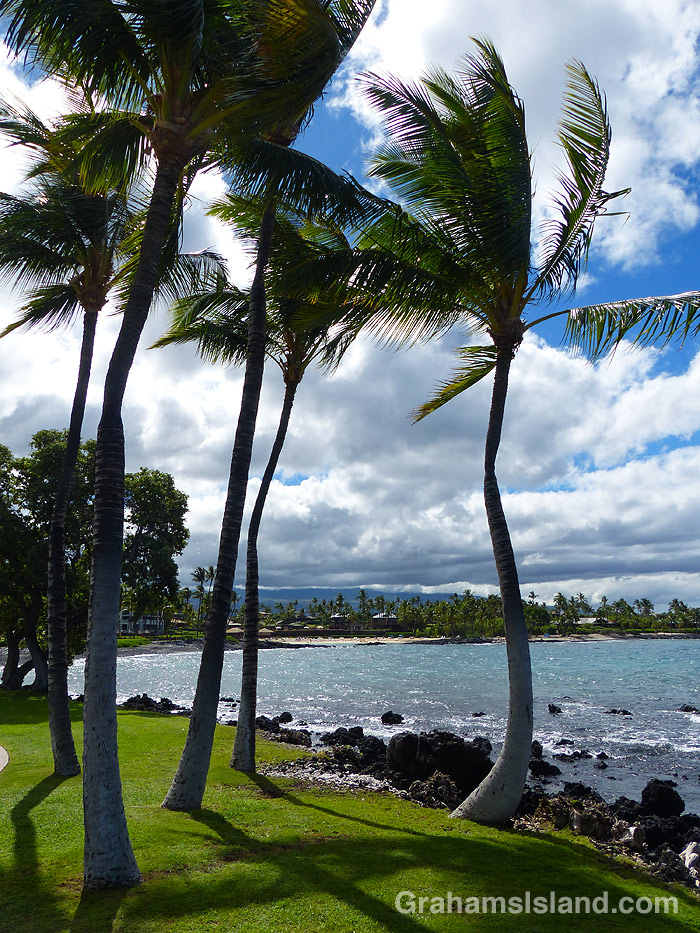
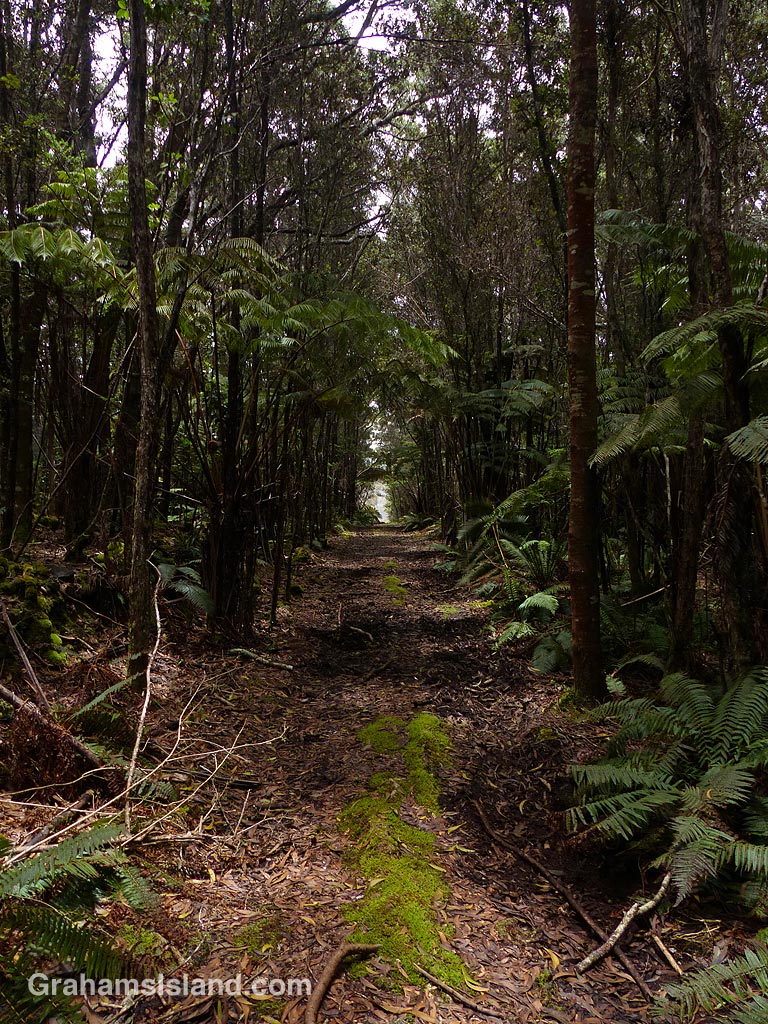
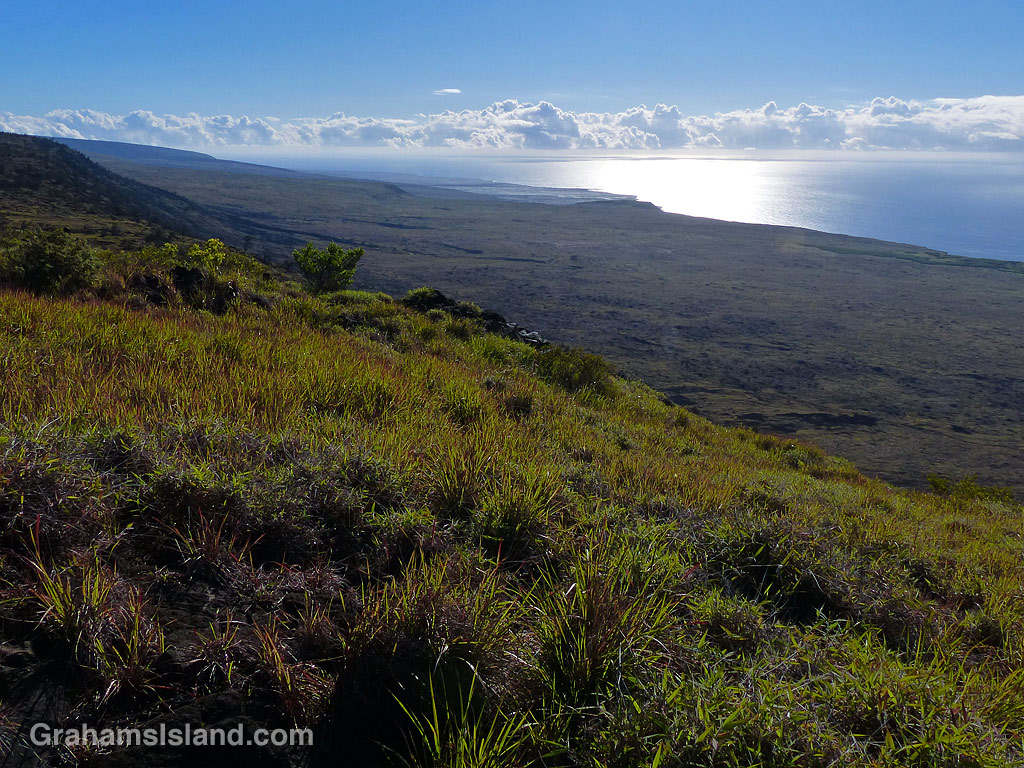
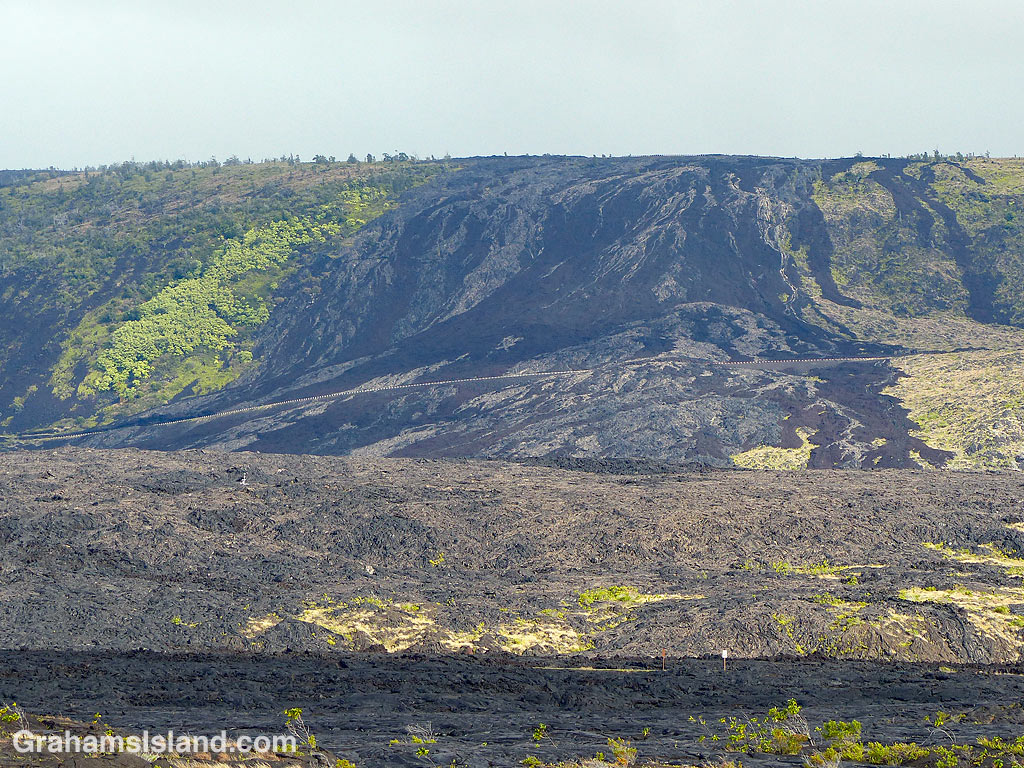
For me, experiencing the great outdoors primarily involves hiking and snorkeling. Hiking isn’t especially popular here, especially along the coast where it can get quite hot. I get strange looks when I hike the length of popular beaches togged out in hiking gear, including shoes, hat, and fanny pack loaded with water. For most, the beach is a place for stretching out and broiling in the sun, not actively working up a sweat.
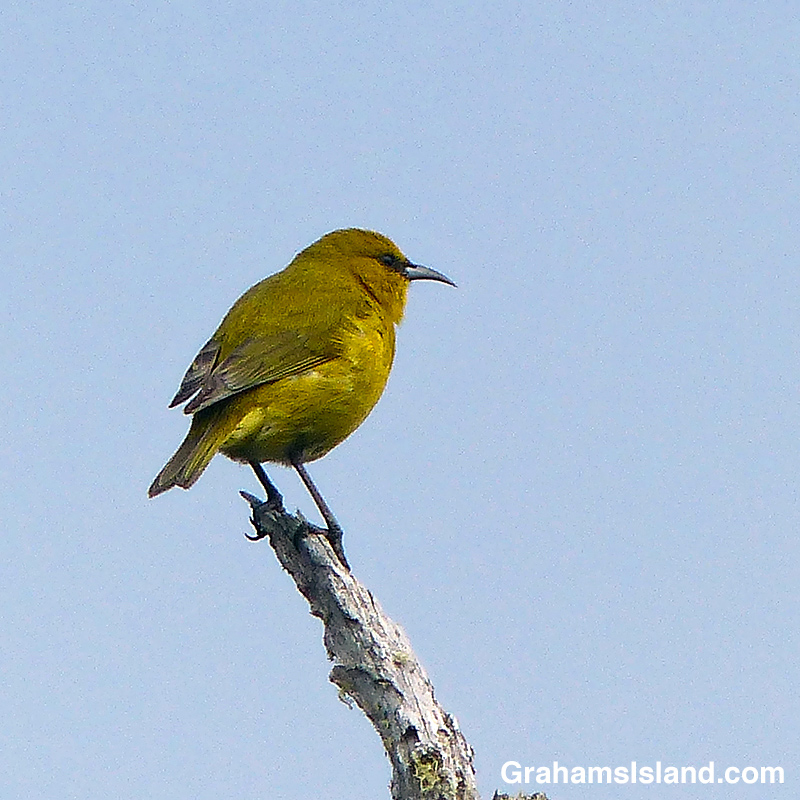
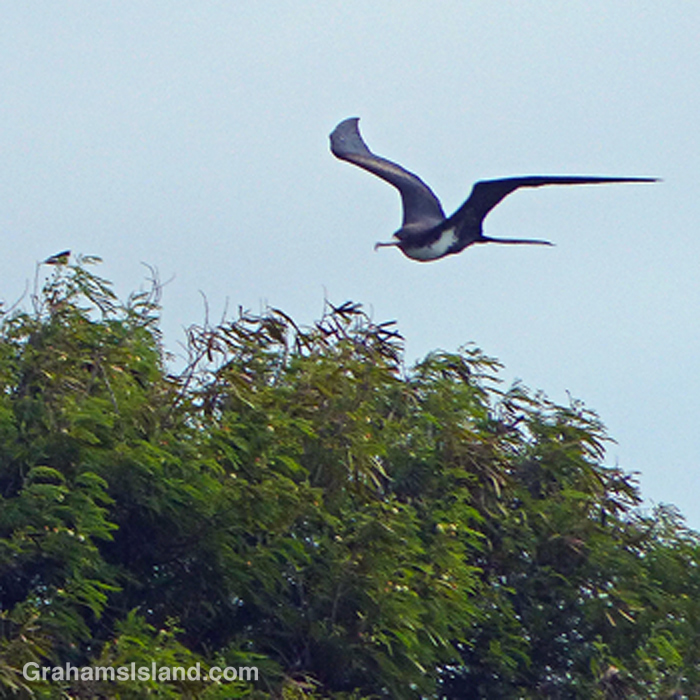
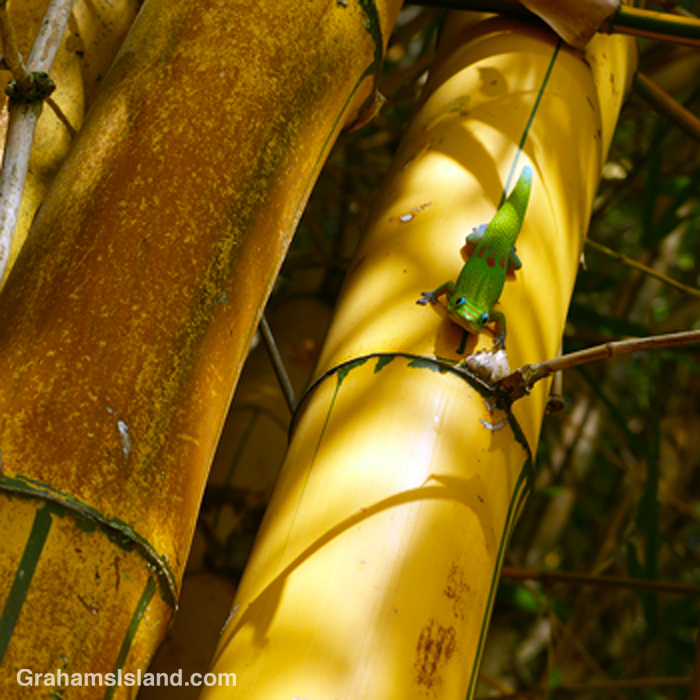
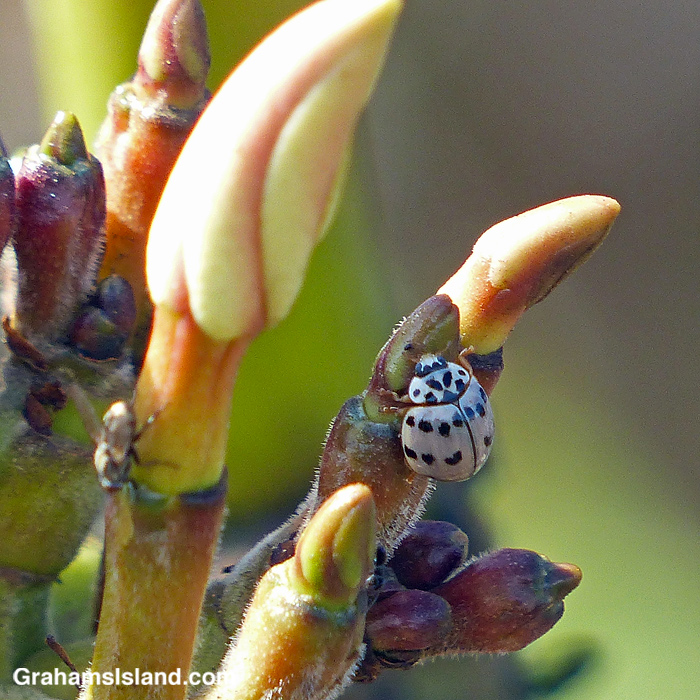
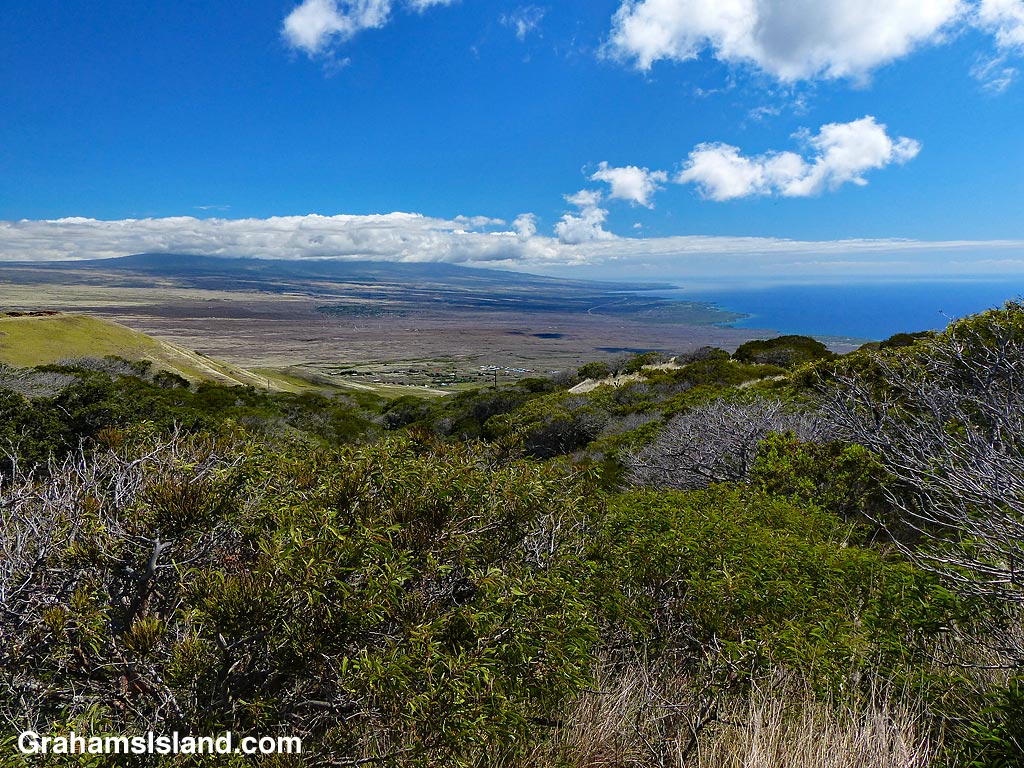
The vast majority of photos on this blog are taken in the great outdoors. These photos are a small selection of things I’ve seen while out and about, from sweeping views to birds and bugs.

I encountered this Gosline’s fang blenny recently while snorkeling. It seemed to be curious about me, swimming in my direction and then turning away. Perhaps it was thinking about taking a bite out of me, because that’s what these fish do. They bear a resemblance to juvenile Hawaiian cleaner wrasses, which clean larger fish. These blennies use this similarity to sneak in and take a bite out of the bigger fish.
And what about the name? These blennies have fangs on their lower jaws that they use to bite the inside of the mouth of any predator that grabs them. It’s usually enough to cause the predator to spit them out.
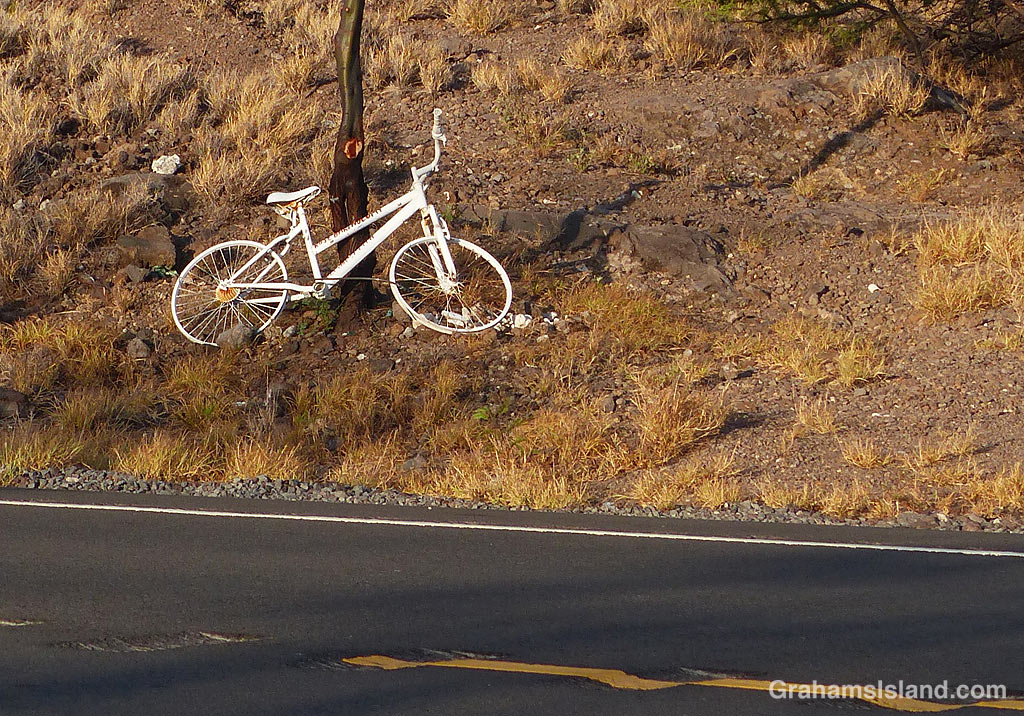
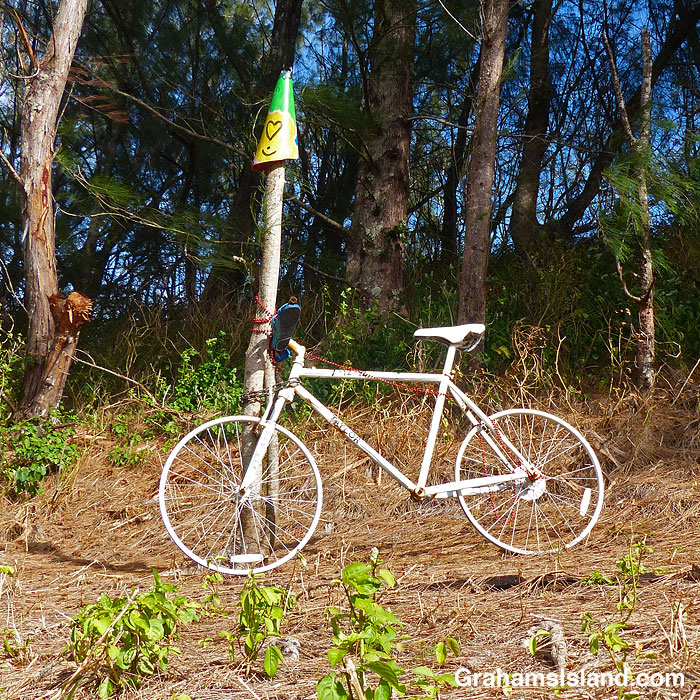
Cycling is a popular activity on the Big Island. The road from Kailua Kona to Hawi is wide with good shoulders, and it’s a favorite with cyclists because it’s the route of the cycling portion of the Ironman race. However, as is the case everywhere, it can be a dangerous activity, sharing the highway with large, fast-moving vehicles.
Ghost bikes serve as memorials for cyclists killed or badly hurt when things go wrong. These are two I see daily on my commute.

A roseate skimmer dragonfly rests on a twig, keeping a watchful eye on the photographer.

The Ala Kahakai Trail, which used to run from the northern tip of the island to the south-eastern tip, can be followed for a good stretch of the South Kohala Coast. The part south of Kohanaiki Beach Park is well marked and signed. That’s not the case in many other places.

The one positive, from a photographic point of view, of the brush fire that occurred on the Hamakua Coast a couple of weeks ago (here) was that it created some colorful skies. Here’s a view of the small boat harbor at Kawaihae taken late that afternoon.
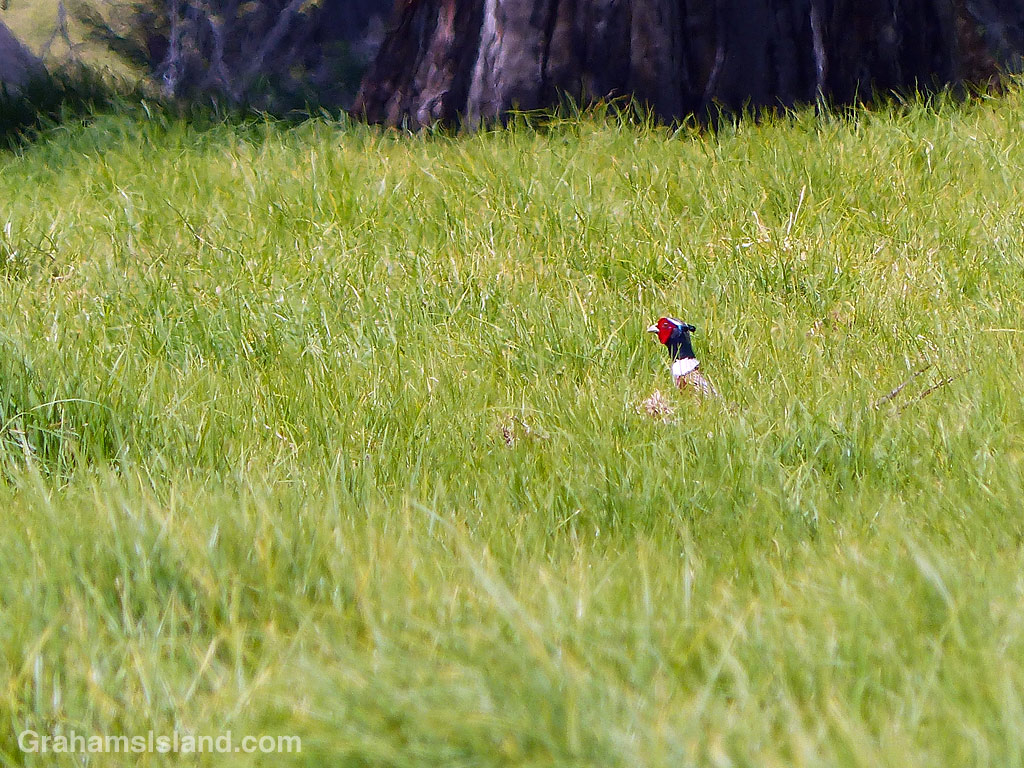
I saw this ring-necked pheasant scurrying through the tall grass off Old Saddle Road. It doesn’t exactly blend in with its surroundings, not a good trait for a game bird.

