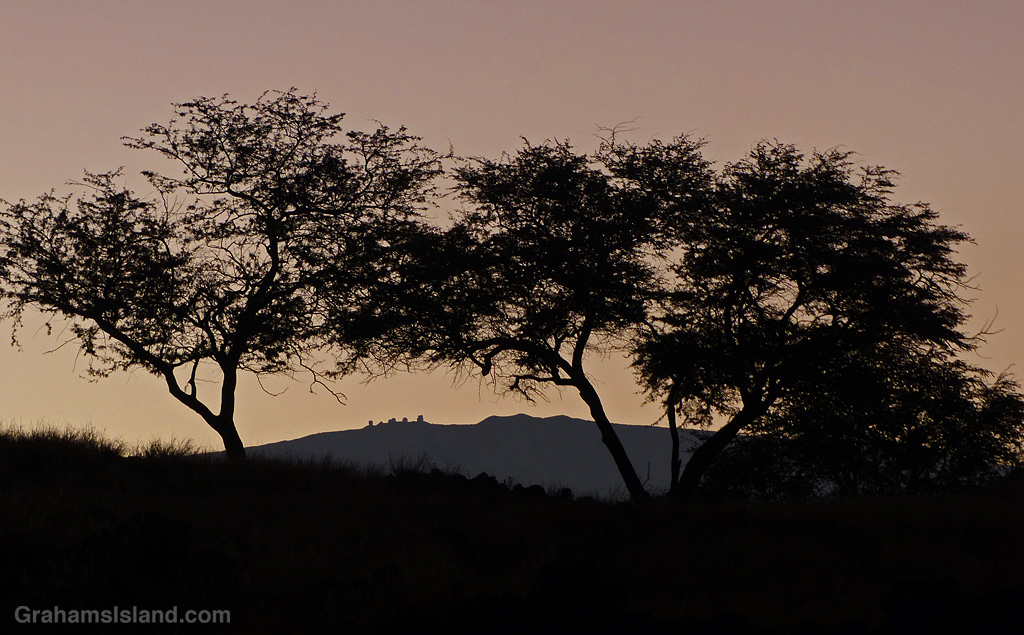
Since the big windstorm of a few weeks ago, I’ve seen a number of Kiawe trees looking like this, on their sides with a disc of roots and dirt exposed. They’ll get cut up and probably used for smoke meat, but it will take a while to clear all of them. This one was below the trail at Pu’ukohola Heiau National Historic Site in Kawaihae.
This week’s Sunday Stills Monthly Color Challenge is ‘White and Pastels.’ See more responses here.
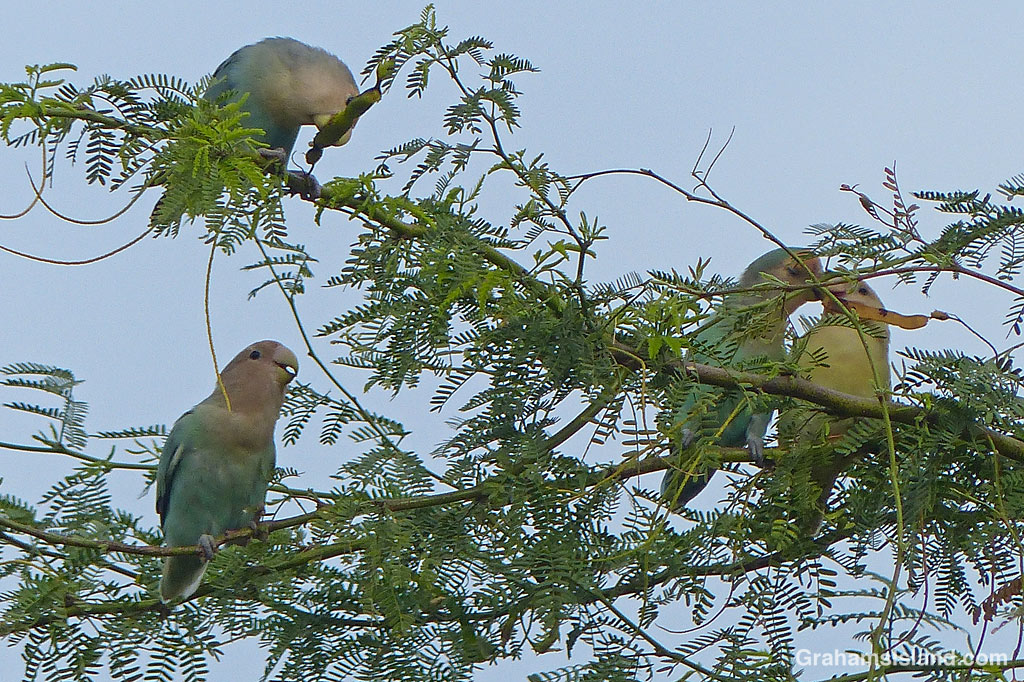
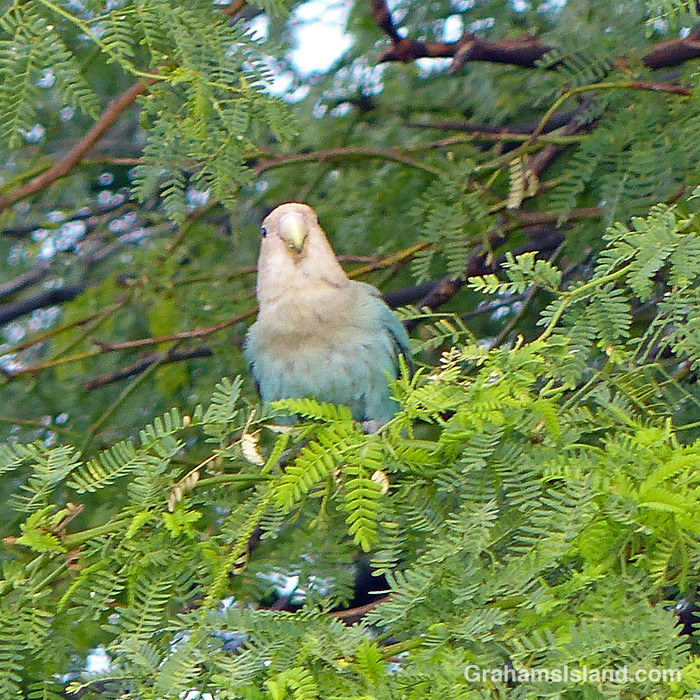
Rosy-faced Lovebirds are also known as Peach-faced Lovebirds and they have a lot of color variations. I have yet to see a rosy face in Hawaii outside of tourists who’ve seen too much sun. Instead, the local birds tend towards pastel shades whether they’re dining or simply hanging out.
Recently, I heard a soft chucking noise up in a Kiawe tree that was certainly not from one of the usual residents in the area. So I grabbed my camera and circled the tree trying to locate the source. It turned out to be this female Kalij Pheasant, a bird I almost always see on the ground.
The pheasant clambered through the branches as I tried to get a clear shot. Eventually, it found a good spot and stayed still, as pheasants do, and I was able to get close enough to snap a couple of photos.
Kalij Pheasaants are native to Southern Asia. They were brought to Hawaii in 1962 as game birds.
This week’s Sunday Stills challenge theme is ‘Summer Bugs.’ (See more responses here.) To the best of my knowledge, Hawaii’s bugs are pretty much the same year-round. Here are some of them.
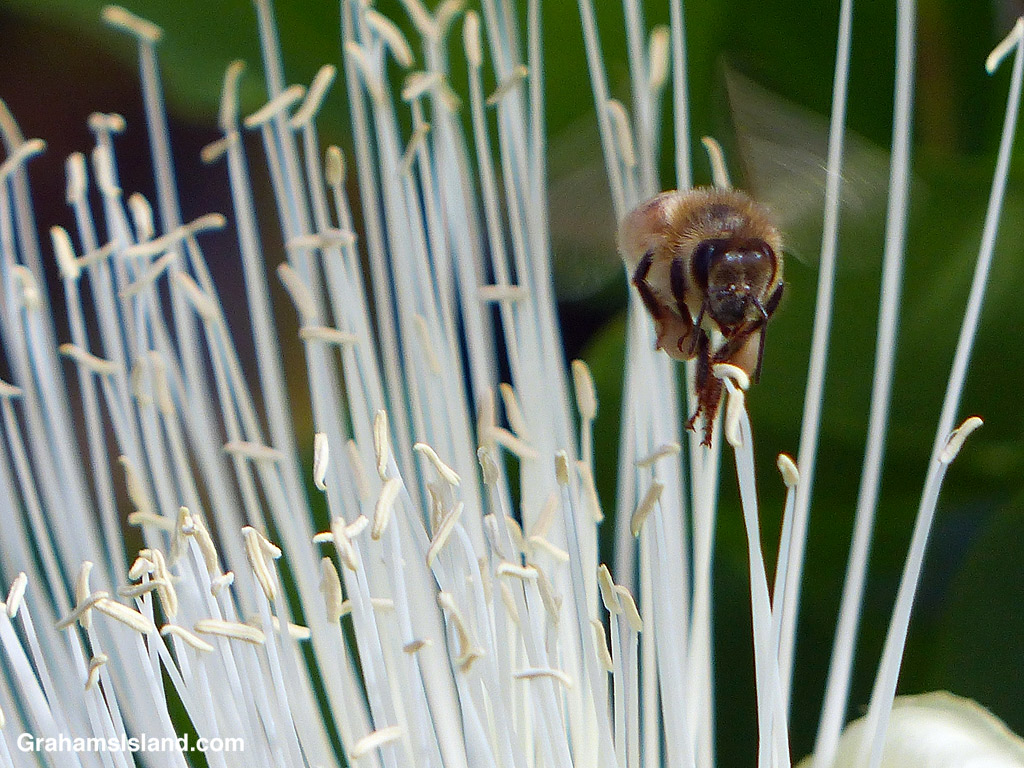
The top photo shows a bee showing impressive balance on a maiapilo flower.
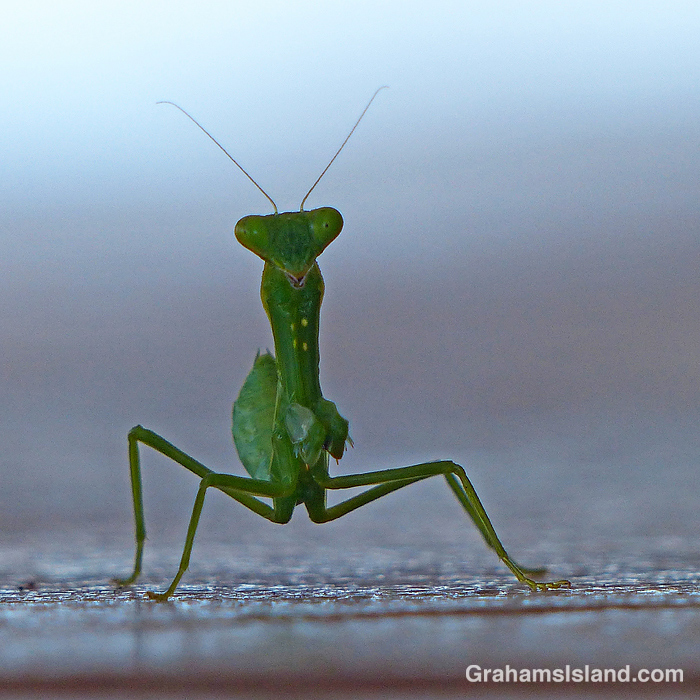
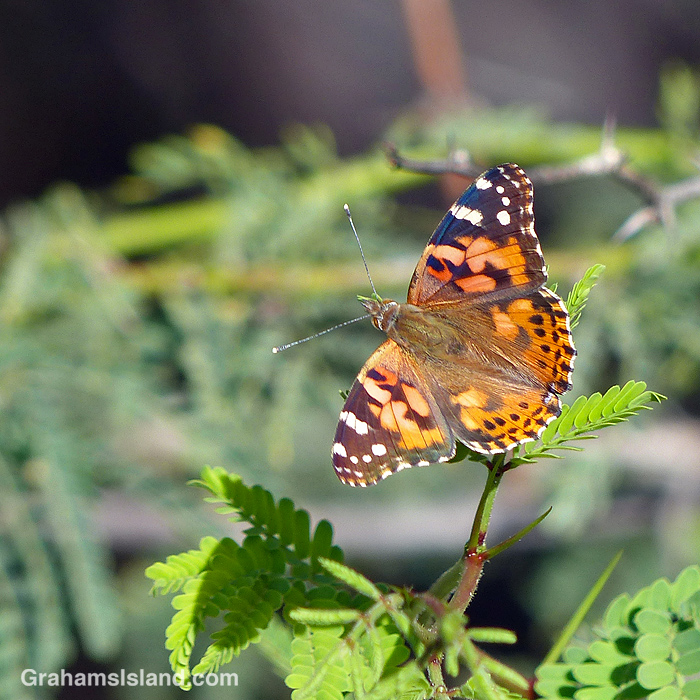
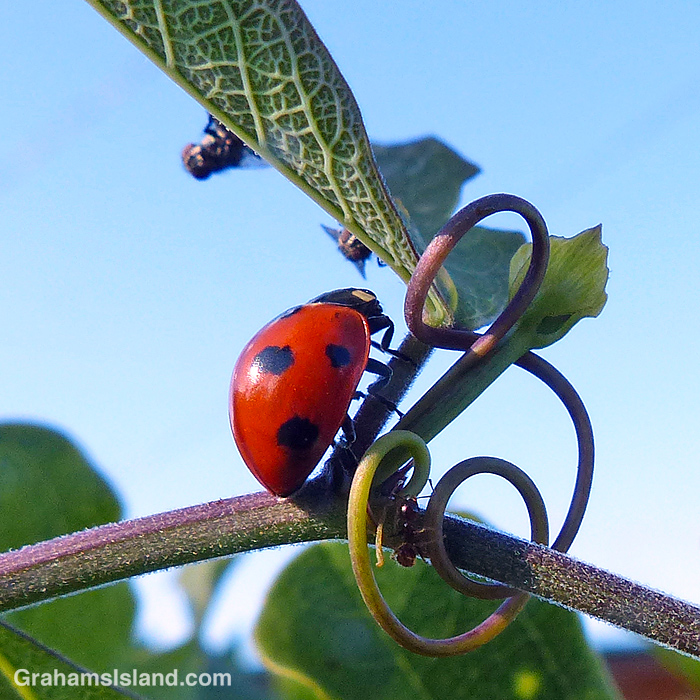
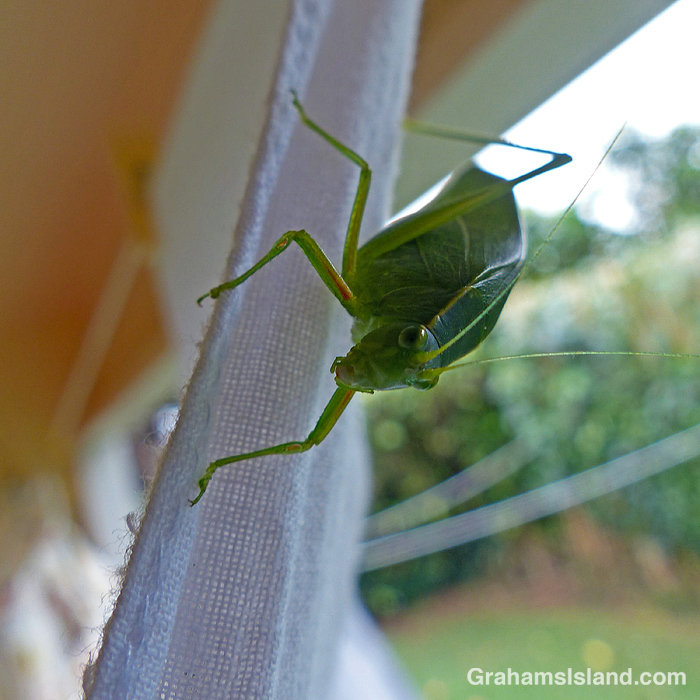
Next up, clockwise from top left: Getting down to eye level with a juvenile praying mantis. A painted lady butterfly on a kiawe tree. A katydid wondering what it’s done to deserve this much attention. A seven-spotted lady beetle being watched.
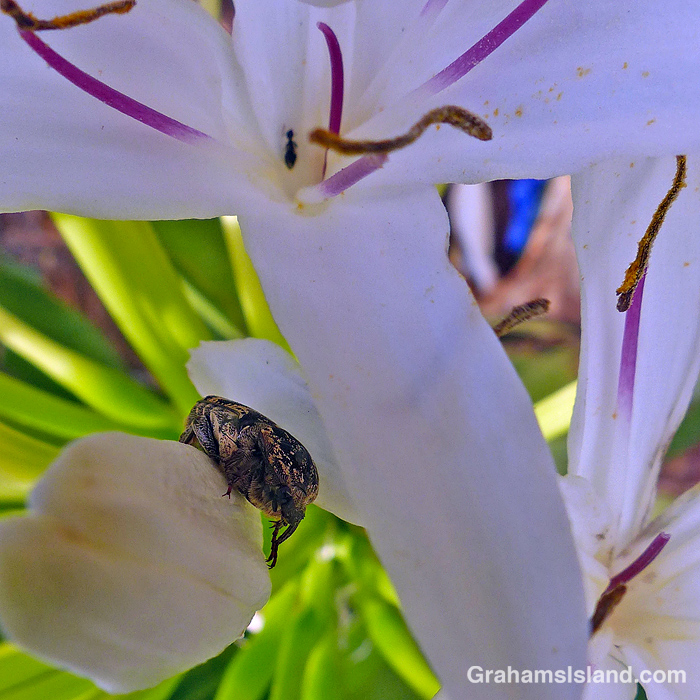
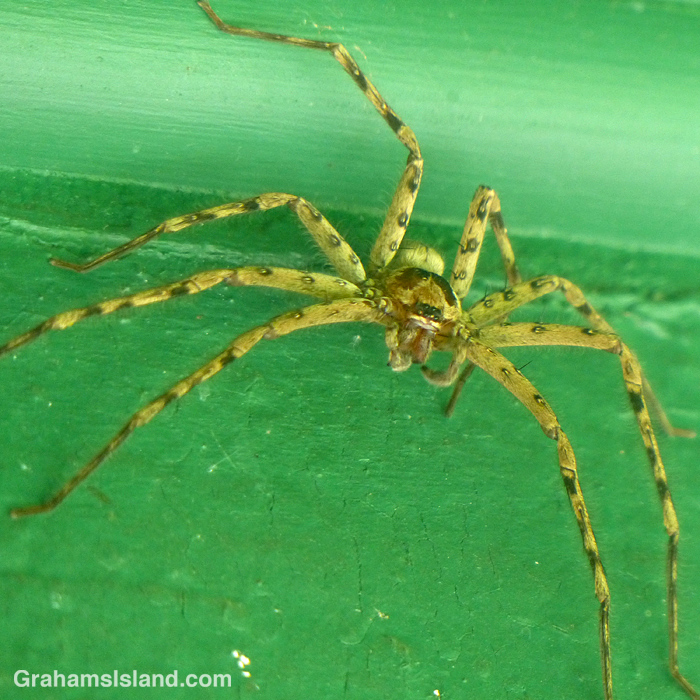
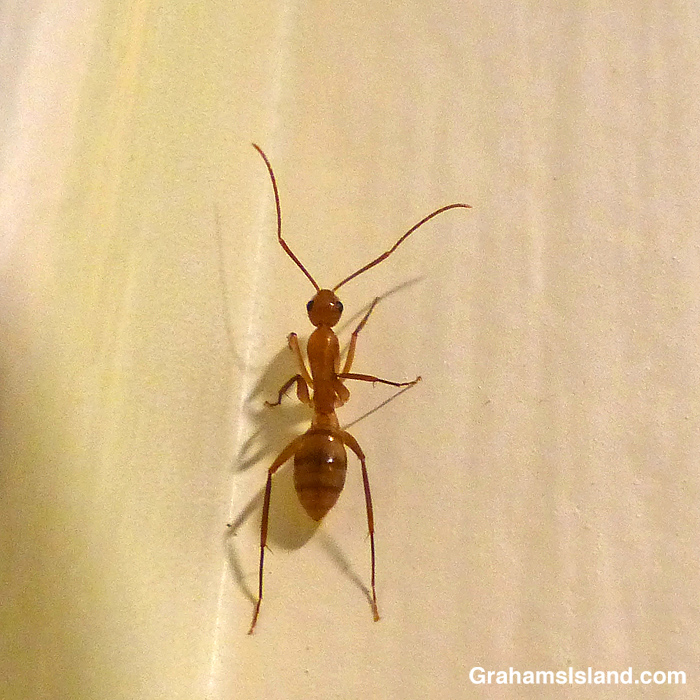
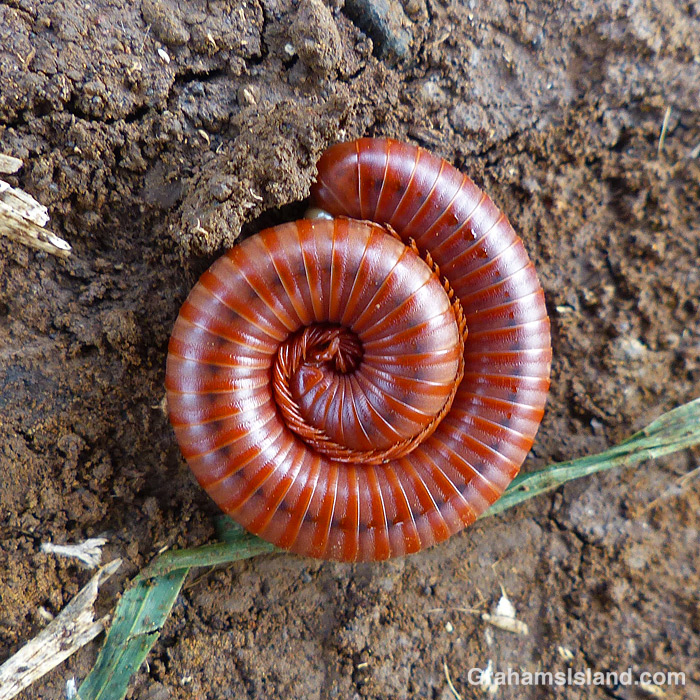
The final gallery: Top left: A mango flower beetle explores a spider lily. Top right: A watchful cane spider wondering if it should run, very fast, away. Bottom left: A Hawaiian carpenter ant (Camponotus variegatus), one of too many that have taken up residence in the house. Bottom right: A rusty millipede deciding that it’s all too much!