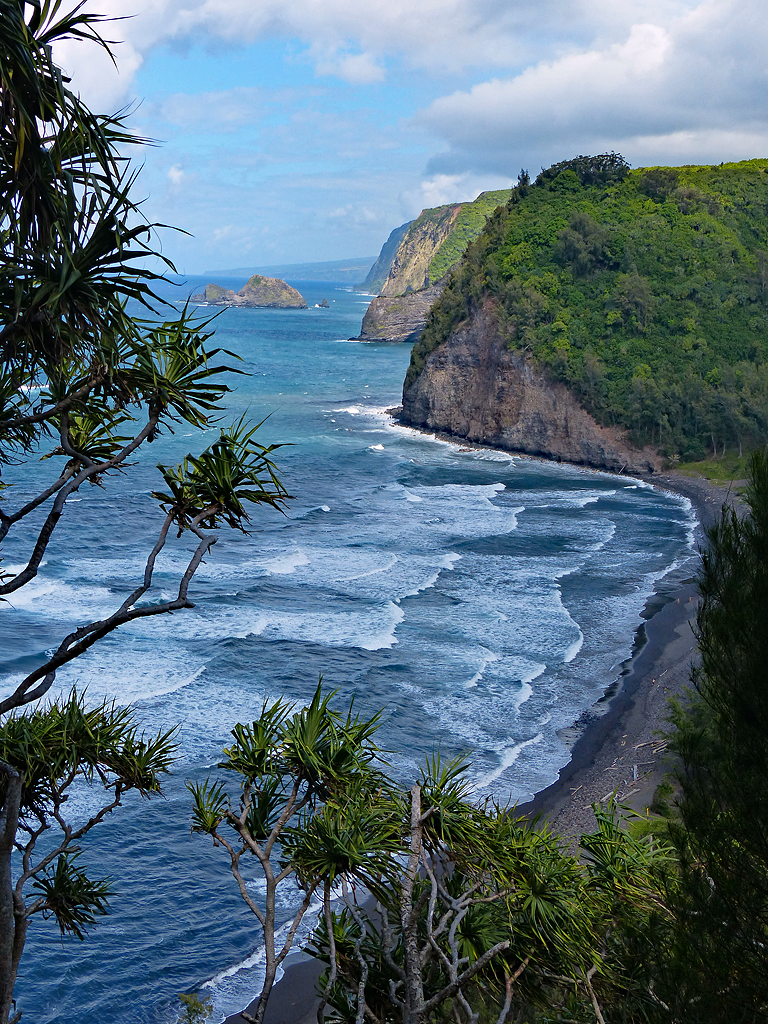
A view of Pololu Beach and the coastline to the east. The islands in the photo are a seabird sanctuary.

A view of Pololu Beach and the coastline to the east. The islands in the photo are a seabird sanctuary.
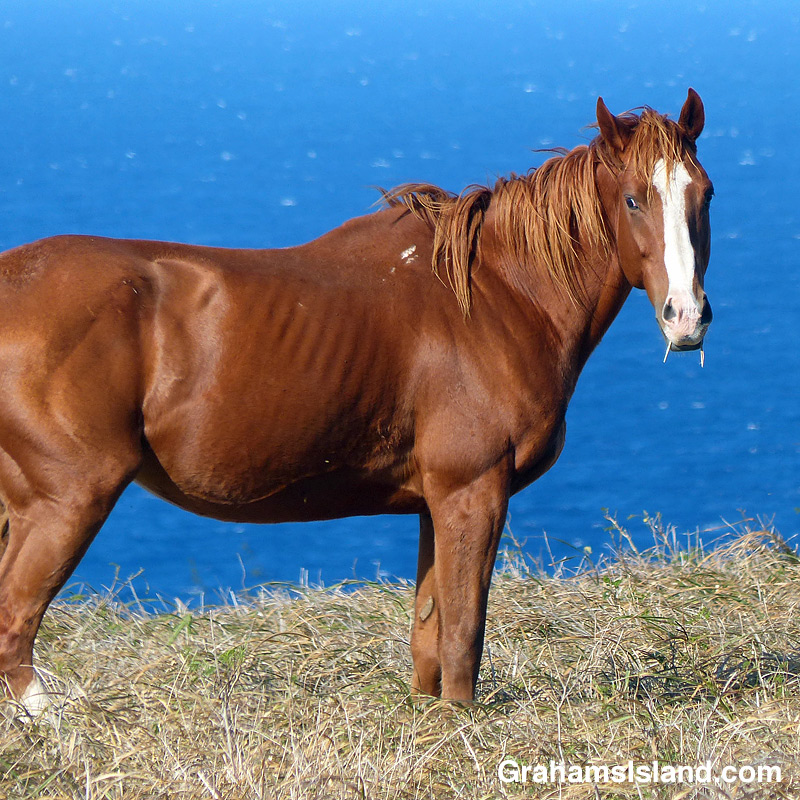
What can I say? I just liked the vampire quality of this photo with its strategically placed bits of grass. I probably should have saved this for Halloween.
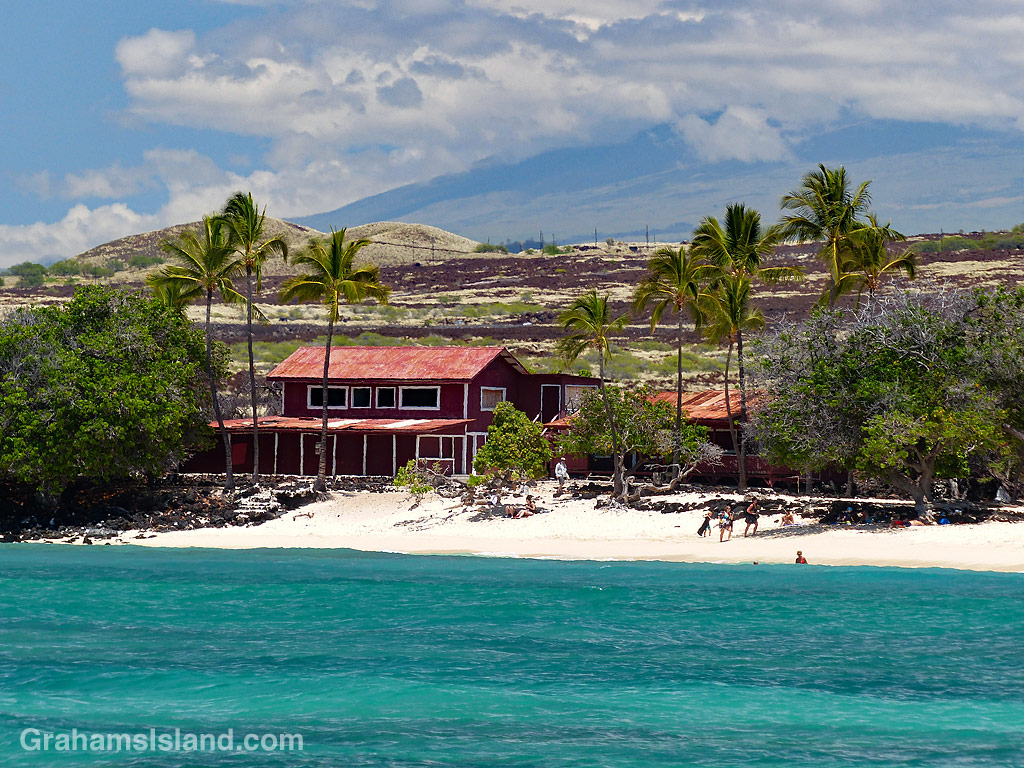
This week’s Sunday Stills challenge theme is ‘Warmth.’ (See more offerings here.) Picture yourself stretched out on this beach. Imagine the sun warming the sand, warming you. Perhaps it’s time for a dip in the clear, turquoise waters. After you emerge, the sun quickly dries you. Time to retreat to the shade of the trees lining the beach, a cool beverage at your side, a book in hand (put that phone away). Repeat as necessary.
This is Mahai’ula Beach, one of the beaches at Kekaha Kai Park. The old house, in the top photo, was built in 1880 by John Kaelemakule, a successful fisherman and businessman. After he died in 1936, the property was sold to the Magoon family who owned the land until 1993. It’s now owned by the state of Hawaii.

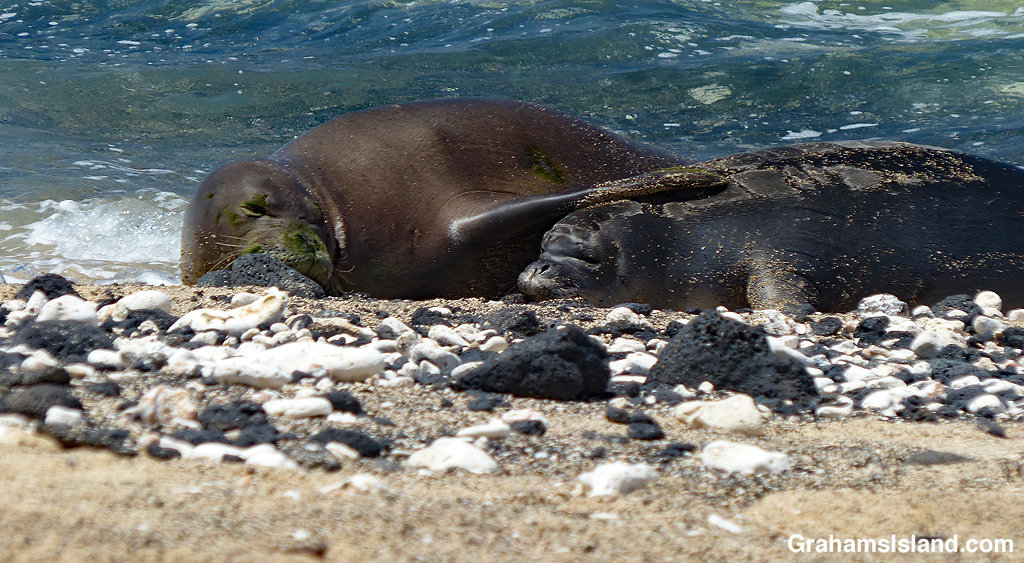
A few weeks back, I posted (here) about a new monk seal pup that had recently been born on the Big Island. I’m happy to report that the mother and pup both continue to do well.
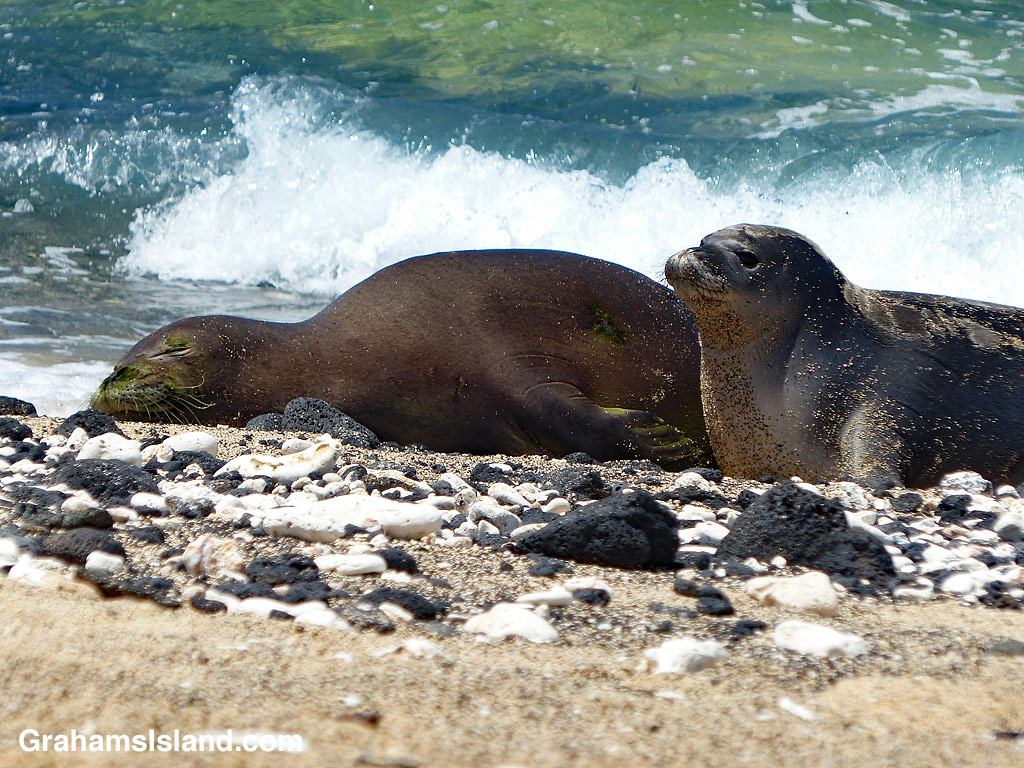
The pup is now about six weeks old and is much closer in size to his mother than he was in the previous post. It’s likely that his mother, RA20, will soon leave him to fend for himself. She has lost a lot of weight and is also looking quite green on her head and flippers, so she will head out to feed and then to molt.
The pup’s sister, Manu’iwa, has been a regular visitor to the area, but the mother is very protective and drives her away. Once the mother leaves, it’s likely that the two siblings will spend some time together in the area. Eventually, the new pup will head out on his own and make his own way.
Manu’iwa has had a very good first year, which is often a very testing time for a new monk seal. Hopefully, the new pup will be equally successful and be another step toward boosting the endangered monk seal population to more sustainable levels.
I’m posting this in response to this week’s Friendly Friday challenge on the theme of ‘Posing.’ (More responses here.) The top photo in particular could easily have the caption, ‘That’s my boy.’

Some of the beaches in Kekaha Kai park. The most popular is Makalawena, which requires a bit of a hike but offers several stretches of sparsely populated golden sand. The swimming is decent at many of these beaches unless there’s onshore swell. The biggest drawback to them is that the road in is very rough and directly overhead is the flight path approaching the airport.


Last February, I posted about a new monk seal pup being born on the island (here and here). I’m happy to report that the pup, Manu’iwa, continues to do well. Now, her mother, RA20, has returned to the same site and given birth to a new pup.
The new pup is just over two weeks old and so far the signs are good. The pup is nursing well and the mother is being very careful around it. When Manu’iwa showed up to see her new sibling, the day after it was born, RA20 quickly put a stop to the meeting. Monk seal mothers are very protective of their pups.
Mother and pup will likely spend about six weeks in the area before RA20 leaves the pup to fend for itself. During that time, she will lose weight while the pup gains and they will be a lot closer in size than they area currently.
These photos were taken in the early afternoon when the pair were resting and not much was going on. Morning is the best time to see them being active.

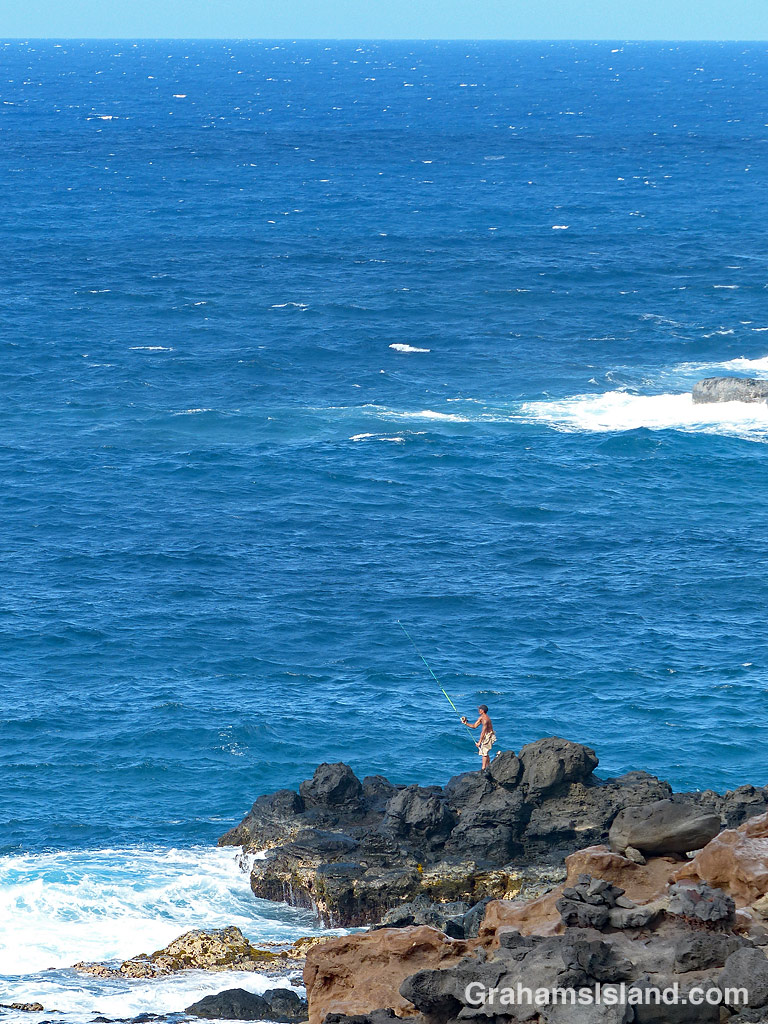
A lone fisherman tries his luck in the coastal waters off North Kohala.

A small Asian mongoose suns itself on rocks along the shoreline. The mongoose can be found in most places on the island with the exception of the higher elevations.
 Graham's Island