Category Archives: Activities

A good walk spoiled

The signature third hole at Mauna Kea Golf Course

There’s an old saying that golf is a good walk spoiled. It’s often attributed to Mark Twain, though that’s probably not accurate. There’s an interesting investigation into the saying’s roots here.

The Mauna Kea Golf Course was designed by Robert Trent Jones Sr. in 1964 and its signature hole is the third. From the championship tee, which is where the top photo was taken, this doesn’t look like a hole that has much to do with walking. Swimming looks a more likely activity.

There’s a little marker in this tee box that shows the hole is 272 yards long, but other tees offer shorter options. Next to the tee box is a plaque noting the illustrious golfers who played at the course’s opening. And the bottom photo shows the green that a golfer would use in the unlikely event that their ball reaches it.

I’ve spoken to a couple of people who’ve hit balls from the championship tee, mostly for the pleasure of being able to say they did so. Both hit their ball into the ocean. I’d probably do the same, though there’s also a good chance my shot from there wouldn’t even reach the water!

Posted for Becky’s Squares theme of “Walking” (See more responses here).

The green at the signature third hole at Mauna Kea Golf Course

Switchbacks

A switchback on the Kilauea Iki Trail in Hawaii Volcanoes National Park

The Kilauea Iki Trail in Hawaii Volcanoes National Park is one of the most popular in the park, but I’ve never found it crowded when I’ve been there. It features two very different environments, the walk around the heavily wooded crater rim and the crossing of the barren lava on the crater floor, about 400 feet below.

Since the trail is a loop, one has to descend the steep crater wall at one end and climb up the equally steep crater wall at the other. At both ends, the trail is heavily switchbacked to make this possible. For the hiker, the positives of this are that the trail is less steep than a straight shot would be, and the switchbacks are good spots to take a break and get a variety of views.

For more information about Hawaii Volcanoes National Park, go to nps.gov/havo/. Posted for Becky’s Squares theme of “Walking” (See more responses here).

A switchback on the Kilauea Iki Trail in Hawaii Volcanoes National Park
The Kilauea Iki Trail in Hawaii Volcanoes National Park
The trail across the crater floor.

A walk from Spencer Beach Park to Hapuna

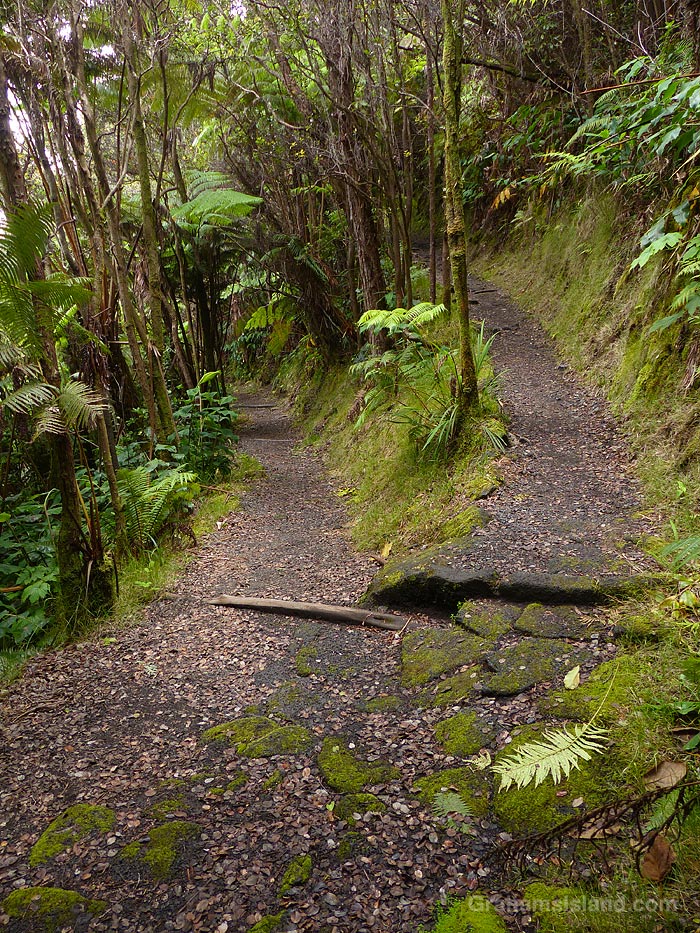
On the Ala Kahakai Trail between Spencer Beach Park and Hapuna
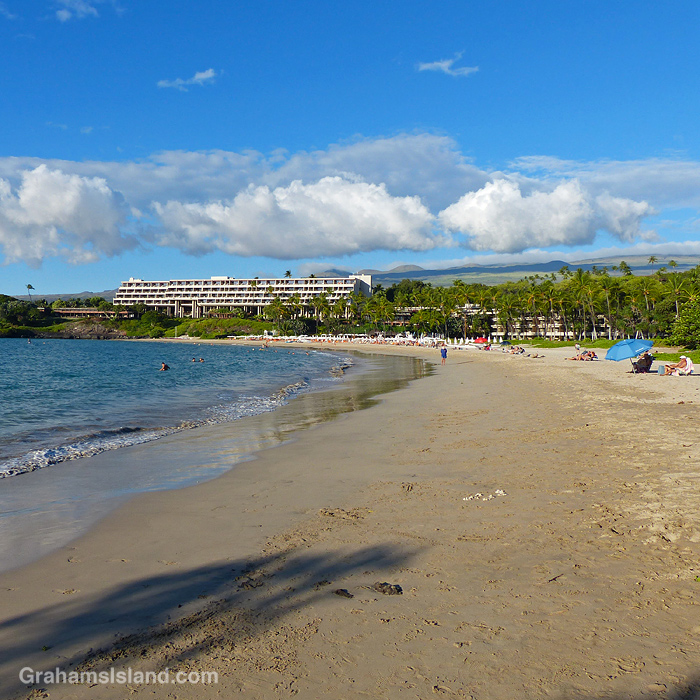
The beach at Mauna Kea Resort.

A few days ago, I posted here an image from a recent walk along the coast to Hapuna beach. I thought I’d post more photos from that walk for this week’s Sunday Stills challenge theme of ‘Paths and Trails’ (more responses here), and for Becky’s Squares theme of “Walking” (more responses here).
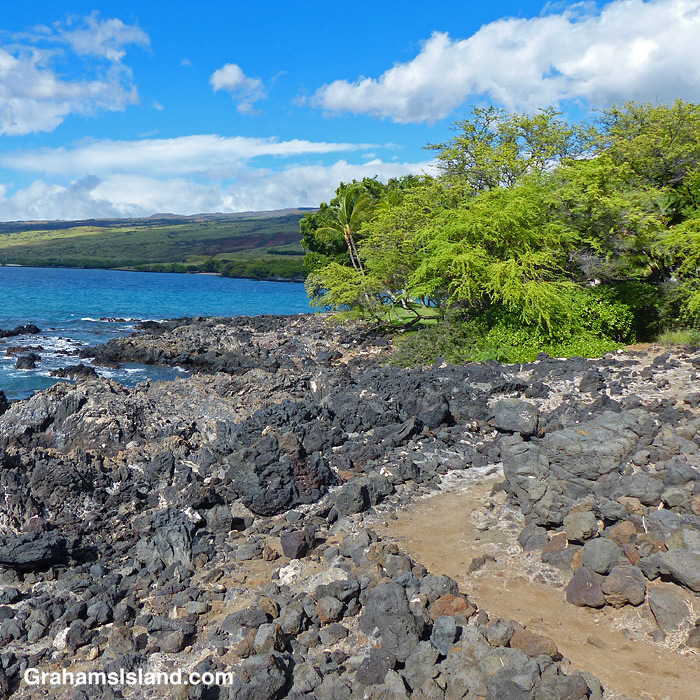
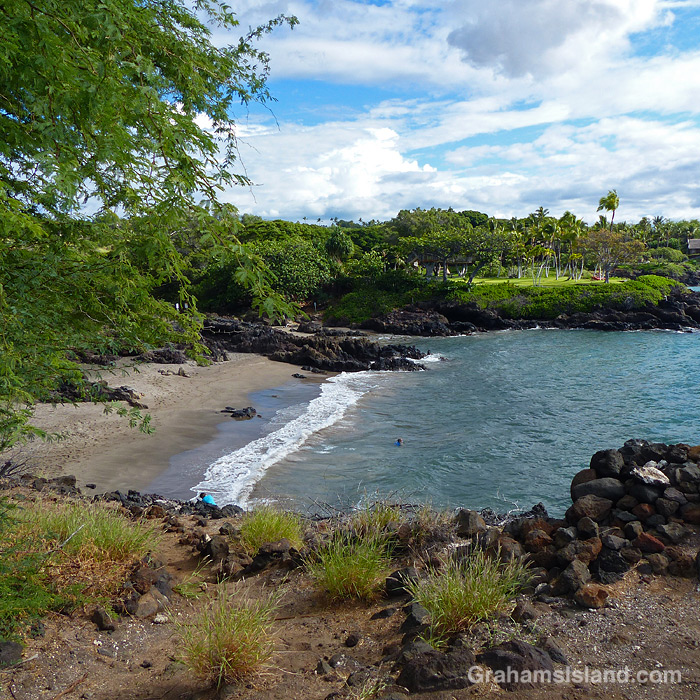
The trail crosses beaches large and small.

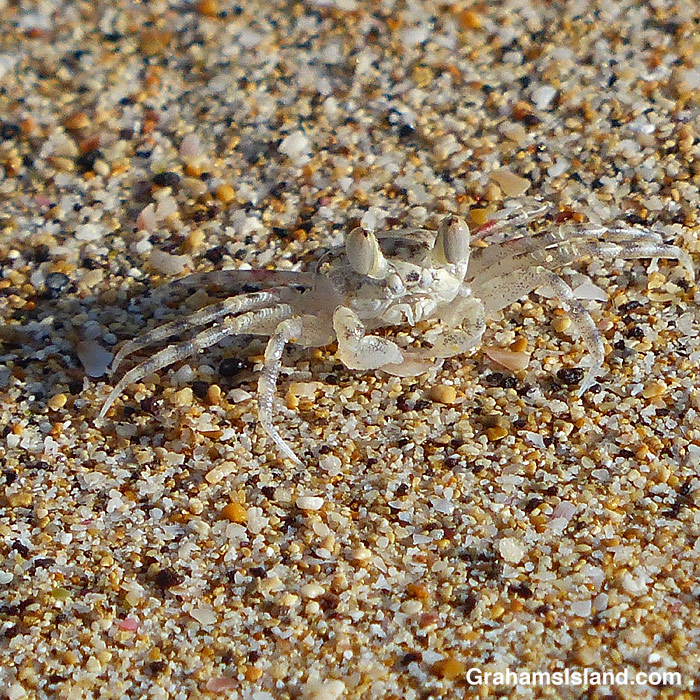
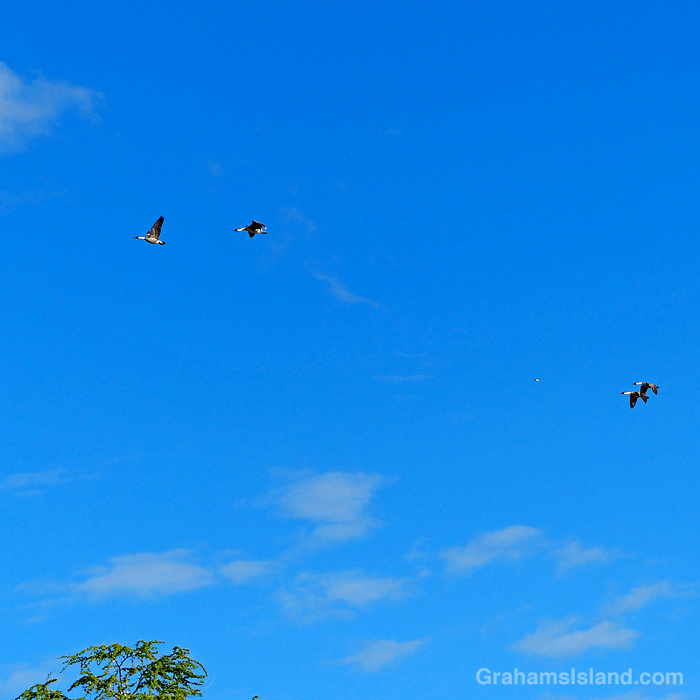
Of course, besides the views I was on the alert for anything moving on the beach or in the air.

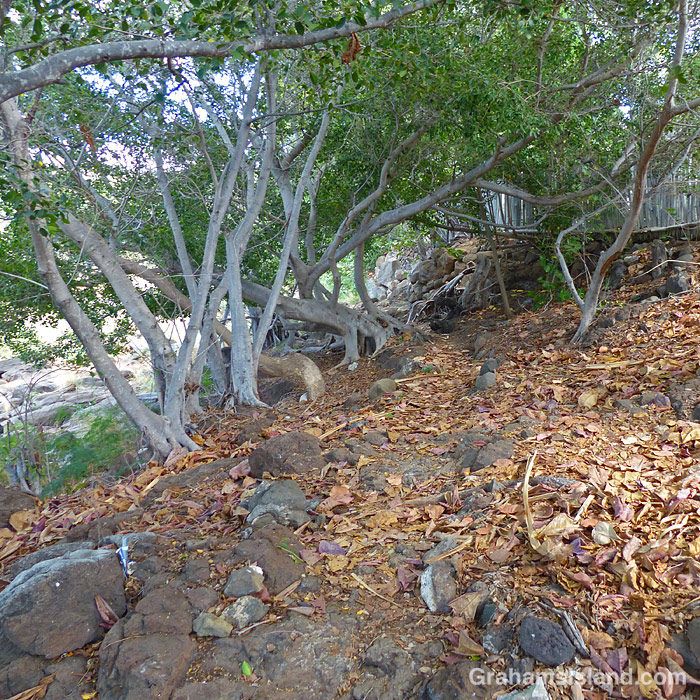
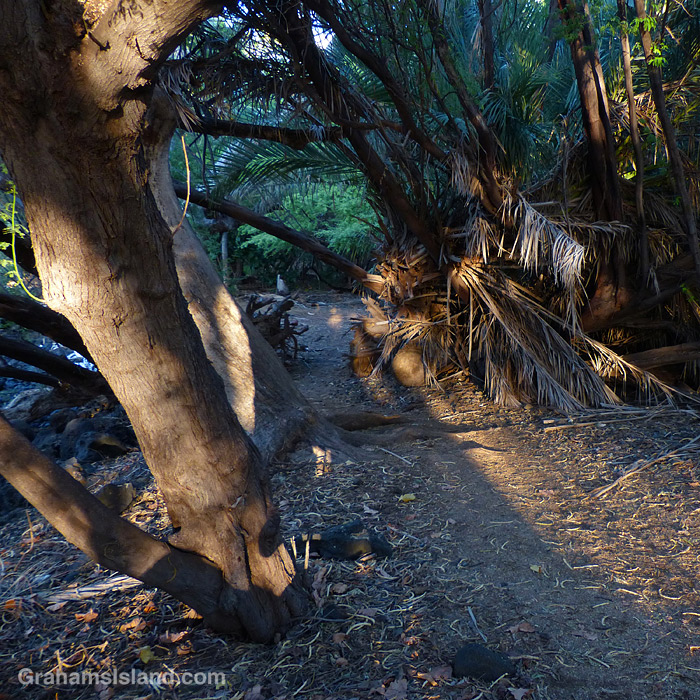
Other parts pass through trees and other vegetation.

The trail behind Pololu Beach

The trail behind Pololu Beach on the Big Island Hawaii

Pololu Beach is a popular spot for visitors and locals. The trail down to the beach can be bustling with people and the beach itself is often well-populated. But behind the beach, this trail through the trees always seems quiet. It leads to a gully that, in turn, guides the few who venture up there, to a bench overlooking Honokane Nui Valley. (Read about that here.)

Posted for Becky’s Squares with a theme of “Walking.” See more responses here.

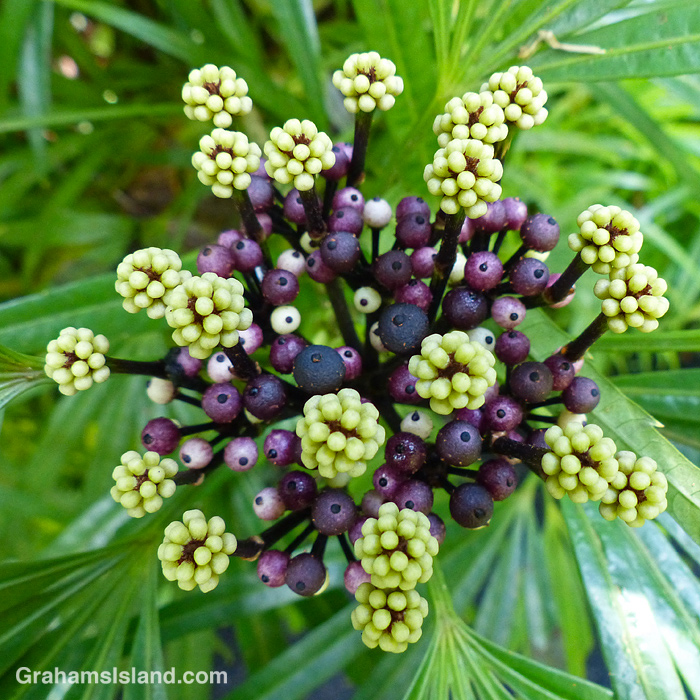
Osmoxylon Lineare

An Osmoxylon Lineare plant at Hawaii Tropical Bioreserve and Garden

Becky’s Squares is back this month with a theme of “Walking.” See more responses here.

A walk I try to do two or three times each year is at Hawai’i Tropical Bioreserve & Garden. It’s not a long walk, but it winds through the garden where on each visit I find something new and interesting.

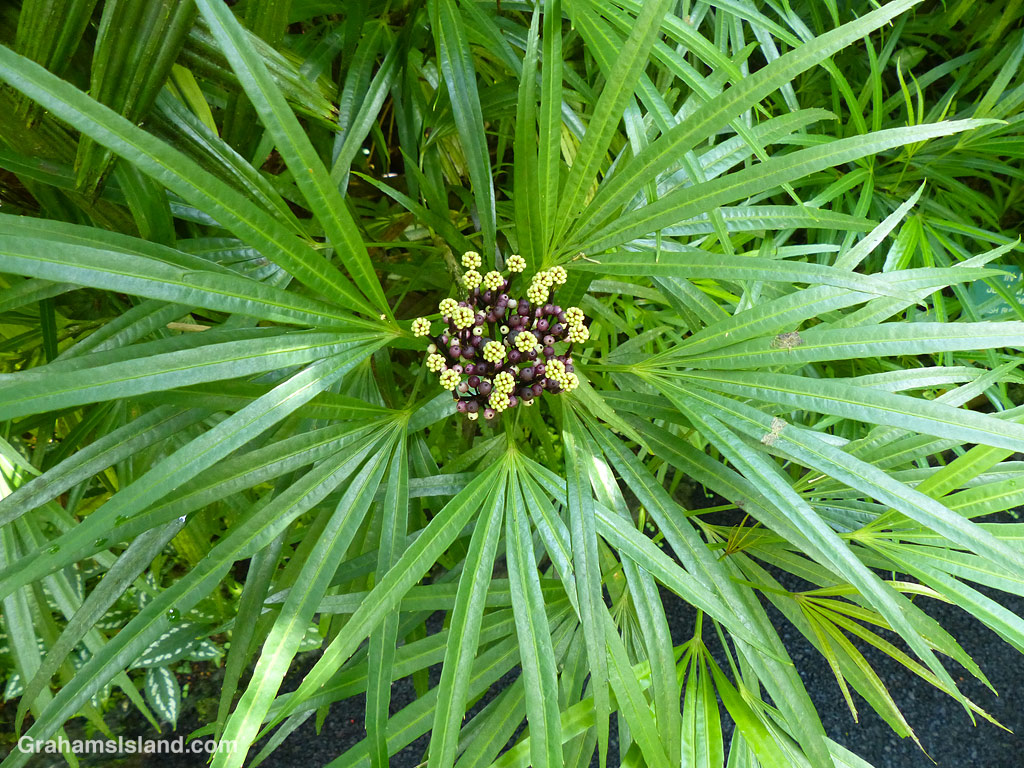
Osmoxylon Lineare comes from the Philippines and is also known as Miagos Bush or Green Aralia. At the garden, the sign calls it Eyelash Bush and the bottom photo gives a clue as to why that might be. To my mind though, the top photo suggest Eyeball Bush might be a better name.

For more information about Hawai’i Tropical Bioreserve & Garden, go to htbg.com.

An Osmoxylon Lineare plant at Hawaii Tropical Bioreserve and Garden

All quiet at Hapuna Beach

Hapuna Beach in Hawaii

A couple of days ago, I hiked south from Spencer Beach Park to Hapuna and back. My main reason for doing this was that I’d heard Hapuna State Park was closed because of a broken water line. People were still allowed to get in the water there, but not stay on the beach or gather anywhere – a sort of return to Covid restrictions. I wanted to see how much difference this made.

When I got down there, the beach wasn’t deserted, but was pretty quiet, especially for a Saturday afternoon. Normally, there would be large gatherings and barbecues. Mind you, the beach in front of Hapuna Resort, at the top of this photo, wasn’t especially crowded either. Perhaps it was just a slow weekend.

Wiliwili tree

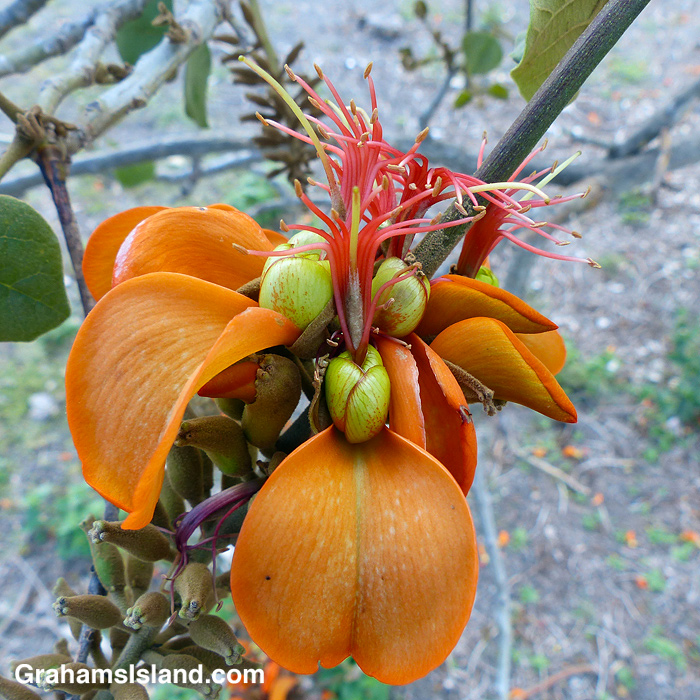
Wiliwili tree flowers in Hawaii

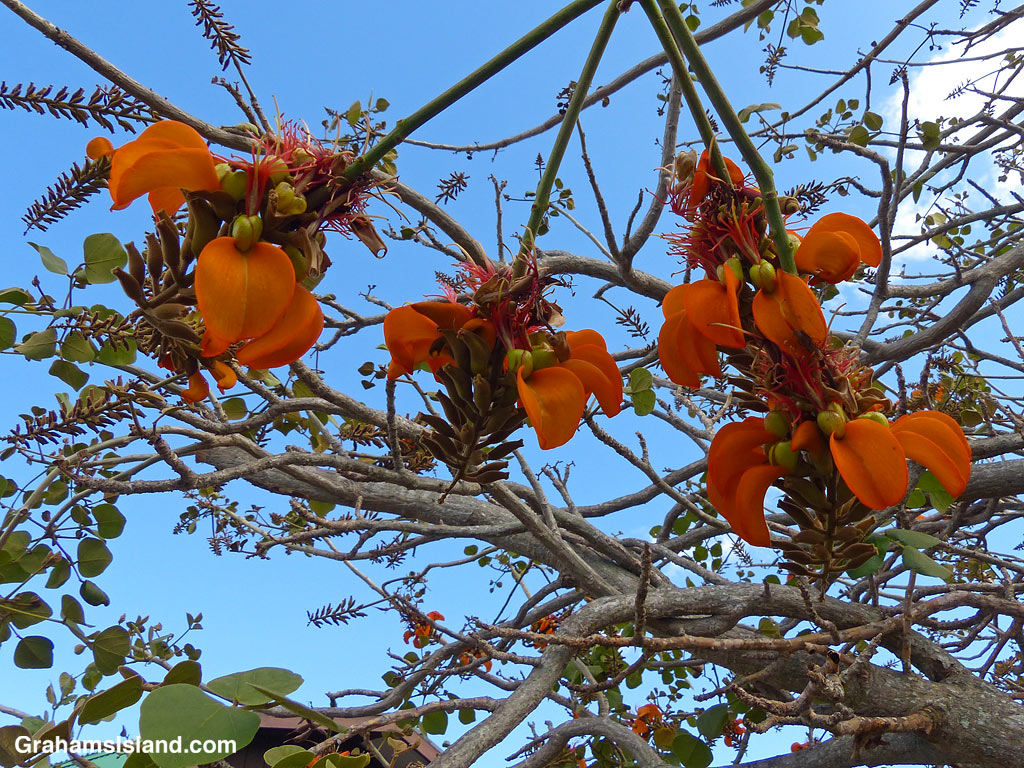
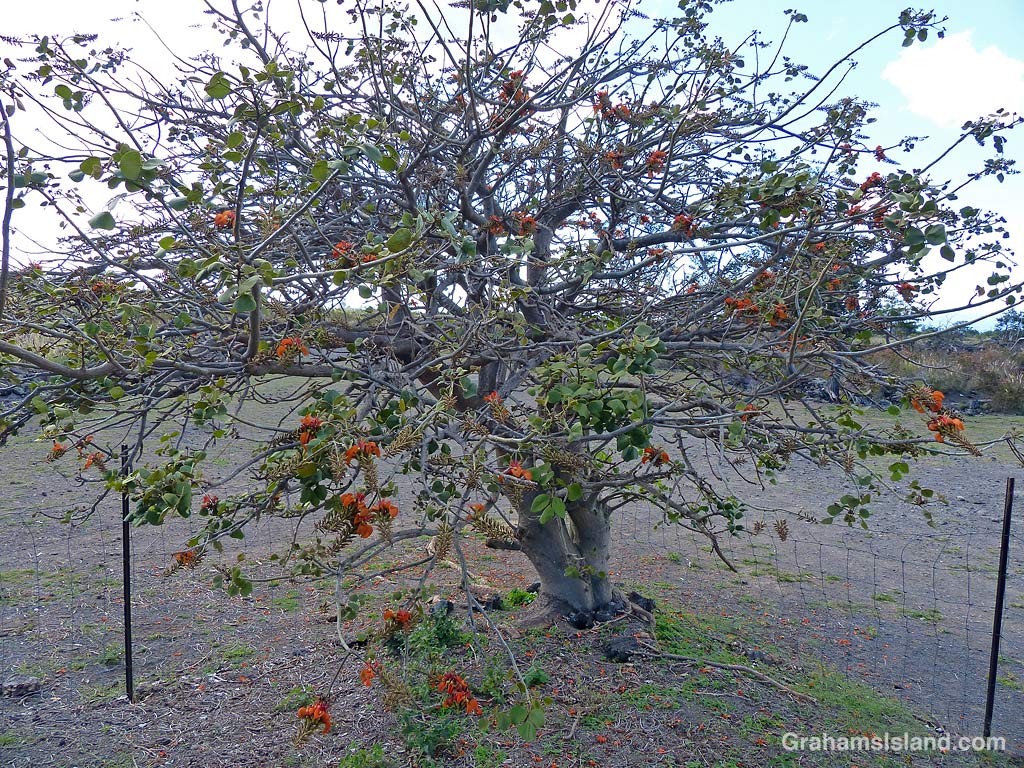
A week ago, I posted (here) about a Wiliwili tree flowering at the foot of Pu’u Wa’a Wa’a. Wiliwili (Erythrina sandwicensis) is endemic to Hawaii and grows in dry forests on the leeward side of the island. Pu’u Wa’a Wa’a is one such place. While I’ve hiked here several times before, this is the first time I’ve seen a Wiliwili flowering.

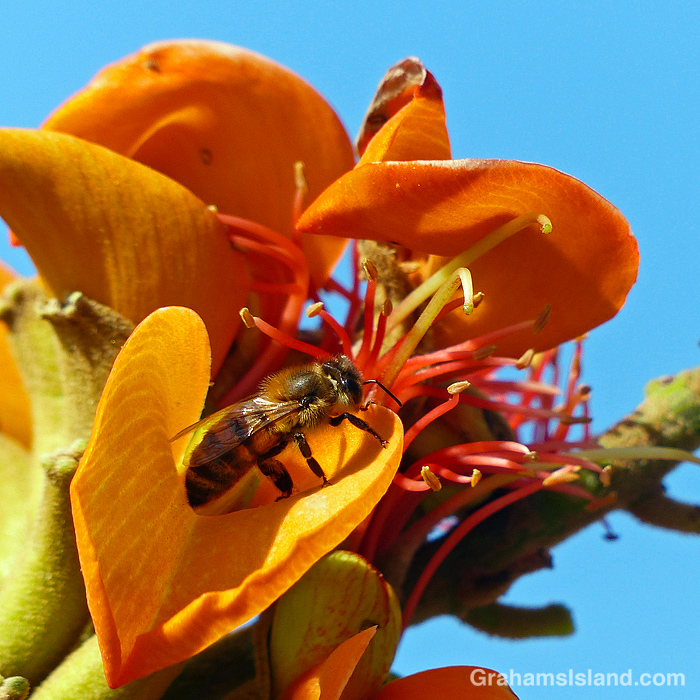
Wiliwili is unusual for an Hawaiian tree in that it’s deciduous, dropping it’s leaves during summer droughts. It’s pollinated by birds, but on this day bees were the primary visitors.

Wiliwili seeds are easy to germinate and grow but, like many Hawaiian plants, it has been in decline, losing out to more robust non-native plants and to herbivores. The arrival in Hawaii of a a gall wasp, Quadrastichus erythrinae, greatly exacerbated the situation. However, biocontrol responses have been effective and the situation has been stabilized.

Wiliwili tree flowers in Hawaii