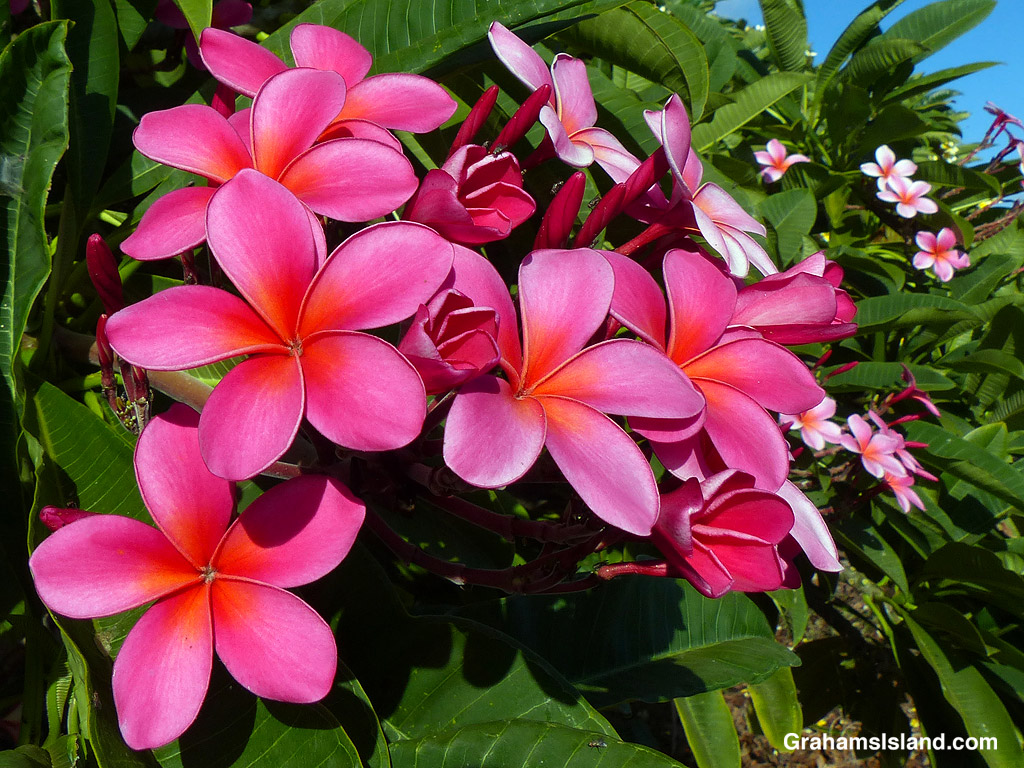
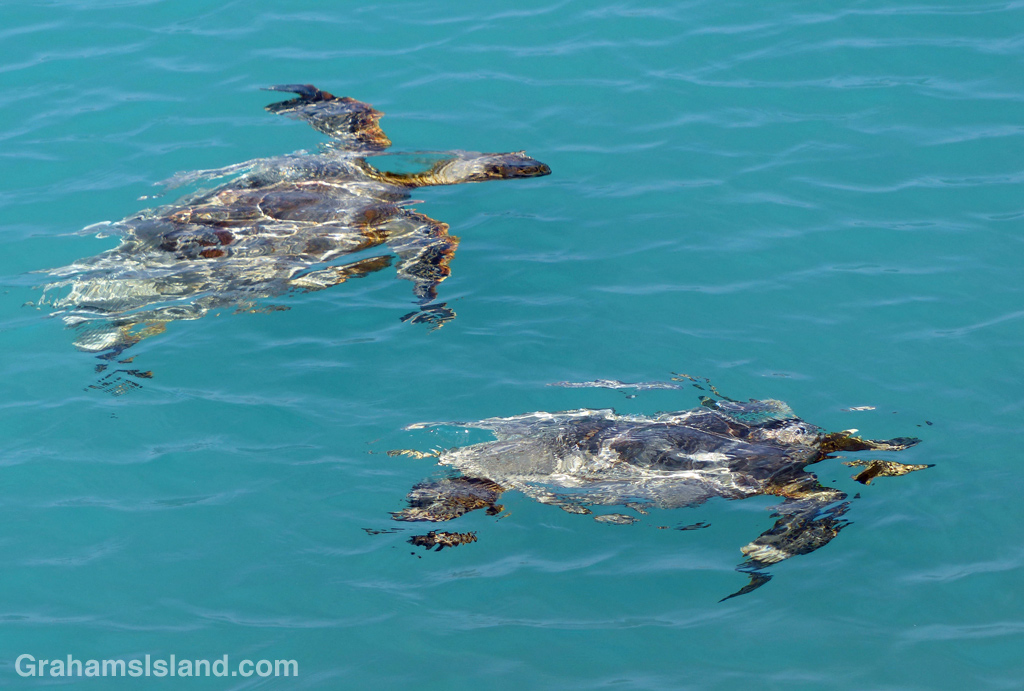
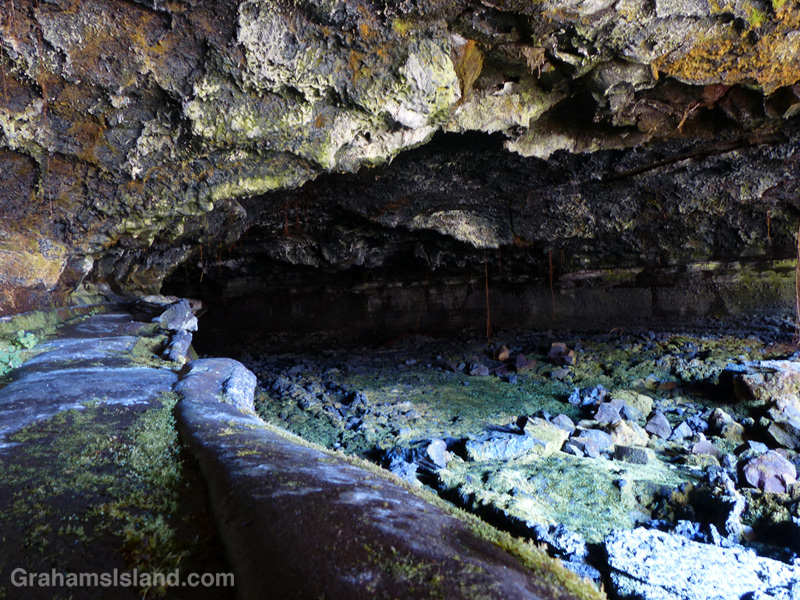
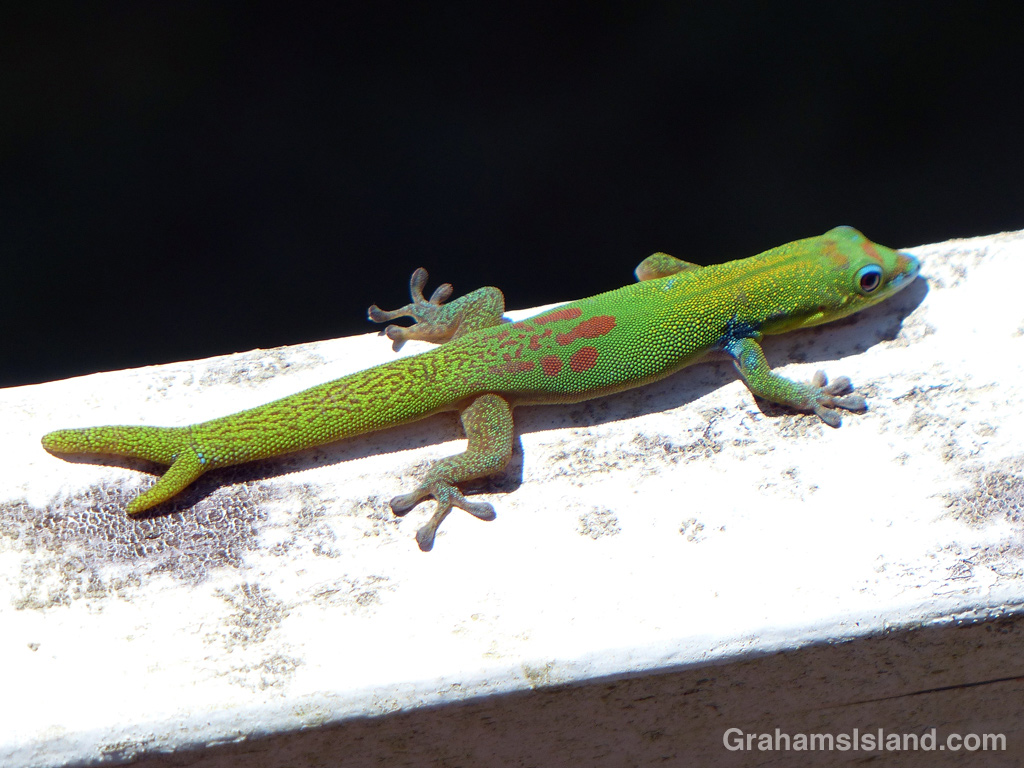
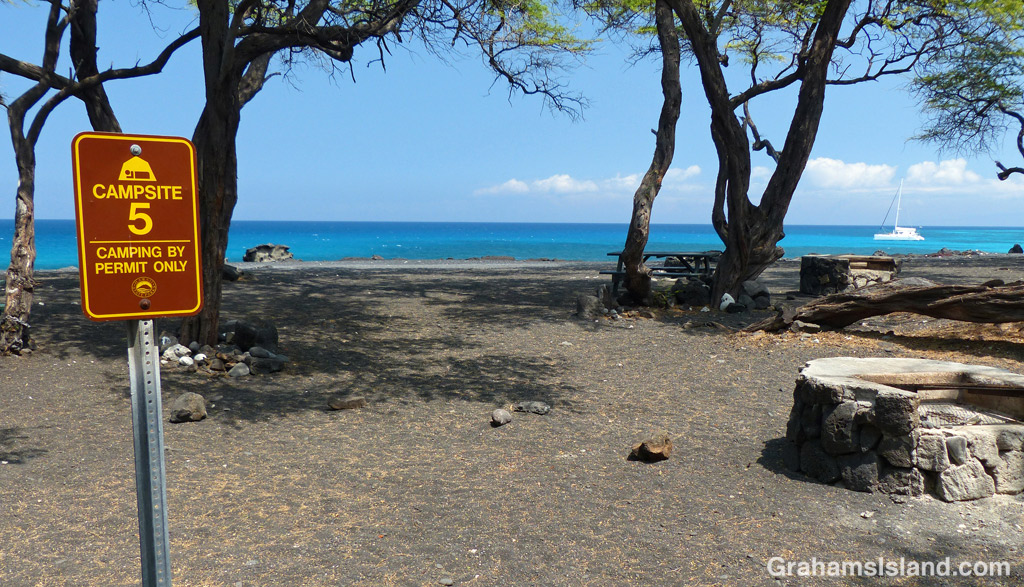
The idea of The Numbers Game is to enter a number into the search bar of your computer and then post a selection of the photos that turn up. This week’s number is 136. Captions are on the photos.
You can see more responses here.
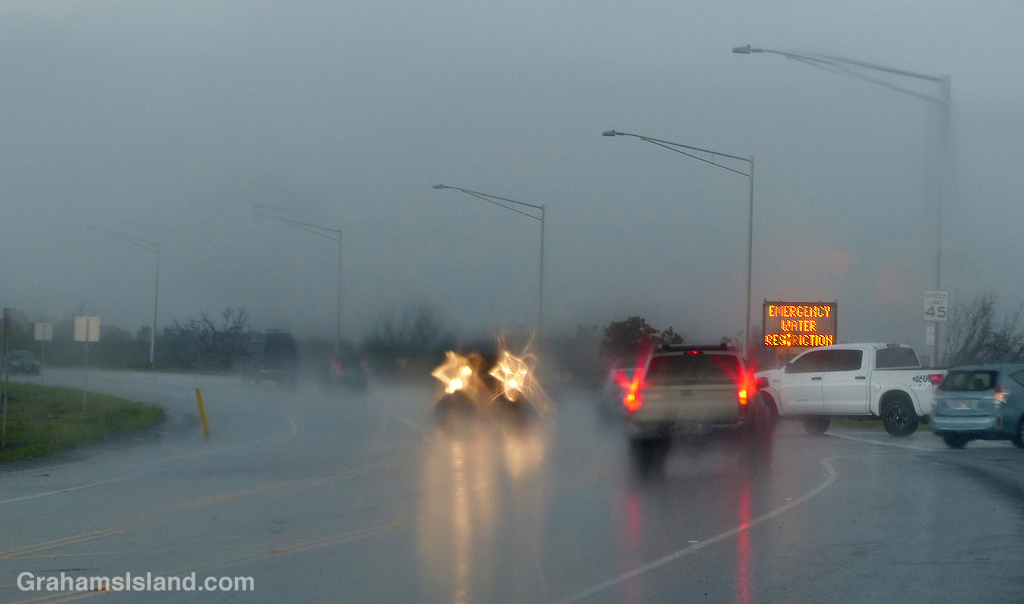
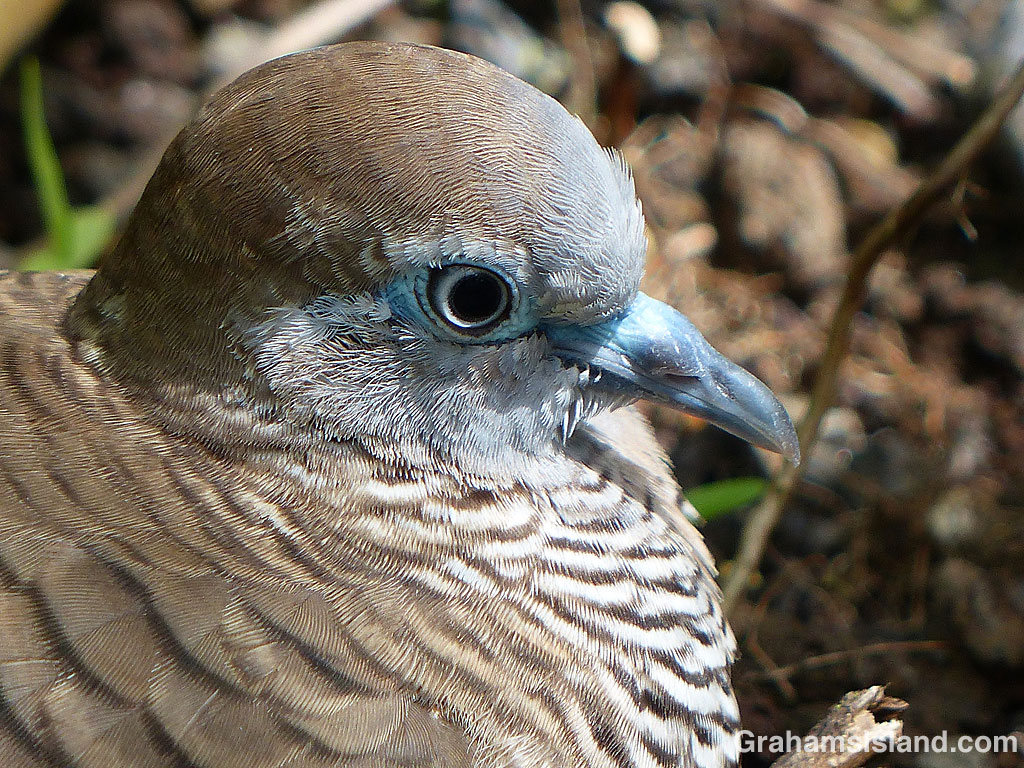
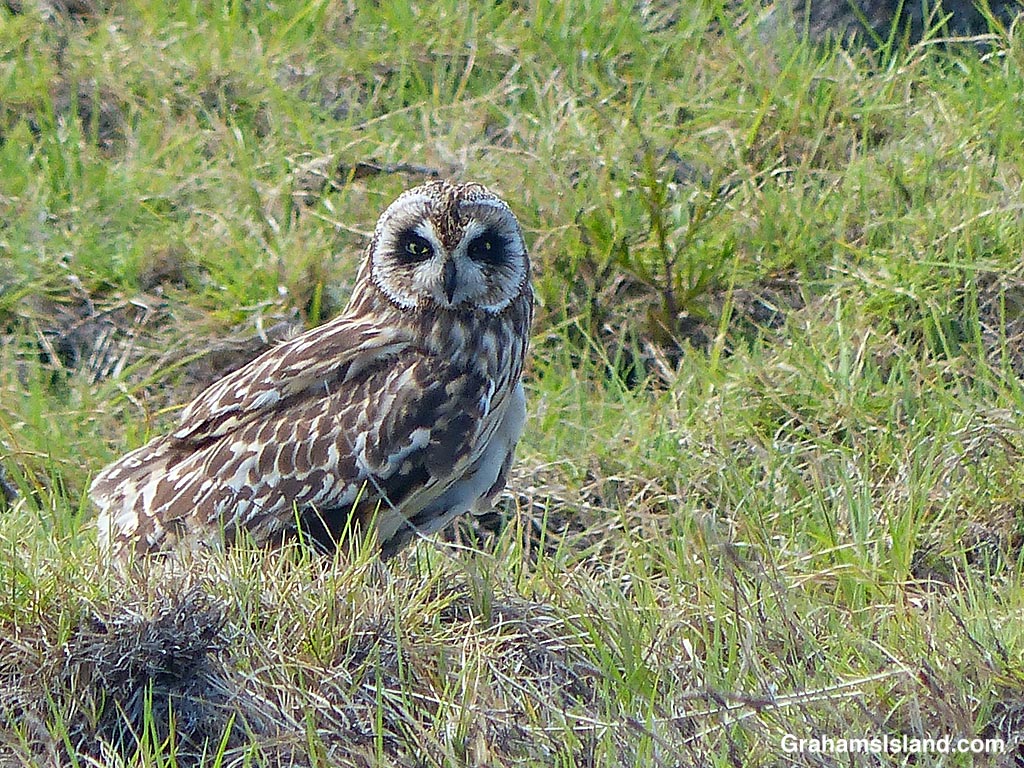
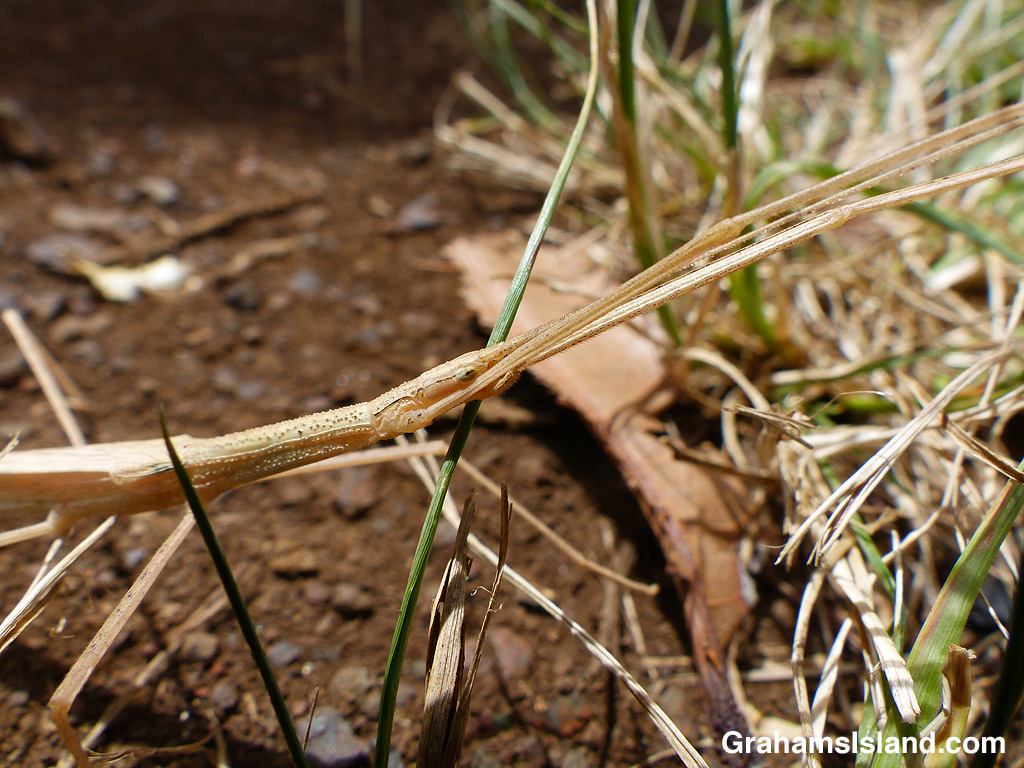
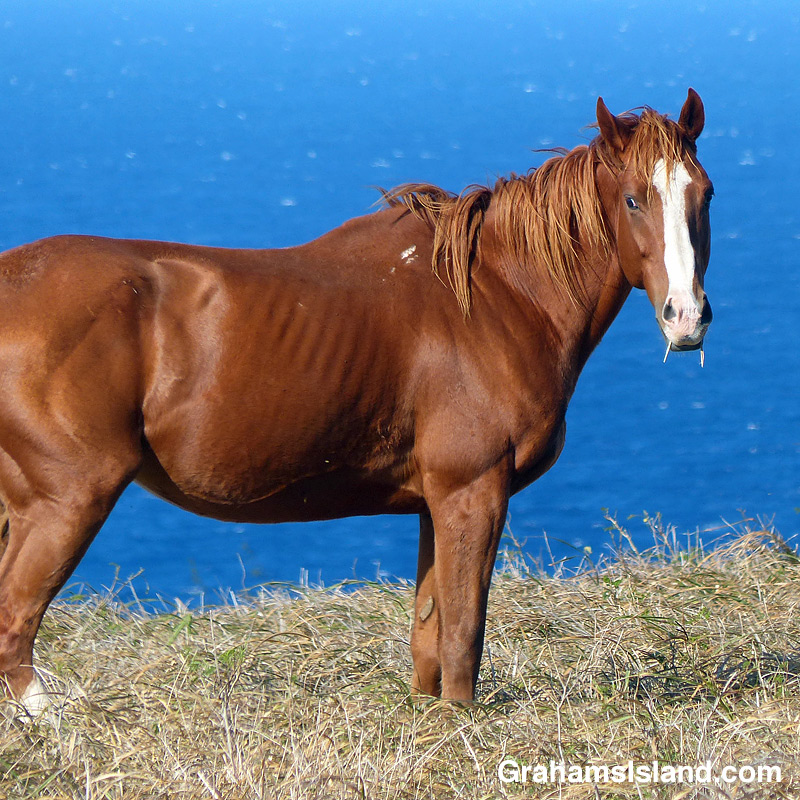

The idea of The Numbers Game is to enter a number into the search bar of your computer and then post a selection of the photos that turn up. This week’s number is 136. Captions are on the photos.
You can see more responses here.

The idea of The Numbers Game is to enter a number into the search bar of your computer and then post a selection of the photos that turn up. This week’s number is 135. Captions are on the photos.
You can see more responses here.



The Hawaiian Stilt or Ae’o is endemic to Hawaii and is a subspecies of the mainland Black-necked Stilt. It’s listed as endangered with a population of around 2,000 birds, a number that has been increasing very slowly over the last few years.
Their plight is due to the usual reasons. They were popular hunting targets until that was banned in the 1940s. But a variety of predators, including cats, dogs, mongooses, and other birds such as Barn Owls and Cattle Egrets, are still a significant threat. So too is loss of habitat, mostly shallow wetlands, to development, agriculture, and pollution.
These three were at Kohanaiki Beach Park, where Hawaiian Stilts can often be seen feeding and nesting. The two on the left seemed to have nodded off and didn’t move while I watched. But the third was fidgety, preening and looking around, then tucking its head away, before repeating the process several times.
Posted for Bird of the Week LVI.


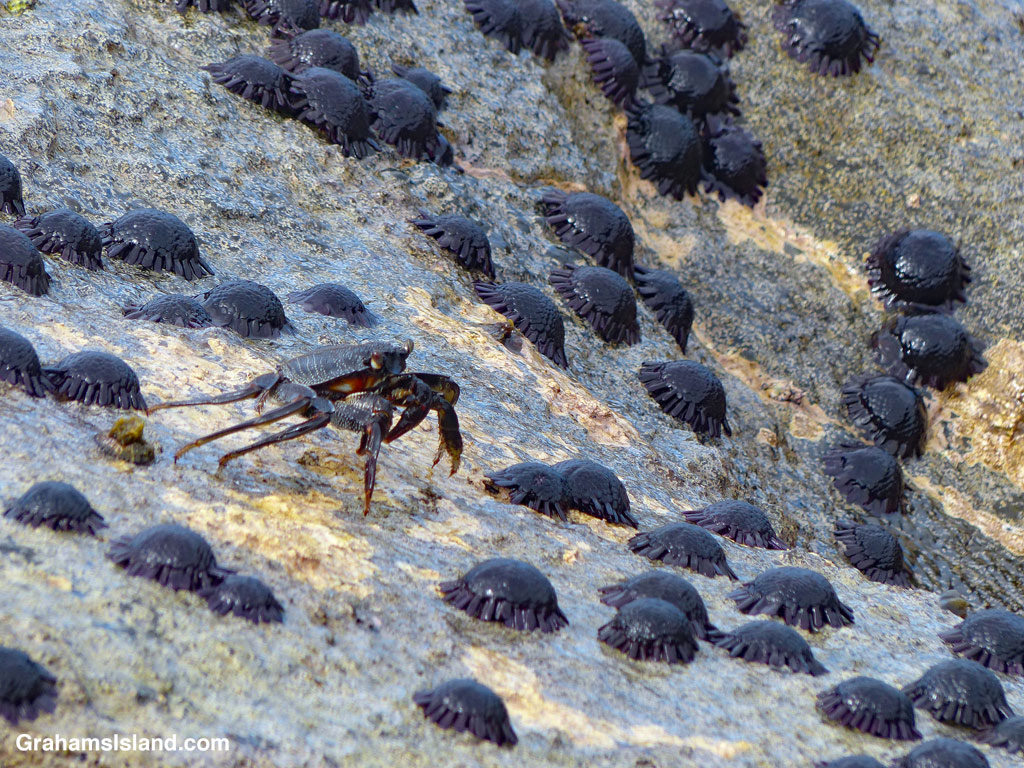

The idea of The Numbers Game is to enter a number into the search bar of your computer and then post a selection of the photos that turn up. This week’s number is 134. Captions are on the photos.
You can see more responses here.
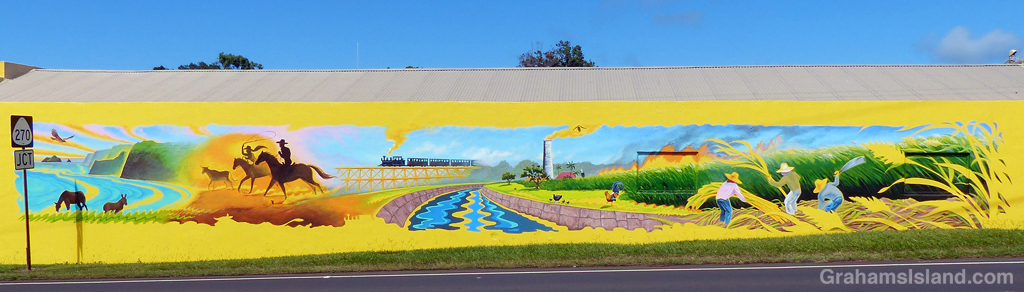

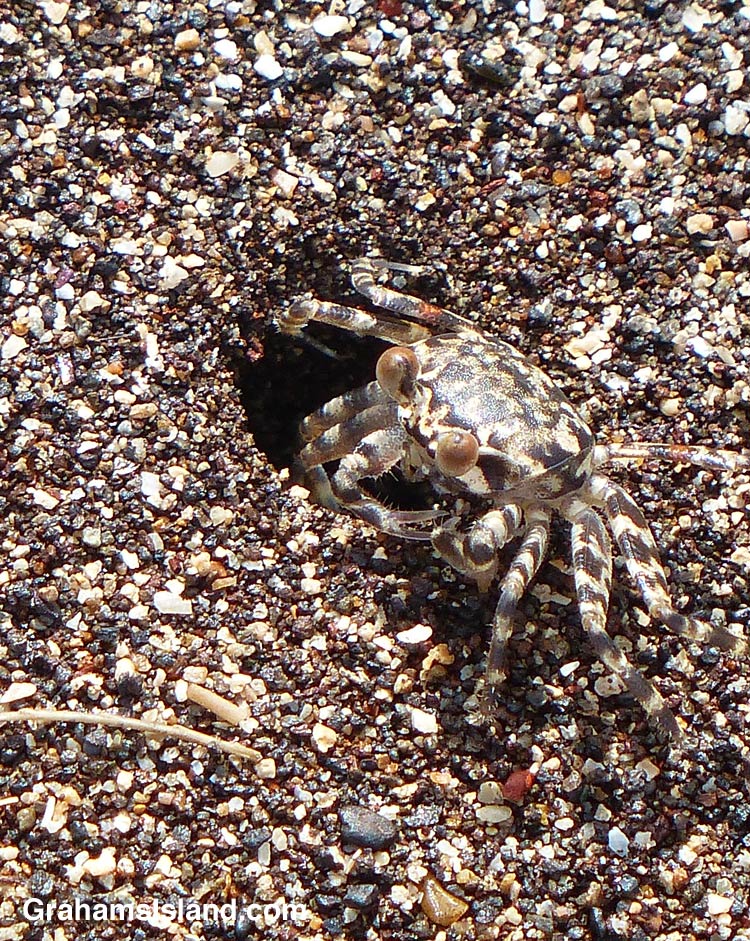

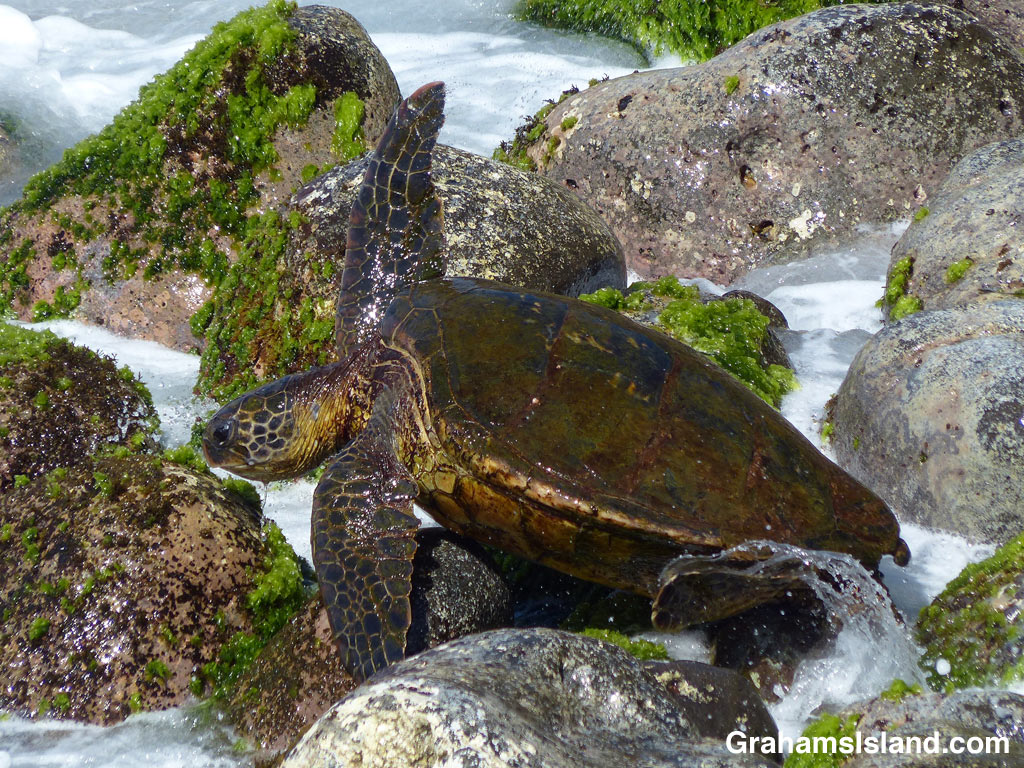
The idea of The Numbers Game is to enter a number into the search bar of your computer and then post a selection of the photos that turn up. This week’s number is 133. Captions are on the photos.
You can see more responses here.
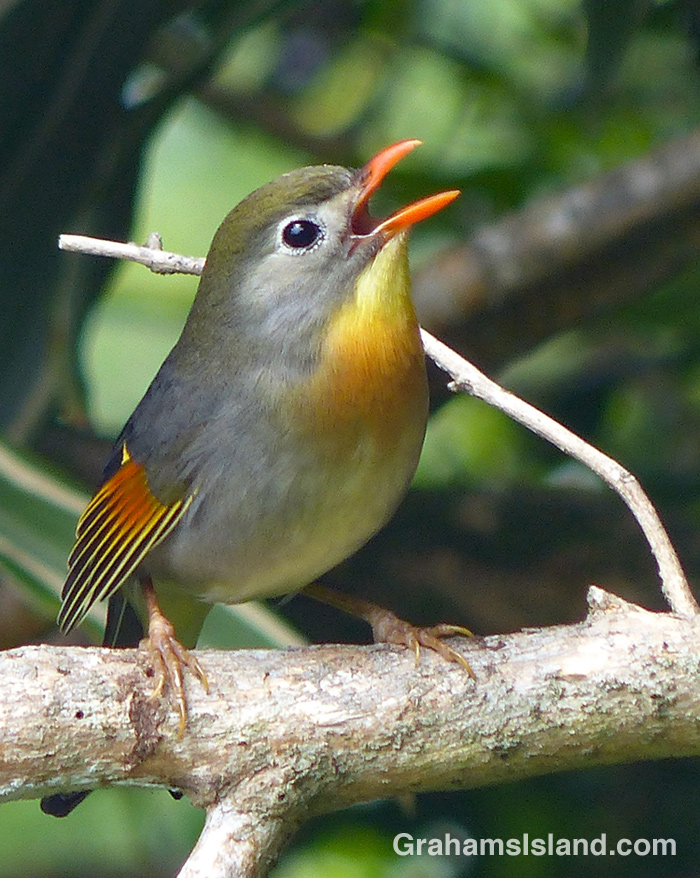
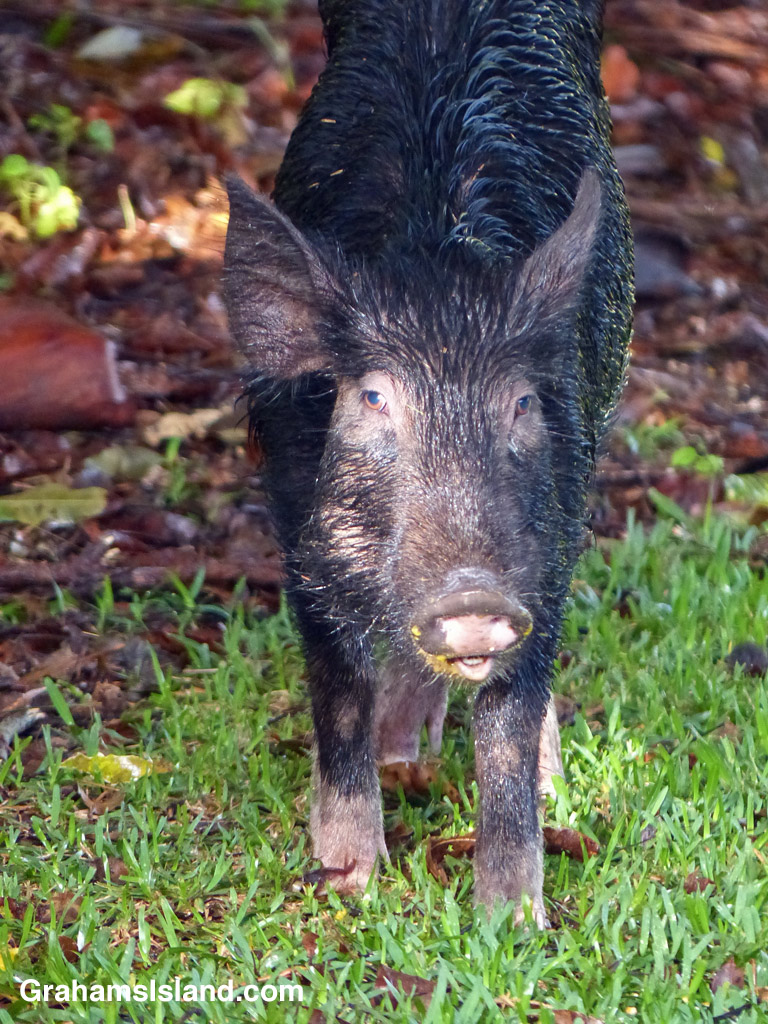

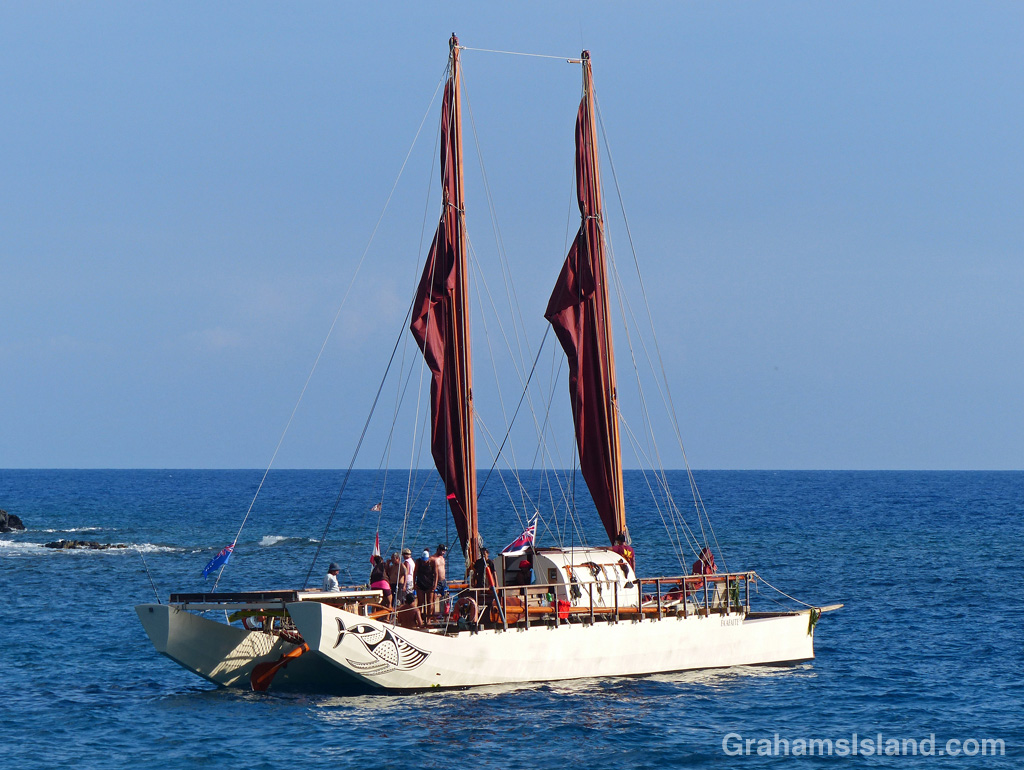
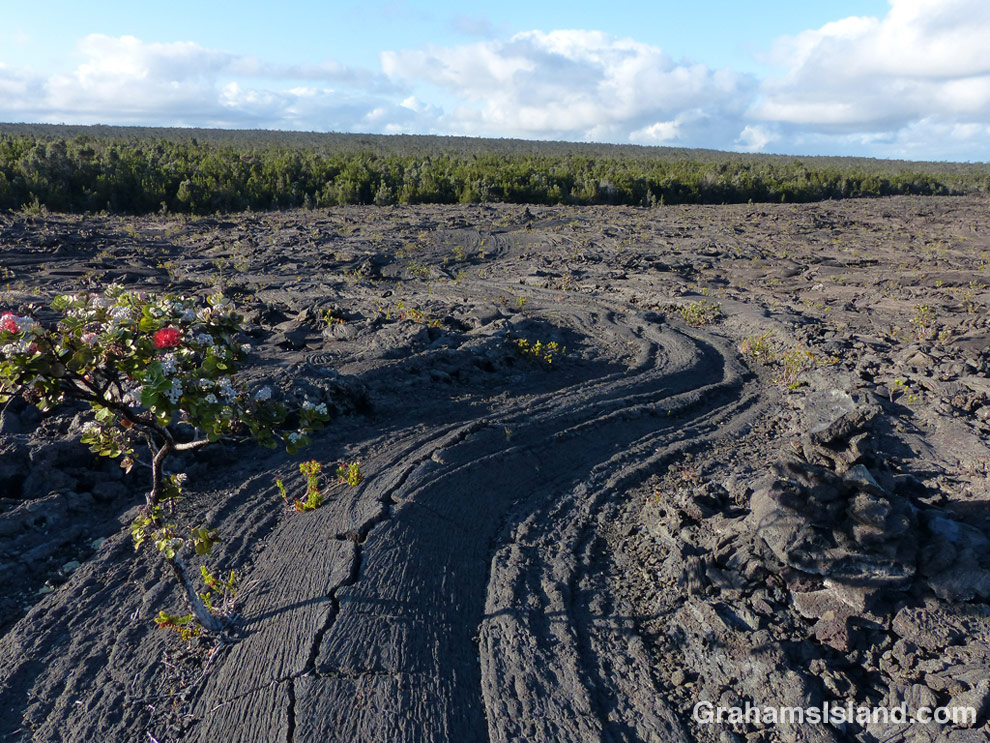
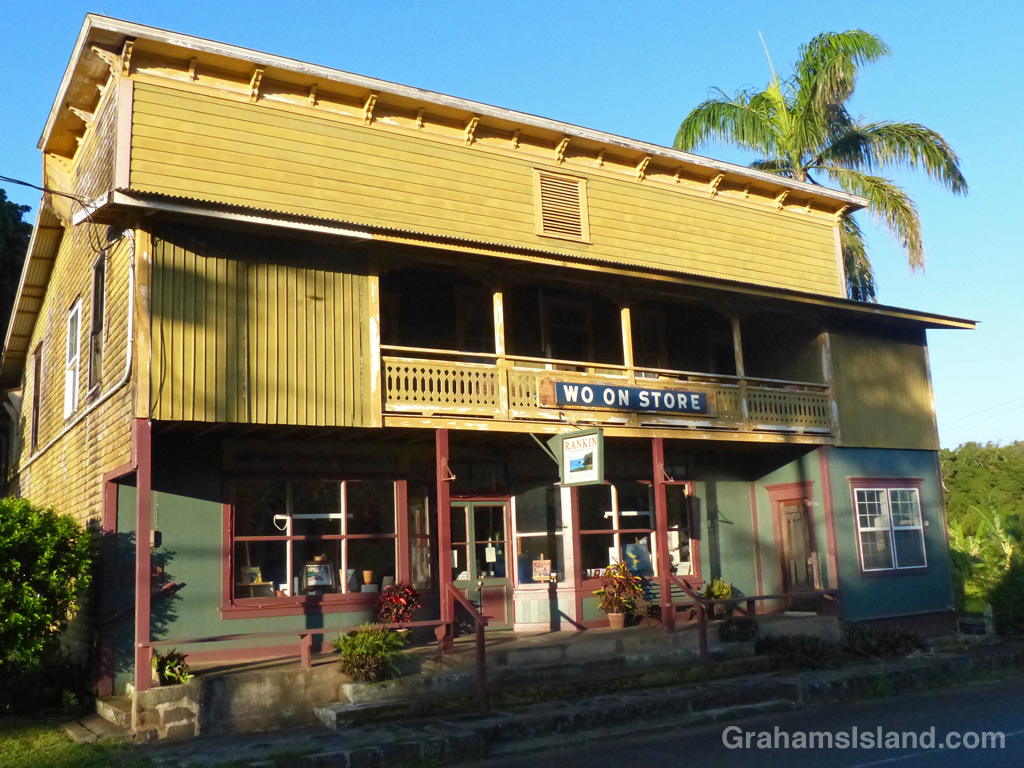

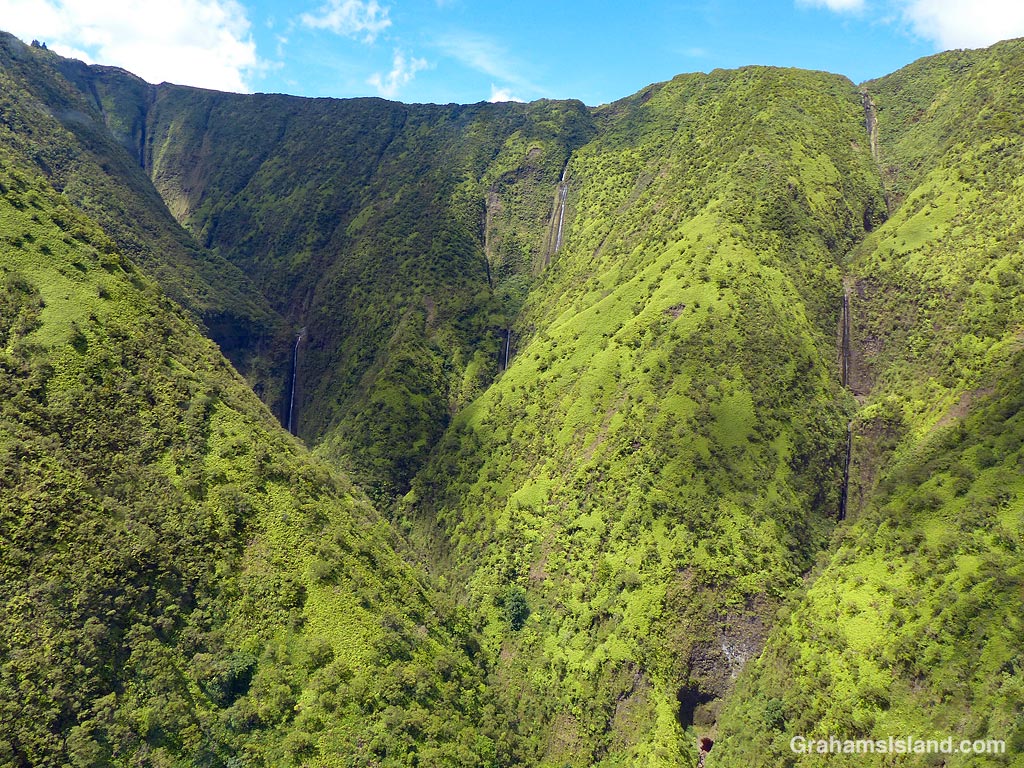
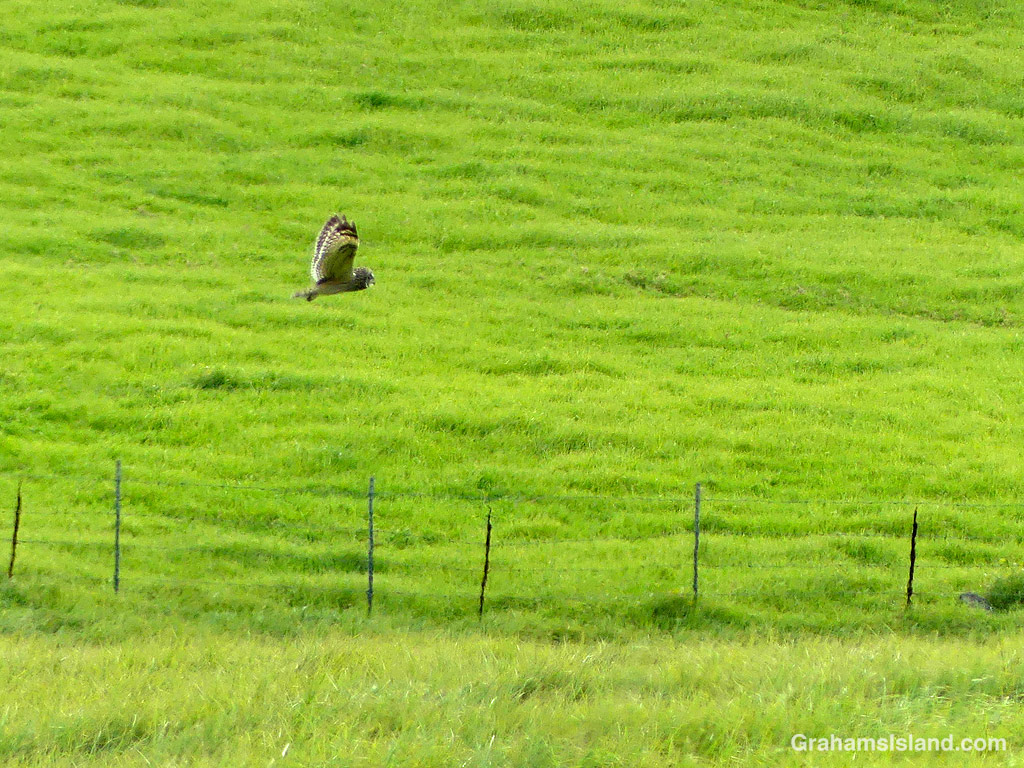
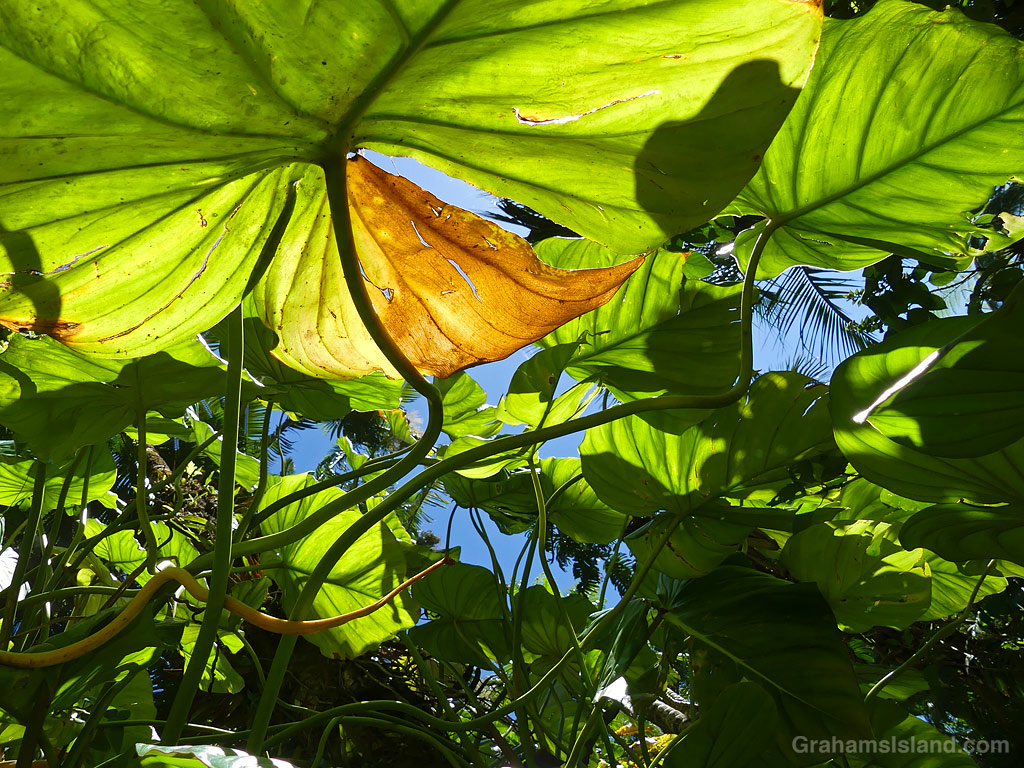
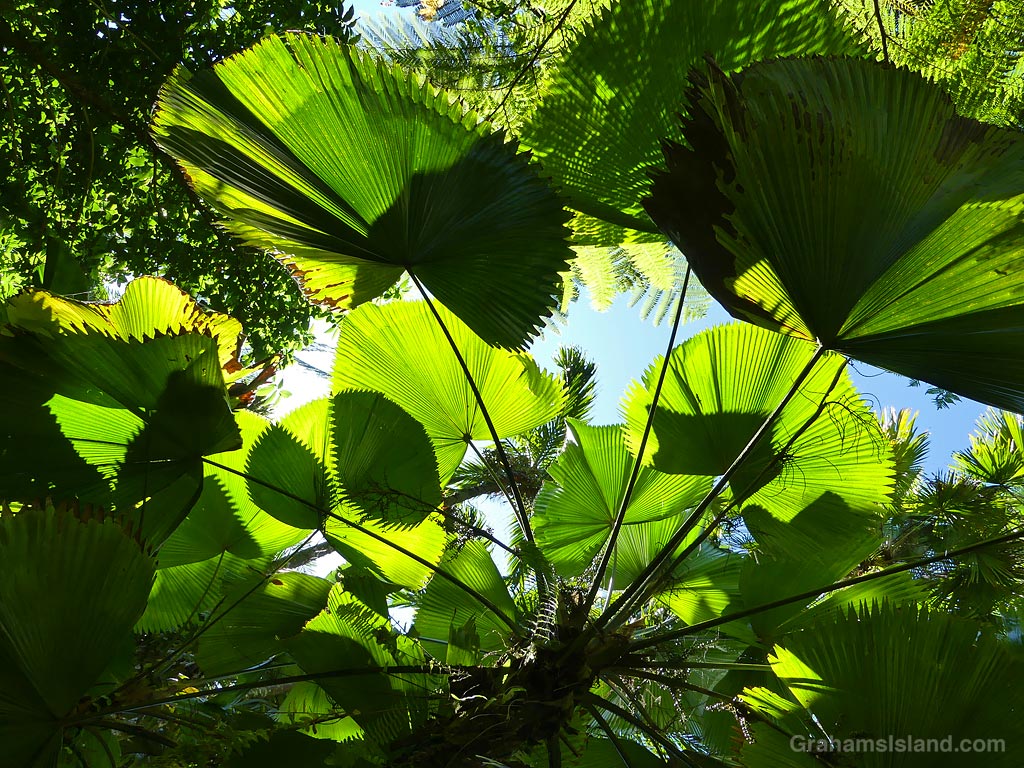
This week’s Sunday Stills monthly challenge is ‘Green.’ See more responses here. Captions on photos.


The Nene (Branta sandvicensis) is native to Hawaii and is the state bird. It’s believed to be a distant relative of the Canada Goose but is much smaller. Nenes spend most of their time on land rather than in the water. Because of this they have evolved different characteristics than other geese. Their feet feature less webbing than other geese and they have claws suited to providing grip in rocky areas where they are often found. However, like most geese they can often be found on golf courses!


When they fly, they will typically make loud honking noises, but walking on land as these two were, they make a variety of very pleasing burbling noises as they move along. Nenes are herbivores and feed on a variety of grasses as well as berries and fruit. They’re also one of those birds that mate for life.
Nenes are considered the world’s rarest goose, with a current population of less than 5,000. But this is a vast improvement from the 1950s when it is believed that there were only 30 or so birds here on the Big Island. Recovery has been aided by official protections and breeding in private reserves. Kauai was the center of this recovery, mainly because there are no mongooses there.
Nenes have been on the Endangered Species list since 1967, but their recovery has been such that they are now listed as ‘Near Threatened,’ which means they are no longer considered to be near extinction, but could quickly return there if the situation does not continue to improve.


One thing of note about these two birds is that neither of them have bands on their legs. Many birds have identifying bands that allow those monitoring the population to know where they come from and where they’ve been.
Posted for Bird of the Week LIV. See more responses here.
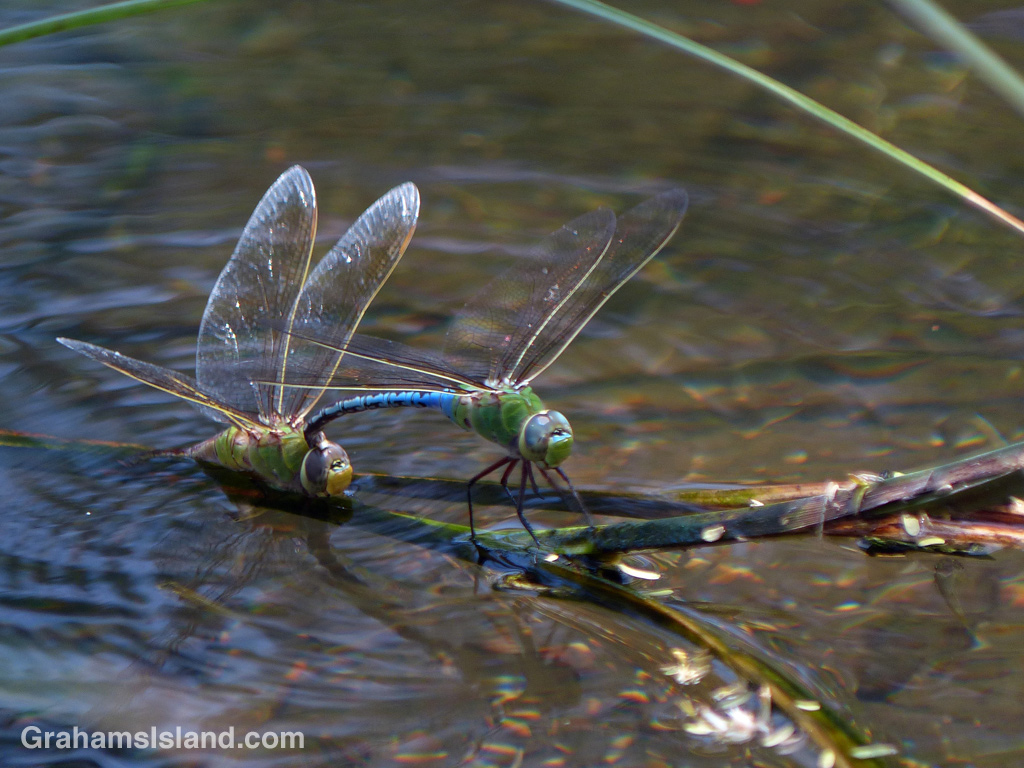
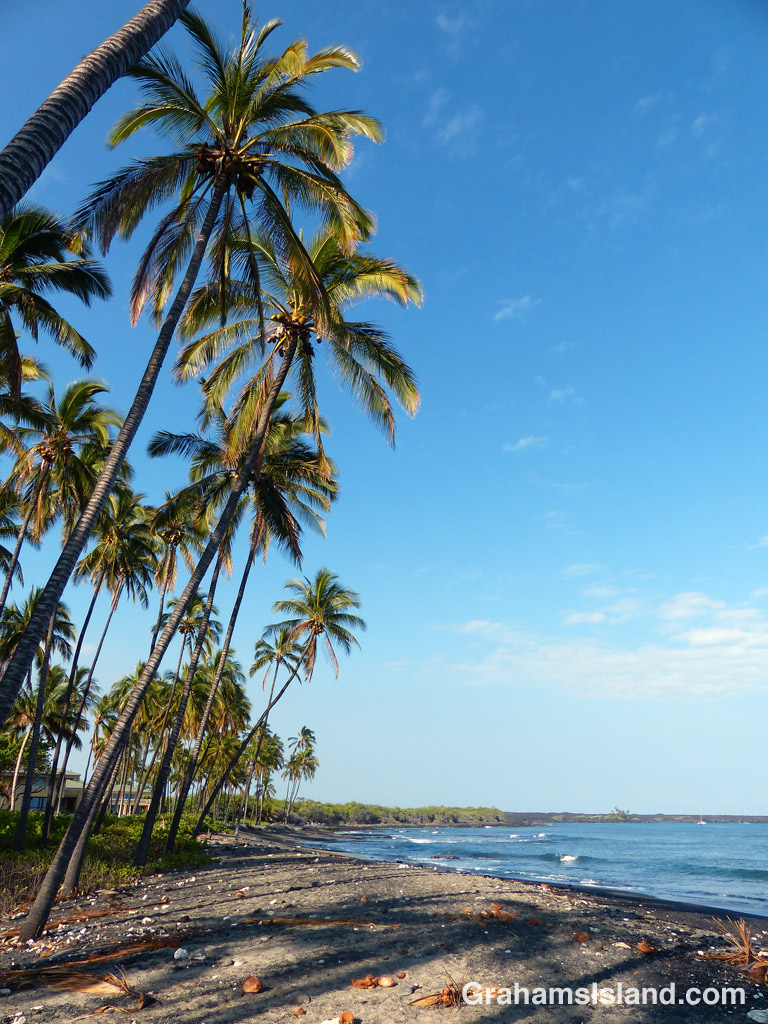
The idea of The Numbers Game is to enter a number into the search bar of your computer and then post a selection of the photos that turn up. This week’s number is 131.
You can see more responses here.
 Graham's Island