Category Archives: Hawaiian History

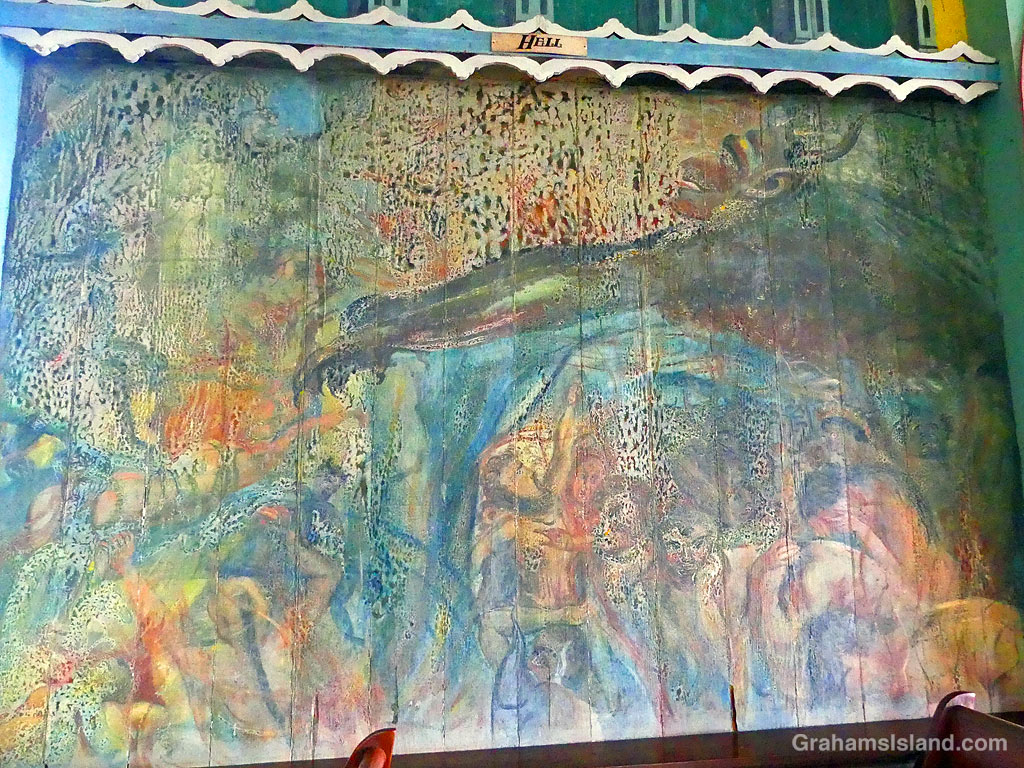
Pastel Hell

A panel depicting Hell in the Painted Church Hawaii
The interior of the Painted Church Hawaii

This month’s Sunday Stills Color Challenge is ‘Pastels.’ See more responses here. Well, I couldn’t resist this headline, could I? It doesn’t look quite so bad when the colors fade to a kinder, gentler shade of purgatory.

These are from St Benedict’s Painted Church, on the slopes above Kealakekua Bay. Father John Velghe moved the church from the coast to its present site in 1899. Once it was rebuilt, he painted the interior as a mini cathedral with scenes from the bible adorning the walls. The paintings have faded over the years, but are still quite striking.

For more information about St Benedict’s Painted Church, go to https://thepaintedchurchhawaii.org/

The exterior of the Painted Church Hawaii

The eyes have it

A mongoose stares in Hawaii

The small Indian mongoose is the poster child for bad ideas in Hawaii. Introduced back in the days of the sugar plantations, the idea was for them to get rid of the rats running rampant in the cane fields. Alas, rats are nocturnal, mongooses diurnal, so their paths only crossed on the shift change. Instead, the mongooses appreciated the absence of predators in Hawaii and the abundance of ground-nesting birds and were major reasons for the extinction of many native bird species.

They are most frequently seen running across roads, like big sausages with little legs. Closer up, there’s an intensity about them, as seen in this photo. I’ve had a couple of close encounters and have no wish to get into an altercation with one. I’d probably win, but would likely bear the scars of victory!

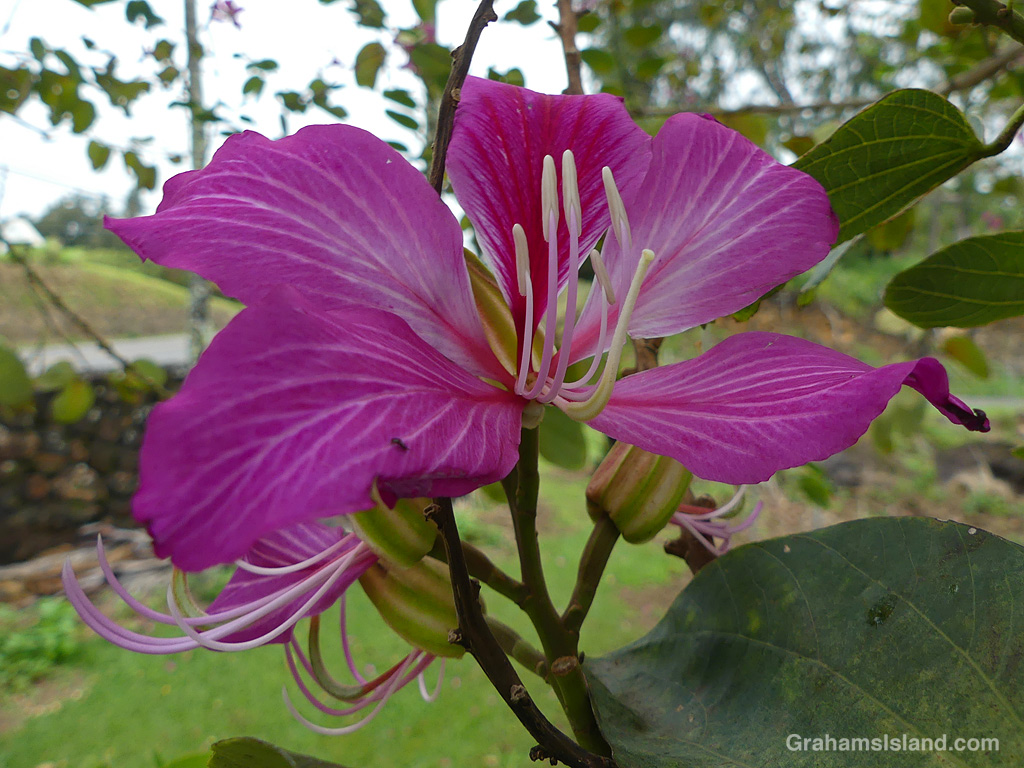
A purple patch

An orchid tree flower in Hawi, Hawai
An orchid tree flower.

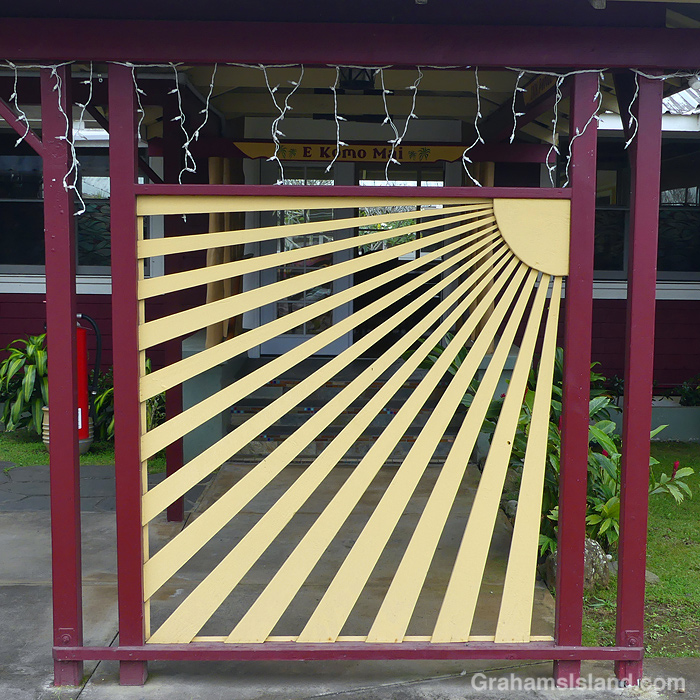
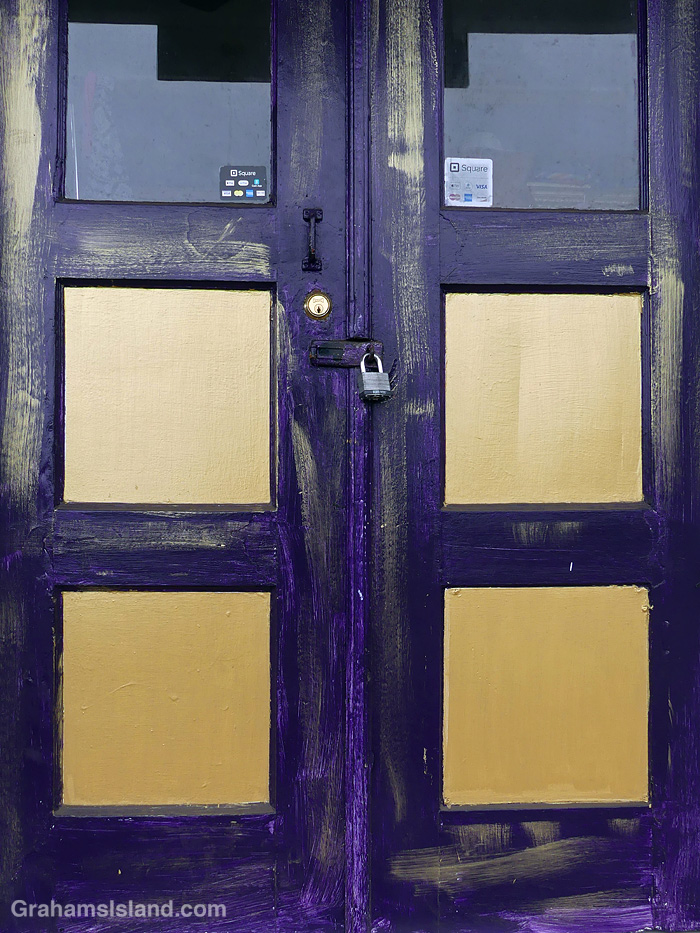
This week’s Sunday Stills monthly color challenge is ‘Diamond, Quartz, Crystal and/or Purple.’ See more responses here. I’m going with purple because I have nothing for the others! I was going to do another flower array, but then I had a wander around beautiful downtown Hawi and came up with these photos.

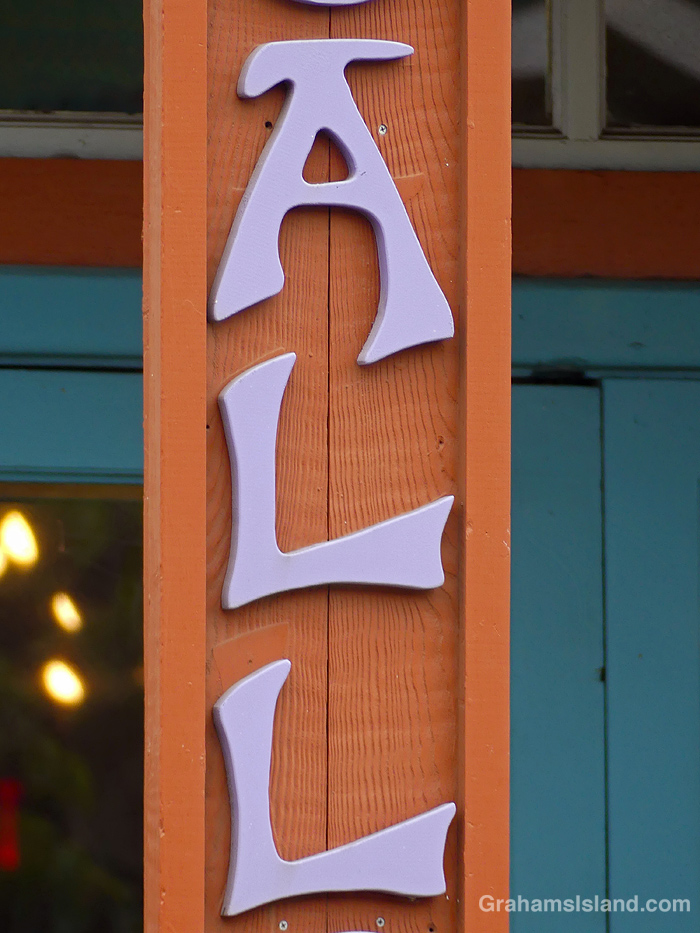
An abandoned theater in Hawi, Hawai
A sign at the front of an old theater in Hawi.

A peek into Hilo

The Hilo Armory building in Hawaii
The Hilo Armory, dating from 1931, is the home of the Hawaii County Parks and Recreation department. Their budget doesn’t appear to include funds for paint!

This week’s Sunday Stills challenge theme is ‘Urban sights.’ See more responses here.

I went to Hilo recently, intending to spend time wandering around the downtown and taking photos. Hilo is the largest town on the island. Naturally, I got distracted on the way, arrived later than intended, and ended up with just a short visit. But while I was there I took these photos.

The Palace Theater building in HIlo Hawaii
The Palace Theater has been around since 1925 and is used for movies, stage shows, and concerts. More information here.
The Hilo Bay Hostel building in Hawaii
The Hilo Bay Hostel building dates back to 1912.
The Puueo Street Bridge in HIlo Hawaii
The Wailuku River marks the north end of downtown Hilo. The Puueo Street Bridge is the middle one of three bridges crossing the river near downtown area. This view is out towards the ocean.

The Numbers Game #12

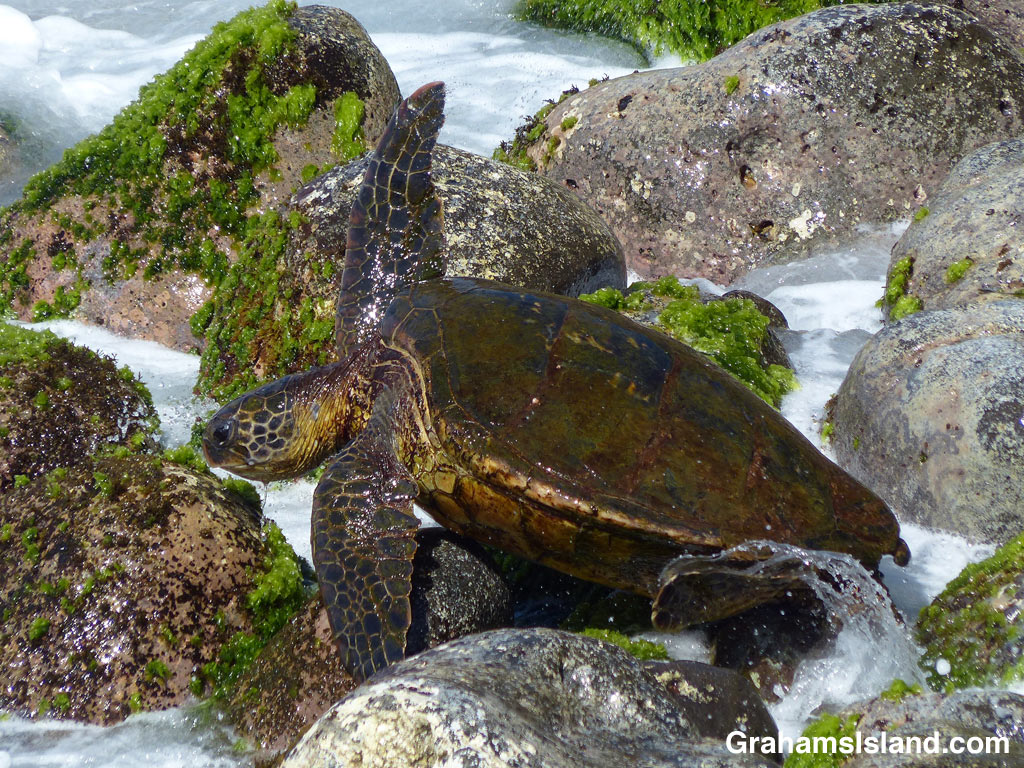
A green turtle is temporarily stranded on a rock.
A turtle on the rocks. See more photos here.

The idea of The Numbers Game is to enter a number into the search bar of your computer and then post a selection of the photos that turn up. This week’s number is 133. Captions are on the photos.

You can see more responses here.

Bougainvillea flowers in bloom
A Bougainvillea in a neighbor’s garden.

Manago Hotel

The Manago Hotel in Captain Cook, Hawaii

The Manago Hotel is a well-known spot on the island. It opened in Captain Cook back in 1917 and has been in business ever since. But recently, it was announced that the building is being acquired by a Honolulu-based nonprofit organization, which will convert it into affordable housing for people working for community services.

The hotel has its own restaurant and that will continue to operate in the new arrangement. This will be good news to many, since the restaurant is renowned for it’s pork chops, which I can verify are excellent.

Tilapia nests

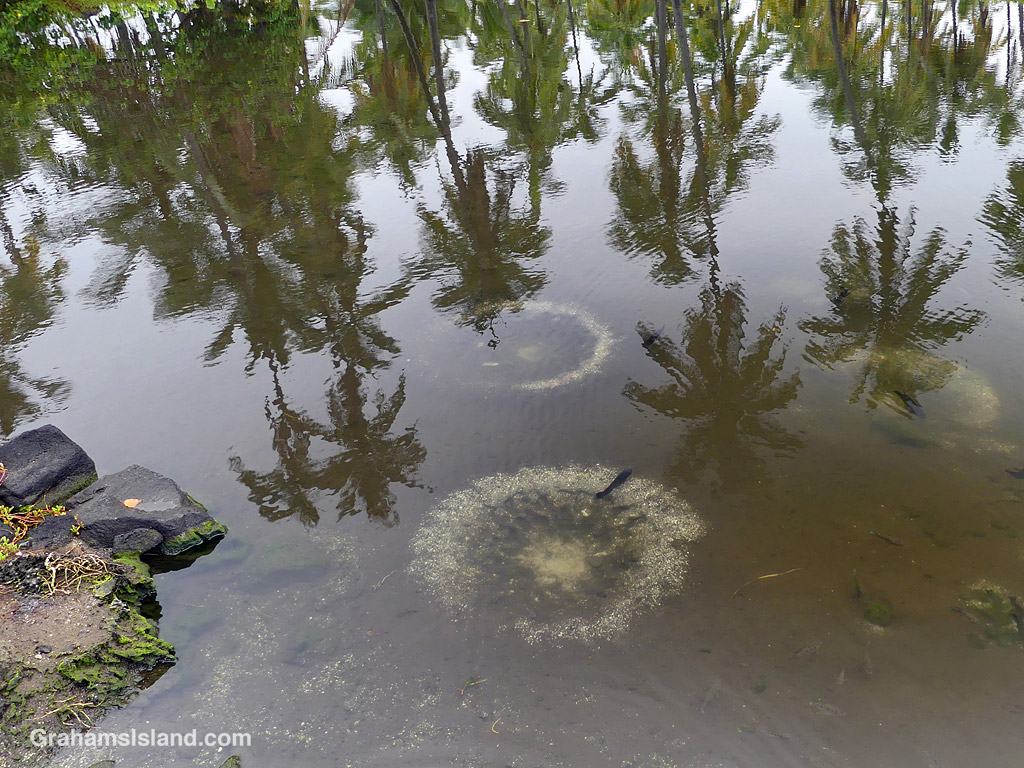
Tilapia in a fishpond at Pu'uhonua o Hōnaunau National Historical Park on the Big Island, Hawaii

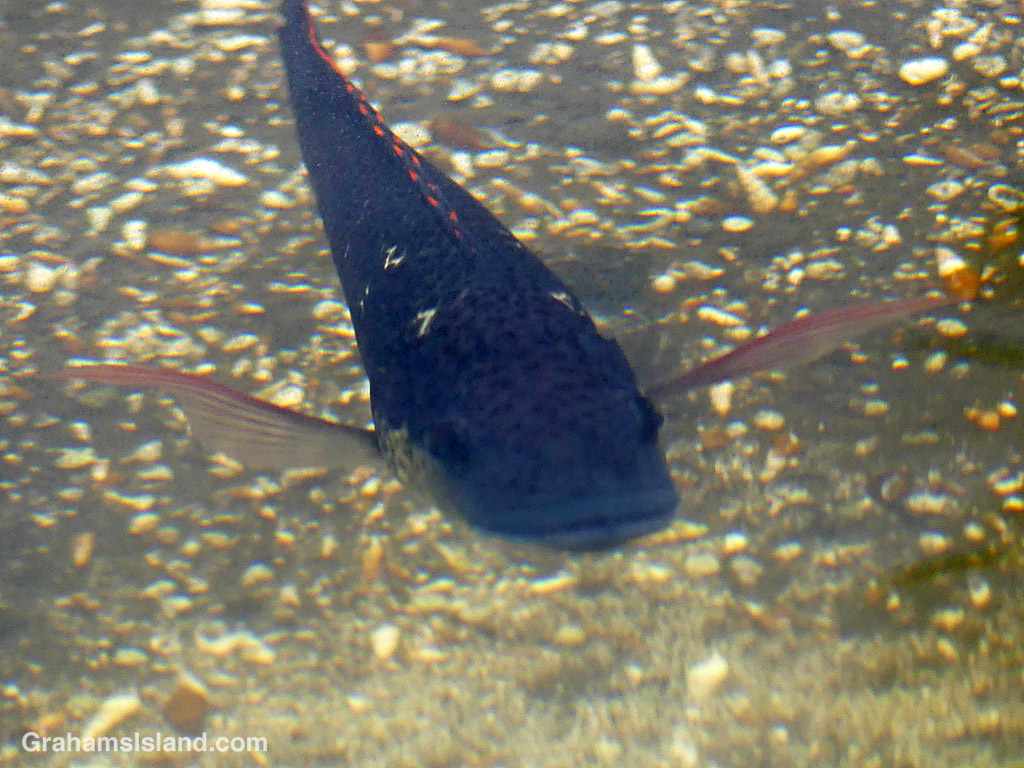
When I was down at Pu’uhonua o Hōnaunau National Historical Park recently, I noticed, possibly for the first time, these circles in some of the fishponds. They are the nests of male Mozambique tilapia (Oreochromis mossambicus). The males hope to entice a female into laying her eggs in their nest, after which the male will fertilize them.

Tilapia were introduced to the fishponds to control mosquitoes, but like many such ideas, they have proved detrimental to the well-being of native species. Currently, efforts are underway to remove them from the ponds.

For more information about Pu’uhonua o Hōnaunau National Historical Park, visit https://www.nps.gov/puho/index.htm

Tilapia in a fishpond at Pu'uhonua o Hōnaunau National Historical Park on the Big Island, Hawaii

Another brush fire

A brush fire at Lapakahi on the North Kohala coast, Hawaii

I was driving home yesterday when I noticed some haze blowing out to sea. I thought it was rain at first, but quickly realized that this was smoke, likely another brush fire, and my heart sank. I was halfway home. Up ahead was Lapakahi and beyond that, Mahukona, two places I spend a lot of time at.

As I got closer I saw that the fire was burning at Lapakahi. Traffic was still passing on the highway though the land beside it was black and smoking. But strong trade winds had blown the fire, which apparently started near the park entrance, down towards the ocean.

A brush fire at Lapakahi on the North Kohala coast, Hawaii

My guess is the fire had been going less than an hour when I got there, though a considerable area had already burned. Fires were burning along the north edge of the area, not far from the road, but the most smoke and bigger flames could be seen closer to the ocean. It looked like the small visitor center had escaped, surrounded as it is by the looping access road. But other structures might not have been so lucky, and the native plants, birds and insects probably did not fare well.