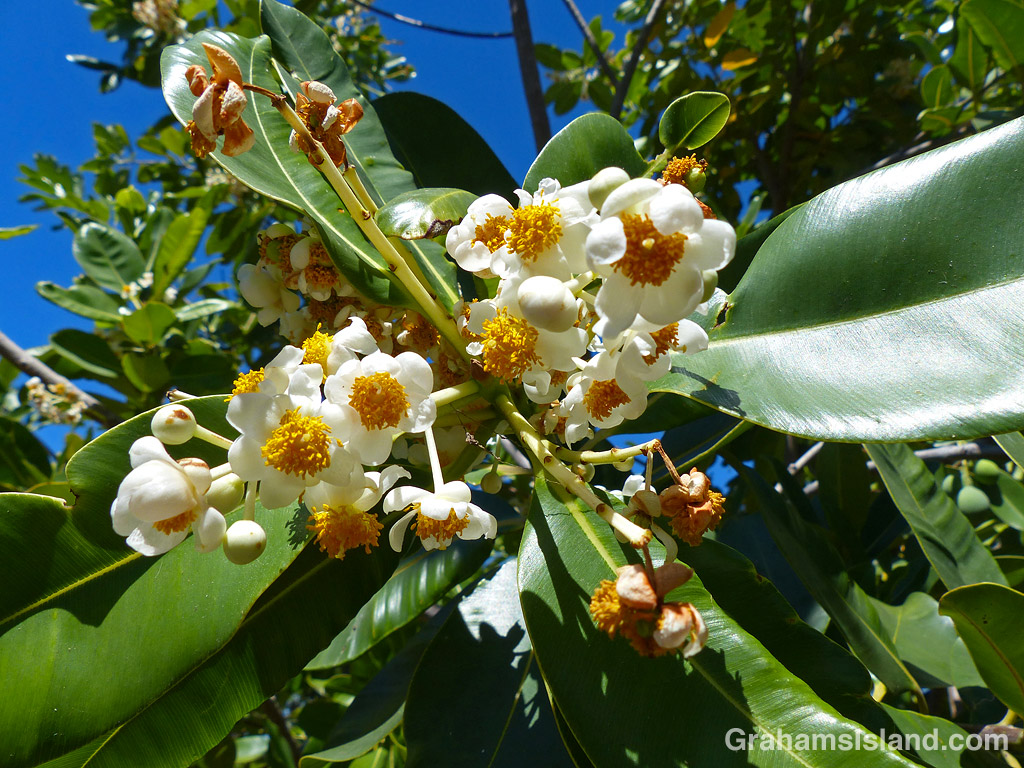
Alexandrian laurel (Calophyllum inophyllum) is known as Kamani in Hawaii. It’s a canoe plant, which means it was brought to Hawaii by the early Polynesian voyagers. They would have carried this evergreen tree because of its importance for building their ocean-going outriggers.
The small white and yellow flowers usually bloom twice a year and are followed by round fruits with a single large seed.
This week’s Sunday Stills challenge theme is ‘Harvest Gold or Citrine.’ See more responses here.
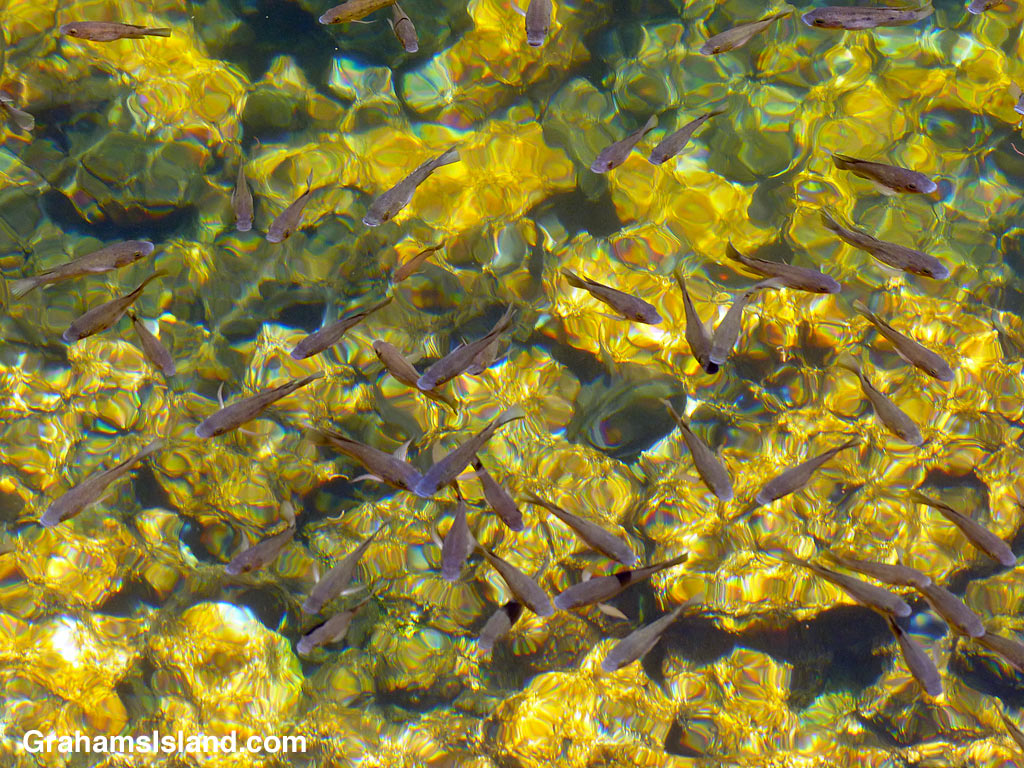
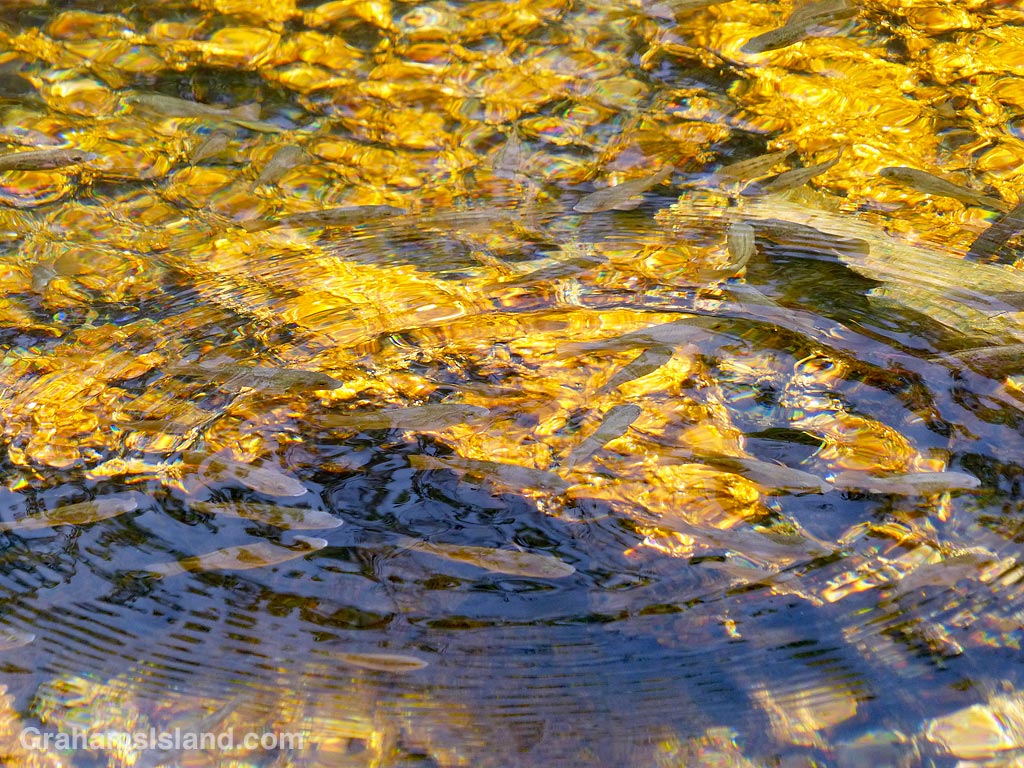
Here are a couple of photos of small fish in the Golden Pools of Keawaiki. The gold color has nothing to do with harvests but is produced by the algae there.
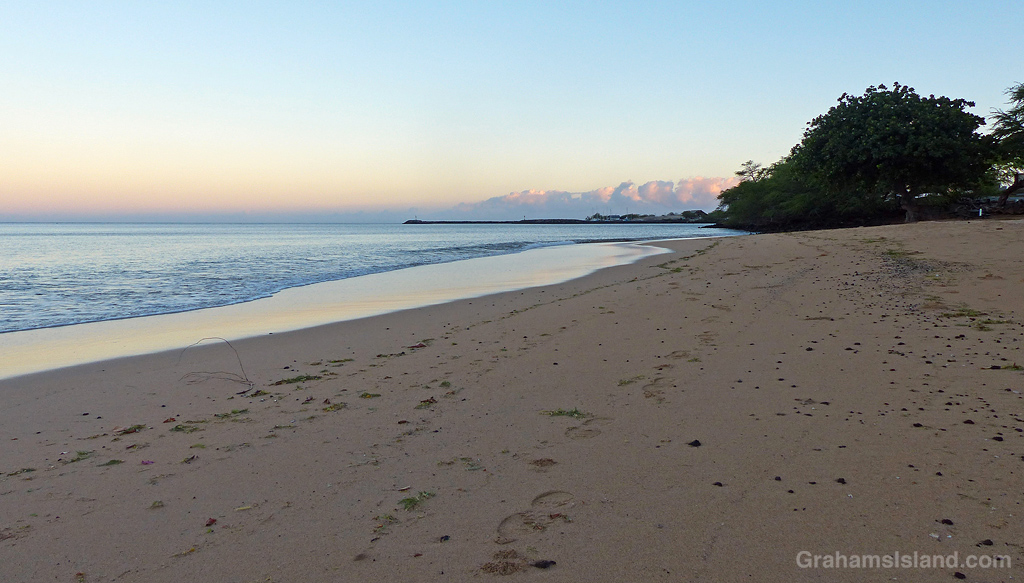
A few days ago, I posted about a heron encounter (here) when I didn’t have enough time to walk along the coast before going to work. I took this photo when I did have that time.
This is a view from Spencer Beach Park towards Kawaihae Harbor. The footprints are mine. There were no others. As a start to the day, it doesn’t get much better.
This week’s Sunday Stills challenge theme is ‘Going Back….’ See more responses here.
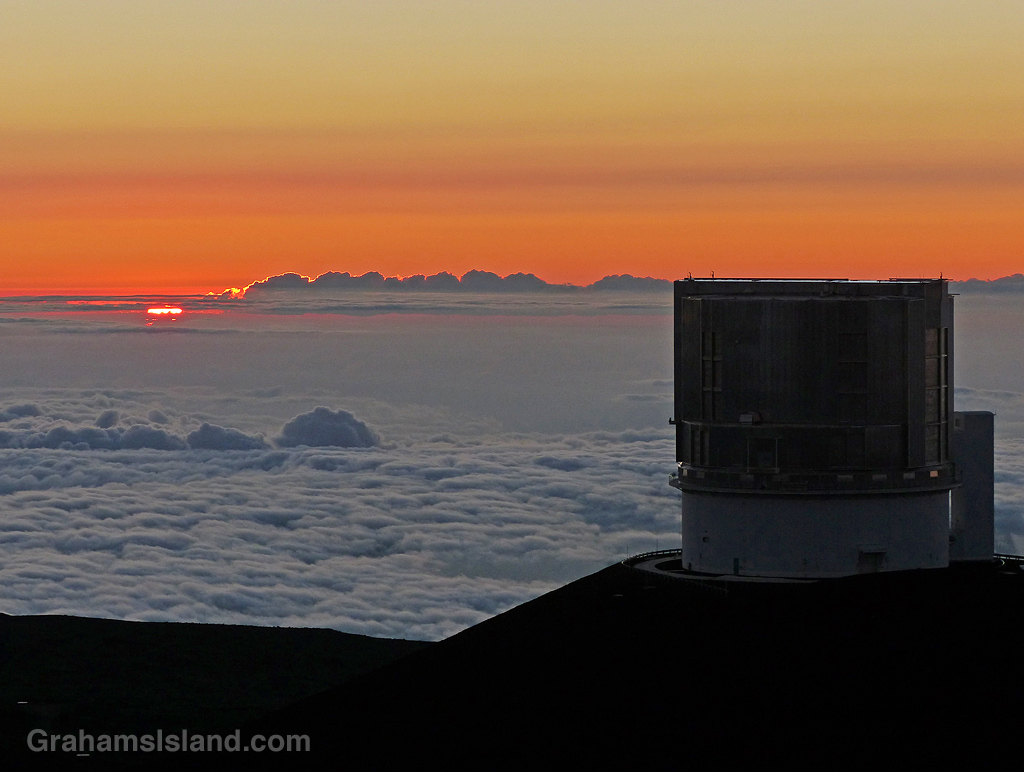
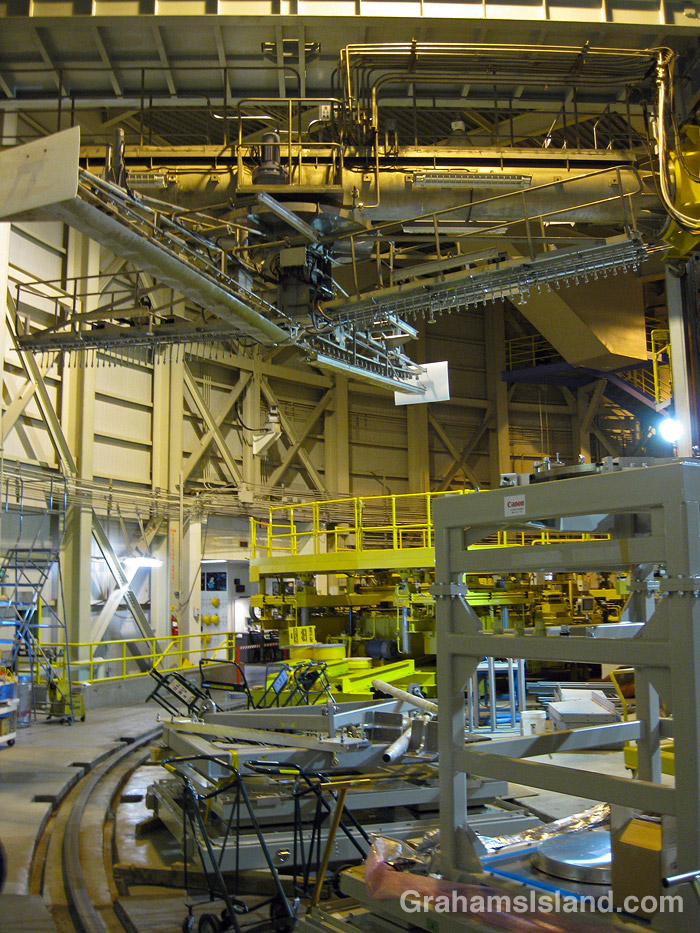
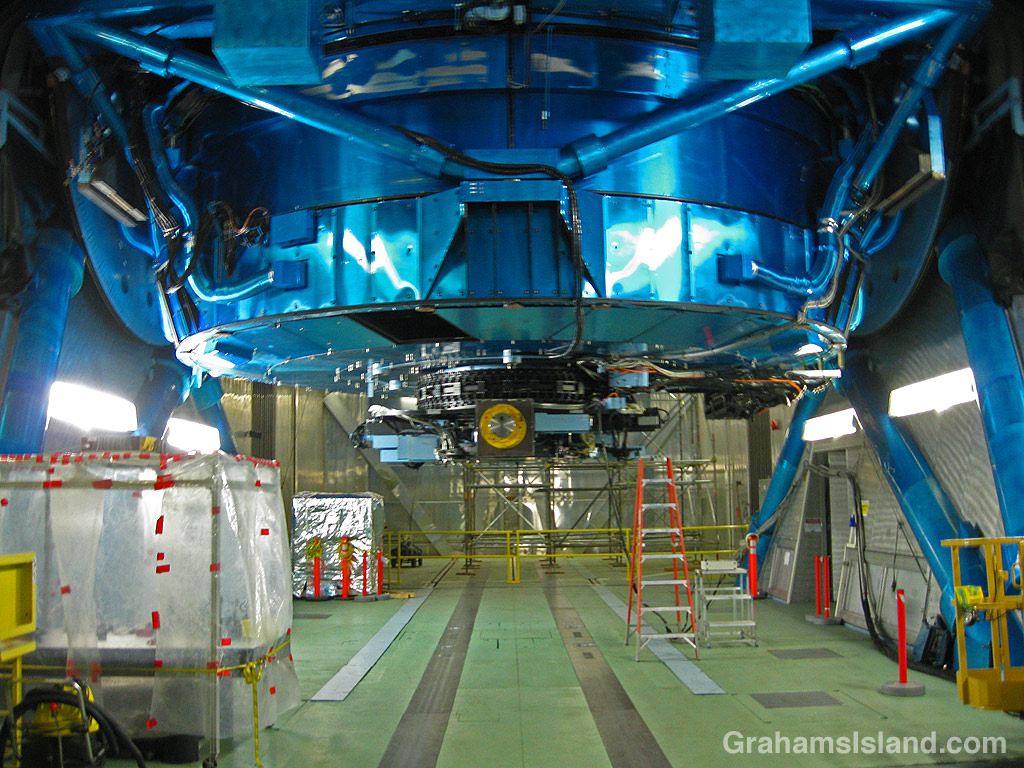
I was thinking about posting photos going back to my first visit to Hawaii, but in looking at them, I realized that I’d never posted photos from my tour of the Subaru Telescope, which I took a few months after moving here. At the time, the Subaru Telescope was the only one on the summit of Mauna Kea that offered tours to the general public, though the tours have been shut down by the current Covid situation.
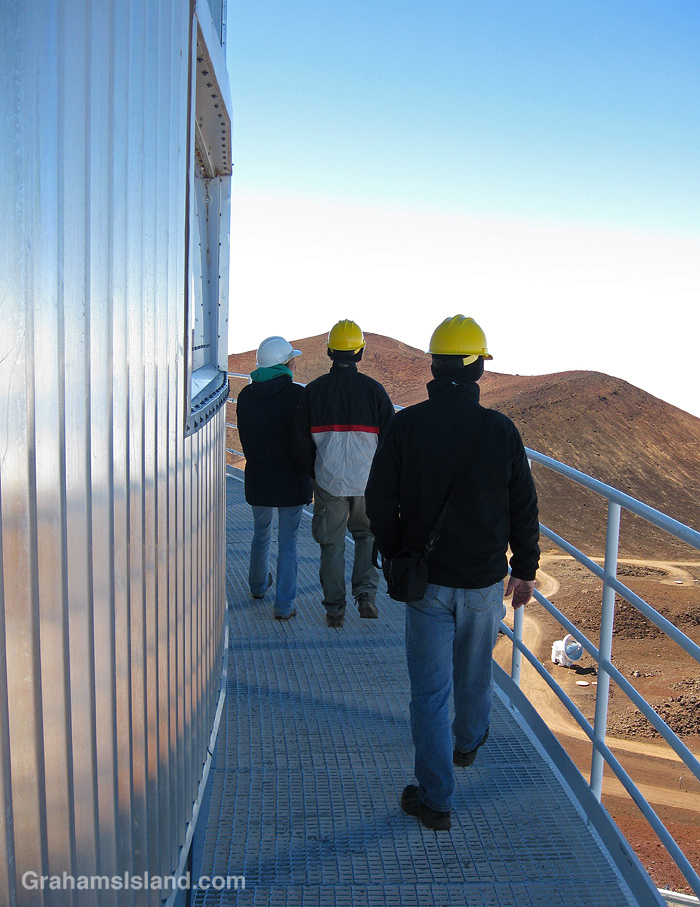
I particularly remember the fabulous views from the walkway around the exterior of the telescope. The interior of the telescope was also interesting, though in the abstract way of a giant piece of equipment. This is not a telescope where one gets to put an eye to the lens to see what’s going on, though I was charmed to learn that when Princess Sayako of Japan dedicated the telescope in 1999, she was able to do just that because a special eyepiece had been constructed for that purpose!
The Subaru Telescope is a Ritchey-Chretien reflecting telescope. It has a large field of view which makes it ideal for wide-field sky surveys. For more information about the Subaru Telescope, visit https://subarutelescope.org/en/. The telescope’s live camera stream captured a cool video of last month’s Perseid Meteor Shower which can be seen here.
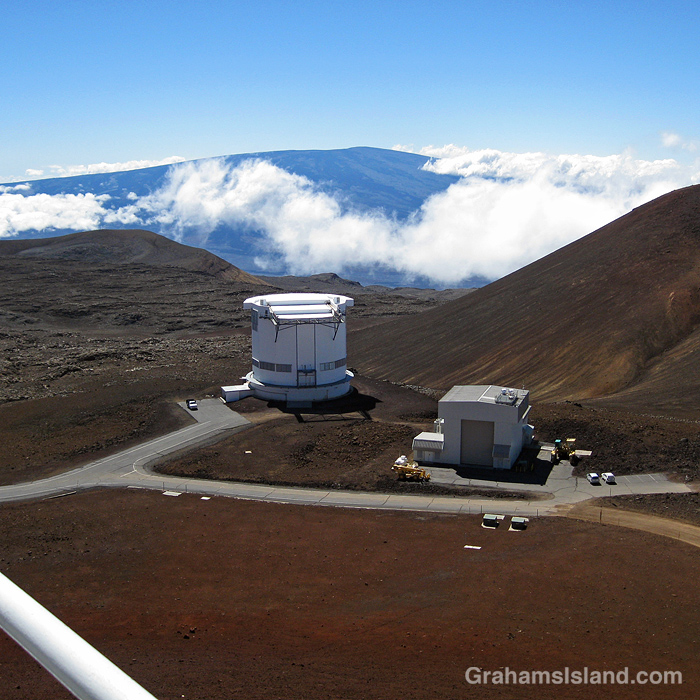
View from the Subaru Telescope toward Mauna Loa with the James Clerk Maxwell Telescope on the left.
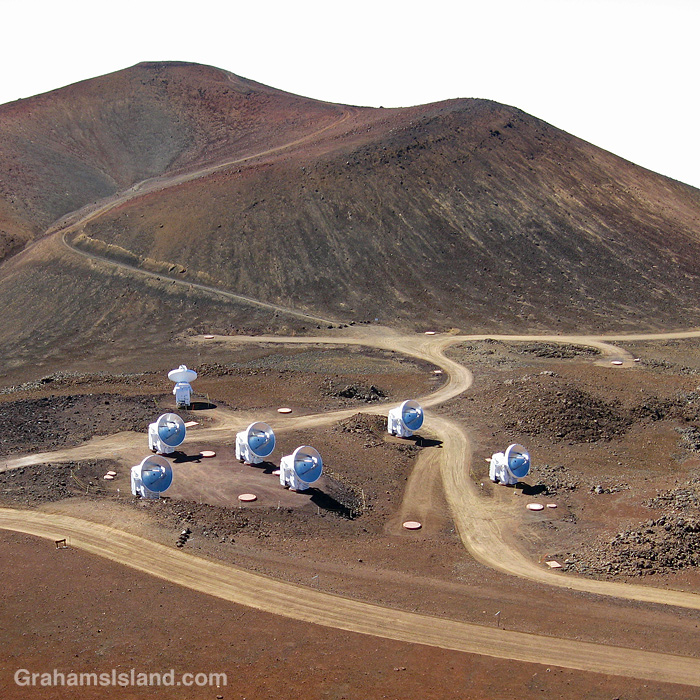
The Smithsonian Submilimeter Array seen from the Subaru Telescope.
I was driving home late one afternoon, when I saw a rainbow forming in front of the gloom enveloping Hawi. I thought about stopping, but at that point, getting a photo would have likely involved the camera getting wet and the results being not that great. I kept going.
But as I neared Hawi, the rainbow strengthened and the precipitation diminished and I was compelled to turn onto the road to Upolu Airport, pull over, and snap some photos of what was a lovely, bright rainbow, with a faint but definite echo just above it.
A while back, I went to take photos of a barge arriving in Kawaihae and saw these buoys on the beach. I don’t know what the net pen was for, but it was quite large, and looked similar to those I’ve seen used for farming fish out in the ocean. I presumed it was ashore here for some repairs
Regardless, the large yellow buoys caught my eye and made a good foreground for the barge being docked.
I was running early to work recently, so I decided to stop in Kawaihae, as I often do. With more time, I’d have gone for a walk along the coast, but I had only 15 minutes so I plumped for a visit to the south end of the harbor to see if there were any herons around.
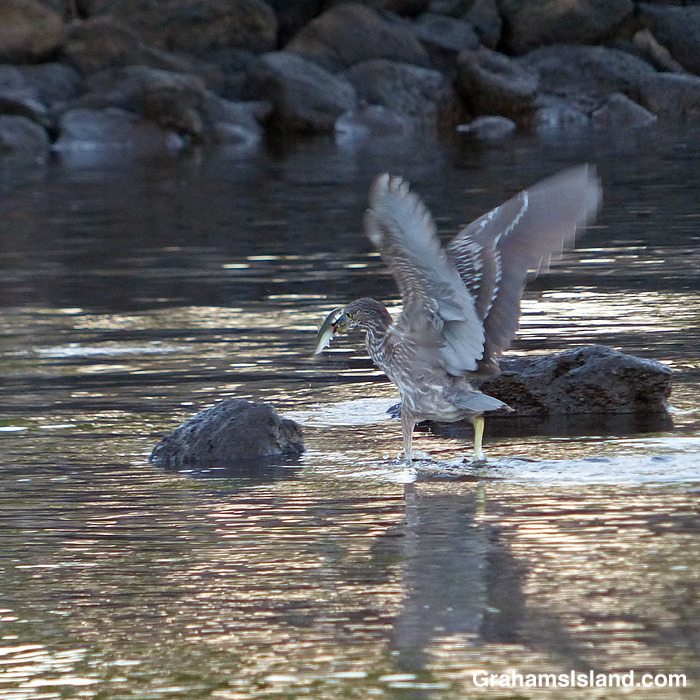
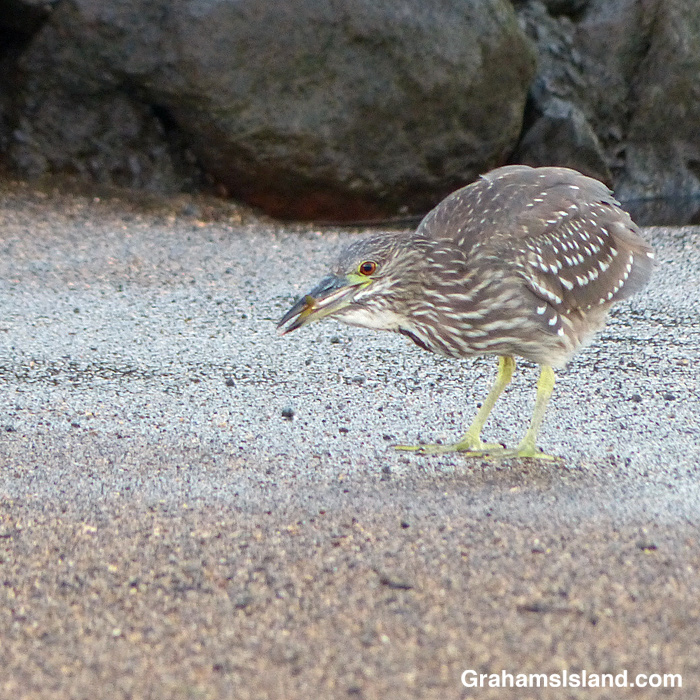
I found two there, but one quickly disappeared. The other stood on a rock in shallow water, a popular fishing spot for them. I took a few photos and noticed the heron leaning forward. It had spotted something. An instant later, it plunged into the water and then emerged with a fish on its beak. It returned to the rock and paused. The fish appeared to be impaled on the heron’s beak, but extracting the beak risked losing the fish before it could be eaten.
A moment later, the heron hopped over to the small beach where I was. There, it popped the fish into the air and swallowed it in one slick movement. This whole sequence took less than three minutes. The heron stayed on the beach and I returned to my car and headed off to work, very glad that I’d stopped by.
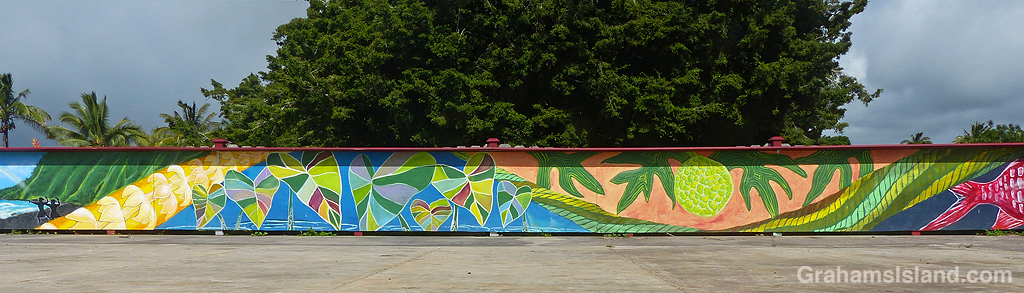
This week’s Sunday Stills challenge theme is ‘Colorful Murals.’ See more responses here.
I was going to take a photo of a now completed mural-in-progess I used in a previous challenge (here), but it was rather obscured by a food wagon and some other items being stored in the corner of an open square. Instead, I took this photo, of one of the several other murals surrounding that square, which is the site of a former restaurant that burned down a few years ago.