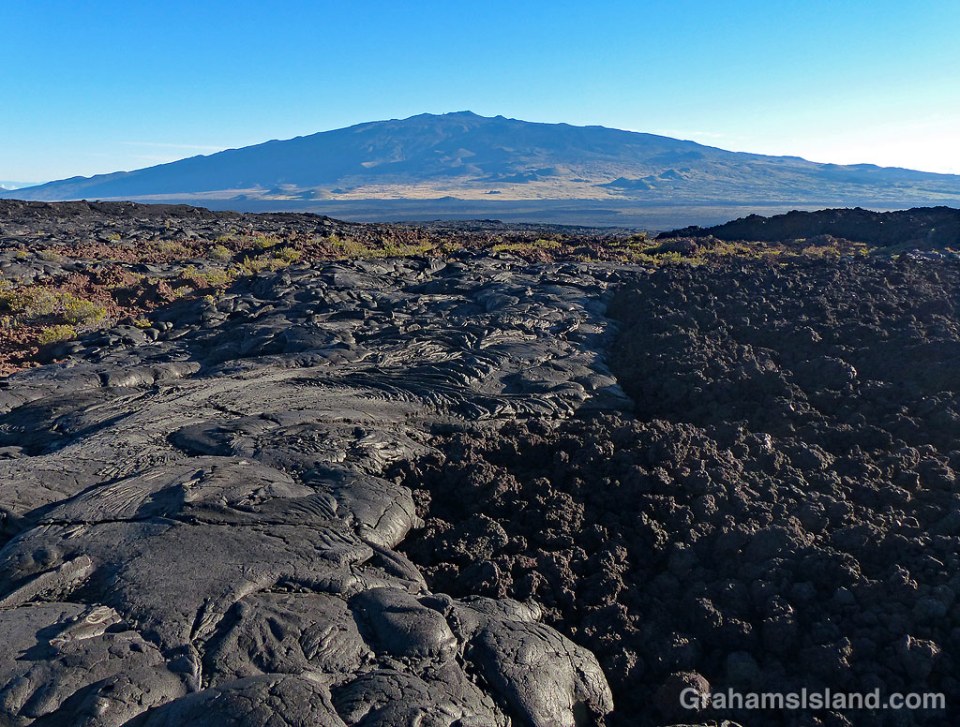
This photo shows the two main types of lava found on the Big Island. On the left is pahoehoe lava and to the right, a’a lava. They’re noticeably different. Pahoehoe lava is typically rounded and smoother, and the height of the flow is quite modest. A’a flows are characterized by a rough, clinker surface and the flow height is greater. Both types of lava can be produced by the same eruption and even in the same flow, depending on conditions.
Pahoehoe flows occur when lava is hot and fluid. Typically, pahoehoe flows result from an eruption that outputs lava at a lower rate, has a lower flow rate and a slower moving flow front. The slower movement of the flow allows a skin to form on the surface and this insulates the lava within. The flow is actually made up of a large number of ‘toes.’ Each toe flows for a short time, a matter of minutes. When it stops, the lava inside causes the toe to expand until the skin cracks and releases a new toe.
A’a flows are more viscous, but with a higher flow rate and faster flow front. The lava in the center of the flow is very dense with a layer of rough clinker on top. As the flow advances, the front tumbles over itself breaking into more rough pieces.
It’s easy to see from the photo that walking is much easier over pahoehoe lava than a’a lava. That’s when it’s cooled of course. When it’s red hot and flowing, it’s best not to get too close.
This flow was on the north side of Mauna Loa, looking across to Mauna Kea.
For a more thorough description of the difference between a’a and pahoehoe lava, go to http://volcano.oregonstate.edu/book/export/html/131


 Clerodendrum paniculatum is known as the pagoda plant. When I last visited Hawaii Tropical Botanical Garden in mid July it seemed like there were fewer plants in bloom than when I’ve visited at other times of the year. But the pagoda plants were rampant and putting on quite a show.
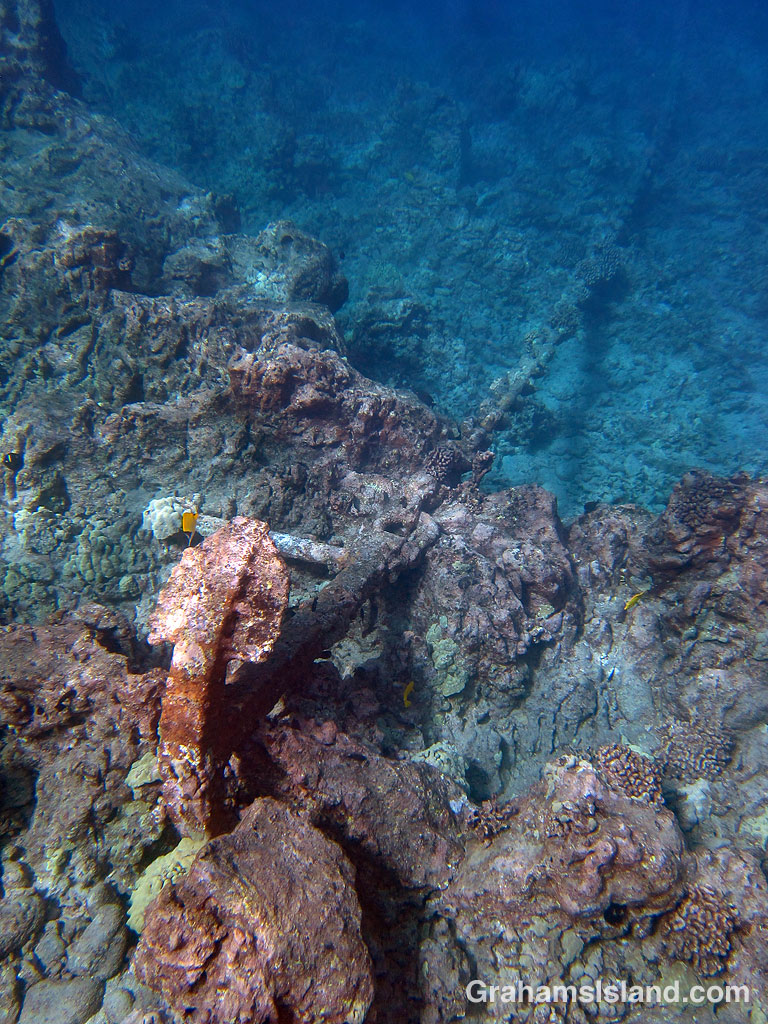 This week’s Sunday Stills challenge theme is ‘Objects over 100 years old.’ (See more responses

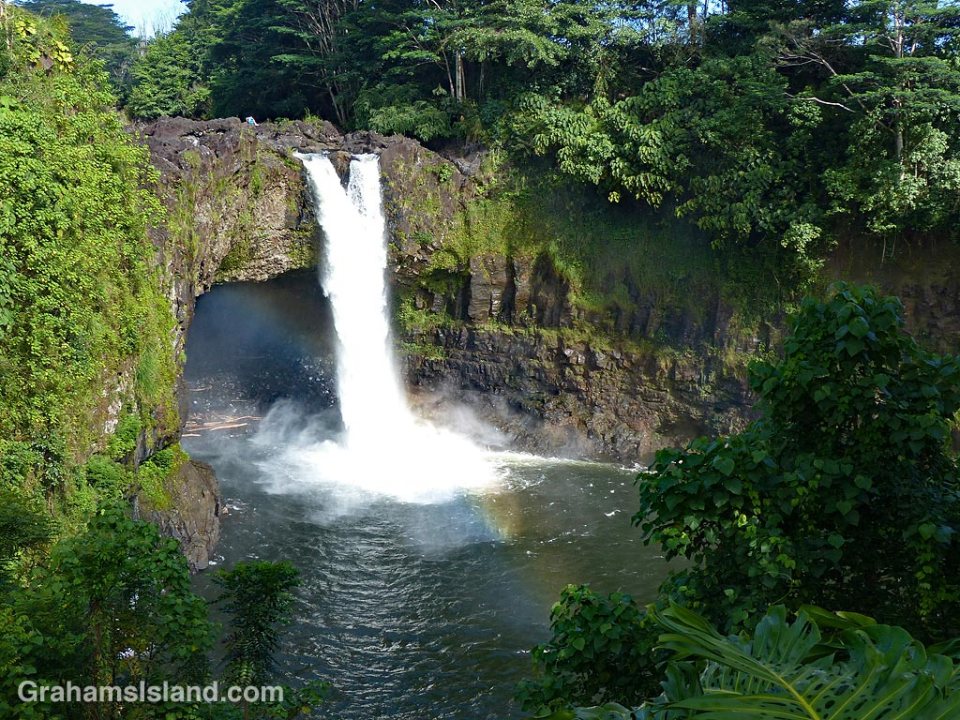
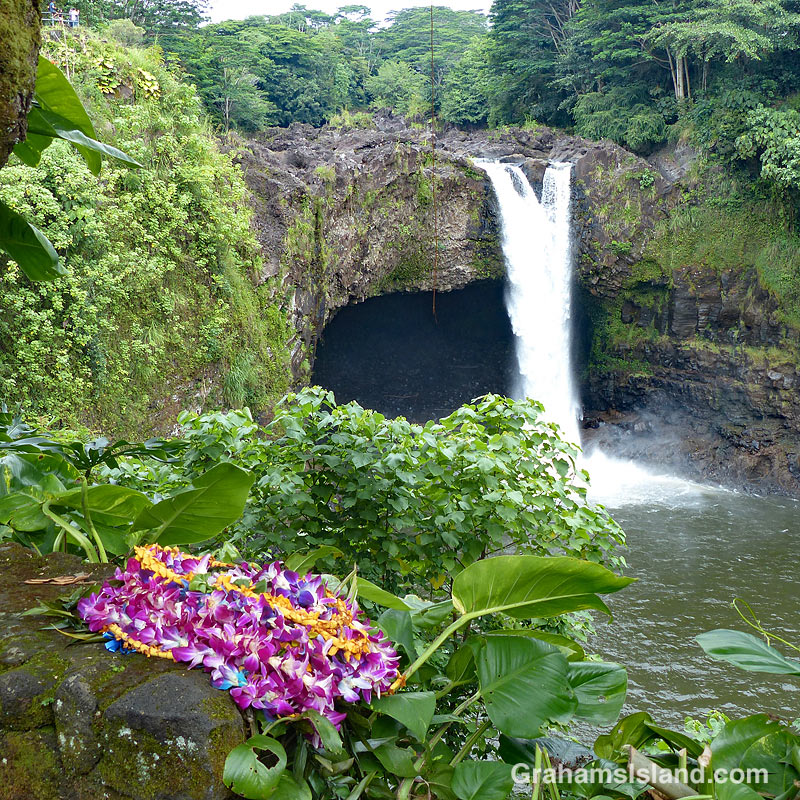 Rainbow Falls are located in Wailuku River State Park, in Hilo. They get their name from the fact that, in the mornings, rainbows often form in the mist from the falls (above).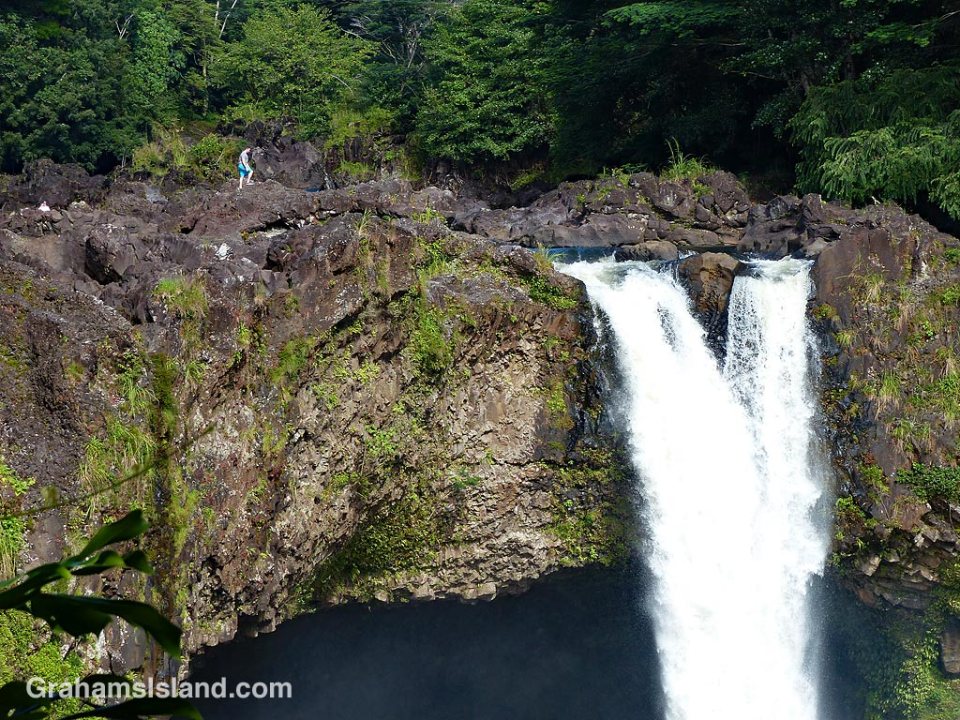
 Graham's Island