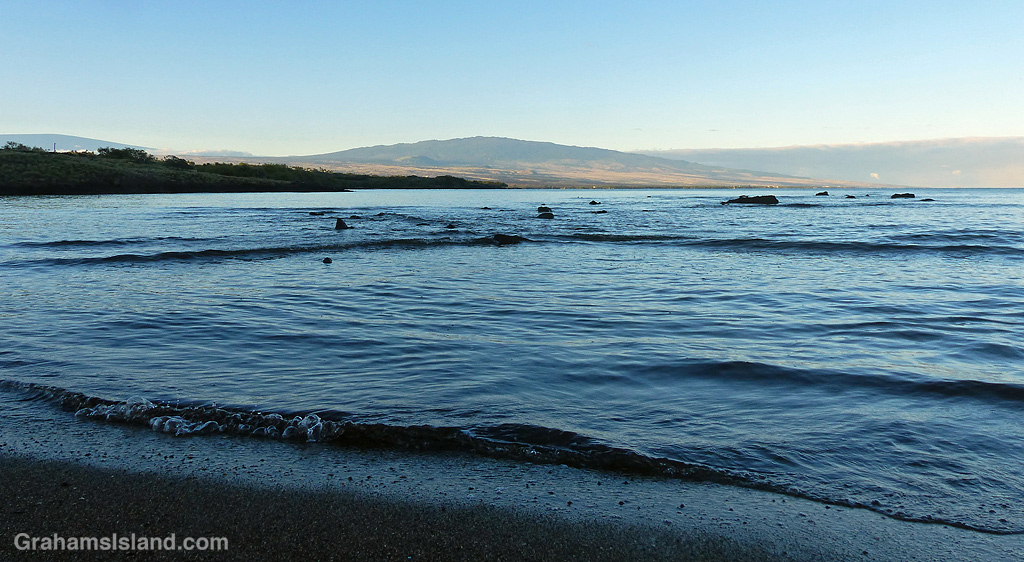
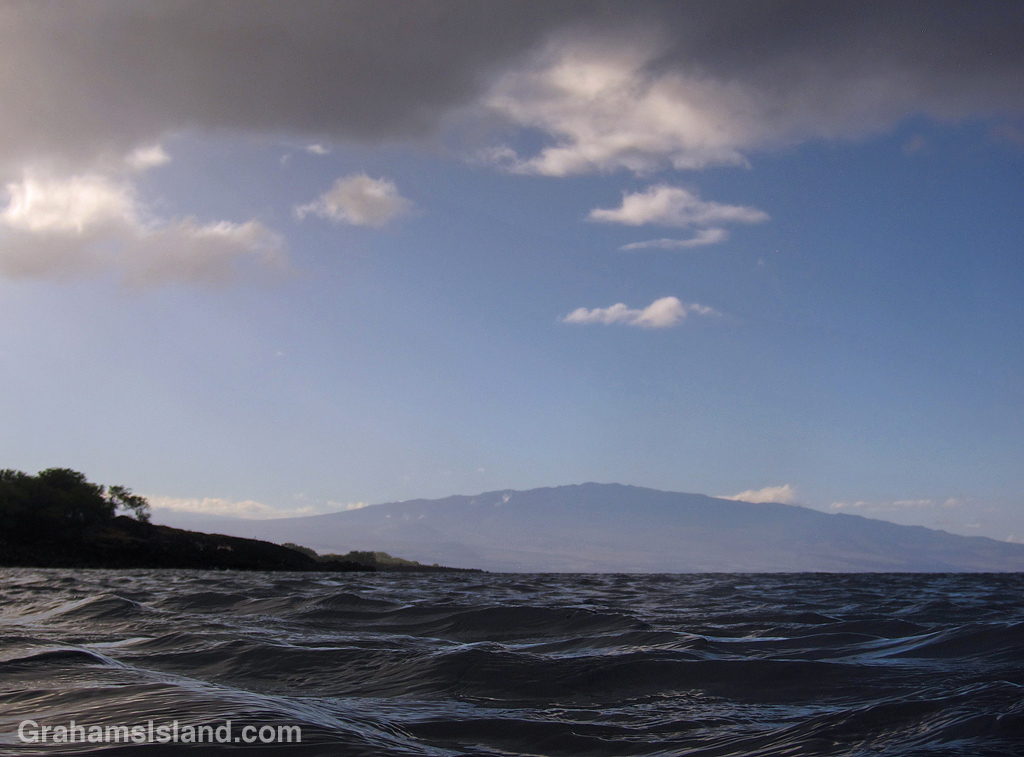
An early morning view of Hualalai Volcano from the beach below Pu’ukohala Heiau at Kawaihae.

An early morning view of Hualalai Volcano from the beach below Pu’ukohala Heiau at Kawaihae.


This week’s Sunday Stills challenge theme is ‘Burlywood.’ (See more responses here.) It’s a color I’d never heard of before, apparently a shade of khaki. I’ve gone for some photos of Mauna Ulu, a crater in Hawaii Volcanoes National Park.
The Mauna Ulu eruption took place between 1969 and 1974 and transformed the landscape of the park. A good guide to the eruption can be found here. These days, it’s a quiet area and plants have gained a foothold in the main crater, though the slopes are still mostly barren. And it’s those slopes, seen from the air, that have a pronounced khaki, or burlywood color.
For more information about Hawaii Volcanoes National Park, go to nps.gov/havo/.

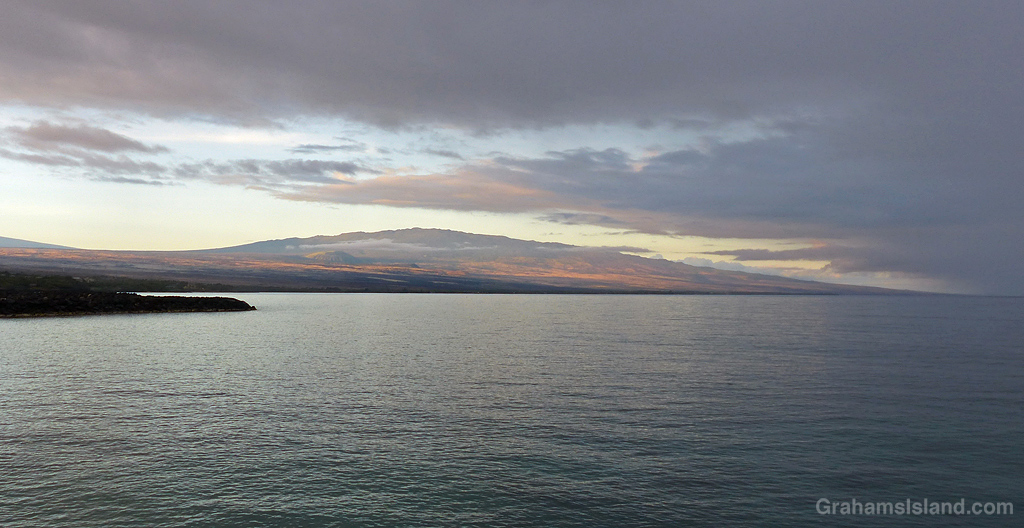
An early morning view of Hualalai Volcano from Kawaihae Harbor.
This week’s Sunday Stills challenge theme is ‘Geometric–explore various angles.’ I’ve focused more on the ‘various angles’ than the geometric.
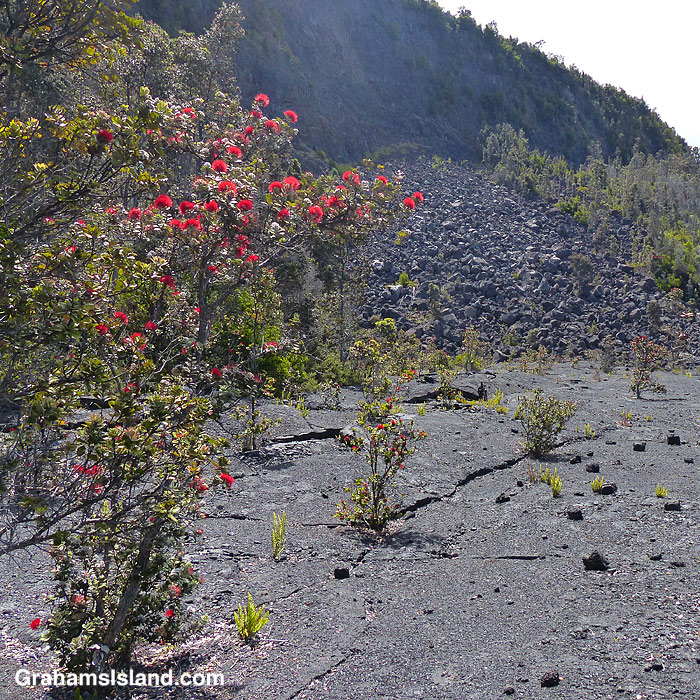
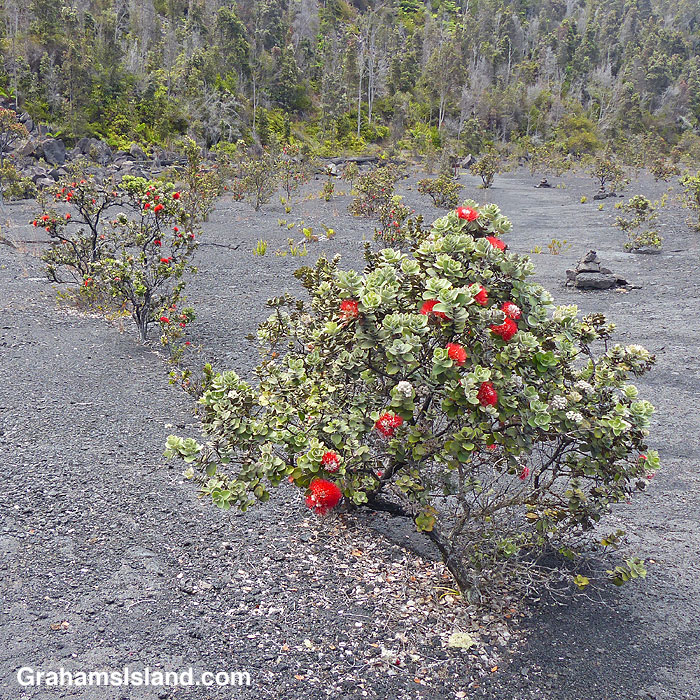
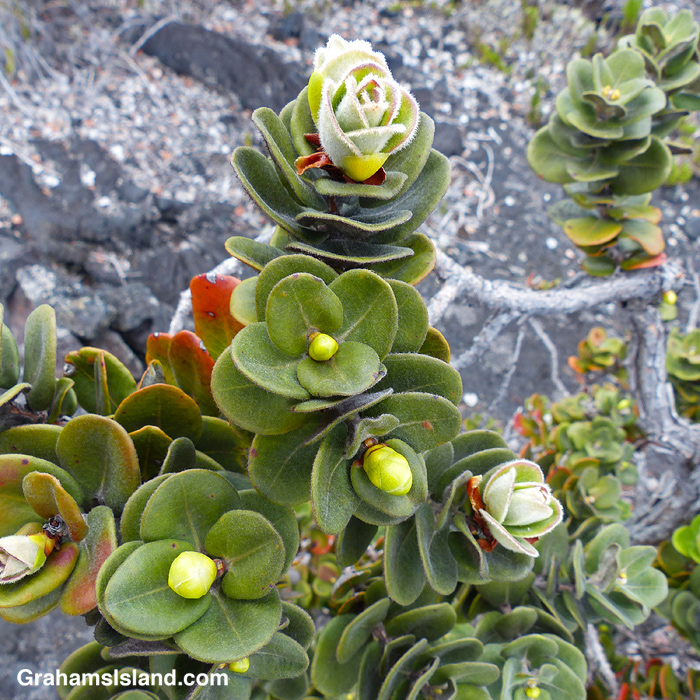
Ohia trees (Metrosideros polymorpha) are endemic to Hawaii and the flower of these trees is the official flower of the Big Island. Depending on growing conditions, ohias can vary from ground hugging shrubs to 50 foot trees. They grow at sea level and at elevations up to 8,000 feet. They’re probably most noted for two things. One is their brilliant display of flowers. The other is that they’re usually the first plants to recolonize lava flows.
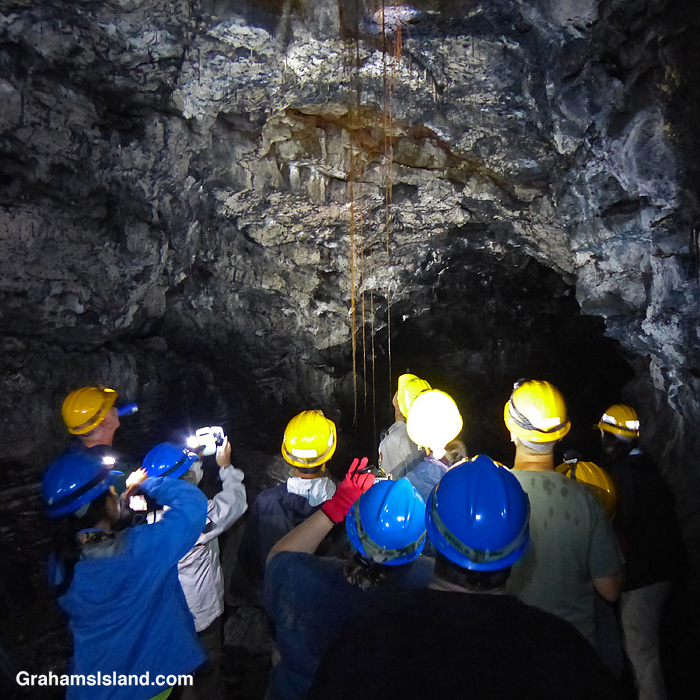
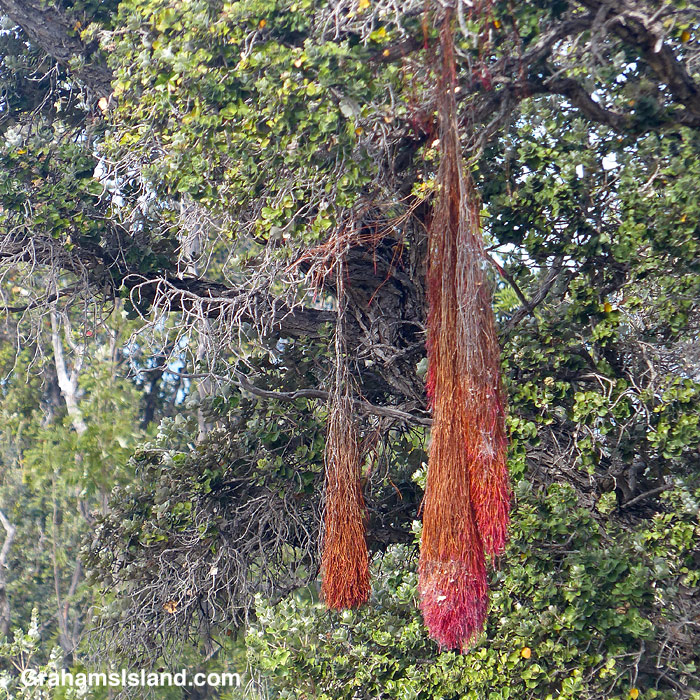
They grow in lava is because their roots reach down into lava tubes and tap into the moisture available there. But ohia can also put out aerial roots to gather moisture. They’re very flexible in this way.
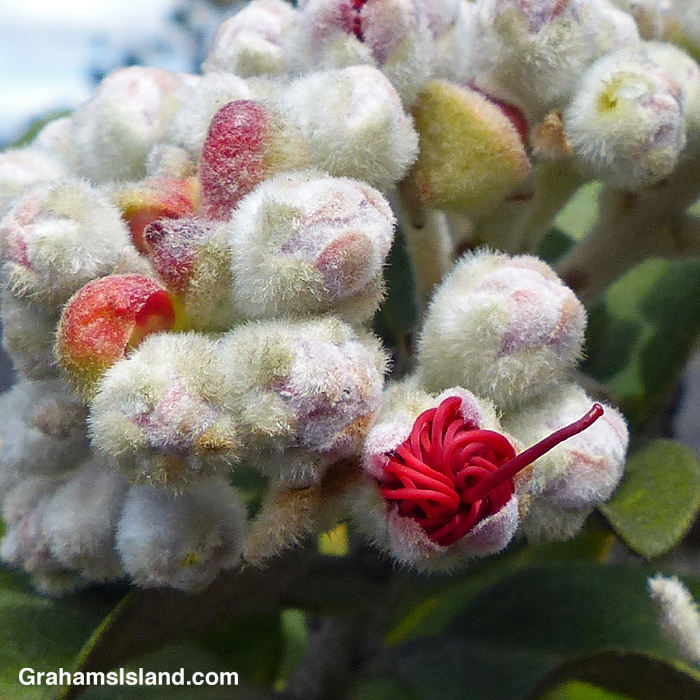
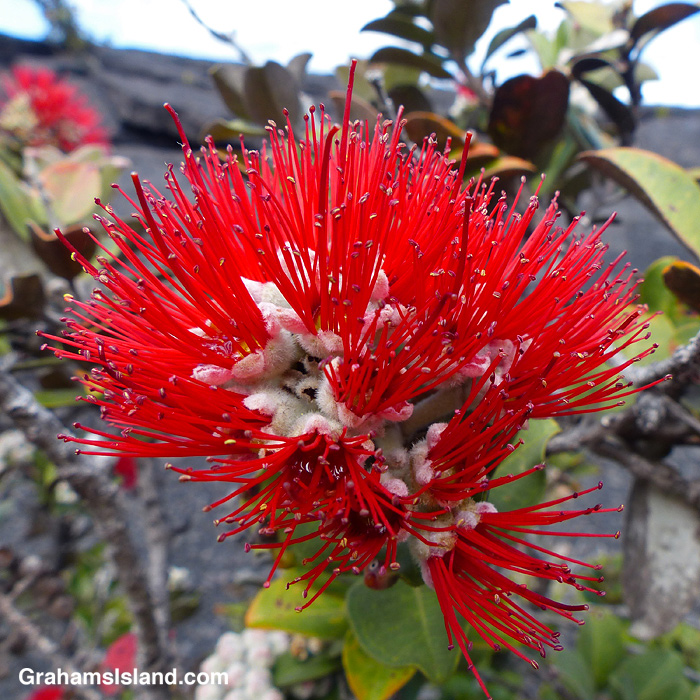
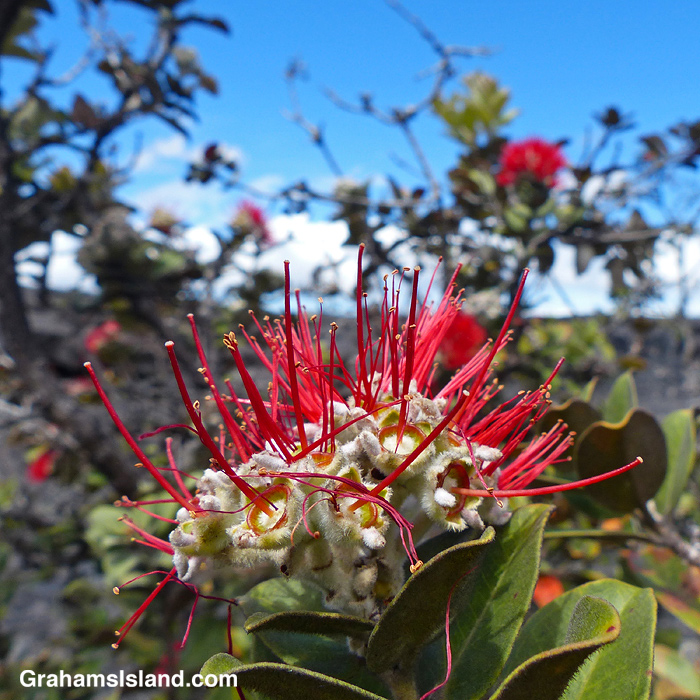
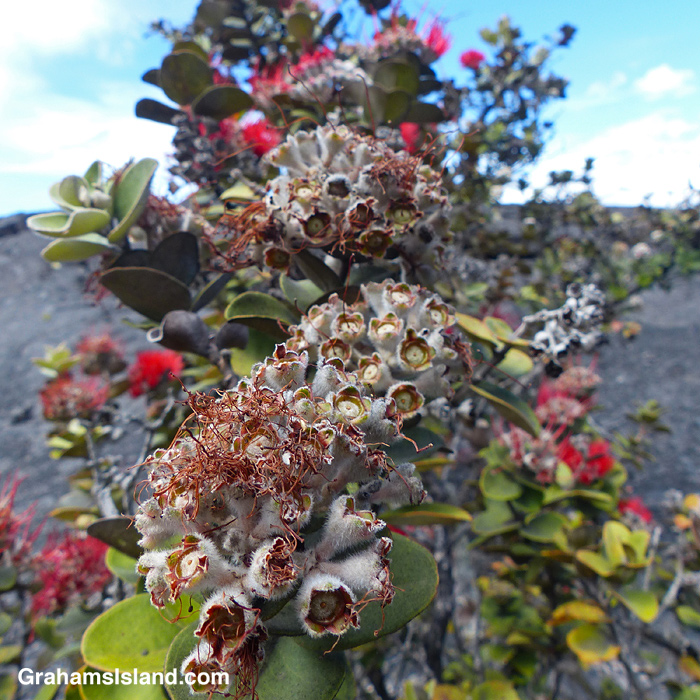
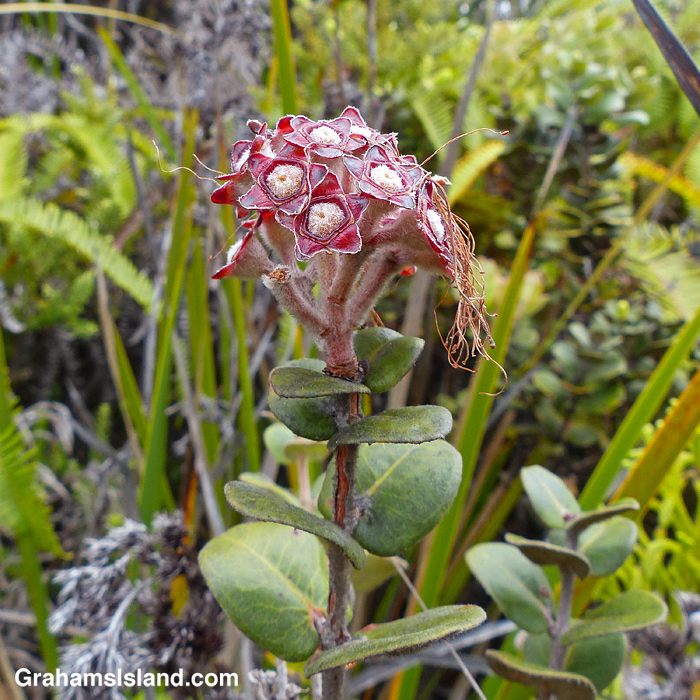
The puffball flowers are actually clusters of flowers. Each flower is made up of a bunch of stamens (the male part of the flower) and a single pistil (the female part) which is thicker and longer than the stamens. When the flowers have been pollinated, the stamens fall away until only the pistil remains. This too will disappear as the calyx, where the seeds are found, develops. Eventually, the calyx will dry out and release the tiny mature seeds, to be dispersed by the winds, and hopefully grow into new ohia trees.
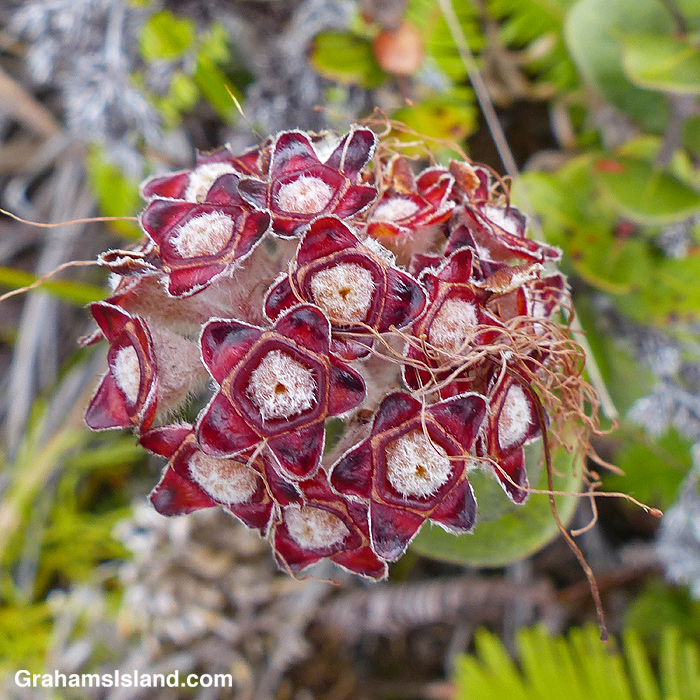
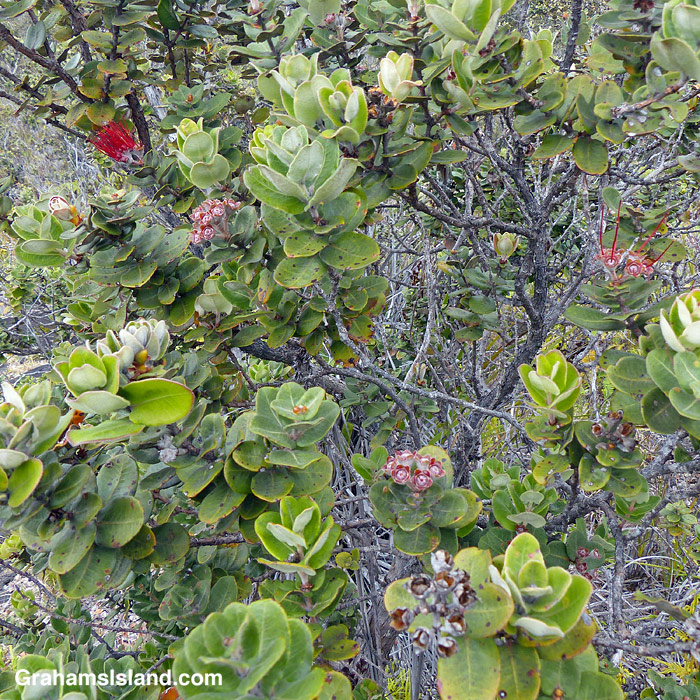
Also posted in response to Becky’s July Squares challenge theme of ‘Trees.’ See more responses here.
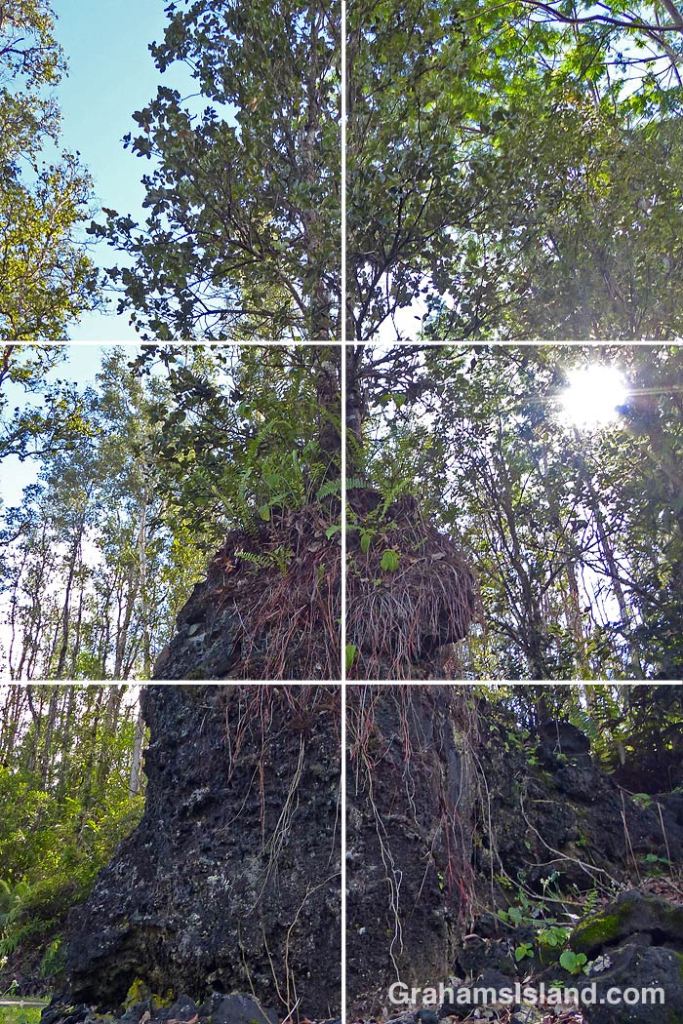
Becky’s Squares challenge theme for July is ‘Trees.’ See more responses here.
Trees tend to be vertical and thus represent a bit of a problem for a squares challenge. However, I am nothing if not devious, and a rectangle can be nothing more than a collection of squares! By way of compensation, these images feature two trees for the price of one.
The lower part of the image is a lava tree. This is the lava formation that can be left when a living tree is surrounded by a lava flow. But that lava tree then can be a platform for plants to grow in the hollow center. In this case, the plant that’s growing is another tree.
I’d add something about this representing the cycle of life, but that’s circular and thus wildly inappropriate for a squares challenge! For a little more about lava trees, see here.
This week’s Sunday Stills challenge theme is ‘Great Outdoors.’ See more responses here.
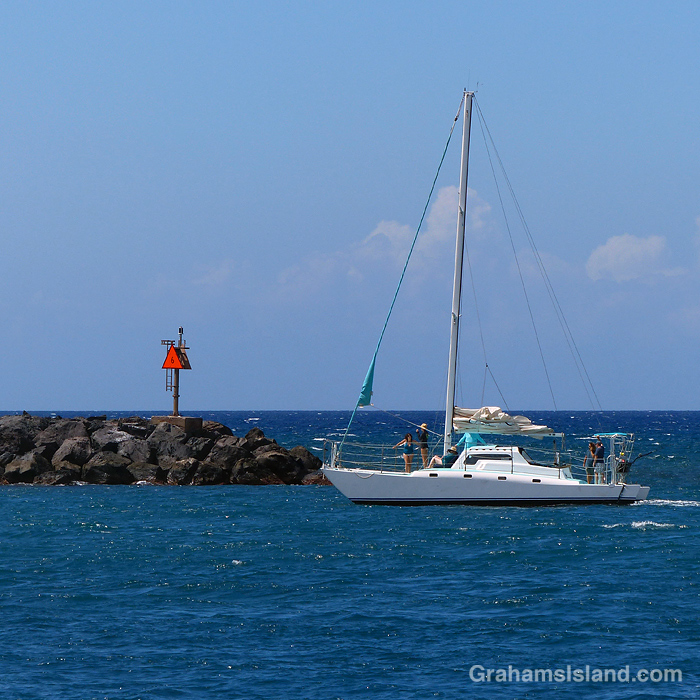
In Hawaii, people spend a great deal of time outdoors. It’s common for people to have an outdoor kitchen, sometimes their only kitchen, sometimes a second one where a barbecue is the featured cooking apparatus. Carports often feature chairs and tables with cars parked elsewhere. The lanai, or deck, is as well-used as any room in the house.
Outdoor activities are popular here, too. Many involve the ocean and its inviting water: swimming, snorkeling, paddling, and of course surfing. Plenty of people go fishing and hunting, longtime sources of food for the table.
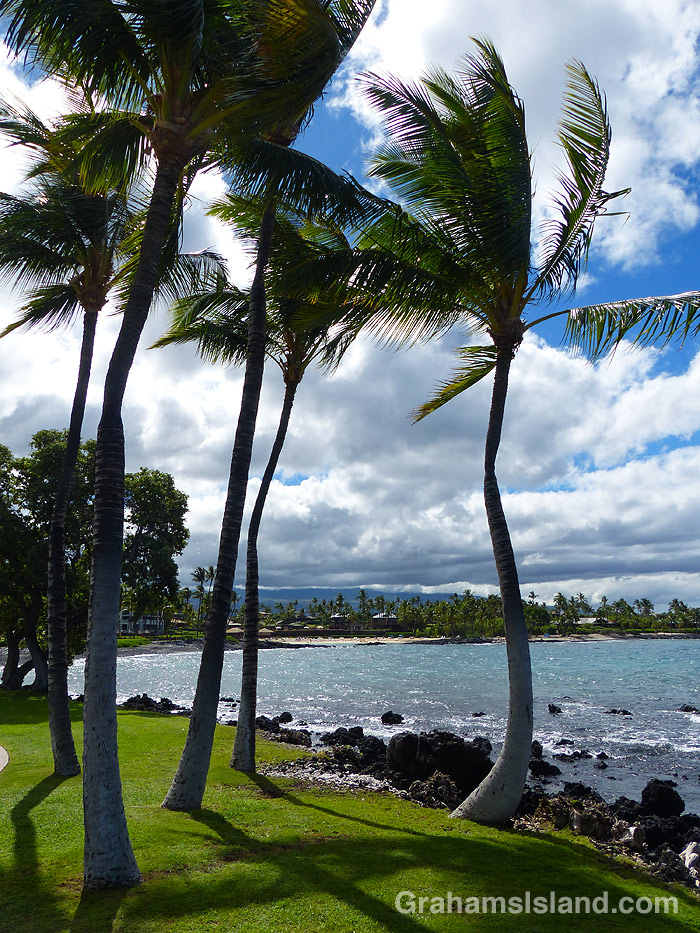
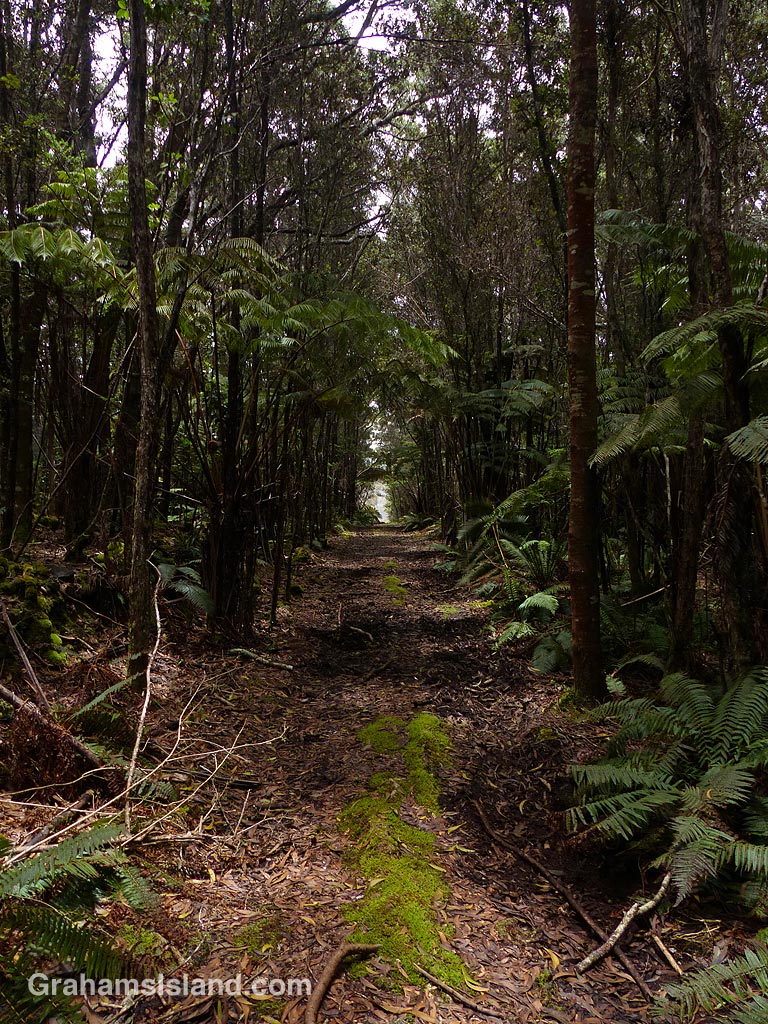
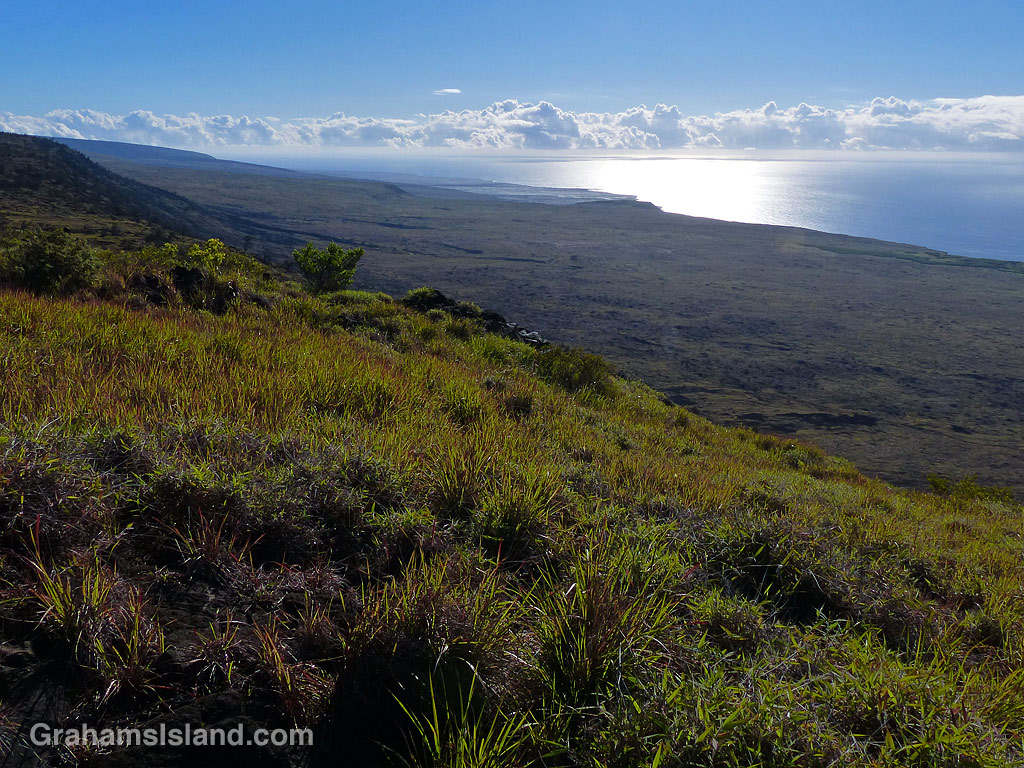
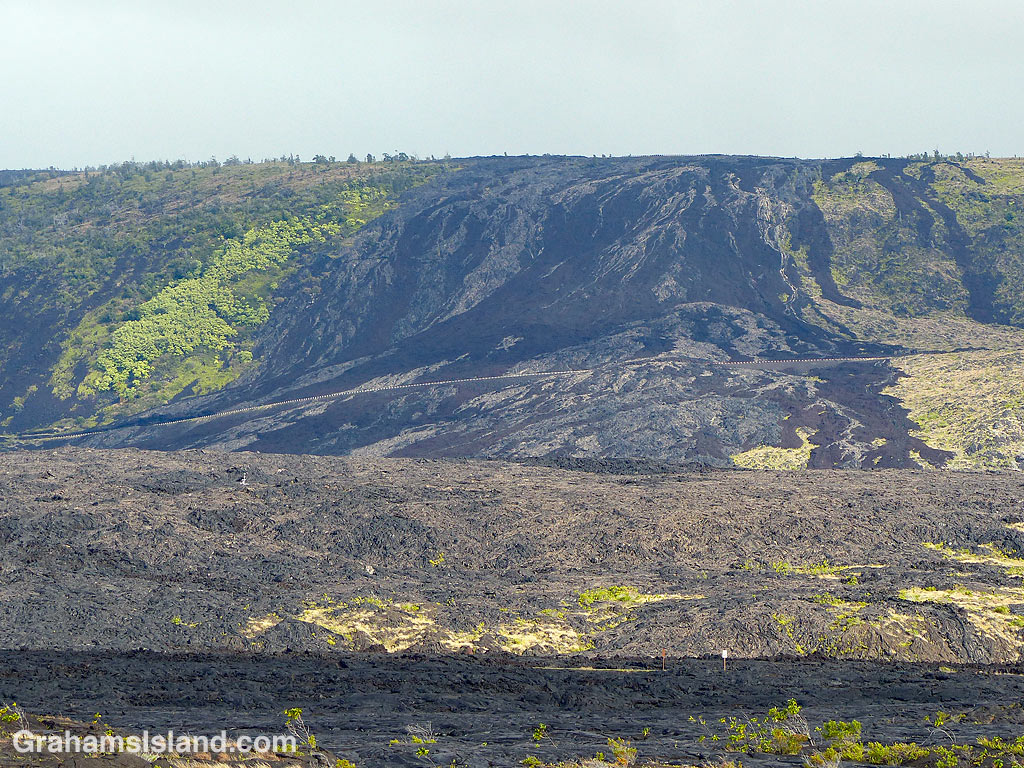
For me, experiencing the great outdoors primarily involves hiking and snorkeling. Hiking isn’t especially popular here, especially along the coast where it can get quite hot. I get strange looks when I hike the length of popular beaches togged out in hiking gear, including shoes, hat, and fanny pack loaded with water. For most, the beach is a place for stretching out and broiling in the sun, not actively working up a sweat.
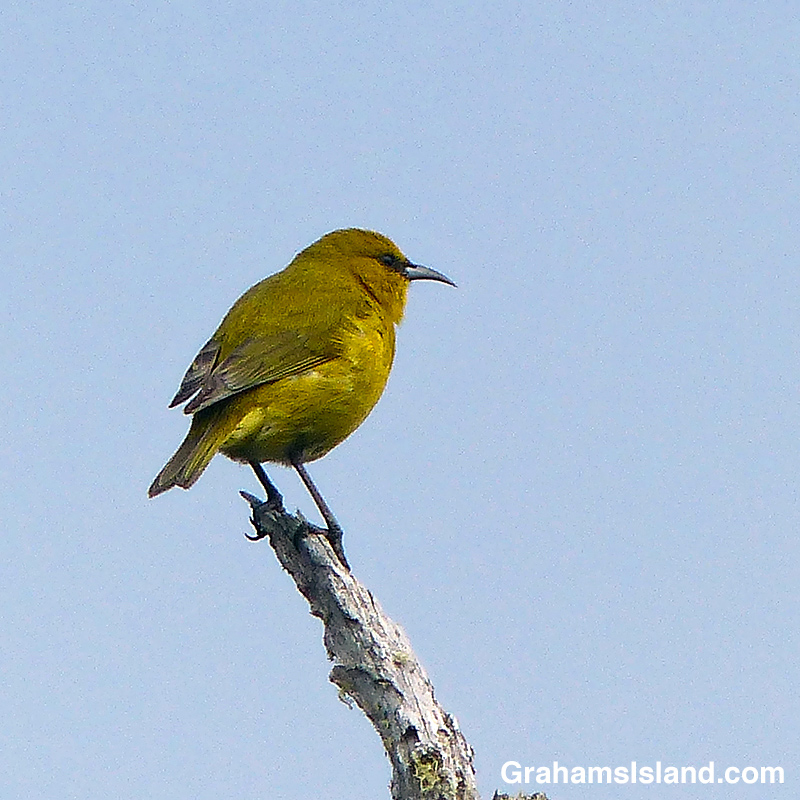
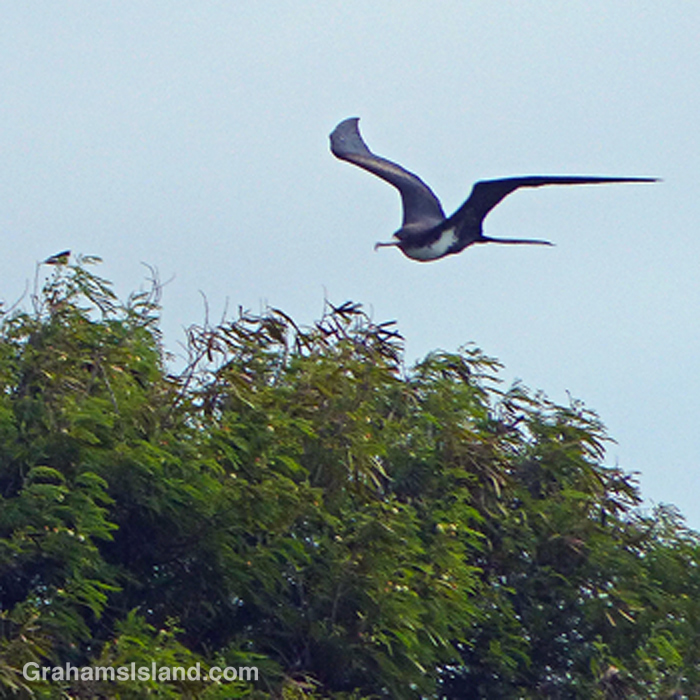
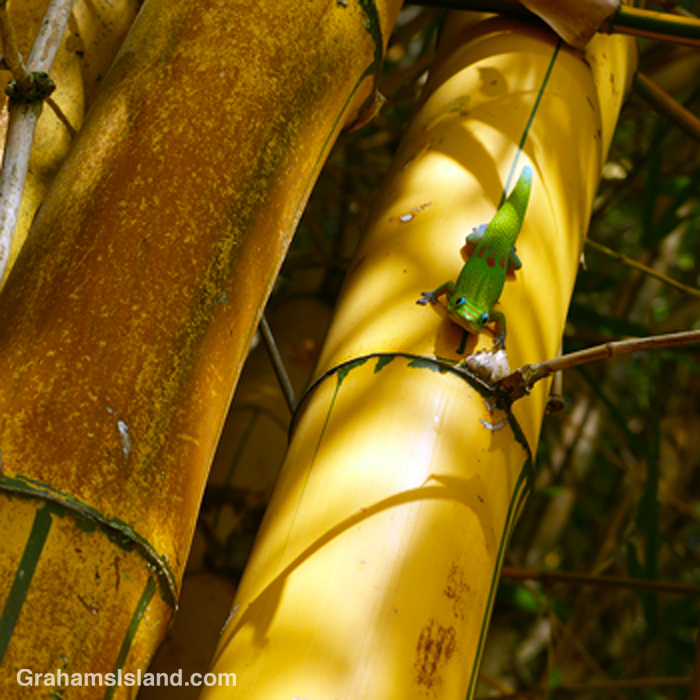
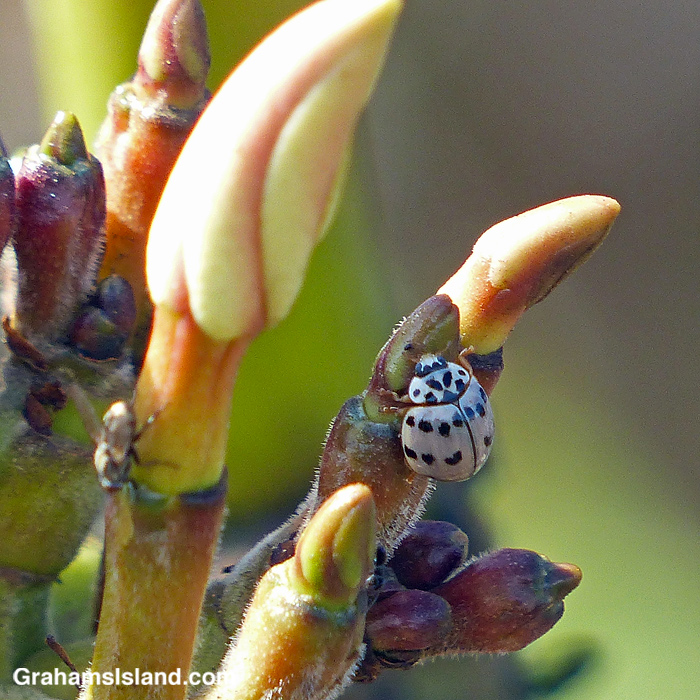
The vast majority of photos on this blog are taken in the great outdoors. These photos are a small selection of things I’ve seen while out and about, from sweeping views to birds and bugs.
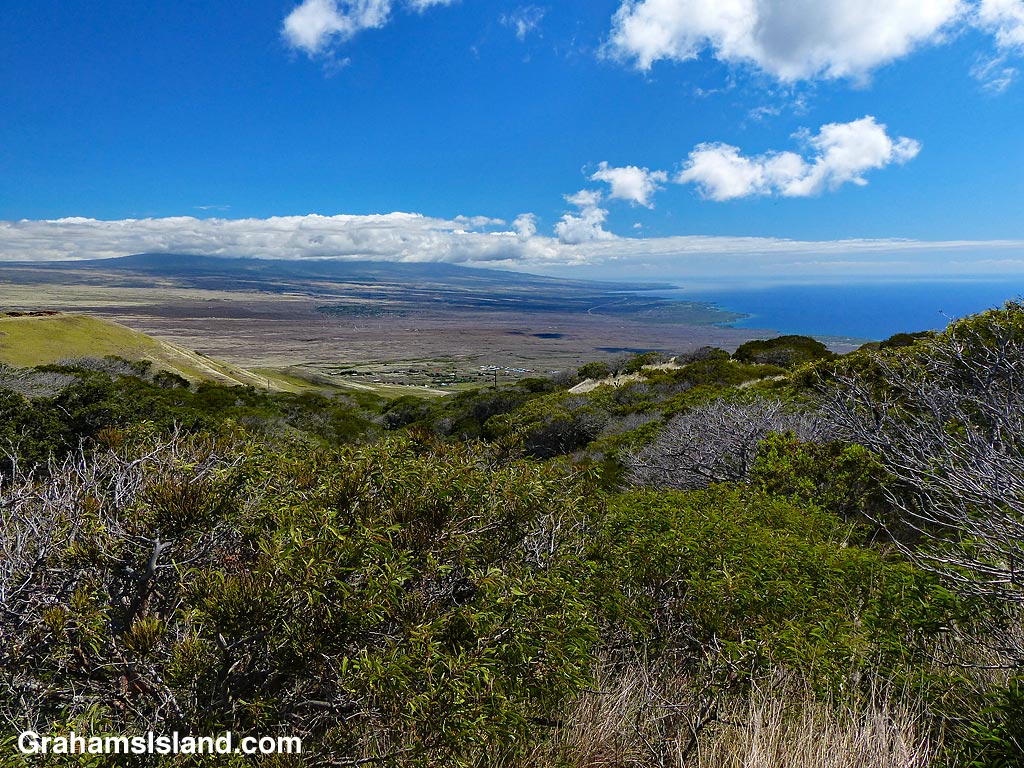
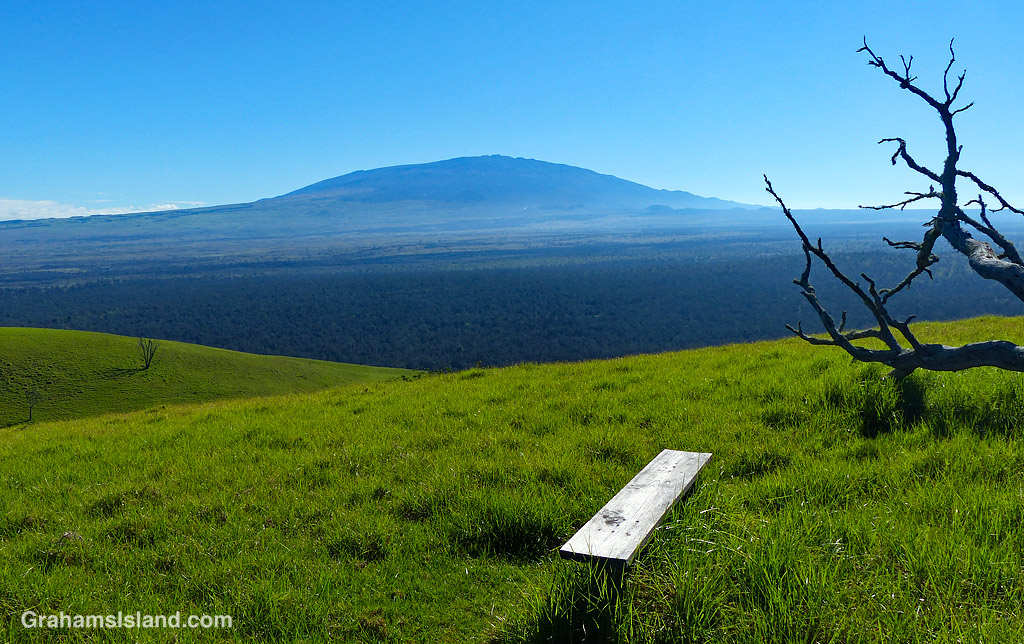
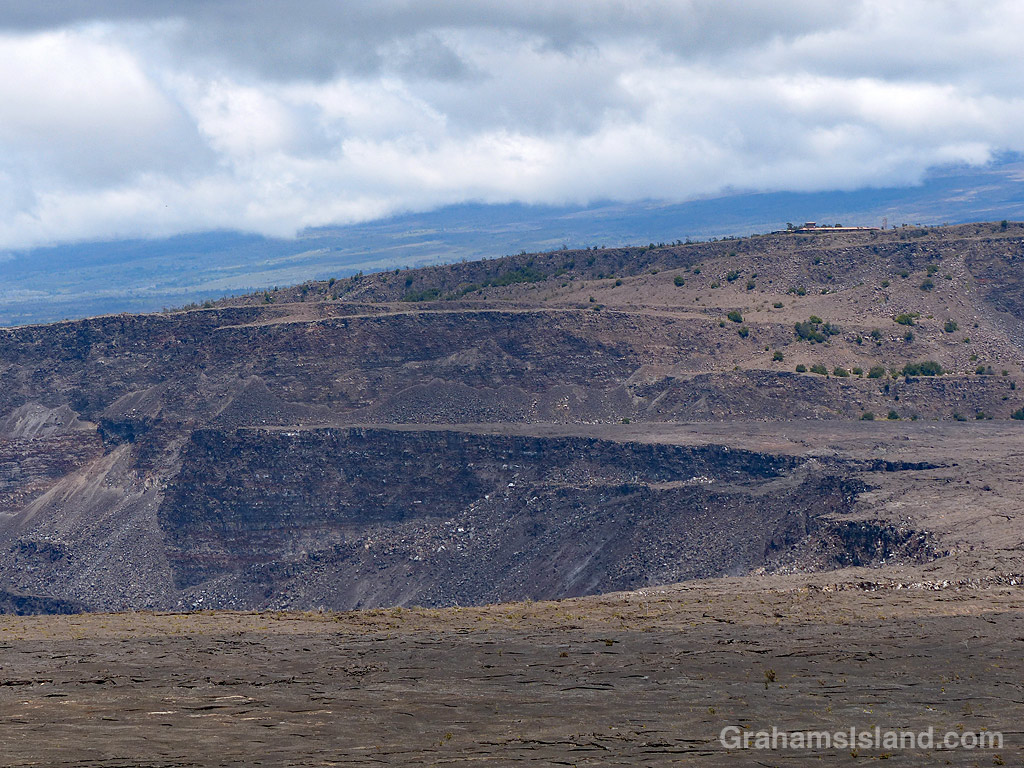
The latest eruption at Kilauea Volcano has recently been declared paused. It was never an especially dramatic eruption, but when I went down a few days after it began (here) the sky was illuminated by the activity. In recent weeks though, the lava lake formed by the eruption crusted over completely and lava from the active vent was also hidden from view.
The photos are two views of Halemaumau Crater, taken before this latest eruption. In the top one, the collapsed floor of the crater is on the left. This is what the new lava lake was filling up. On the ridge, to the right side of the photo, is the low profile of the Jaggar Museum, which was closed after the 2018 eruption and likely won’t reopen.
The bottom photo shows the easternmost edge of Halemaumau Crater, which wasn’t greatly impacted by this eruption or the events of 2018. Consequently, the walls of the crater are quite green and the floor is dotted with plants. These plants are mostly ohia trees, which are among the first plants to grow in lava fields, in part because their roots will tap into lava tubes to find moisture and nutrients.
For more information about Hawaii Volcanoes National Park and Kilauea’s eruptions, go to nps.gov/havo/.

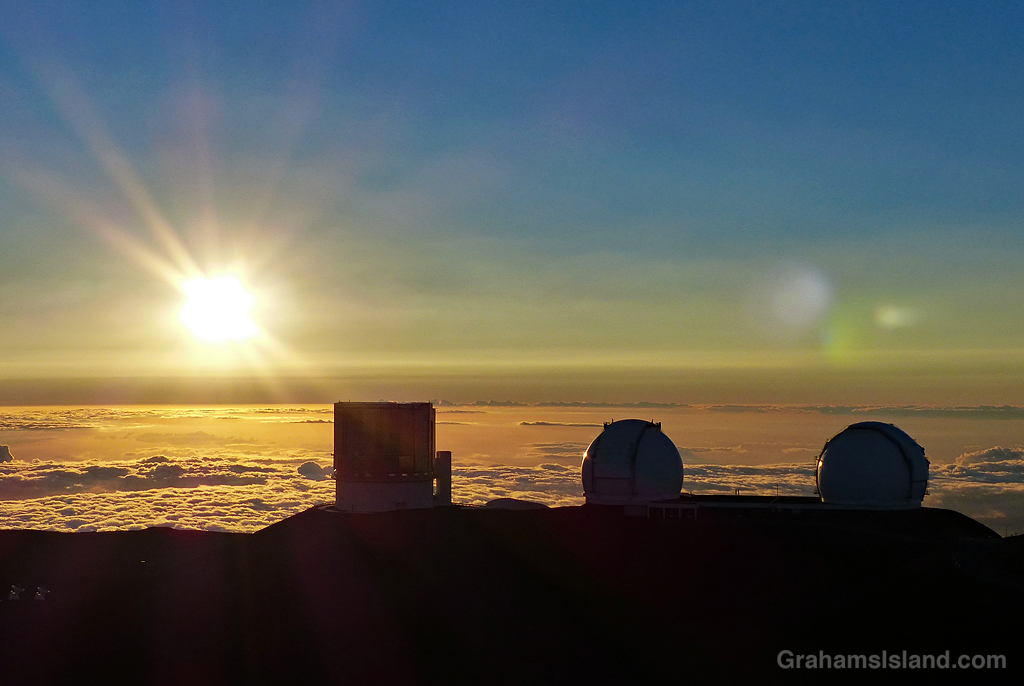

This week’s Friendly Friday challenge theme is ‘Mountain Top.’ See more responses here.
Mauna Kea is the highest mountain on earth, when measured from its base to its peak. It logs in at 33,476 feet, 13,803 of which are above sea level.
The top photo is a late afternoon view from near the summit of Mauna Kea, with the Subaru Telescope on the left and the two Keck Telescopes to the right. The top of the cloud layer lies a thousand or more feet below them, which is one of the reasons it’s such a prime site for astronomy.
The second photo is a view from Upolu, showing the summit with a lot of snow on it. While this photo was taken in February, the volcano is high enough that snow can fall at any time of year.
 Graham's Island