This week’s Sunday Stills challenge theme is ‘Great Outdoors.’ See more responses here.
In Hawaii, people spend a great deal of time outdoors. It’s common for people to have an outdoor kitchen, sometimes their only kitchen, sometimes a second one where a barbecue is the featured cooking apparatus. Carports often feature chairs and tables with cars parked elsewhere. The lanai, or deck, is as well-used as any room in the house.
Outdoor activities are popular here, too. Many involve the ocean and its inviting water: swimming, snorkeling, paddling, and of course surfing. Plenty of people go fishing and hunting, longtime sources of food for the table.
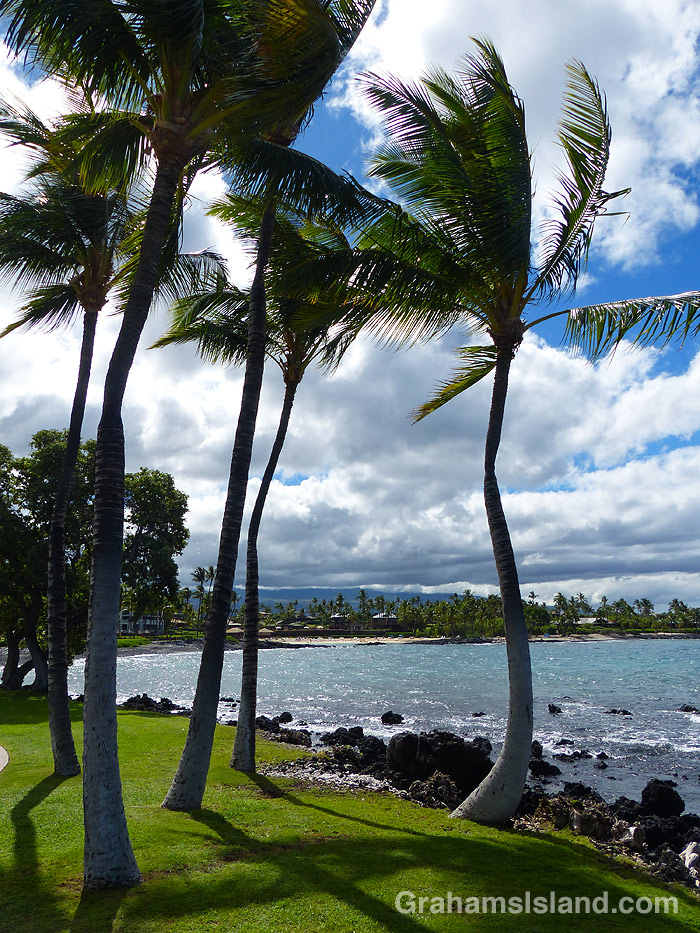
Palm trees on the coast.
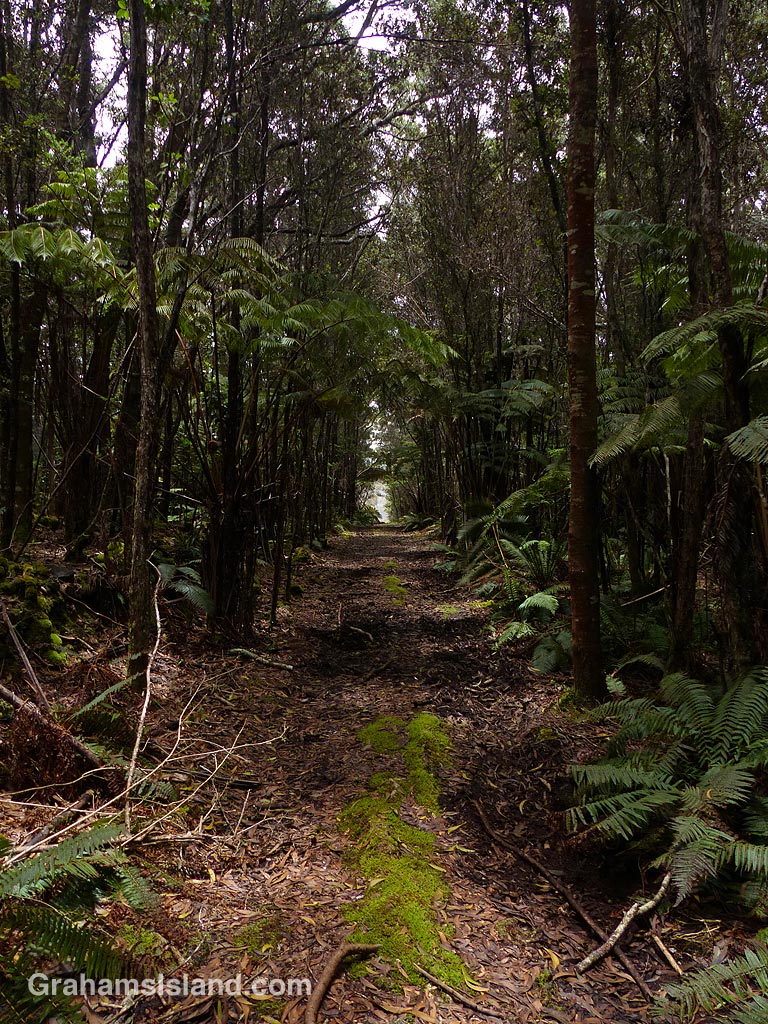
A trail through the woods.
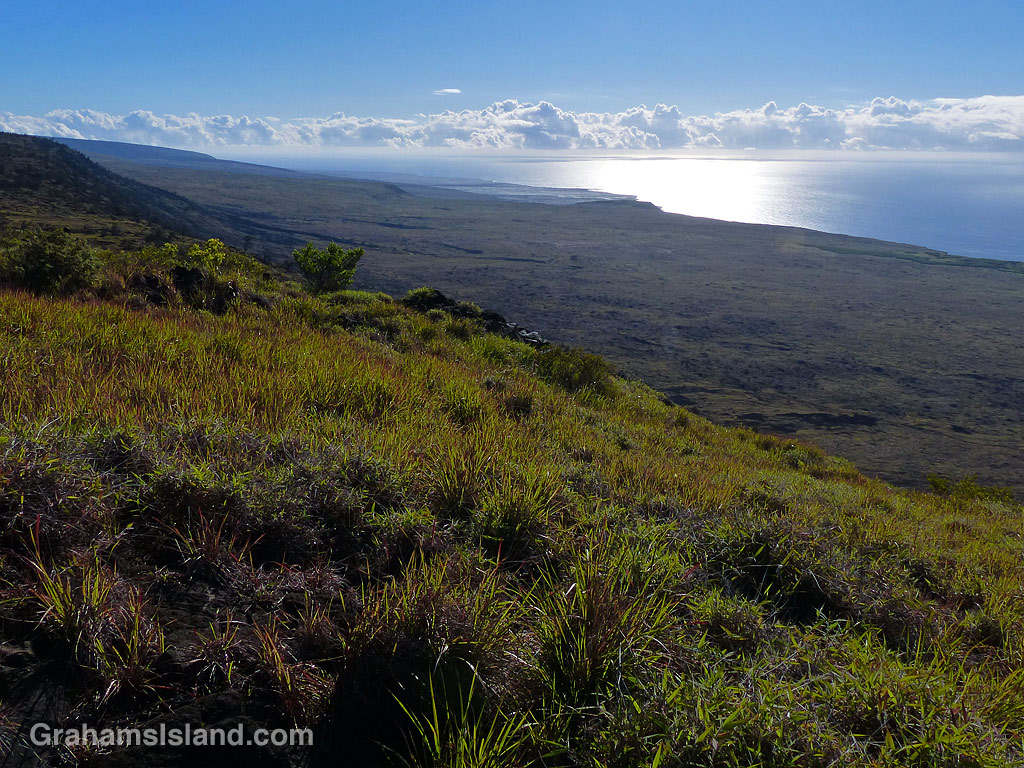
A view from the Hilina Pali Trail.
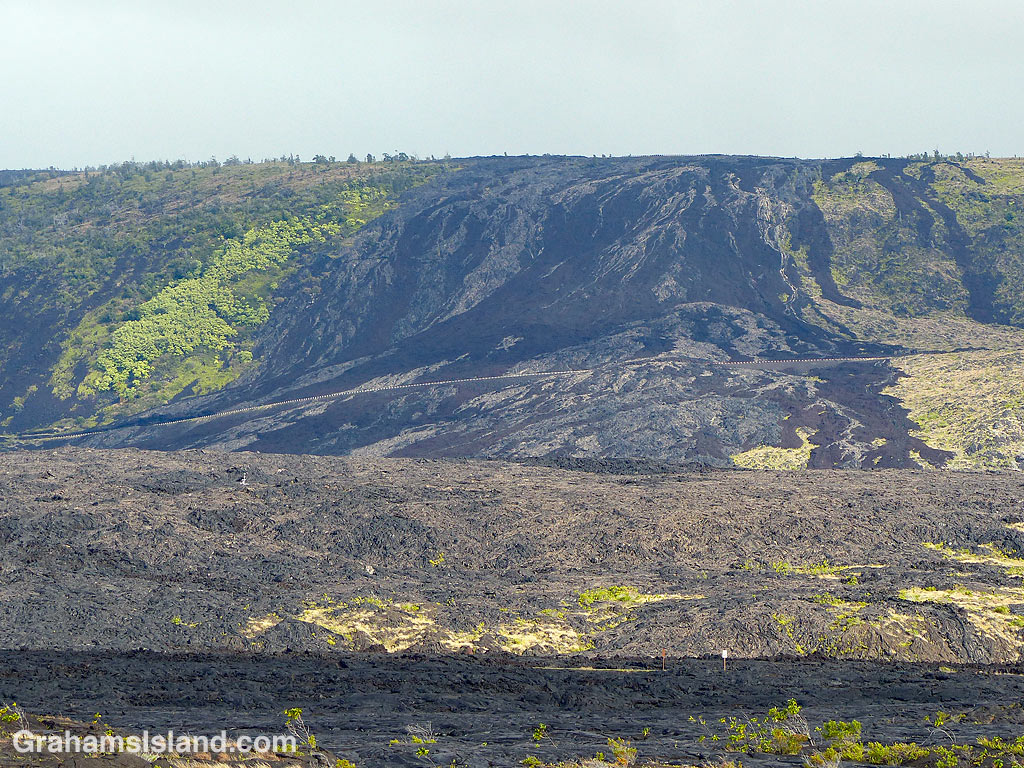
View of an old flow over Holei Pali.
For me, experiencing the great outdoors primarily involves hiking and snorkeling. Hiking isn’t especially popular here, especially along the coast where it can get quite hot. I get strange looks when I hike the length of popular beaches togged out in hiking gear, including shoes, hat, and fanny pack loaded with water. For most, the beach is a place for stretching out and broiling in the sun, not actively working up a sweat.
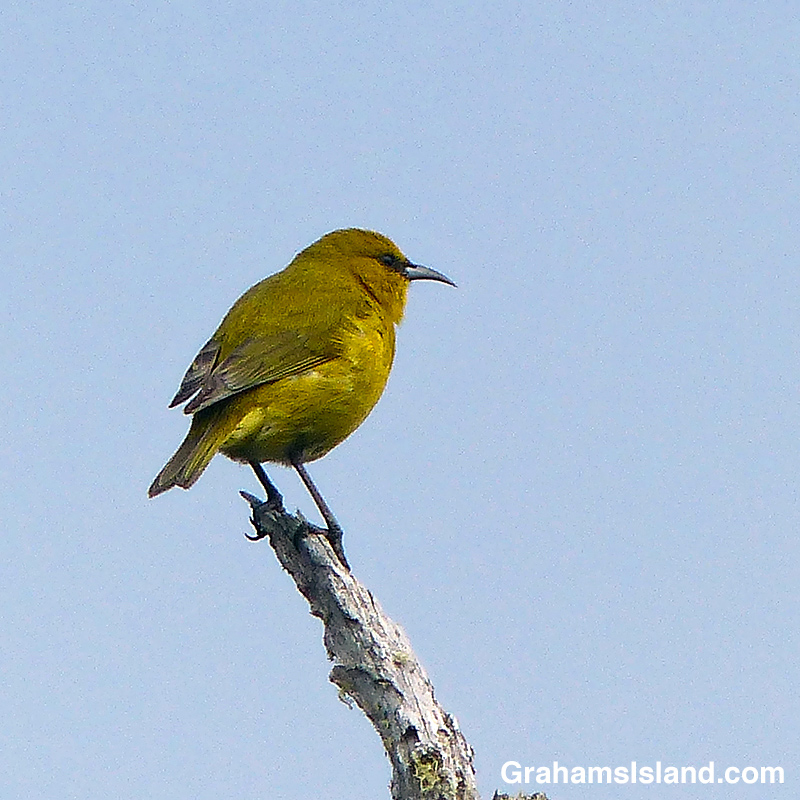
Hawaii Amakihi
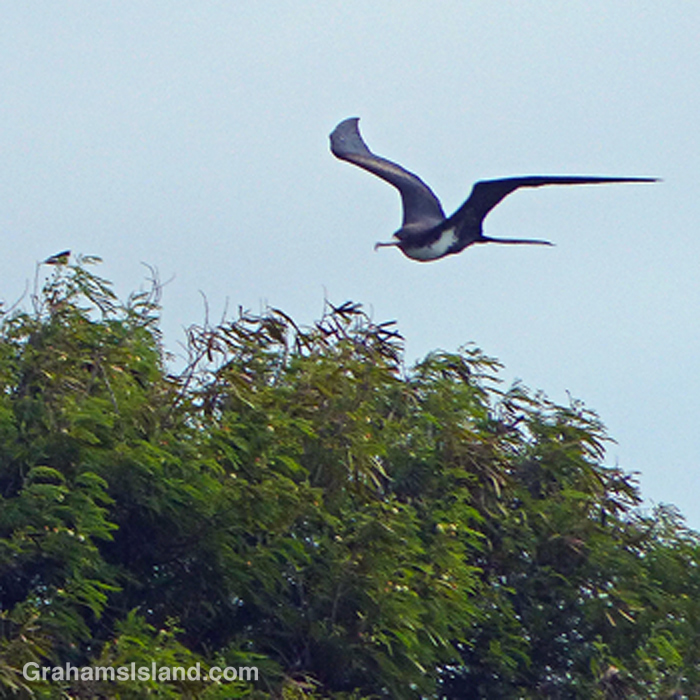
Great Frigatebird
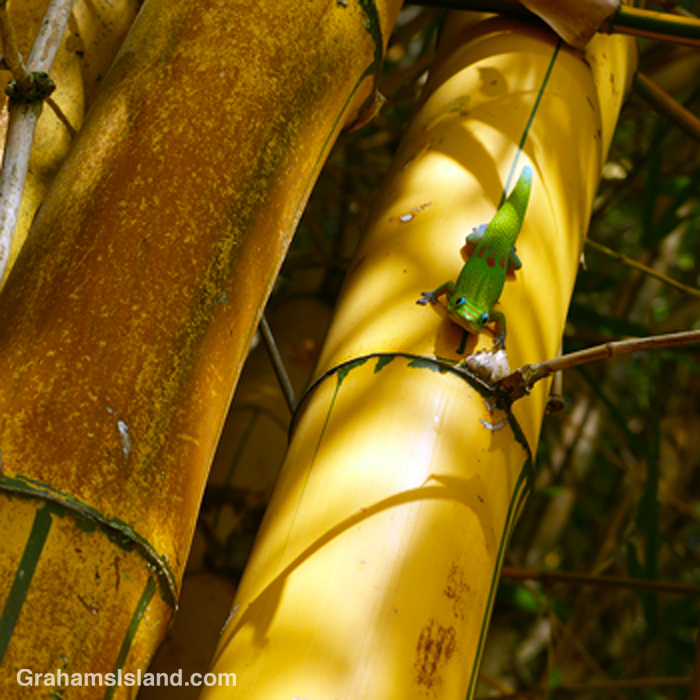
A gecko on yellow bamboo.
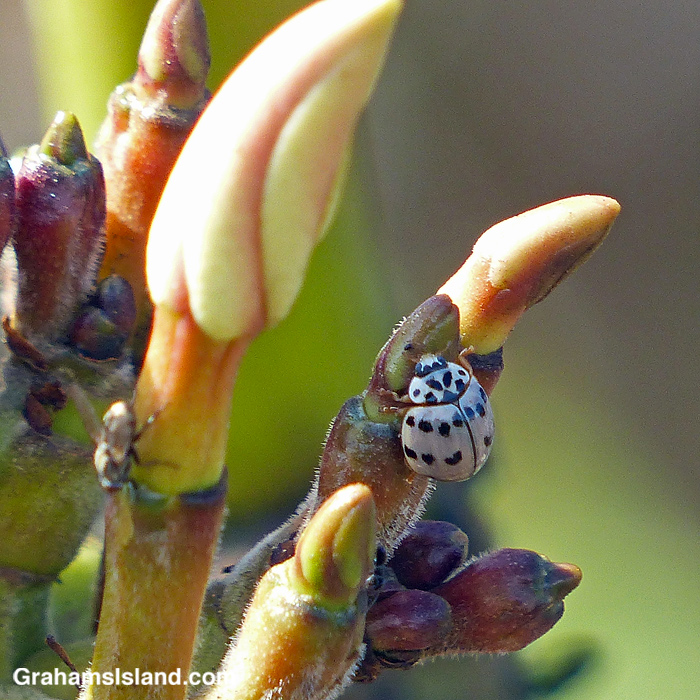
An ashy grey lady beetle on Plumeria.
The vast majority of photos on this blog are taken in the great outdoors. These photos are a small selection of things I’ve seen while out and about, from sweeping views to birds and bugs.
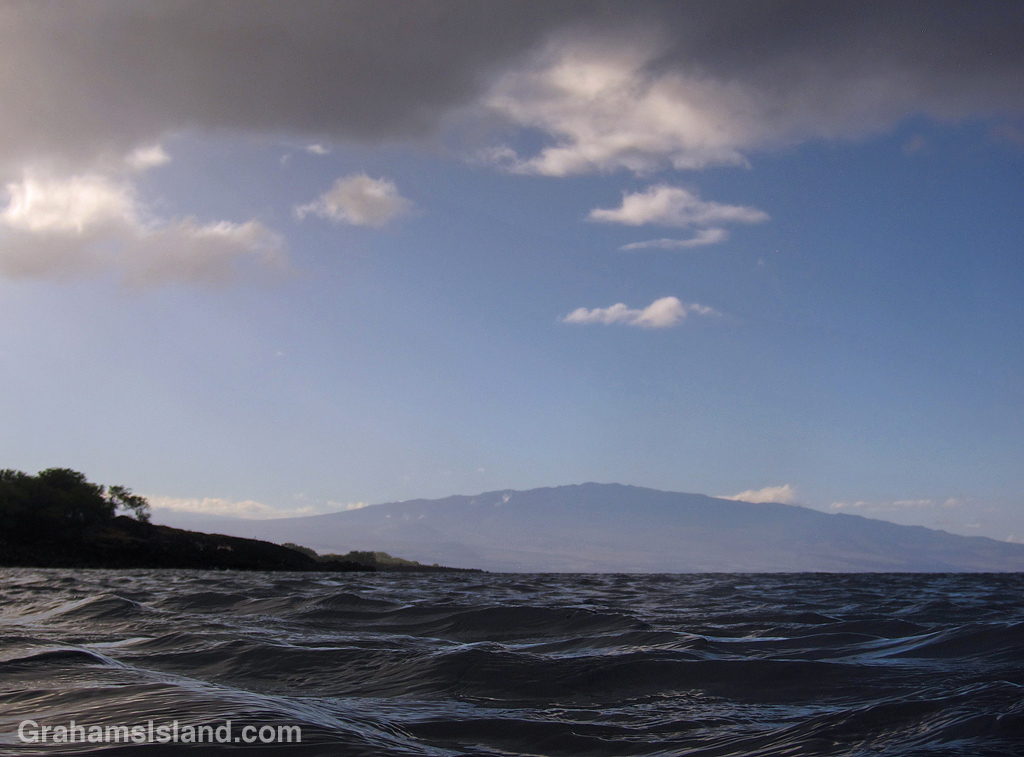
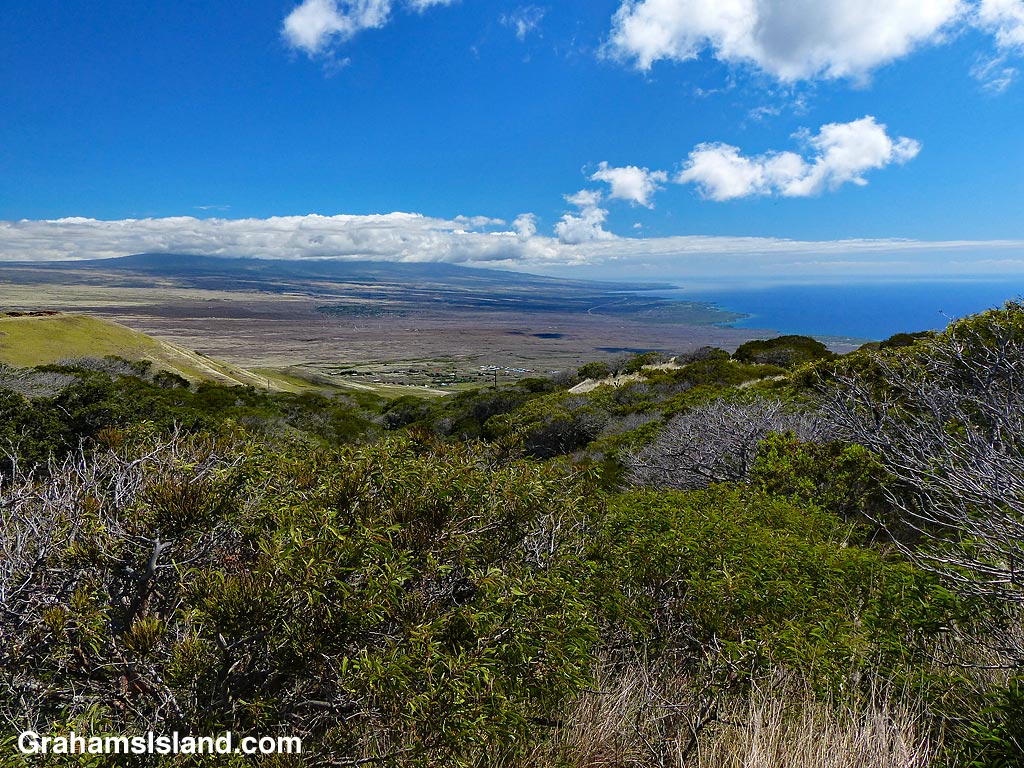
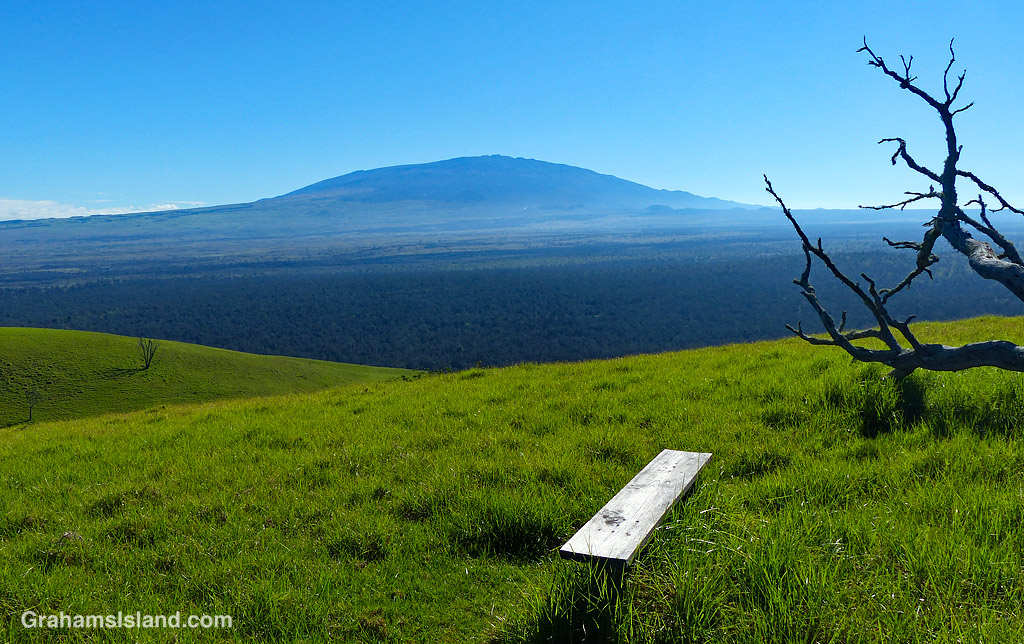
A view of the south Kohala Coast from Koai’a Tree SanctuaryA view of Mauna Kea from Pu’u Wa’awa’a.
The latest eruption at Kilauea Volcano has recently been declared paused. It was never an especially dramatic eruption, but when I went down a few days after it began (here) the sky was illuminated by the activity. In recent weeks though, the lava lake formed by the eruption crusted over completely and lava from the active vent was also hidden from view.
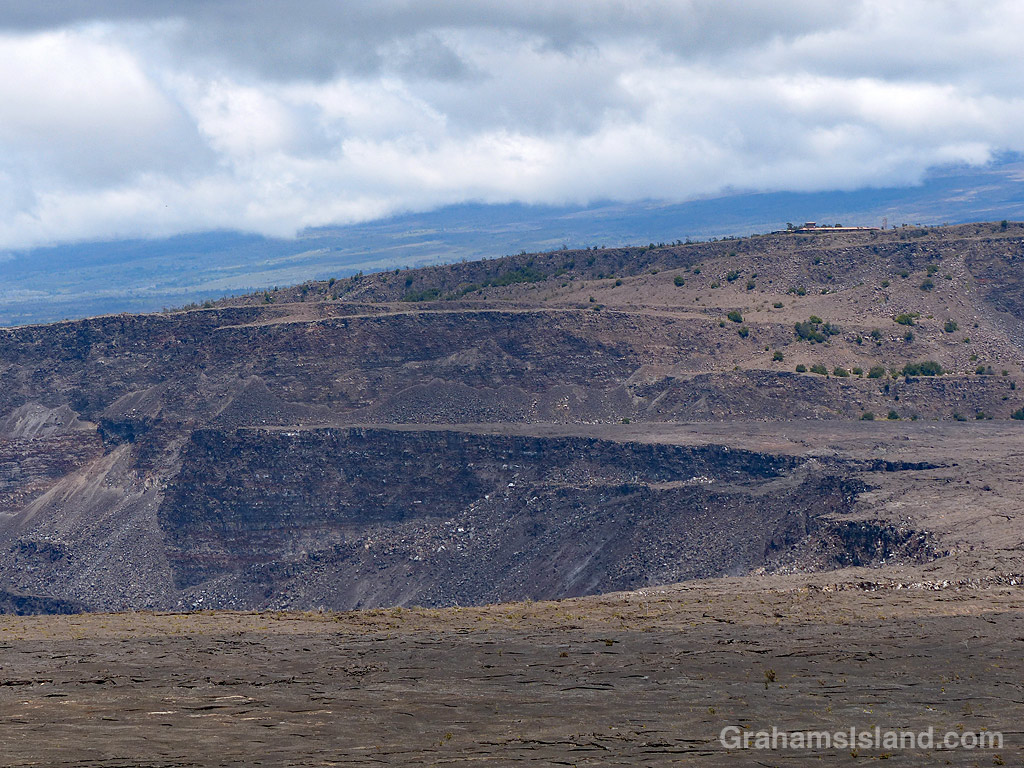
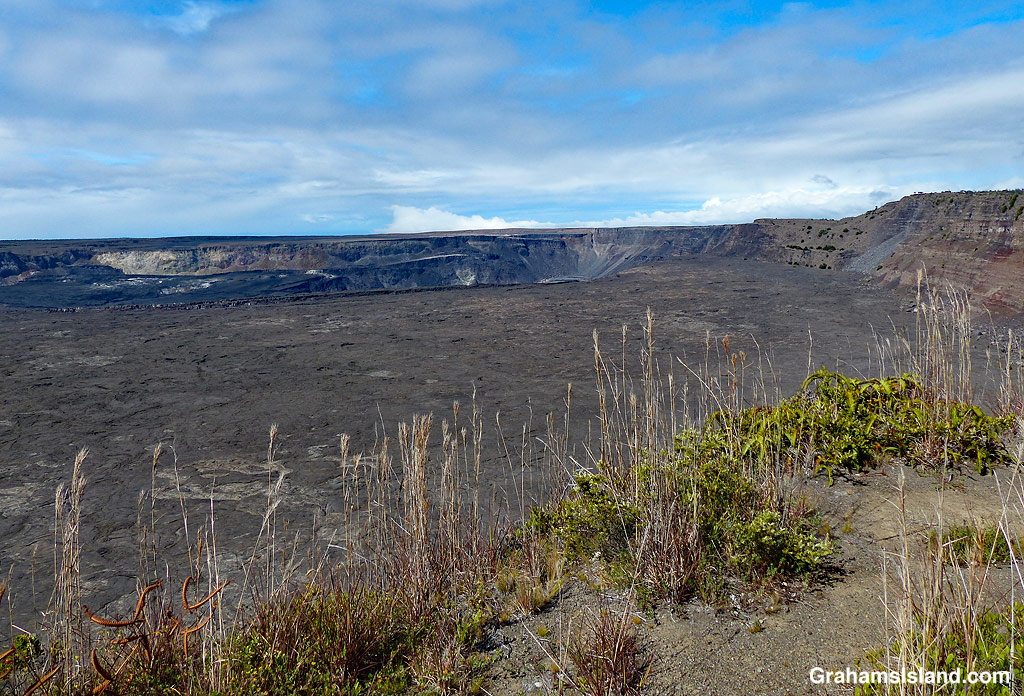
The photos are two views of Halemaumau Crater, taken before this latest eruption. In the top one, the collapsed floor of the crater is on the left. This is what the new lava lake was filling up. On the ridge, to the right side of the photo, is the low profile of the Jaggar Museum, which was closed after the 2018 eruption and likely won’t reopen.
The bottom photo shows the easternmost edge of Halemaumau Crater, which wasn’t greatly impacted by this eruption or the events of 2018. Consequently, the walls of the crater are quite green and the floor is dotted with plants. These plants are mostly ohia trees, which are among the first plants to grow in lava fields, in part because their roots will tap into lava tubes to find moisture and nutrients.
For more information about Hawaii Volcanoes National Park and Kilauea’s eruptions, go to nps.gov/havo/.
Chain of Craters Road is the route down to the coast in Hawaii Volcanoes National Park. As the name implies, it passes a variety of volcanic craters, which were the scenes of eruptions in years gone by. But as it gets close to Hilina Pali, a series of great views open up. This one looks to the west and southwest, the backcountry part of the park.
For more information about Hawaii Volcanoes National Park, go to nps.gov/havo/.
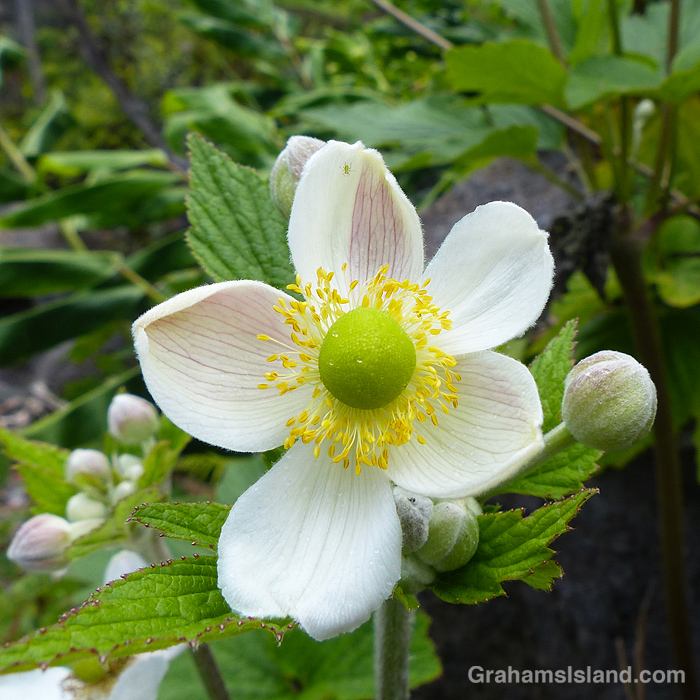
Japanese anemone (Anemone hupehensis) is a native of China and Taiwan. This one was growing on the edge of Halemaʻumaʻu Crater, where the current eruption of Kilauea Volcano is taking place.
The latest eruption of Kilauea Volcano continues. It’s settled down to being a fairly well-behaved eruption as these often do. Currently, lava is still pouring from a vent on the northwest side of Halemaʻumaʻu crater. It has formed a lake more than 200 meters deep, which continues to rise slowly.
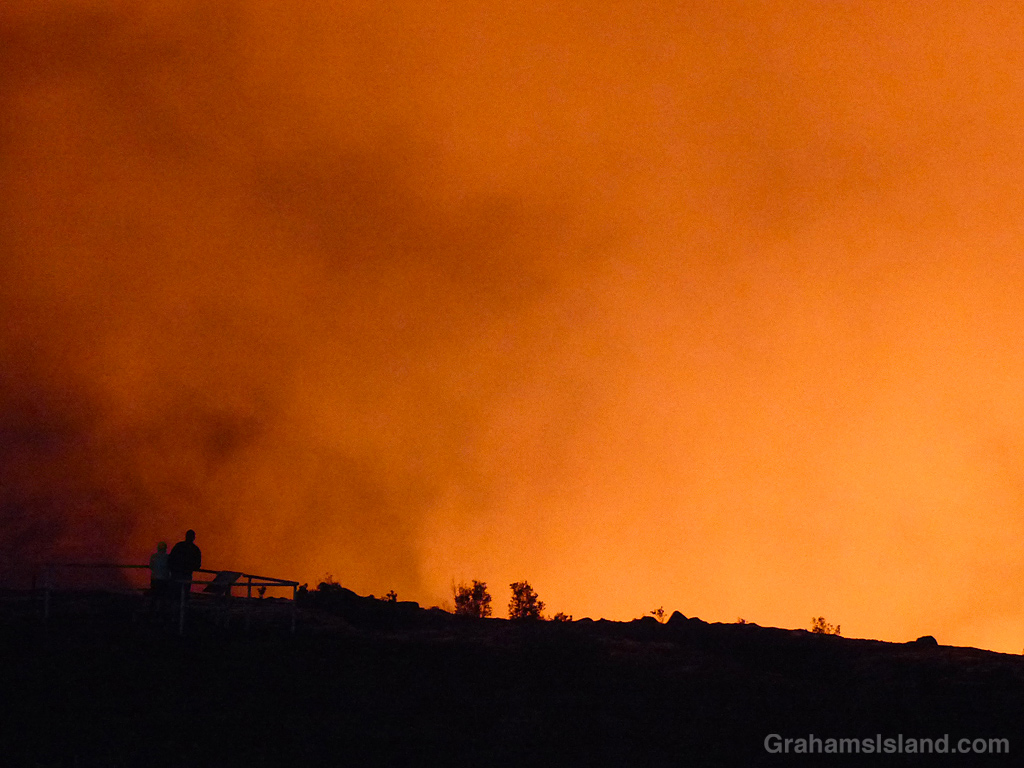
This photo was from my trip down there in December. These two people were silhouetted by the glow from the eruption. To see what’s currently happening at the volcano go to https://www.usgs.gov/volcanoes/kilauea/webcams.
Posted in response to Becky’s January Squares challenge theme of ‘Up.’ See more responses here.
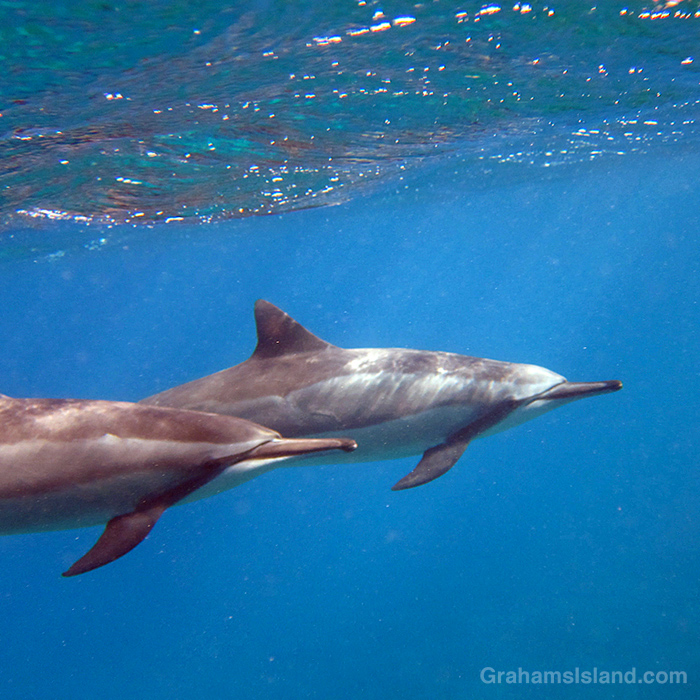
A pod of spinner dolphins stopped by my local snorkeling spot. (Link, link)
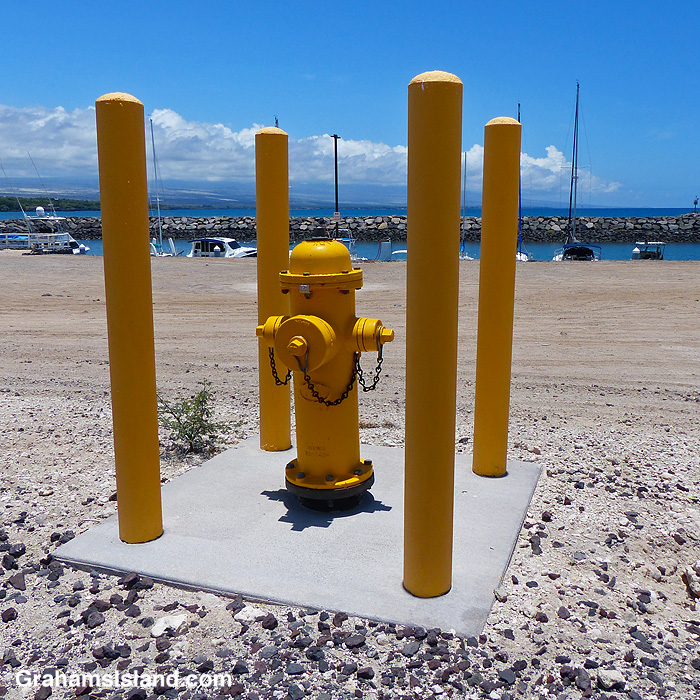
Lāhainā Noon, when shadows disappear in Hawaii. (Link)
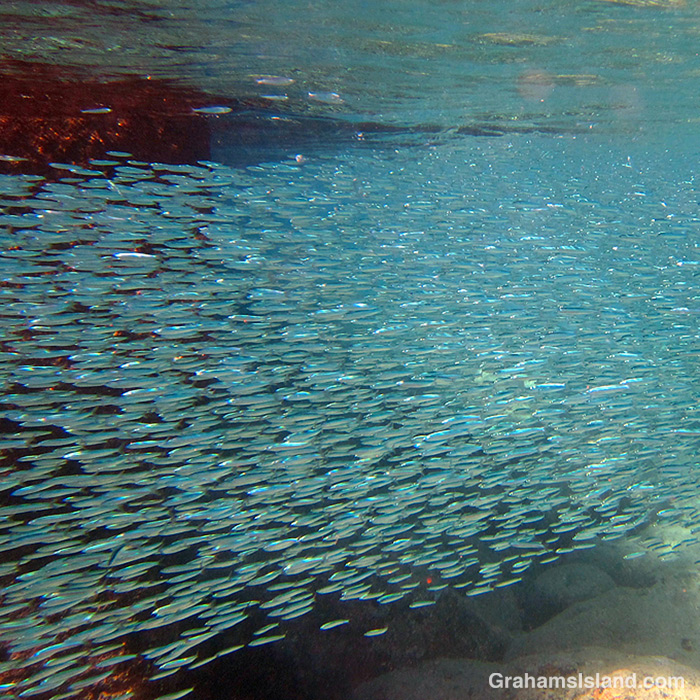
Shoals of Hawaiian silversides were abundant in the summer. (Link)
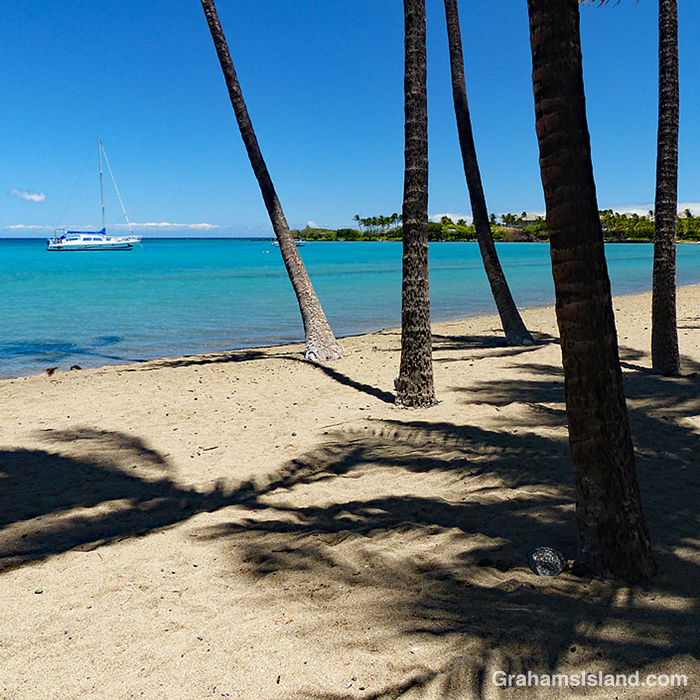
With no tourists here, Anaeho’omalu Bay was a sea of tranquility. (Link)
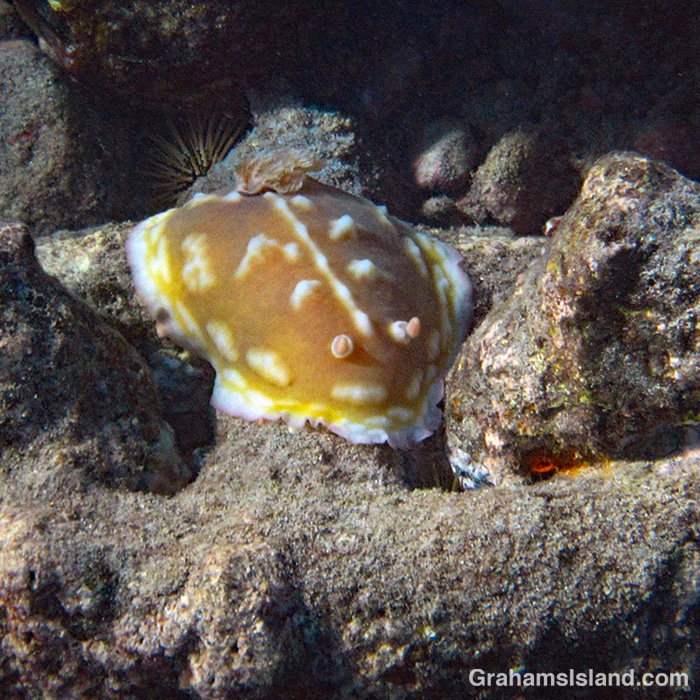
Some clumpy nudibranchs spent a few weeks in a local bay. (Link)
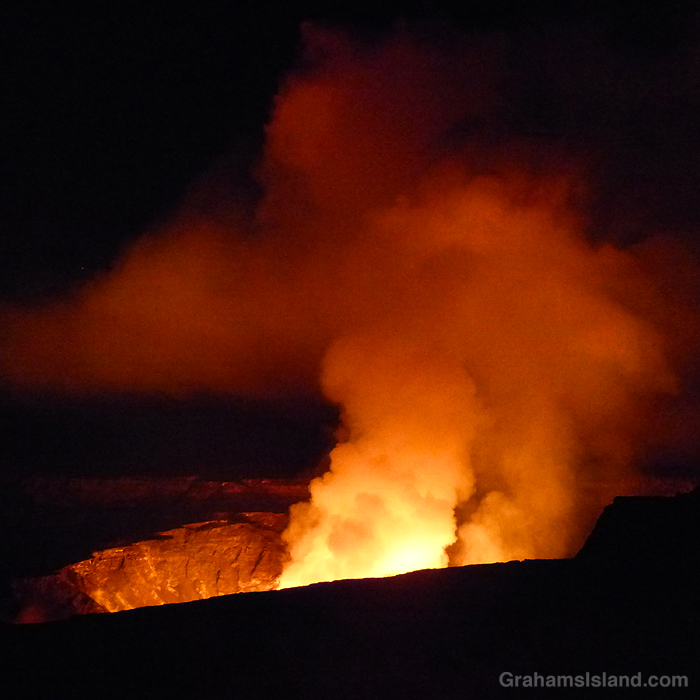
The year ended with a bang when Kilauea Volcano erupted again. (Link)
This week’s Sunday Stills challenge theme is ‘Your 2020 Retrospective.’ See more responses here. Also posted in response to Becky’s January Squares challenge theme of ‘Up.’ See more responses here.
In this retrospective I’ve focused on events and photos that were uplifting for me during the difficult year that was. Most of these photos haven’t run before, but were taken at the same time as those in posts that ran in 2020. Links to the original posts are at the end of the captions.
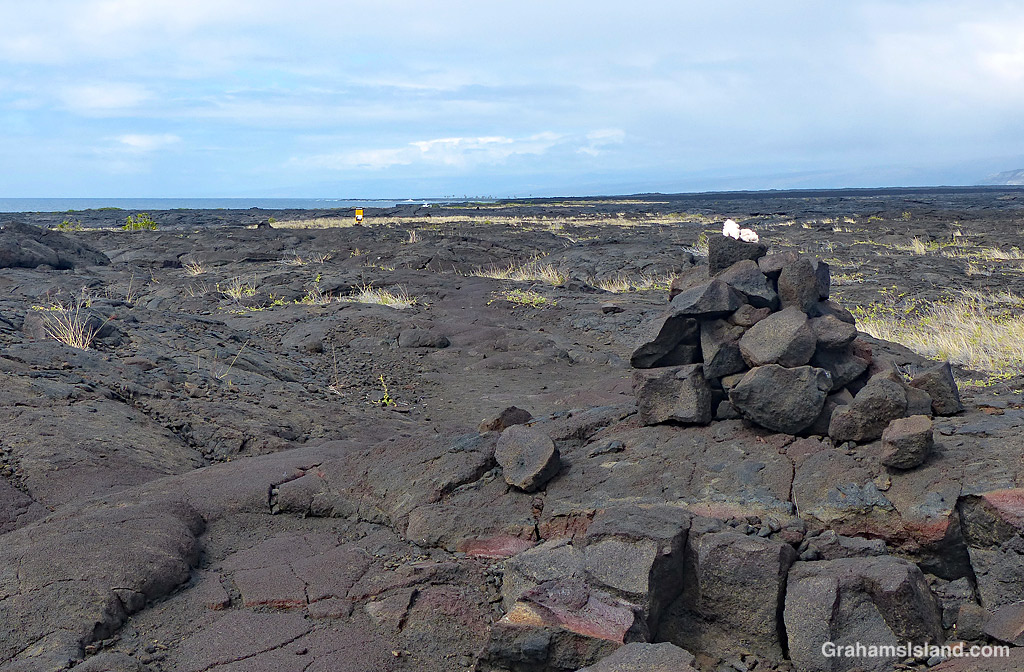
The coastal regions of Hawaii are dotted with tsunami warning signs. Basically, any place within reach of a tsunami gets a sign.
I came across this sign while hiking the Puna Coast Trail in Hawaii Volcanoes National Park. It stood out as a dot of color in a field of lava and scrubby grasses. What I liked about the sign was its sage advice ‘In case of earthquake, immediately go to high ground or inland.’ At this spot, the high ground is inland, so that kills two birds with one stone.
On the other hand, getting to that high ground inland involves scrambling over a mile or more of rough lava. Also, if the earthquake was big enough, it might just mean that you could encounter lava from a new eruption heading down to the coast to meet you. The sign doesn’t offer any advice on what to do then!
For more information about Hawaii Volcanoes National Park, go to nps.gov/havo/.
I woke up on Monday morning to the news that Kilauea Volcano had erupted again. Three vents had opened in Halemaʻumaʻu crater at the summit of the volcano. After the first flurry of activity, the eruption settled down to two of the vents pouring lava into the crater, evaporating a water lake that had formed since the 2018 eruption, and creating a new lava lake at a healthy rate.
This obviously called for action on my part in the form of going down and taking a look. Despite the paucity of tourists on the island, early reports warned that viewing areas were becoming crowded with long waits for parking spaces. But where many people prefer to visit in the late afternoon and wait for it to get dark, I like arriving in the wee hours of darkness and waiting for dawn.
Consequently, yesterday morning I got up at 12:45 a.m. (after a relaxing 3 hours of sleep) and left the house at 1:15 a.m.. The benefit of driving at that hour is that, while the sky is dark, traffic is light. In this instance a second benefit was a wonderful starlit drive, though I couldn’t fully appreciate it since I felt a certain obligation to keep my eyes on the road. Driving over Saddle Road though, I did notice a red glow off to my right, a sure sign of volcanic activity at Kilauea.
I got to the park at 3:45 a.m. and headed for the Kilauea Overlook, the prime viewing area. Parking was easy to come by and the crowds weren’t too heavy. While the vents couldn’t be seen from there (or any of the viewing areas) the sky billowed with orange and red clouds of steam and smoke. The second photo was taken there and I like how the glow illuminates the rock face of the crater.
I drove back to the overlook at the Steaming Bluff. This was farther from the eruption site, but virtually deserted. The top photo was taken there. I wanted to capture the eruption and the starry night, which I couldn’t do at Kilauea Overlook because the eruption dominated everything.
After a short stay there, I moved on to the Keanakākoʻi Overlook at the southeastern corner of the Kilauea summit caldera. This viewing site required a hike in of about a mile on the old Crater Rim Drive, long since closed to vehicles because of damage from previous eruptions. The third photo shows people at the overlook watching the activity. I left there as it started to get light.
So was it worth the early start and long day? Absolutely! The views weren’t as compelling as those from Jaggar Museum, now closed and erased from the online maps, but there aren’t many places on earth where a person can drive to the rim of an active volcano and watch an eruption with any degree of safety. At Kilauea, this is possible, so I take every opportunity to do so because each episode of volcanic activity is different and there’s no telling what I might see.
And the bottom photo? That was taken in June when I went hiking in the park. It was taken from the rim of Halemaʻumaʻu crater somewhere between where the top and second photos were taken. They’re a little different!







 Graham's Island