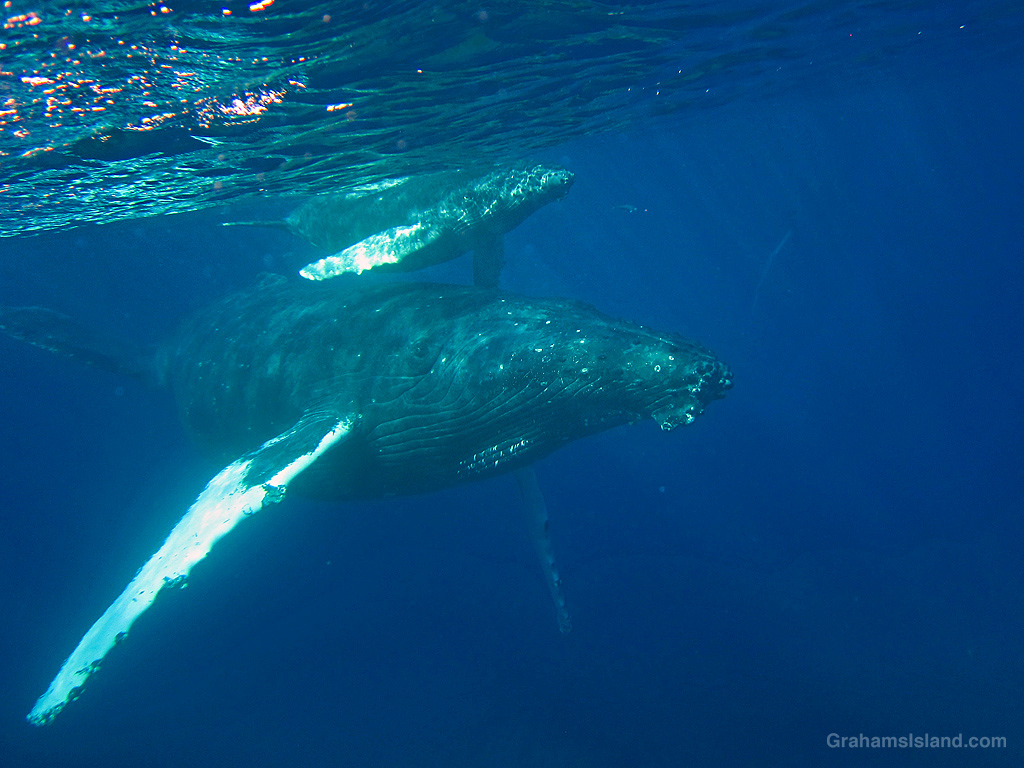
This week’s Sunday Stills challenge theme is ‘Year in review.’ See more responses here. As usual, I’ve picked a photo from each of the past 12 months and included a link to the original post.

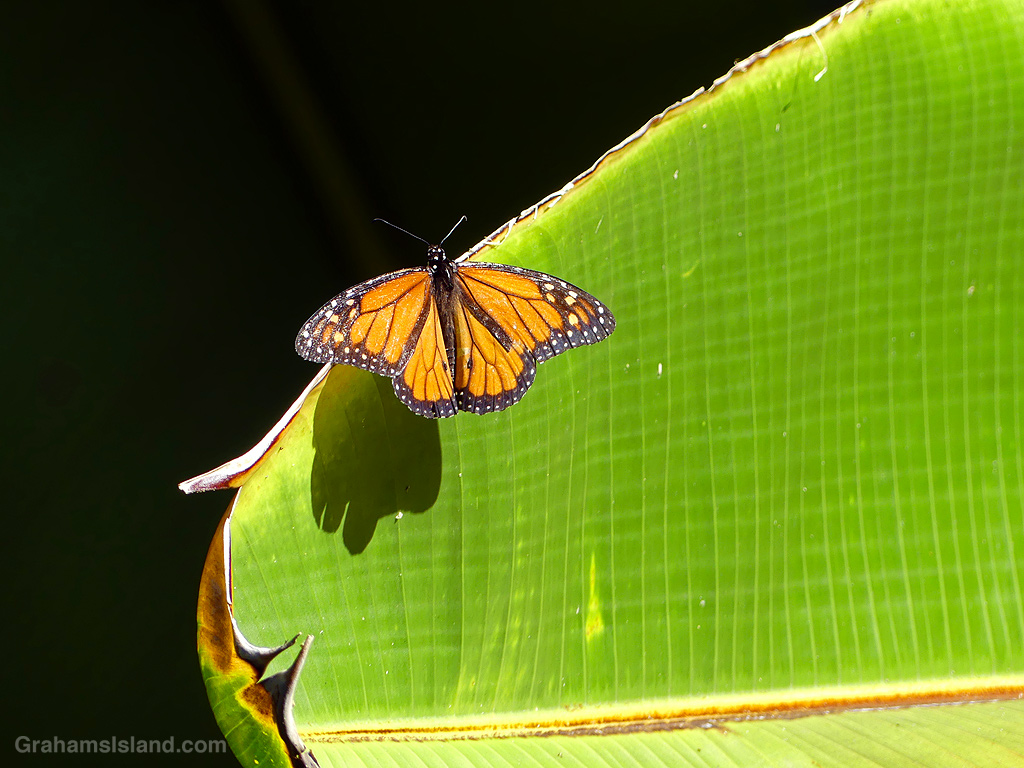

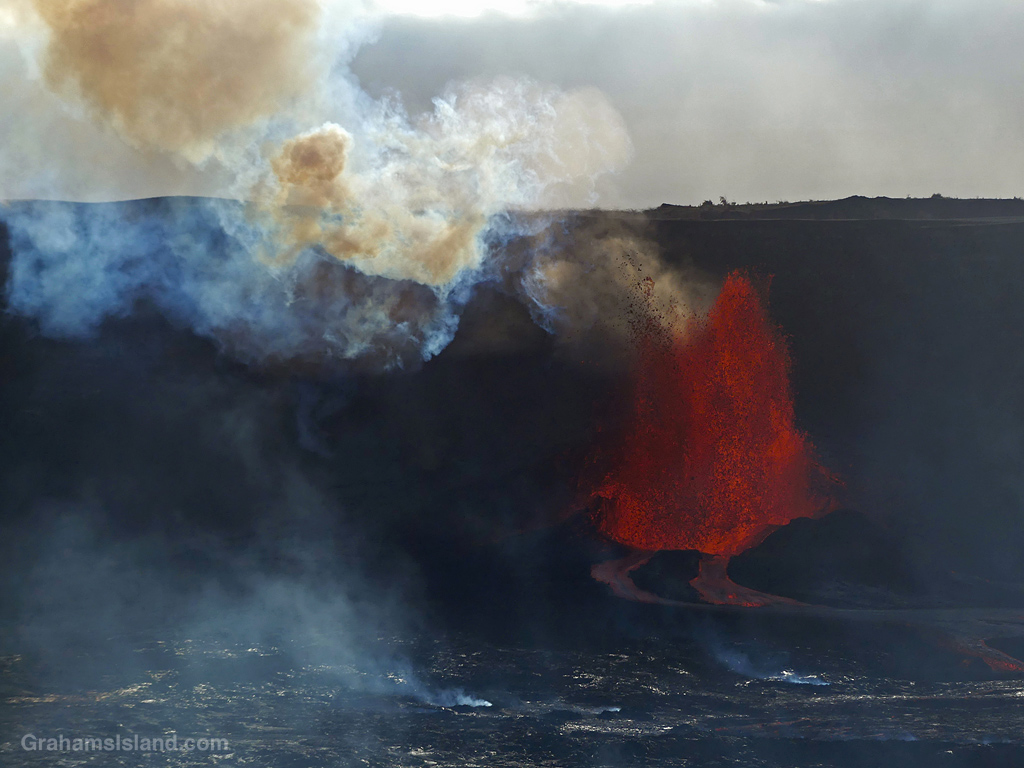


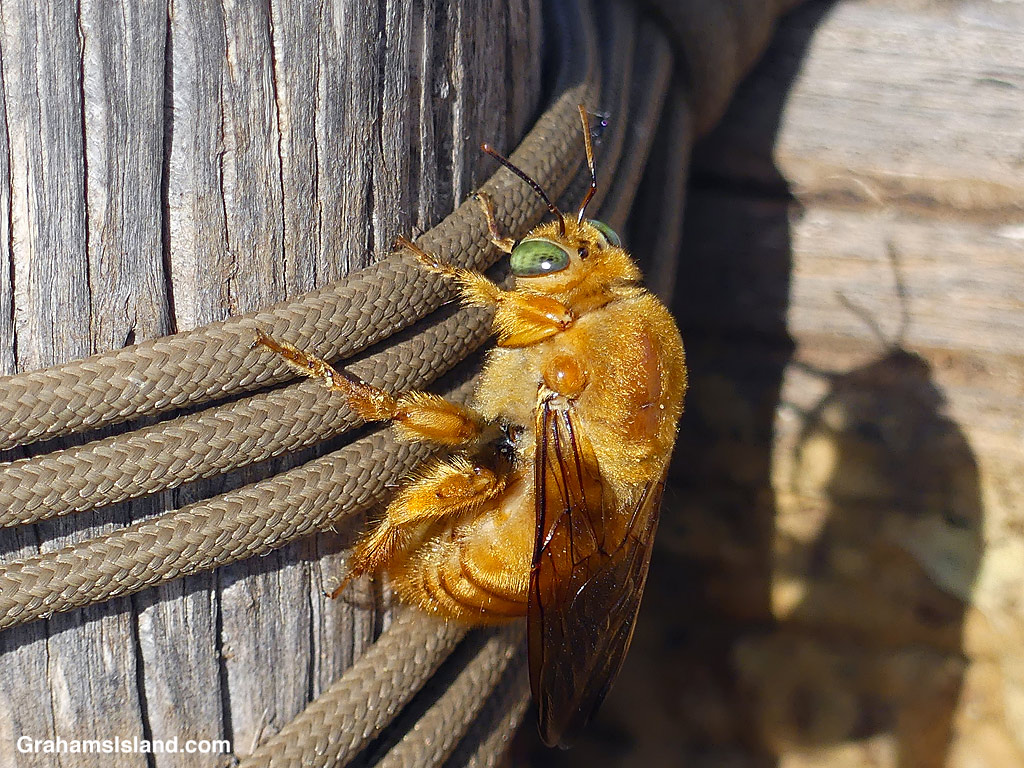

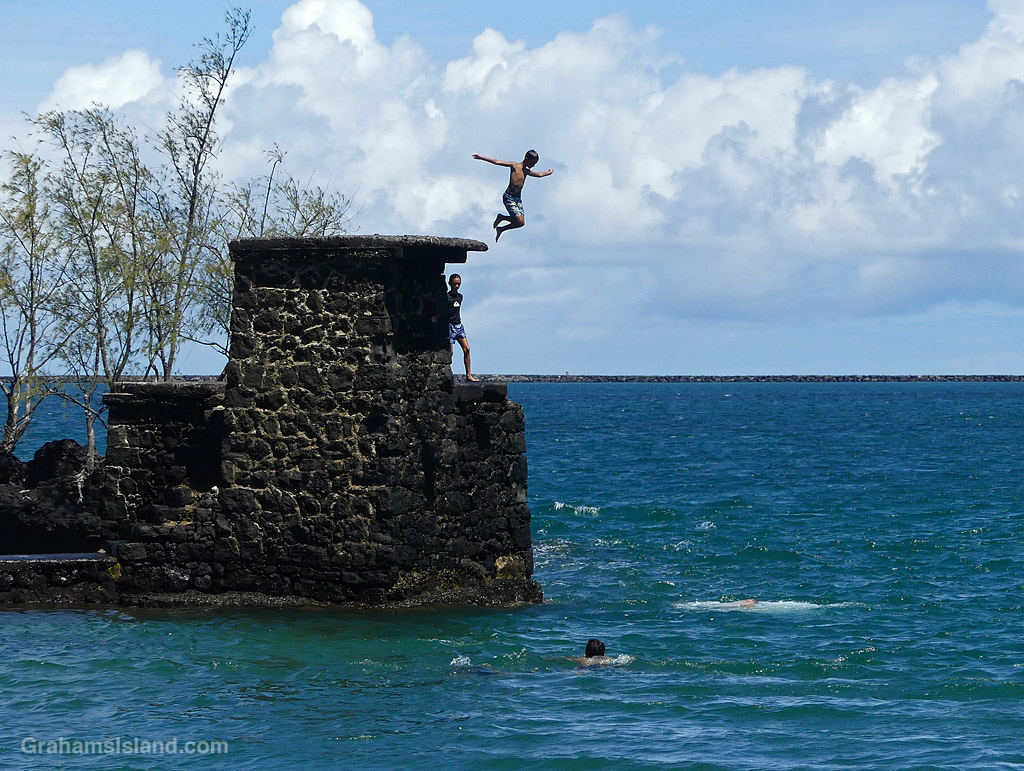
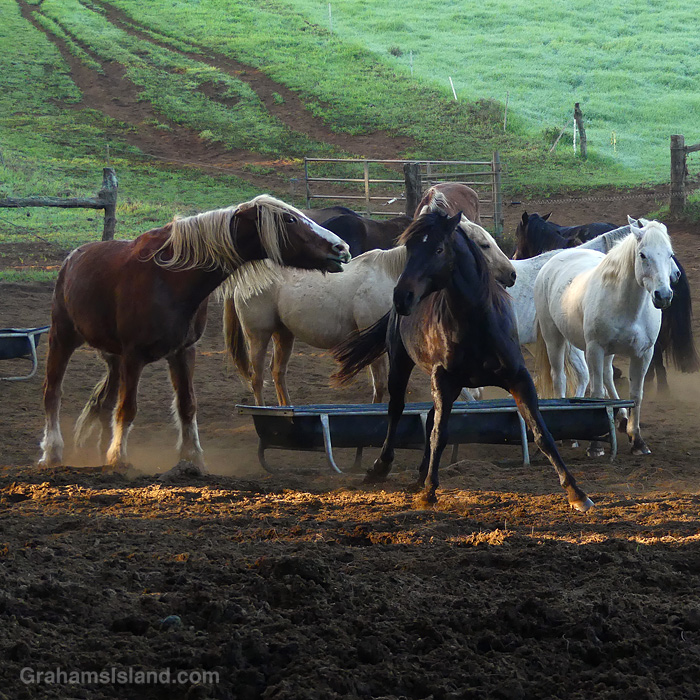
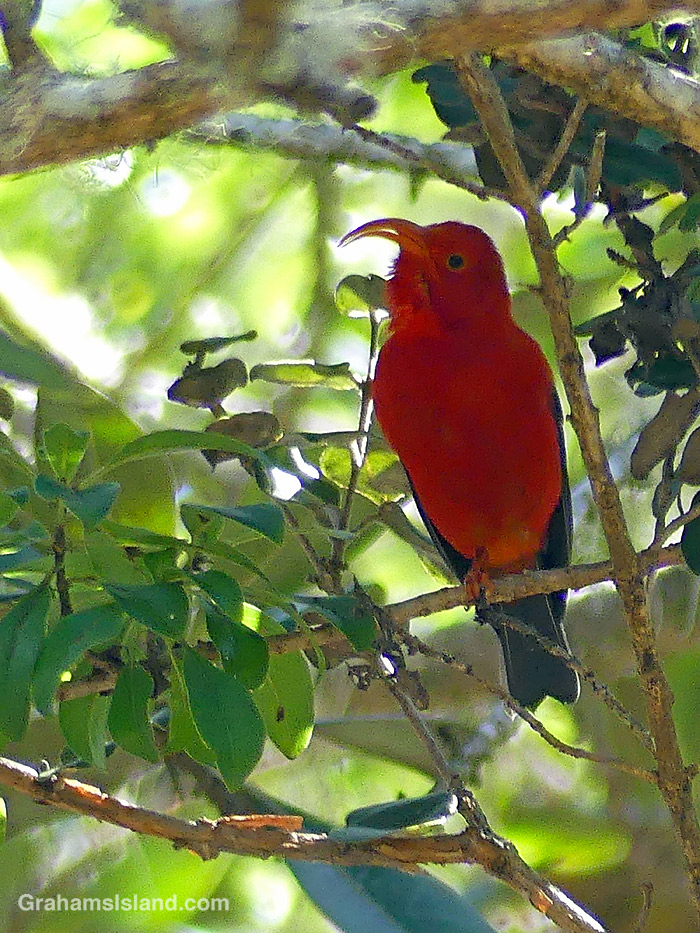

This week’s Sunday Stills challenge theme is ‘Year in review.’ See more responses here. As usual, I’ve picked a photo from each of the past 12 months and included a link to the original post.
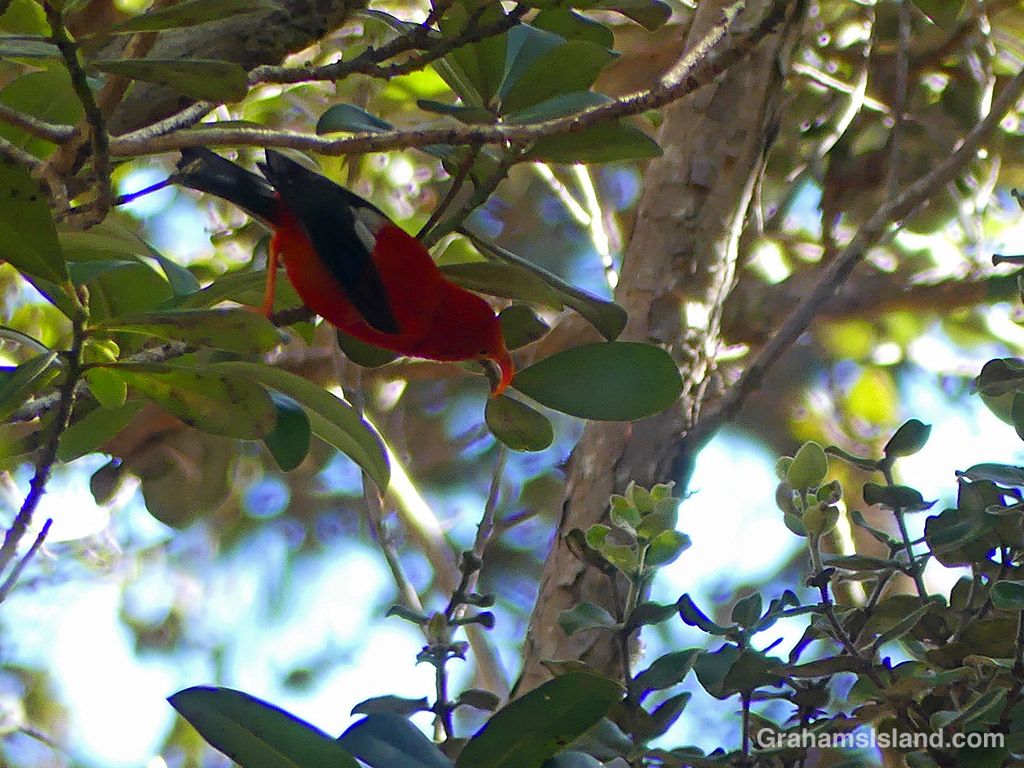
Sunday Stills Monthly Color Challenge is ‘Festive Colors of Red and Green.’ See more responses here.
A couple of weeks ago, I hiked a section of the Pu’u O’o Trail, off Saddle Road. It’s one of my favorites on the island. The trail mixes old lava flows from Mauna Loa eruptions with kipukas, areas of old growth trees bypassed by those flows. These kipukas are home to several native bird species.
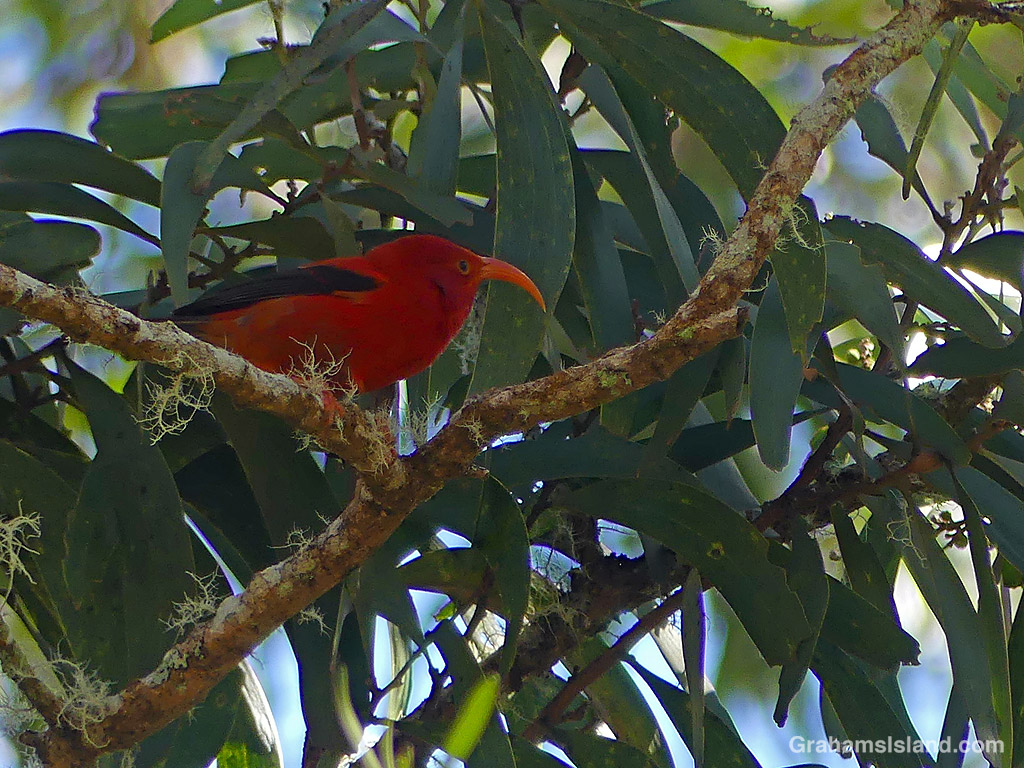
On this day, approaching a kipuka, the bird calls got noticeably louder. Clearly a lot of birds were active. I chastised myself for, once again, not remembering to familiarize myself with the different calls so I could identify the birds I was hearing. But I needn’t have worried. They were visible too, if prone to move about a bit too rapidly for my convenience!
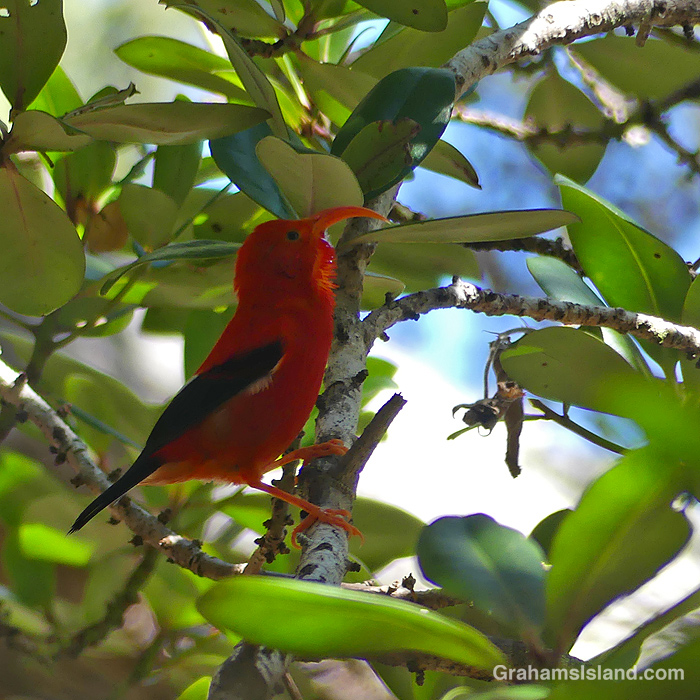
This bird is the I’iwi and I saw more of them on this day than any other time I’ve been up here. I’iwis feed on several kinds of native flowers, many of which are found in these kipukas. The tangle of branches and the flighty birds made for tricky photography, but I was happy to get a few good shots out of the many that I took.
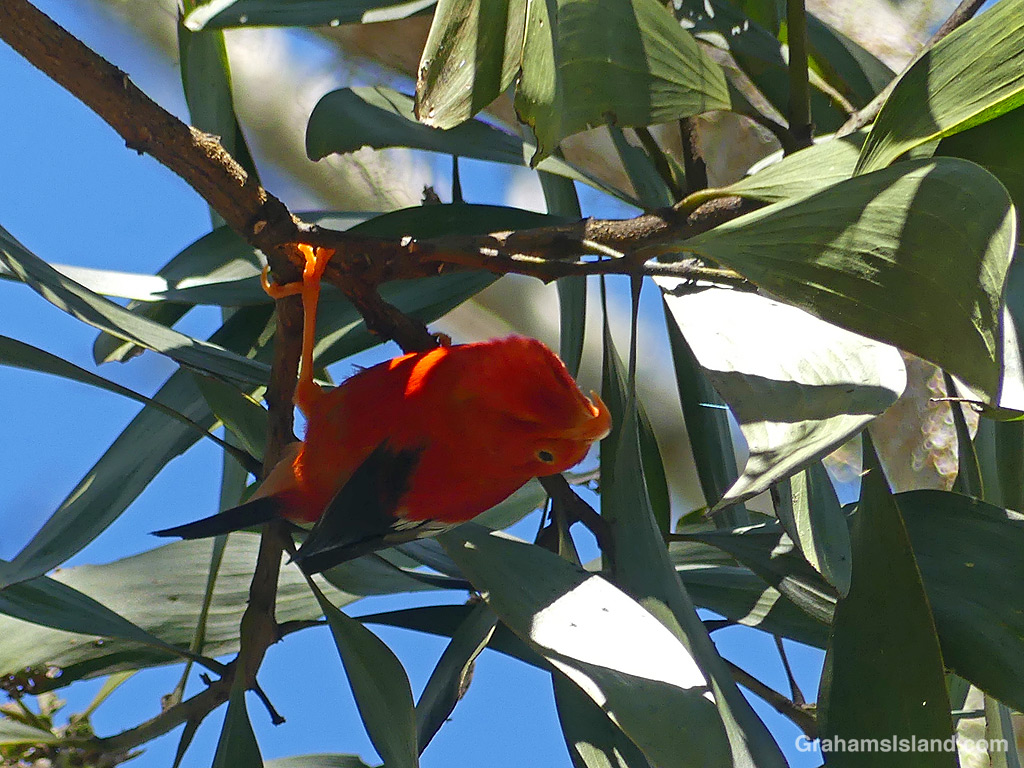
I know these aren’t Christmassy photos, but I was feeling pretty festive by the end of the hike!
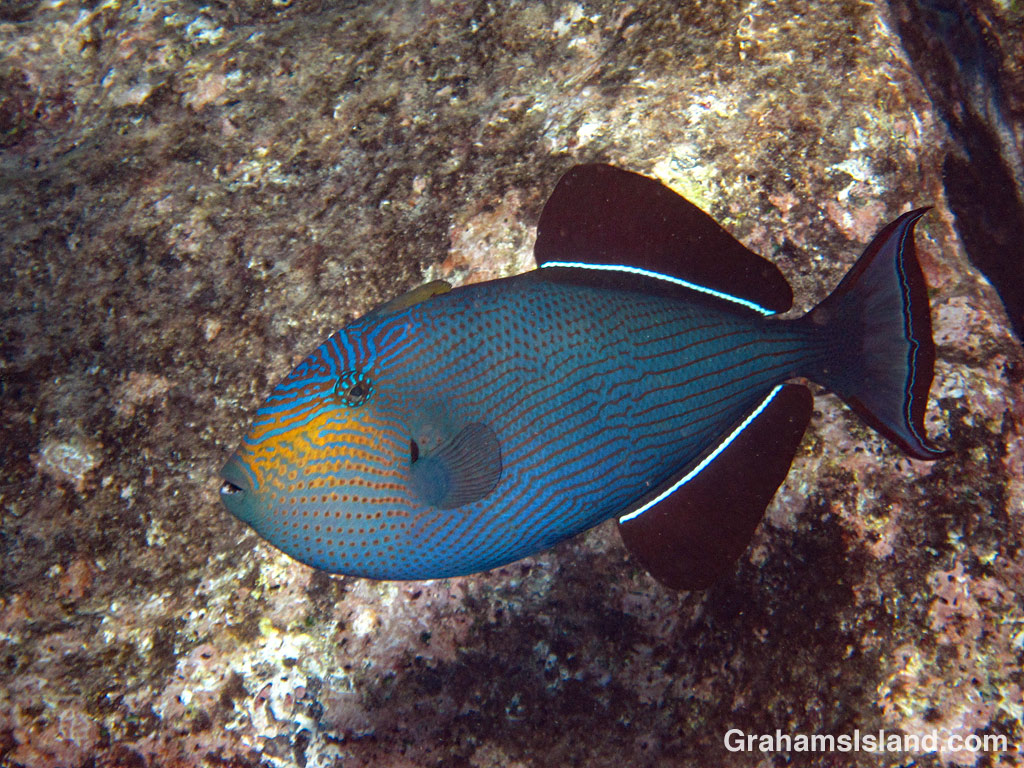
The idea of The Numbers Game is to enter a number into the search bar of your computer and then post a selection of the photos that turn up. This week’s number is 217. Captions are on the photos. You can see more responses here.
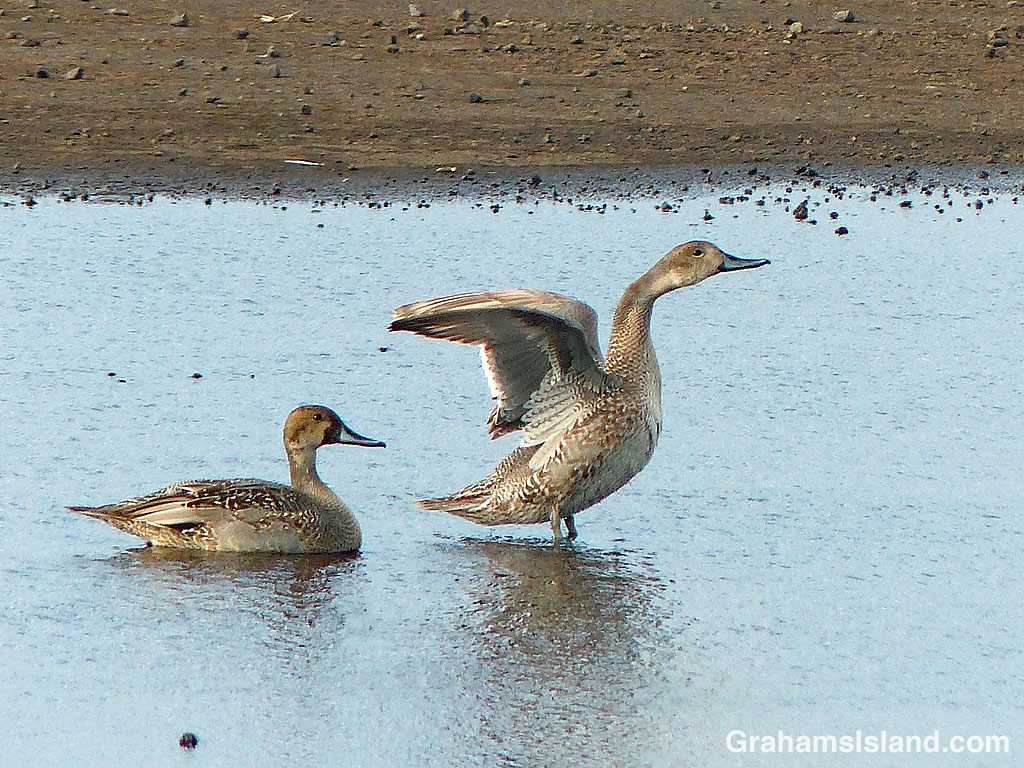
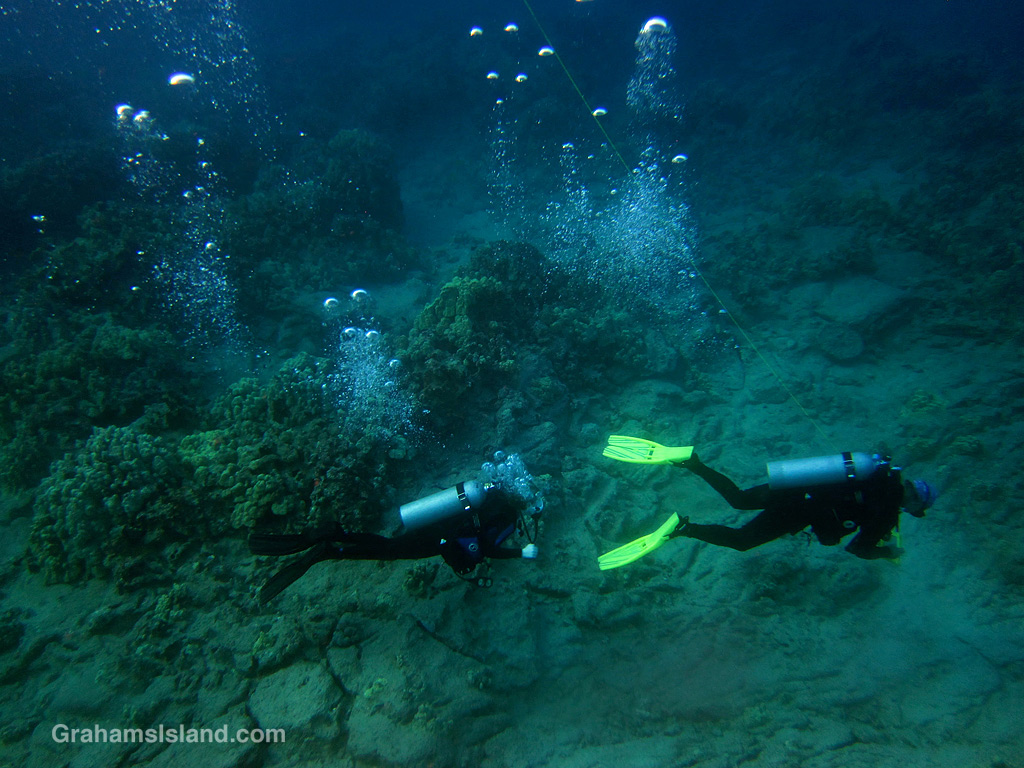
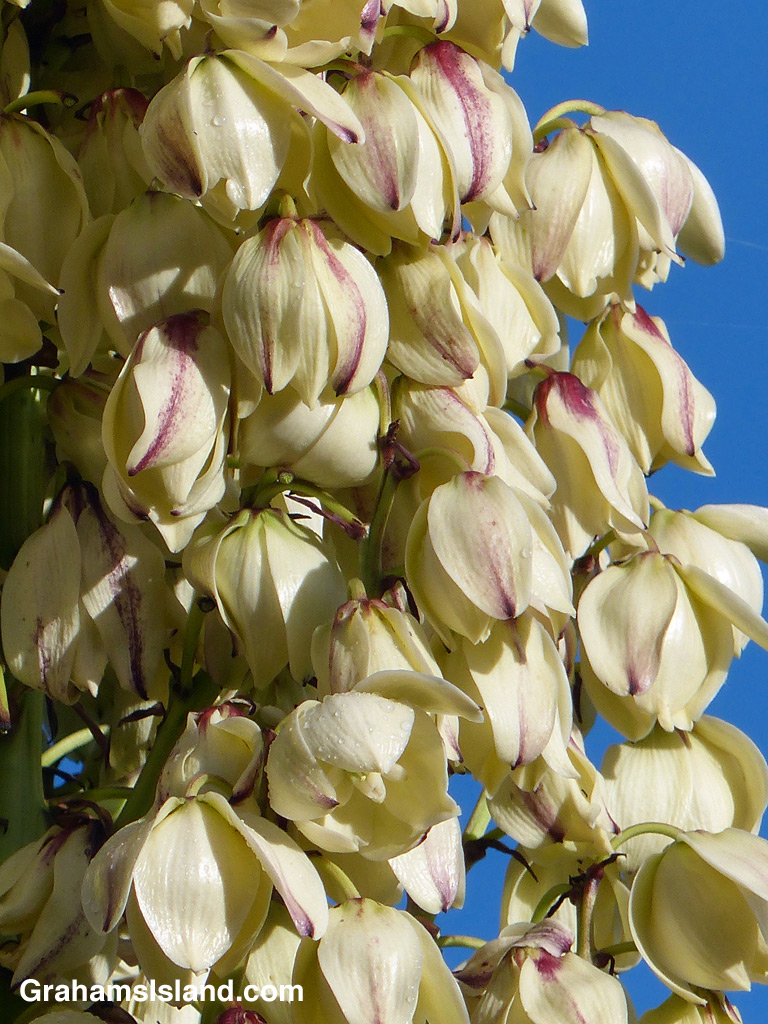
This week’s Sunday Stills challenge theme is ‘Feathers.’ See more responses here.
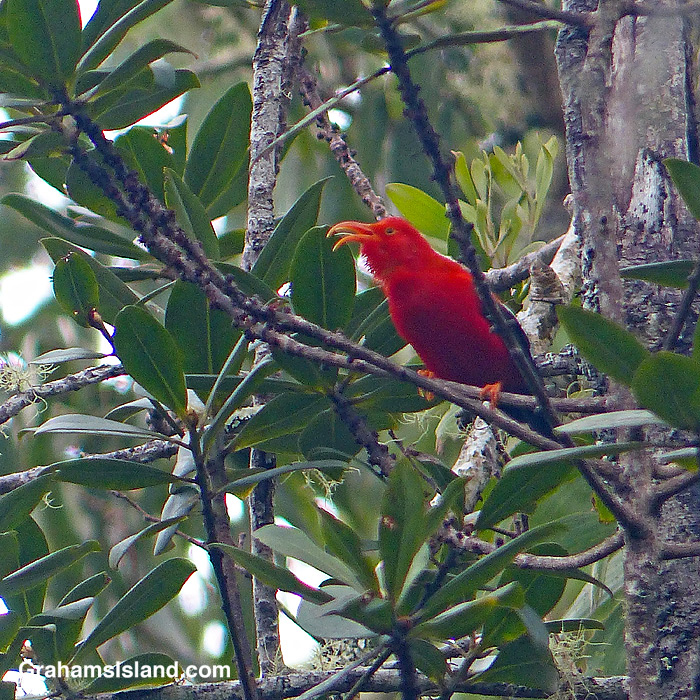
When the Polynesians first came to Hawaii, they brought with them many plants and animals for use in their new home. They also brought with them their traditional skills, one of which was feather work. Feathers were made into capes and helmets, as well as used in standards and staffs. These feathered items were mostly reserved for Hawaiian royalty, the ali’i, and were considered a status symbol, showing how powerful they were.
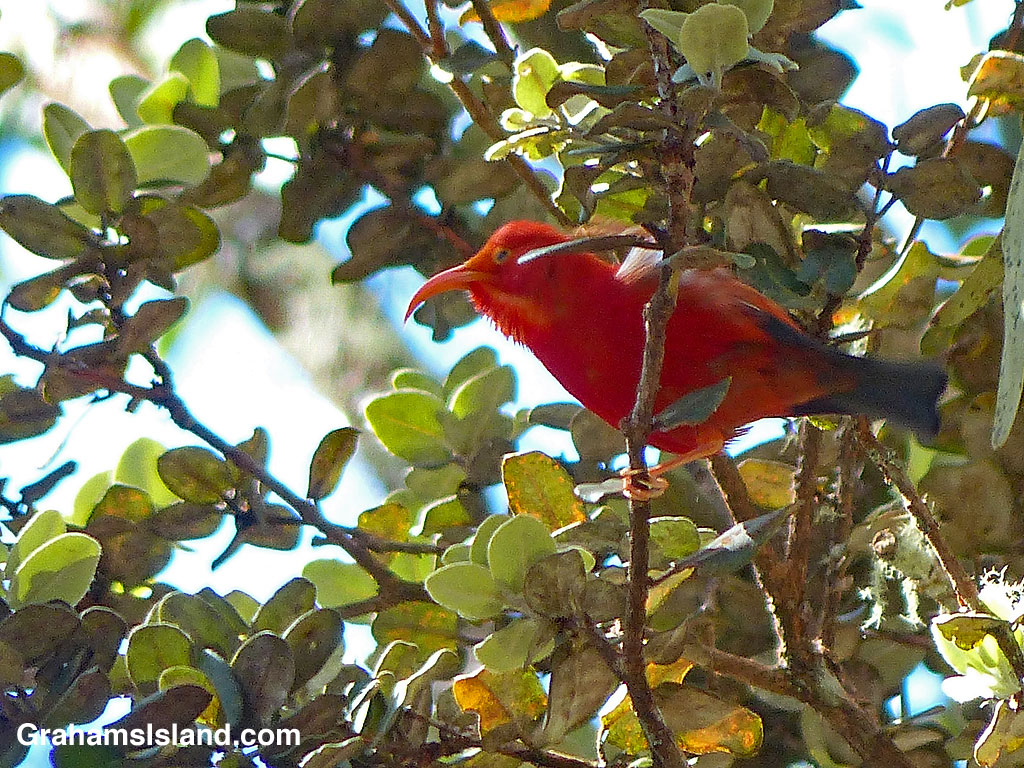
Red and yellow were the main colors used so the I’iwi (pictured) and Apapane were coveted for their red feathers, while yellow feathers came from Ō’ō and Mamo birds. These latter two birds are now extinct, but not because of feather collecting. Introduced predators and diseases, together with loss of habitat, are the primary causes.
Also posted for Becky’s Squares: Simply Red. See more responses here.
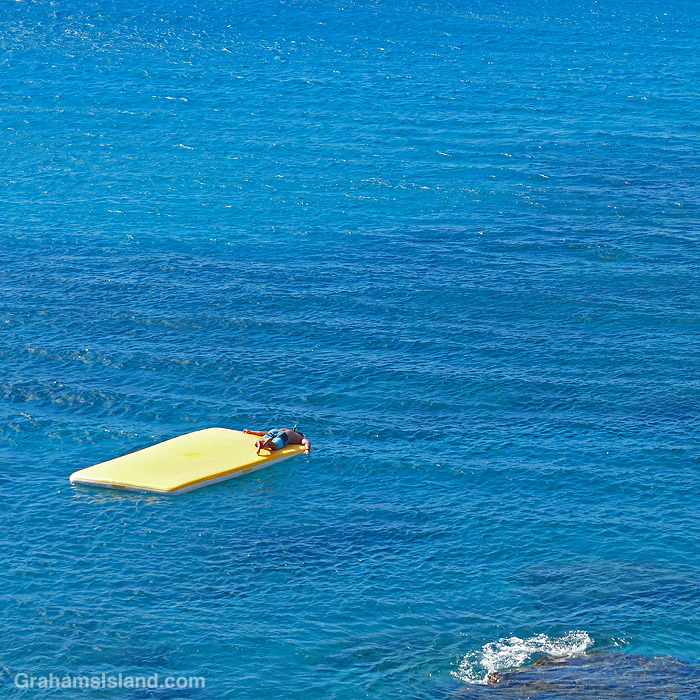
The idea of The Numbers Game is to enter a number into the search bar of your computer and then post a selection of the photos that turn up. This week’s number is 166. Captions are on the photos. You can see more responses here.
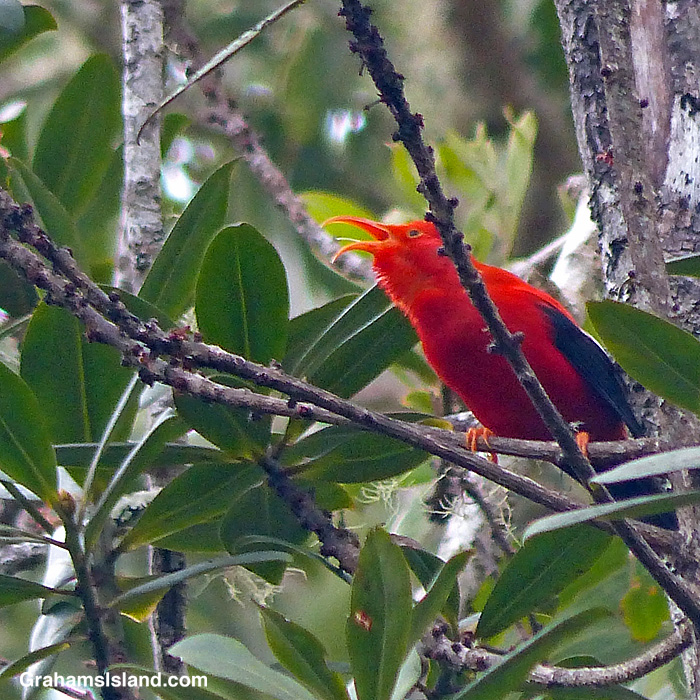

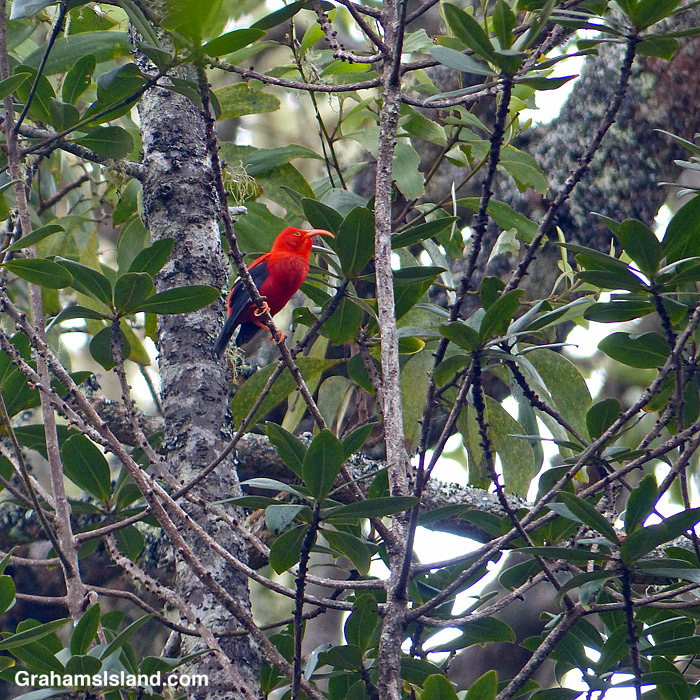
On my last hike on the Pu’u O’o Trail, off Saddle Road, I soon ran into a man and his son staring at a tree a short distance away. The man explained that they’d seen an i’iwi, a native Hawaiian honeycreeper, fly into the tree and were hoping to see it again. I waited with them for a while, but saw nothing and decided to move on.
A little later I ran into two men coming out of a kipuka, a cluster of old vegetation that has been bypassed by lava flows. One of them, looking pretty pleased, held out his camera and said they’d just seen an i’iwi and he’d got some good photos. He mentioned the spot where they’d seen the bird, so I headed into the trees to have a look. Nothing. It was beginning to look like it was going to be one of those days where everyone else has a wonderful experience except me!
But not long after, I saw a flash of red and then this bird settled on a branch and began to add its song to the loud chorus of bird songs in the kipuka. One thing about i’iwis is that if they’re around, they’re easy to see, their bright red plumage standing out against the green background.
After the bird flew off, I carried on with my hike. When I returned half an hour later, the bird song in the kipukas had diminished considerably and I didn’t see or hear anymore i’iwis.
Posted in response to Becky’s April Squares challenge theme of ‘Bright.’ See more responses here.
I saw this I’iwi (Drepanis coccinea) on a trail off of Saddle Road, between Mauna Kea and Mauna Loa. These bright red birds are native Hawaiian honeycreepers and in the old days, the feathers of the birds were collected to make cloaks for Hawaiian royalty.
The curved bill is suited for feeding on native lobelias, but a decline in those plants has seen the I’iwi adapt to feeding on other native plants including ʻōhiʻa lehua, māmane, and ohelo.
While the numbers of I’iwi are still fairly good, particularly on the Big Island and Maui, they have suffered, like other birds, from loss of habitat. In addition, They are susceptible to avian malaria, spread by mosquitoes. Consequently, I’iwi are doing better at higher elevations, such as where this photo was taken at around 6,000 feet.
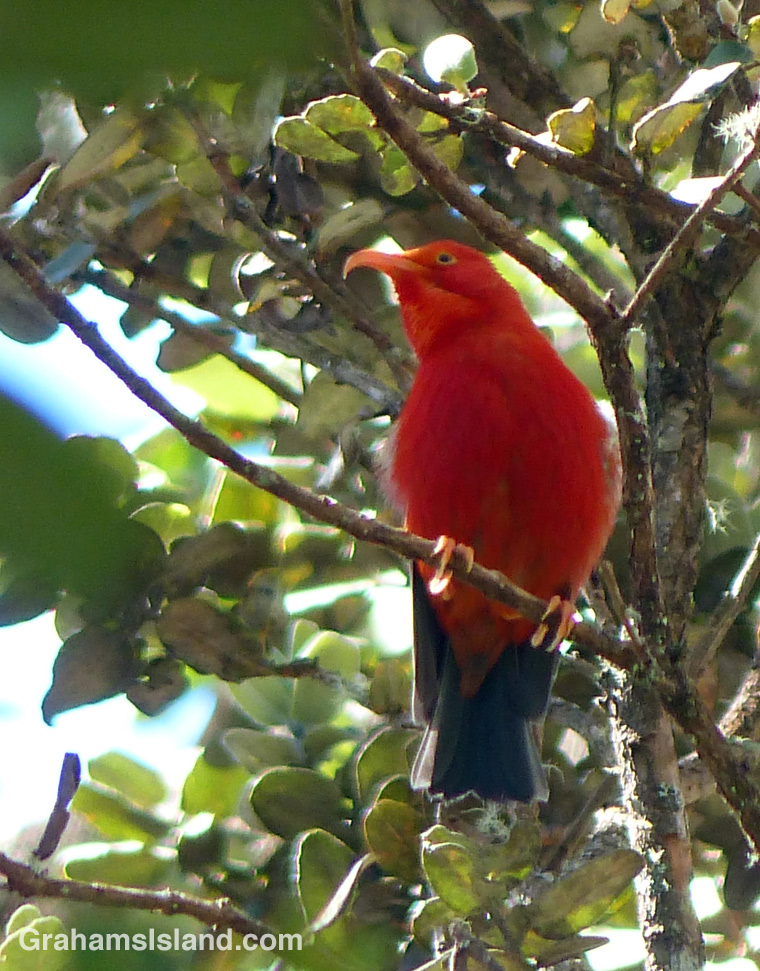
The I’iwi (vestiaria coccinea) is a native Hawaiian honeycreeper, which is still quite common on the Big Island, as well as on Kaua’i and Maui. I saw several while hiking the Pu’u O’o Trail, off of Saddle Road. The fact that they’re bright red and they have a quite distinctive call makes spotting them a bit easier for a non-birder like me.
For more information about the Pu’u O’o Trail, go to bigislandhikes.com/puu-oo-trail/.
 Graham's Island