Tag Archives: Lava

Where dinosaurs roam

A view of South Point from near Ocean View, Hawaii
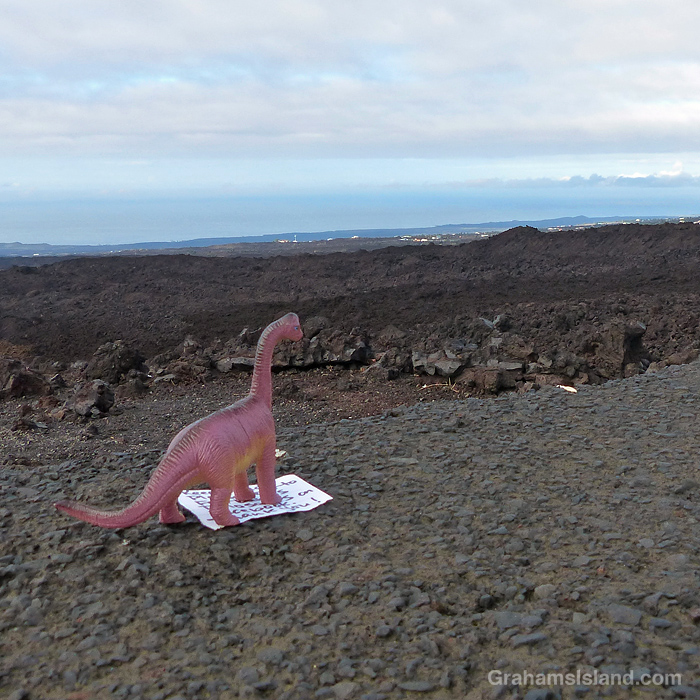
A dinosaur looks out over Kau, Hawaii

I drove to the southern part of the island recently. Just past Ocean View is a scenic viewpoint that I stopped at. There’s a decent view towards South Point, which is a little farther on from the line of wind turbines in the top photo.

The land down to the ocean is mostly old lava flows with scrubby vegetation striving to maintain a foothold. It’s a bit bleak and primeval, the sort of land I could imagine being roamed by dinosaurs, so it was no surprise to see one on the wall of the viewpoint. It was pink and surprisingly small, but quite friendly-looking. I was not in fear for my life and did not run screaming back to the car.

The dinosaur came with a little note underfoot which said something about posting a photo on Facebook, but since I’m not on any social media, I paid no further attention. I suspect the idea was to have the photo posted and then the dinosaur moved to a different location. I’d have hidden it in a dark, dank place where it might not have been seen again for millions of years, so it’s probably just as well that I left it where it was and continued on my journey.

Cloud over Mauna Loa eruption

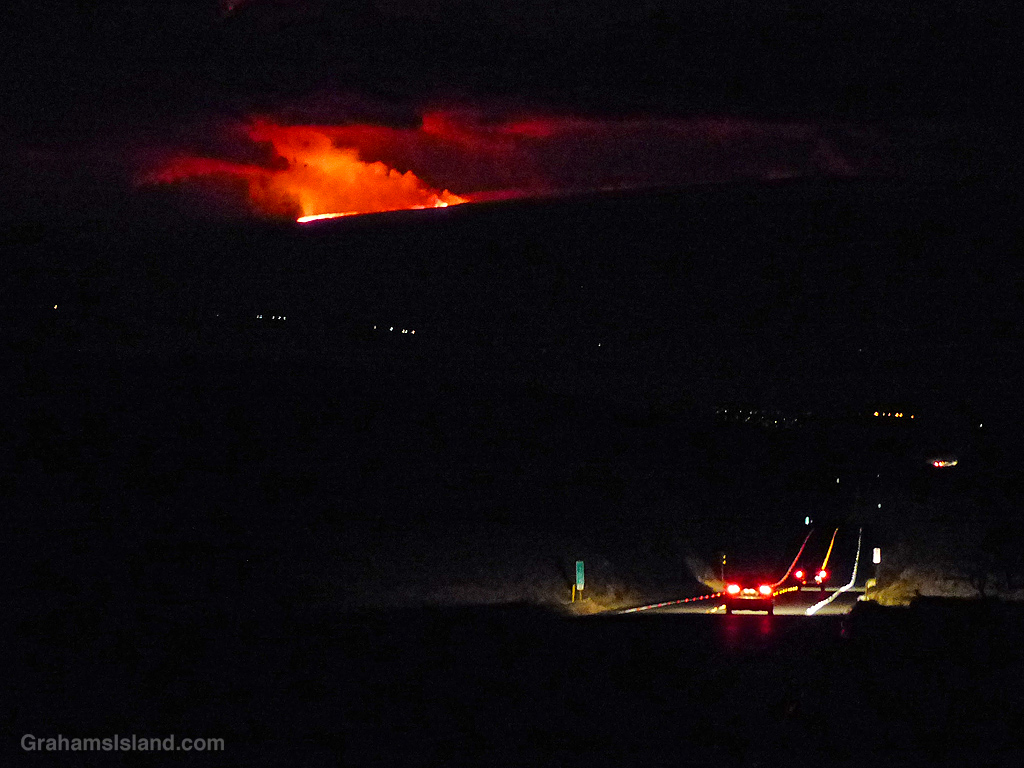
A cloud forms over the site of the eruption on Mauna Loa , Hawaii

On my way to work yesterday, I pulled over to photograph this view of Mauna Loa, early on day three of the current eruption. The heat and emissions from volcanic eruptions can create their own weather. Here, smoke and gasses from the most active vent can be seen rising up into a cloud over the northeast slope of the volcano.

Posted for Bushboy’s Last on the Card photo challenge. See more responses here.

Mauna Loa erupts

Mauna Loa erupts on the Big Island of Hawaii

Yesterday, my morning commute was enlivened by the sight of Mauna Loa erupting. The eruption started late Sunday night and the report I read, before leaving home, said the eruption was currently confined to the summit crater. That clearly wasn’t the case when I took these photos on the way to work. The quality isn’t great because they’re hand-held, but I think they illustrate the scene reasonably well.

In the top two photos, the red smoke is the glow of the lava, but the white/yellow bits are the lava itself. This was a flow moving down the slope of the volcano.

Mauna Loa erupts on the Big Island of Hawaii

By the time I got to work, the sky was lightening but the lava still stood out. In the bottom photo, Mauna Kea is left center, with a stunning sunrise developing behind it. Mauna Loa is on the right and the activity can clearly be seen on the left (northeast) slope of the volcano, some way down from the summit.

Mauna Loa erupts on the Big Island of Hawaii

When I got home, I read that three vents had opened on the northeast rift zone of the volcano, though only one was still active. Flows from Mauna Loa can reach the ocean in a matter of hours, depending on where they’re coming from and going to. This flow is currently heading towards the saddle between Mauna Kea and Mauna Loa, which is mostly a military training area and undeveloped land. The main current danger is from gasses and Pele’s hair, thin strands of brittle volcanic glass, being carried from the volcano to communities downwind. However, new vents could open farther down the rift, bringing lava closer to human habitation.

Changes in eruptions on Mauna Loa can happen pretty quickly so, as usual, the advice here is be prepared and keep tuned to updates on the situation.

Switchbacks

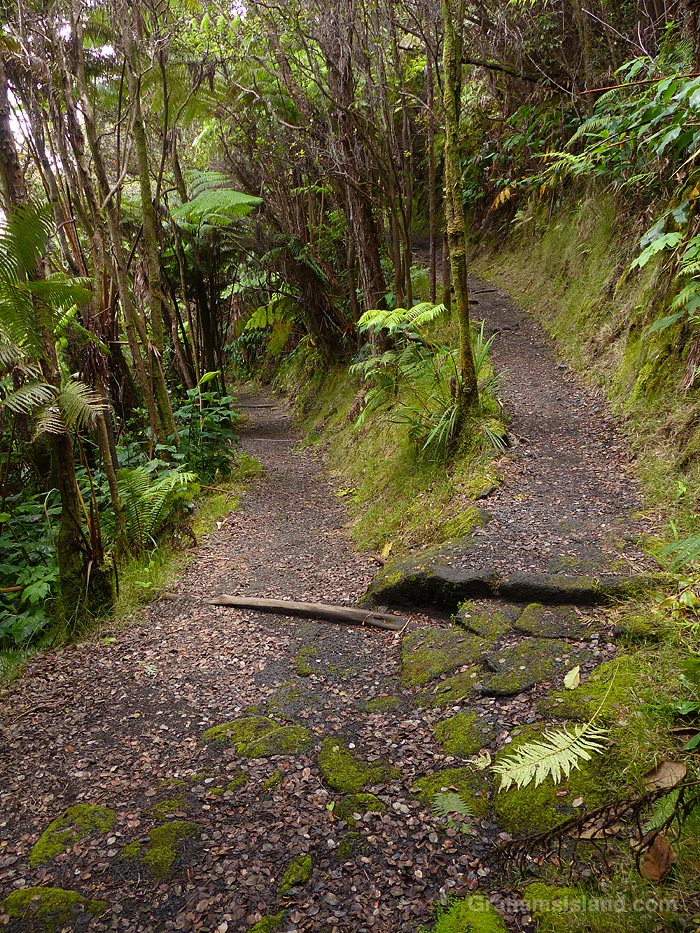
A switchback on the Kilauea Iki Trail in Hawaii Volcanoes National Park

The Kilauea Iki Trail in Hawaii Volcanoes National Park is one of the most popular in the park, but I’ve never found it crowded when I’ve been there. It features two very different environments, the walk around the heavily wooded crater rim and the crossing of the barren lava on the crater floor, about 400 feet below.

Since the trail is a loop, one has to descend the steep crater wall at one end and climb up the equally steep crater wall at the other. At both ends, the trail is heavily switchbacked to make this possible. For the hiker, the positives of this are that the trail is less steep than a straight shot would be, and the switchbacks are good spots to take a break and get a variety of views.

For more information about Hawaii Volcanoes National Park, go to nps.gov/havo/. Posted for Becky’s Squares theme of “Walking” (See more responses here).

A switchback on the Kilauea Iki Trail in Hawaii Volcanoes National Park
The Kilauea Iki Trail in Hawaii Volcanoes National Park
The trail across the crater floor.

Lava in all its colors

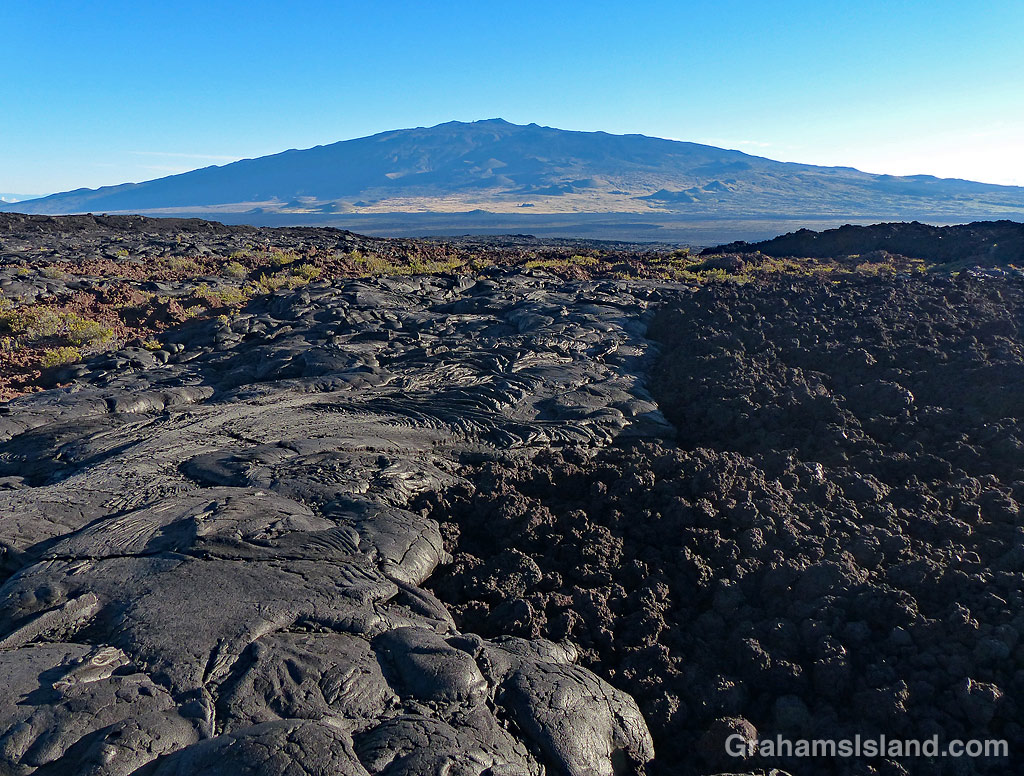
A variety of colors can be seen in this lava on the Puna Coast Trail (posted here).

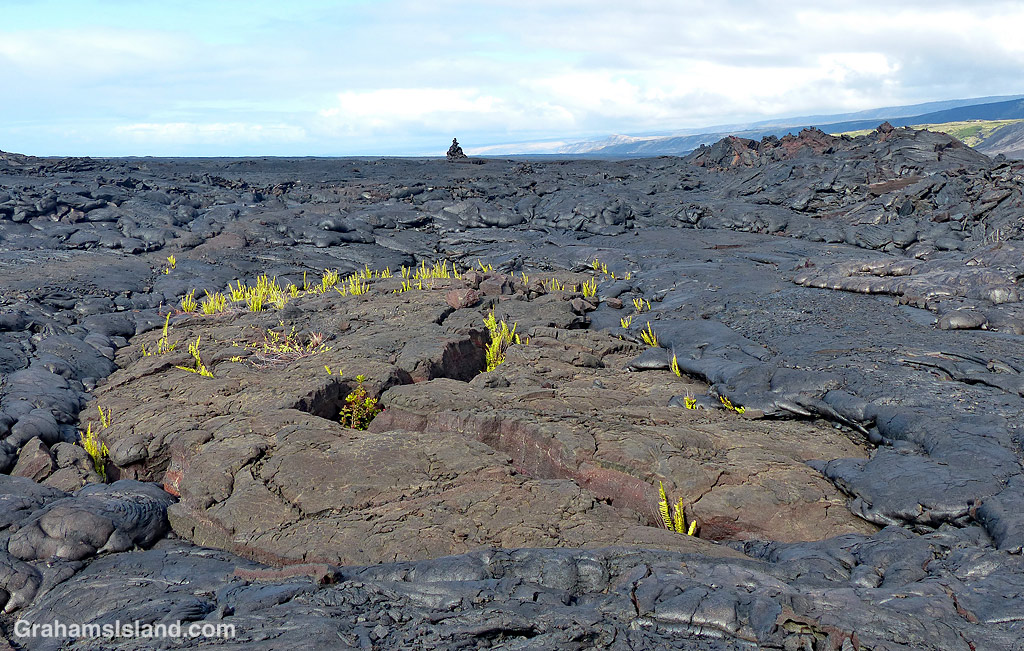
This week’s Sunday Stills Monthly Color Challenge is ‘Lava.’ See more responses here. I don’t often run photos I’ve posted before, but this seemed like an opportune instance to rerun some older photos that are perfect for this theme. I’ve put captions on the photos and a link to the original posts for those interested in checking them out.

Old brown lava surrounded by black lava from a more recent flow (posted here).

Home is where the tube is

A lava tube that used to be home to early Hawaiians
A sign in front of a lava tube that used to be home to early Hawaiians

The public parking area for shoreline access at Mauna Lani is some distance from the ocean. From the parking lot, the trail meanders across some old lava, but off to one side is this interesting little spot.

It’s part of an old lava tube that was used as a shelter by early Hawaiians. Lava tubes are created when lava flows crust over on top, creating an insulated tube that lava continues to flow through. When an eruption ends and the supply of lava disappears, the lava drains out of the tunnel it’s been flowing through and a hollow tube is left.

As the sign at the entrance says, the tube would have been cool during the heat of the day, but would also protect from wind and rain. These days, the floor is strewn with rocks, but when used for habitation, any rocks would have been removed leaving a reasonably smooth floor. In the photos, the ceiling looks low, but I’m over six feet tall and didn’t have to duck. It’s a big area.

The top photo shows the entrance taken from the back of the tube. The bottom photo is taken from the entrance, looking toward the back.

A lava tube that used to be home to early Hawaiians

First visit to Hawaii

This week’s Sunday Stills challenge theme is ‘Meaningful Memories.’ See more responses here.

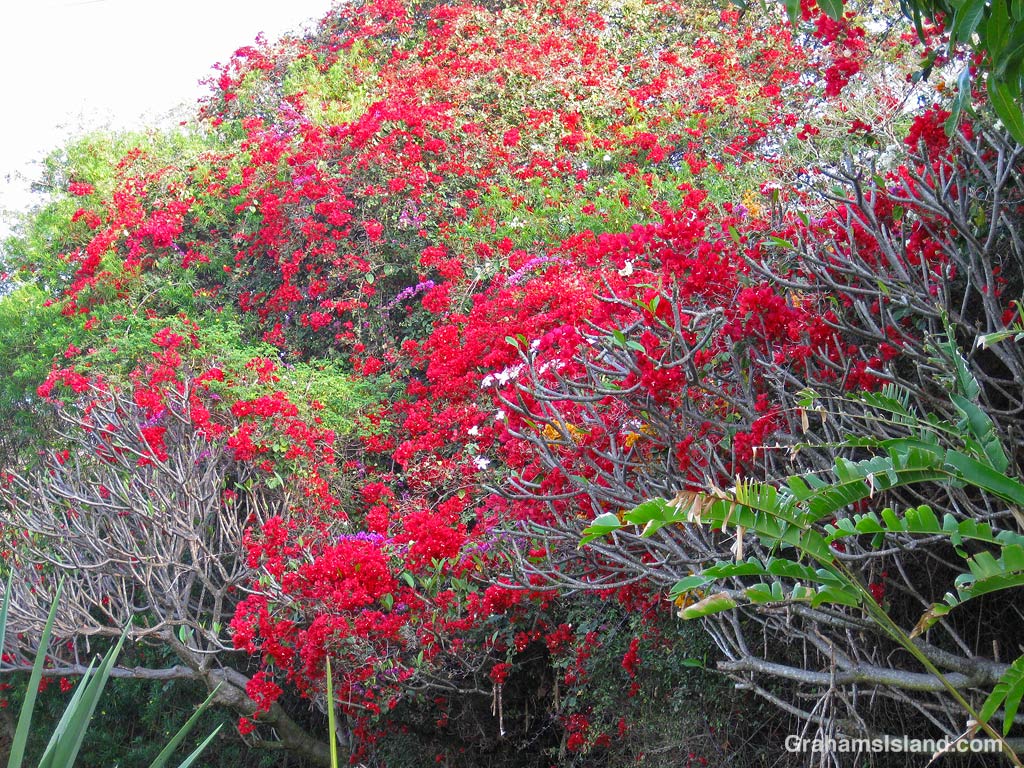
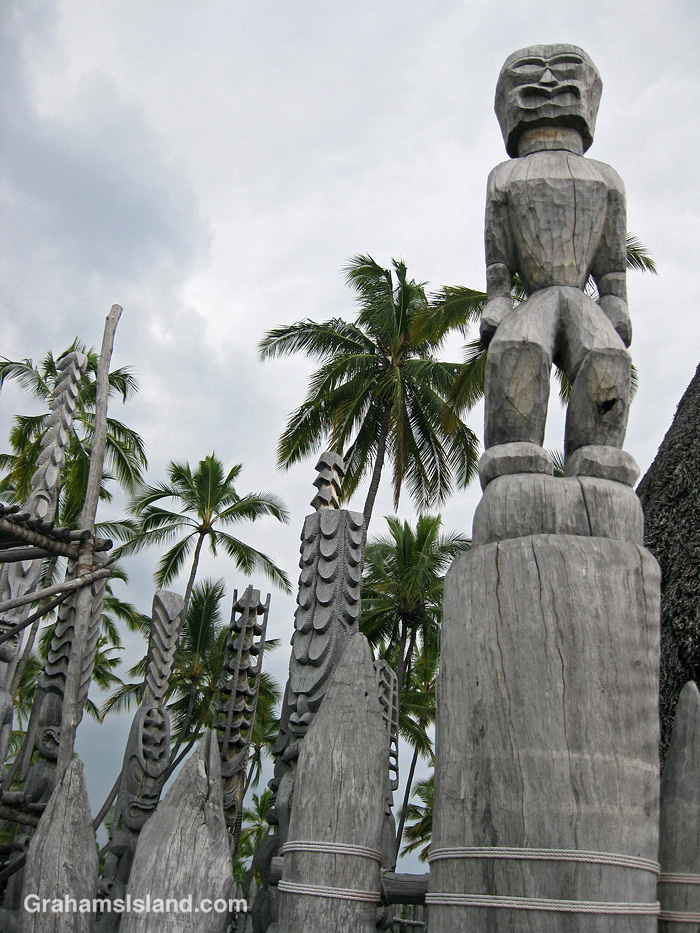
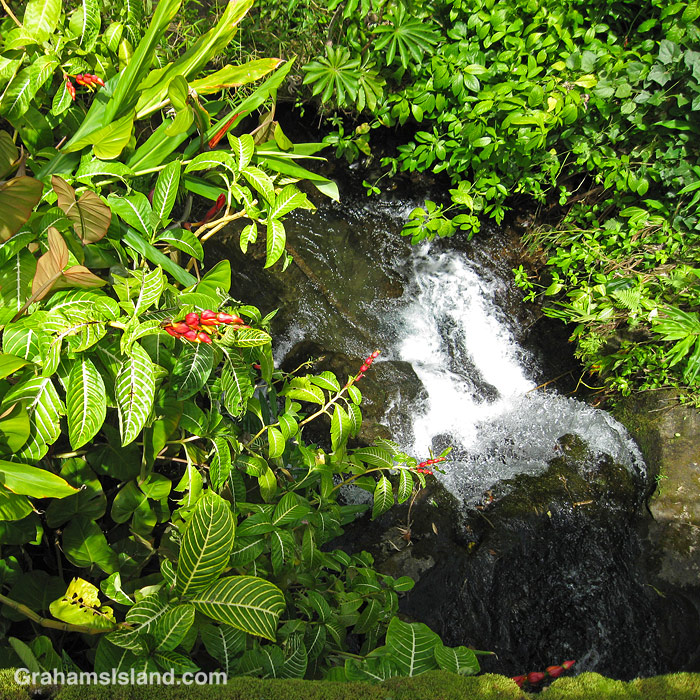
This seemed like an opportune time to revisit my first visit to Hawaii, back in 2010. My wife and I stayed in a vacation rental near Captain Cook, overlooking Kealakekua Bay. The sky was hazy with vog from Kilauea Volcano, but the place was awash with colorful flowers. Just down the road was the Painted Church and at the foot of the hill, Puʻuhonua o Hōnaunau National Historical Park celebrates Hawaiian culture and history with its wooden ki’i and towering palms.

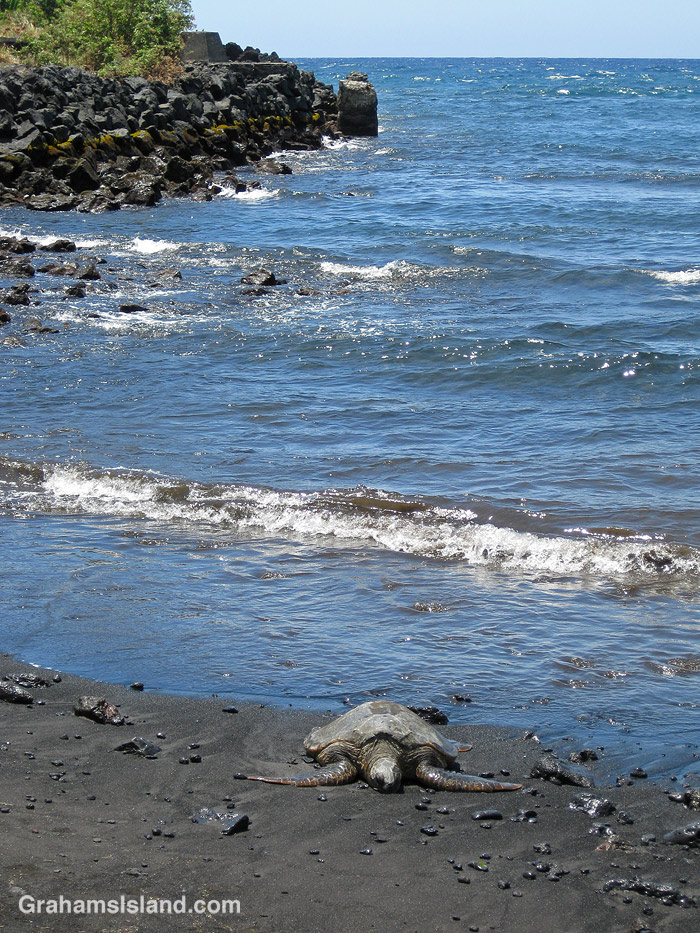
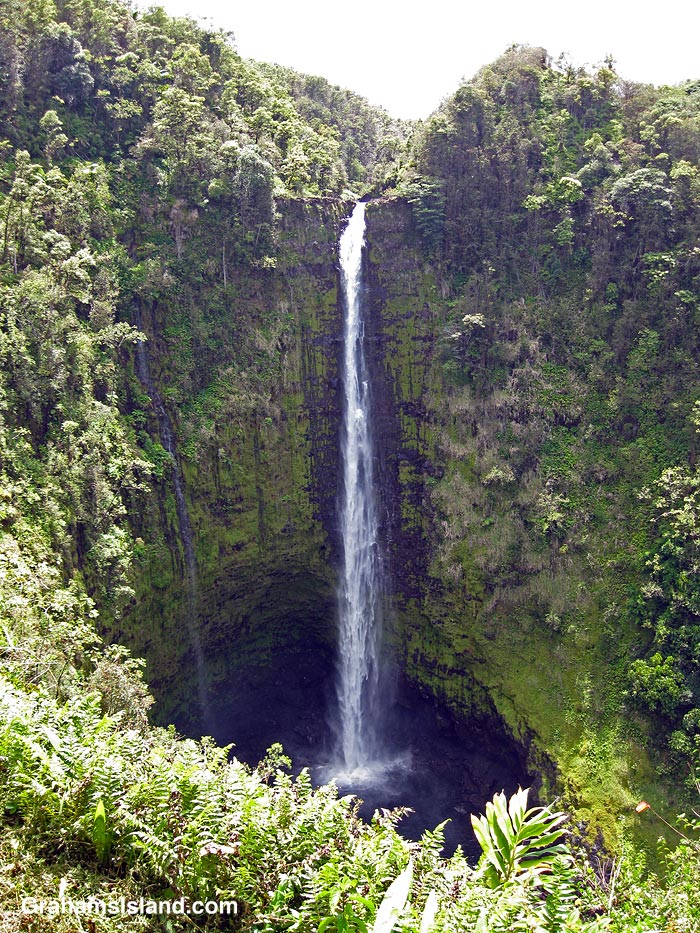
We traveled the whole island from the black sand beach at Pololu (even if we had to pass the carcass of a dead whale twice) to the black sand beach at Punalu’u, dotted with resting green turtles, and rocky surrounds. There were waterfalls big and small, and roads lined with tropical foliage leading to the active lava flow at that time.

There, signs warned that flowing lava is dangerous (who knew?), but we were still able to get within 10 feet of oozing tongues of red, and saw small fires still burning in nearby brush.

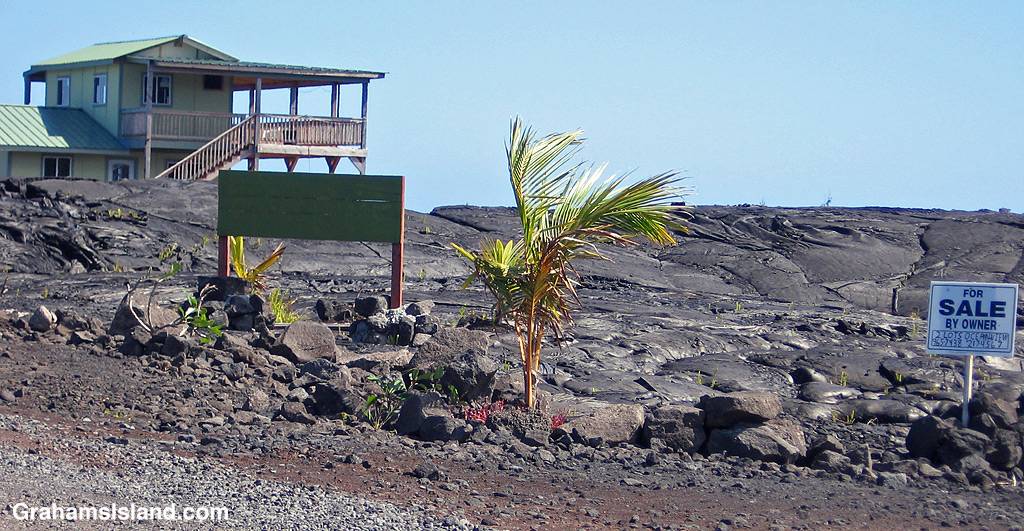
There was even a house for sale: ‘Buy now before it burns!’ We didn’t, though that house still stands while others, much farther from that scene, have since been consumed by subsequent flows.

It was this visit that prompted us to return permanently two years later. Hawaii isn’t paradise – it has its pros and cons like any place – but we haven’t regretted the move and are looking forward to the next 10 years.