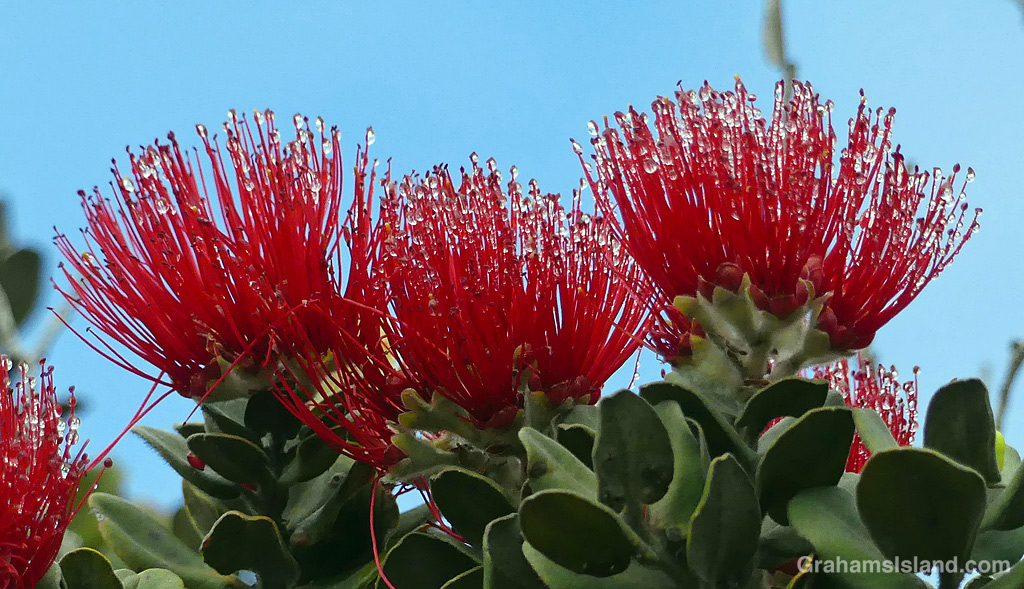
Ohia flowers on the Kaumana Trail off Saddle Road. Posted for Terri’s Flower Hour. See more responses here.

Ohia flowers on the Kaumana Trail off Saddle Road. Posted for Terri’s Flower Hour. See more responses here.
The idea of The Numbers Game is to enter a number into the search bar of your computer and then post a selection of the photos that turn up. This week’s number is 204. Captions are on the photos. You can see more responses here.
Also posted for Becky’s Squares: Simply Red. See more responses here.
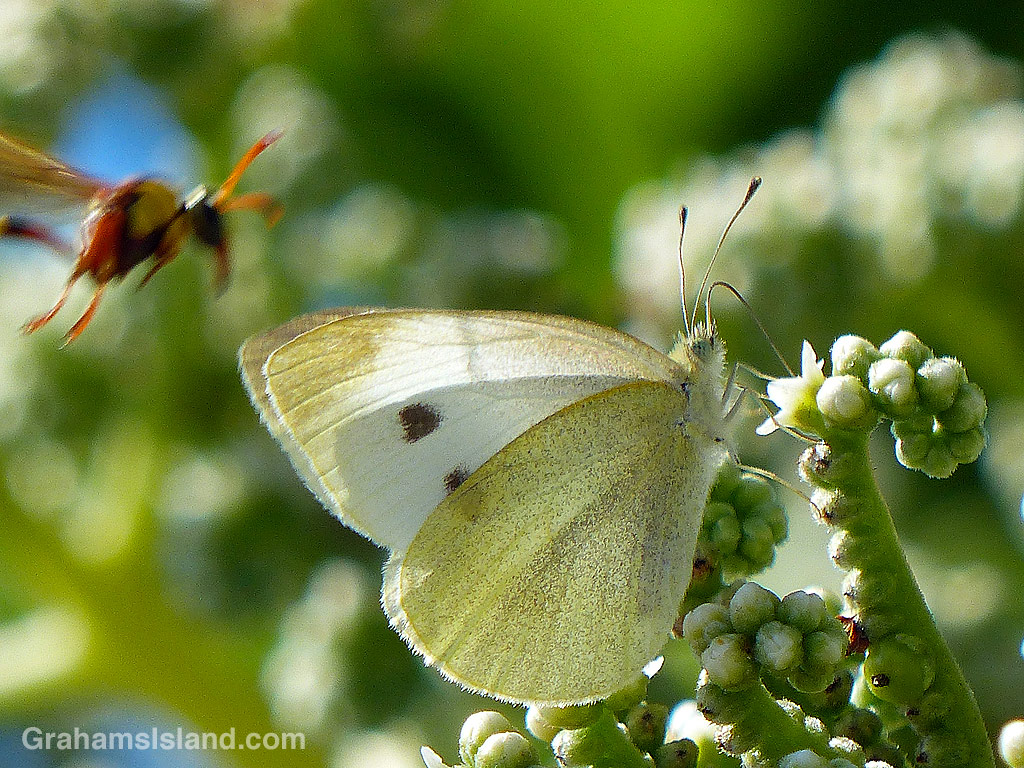
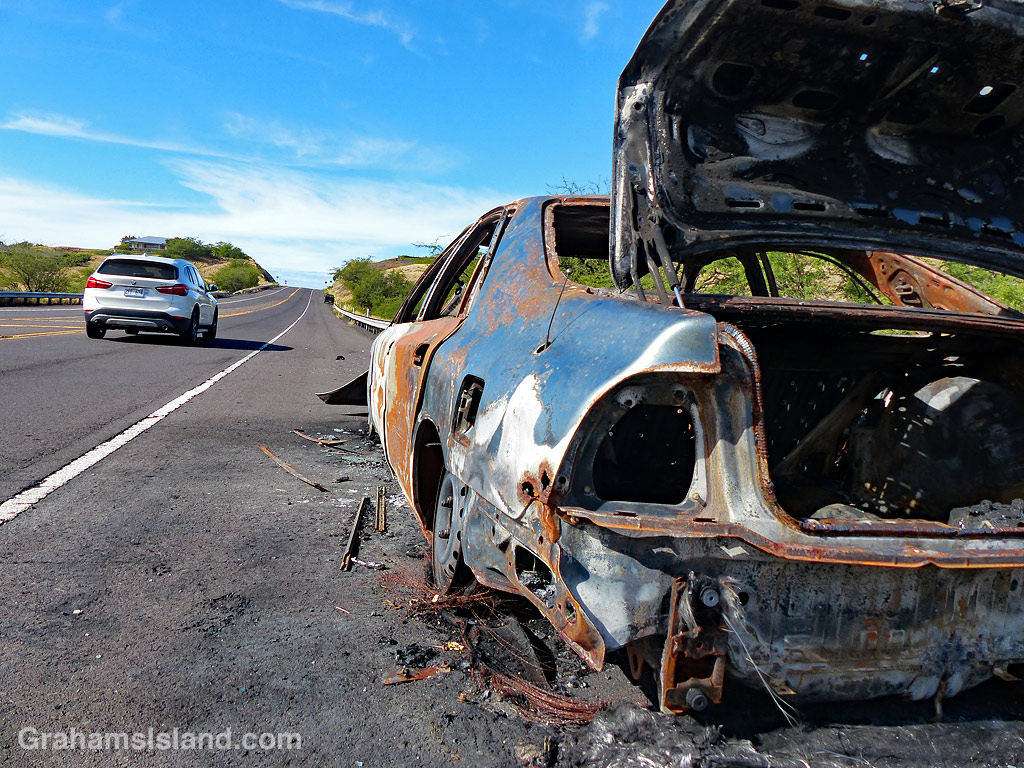
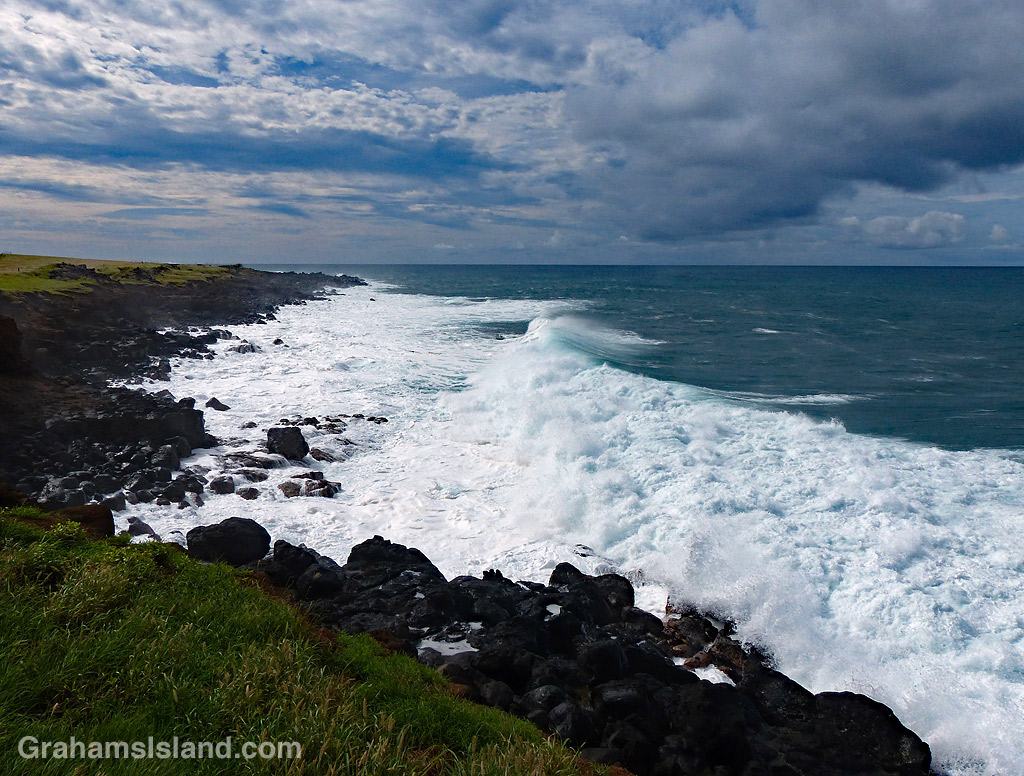
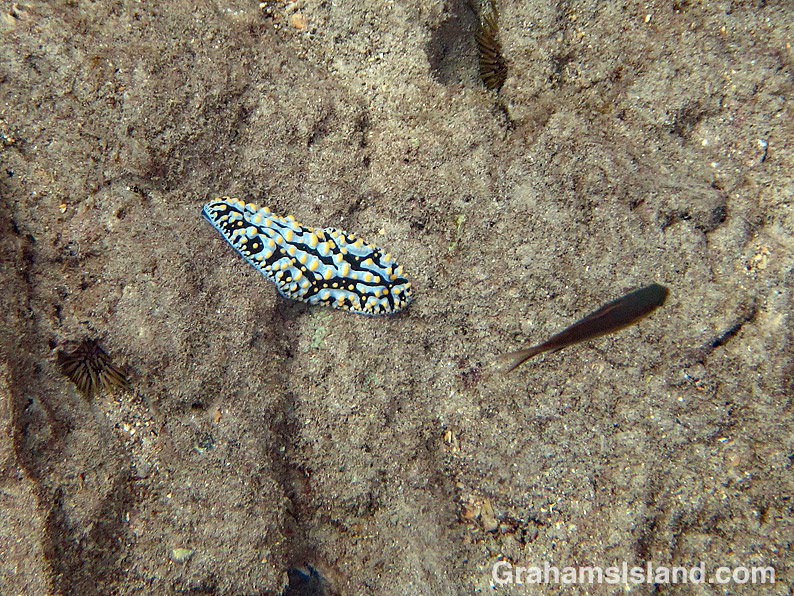
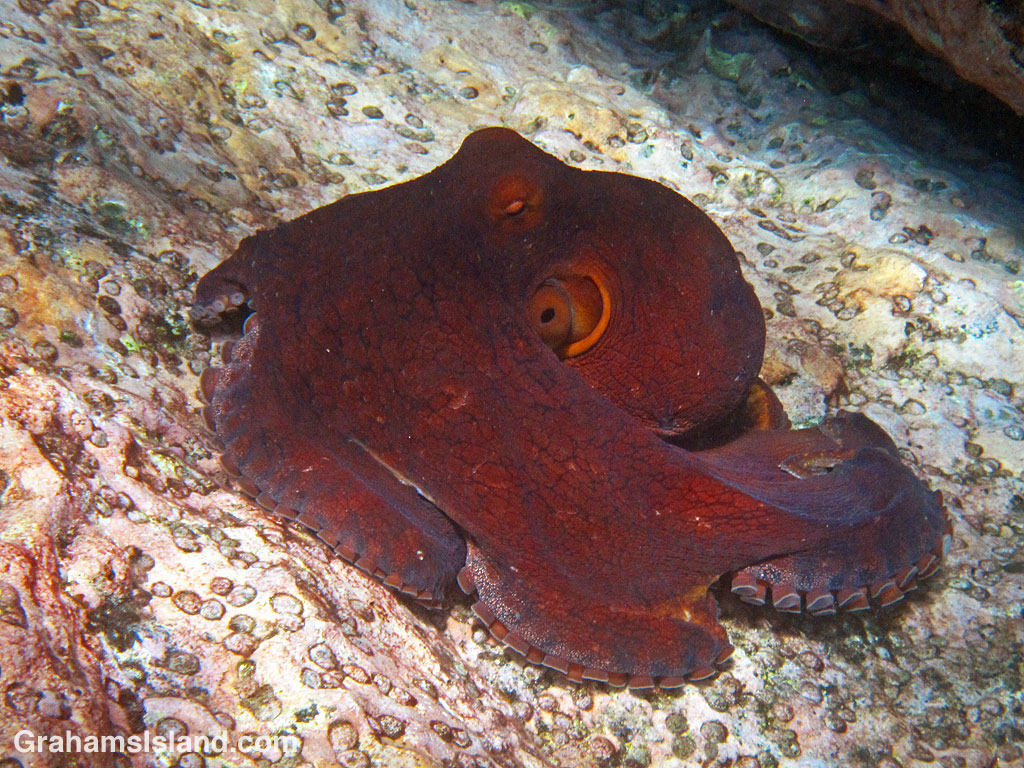
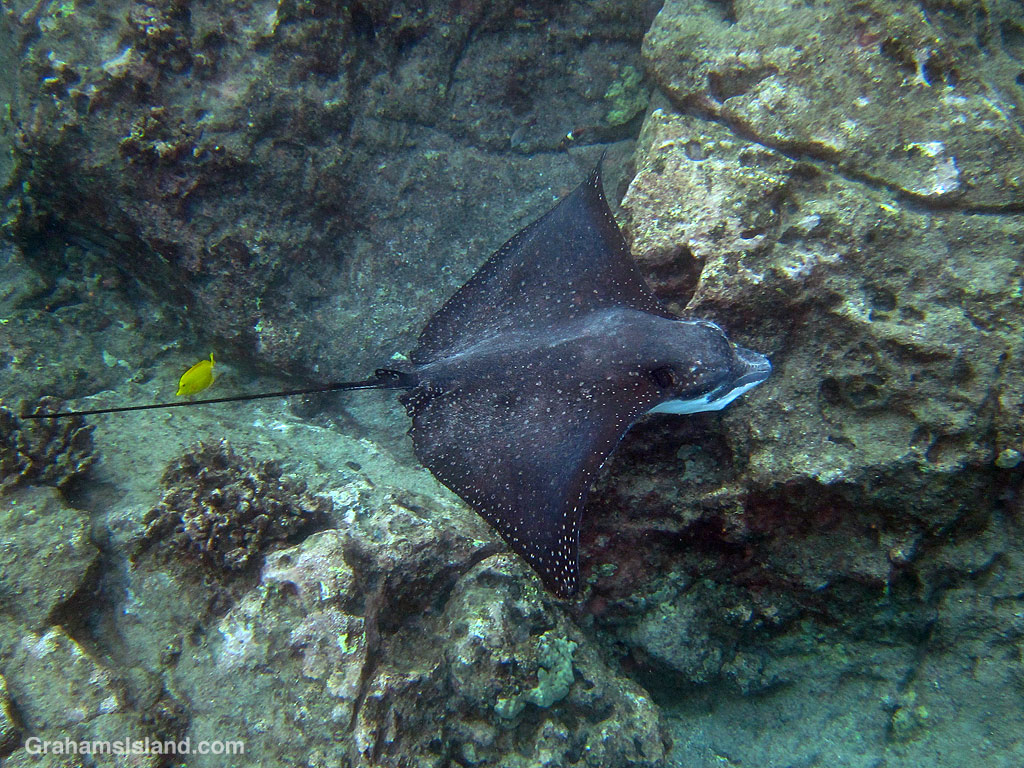
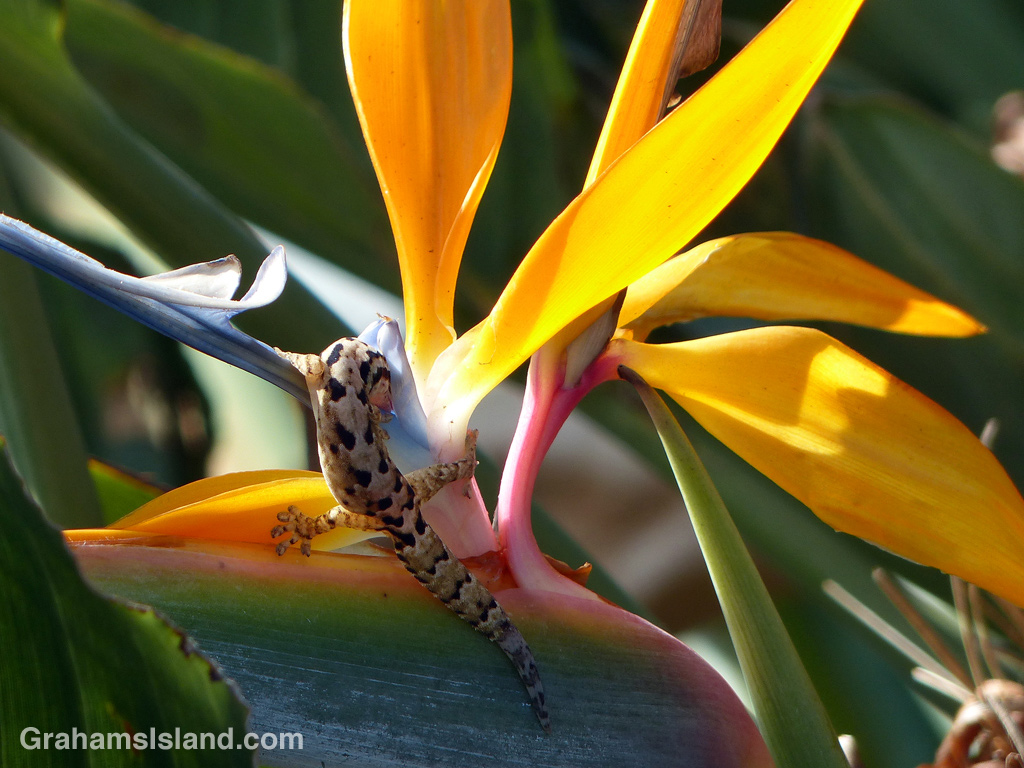
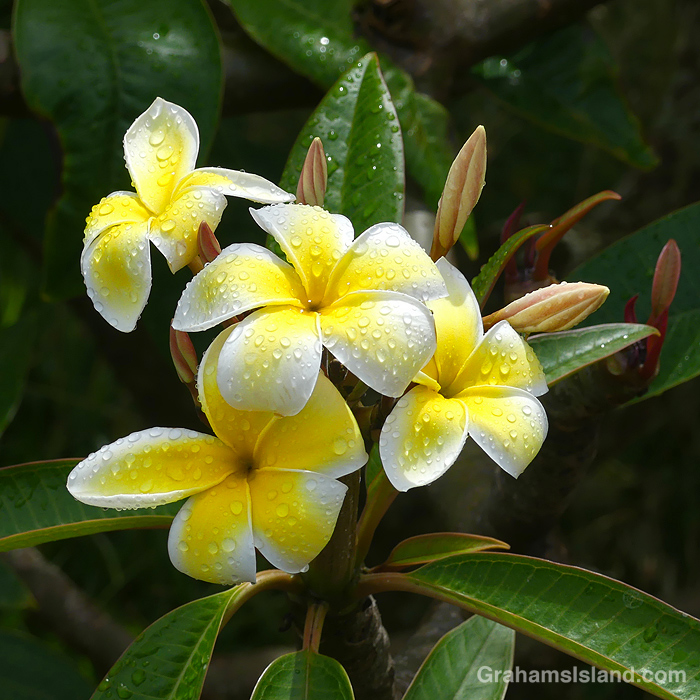
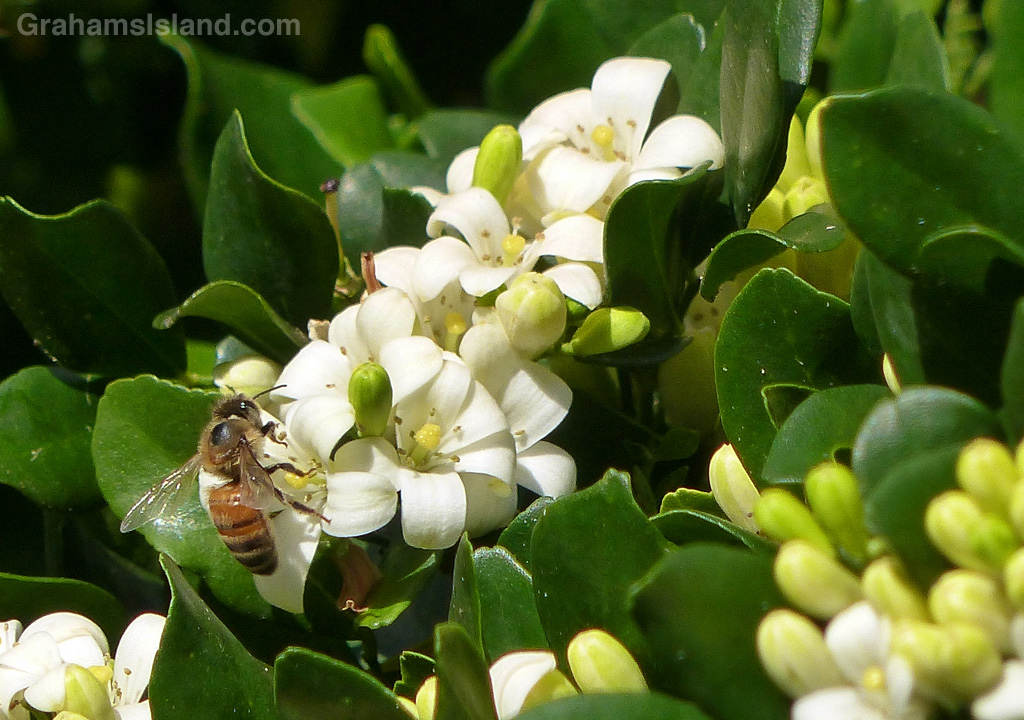
This week’s Sunday Stills challenge theme is ‘Favorite Flowers.’ Here are some of mine. Captions are on the photos. You can see more responses here
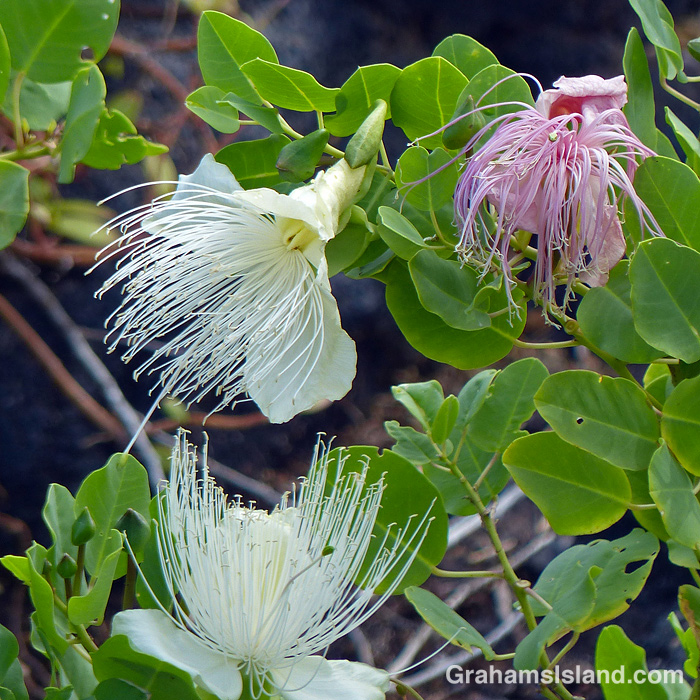
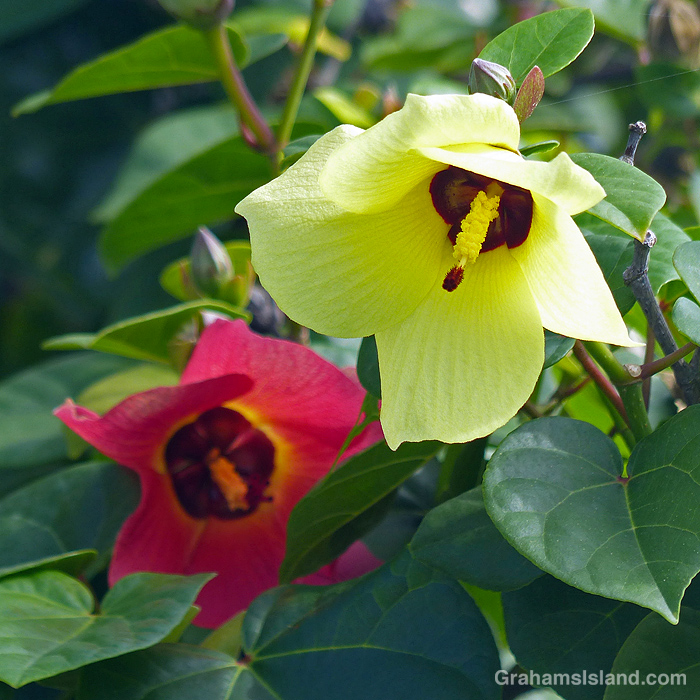
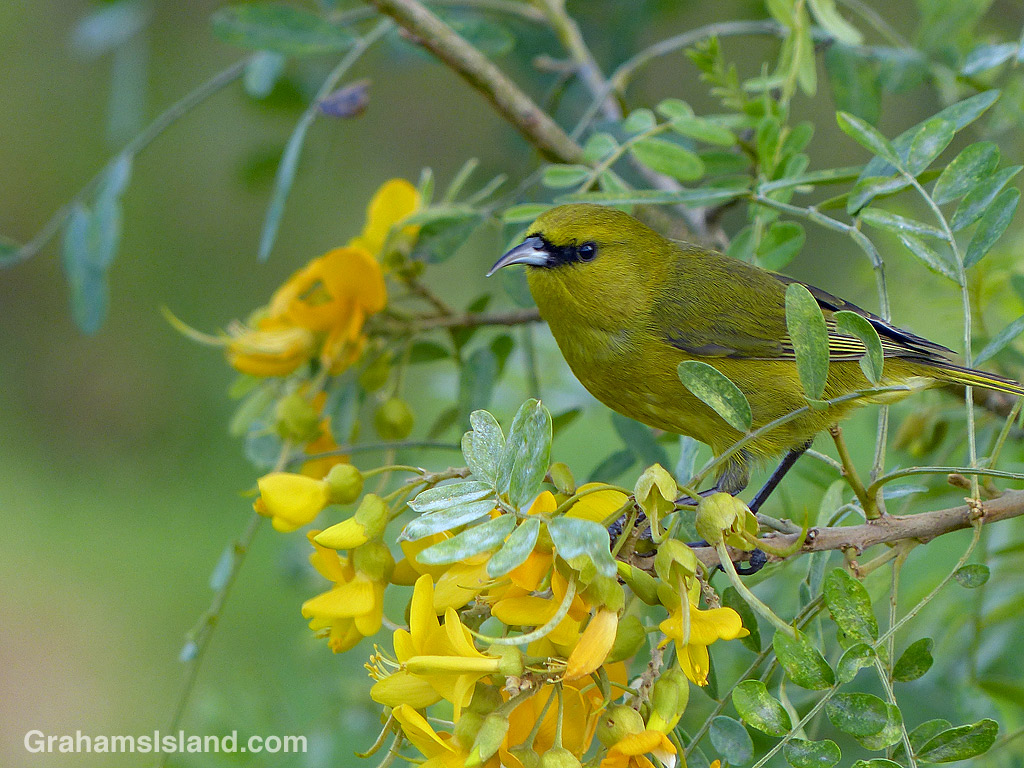
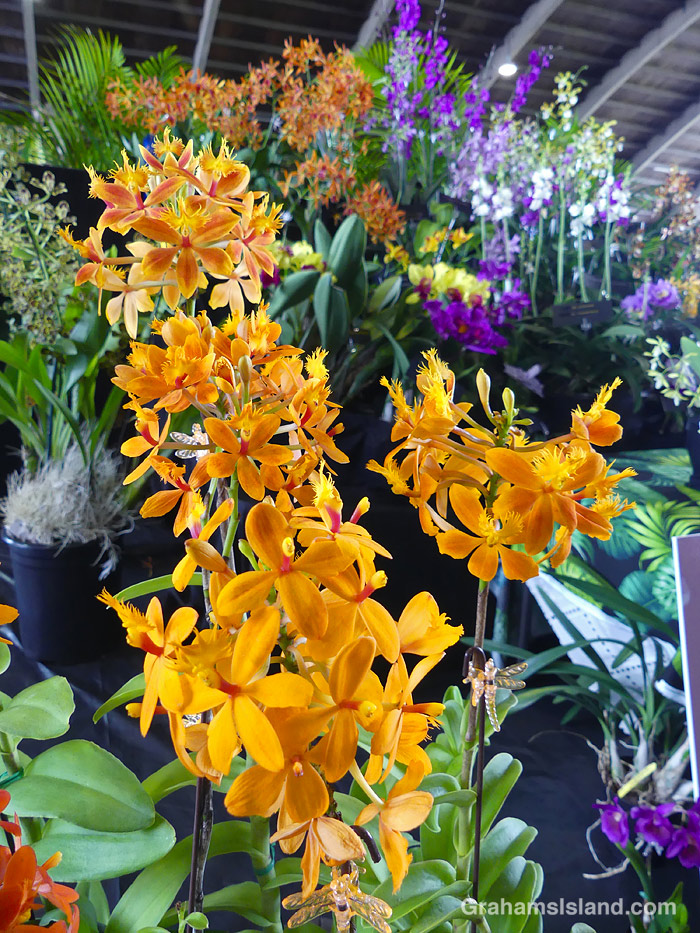
And finally some photos from the Hilo Orchid Show last year. I’ve definitely become an orchid fan since moving here.
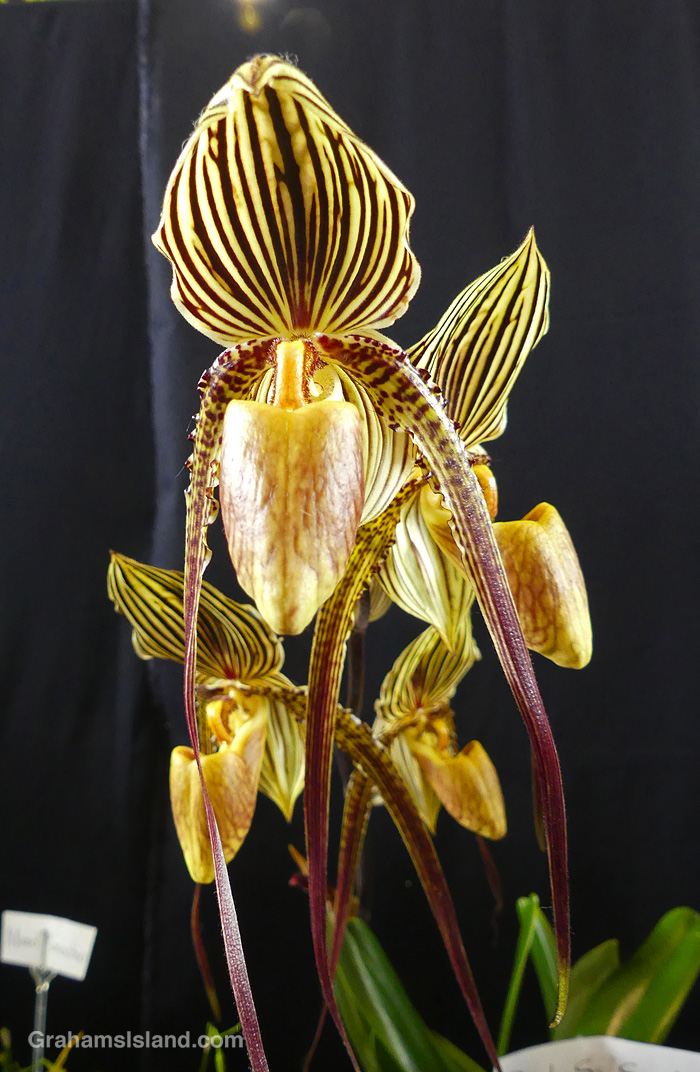
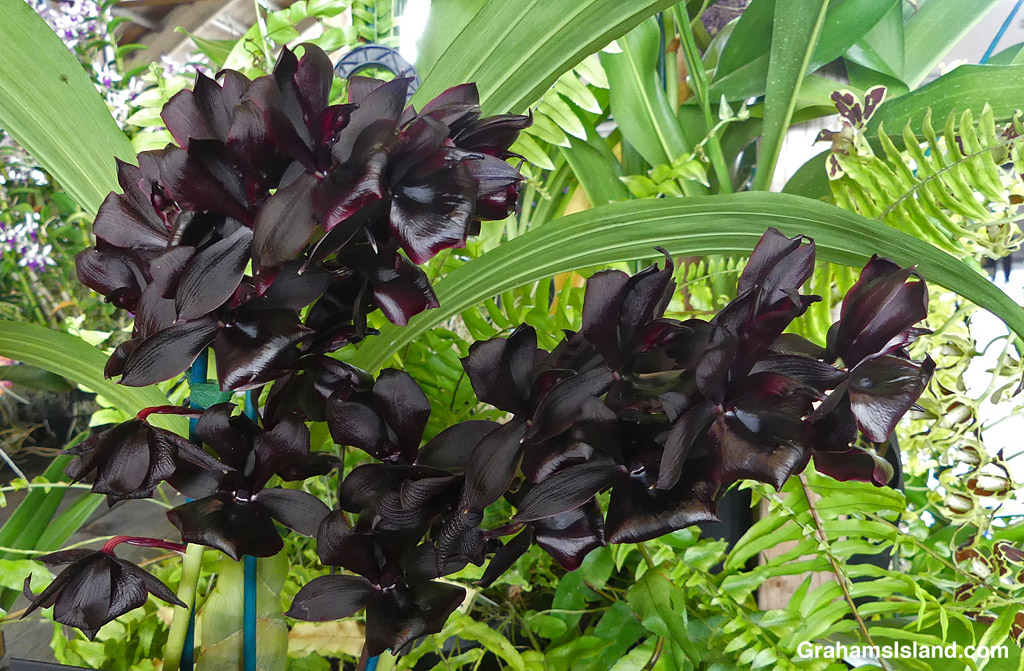
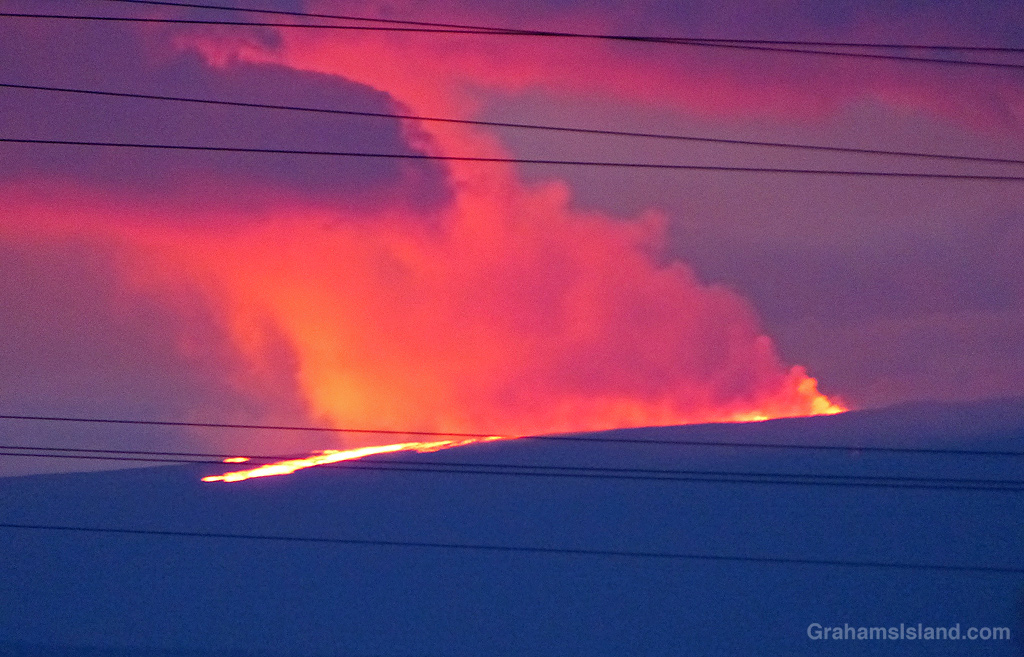
This week’s Sunday Stills color challenge theme is ‘Rosy Red.’ See more responses here. Captions are on the photos.
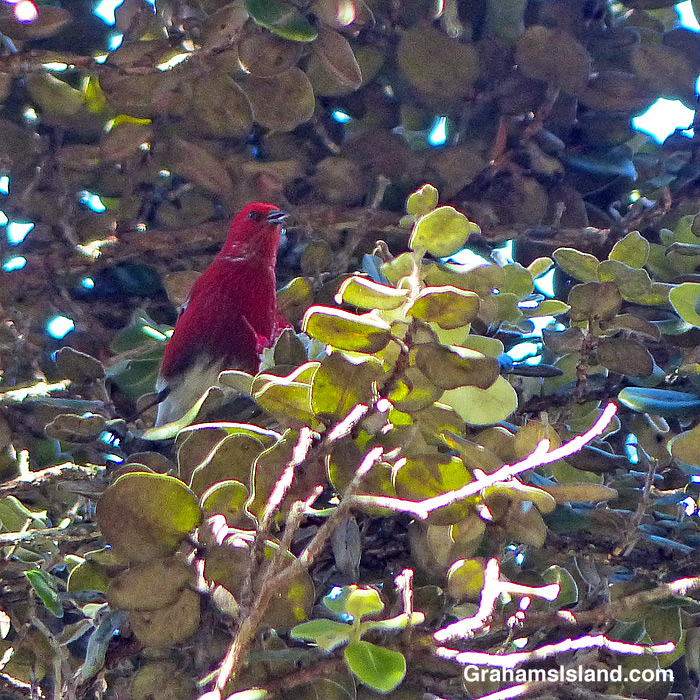
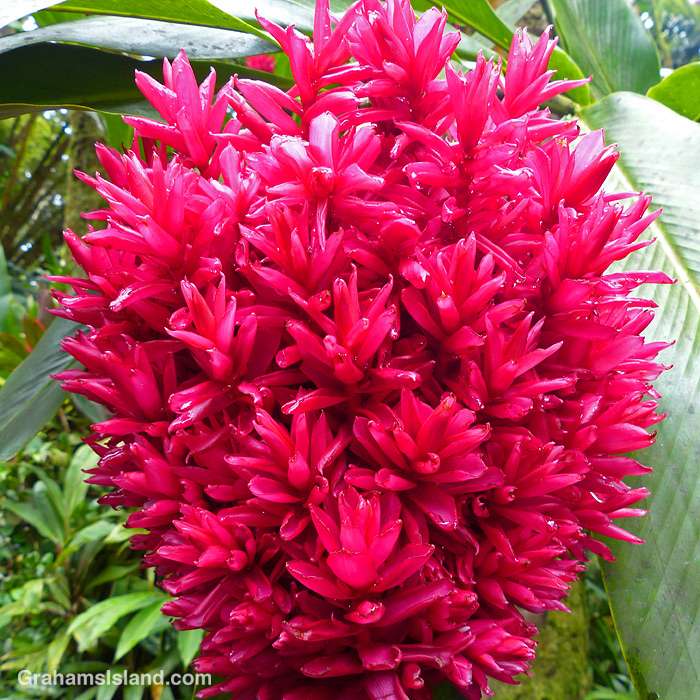
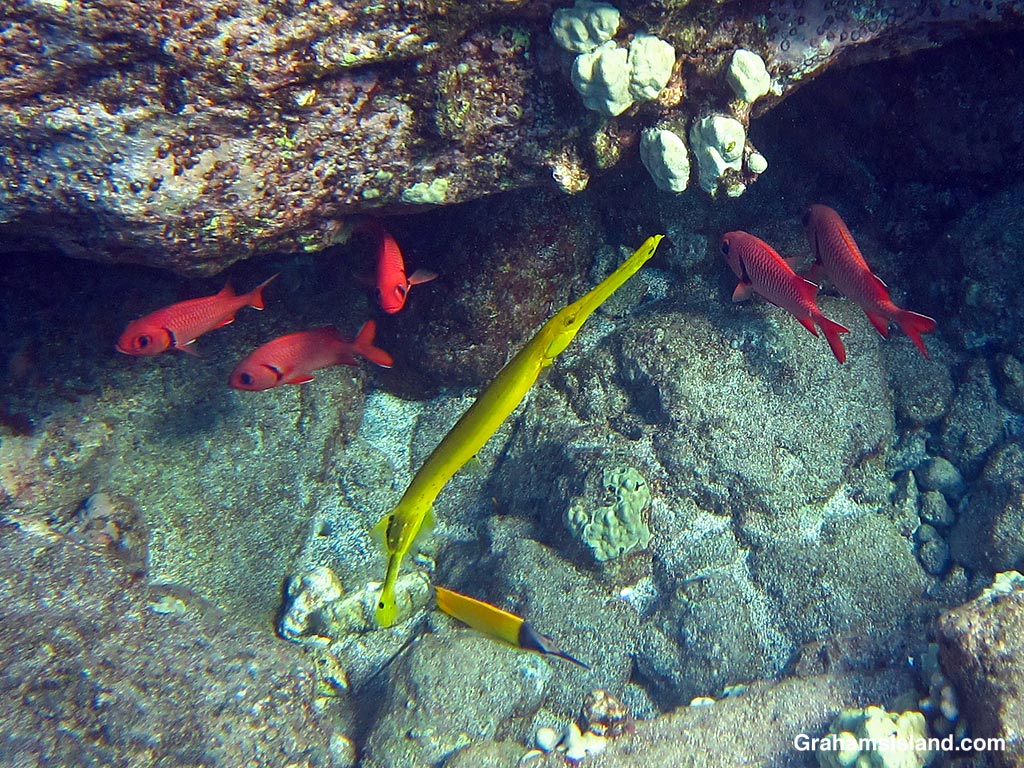
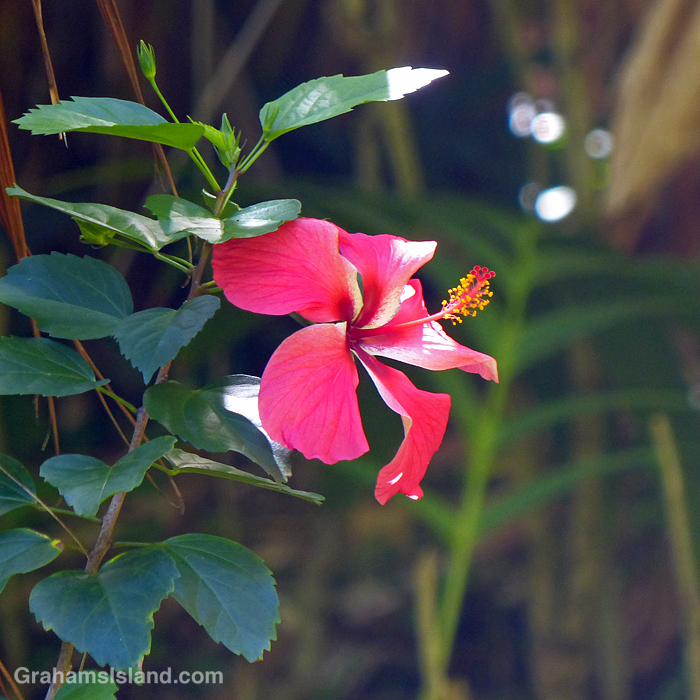
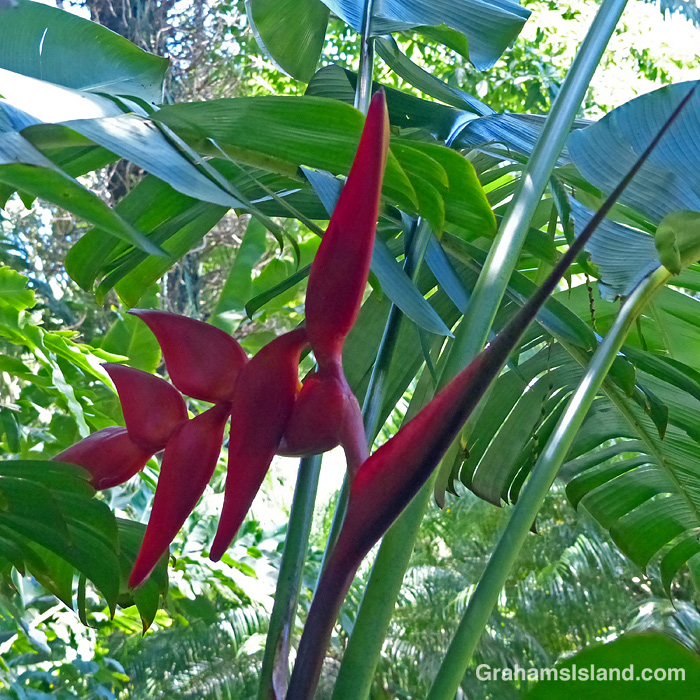

This week’s Sunday Stills challenge theme is ‘Great Outdoors Month.’ See more responses here.
I did this hike, at Hawaiʻi Volcanoes National Park, quite a while ago, but for one reason or another the post never came together and then went missing in my files! This hike started from the lookout at the end of Hilina Pali Road. A few years back, I did a different hike from this starting point that almost did me in (here). This time, having learned from that experience, I stayed on top of the pali (Hawaiian for cliff). My destination was Pepeiao Cabin (pronounced ‘pay-pay-ow’), about five miles away, though the trail is the Ka’u Desert Trail, part of which I’ve hiked from the other end (here).
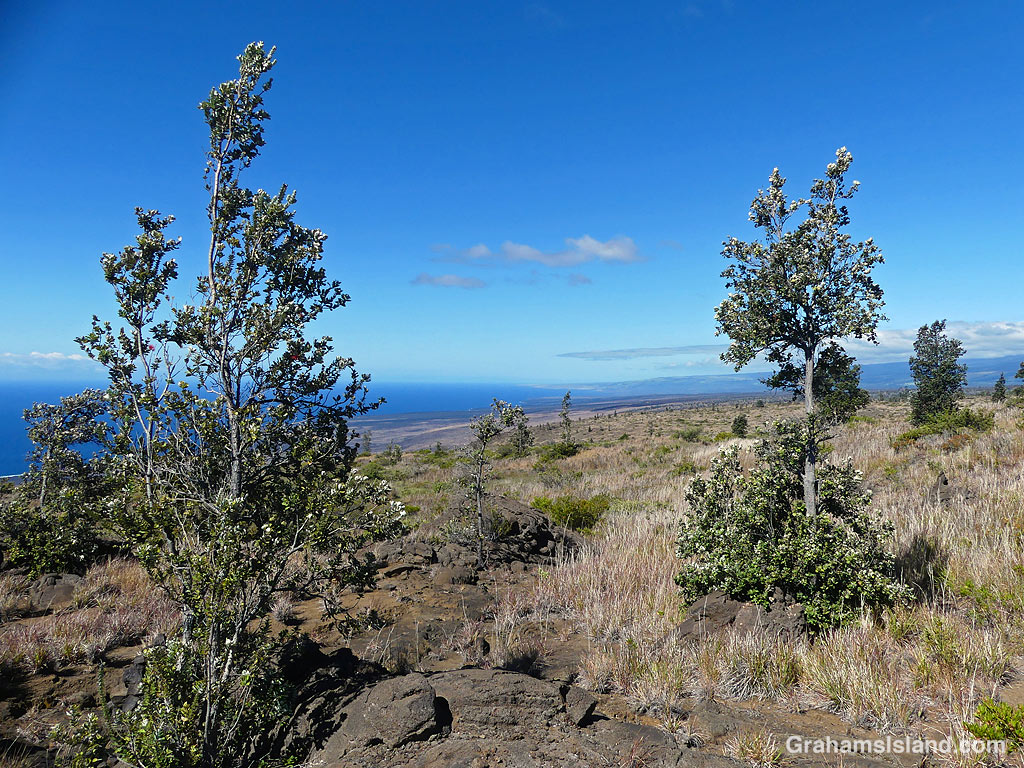
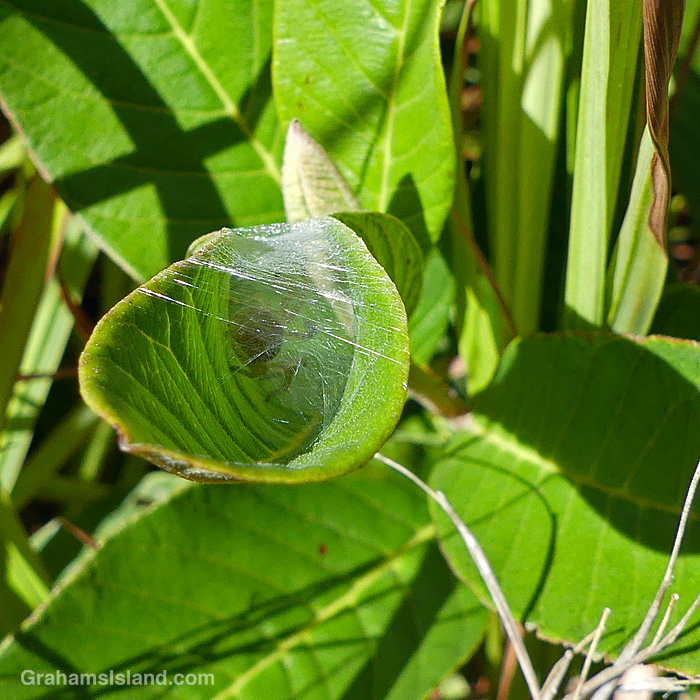
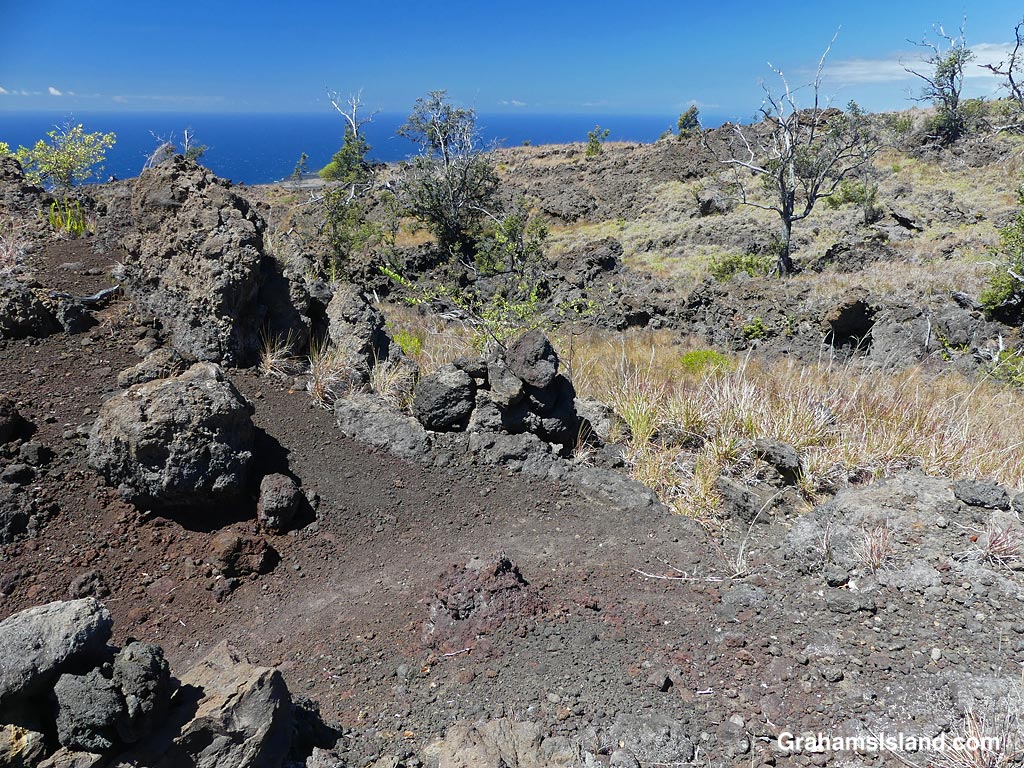


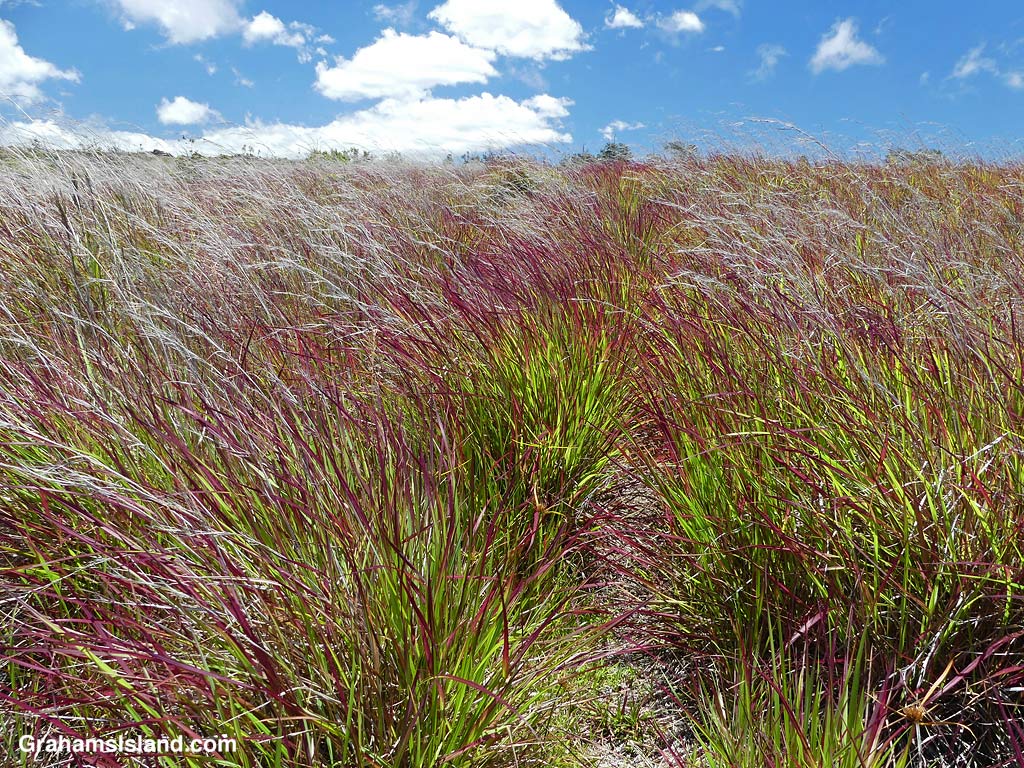
The day was sunny, but not too hot, and with a nice breeze for the most part. The elevation drop (and gain on the return) is only around 500 feet so it wasn’t too strenuous, and the trail was fairly easy to follow. It passes through grassy areas and across lava flows, and is well-marked with cairns. Ohia trees dot the landscape, along with a variety of shrubs and other flowers. I didn’t see too many birds, but there was a decent show of butterflies and bugs. The views were splendid, down to the coast or upslope towards Mauna Loa.

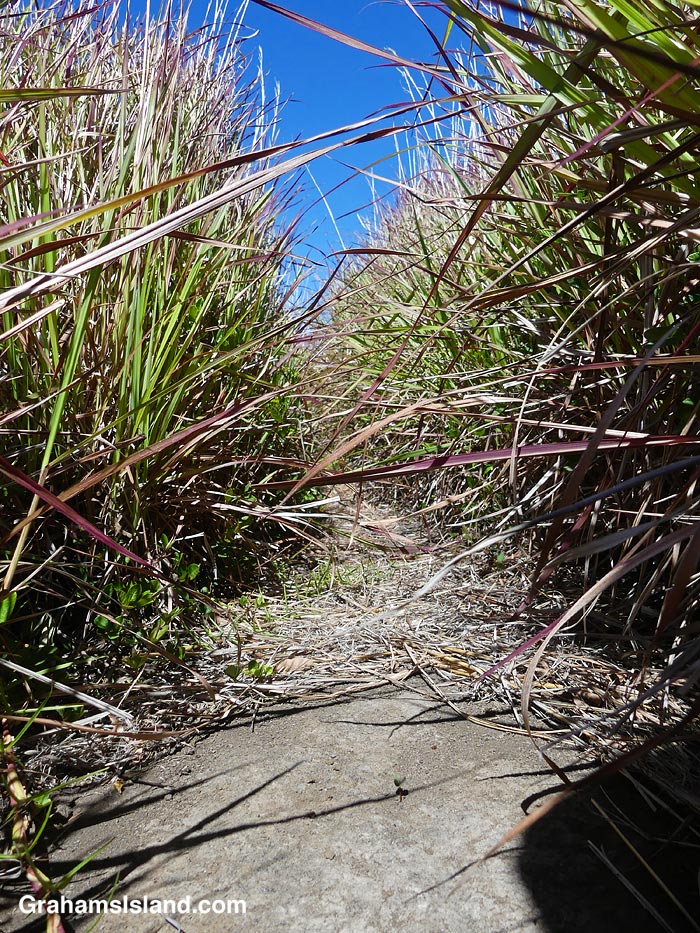
All the backcountry trails I’ve hiked in the park have featured something particularly unusual and interesting. On this hike, I was amazed by the substantial areas of sand on the trail or alongside it. This certainly didn’t get there from the beach, since the elevation is around 2,000 feet. My assumption is that it’s just volcanic rock broken down by rainfall, but just not washed down to the coast. Some of the sand was grassed over and it was like walking through dunes on the coast!
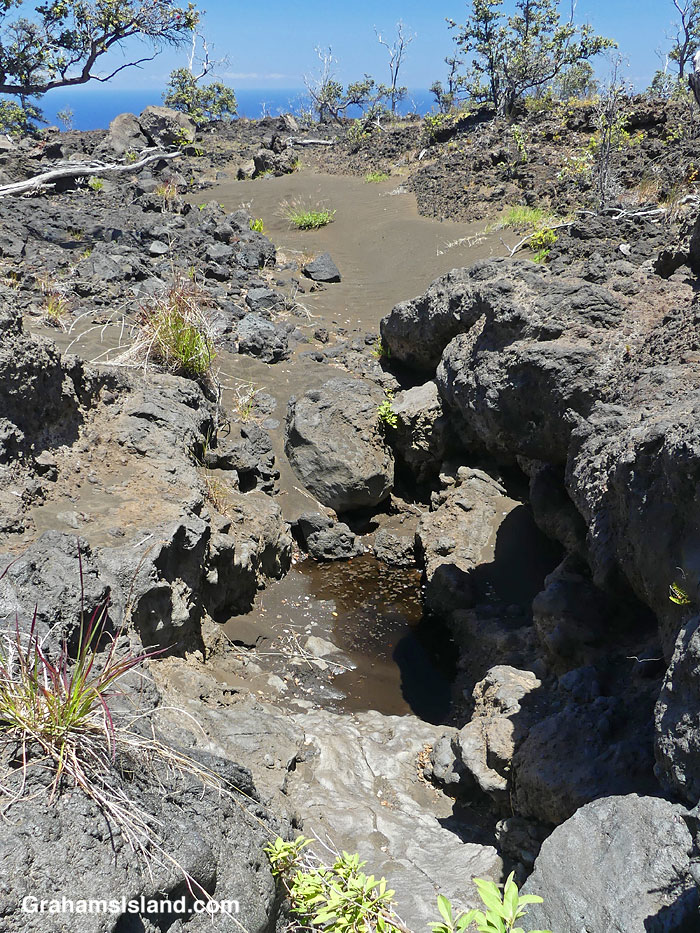
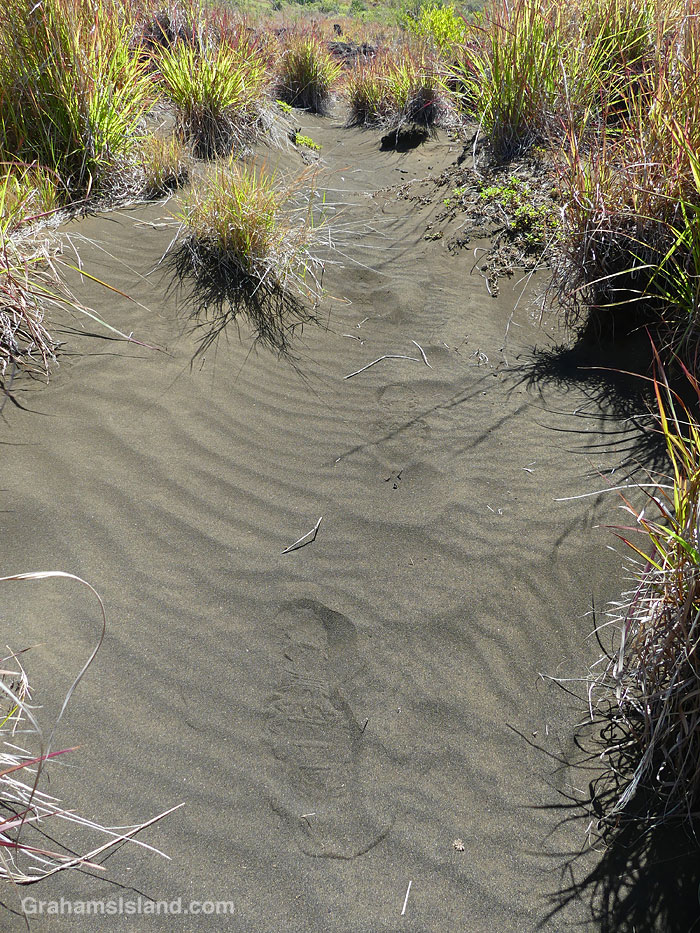

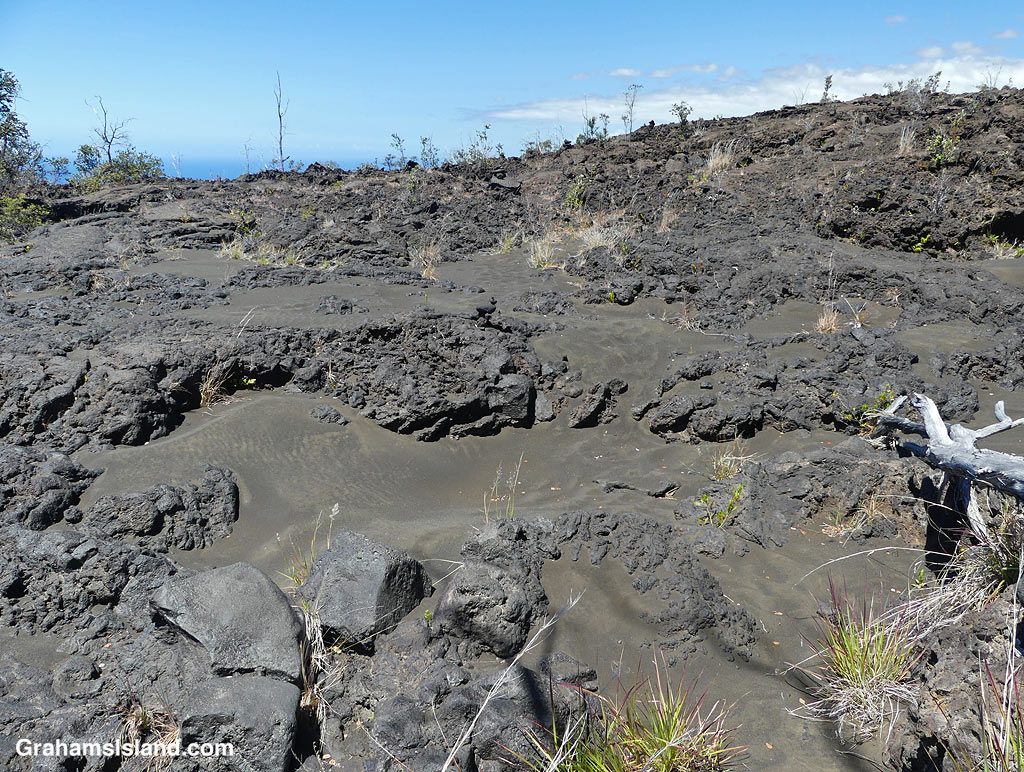

Eventually, I reached Pepeiao Cabin. There are several of these backcountry cabins in the park, and they require a permit to stay at them. This one was typically rustic, with a catchment water tank that may or may not contain water, depending on the weather and use. There’s also an outhouse with a splendid view. Inside, the cabin was basic, but the kind of place I’d be happy to stay in if it was raining outside.
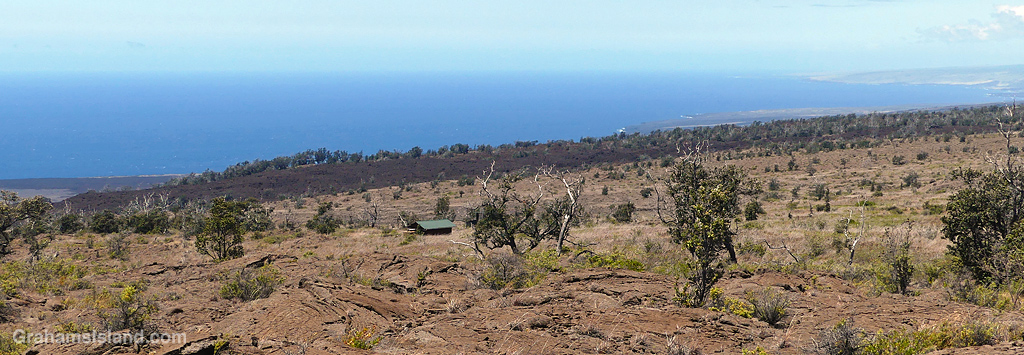

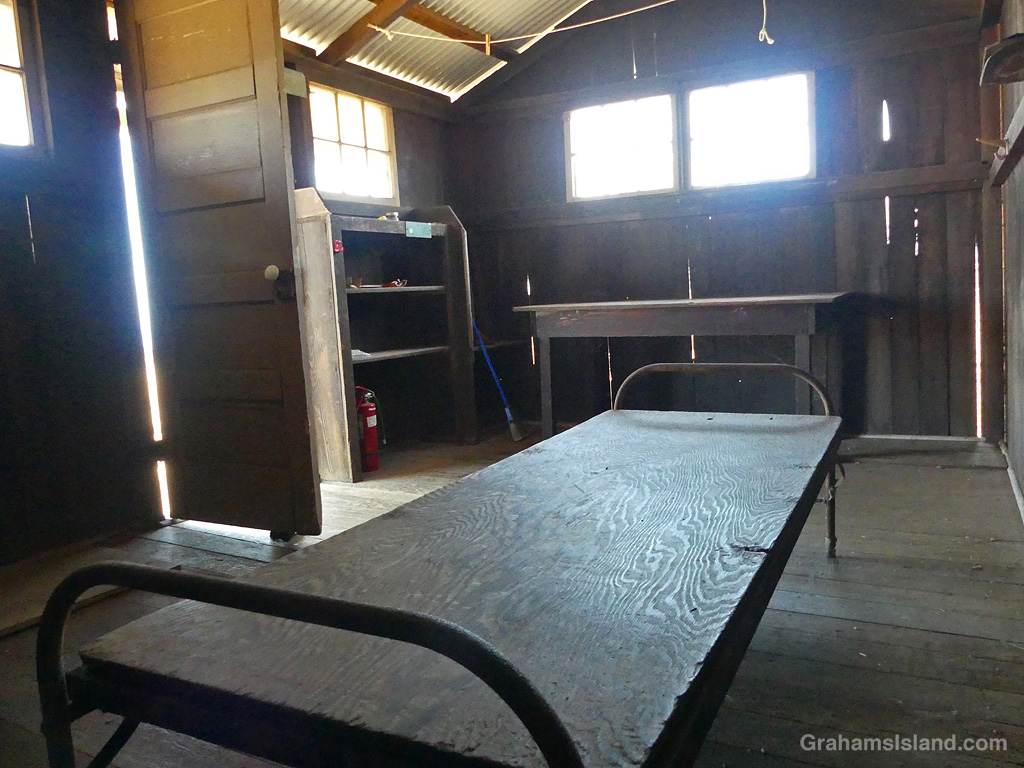
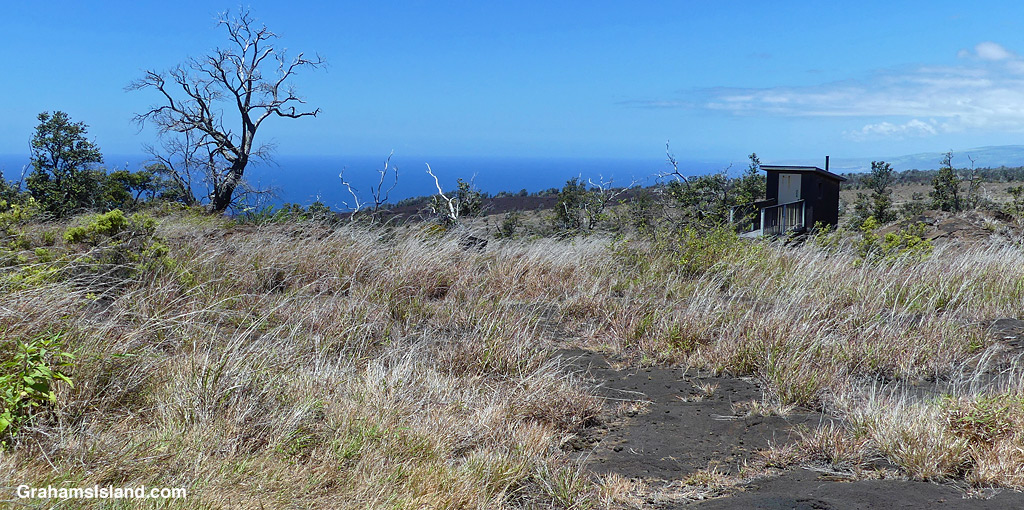
After I got back, I saw that the park website says “Pepeiao is in the southwestern reaches of Hawaiʻi Volcanoes National Park backcountry. The cabin is no longer safe for use and visitors should plan on tent camping.” I was a bit surprised because I’ve certainly stayed in plenty of less salubrious accommodations in my day!
Also posted for Jo’s Monday Walk. See more responses here.

This week’s Sunday Stills color challenge is ‘Red and Green.’ See more responses here. I’ve gone for a mostly plant-based response, except for the last.
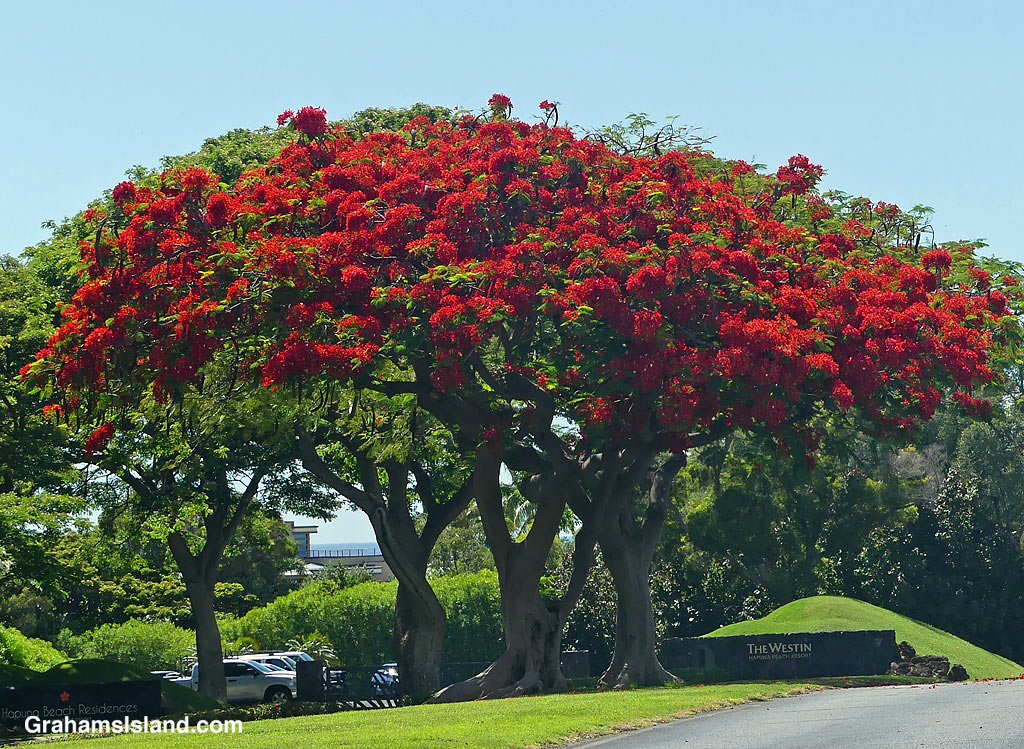


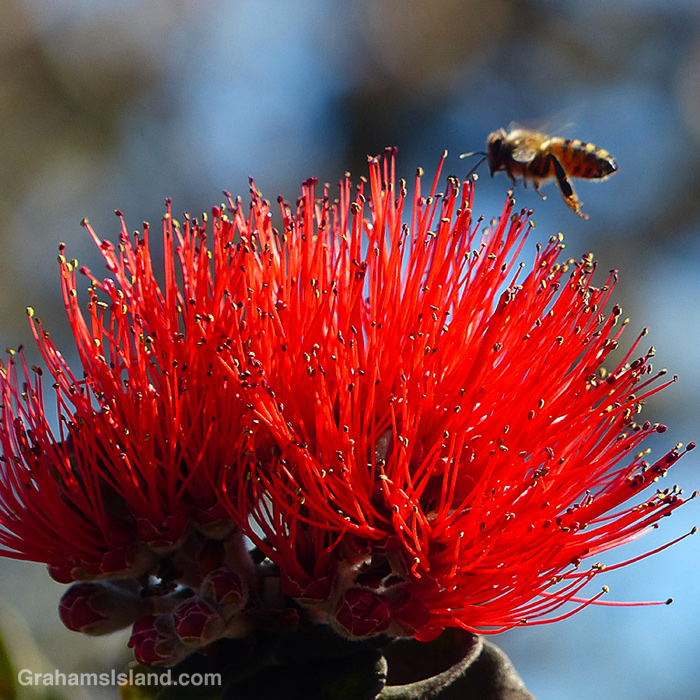
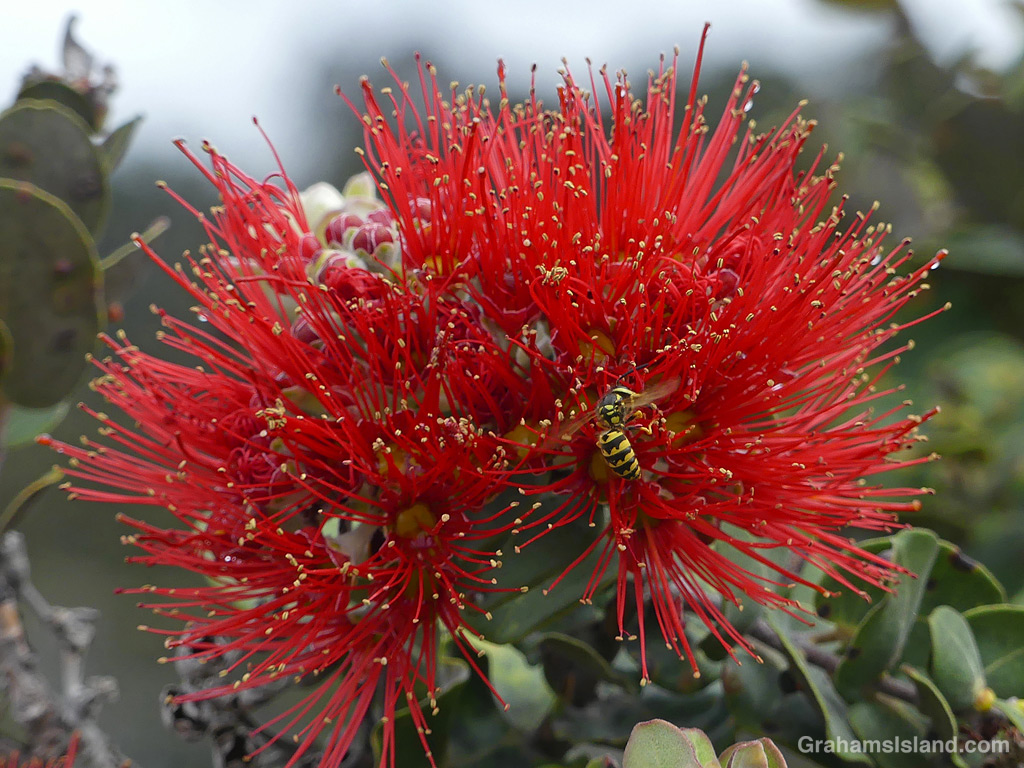
The beautiful red flowers of native Ohia trees are popular with bees, even in remote areas like the Kau Desert Trail, where these photos were taken.

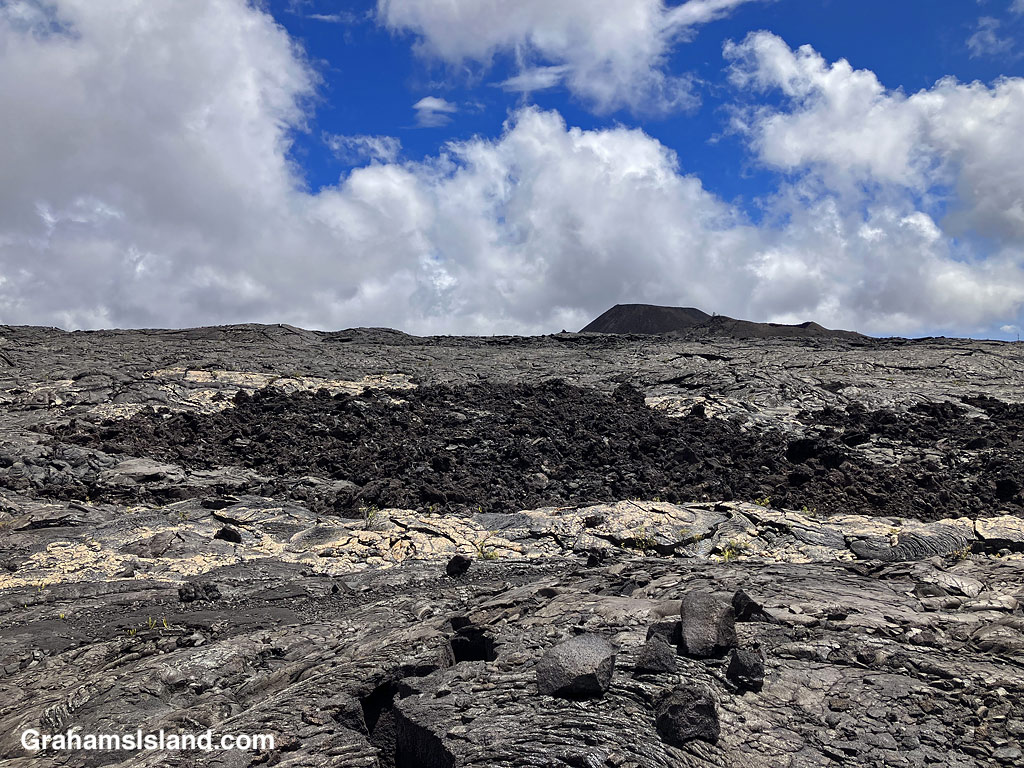
This week’s Sunday Stills challenge theme is ‘I’d Rather Be…’ See more responses here.
It had been a while since I went hiking, for various reasons, and it’s something I was missing, something I’d rather be doing. So last week, I headed down to Hawaii Volcanoes National Park to try the Ka’u Desert Trail. This backcountry trail has been on my list for a long time, but I had never done it before. For one thing, it’s about as far from my house as one can get on the island. For another, it’s directly downwind from Kilauea Volcano, so when the volcano is active and the trade winds are blowing, gasses blow across the length of the trail.
The latest eruption of Kilauea is currently either paused or over, so gas emissions are much reduced, and last week, the trade winds had given way to winds from the southwest. So off I went.


The trailhead is several miles west of the main entrance to the park, with a strip of parking along the highway. The first mile of the hike is also known at the Footprints Trail. It’s a sort of paved path that threads through ohias to a small building that houses footprints left by early Hawaiians in volcanic mud and ash. Alas, I couldn’t identify any footprints in the display. Shortly after the footprints, the path breaks out of the vegetation into open lava fields. This isn’t a tropical Hawaii walk, this a bleak hellscape Hawaii walk. Or is it?

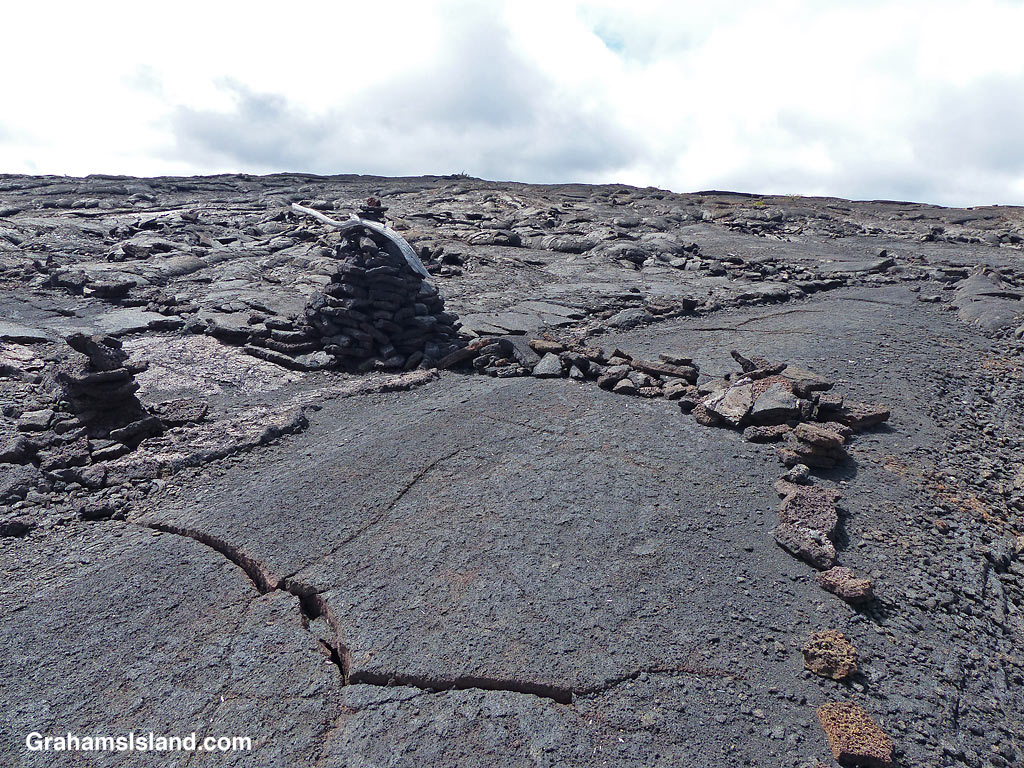
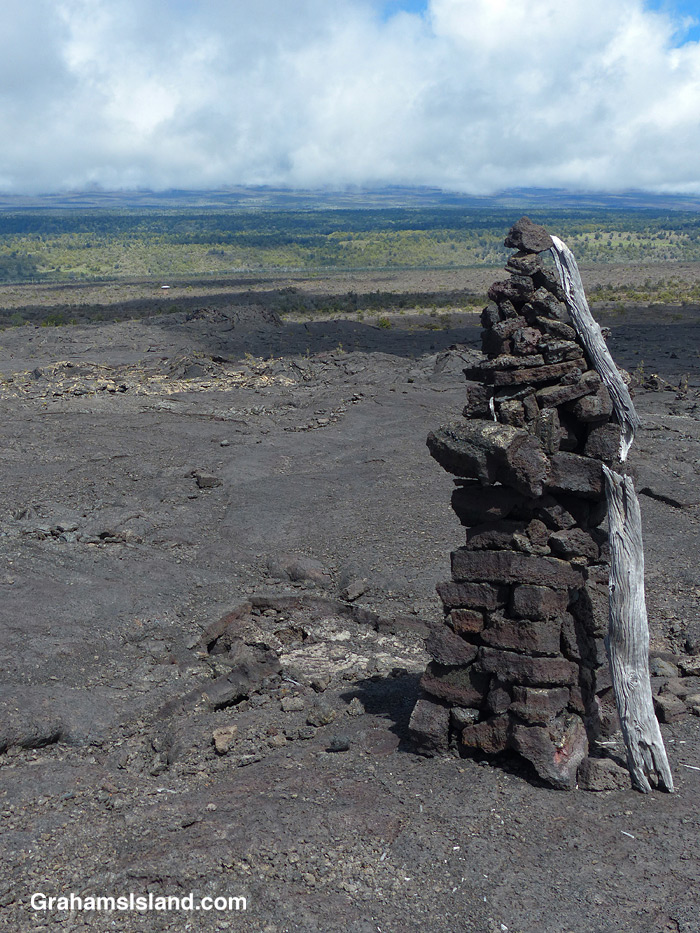
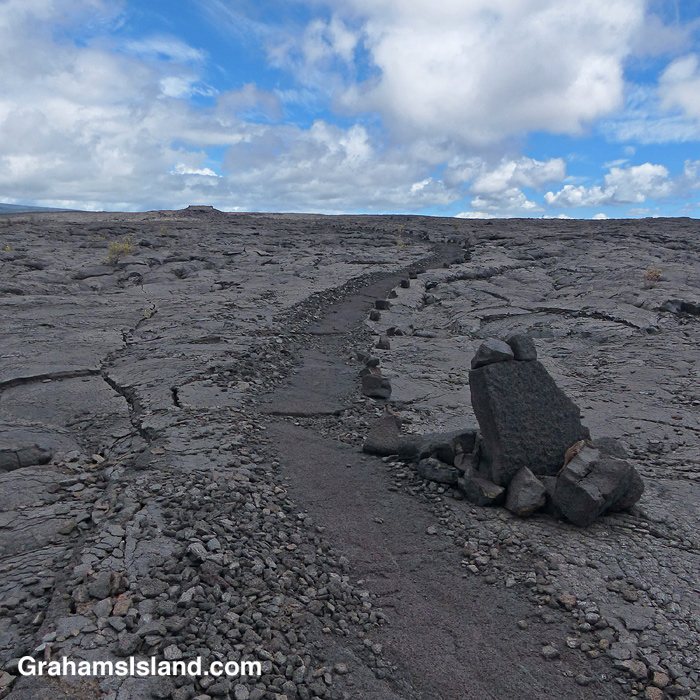
The trail ascends gently to the only junction for miles around, at Mauna Iki. To the left is a trail back towards the heart of the park. The Ka’u Desert Trail heads to the right and into backcountry wilderness. Mauna Iki was the site of an eruption in 1919 and the trail traverses the lava fields from this eruption.
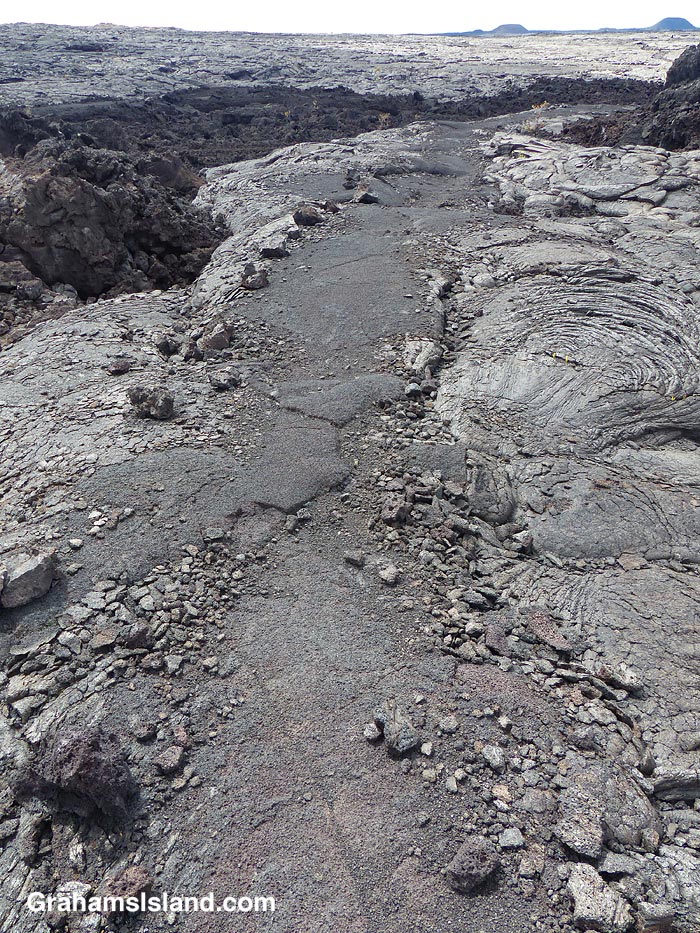

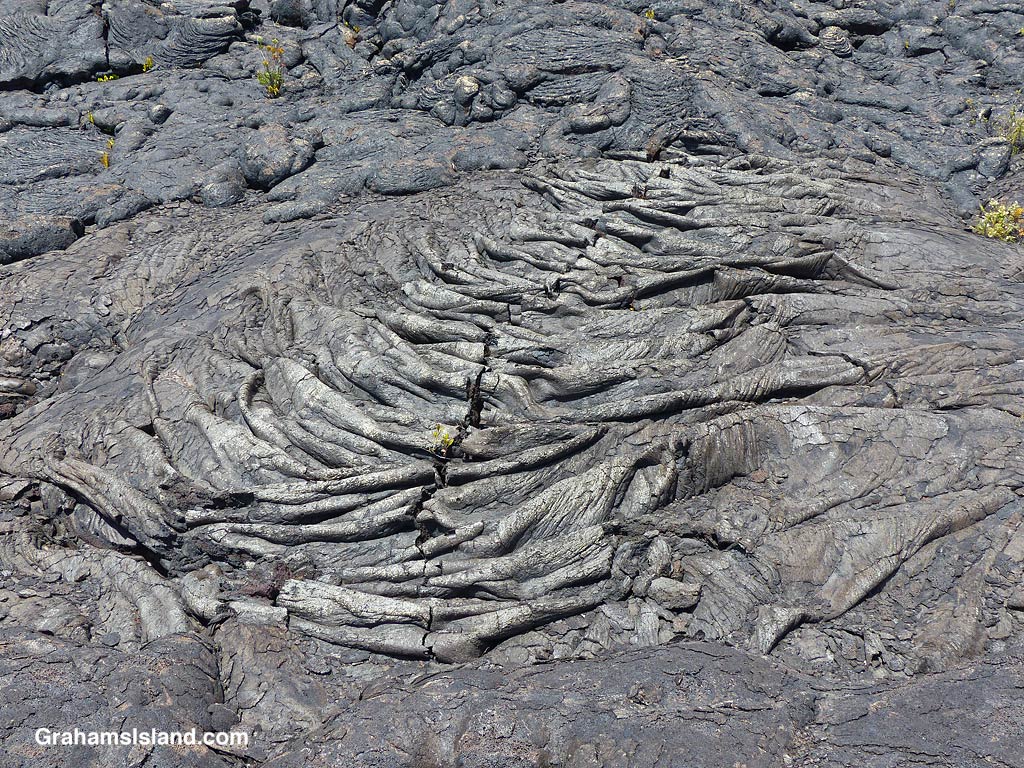
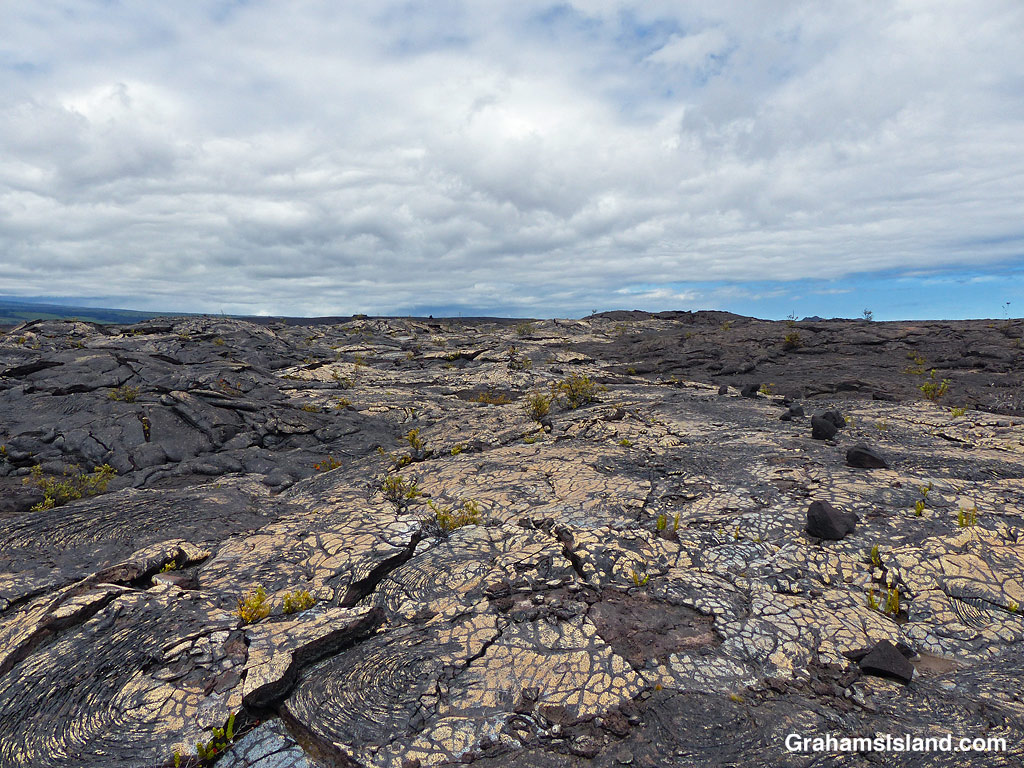
Much of the trail is over pahoehoe lava, which is rounded and much easier to walk on than jagged a’a lava. The trail is marked by cairns and single rocks placed alongside it. It’s pretty easy to follow with just one or two parts where attention has to be paid to make sure one doesn’t stray.

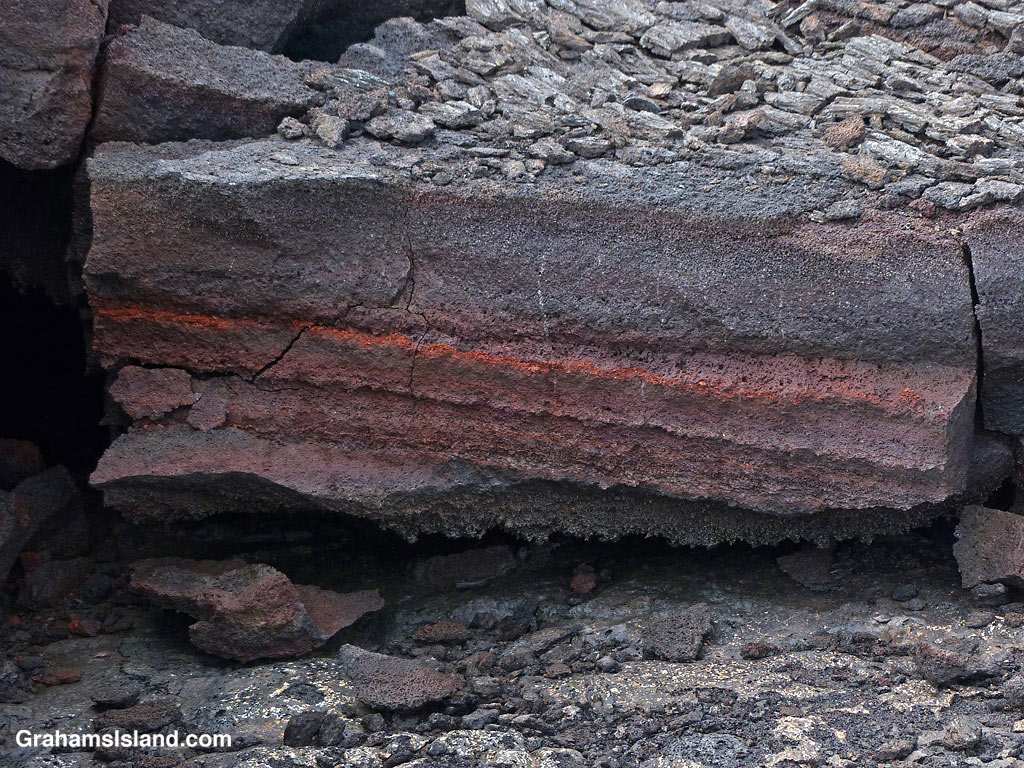


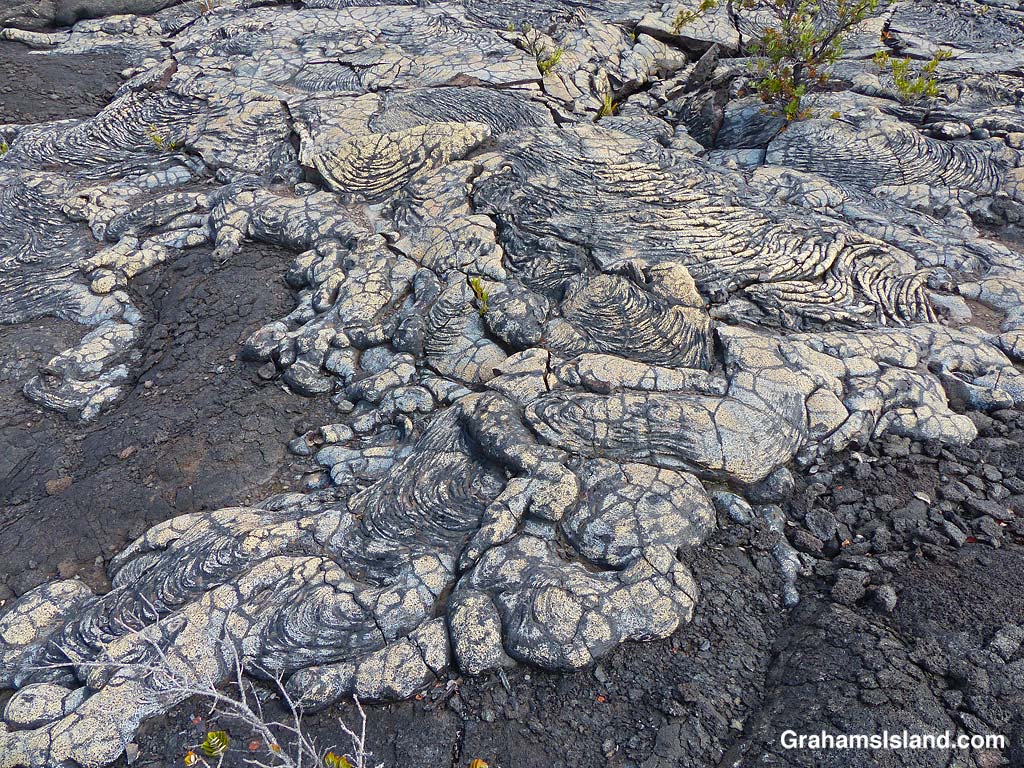

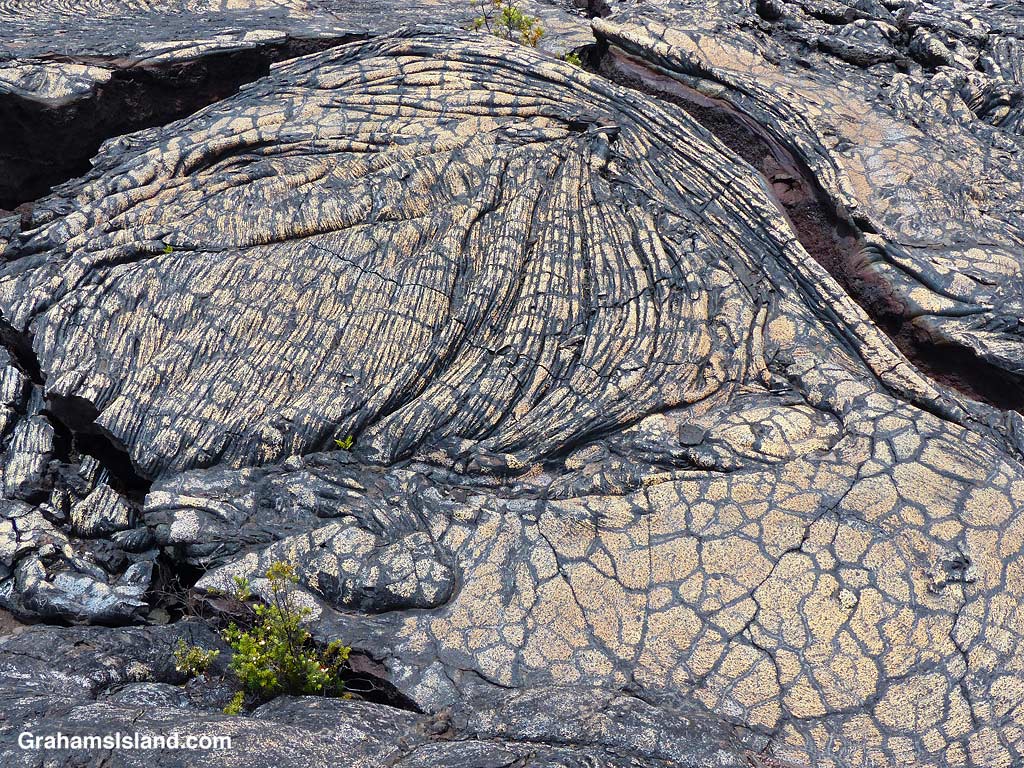

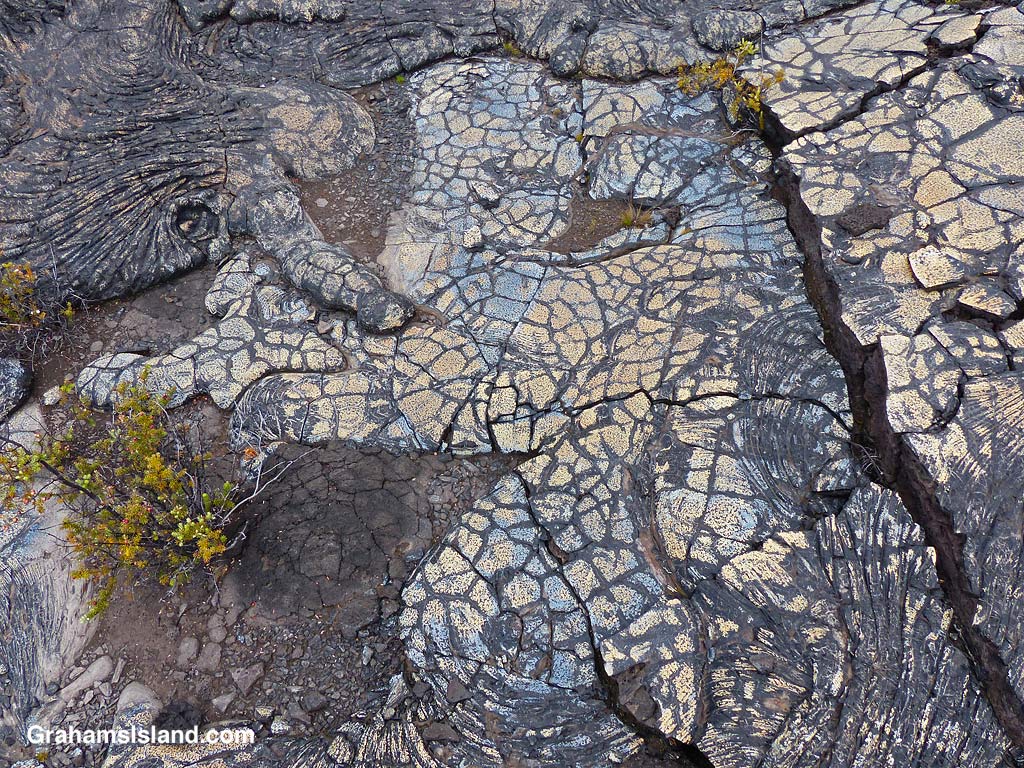
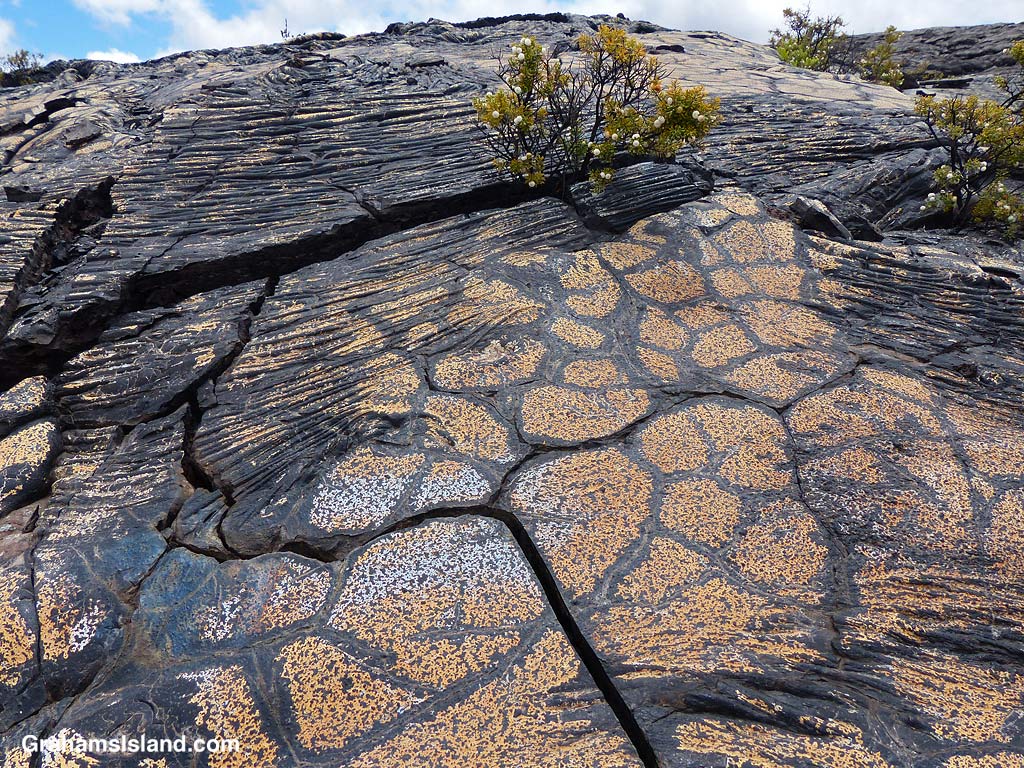
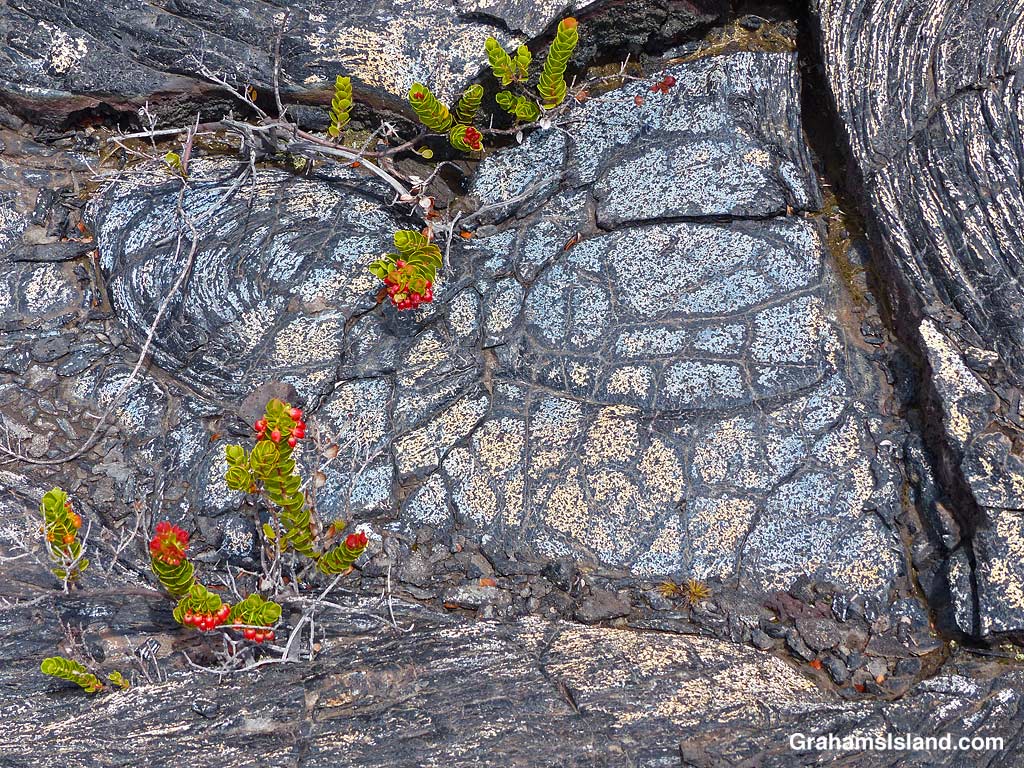


It wasn’t far along this part of the trail that I first encountered blue lava. That’s right, blue lava. Who knew? But not just blue. There’s bronze, pink, red, orange, gold, and who knows what. I’ve seen colorful lava on the Puna Coast Trail, but this was more varied and quite wonderful. In places the trail crossed this colorful lava and I felt bad for walking on it, though as I hiked I could see many more patches of color out in the lava fields. It’s not wise to leave the trail since there are many lava tubes, some with very thin ceilings.
This is an out and back trail and I turned around once I reached the Kamakai’a Hills, after about 5 miles. It’s another 2 or 3 miles to the next junction where there is a small cabin.
Also posted for Jo’s Monday Walk. See more responses here.
 Graham's Island