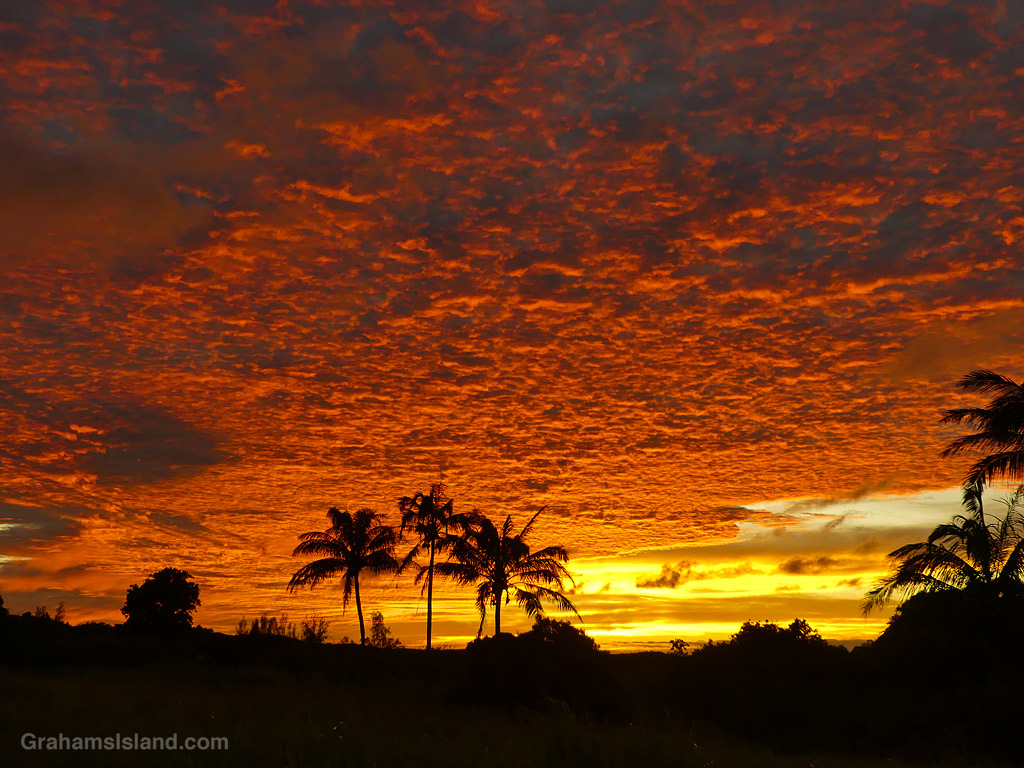
I was going through photos, sorting out what to post this week, when I came across this one. My immediate thought was that this should definitely have been included in yesterday’s Sunday Stills post, and its theme of Orange. Well, it’s a day late, but not a dollar short, so here it is. See more responses here.
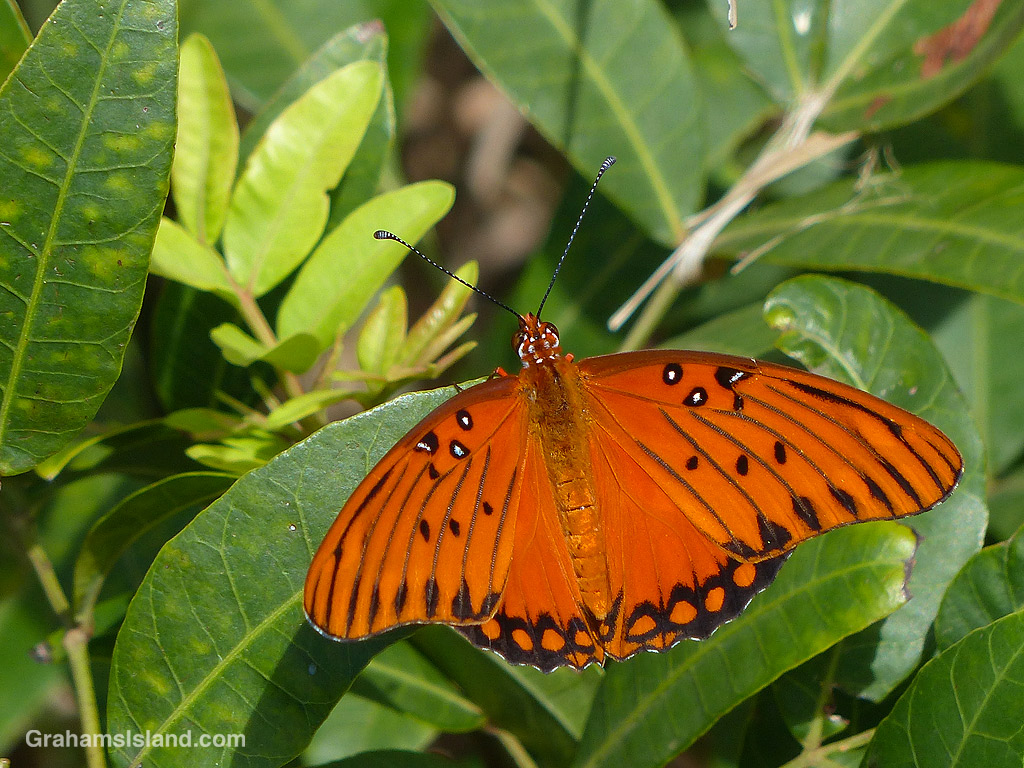
This month’s Sunday Stills color challenge theme is ‘Orange and Gold.’ See more responses here. First up is a very orange Passion Vine Butterfly taking a break.
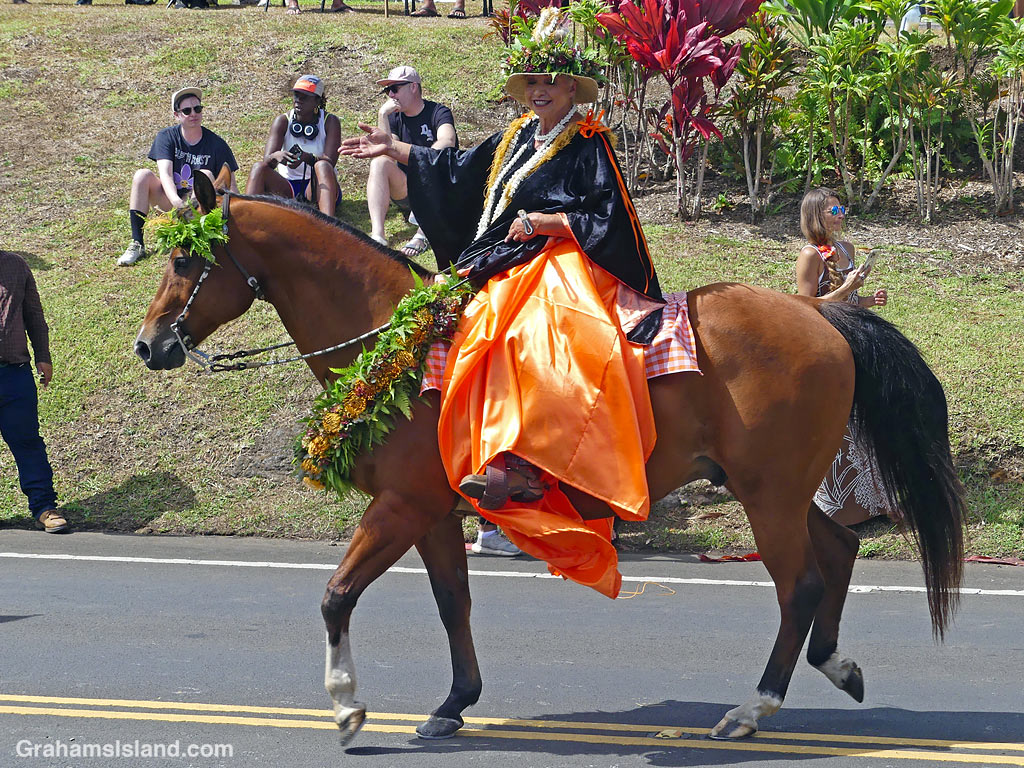
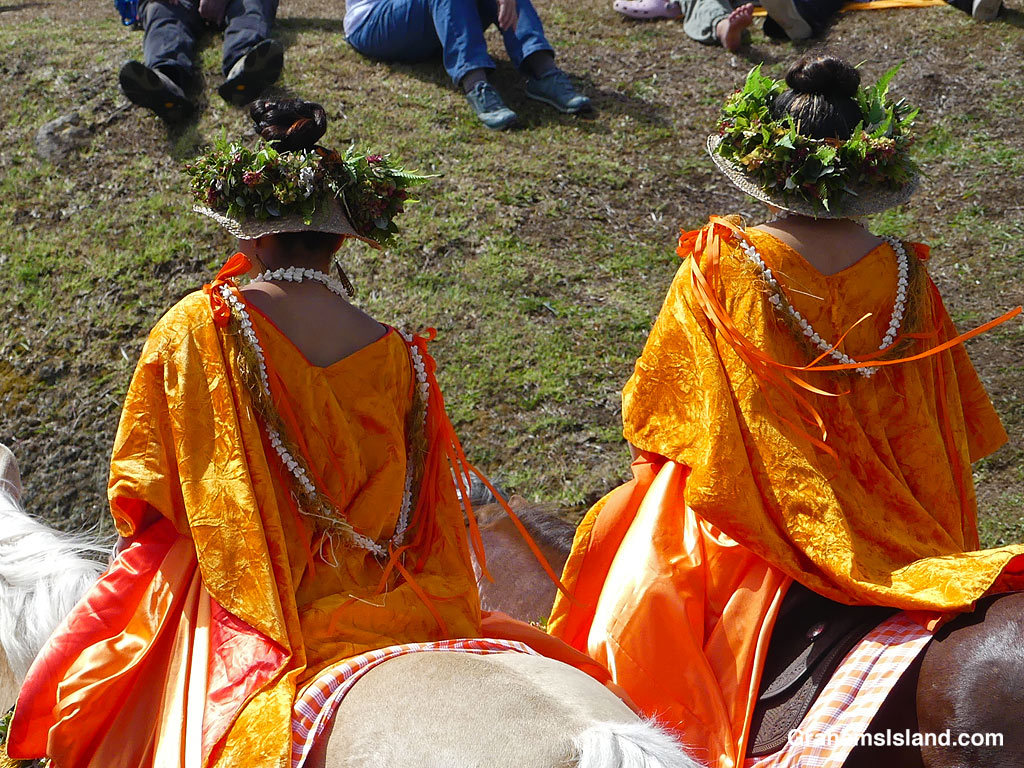
Next, orange is the official color of the island of Lanai, represented here at this year’s Kamehameha Day celebrations.
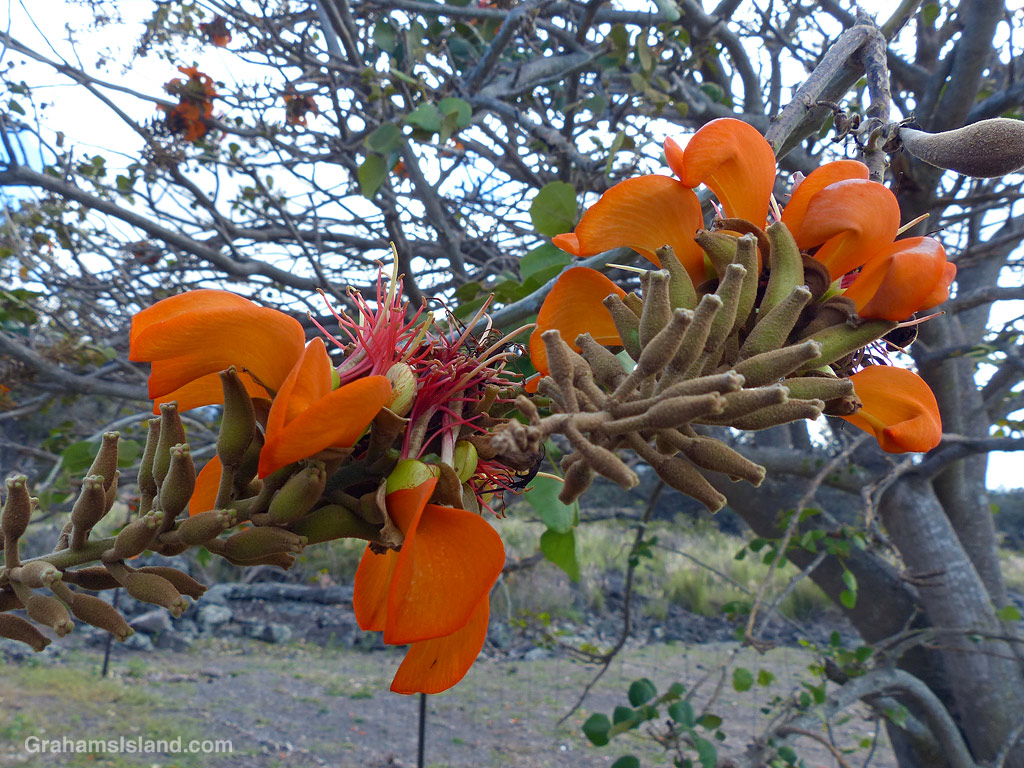
A spot of gold at Keawaiki.The fruit of a bitter melon.The flowers of an endemic Wiliwili tree.
When I was putting this post together a few days ago, I thought a sunset photo would be a nice way to wrap it up. I trolled through my files before picking a suitable one out, and was on the verge of processing it, when I happened to glance out of the window and saw this developing. Another reminder to live in the present and not the past!
This week’s Sunday Stills challenge theme is ‘Hints of Autumn.’ See more responses here.
What’s more Autumnal than fallen leaves. OK, so this leaf fall has little to do with the season, and the leaves have already been replenished on the tree, but the top photo certainly looks the part!
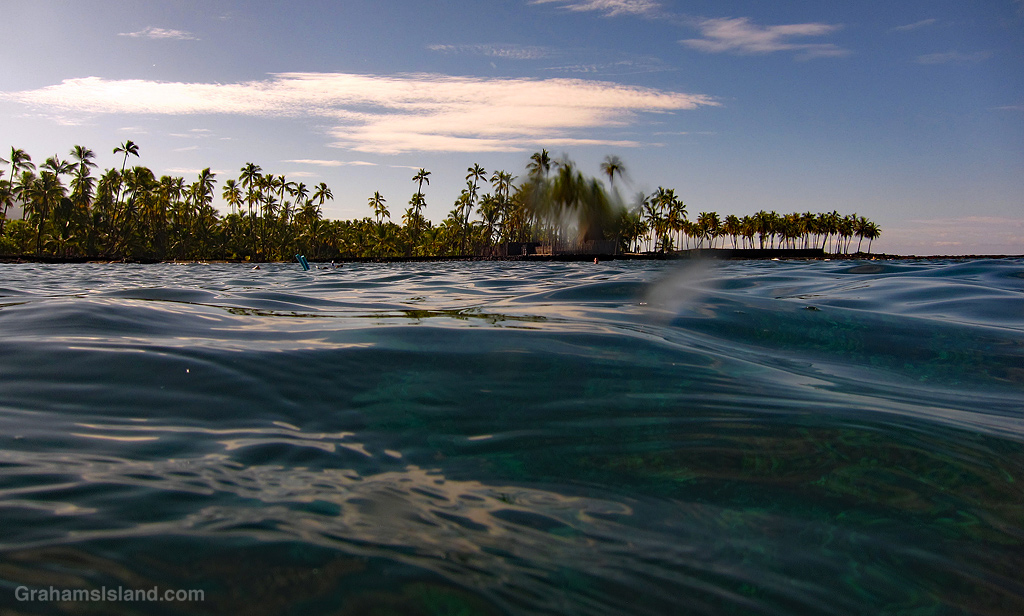
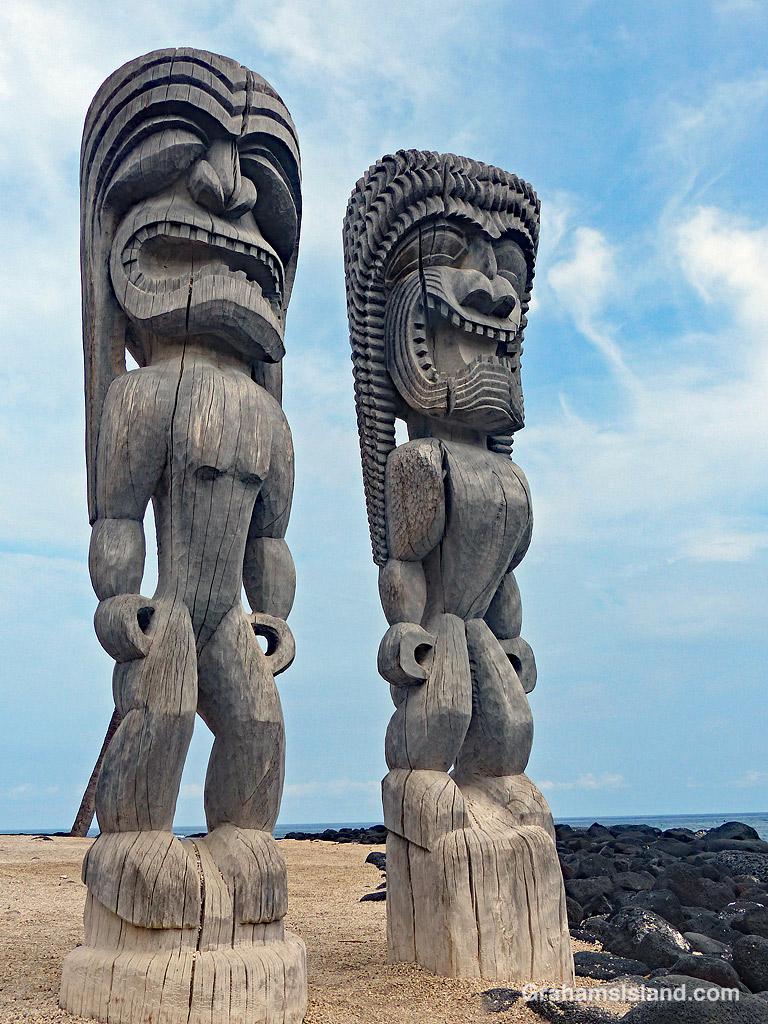
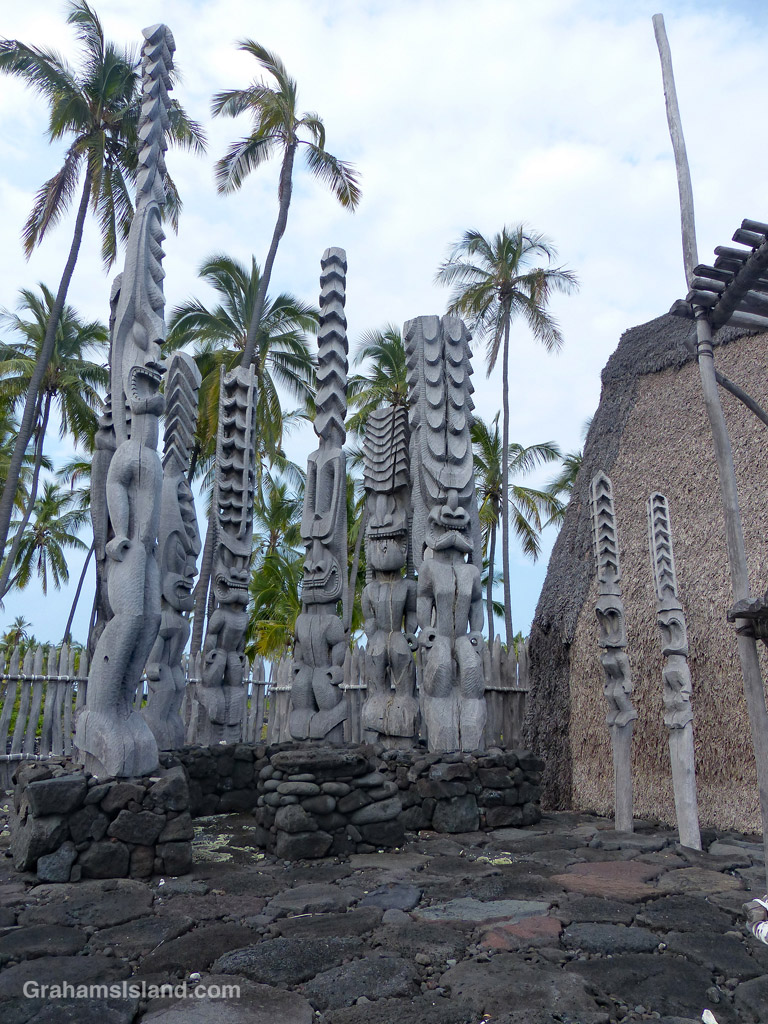
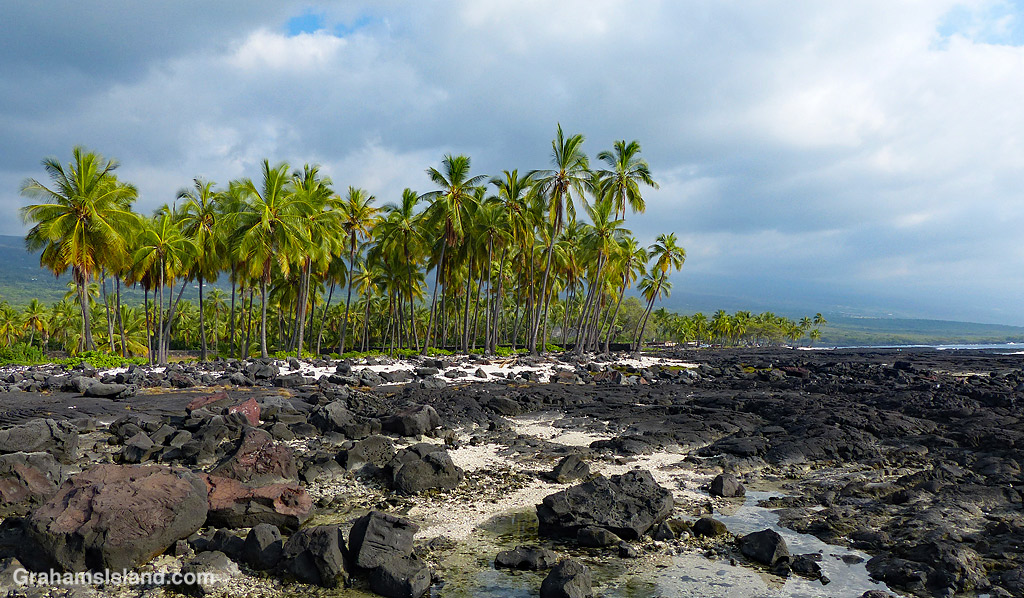
This week’s Sunday Stills challenge theme is ‘Celebrations.’ See more responses here. Since I rarely take photos of people, the usual options for this one were off the table. So I’ve gone with some photos from Pu’uhonua o Hōnaunau National Historical Park.
This site is also known as Place of Refuge and it represented guaranteed forgiveness for those who had broken kapu. The park’s website (here) notes, “Kapu (sacred law) regulated fishing, planting, and the harvesting of other resources. Any breaking of kapu disturbed the stability of society, and the punishment was often death. Any fugitive who had broken kapu could seek refuge and forgiveness within the walls of the Puʻuhonua.” The refuge is bordered by a huge L-shaped wall on land and by the ocean on the other sides.
I imagine some such unfortunate swimming across Honaunau Bay. The palm trees look welcoming, but this is a sacred place, home to Hawaiian royalty, and to important ceremonial sites. One of these is Hale o Keawe, situated at the northern end of the wall, a place of powerful mana, or divine power. It is home to many ki’i, representations of “the akua, or the multitude of Hawaiian gods, deities, and venerated ancestors.” The refuge is on the other side of the Hale.
These ki’i would look down on the miscreant swimming toward them, growing in size as they got closer. But so too would the welcoming palm trees and though it is a rocky shore, a few cuts and scrapes would be a small price to pay for salvation.
Once ashore, forgiveness was guaranteed and the person was free to reenter society and rejoin family and friends, who would no doubt celebrate the return.
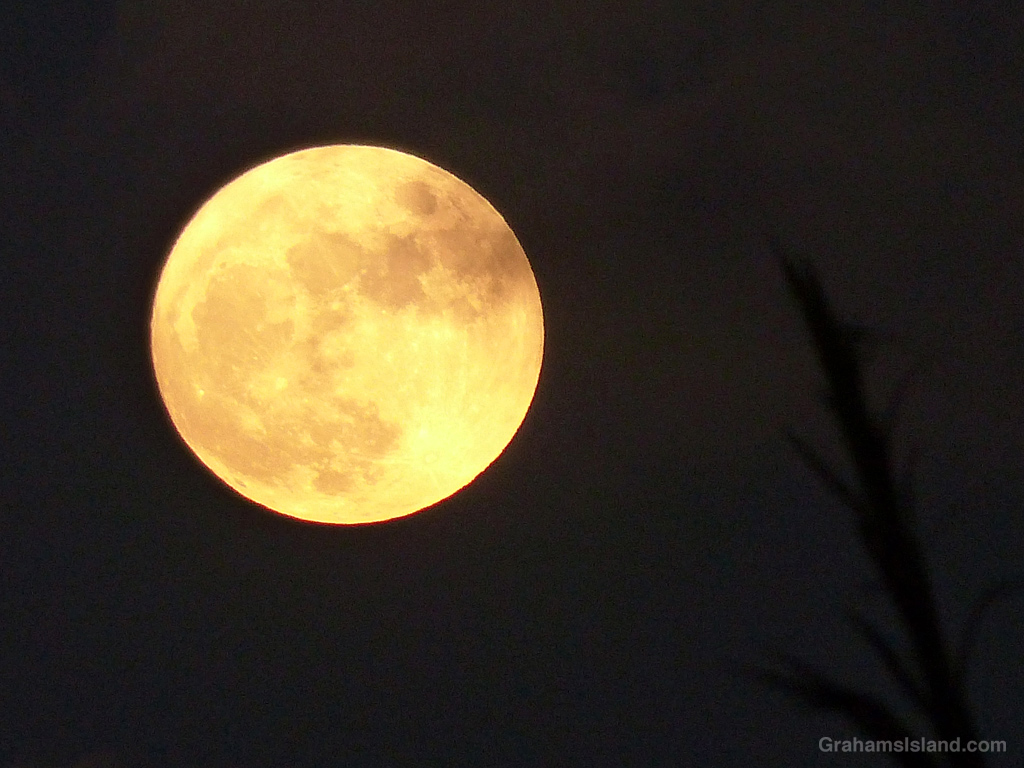
A buttery yellow full moon rises over North Kohala.
This month’s Sunday Stills Color Challenge theme is ‘Yellow.’ See more responses here. Once again, I’ve gone for a melange of photos, which sounds edible, but probably isn’t. Captions on the photos.
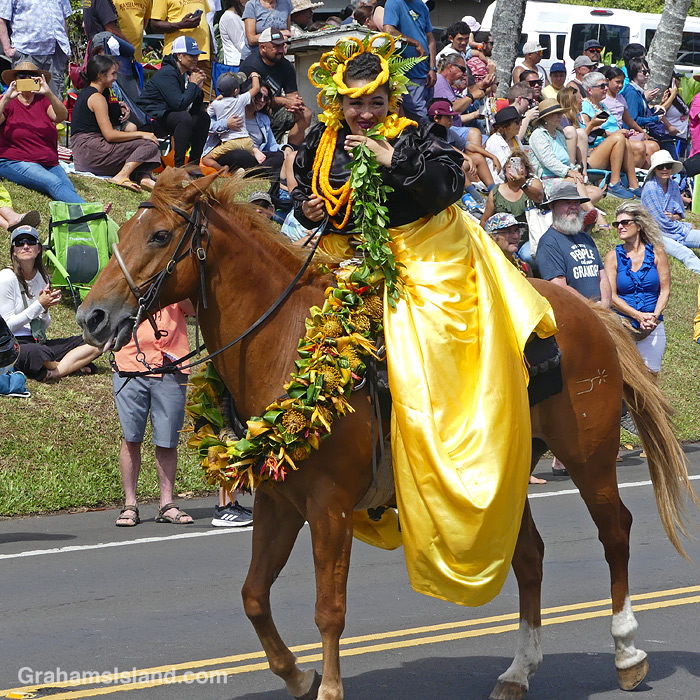
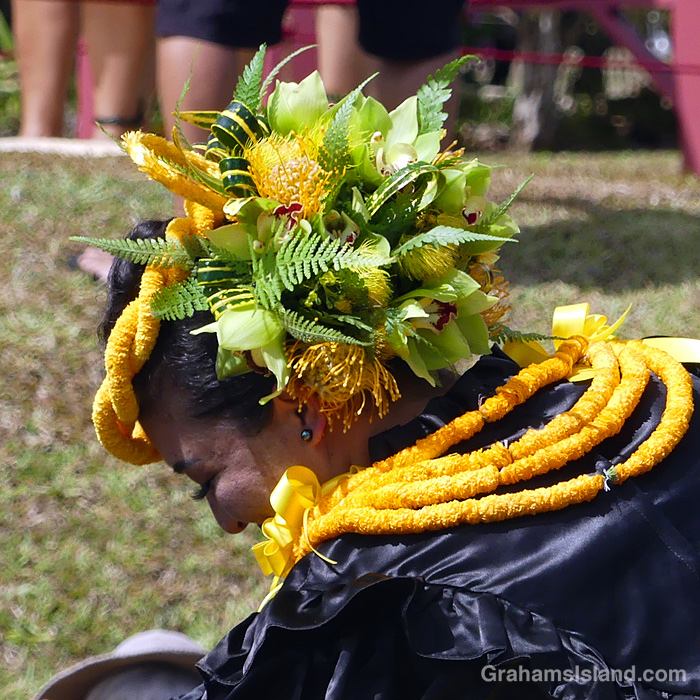
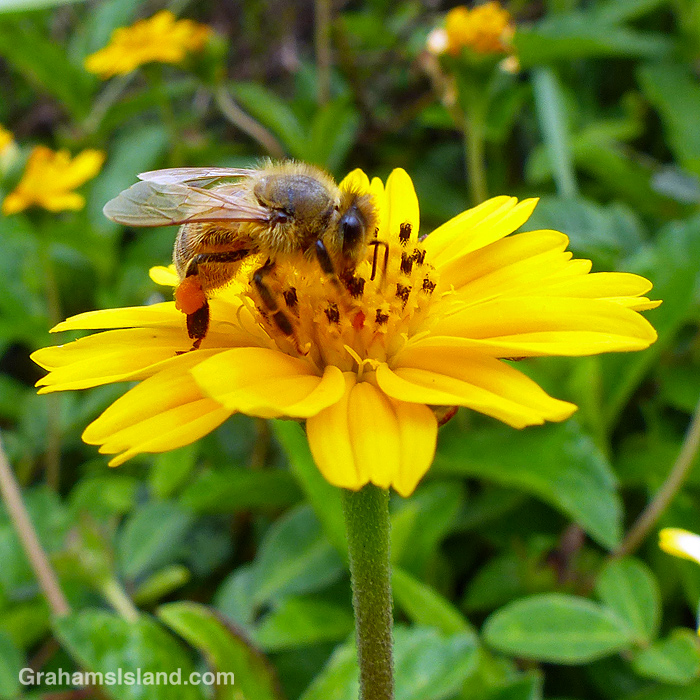
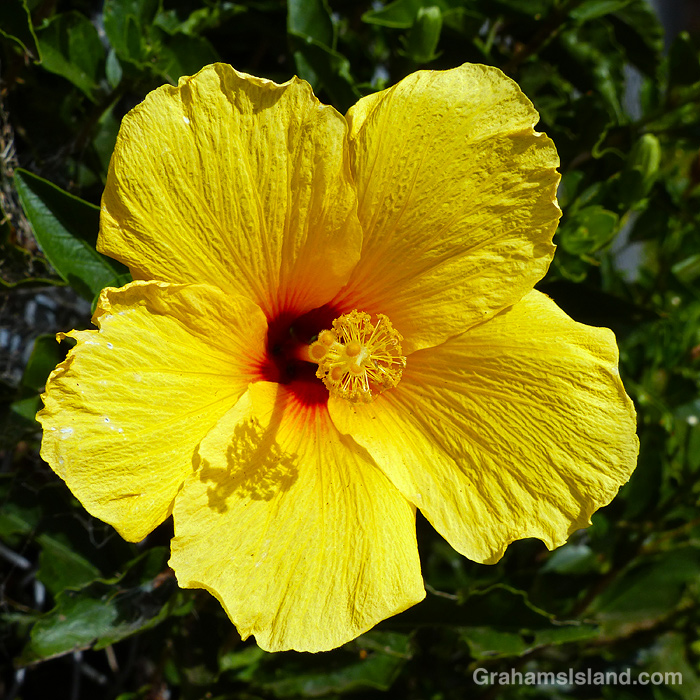
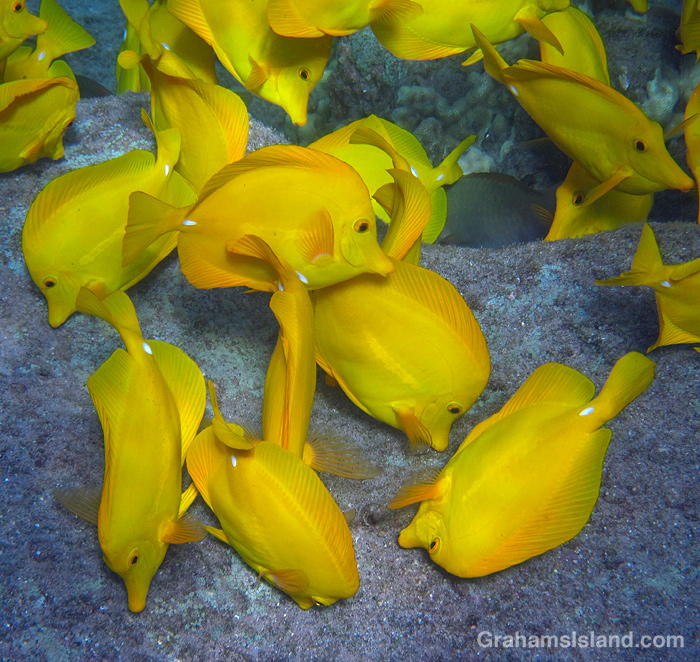
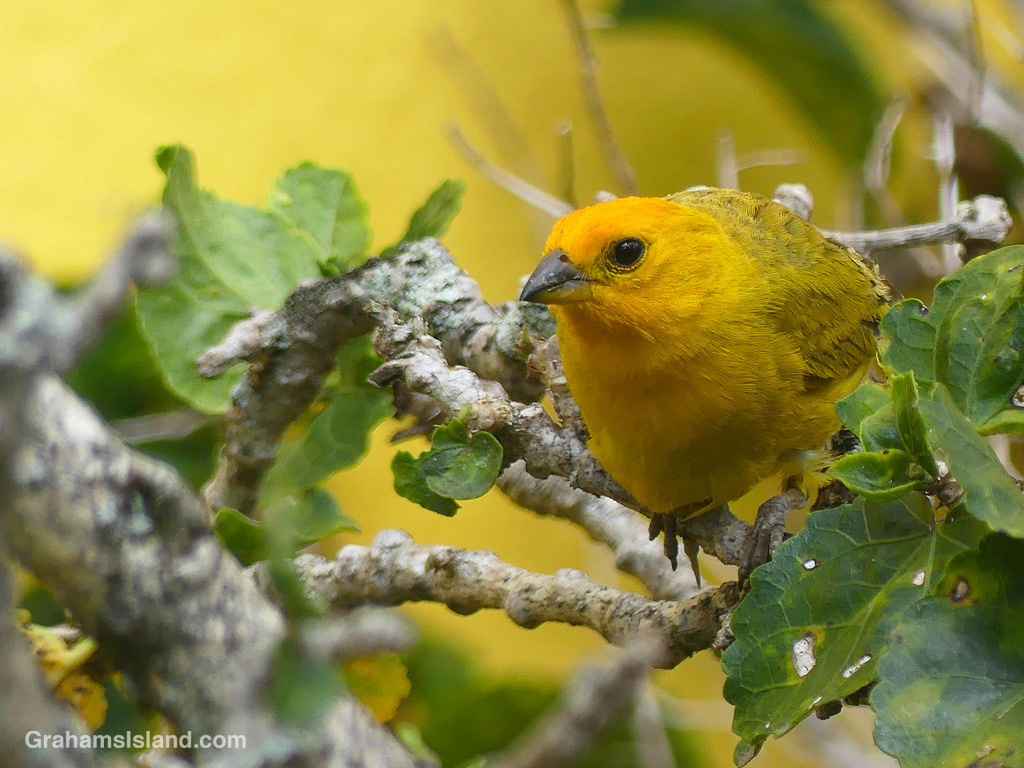
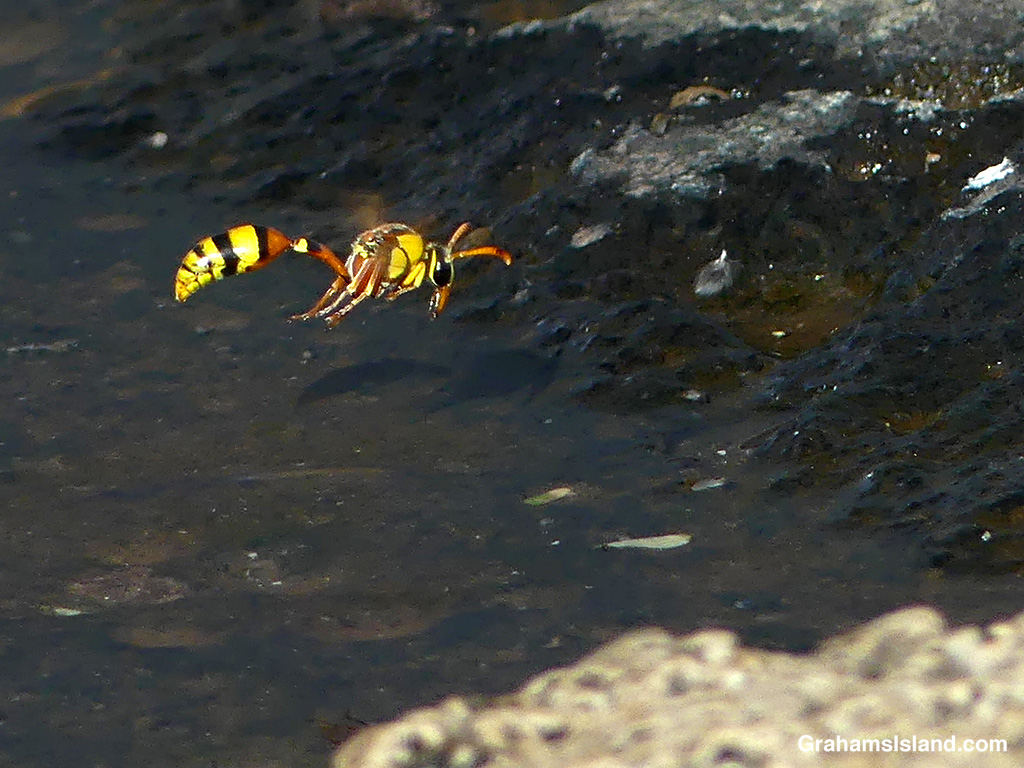
Yellow is the official color for Oahu and the island’s Pa’u rider …… at this year’s Kamehameha Day parade carried a bounty of it.A bee forages on a wedelia flowerA vibrant yellow hibiscus flower.The quintessential yellow fish here – Yellow Tangs.A yellow Saffron Finch on a shrub by the very yellow Hawi Post Office.Finally a photo from a couple of days ago. A boldly-marked wasp zooms in to collect water.
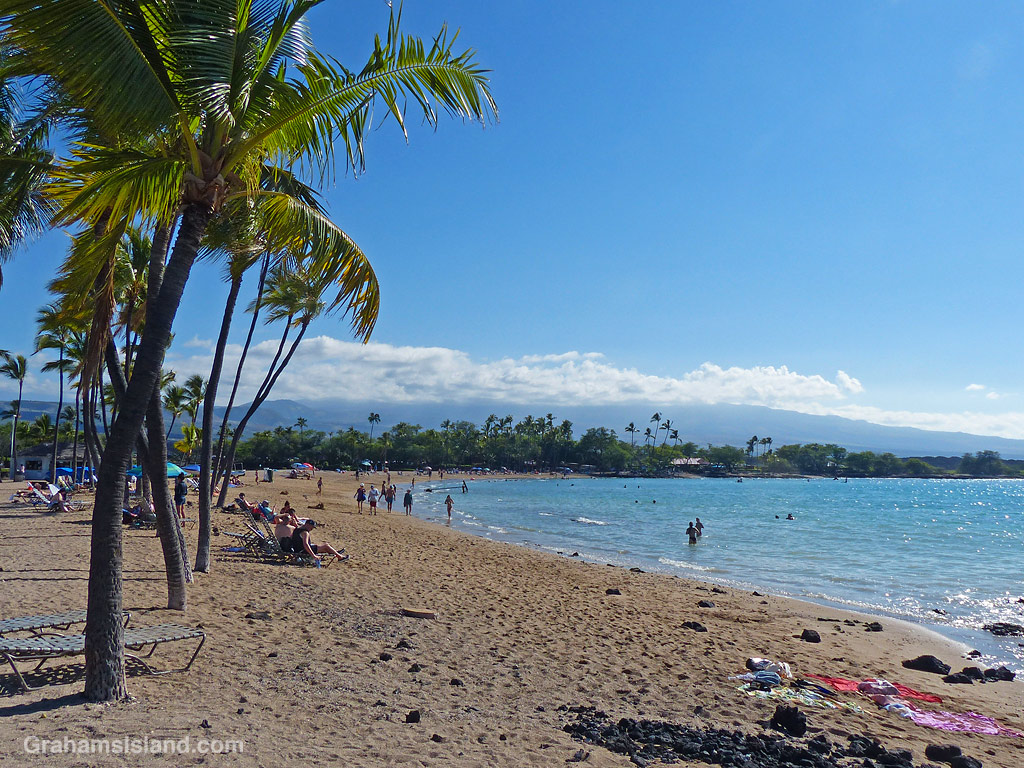
The beach at Anaeho’omalu Bay is very popular. This was taken in the late afternoon when the crowds had thinned out.
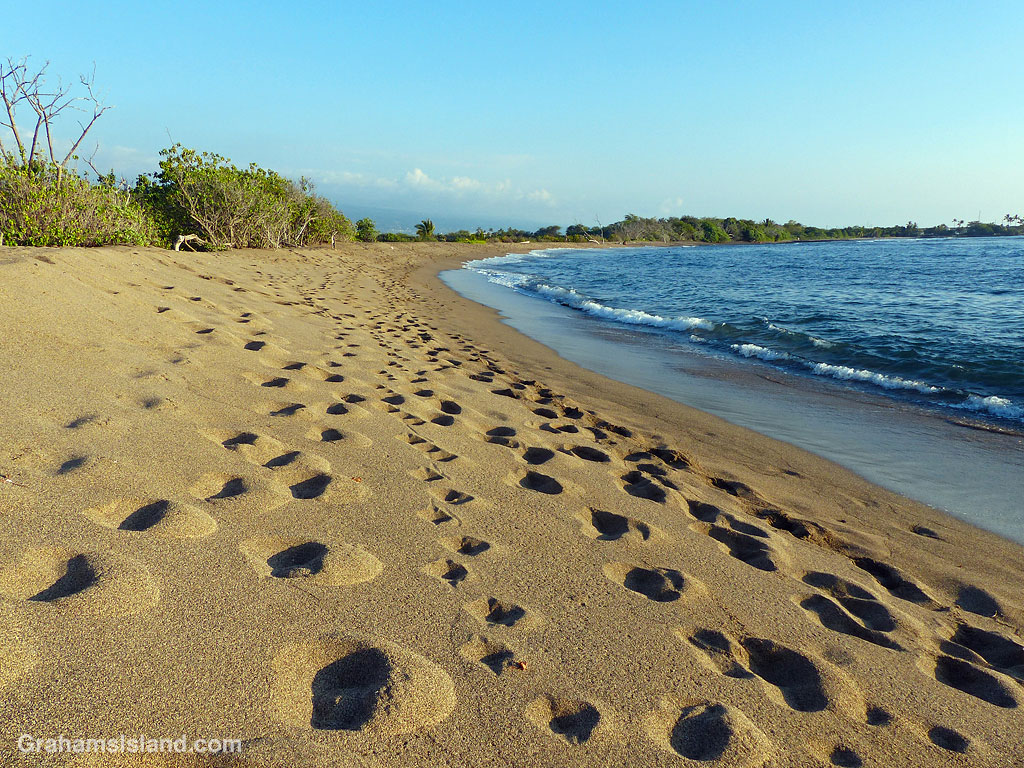
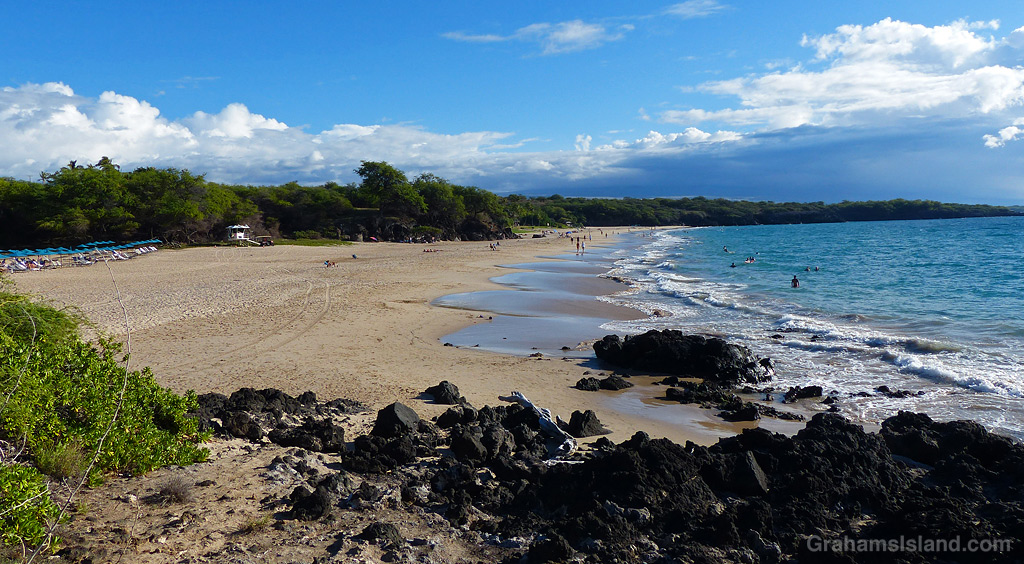
This week’s Sunday Stills challenge theme is ‘Lazy, Hazy Days of Summer.’ See more responses here. Beach scenes seemed appropriate for this, even if some of these photos were taken in the winter! Captions on the photos.
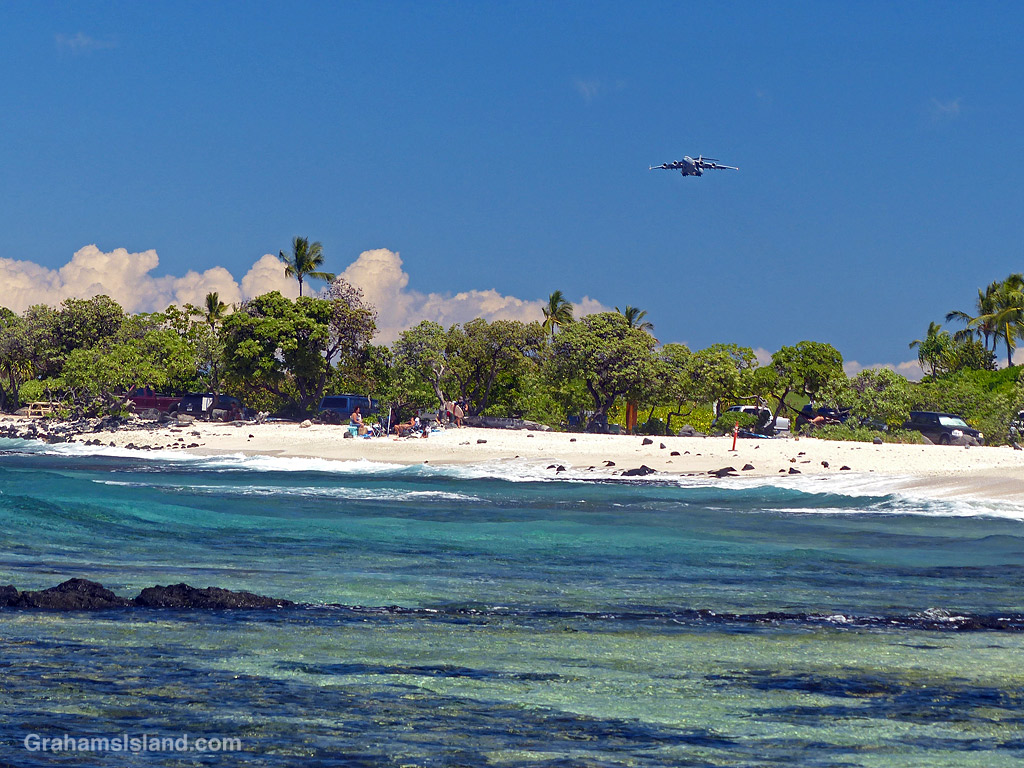
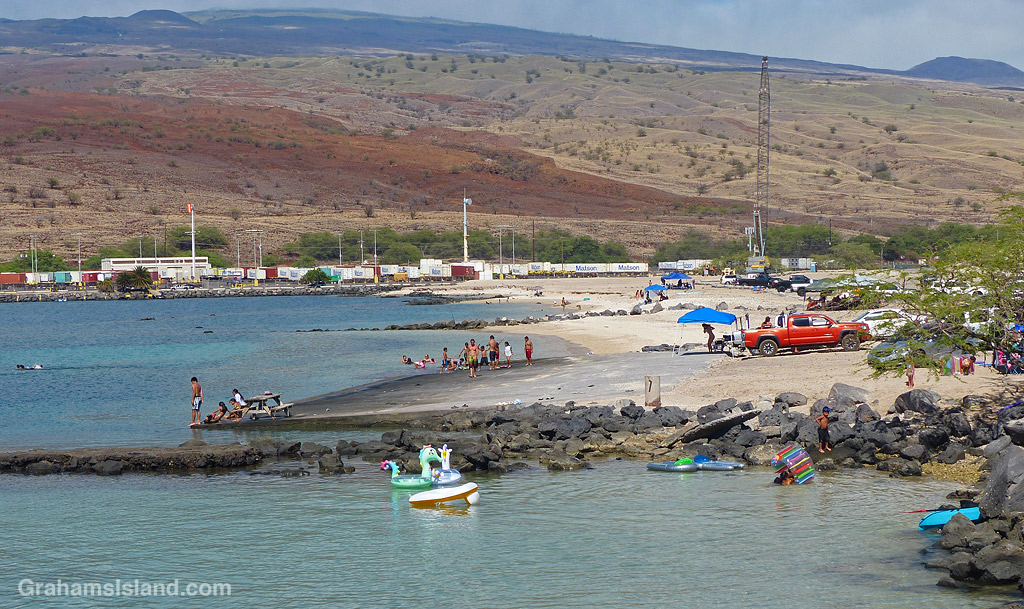
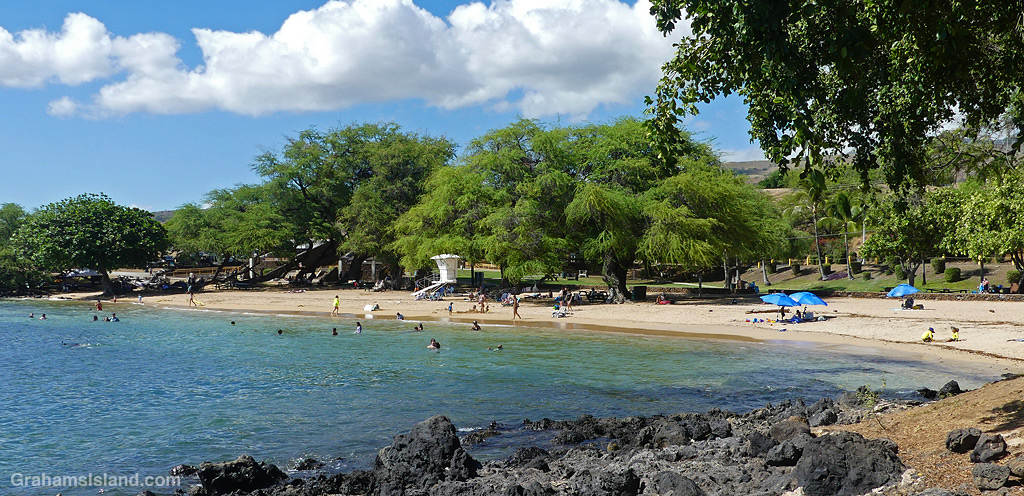
Kaloko-Honokōhau National Historical Park is also popular, but not many walk the length of it, so there are often empty stretches of sand.No wonder Hapuna beach often appears on lists of best beaches.Kohanaiki is popular with surfers, but the beach is good too, even if it is close to the airport.The beach in Kawaihae Harbor is popular with locals, especially on weekends. It’s a great spot for families with the water protected by a long breakwater.Another beach that’s popular with families is at Spencer Beach Park. Smooth sand, calm water, shade trees, and good facilities are the reasons why.
This week’s Sunday Stills challenge theme is ‘Double Trouble.’ See more responses here.
A pair of juvenile Black-crowned Night Herons spell trouble for small fish living in the pool behind Pelekane Beach in Kawaihae.
Giant Porcupinefish can inflate themselves into a ball. When they do so, long spines along the back become raised and stick out, making them an extremely unpleasant proposition for any predator. Oh, and they’re poisonous, too. Trouble, indeed.
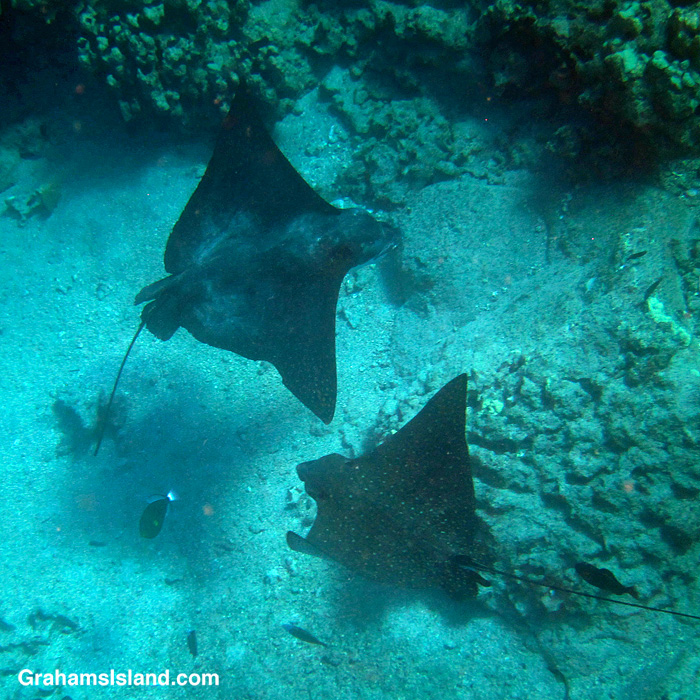
Spotted Eagle Rays hunt for molluscs and other creatures hiding in the sand. They root out prey with their duck-like bills.
Wild pigs can dig up a garden in no time, searching for worms and the like, but they go bananas over fallen fruit. These two were slurping down fallen mangoes.
This cow looked very suspicious of these cattle egrets, especially the one on its back. But they weren’t up to any trouble, just waiting for the cow to start grazing again and stir up some insects for them.
The Gold Dust Day Gecko on the left isn’t licking the paint. He’s sticking out his tongue and leaning to make his body look bigger in a challenge to the other gecko. The other one was singularly unimpressed and chased off his adversary.
This week’s Sunday Stills challenge theme is ‘Let’s Get Small.’ See more responses here.
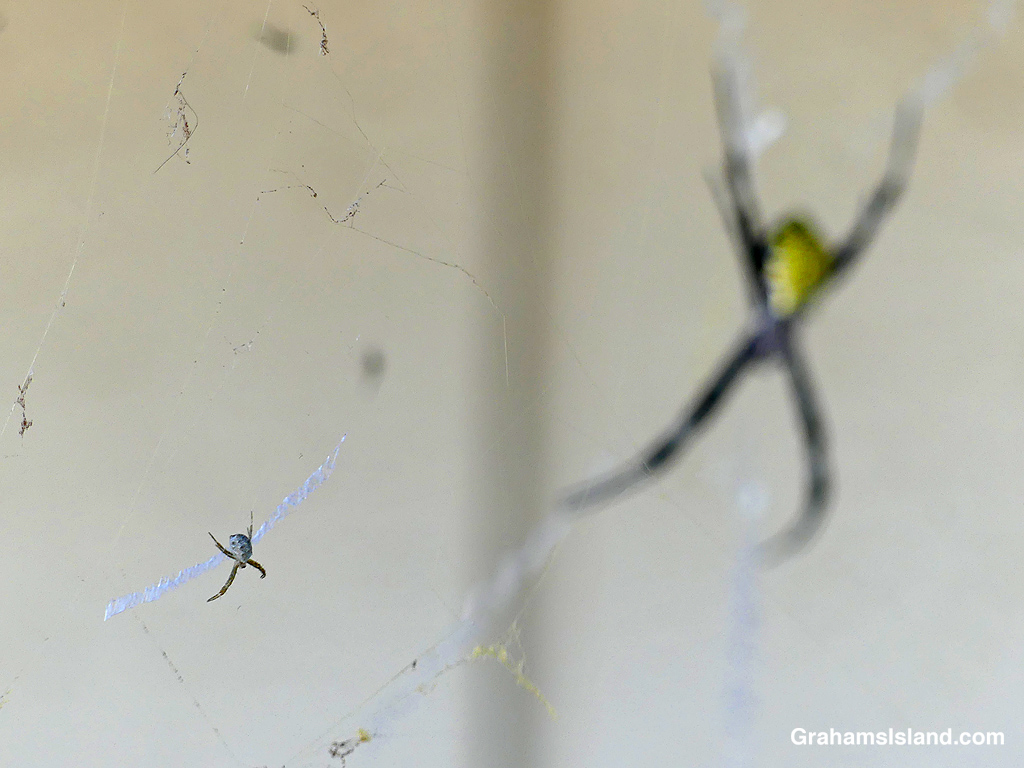
Sorry to start off (above) with spiders, for those with aversions to them, but this one is very small. It’s a tiny female Hawaiian Garden Spider, probably no more than a quarter-inch across, though if it survives, it will grow to be as big as the other one in the photo.
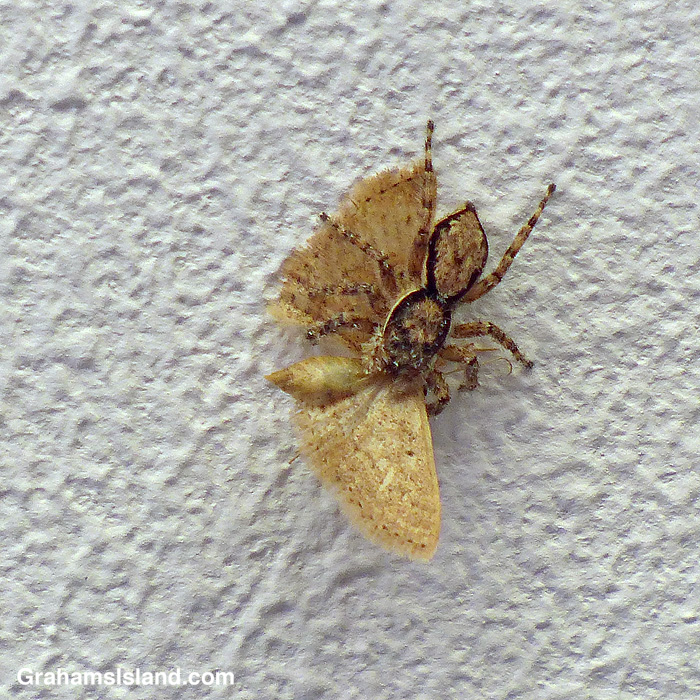
In the gallery below, a Seven-spotted Ladybug putters about in some very green leaves. Another spider, this time a jumping spider no bigger than the little one at the top, has jumped a moth bigger than itself. Finally, what I think is a hover fly pretending to be a wasp with its black and yellow markings.
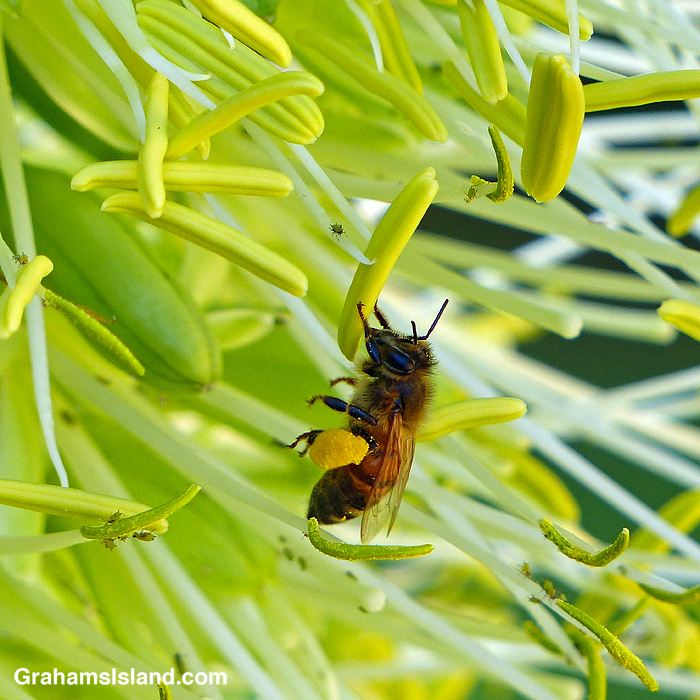
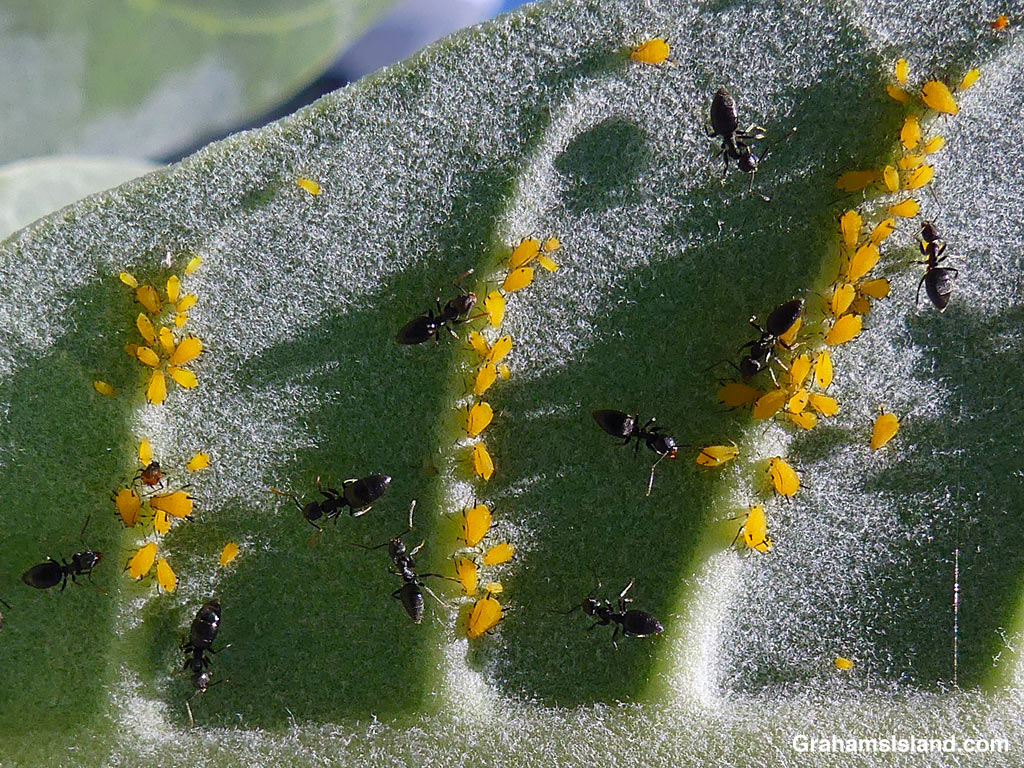
Finally, a Camponotus variegatus ant or carpenter ant. Next, a bee collecting pollen on an agave attenuata. Note the tiny aphids sharing the flower. And finally ants and aphids on the leaf of a Hawaiian Crown Flower. In this symbiotic relationship, the aphids produce sweet goodies for the ants to eat and the ants provide protection against the aphids’ predators.