This week’s Sunday Stills challenge theme is ‘Summer Bugs.’ (See more responses here.) To the best of my knowledge, Hawaii’s bugs are pretty much the same year-round. Here are some of them.
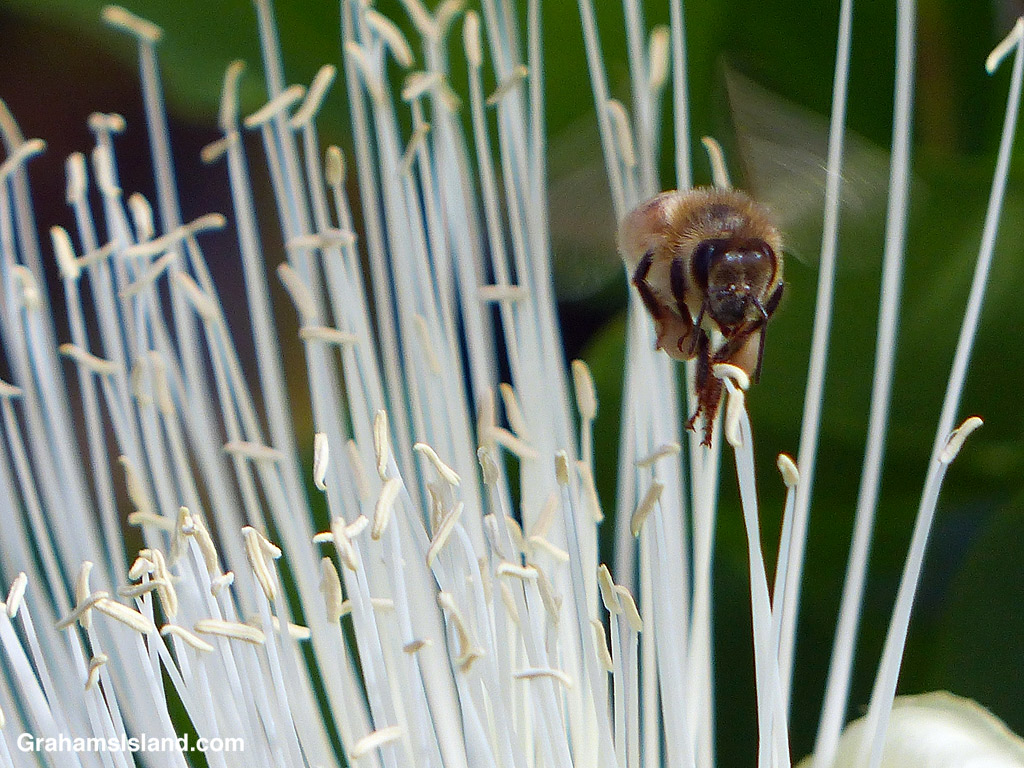
The top photo shows a bee showing impressive balance on a maiapilo flower.
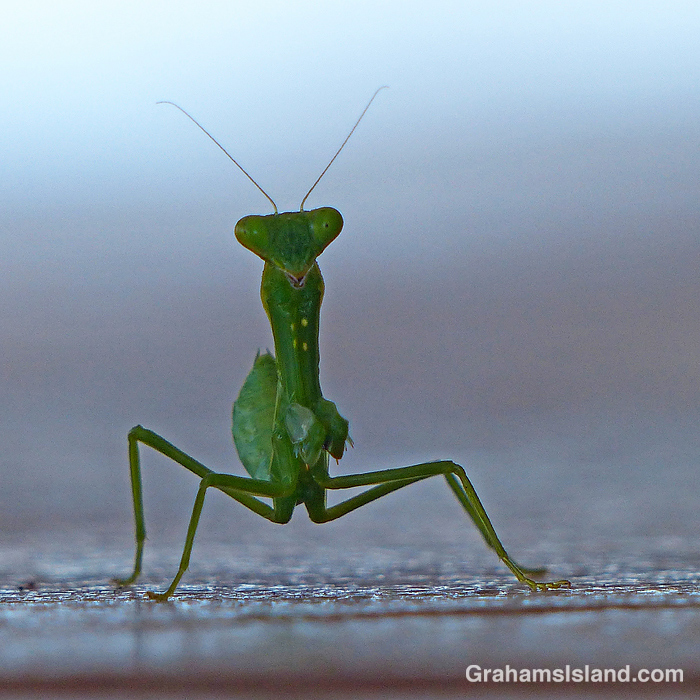
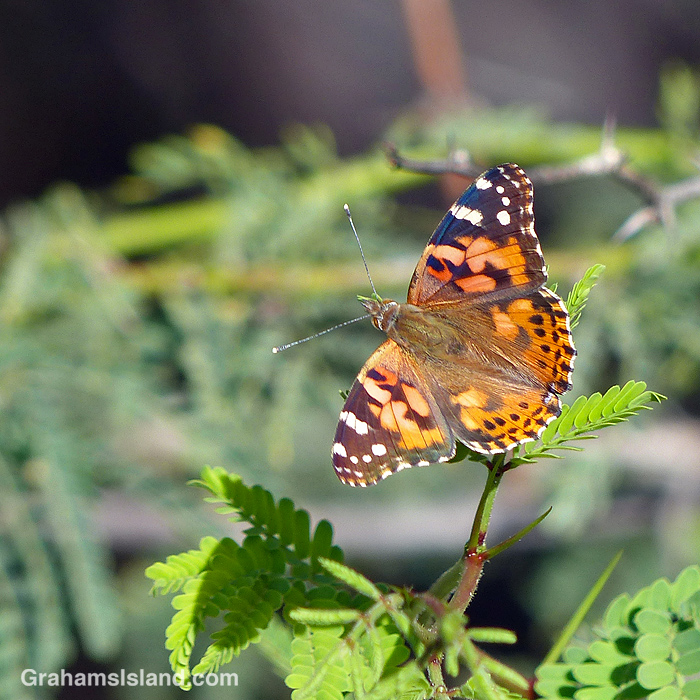
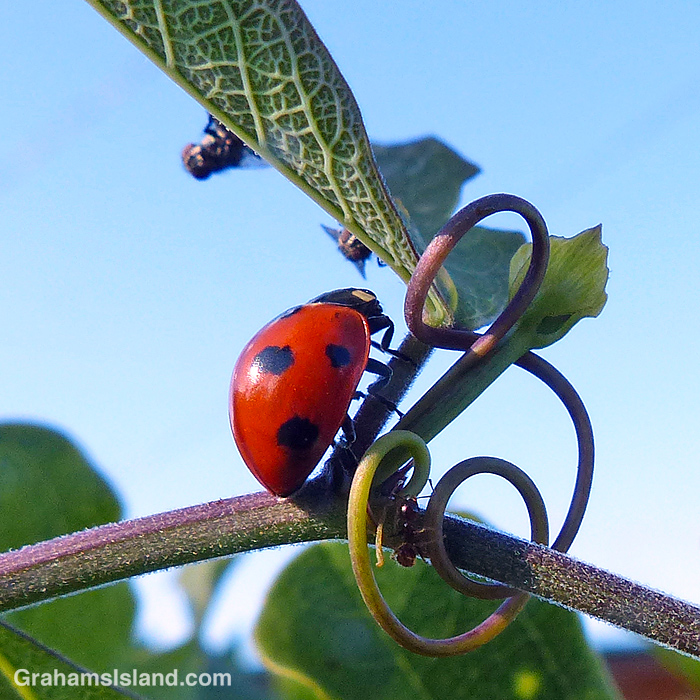
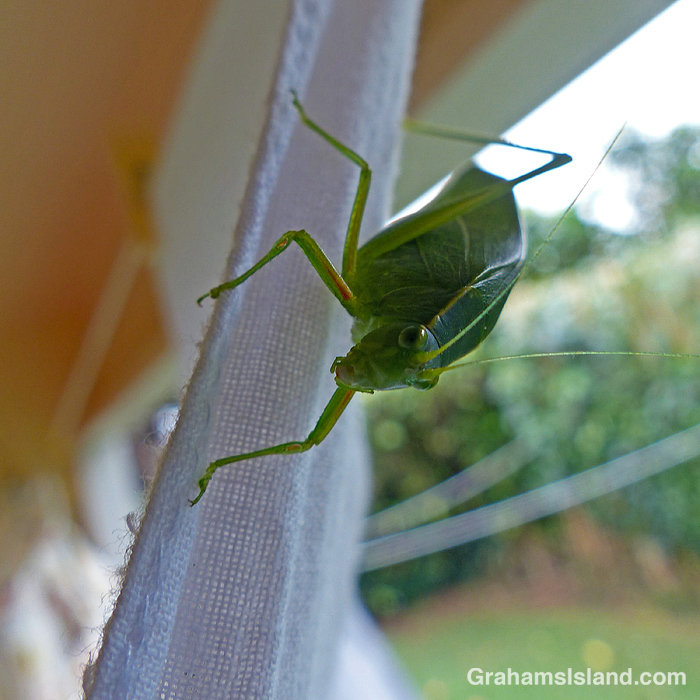
Next up, clockwise from top left: Getting down to eye level with a juvenile praying mantis. A painted lady butterfly on a kiawe tree. A katydid wondering what it’s done to deserve this much attention. A seven-spotted lady beetle being watched.
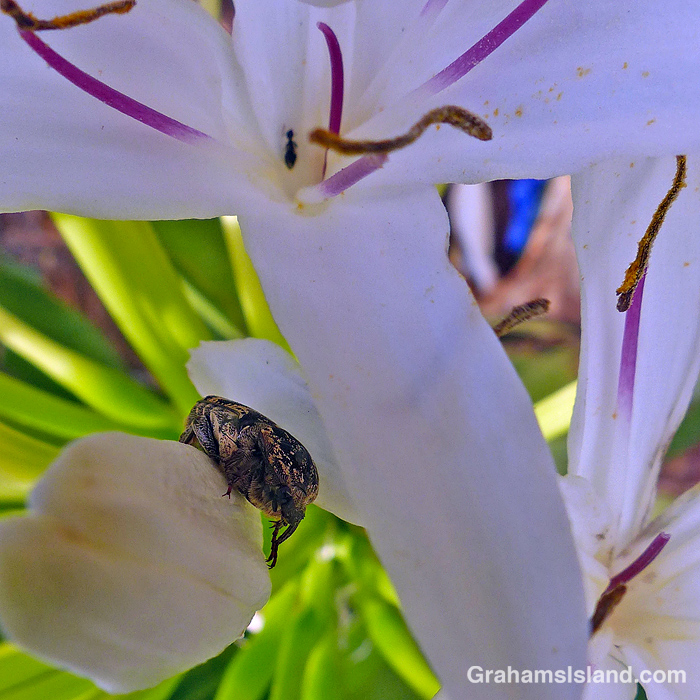
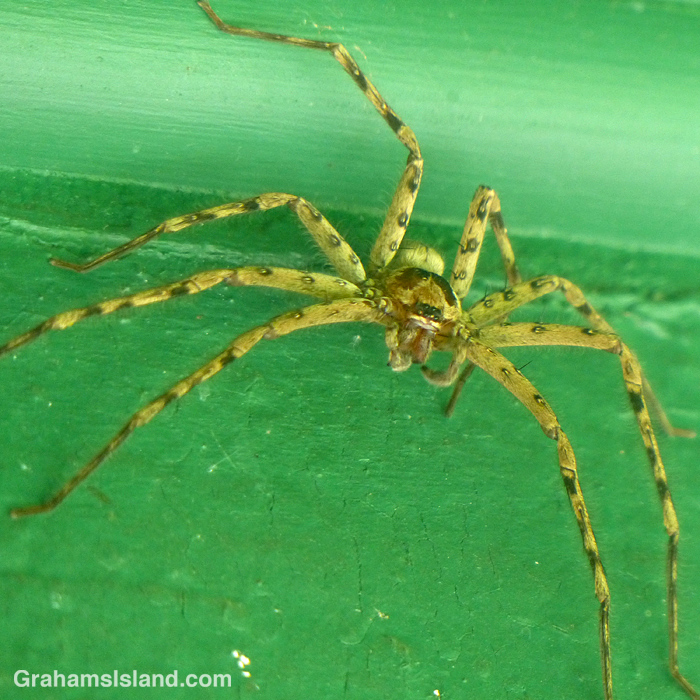
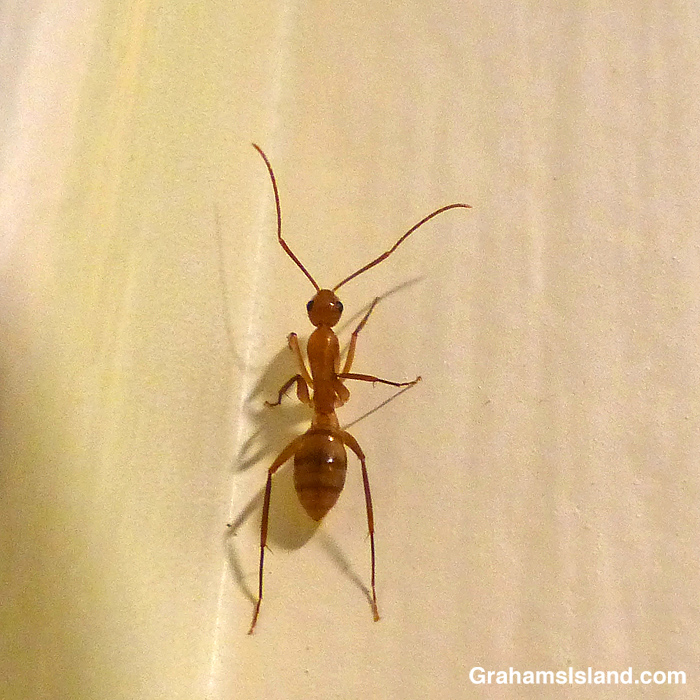
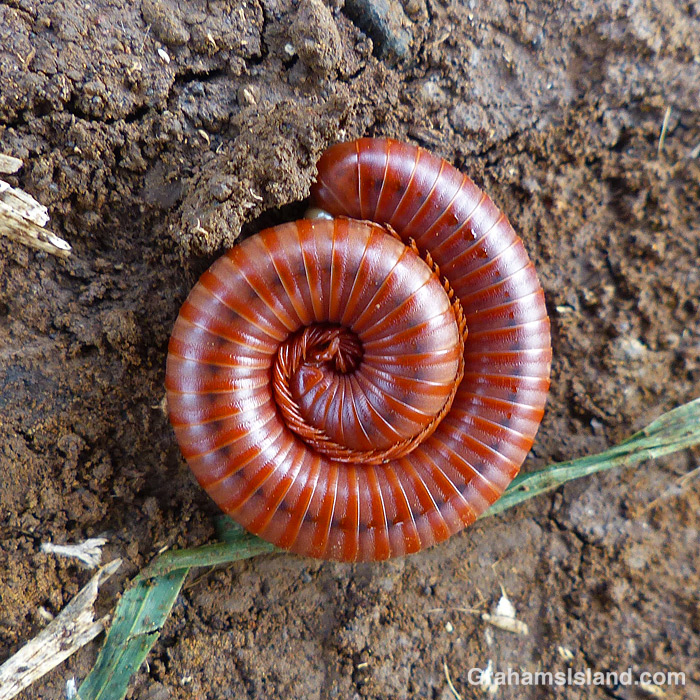
The final gallery: Top left: A mango flower beetle explores a spider lily. Top right: A watchful cane spider wondering if it should run, very fast, away. Bottom left: A Hawaiian carpenter ant (Camponotus variegatus), one of too many that have taken up residence in the house. Bottom right: A rusty millipede deciding that it’s all too much!
This week’s Sunday Stills challenge theme is ‘Geometric–explore various angles.’ I’ve focused more on the ‘various angles’ than the geometric.
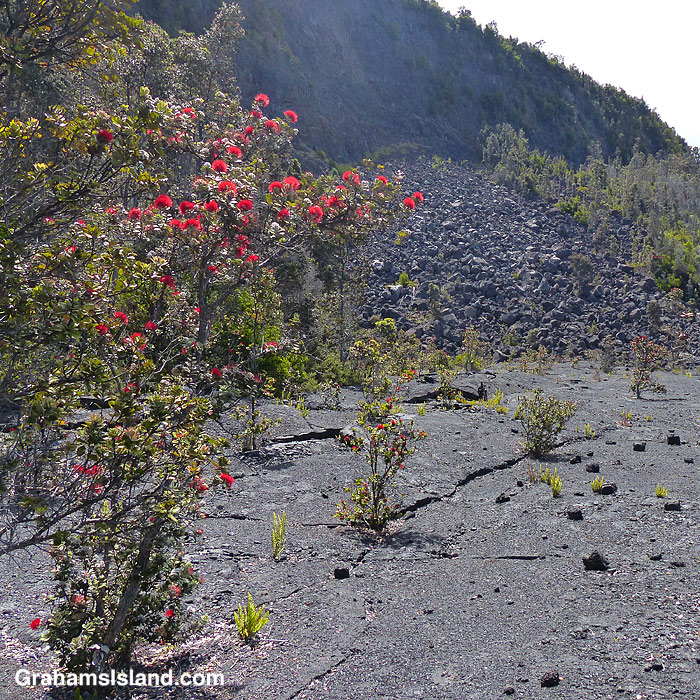
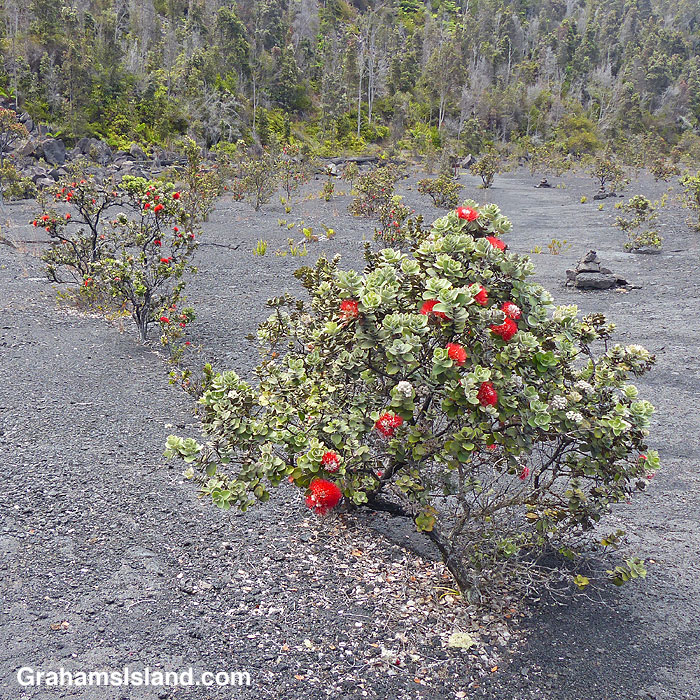
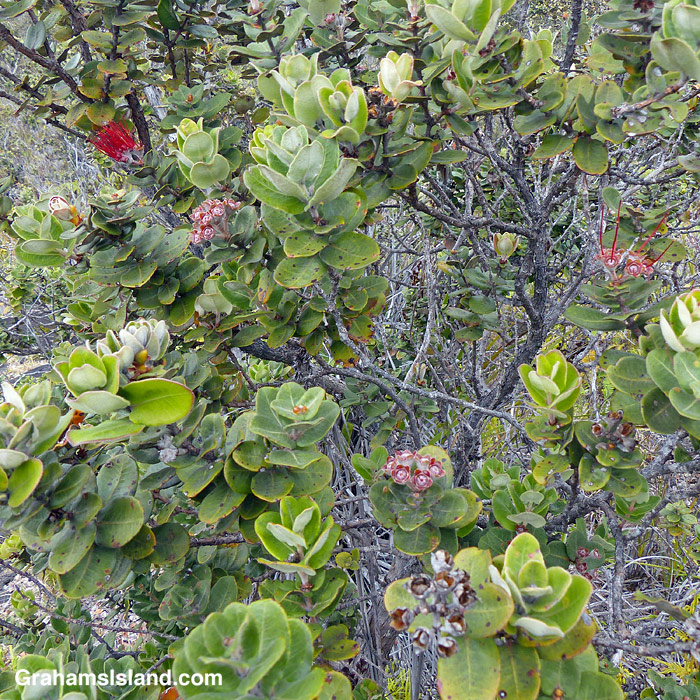
Ohia trees (Metrosideros polymorpha) are endemic to Hawaii and the flower of these trees is the official flower of the Big Island. Depending on growing conditions, ohias can vary from ground hugging shrubs to 50 foot trees. They grow at sea level and at elevations up to 8,000 feet. They’re probably most noted for two things. One is their brilliant display of flowers. The other is that they’re usually the first plants to recolonize lava flows.
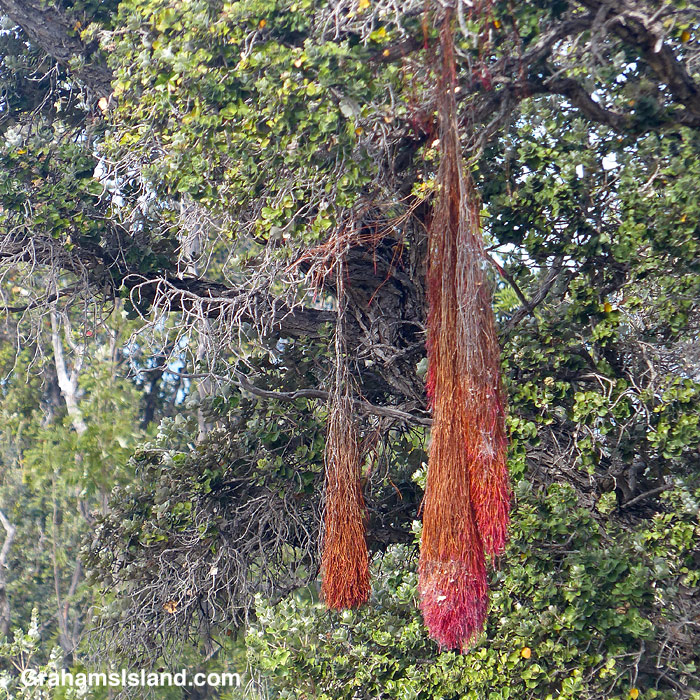
They grow in lava is because their roots reach down into lava tubes and tap into the moisture available there. But ohia can also put out aerial roots to gather moisture. They’re very flexible in this way.
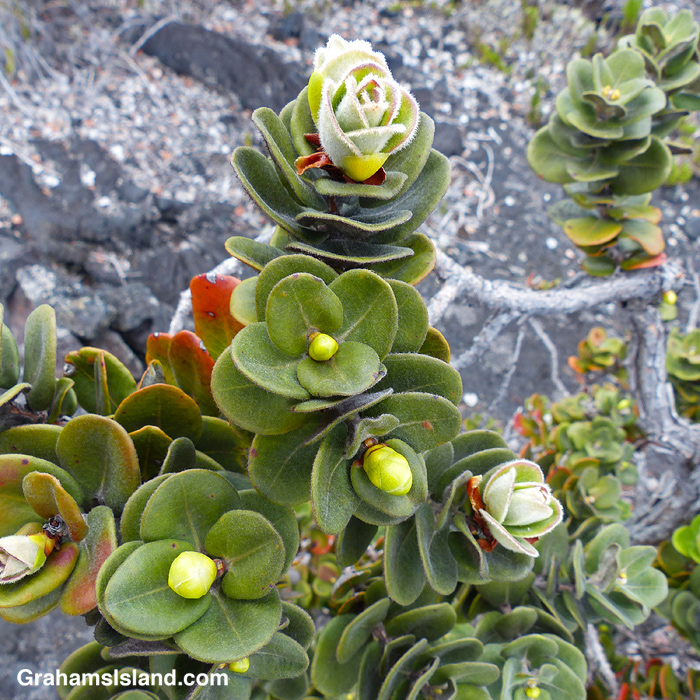
Buds form
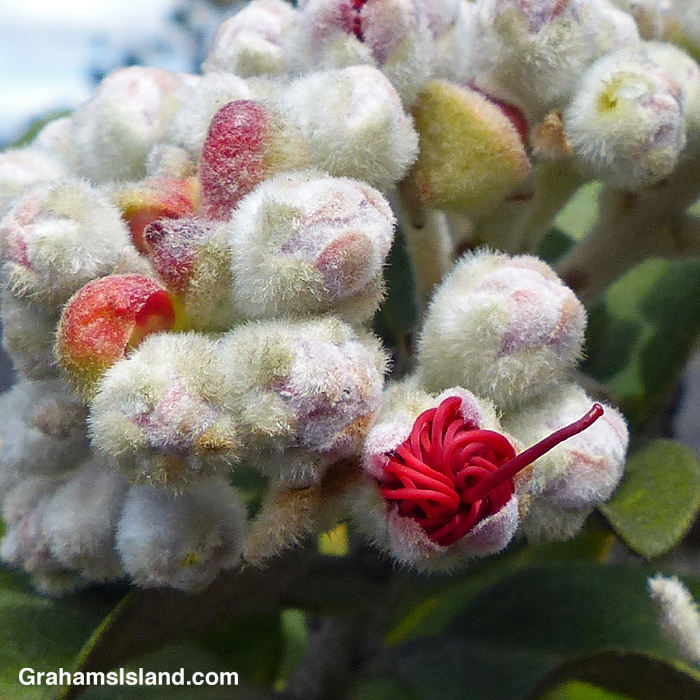
Stamens emerging
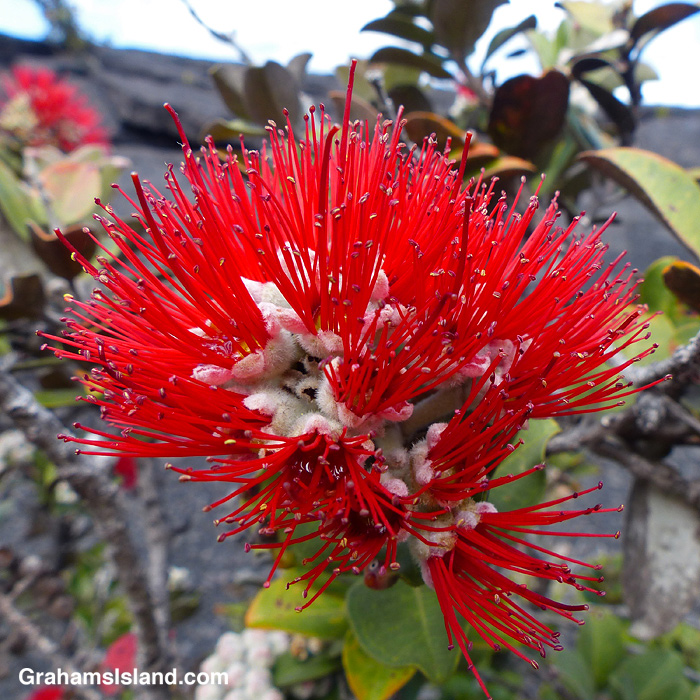
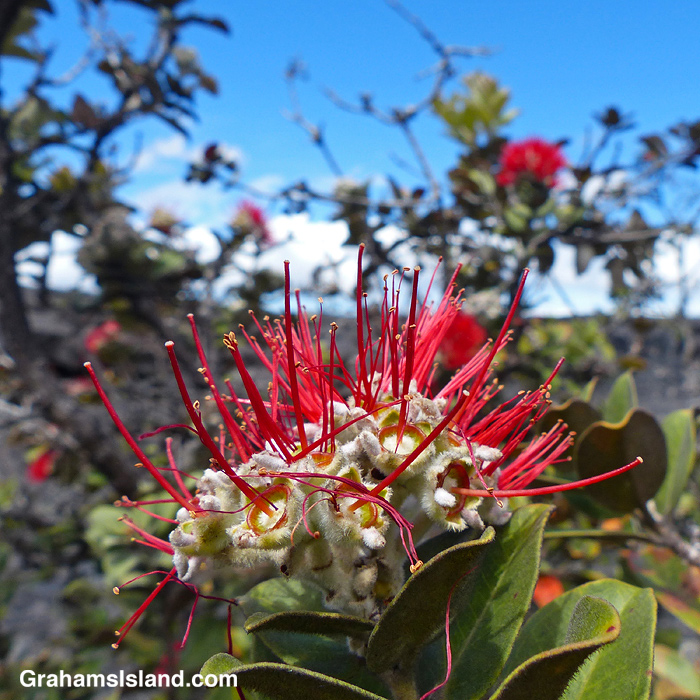
An ohia flower
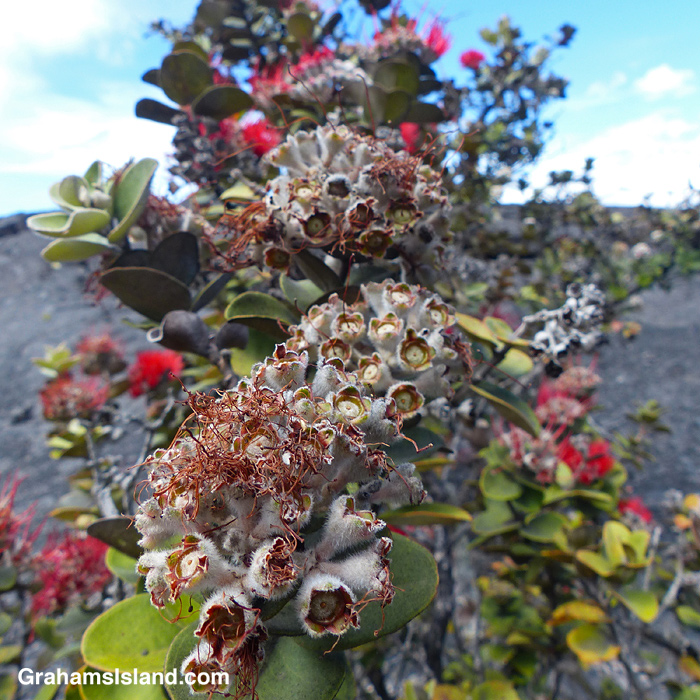
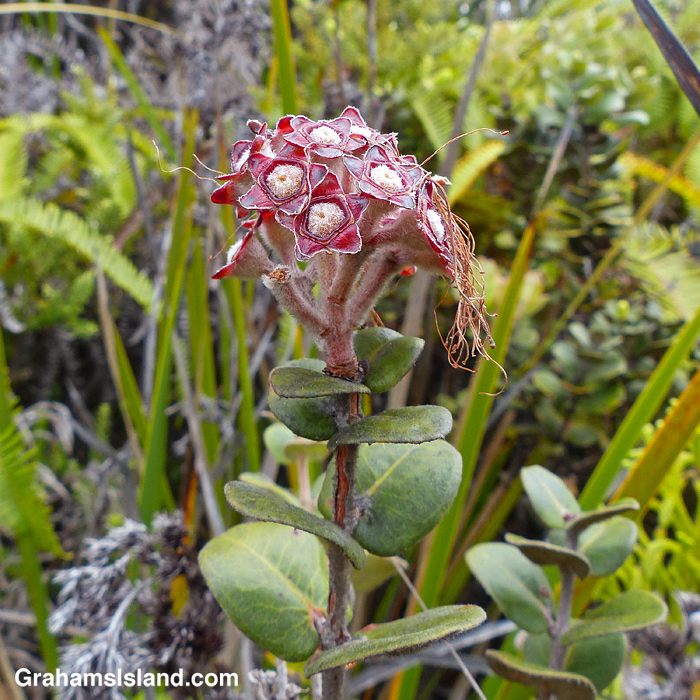
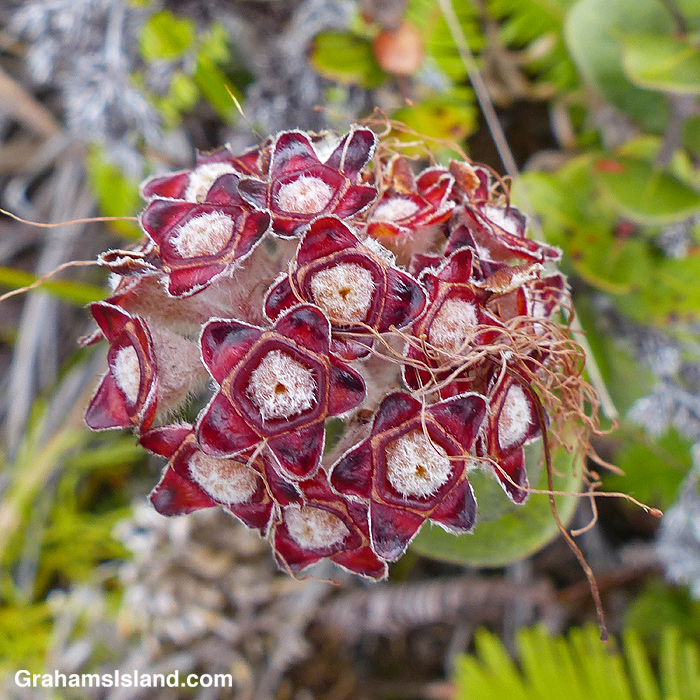
The puffball flowers are actually clusters of flowers. Each flower is made up of a bunch of stamens (the male part of the flower) and a single pistil (the female part) which is thicker and longer than the stamens. When the flowers have been pollinated, the stamens fall away until only the pistil remains. This too will disappear as the calyx, where the seeds are found, develops. Eventually, the calyx will dry out and release the tiny mature seeds, to be dispersed by the winds, and hopefully grow into new ohia trees.
The stamens fall off…
… until only the pistils remain.
The calyx dries out…
… Ready to release seed
Different stages of ohia flowers can be seen on a tree at the same time
Also posted in response to Becky’s July Squares challenge theme of ‘Trees.’ See more responses here.
This week’s Sunday Stills challenge theme is ‘Evergreen.’ See more responses here.
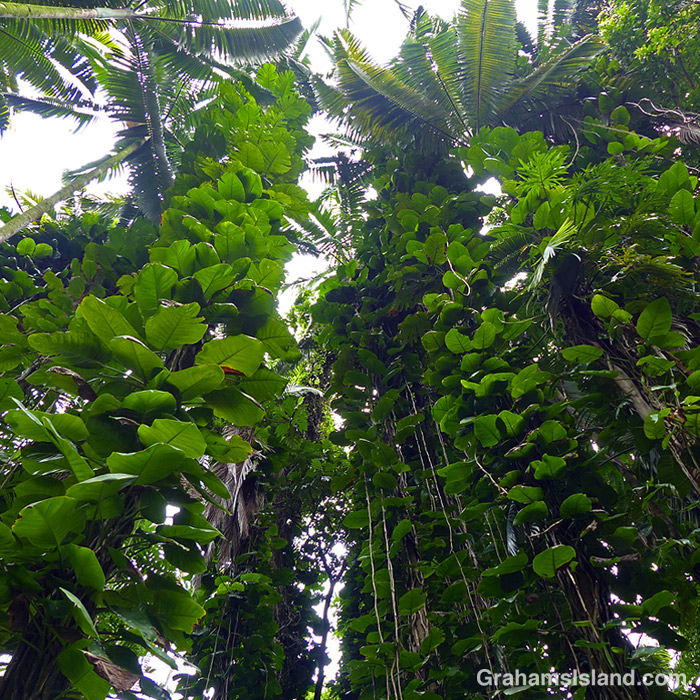
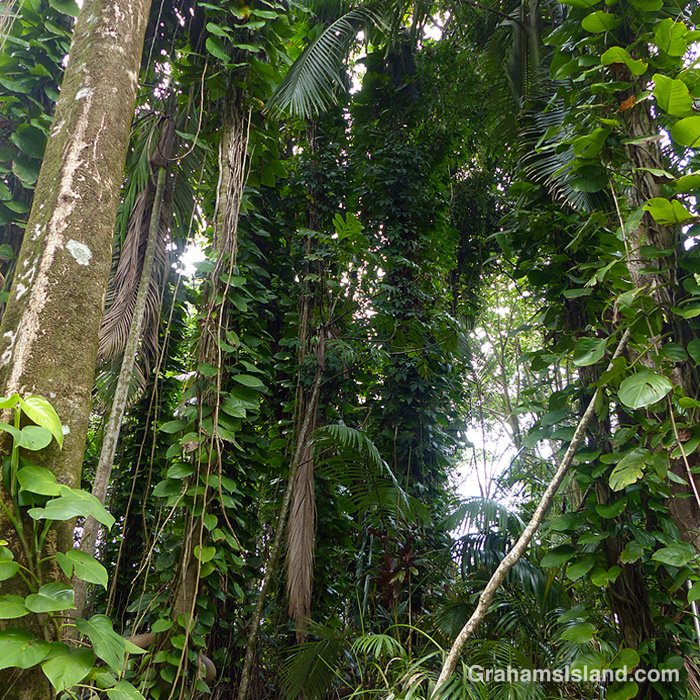
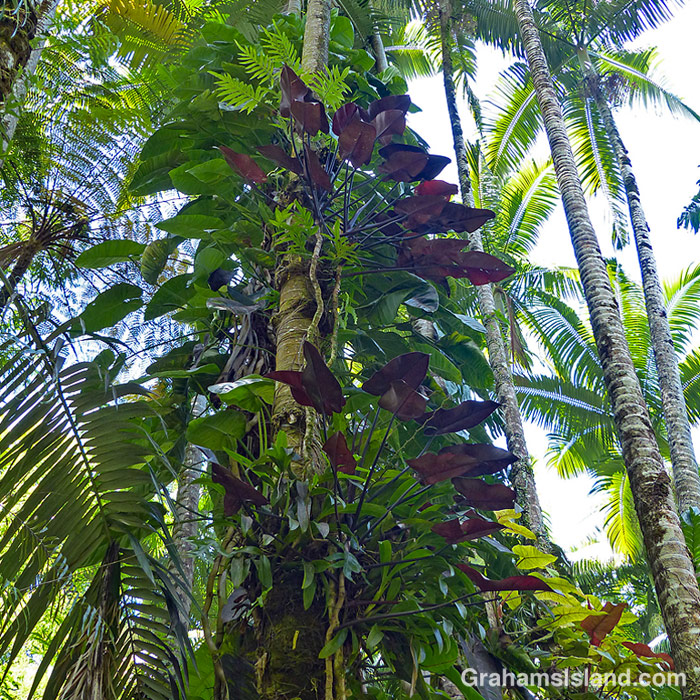
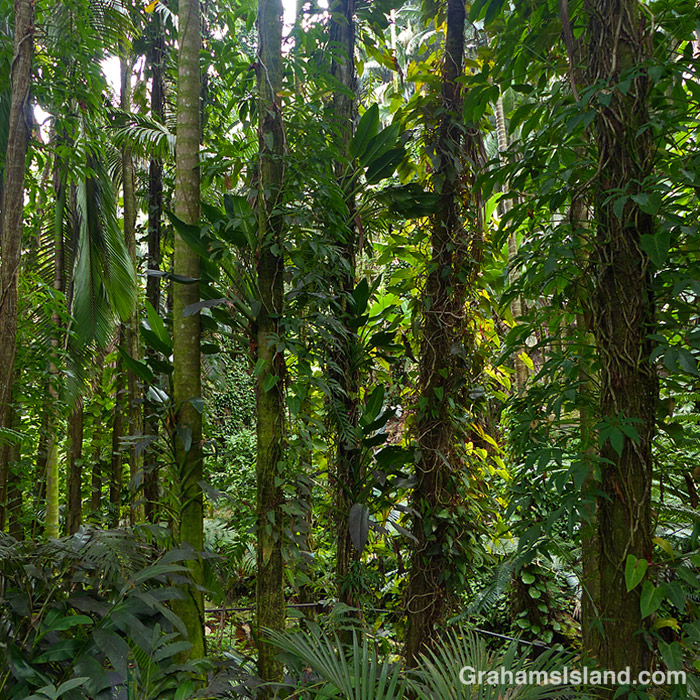
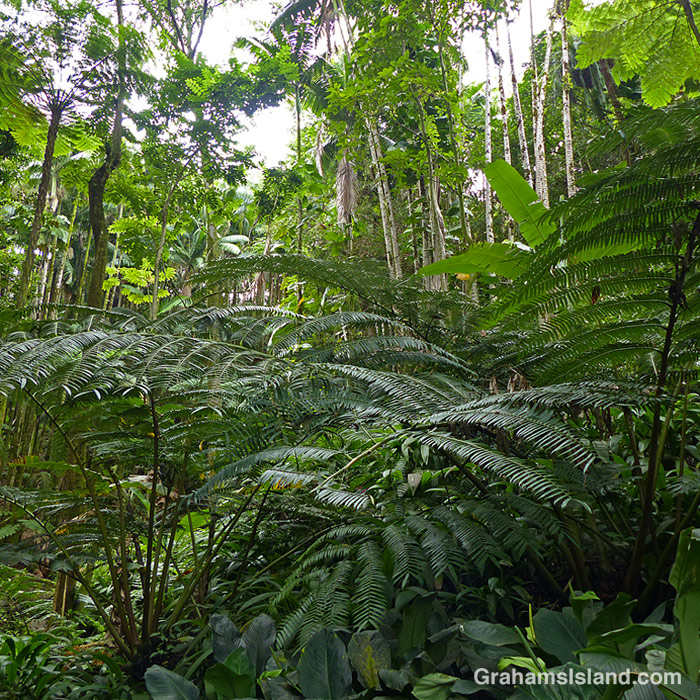
In Hawaii’s mild climate, a few trees, such as plumeria, will shed their leaves for a short while in the depths of our not-so-bitter winter. For the most part though, the island is green year-round, particularly in the wetter parts, which is where these photos were taken.
The trees remain green. The vines which climb the trees are green, and other colors too. The foliage around the trees is green. In short, the landscape is evergreen.
Also posted in response to Becky’s July Squares challenge theme of ‘Trees.’ See more responses here.
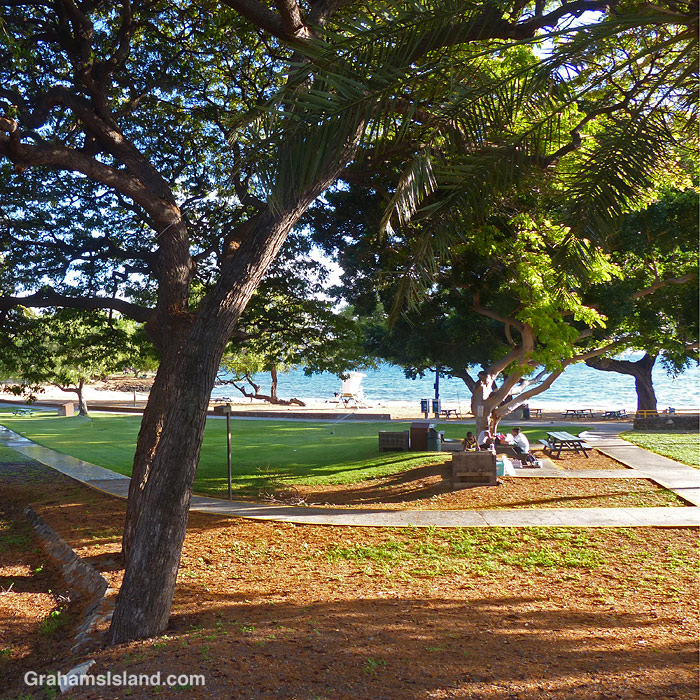
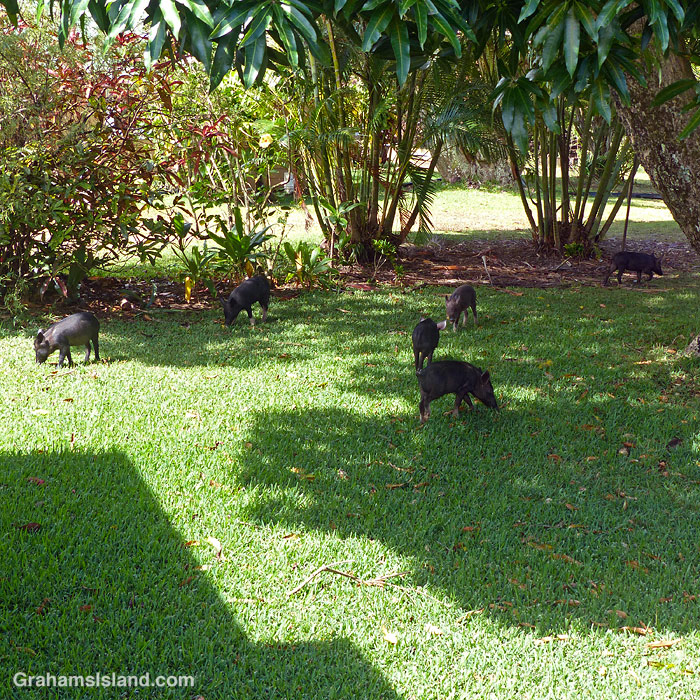
This week’s Sunday Stills challenge theme is ‘Under the Trees.’ See more responses here. Here are a couple of photos for this theme. They’re both under the trees and they’re both barbecue-related when you think about it.
The top one shows people sharing a barbecue meal under the trees at Spencer Beach Park. If this post featured ‘Smellovision’ you’d know it was a barbecue without me writing anything at all.
The bottom photo shows the six little pigs that have been daily visitors to the yard this past couple of weeks. They come for fallen mangoes, scampering out from the cane grass and racing around below the mango tree searching for fallen treasures. There are often one or two on the ground and the lucky ones bolt back into cover with their prizes. Their antics are a continuing source of entertainment. Mind you, it’s not all fun and games. There used to be seven little pigs!
Also posted in response to Becky’s July Squares challenge theme of ‘Trees.’ See more responses here.
This week’s Sunday Stills challenge theme is ‘Great Outdoors.’ See more responses here.
In Hawaii, people spend a great deal of time outdoors. It’s common for people to have an outdoor kitchen, sometimes their only kitchen, sometimes a second one where a barbecue is the featured cooking apparatus. Carports often feature chairs and tables with cars parked elsewhere. The lanai, or deck, is as well-used as any room in the house.
Outdoor activities are popular here, too. Many involve the ocean and its inviting water: swimming, snorkeling, paddling, and of course surfing. Plenty of people go fishing and hunting, longtime sources of food for the table.
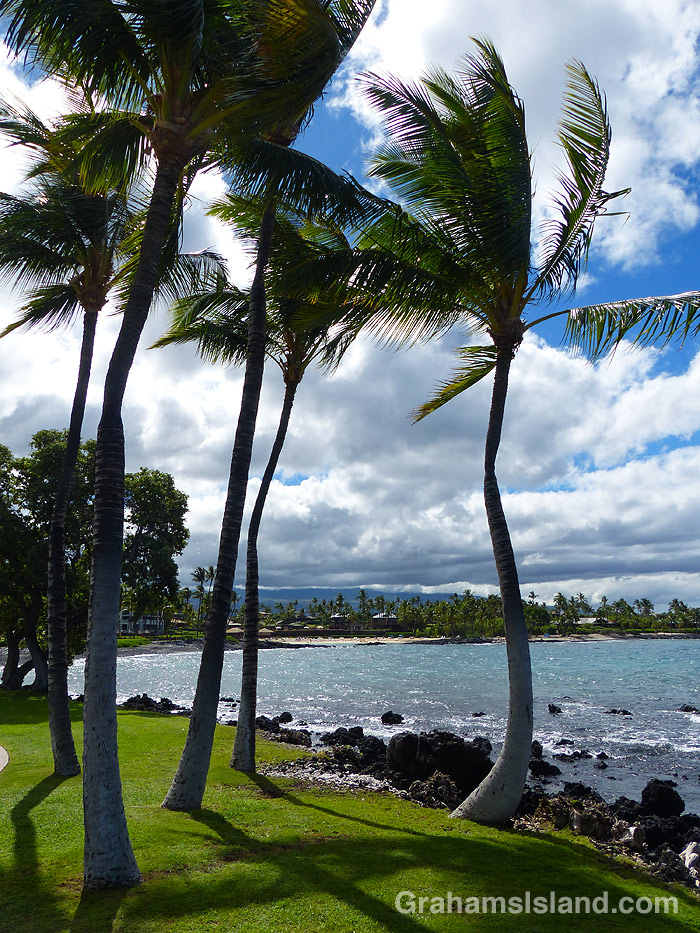
Palm trees on the coast.
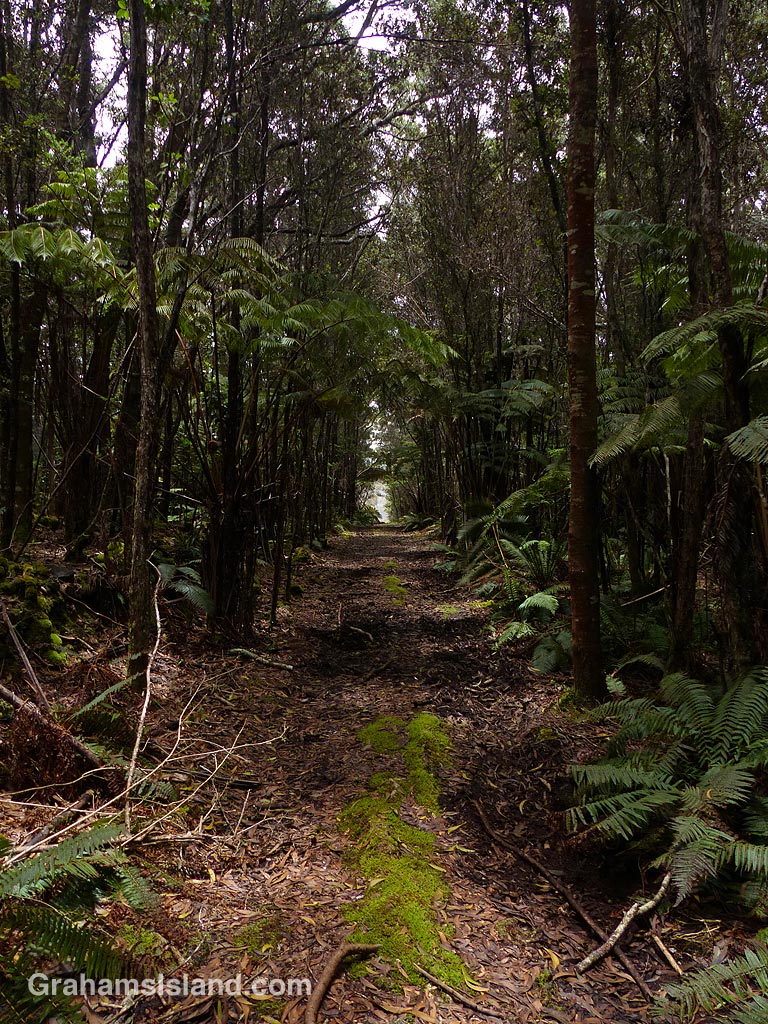
A trail through the woods.
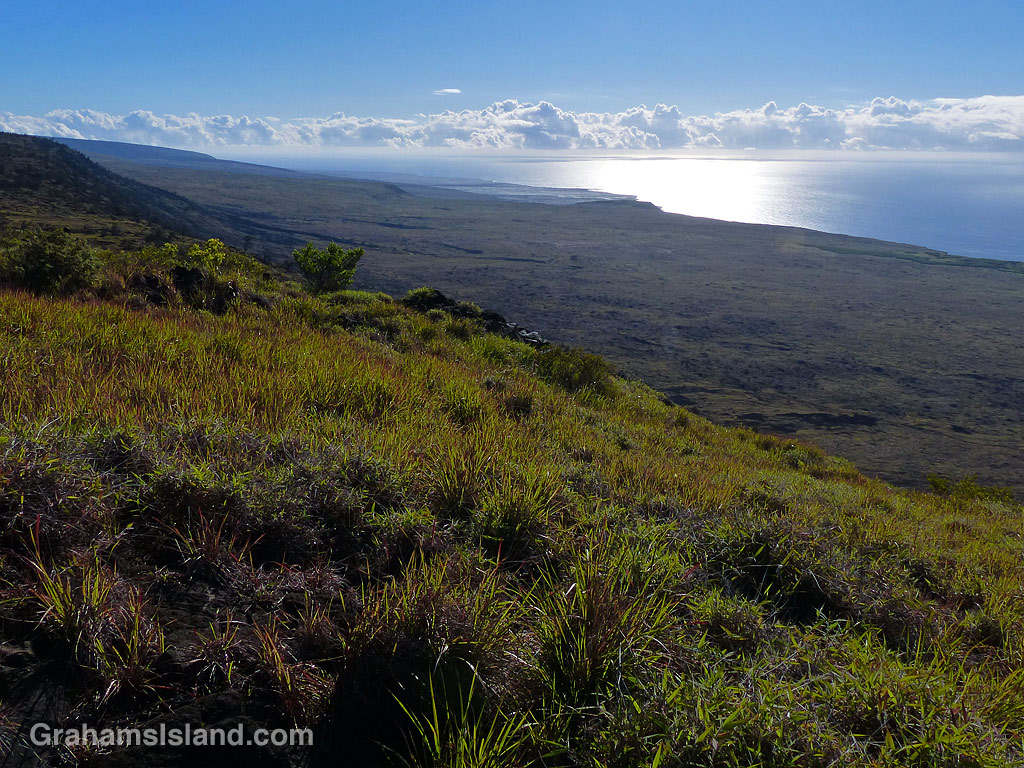
A view from the Hilina Pali Trail.
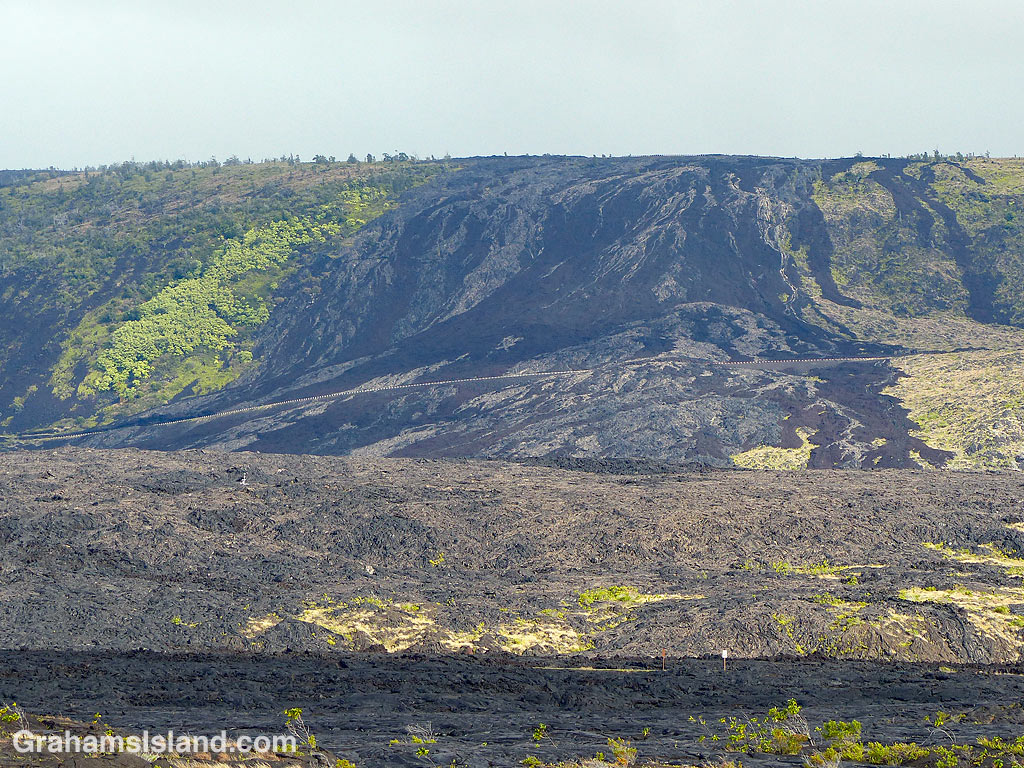
View of an old flow over Holei Pali.
For me, experiencing the great outdoors primarily involves hiking and snorkeling. Hiking isn’t especially popular here, especially along the coast where it can get quite hot. I get strange looks when I hike the length of popular beaches togged out in hiking gear, including shoes, hat, and fanny pack loaded with water. For most, the beach is a place for stretching out and broiling in the sun, not actively working up a sweat.
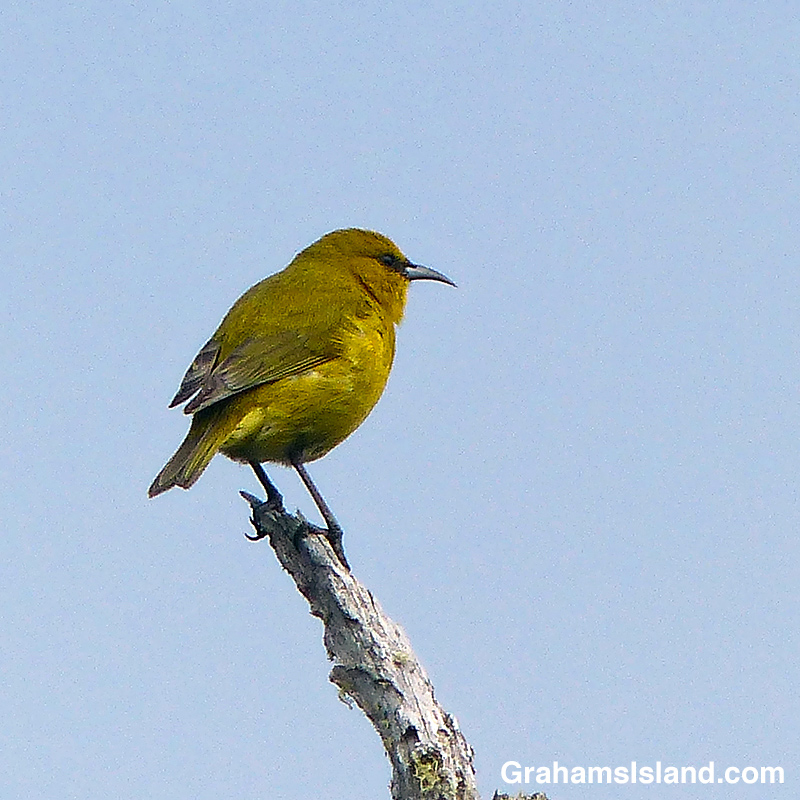
Hawaii Amakihi
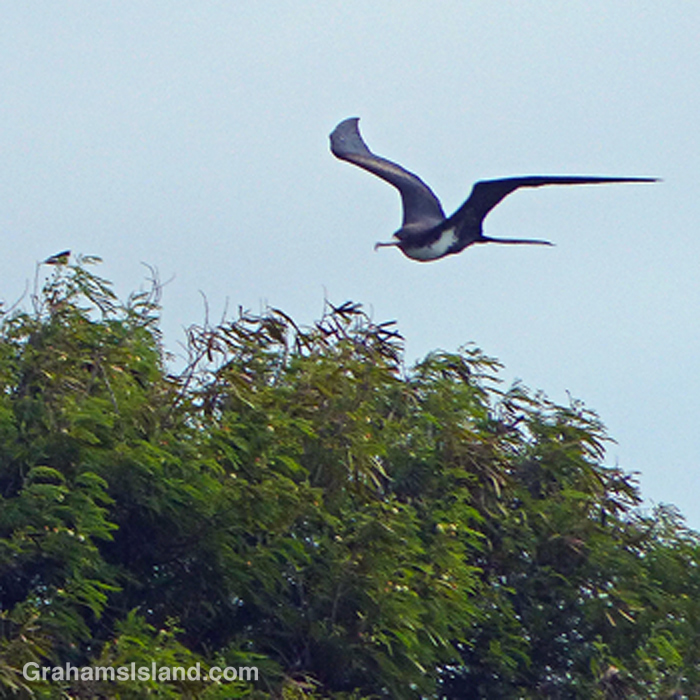
Great Frigatebird
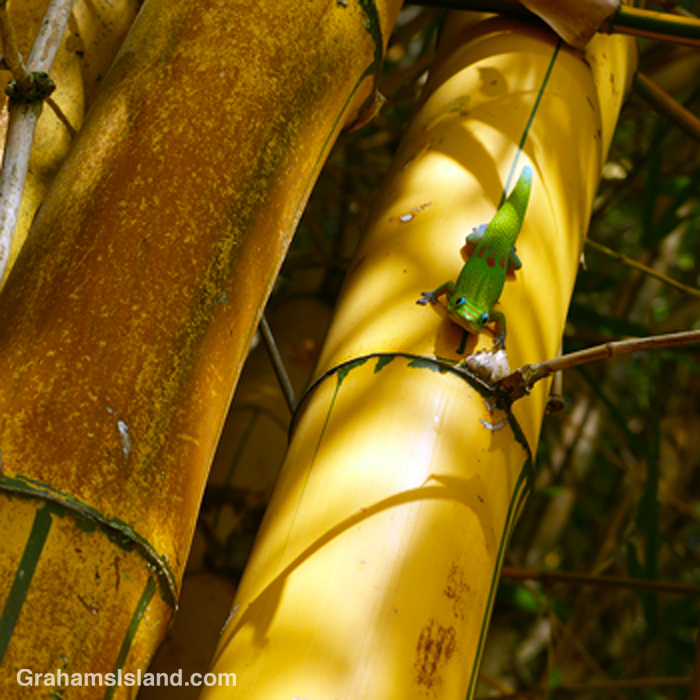
A gecko on yellow bamboo.
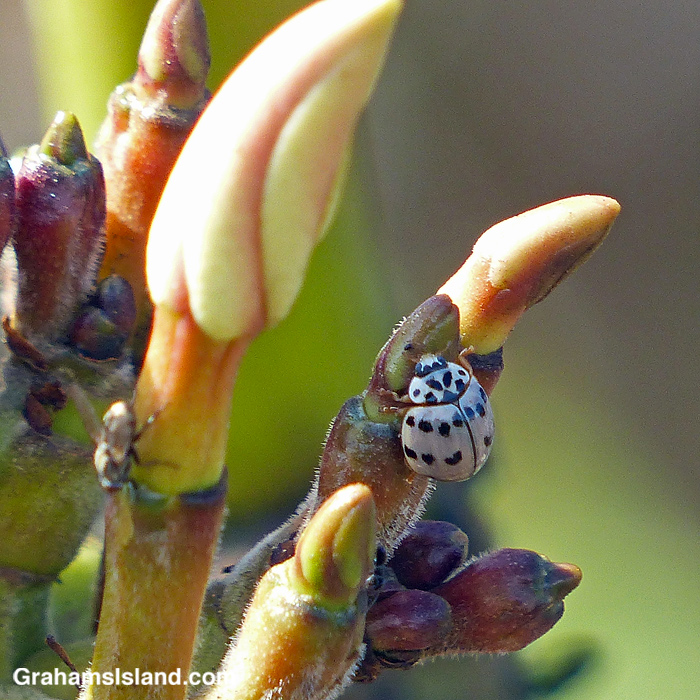
An ashy grey lady beetle on Plumeria.
The vast majority of photos on this blog are taken in the great outdoors. These photos are a small selection of things I’ve seen while out and about, from sweeping views to birds and bugs.
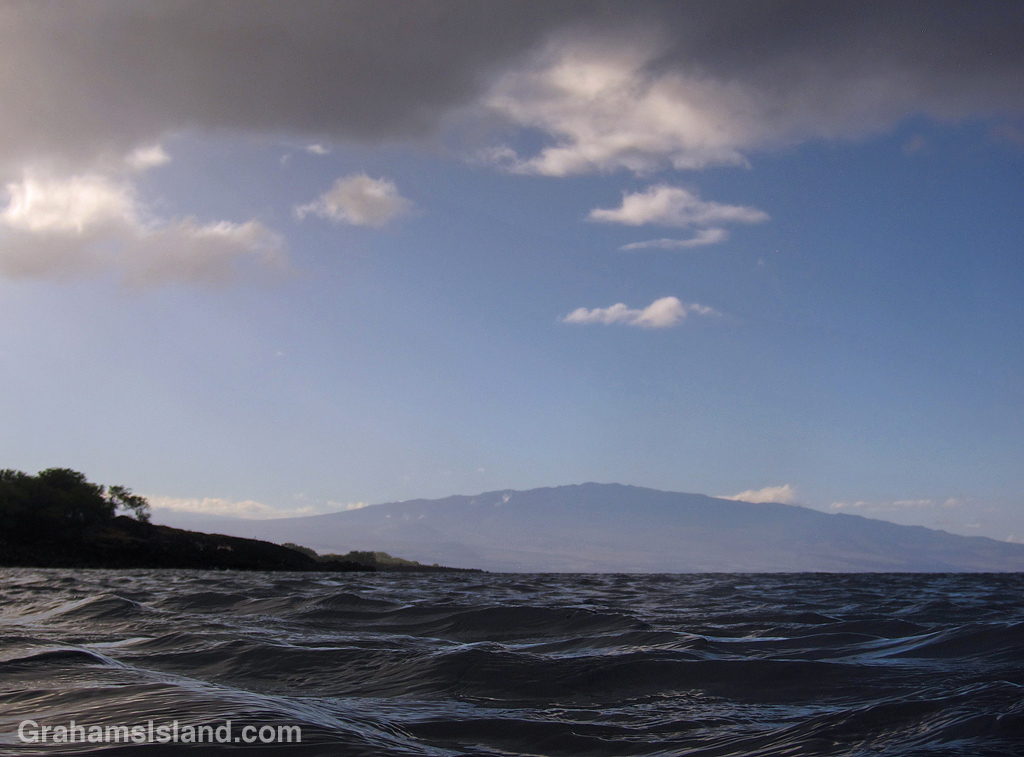
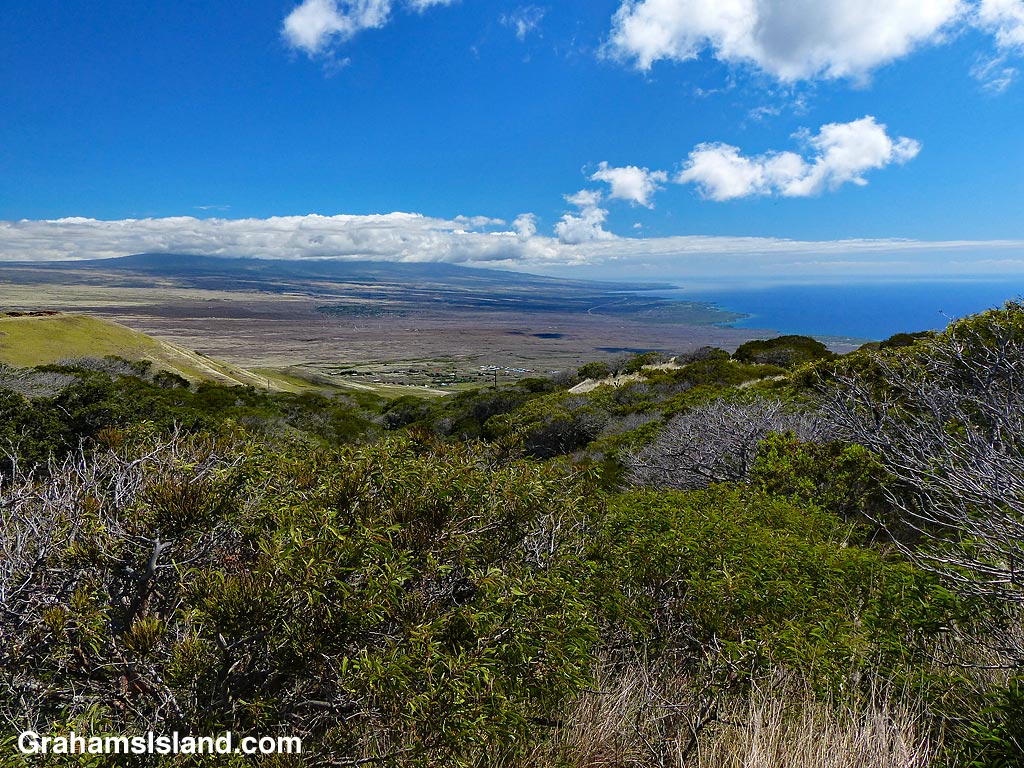
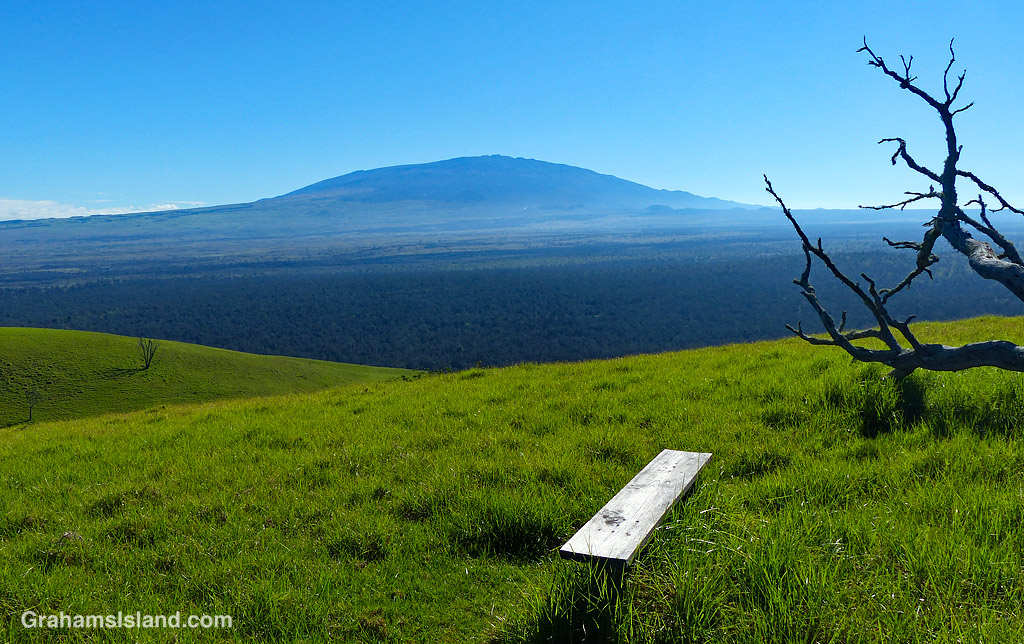
A view of the south Kohala Coast from Koai’a Tree SanctuaryA view of Mauna Kea from Pu’u Wa’awa’a.
This week’s Sunday Stills challenge theme is ‘Sunrise or Sunset.’ See more responses here.
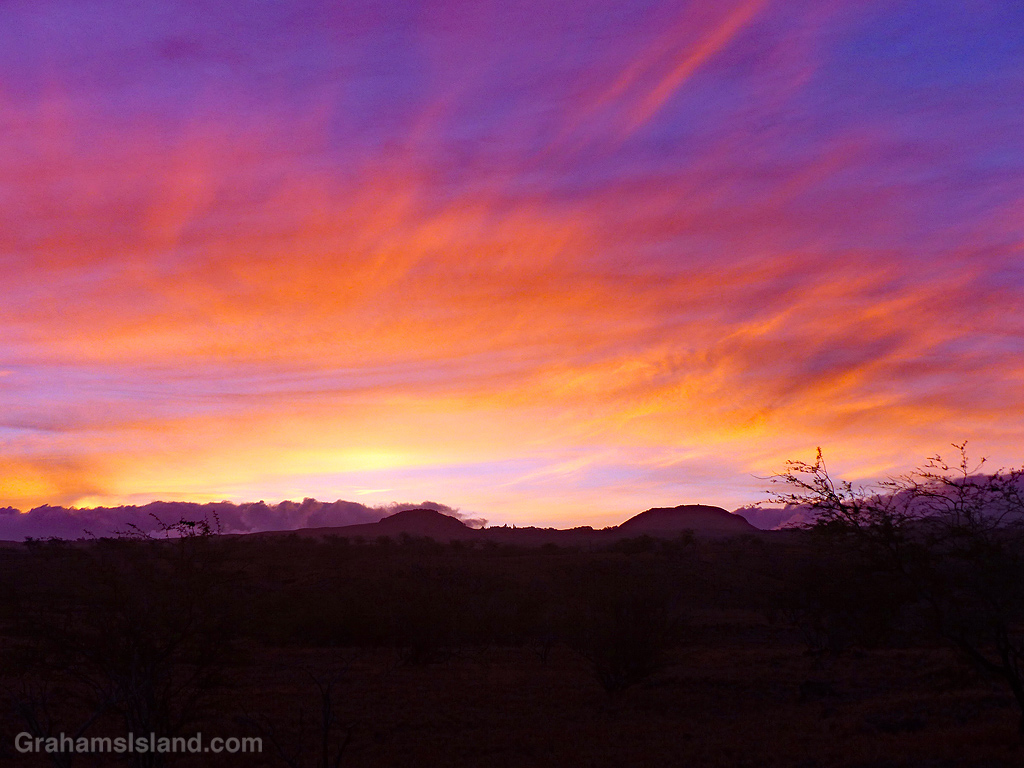
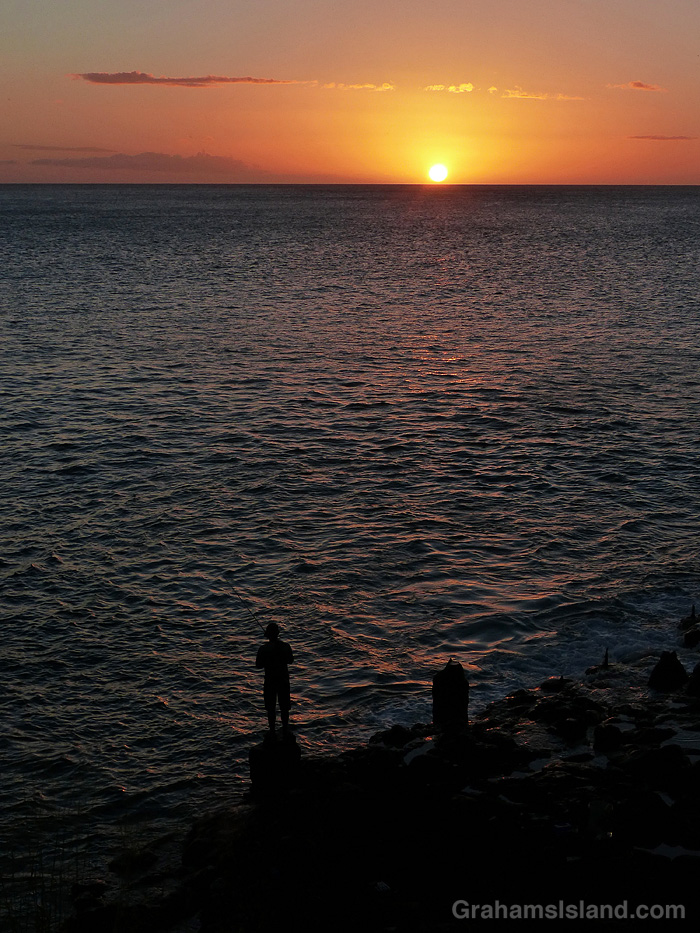
Wracked by my usual indecision, I opted for both. The top photo is a sunrise over Kohala Mountain. The second photo shows a fisherman at sunset, near the Old Coastguard Station at Upolu.
This week’s Sunday Stills challenge theme is ‘Pink.’ See more responses here.
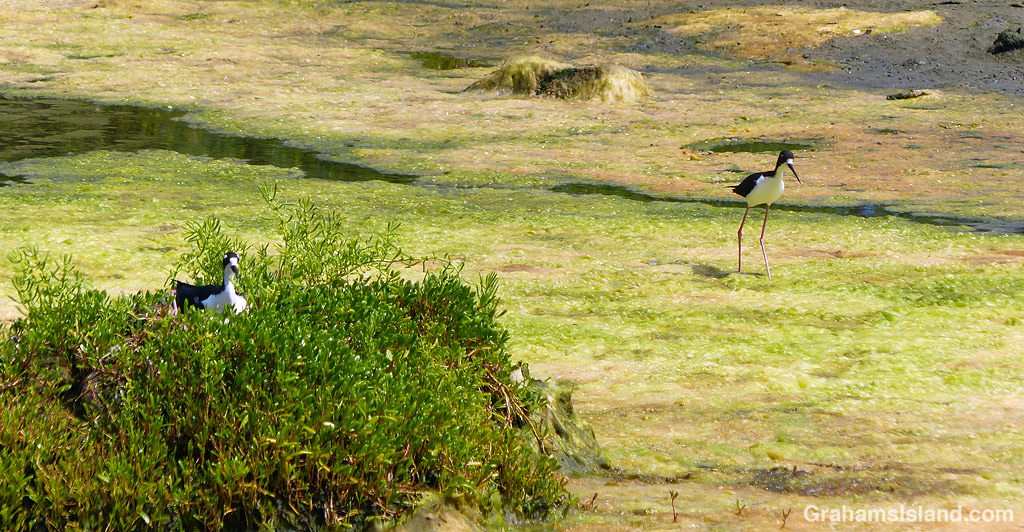
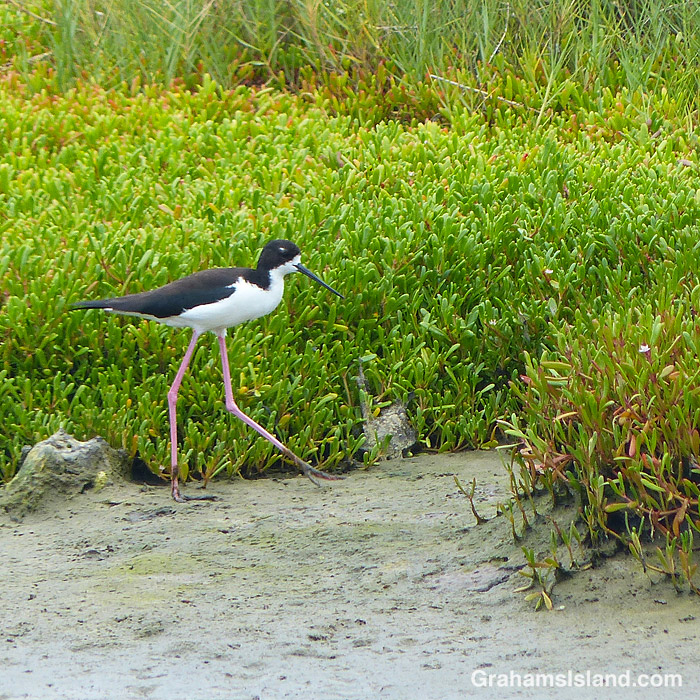
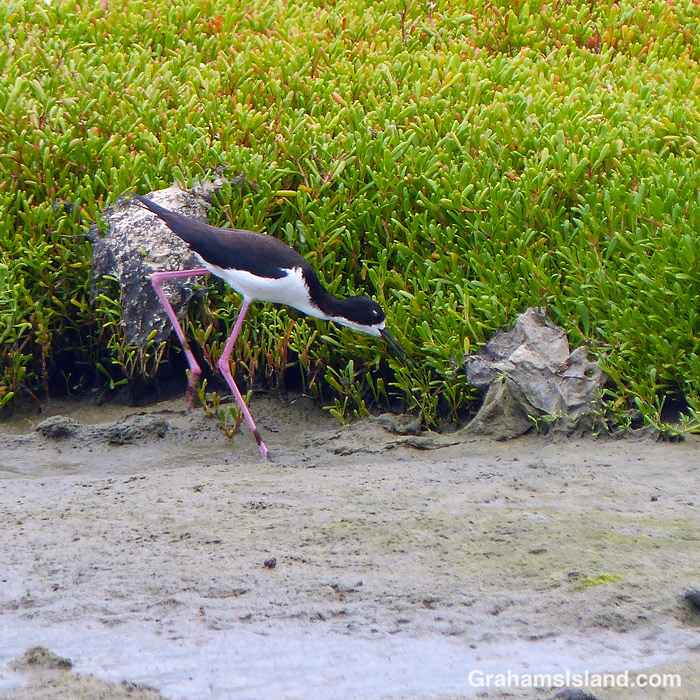
I saw these two Hawaiian stilts at Kohanaiki Beach Park. They were in a pond at the south end of the park and, when I arrived, one was already making a lot of noise. I think this was because another person was walking on the path bordering one side of the pond. My arrival meant that the wading bird kept up its noise as it moved across the pond, away from the bird on the nest.
I took some photos and moved on. When I returned from my walk, 90 minutes later, all was quiet. The bird on the nest was still there, the other was gone. I looked around and saw the other bird in a neighboring pond, at which point, the bird saw me. It immediately began making a lot of noise and then flew back to the pond where the nest was. After a splashy landing it gathered itself, gave me a long look and then began wading along the edge of the pond, probing for snacks. It occurred to me that this bird’s very demonstrative behavior was mostly to get my attention and, by doing so, draw it away from the nesting bird. It kept up its noise, kept moving away from the nest. When I left, the bird quietened immediately. Hawaiian stilts are known for robustly defending their nests and also for such acts as feigning injury to draw attention away from the nest.
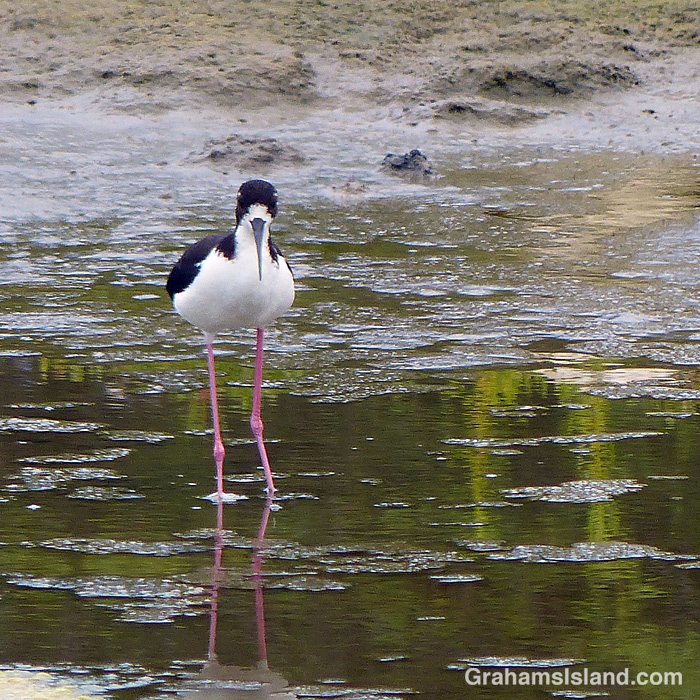
The Hawaiian stilt (Himantopus mexicanus knudseni) is considered a sub-species of the North American black-necked stilt. In Hawaii it’s called the aeʻo. It’s an endangered species and, while the population is considered stable or increasing slightly, it’s estimated that the total population is less than two-thousand birds.
In the little-known-fact department, the Hawaiian stilt’s long, pink legs are the second-longest legs in proportion to their bodies of any bird. Only flamingos rank above them in this regard.



 Graham's Island