
The idea of The Numbers Game is to enter a number into the search bar of your computer and then post a selection of the photos that turn up. This week’s number is 229. Captions are on the photos. You can see more responses here.


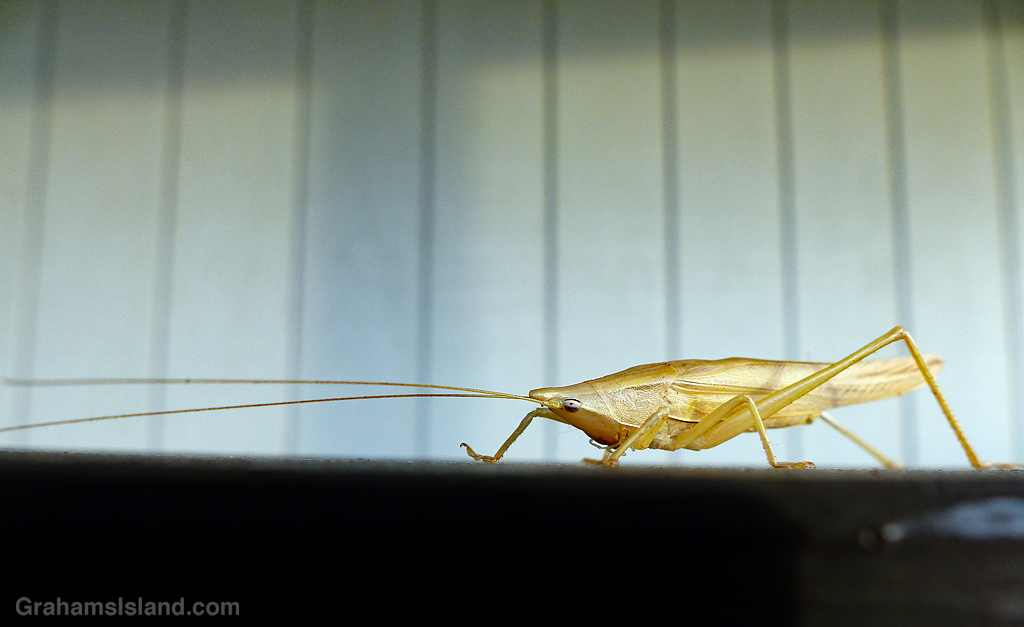
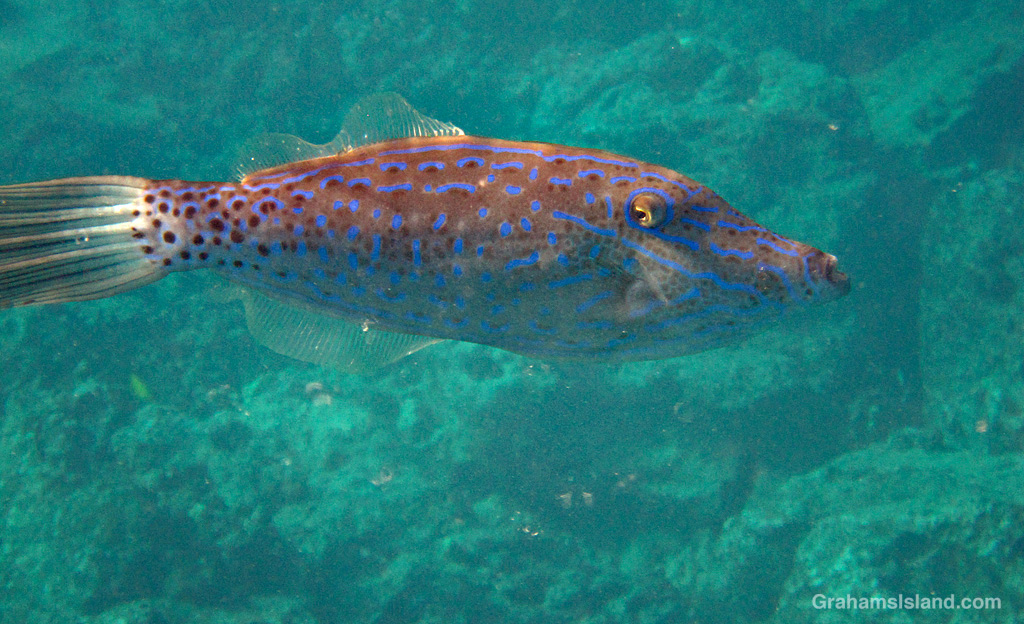
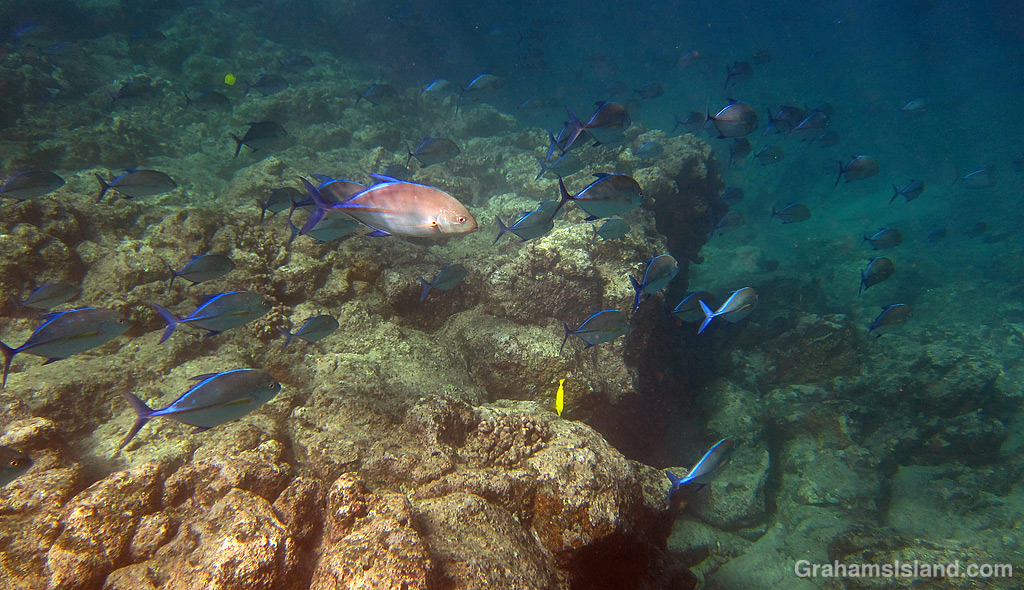
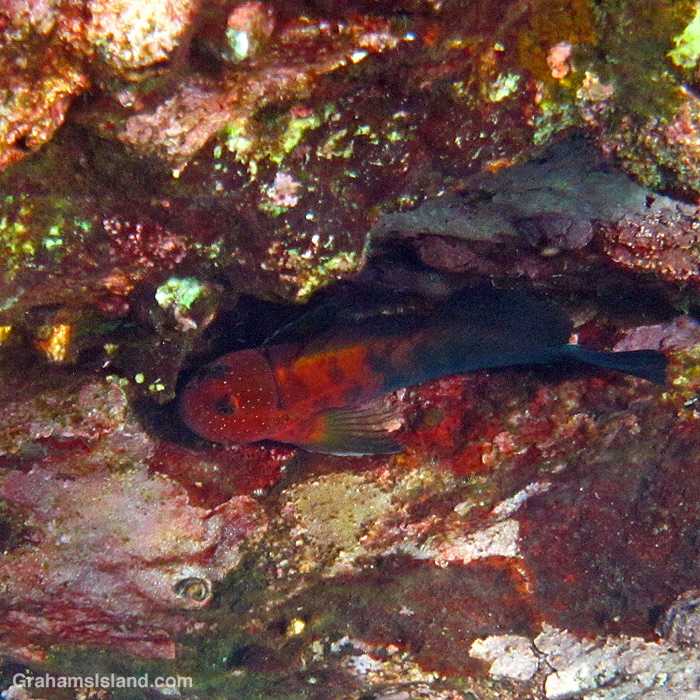

The idea of The Numbers Game is to enter a number into the search bar of your computer and then post a selection of the photos that turn up. This week’s number is 229. Captions are on the photos. You can see more responses here.
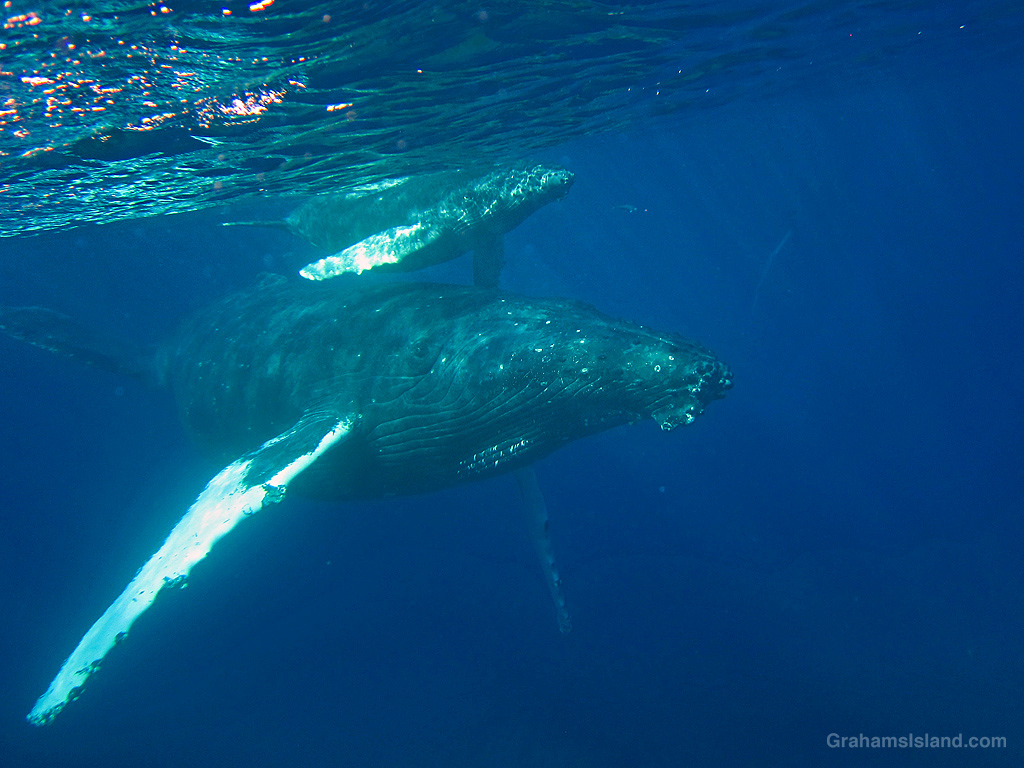
This week’s Sunday Stills challenge theme is ‘Year in review.’ See more responses here. As usual, I’ve picked a photo from each of the past 12 months and included a link to the original post.

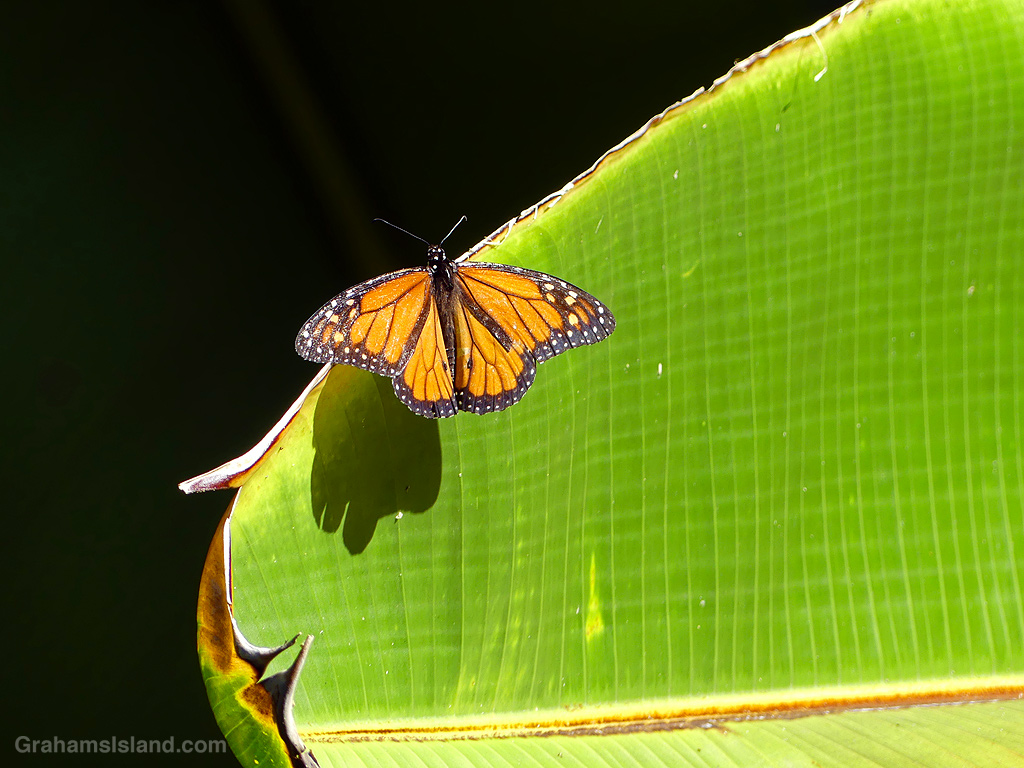

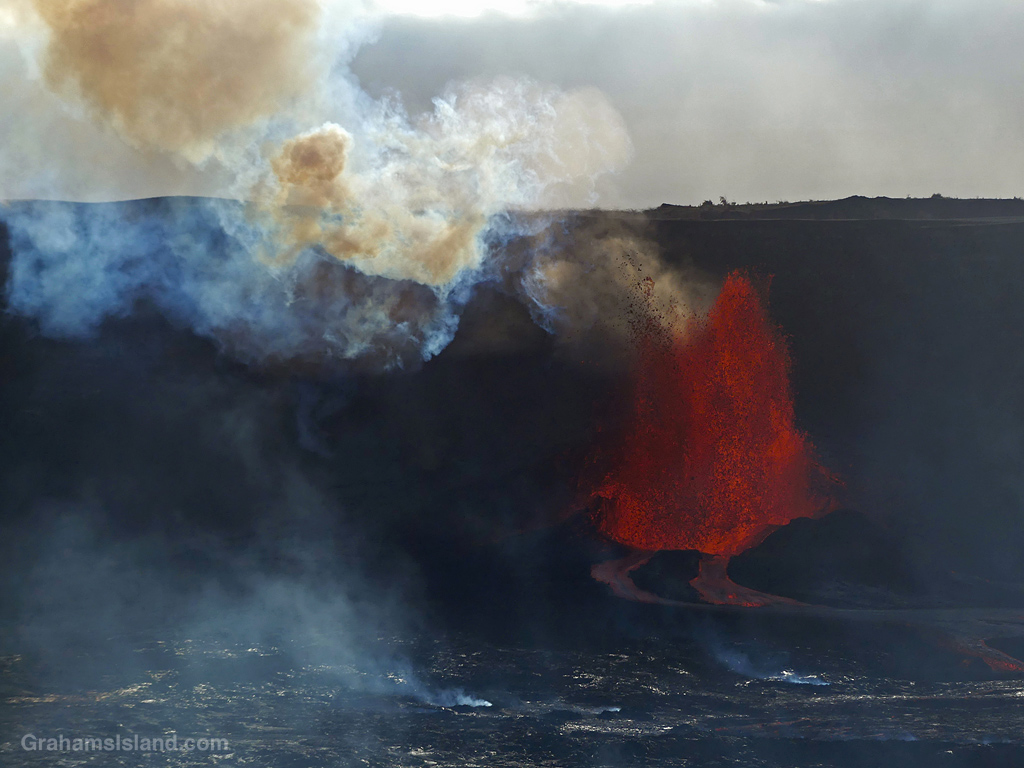


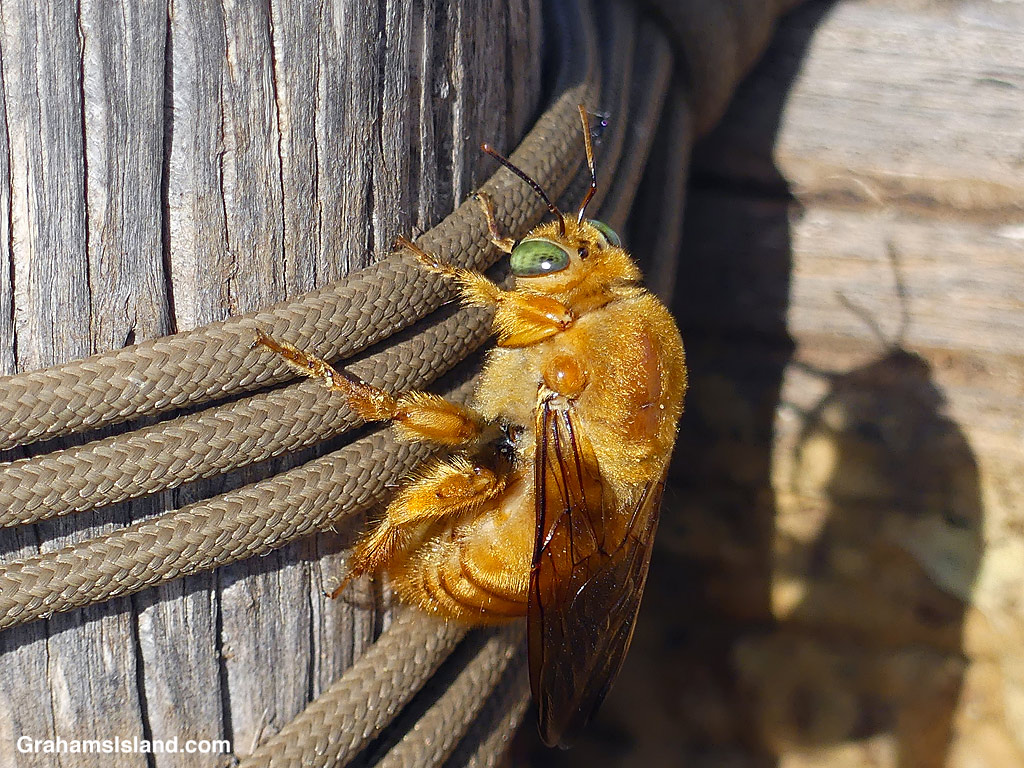

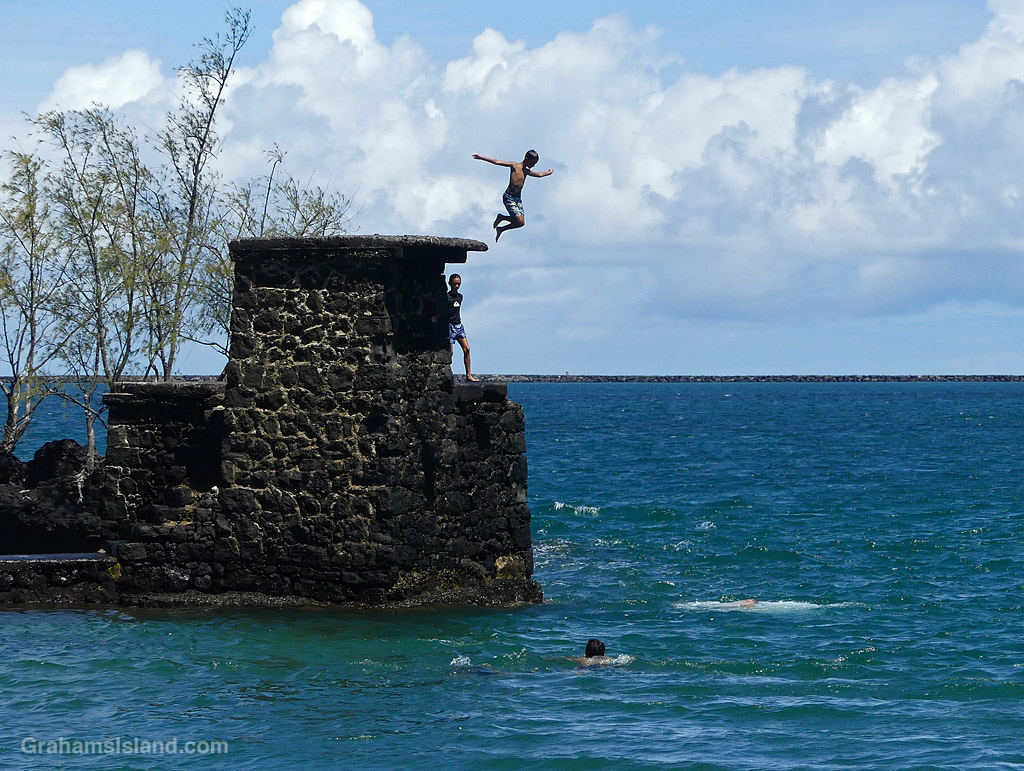
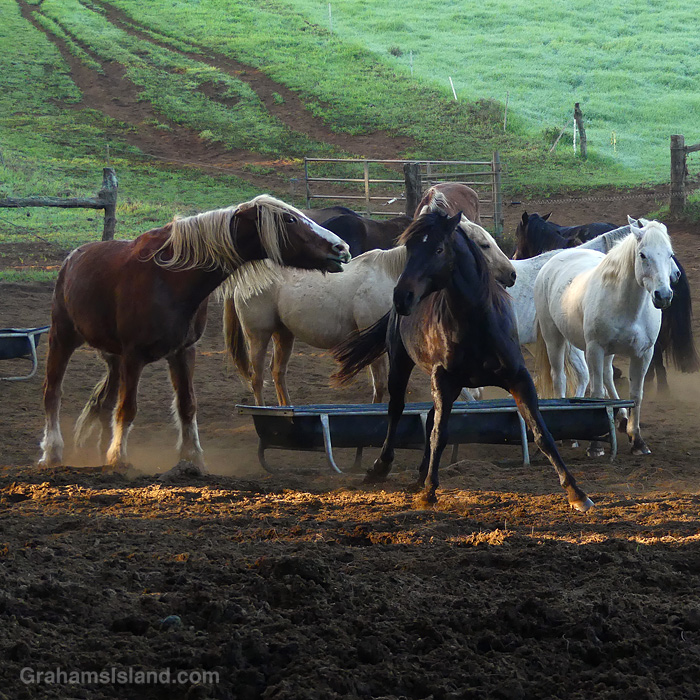
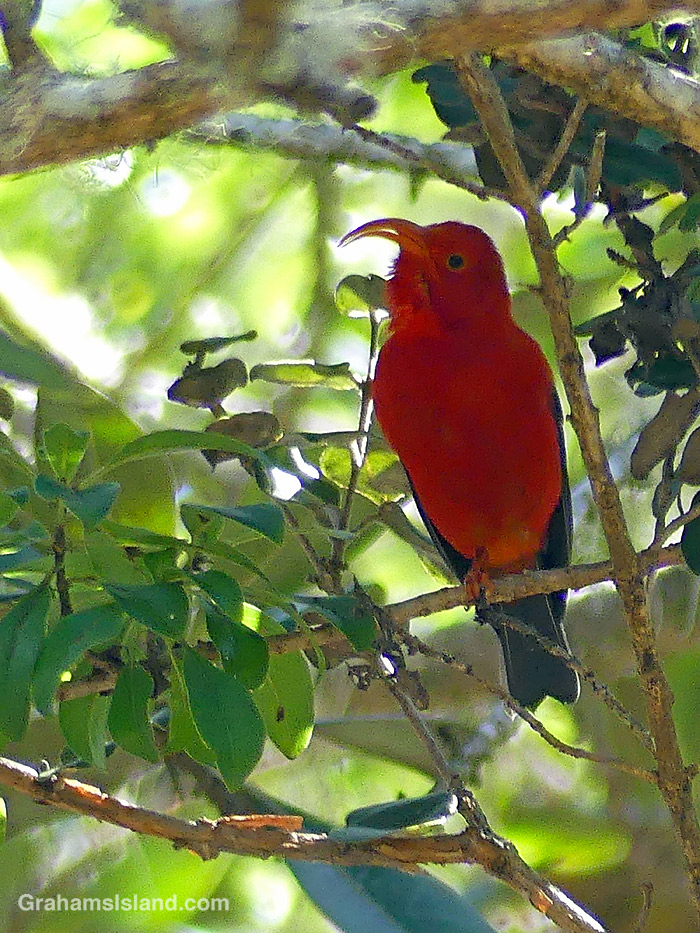
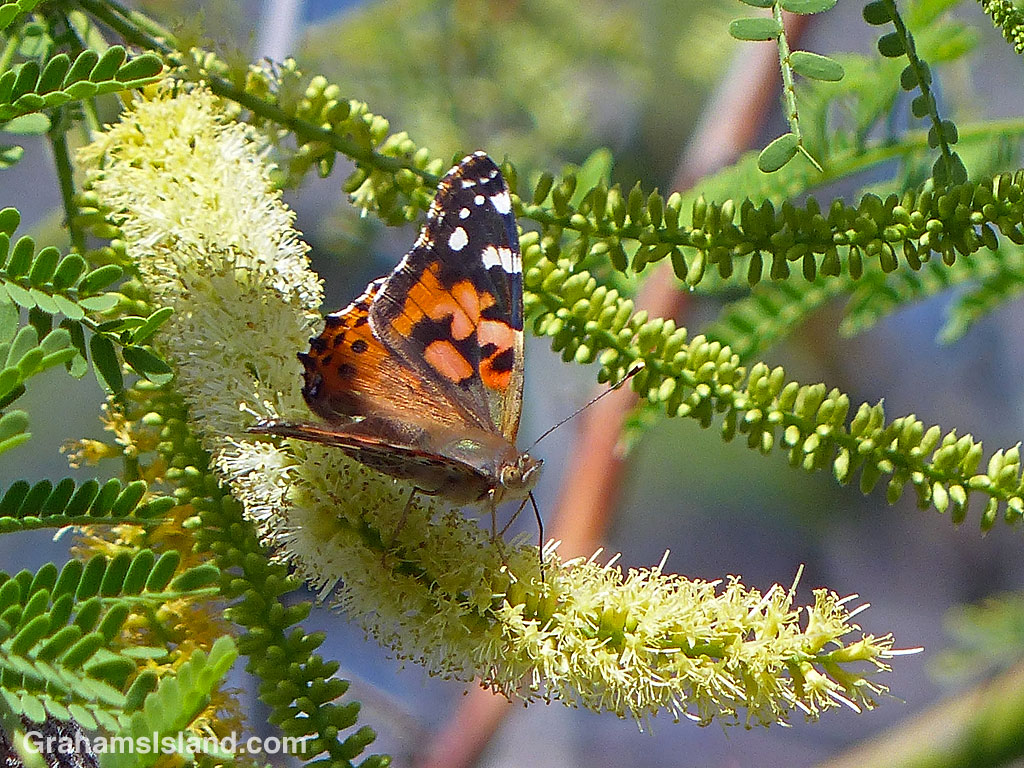
The idea of The Numbers Game is to enter a number into the search bar of your computer and then post a selection of the photos that turn up. This week’s number is 227. Captions are on the photos. You can see more responses here.
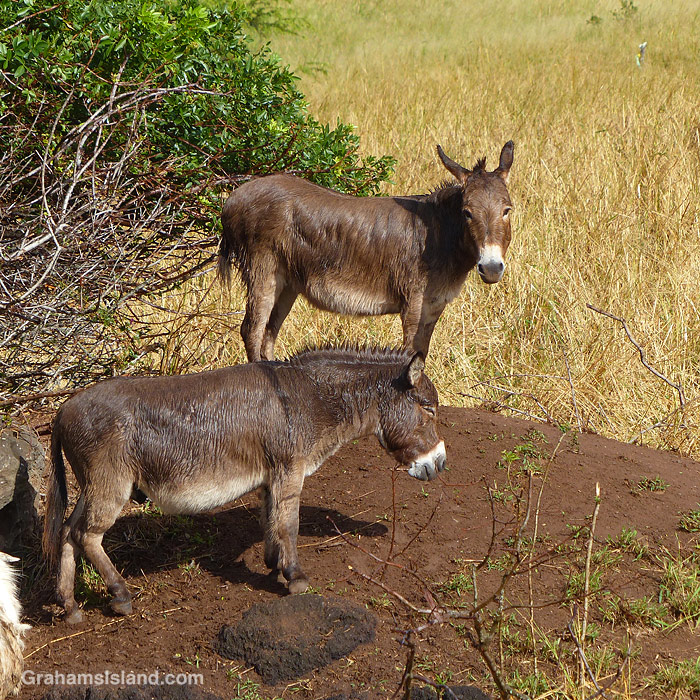
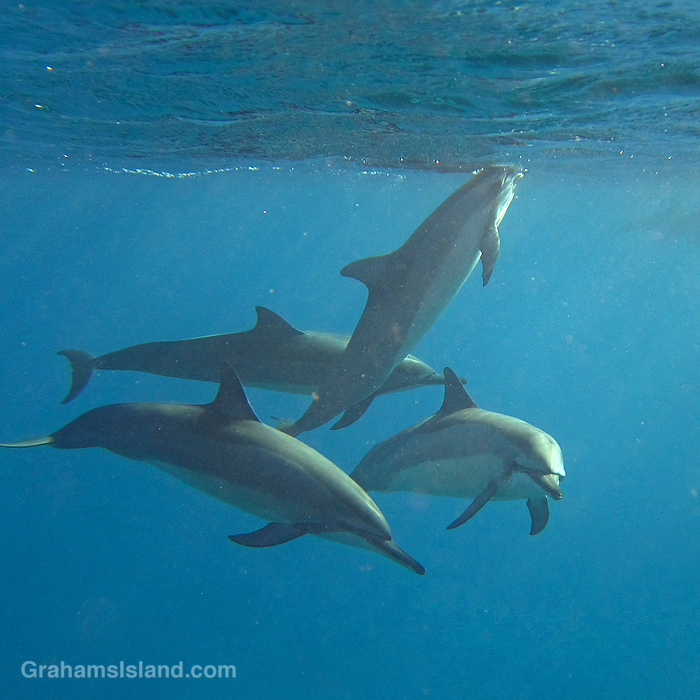
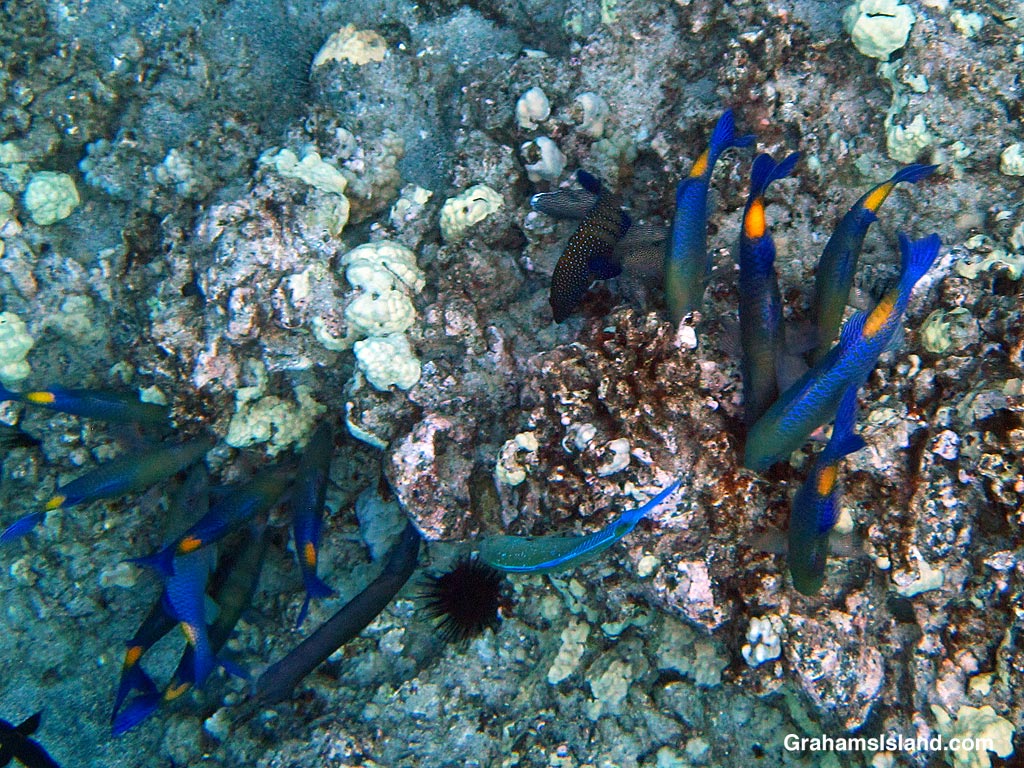
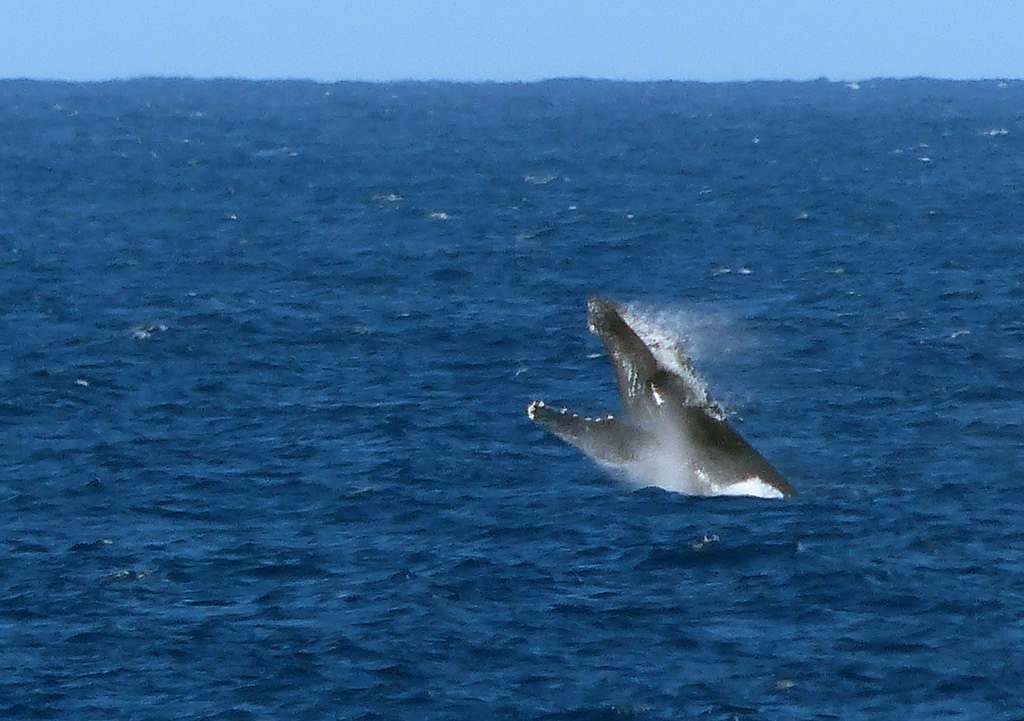
The idea of The Numbers Game is to enter a number into the search bar of your computer and then post a selection of the photos that turn up. This week’s number is 226. Captions are on the photos. You can see more responses here.
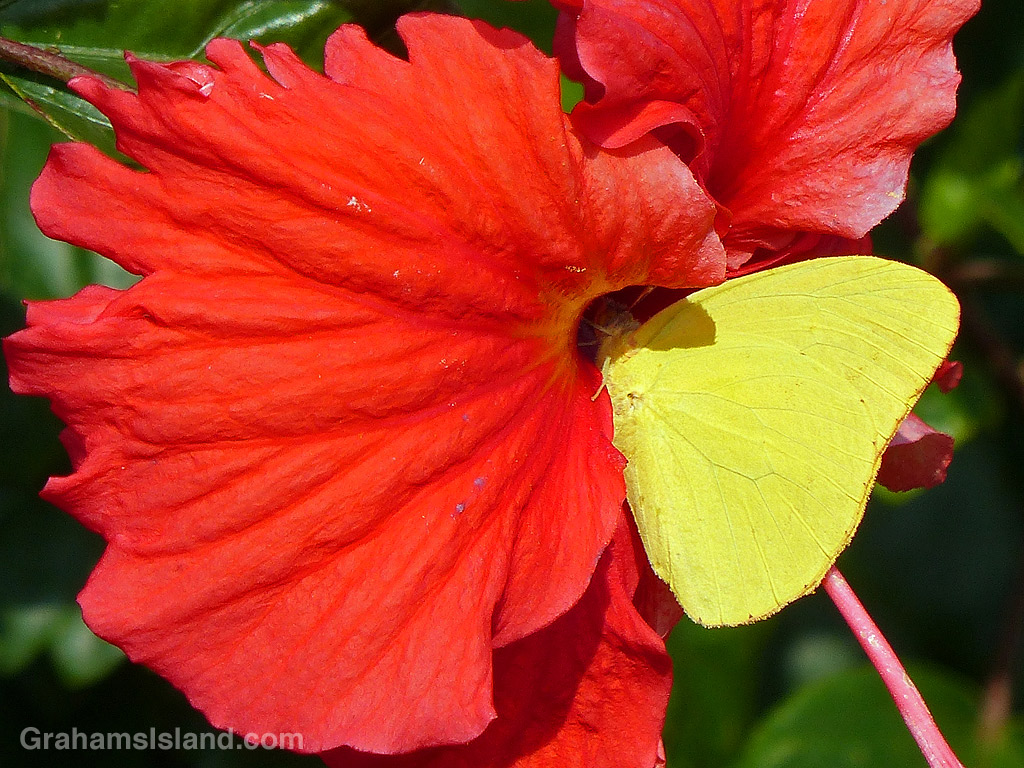

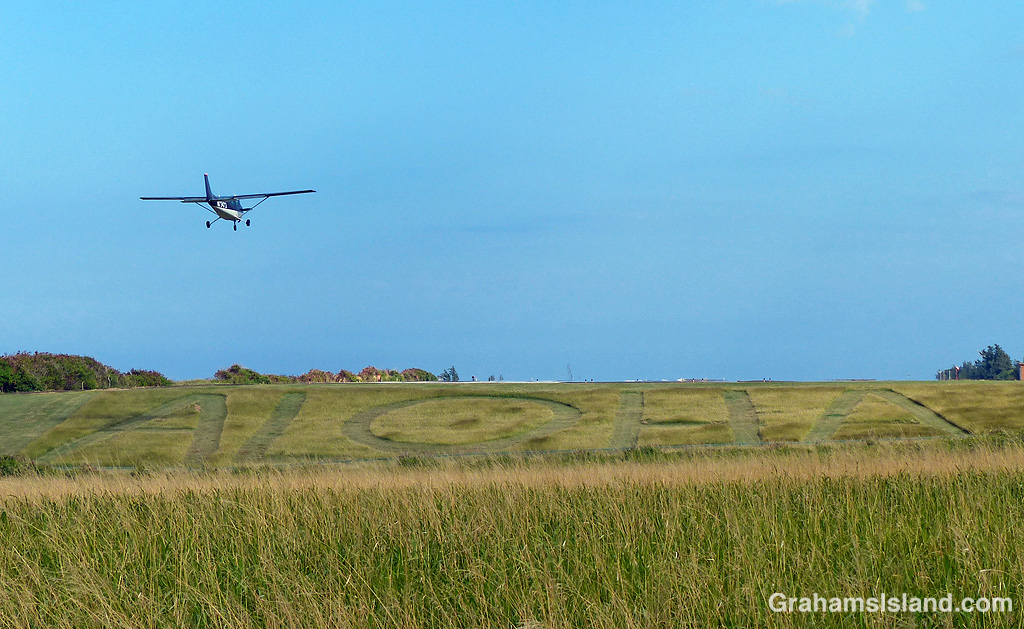
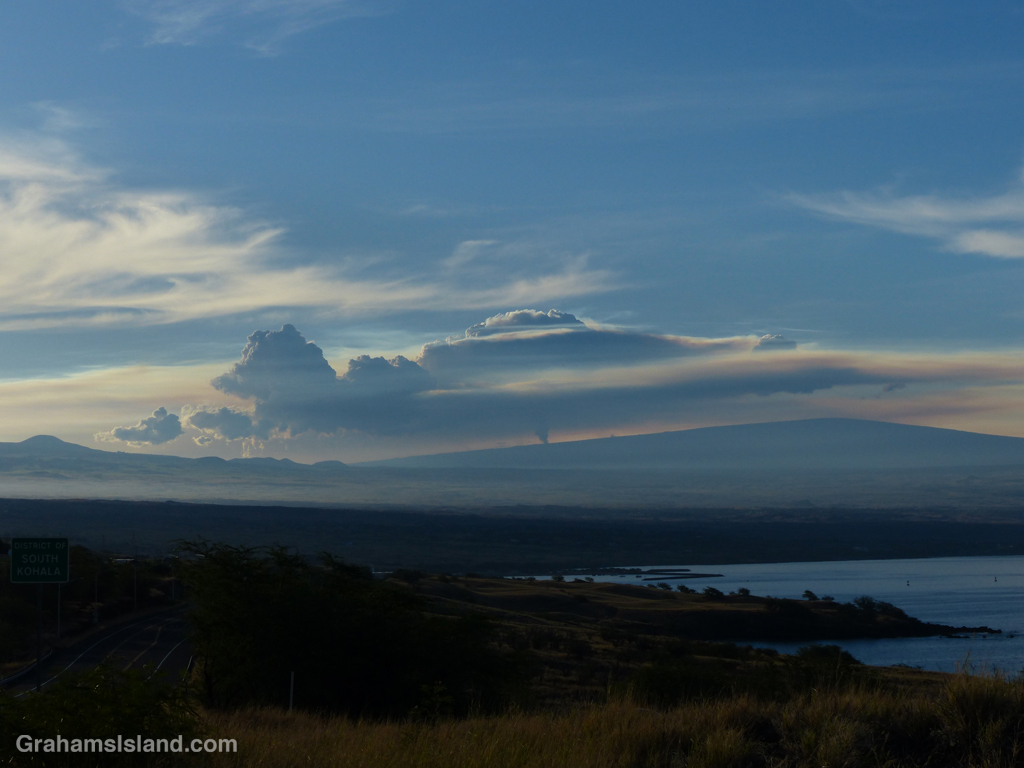
The idea of The Numbers Game is to enter a number into the search bar of your computer and then post a selection of the photos that turn up. This week’s number is 225. Captions are on the photos. You can see more responses here.
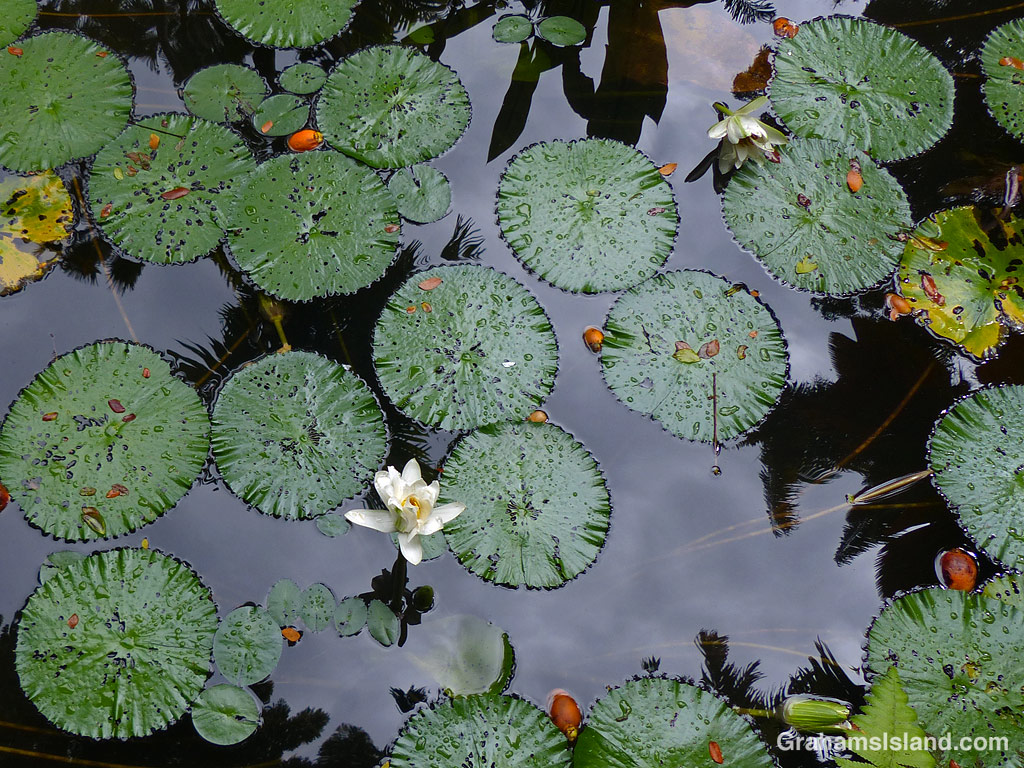

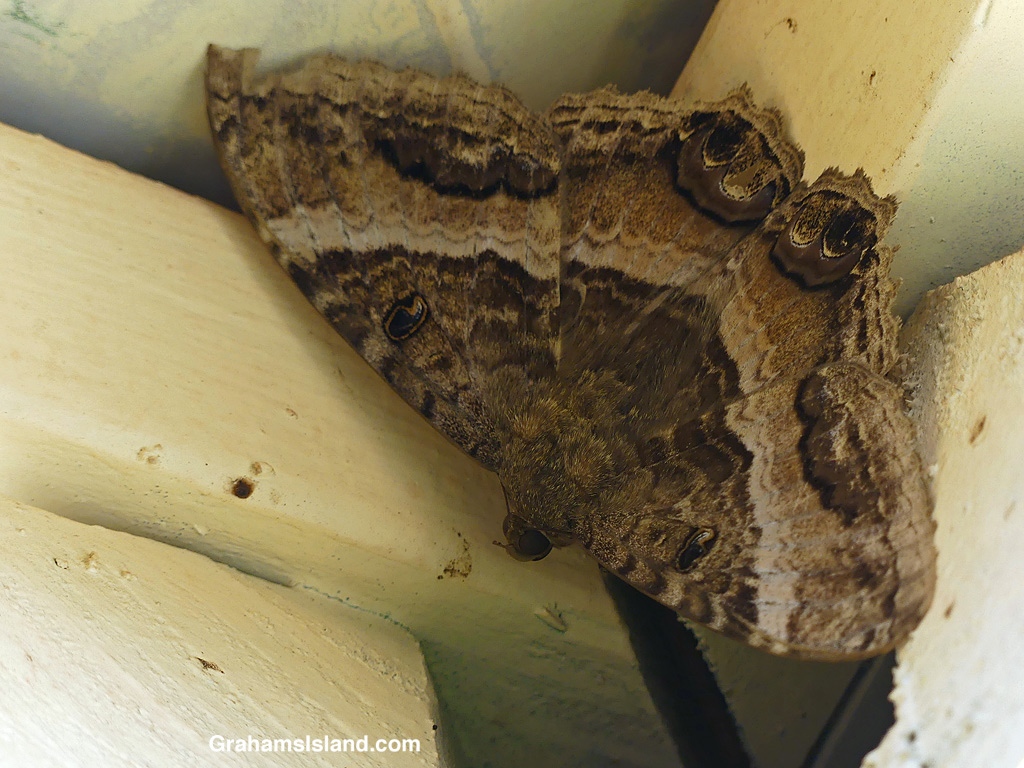
A Black Witch Moth finds a bit of shelter under the eaves. It was a sunny day, but the trades were blowing.

The idea of The Numbers Game is to enter a number into the search bar of your computer and then post a selection of the photos that turn up. This week’s number is 224. Captions are on the photos. You can see more responses here.
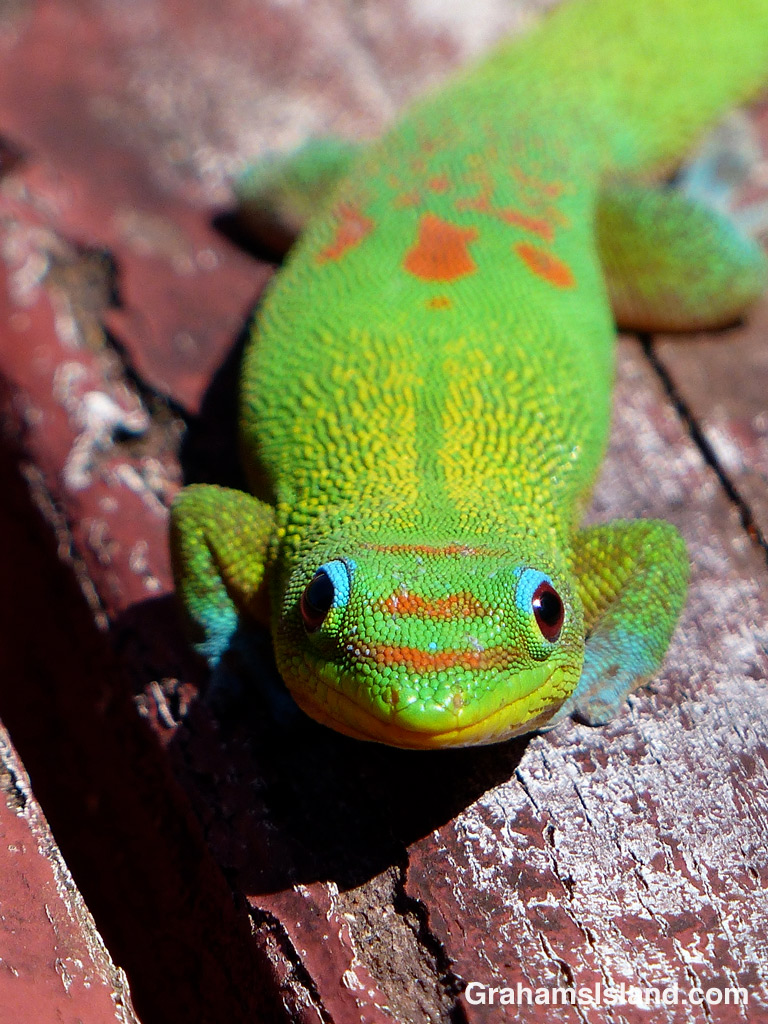
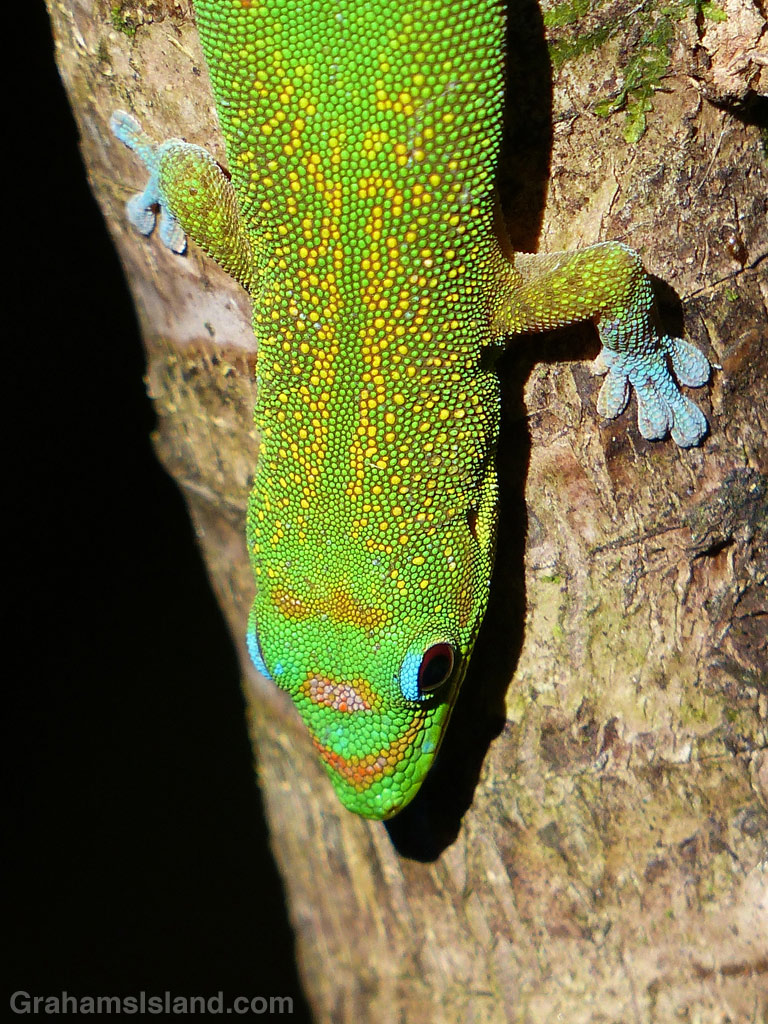
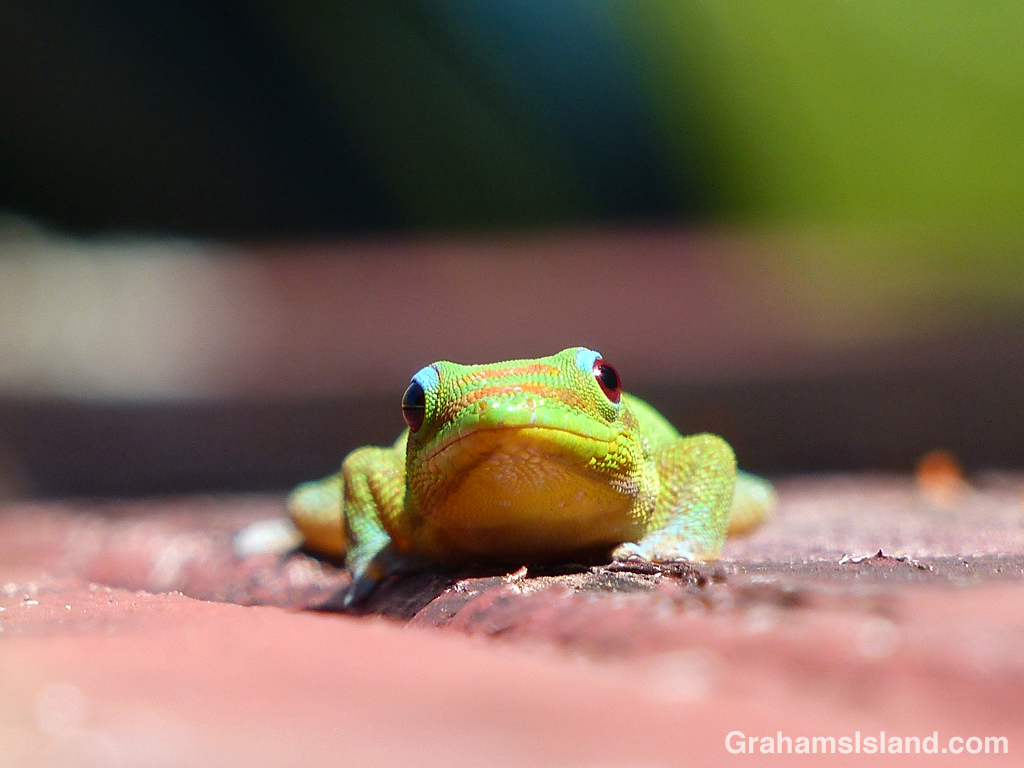
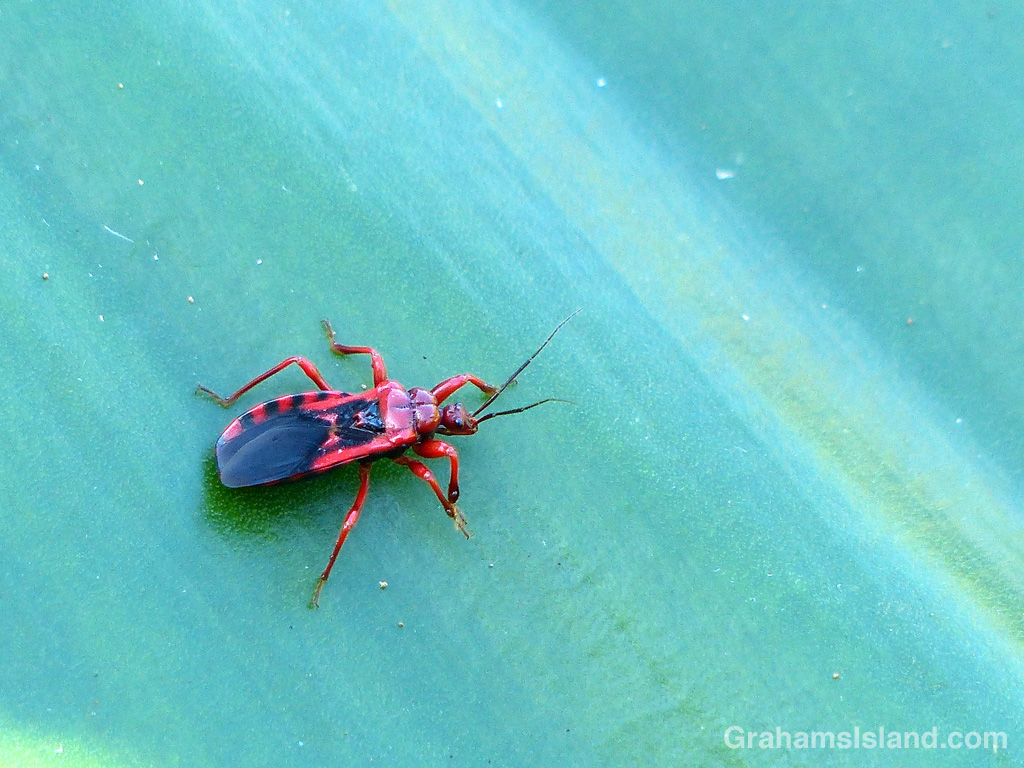
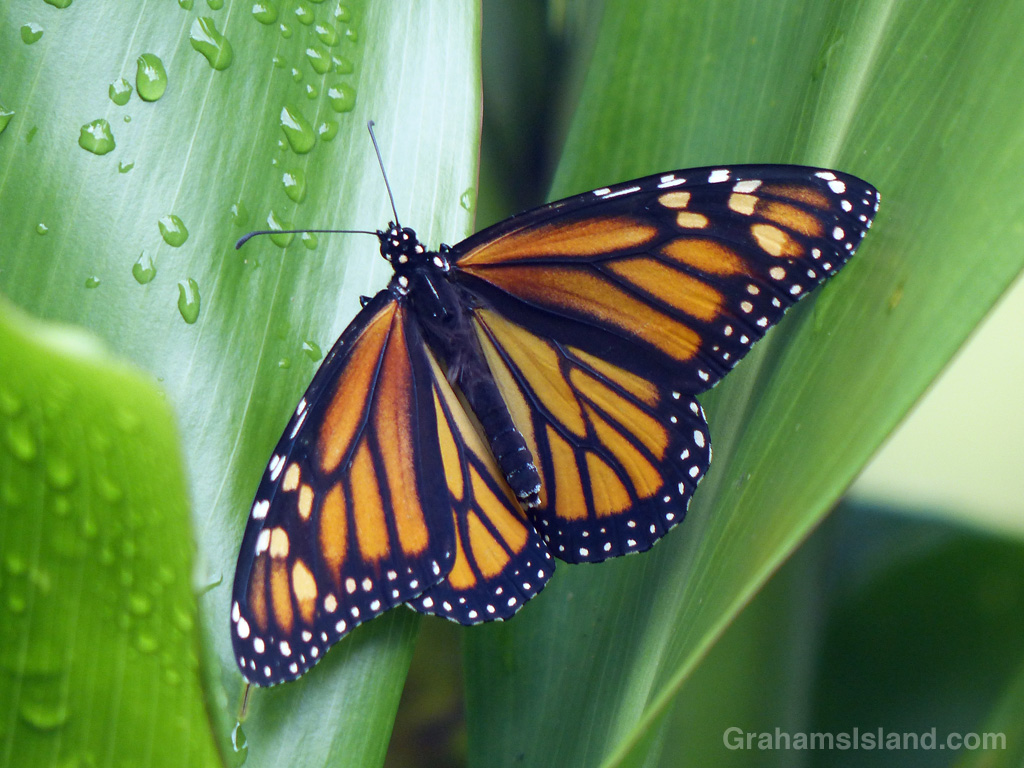
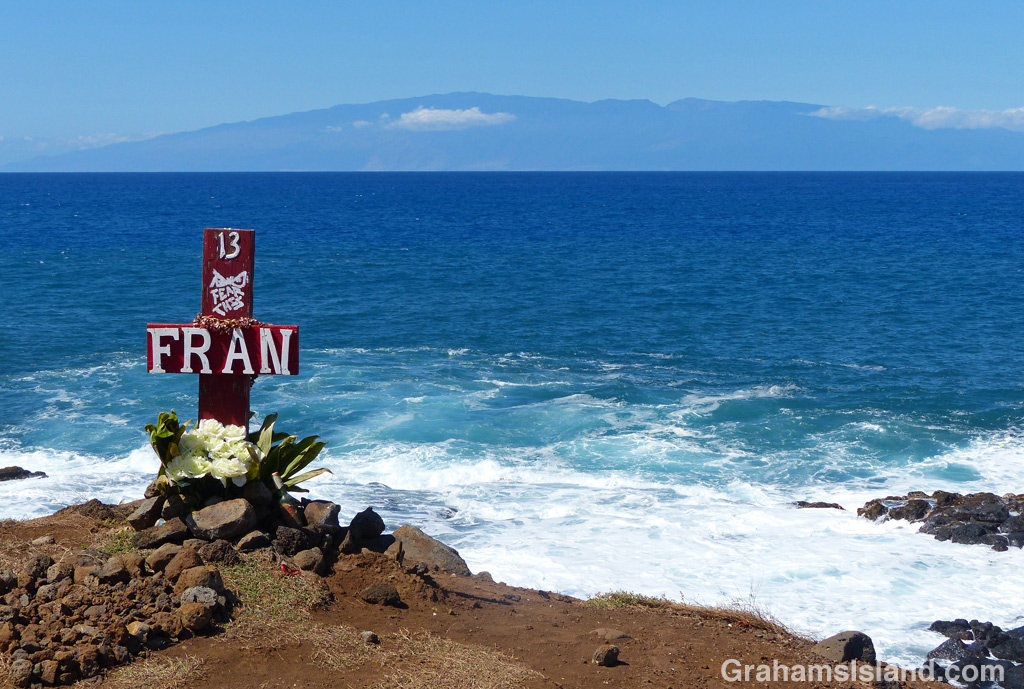
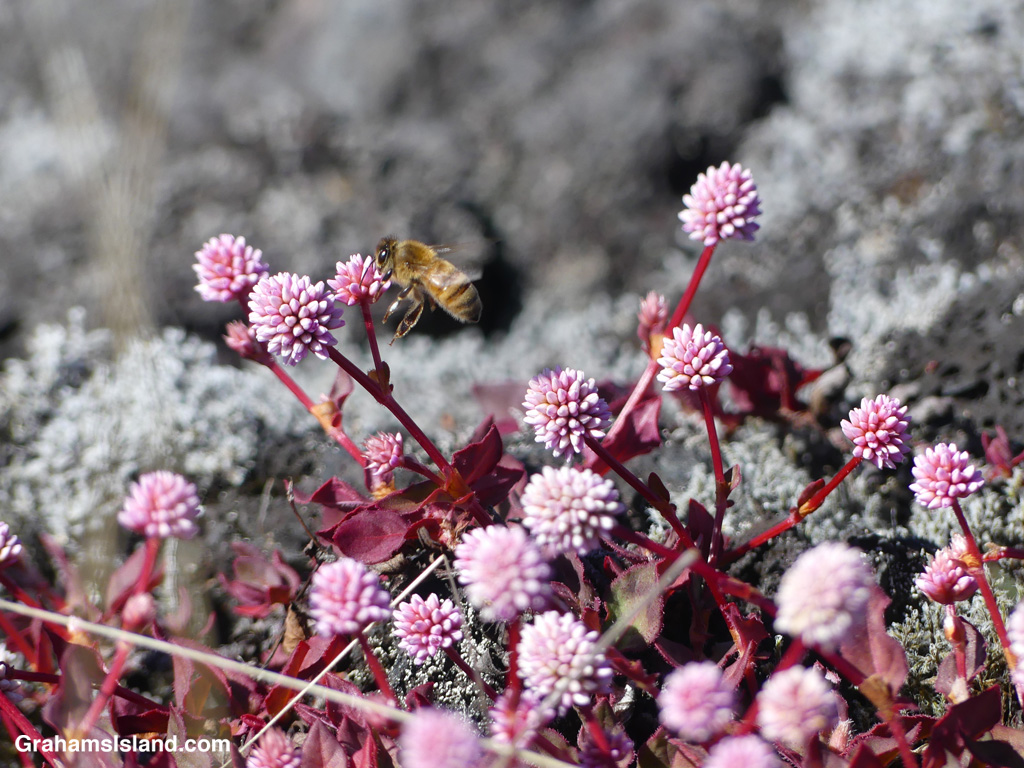
The last photo from a hike on the Pu’u O’u Trail a couple of days ago.
Posted for Bushboy’s Last on the Card. See more responses here.
 Graham's Island