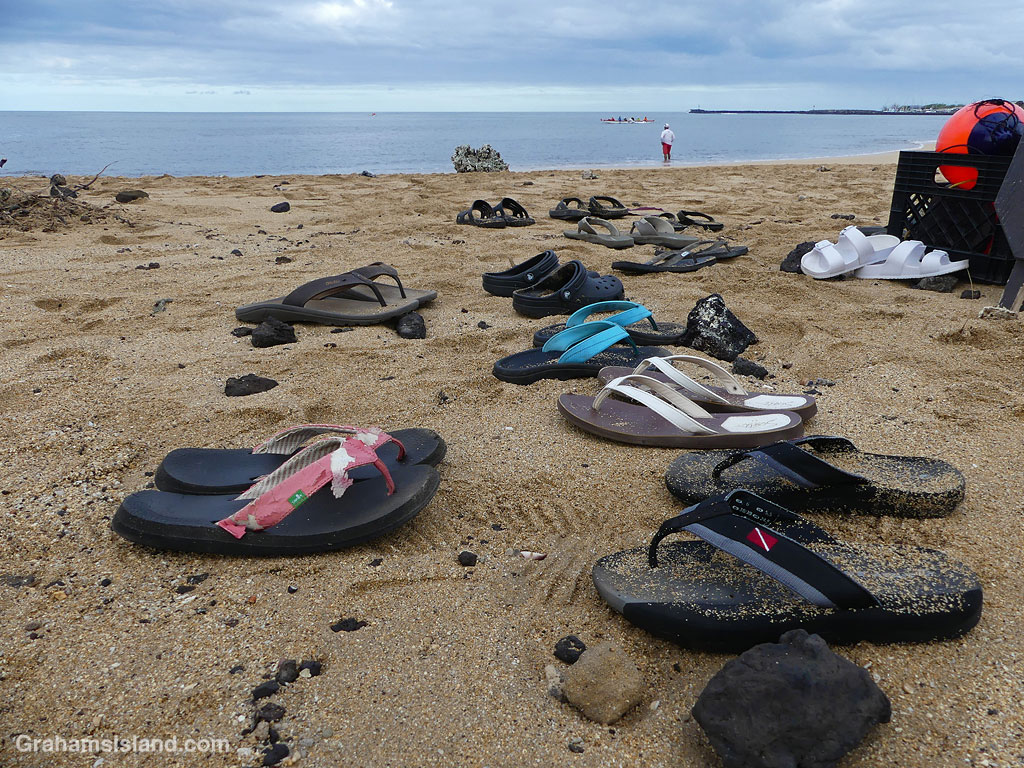
These slippahs, or slippers, were at Spencer Beach Park and had been left on the beach by people out in canoes. But it is customary in Hawaii to remove your footwear when entering someone’s home. This is an import from Asian traditions. Here, most people go barefoot but some, including us, switch to house slippahs, which are only used indoors. I like this because I have no wish to step on a centipede with a bare foot!
The Hawaiian Stilt or Ae’o is endemic to Hawaii and is a subspecies of the mainland Black-necked Stilt. It’s listed as endangered with a population of around 2,000 birds, a number that has been increasing very slowly over the last few years.
Their plight is due to the usual reasons. They were popular hunting targets until that was banned in the 1940s. But a variety of predators, including cats, dogs, mongooses, and other birds such as Barn Owls and Cattle Egrets, are still a significant threat. So too is loss of habitat, mostly shallow wetlands, to development, agriculture, and pollution.
These three were at Kohanaiki Beach Park, where Hawaiian Stilts can often be seen feeding and nesting. The two on the left seemed to have nodded off and didn’t move while I watched. But the third was fidgety, preening and looking around, then tucking its head away, before repeating the process several times.
The idea of The Numbers Game is to enter a number into the search bar of your computer and then post a selection of the photos that turn up. This week’s number is 133. Captions are on the photos.
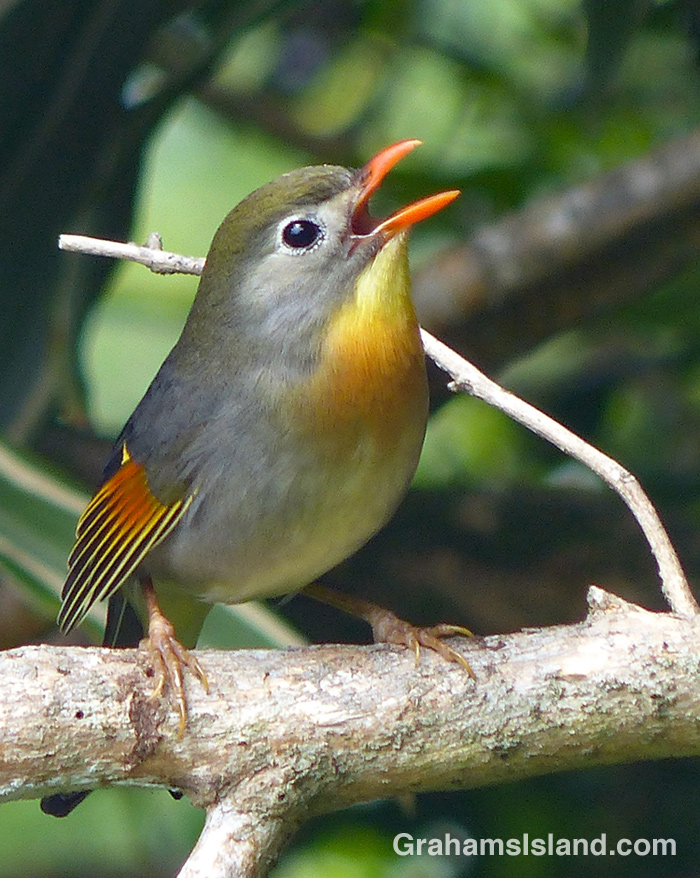
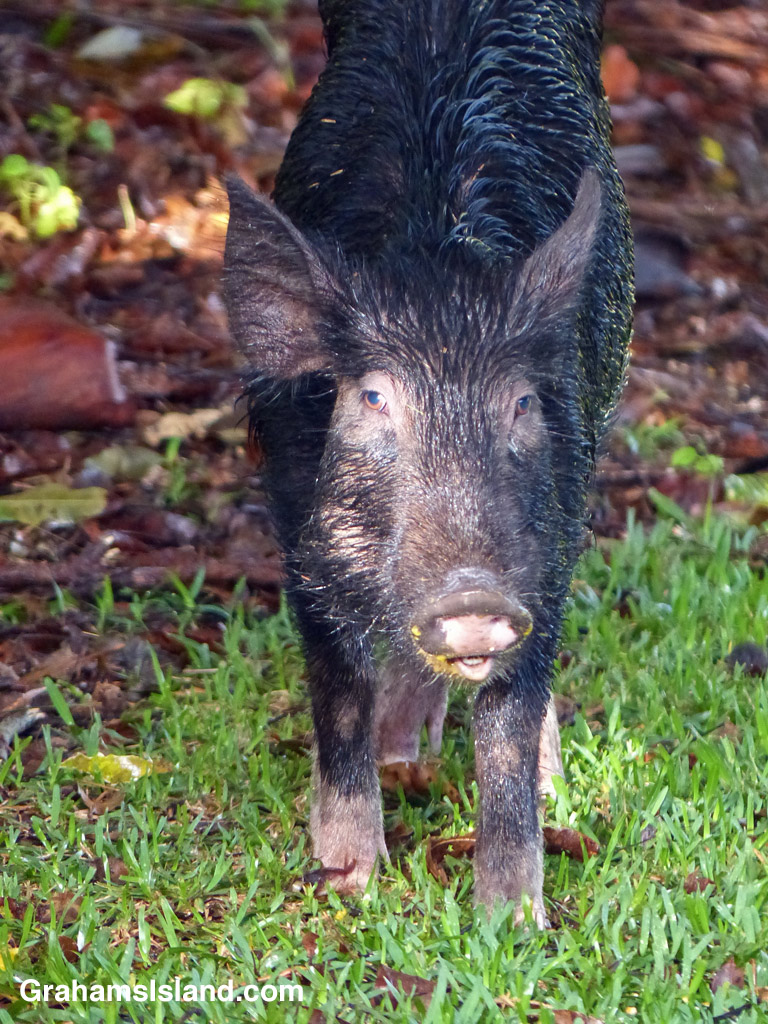
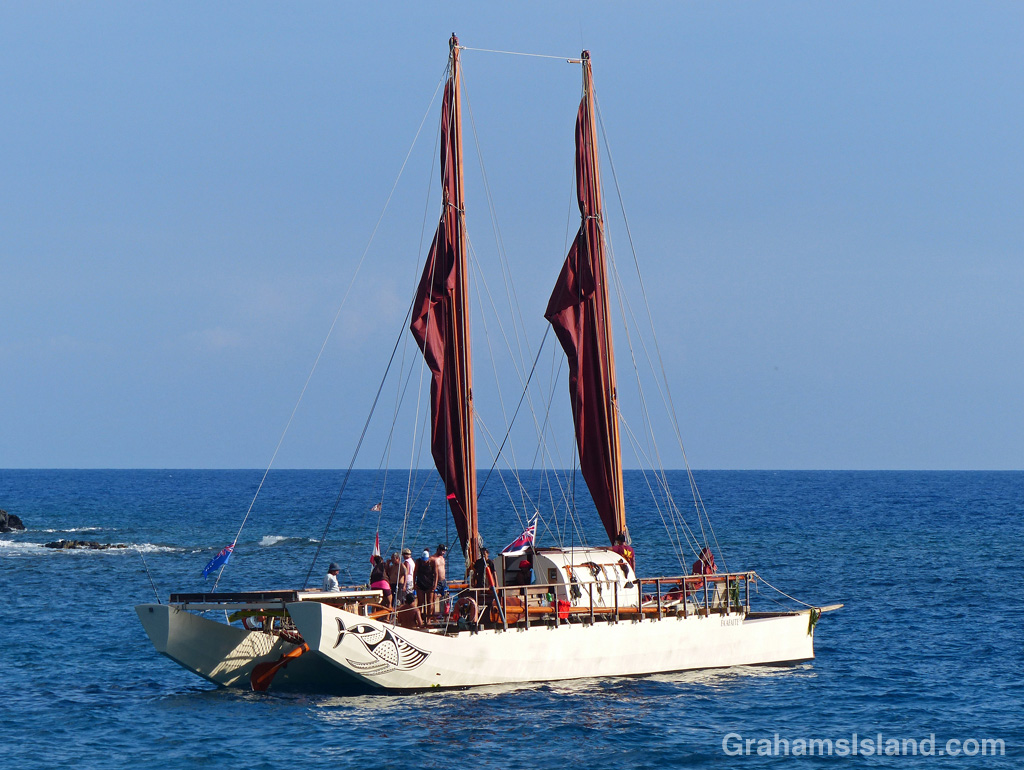
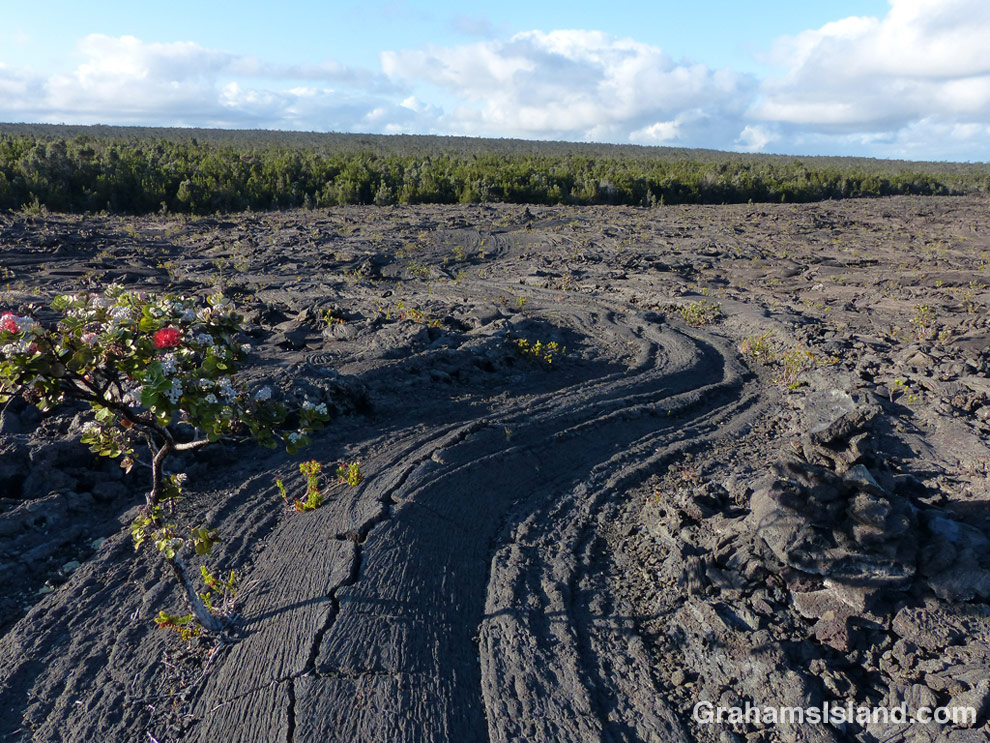
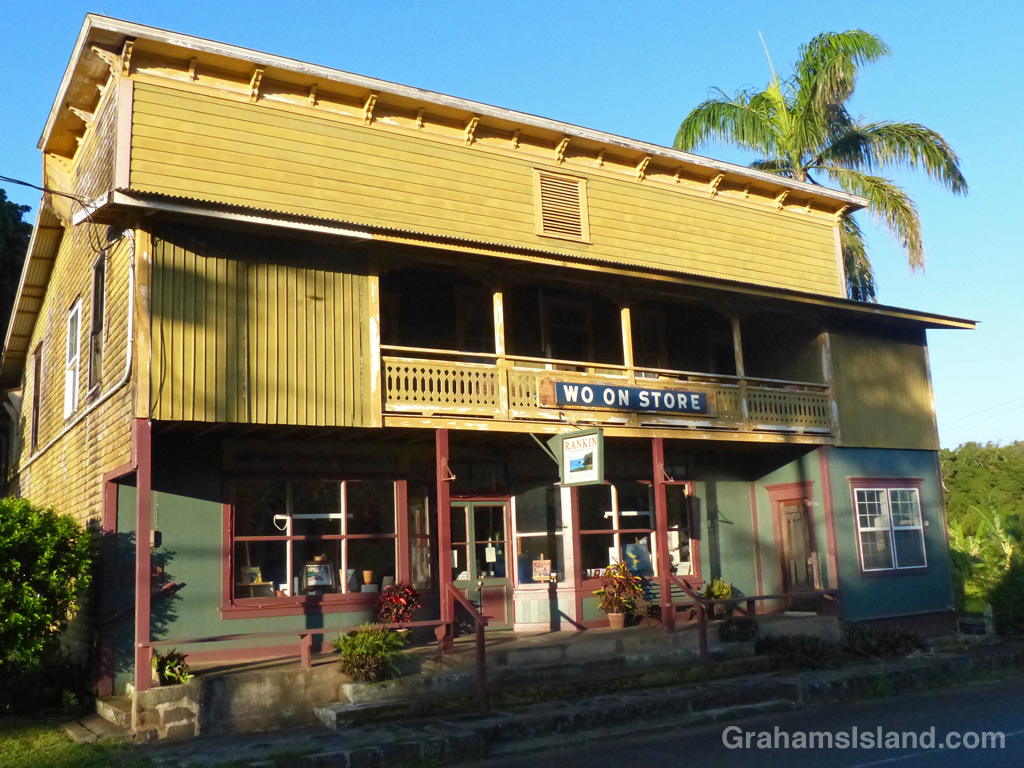
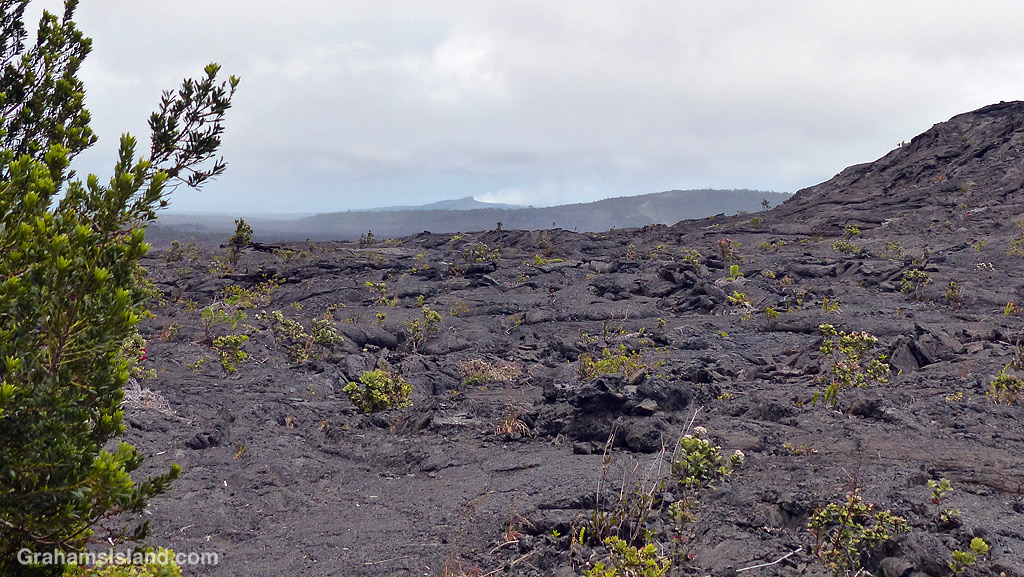
A Red-billed-Leiothrix calls out.A wild pig snacking on mangoes.A cow in conversation with a pair of cattle egrets.The Tahitian voyaging canoe Fa’afaite off Mahukona.An Ohia tree toughing it out in the lava on the Napau Trail.The old Wo On Store at Halawa.A Bougainvillea in a neighbor’s garden.
A view of Pu’u O’o vent, when it was erupting, from the Napau Trail in Hawaii Volcanoes National Park.
The idea of The Numbers Game is to enter a number into the search bar of your computer and then post a selection of the photos that turn up. This week’s number is 132.
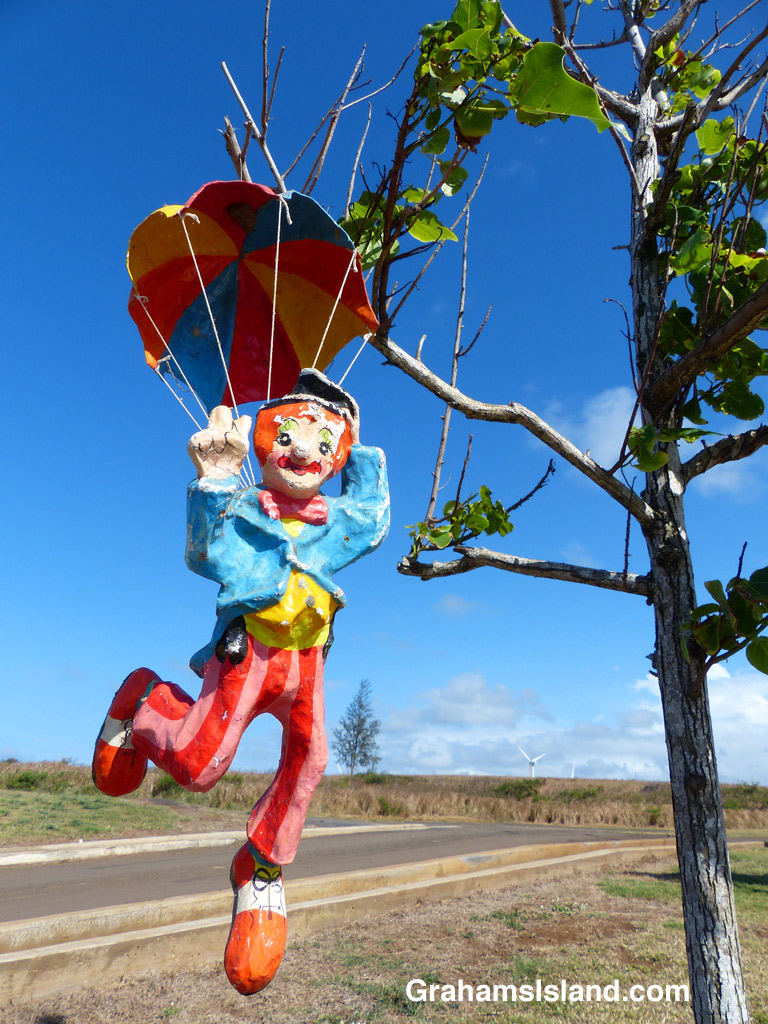
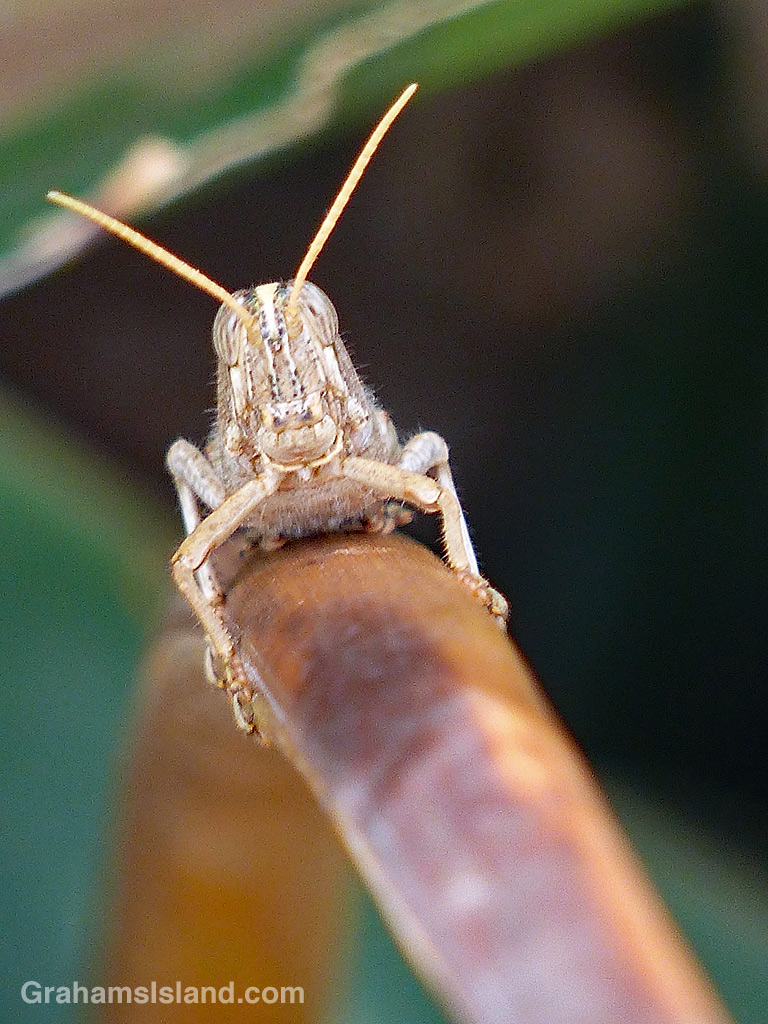
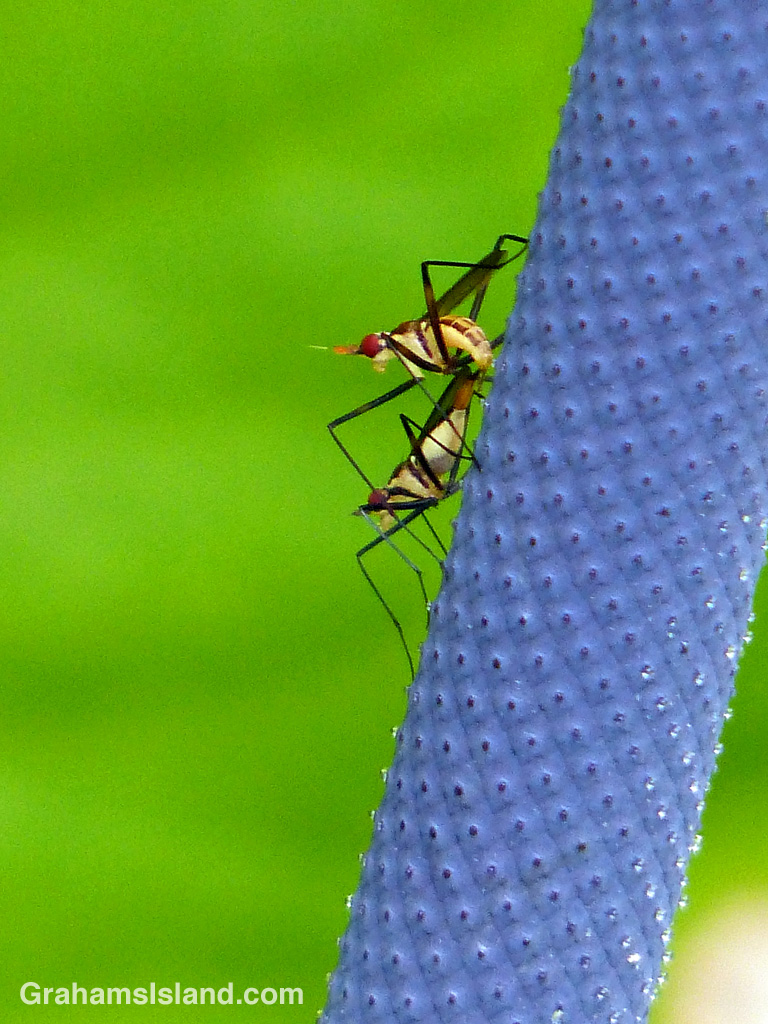
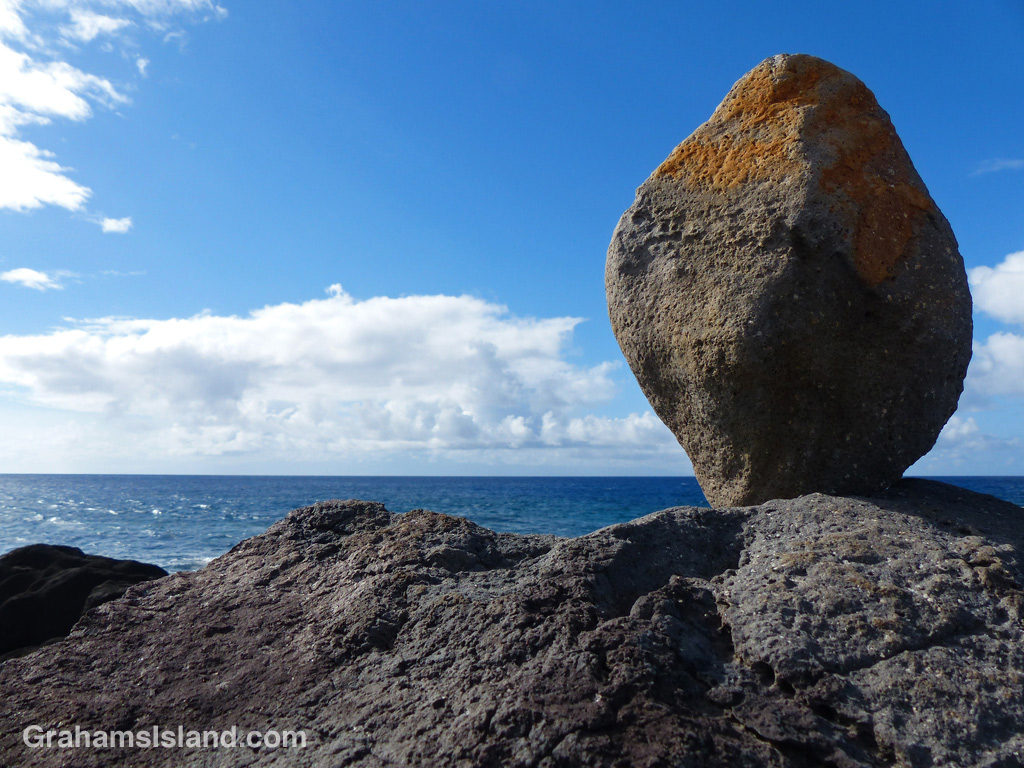
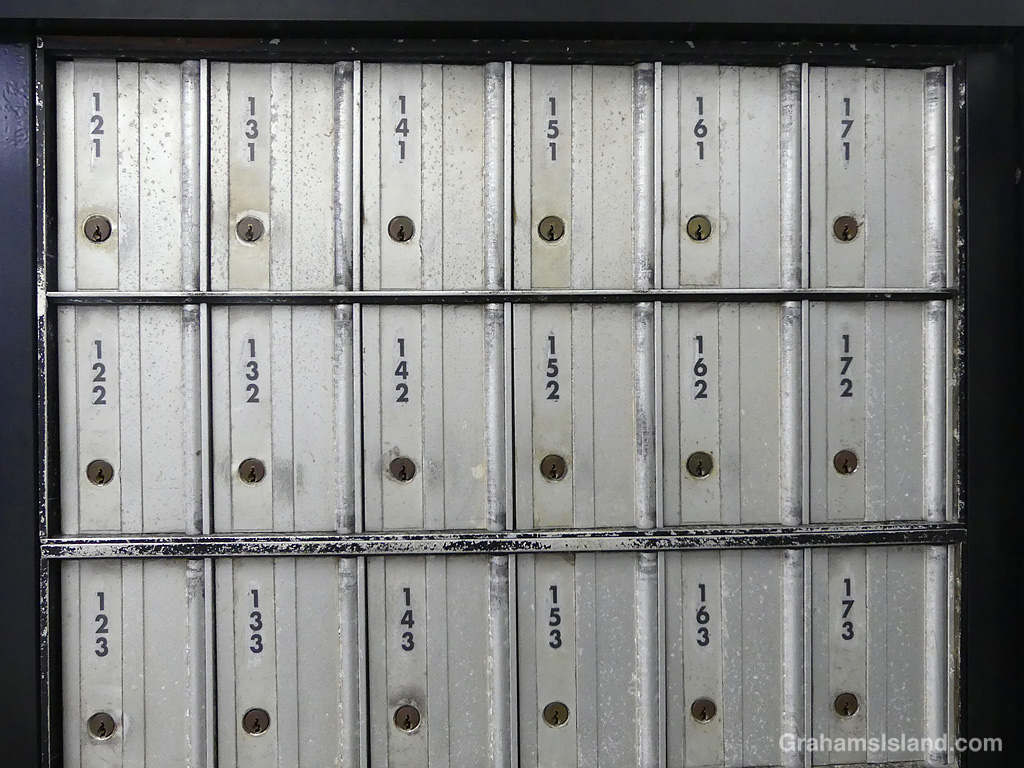
A flying clown. That’s all the world needs!A grasshopper keeping watch.Two Banana Stalk Flies doing, well, you know what.A well balanced rock on the North Kohala coast.Couldn’t resist taking this one at my local post office. I can run this several times!
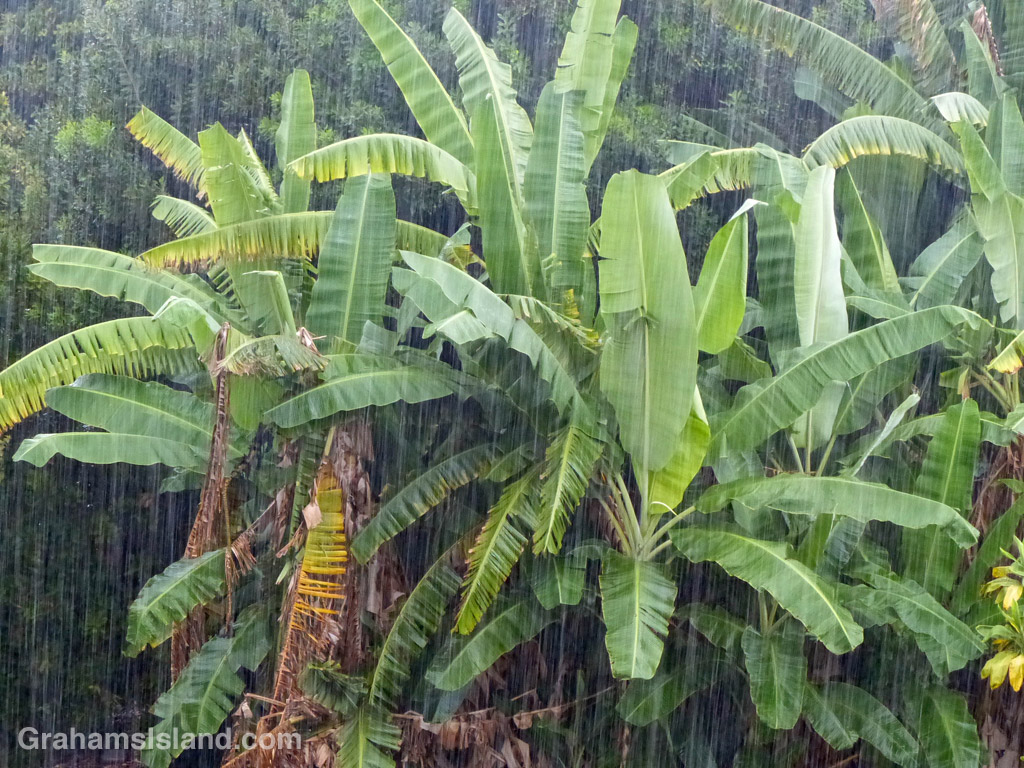
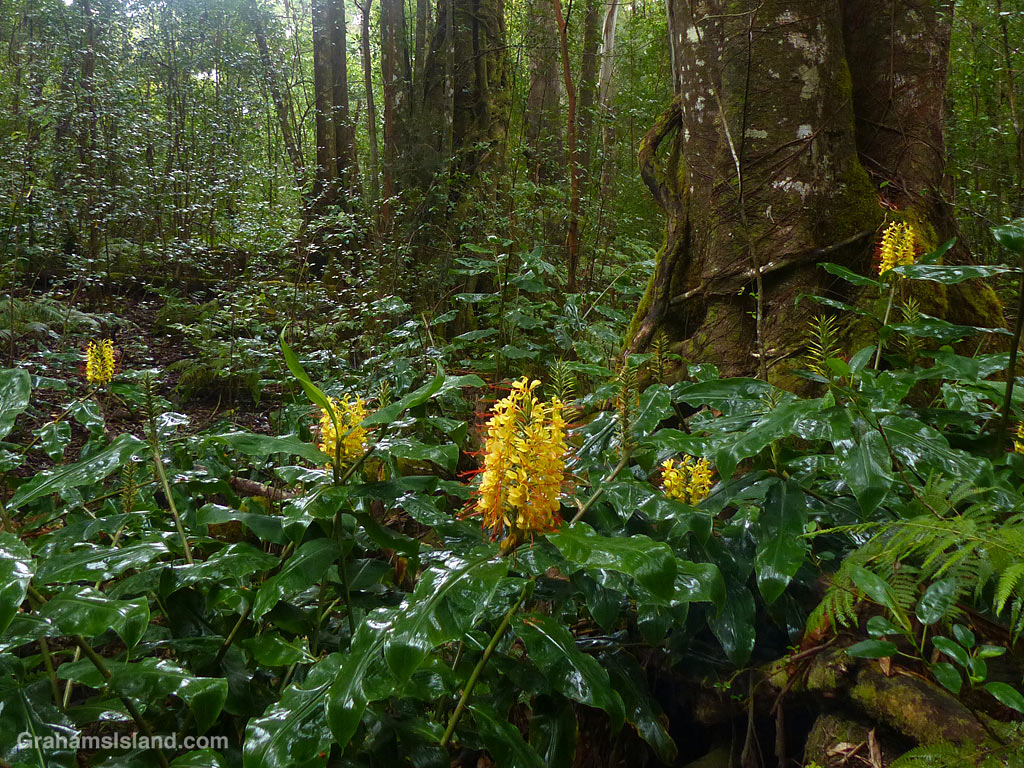
… They go together in this week’s Sunday Stills challenge theme of ‘Rainy Days.’ See more responses here.
Kahili Gingers illuminate a wet day in Kalōpā Forest Reserve.
There’s plenty of rain on the Big Island. Most falls on the wet east side, but the dry west side can get its share too. Hilo, on the wet side, averages around 140 inches of rain a year, and just to the west of Hilo is an area that gets more than 200 inches a year. In contrast, Kawaihae, on the Kohala coast, gets around 10 inches of rain annually, though I suspect last year was one of its wetter ones.
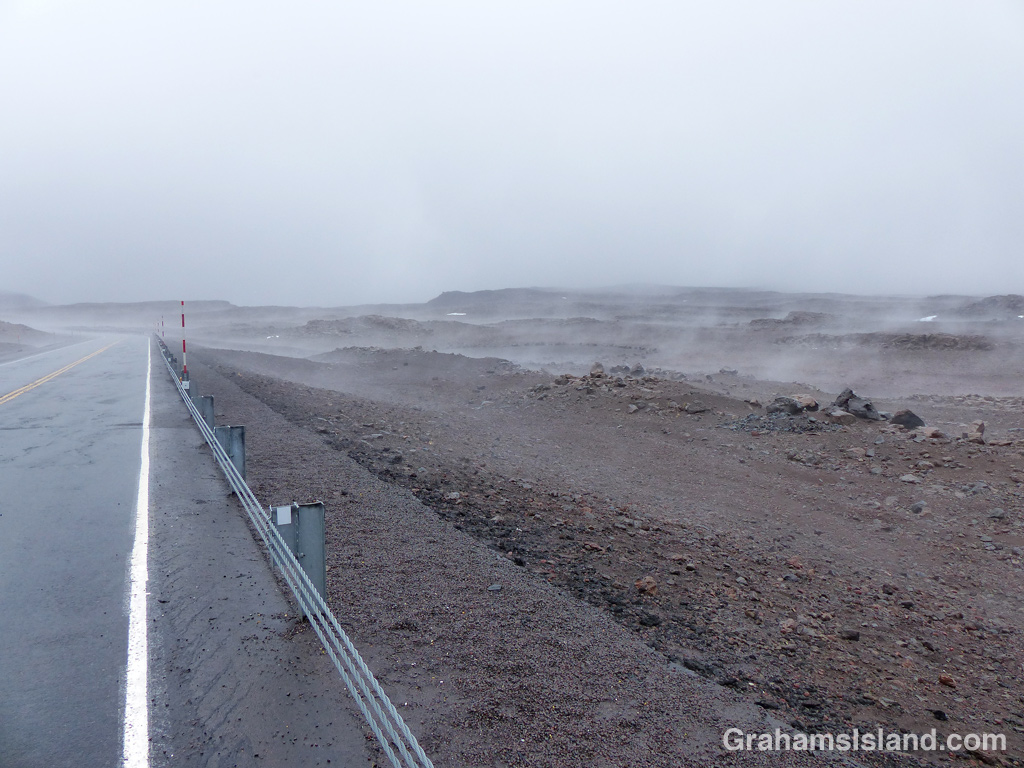
The highway to the Mauna Kea visitor center awash with rain.
Where I live, on the northern end of the island, we get around 50 inches of rain a year, but being on the shoulder of Kohala Mountain, that figure can change quickly going a mile east or west, or a mile up the hill or down toward the ocean.
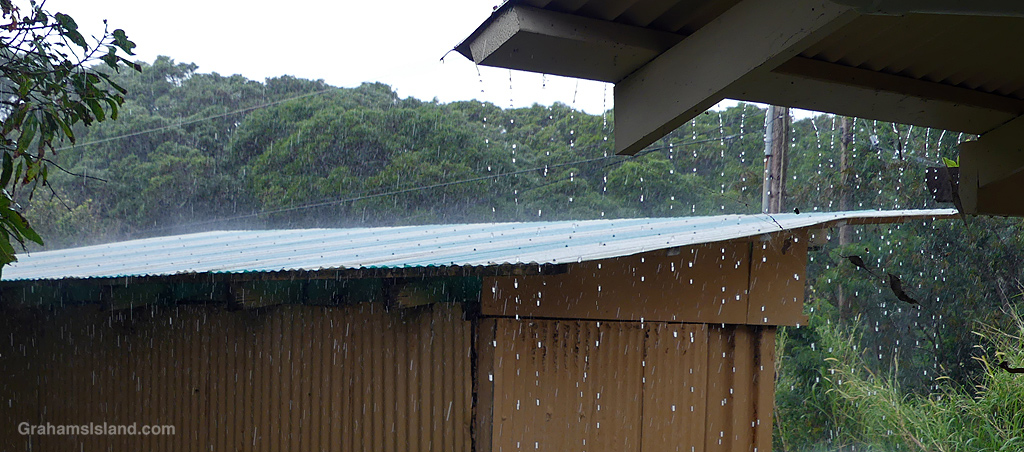
Looking out the window as a passing shower dumps a load of rain.
The idea of The Numbers Game is to enter a number into the search bar of your computer and then post a selection of the photos that turn up. This week’s number is 131.
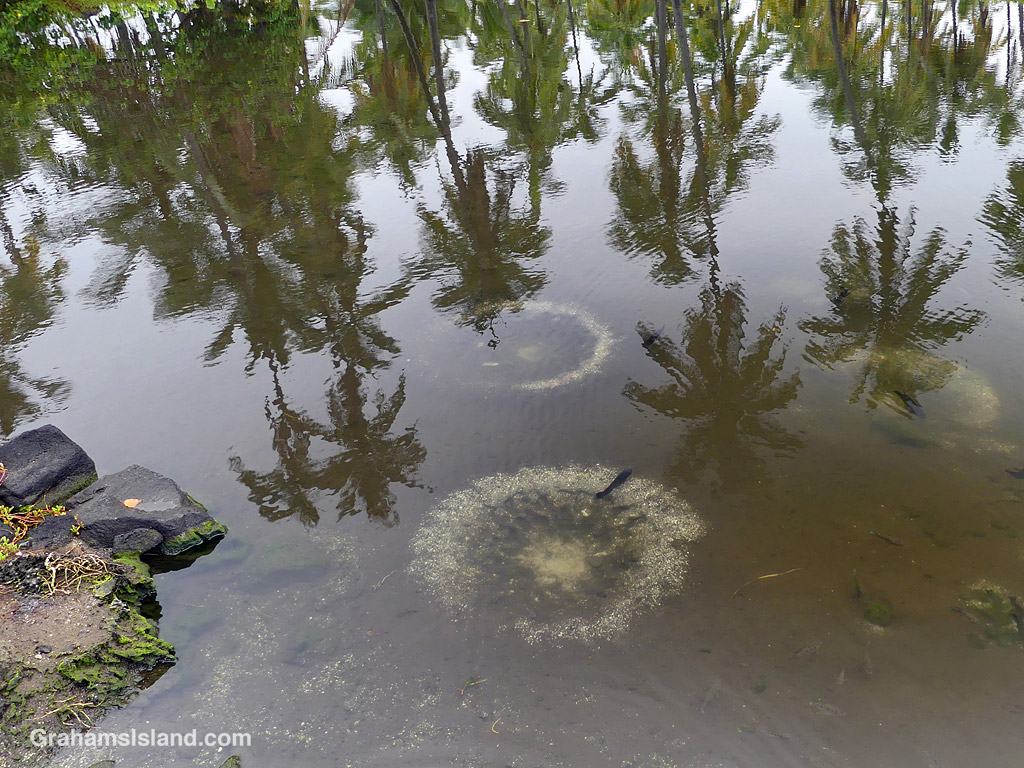
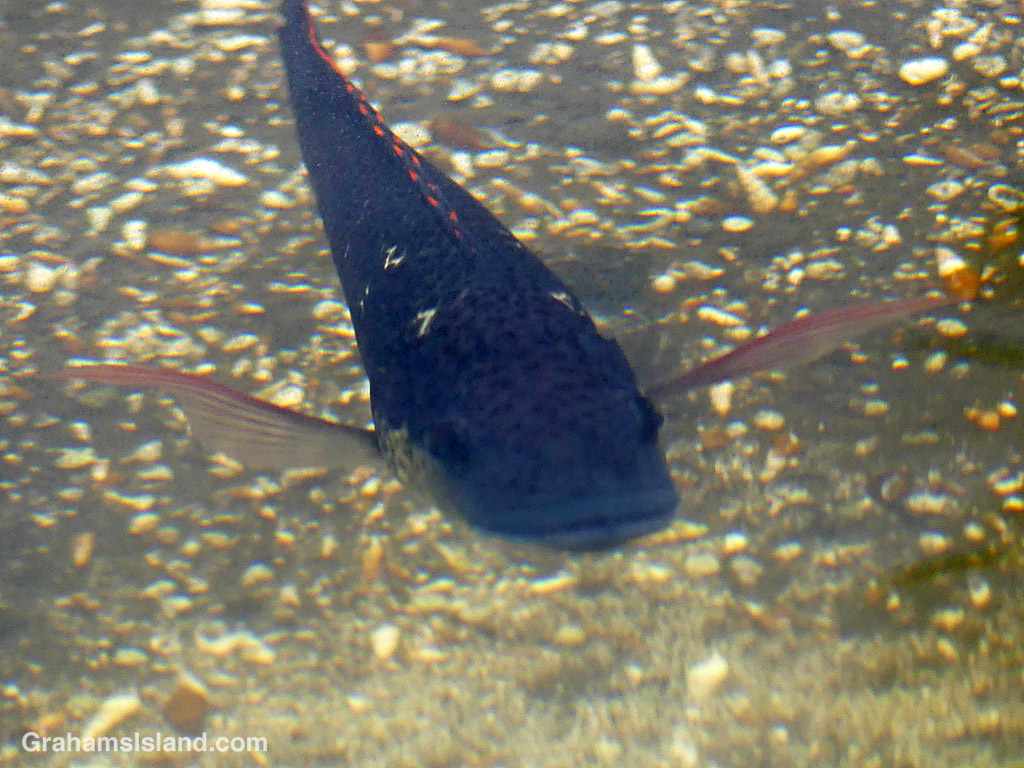
When I was down at Pu’uhonua o Hōnaunau National Historical Park recently, I noticed, possibly for the first time, these circles in some of the fishponds. They are the nests of male Mozambique tilapia (Oreochromis mossambicus). The males hope to entice a female into laying her eggs in their nest, after which the male will fertilize them.
Tilapia were introduced to the fishponds to control mosquitoes, but like many such ideas, they have proved detrimental to the well-being of native species. Currently, efforts are underway to remove them from the ponds.





 Graham's Island