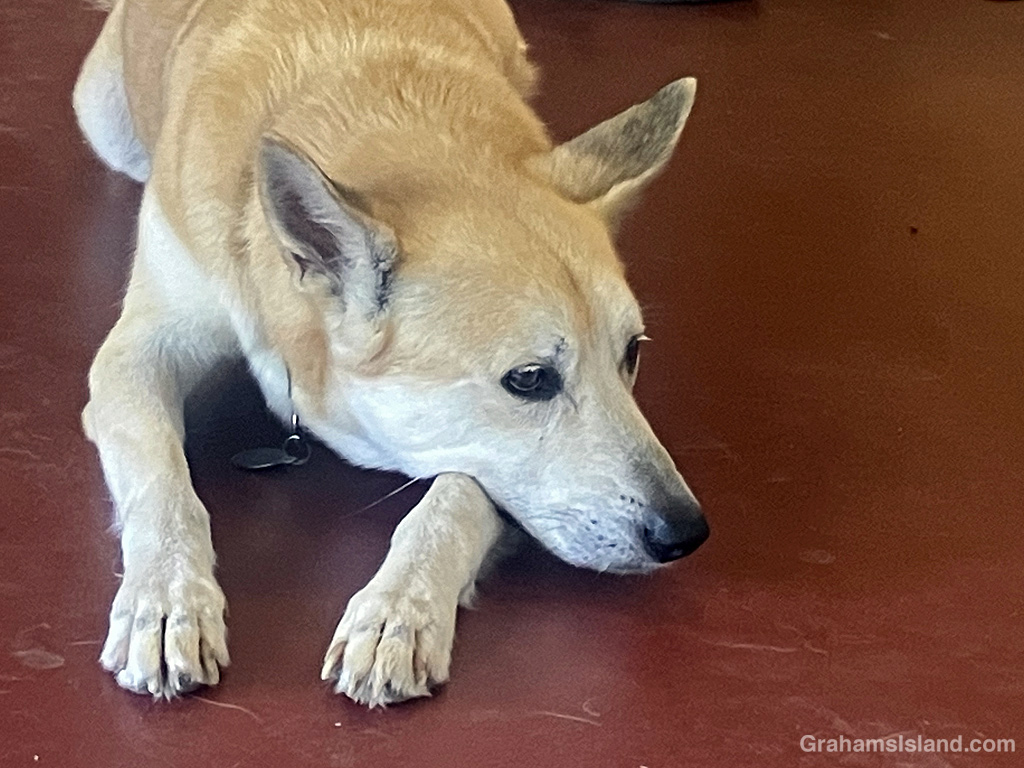
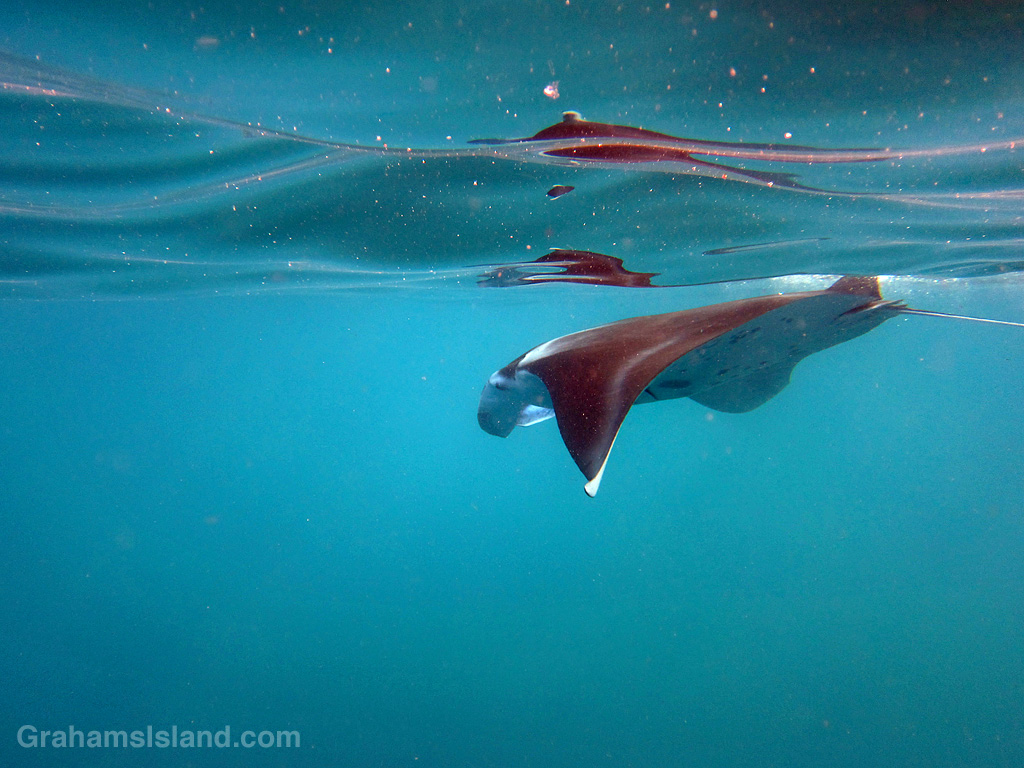
This week’s Sunday Stills challenge theme is ‘World Animal Day.’ See more responses here.
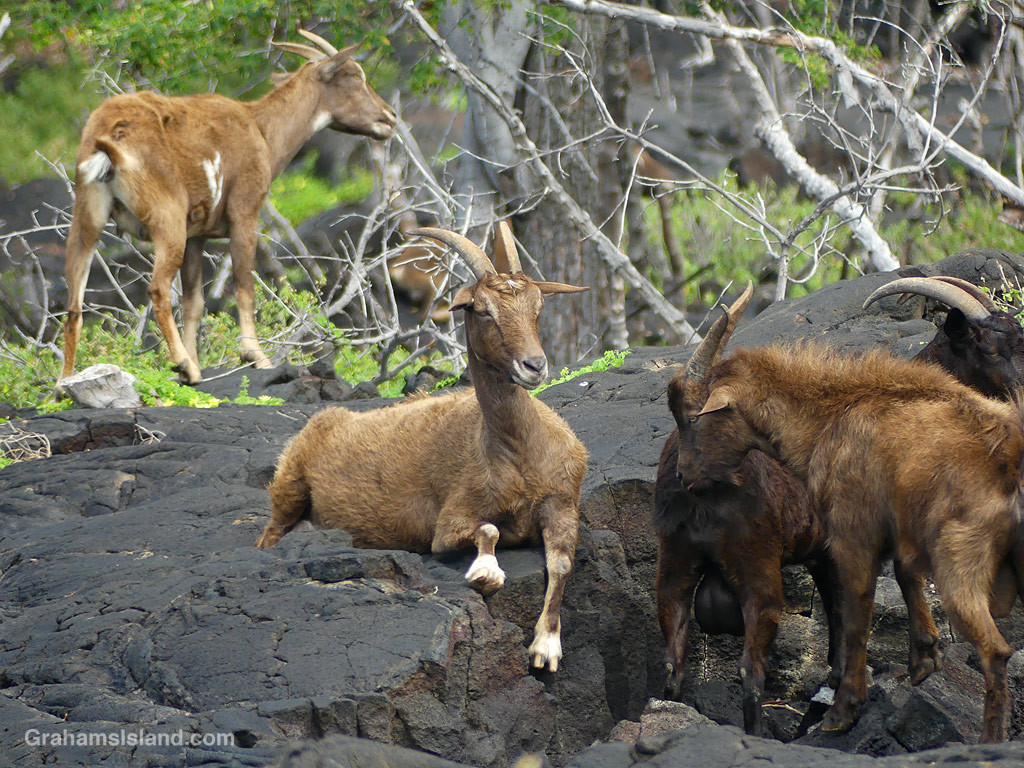
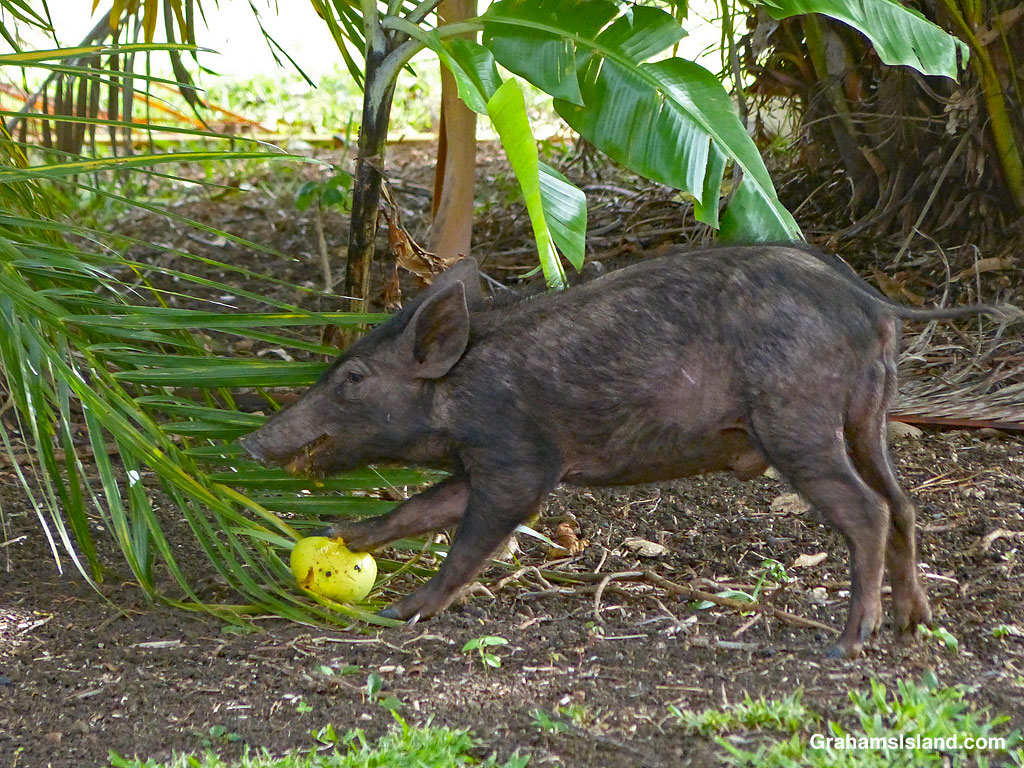
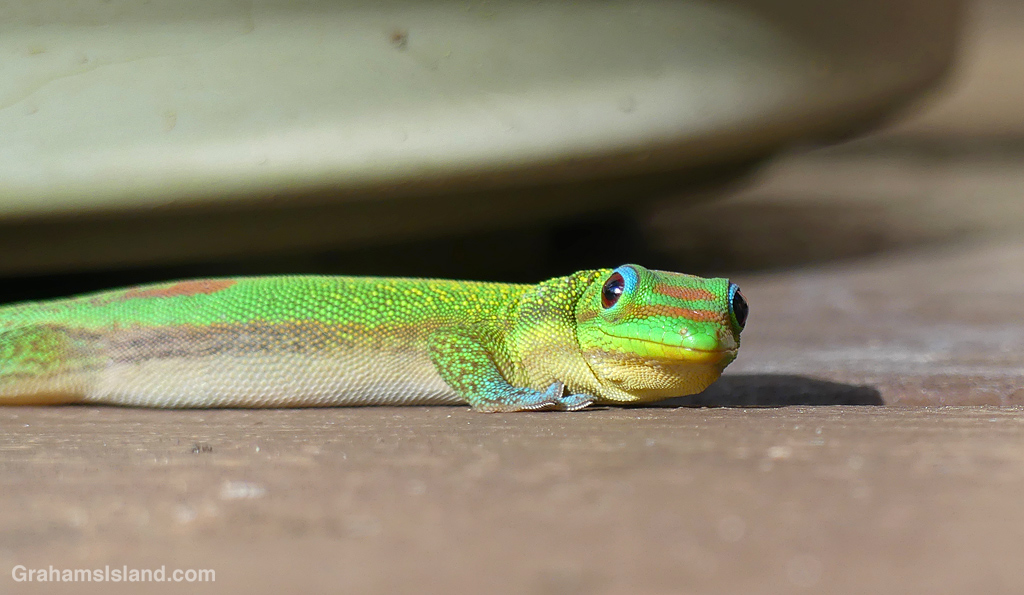
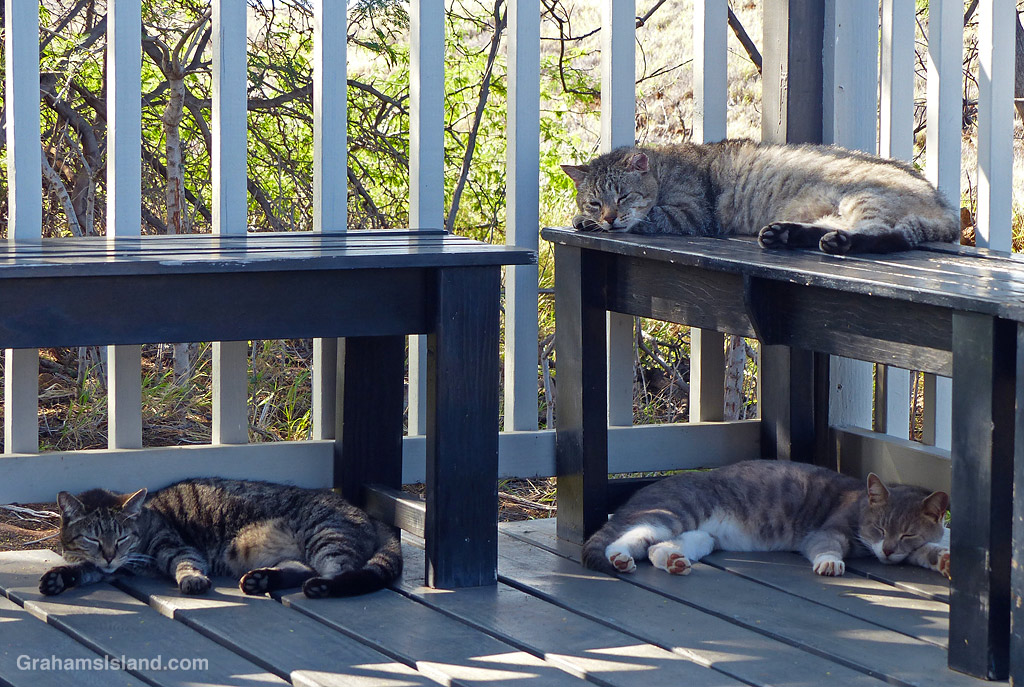
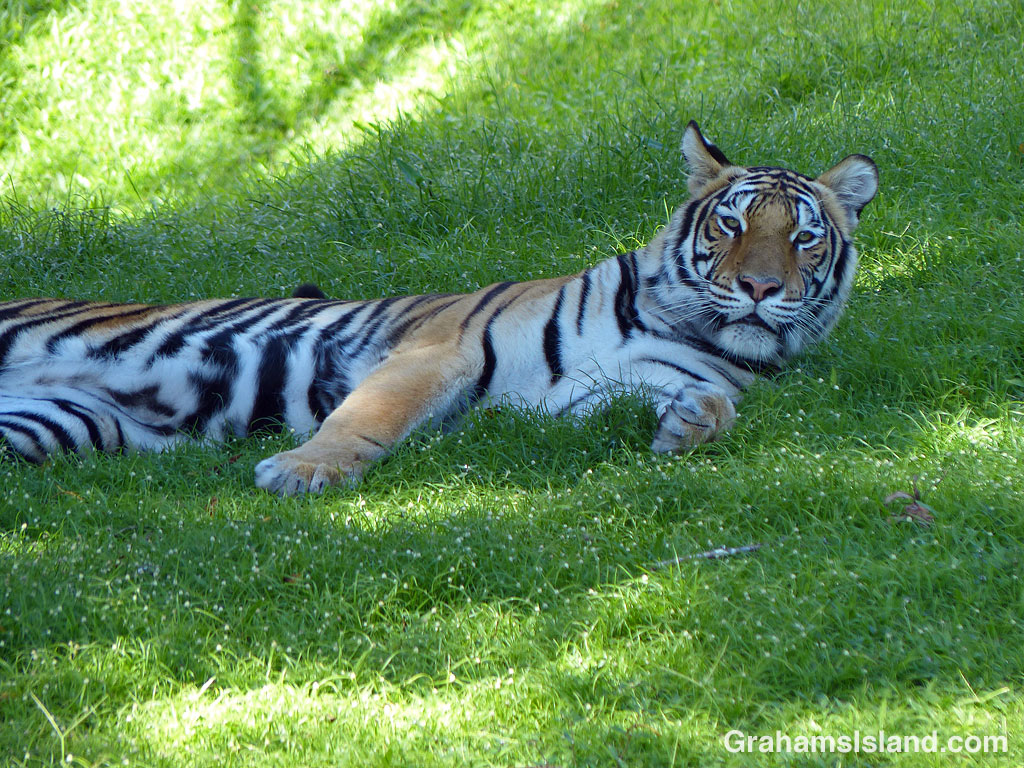
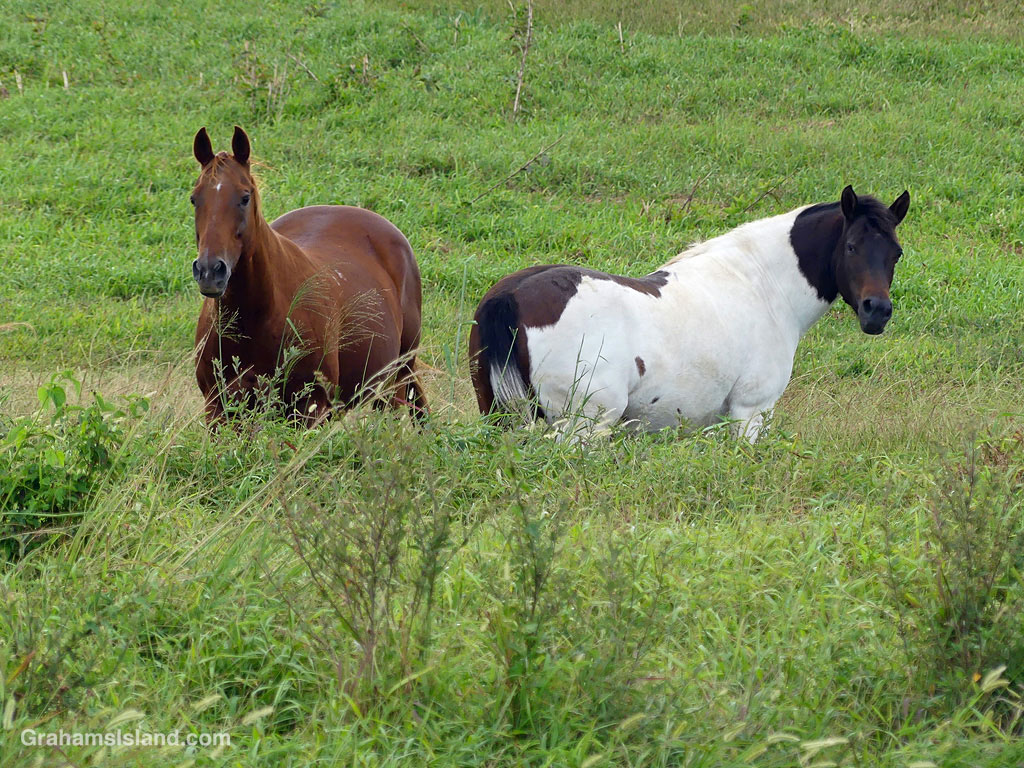

This week’s Sunday Stills challenge theme is ‘World Animal Day.’ See more responses here.
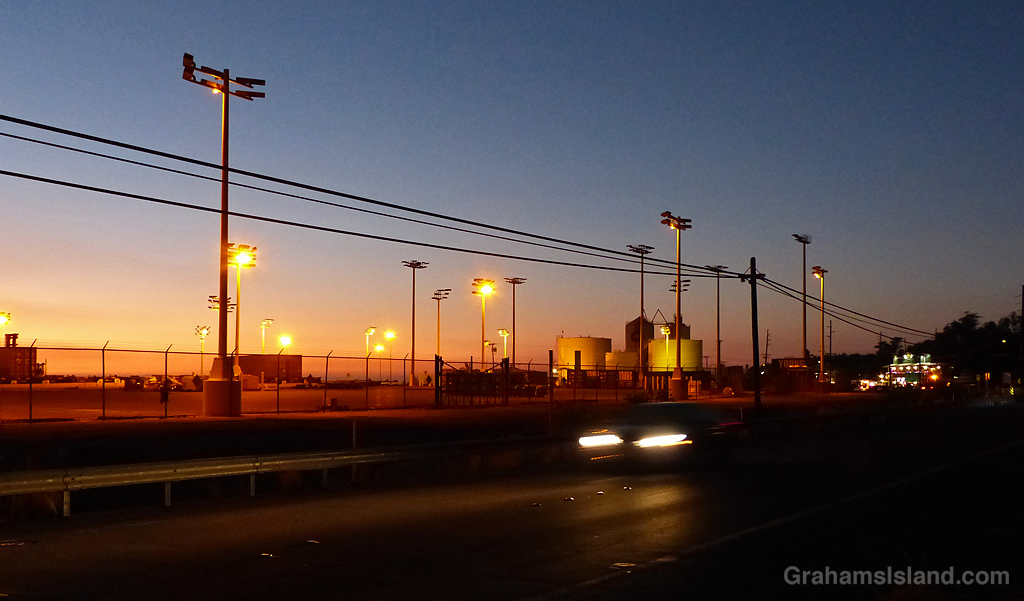
The idea of The Numbers Game is to enter a number into the search bar of your computer and then post a selection of the photos that turn up. This week’s number is 207. Captions are on the photos. You can see more responses here.
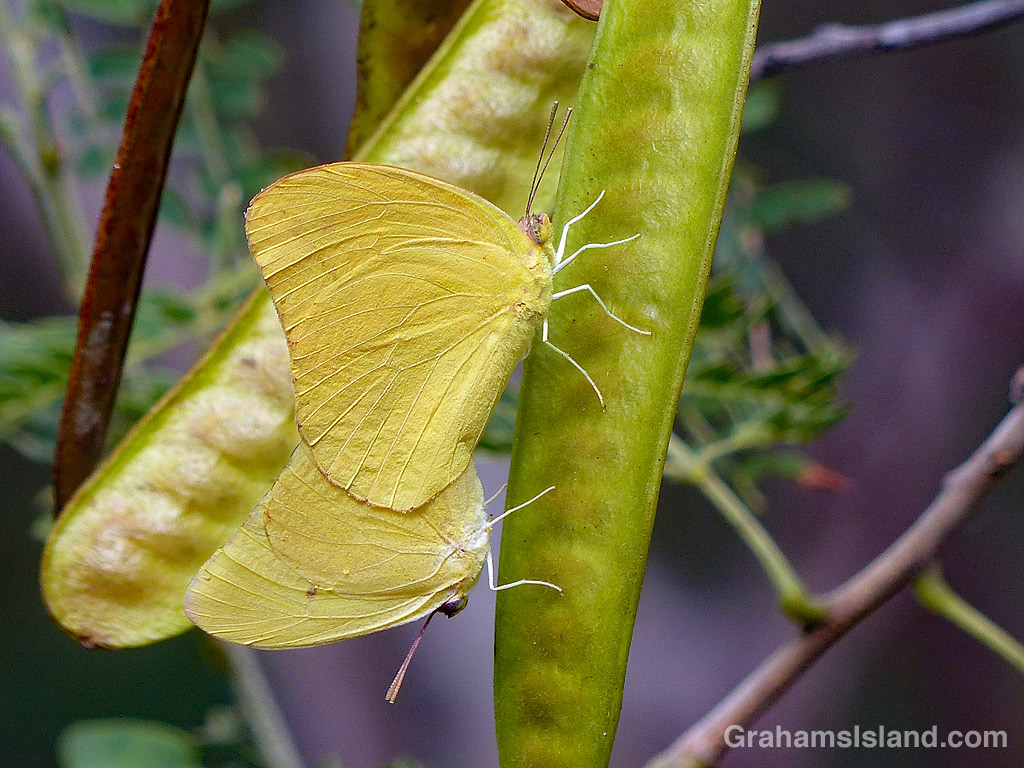
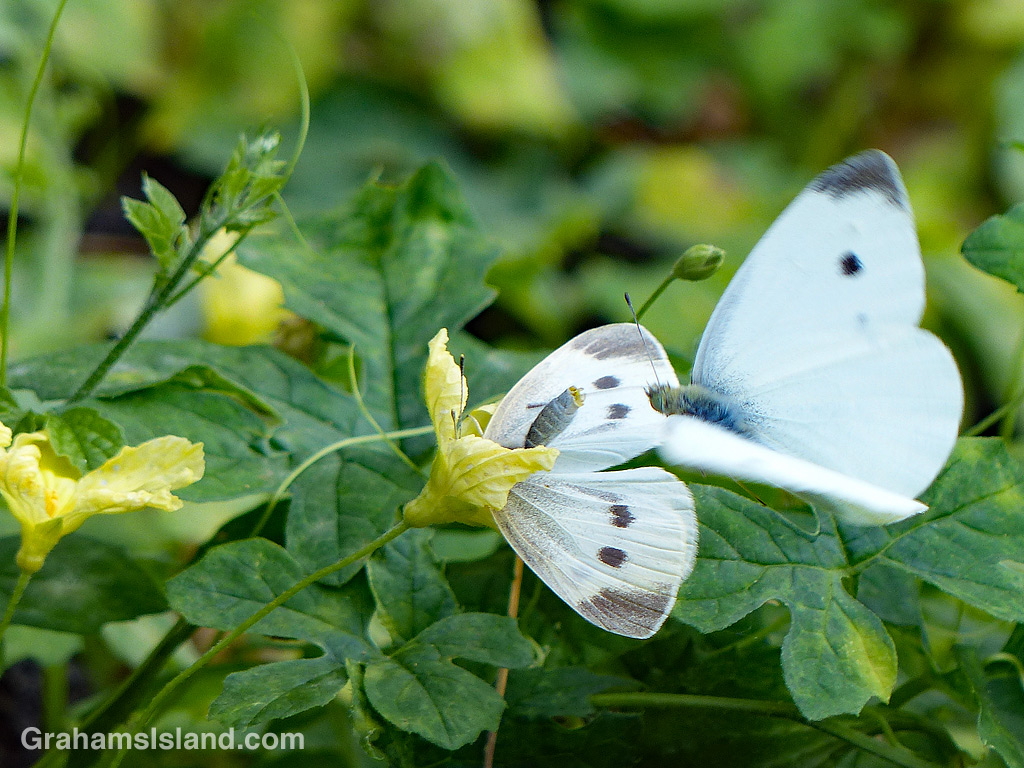
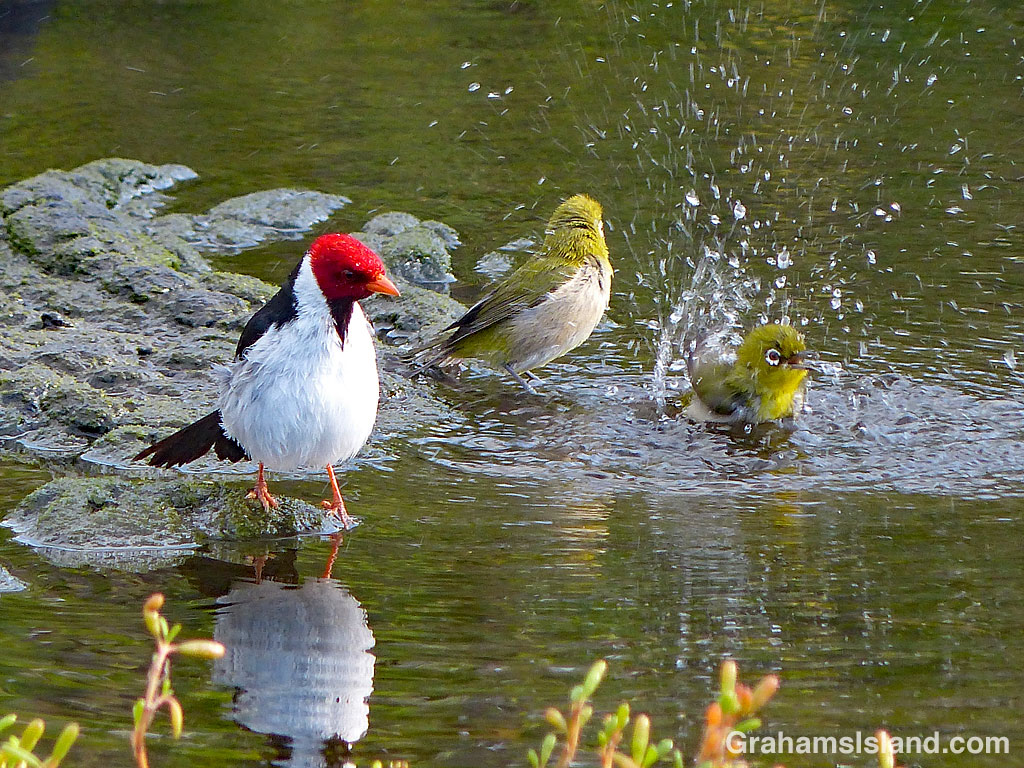
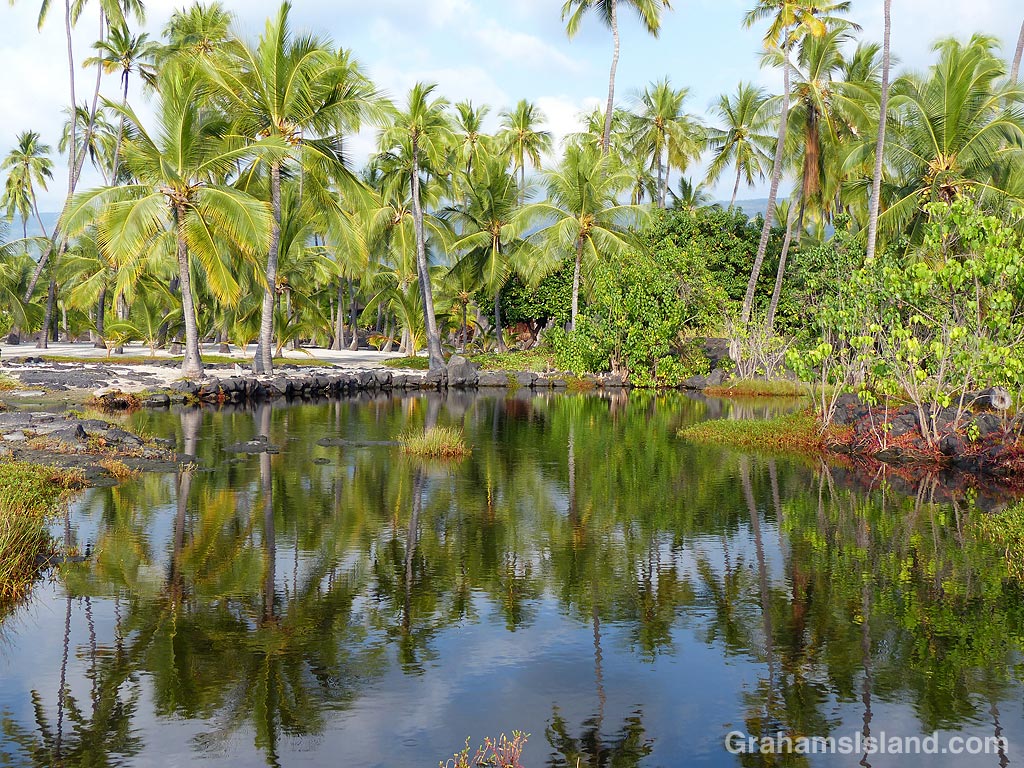
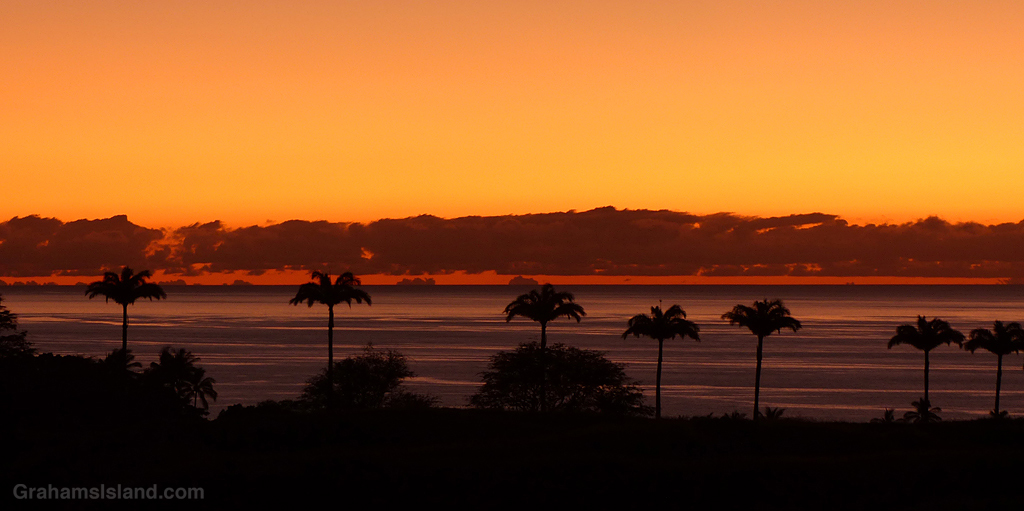
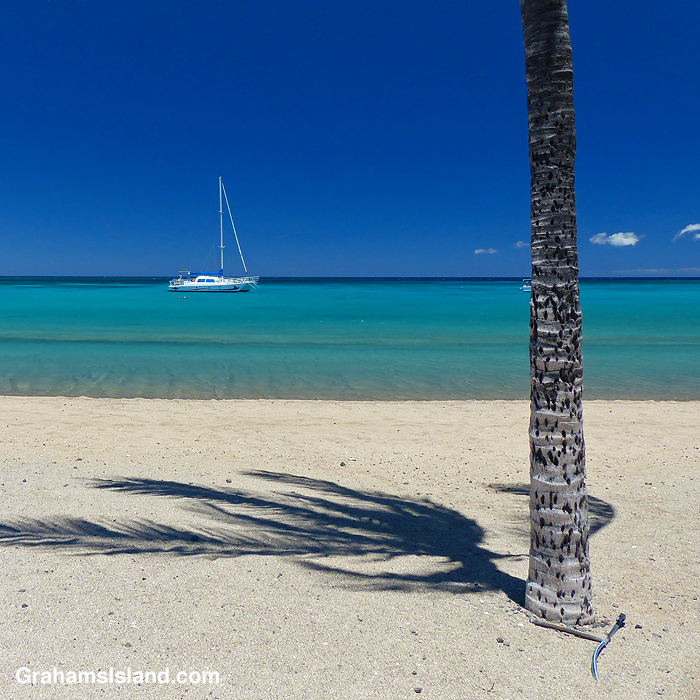
The idea of The Numbers Game is to enter a number into the search bar of your computer and then post a selection of the photos that turn up. This week’s number is 161. Captions are on the photos. You can see more responses here.
Also, seven photos posted for Becky’s Squares: Seven. See more responses here.
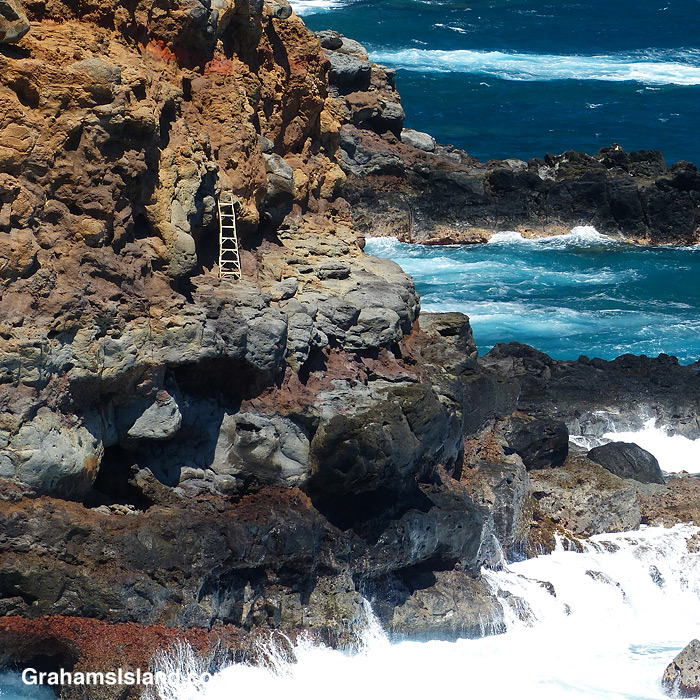
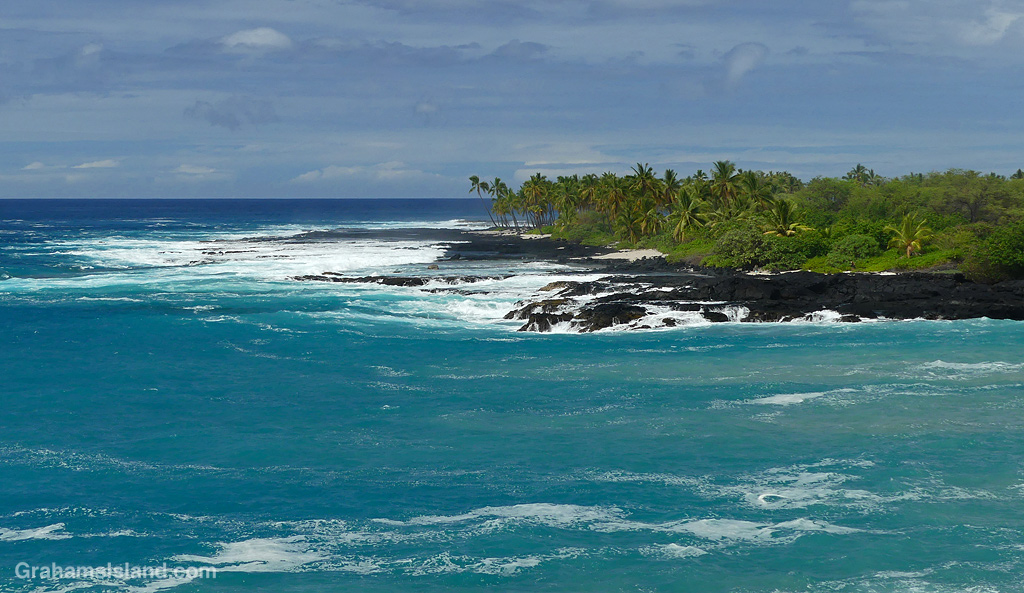
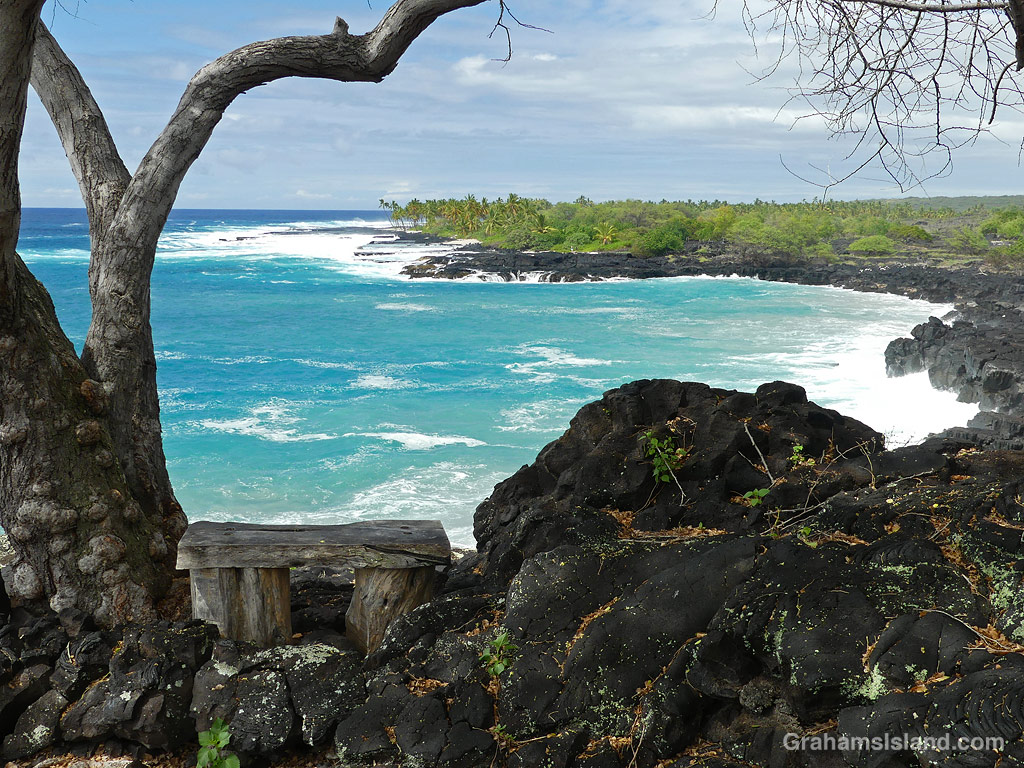
This is the view from the bench at the top of the Alakaha ramp on the 1871 Trail, which heads south from Pu’uhonua o Hōnaunau National Historical Park. There was big surf on this day and the trail was getting regular clouds of spray from the breaking waves.
The bench though, sits above all that and also offers some shade. What’s not to like!
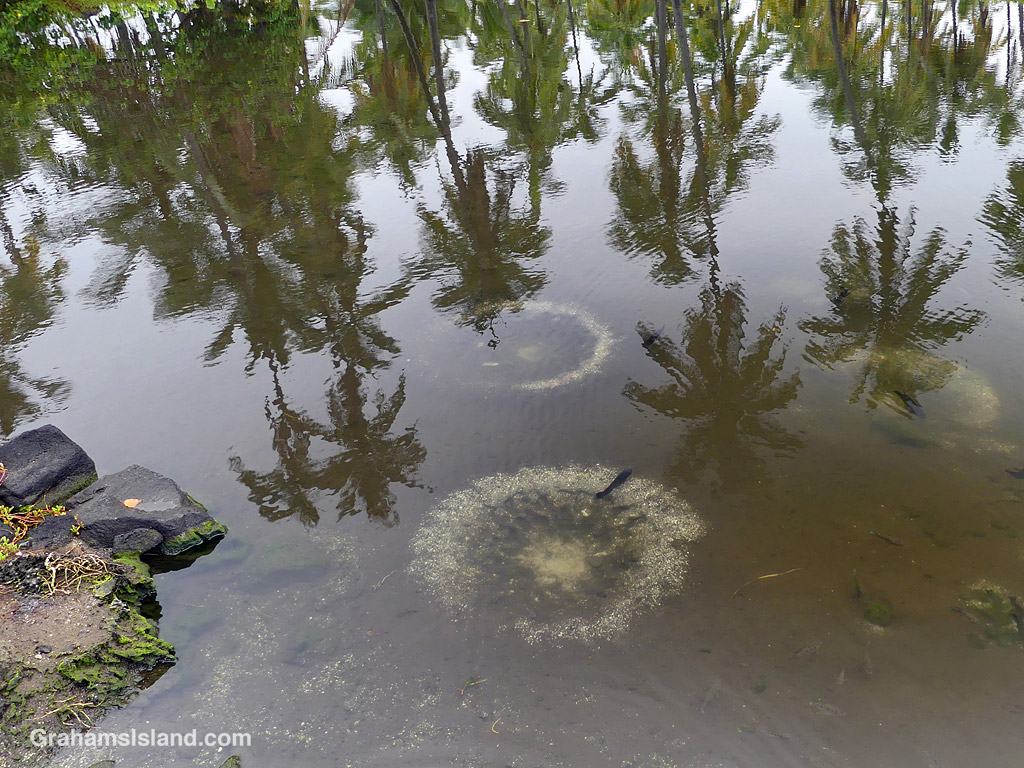
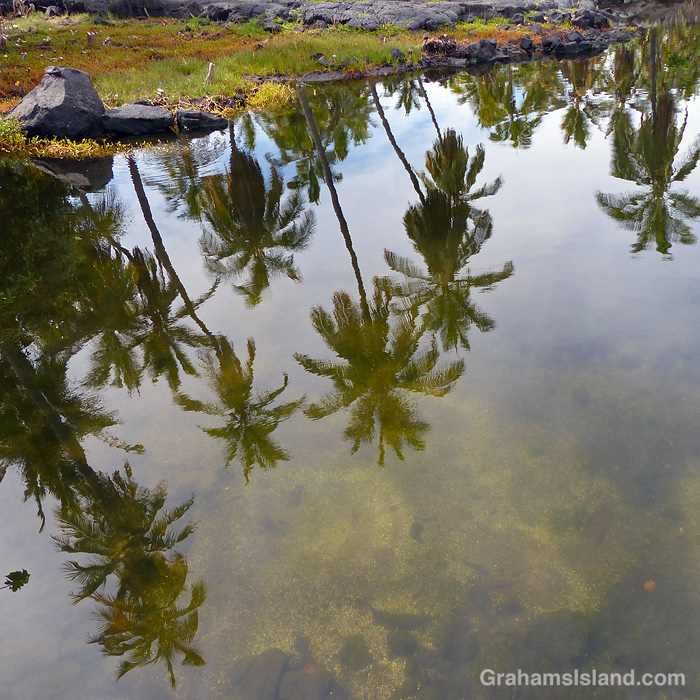
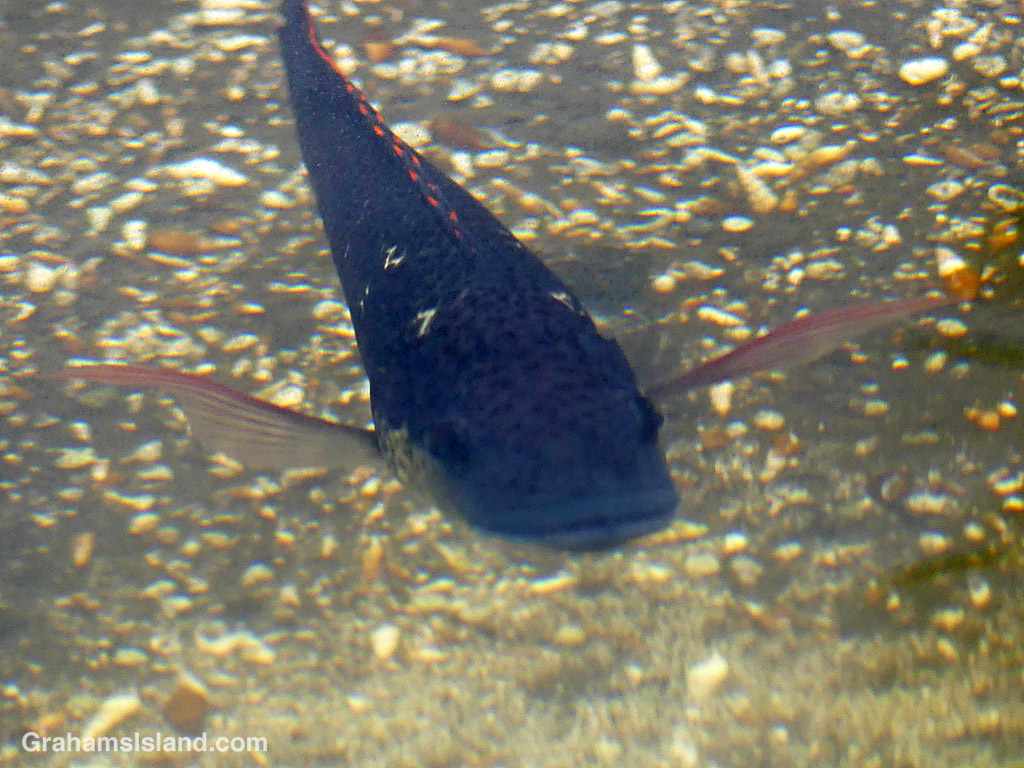
When I was down at Pu’uhonua o Hōnaunau National Historical Park recently, I noticed, possibly for the first time, these circles in some of the fishponds. They are the nests of male Mozambique tilapia (Oreochromis mossambicus). The males hope to entice a female into laying her eggs in their nest, after which the male will fertilize them.
Tilapia were introduced to the fishponds to control mosquitoes, but like many such ideas, they have proved detrimental to the well-being of native species. Currently, efforts are underway to remove them from the ponds.
For more information about Pu’uhonua o Hōnaunau National Historical Park, visit https://www.nps.gov/puho/index.htm
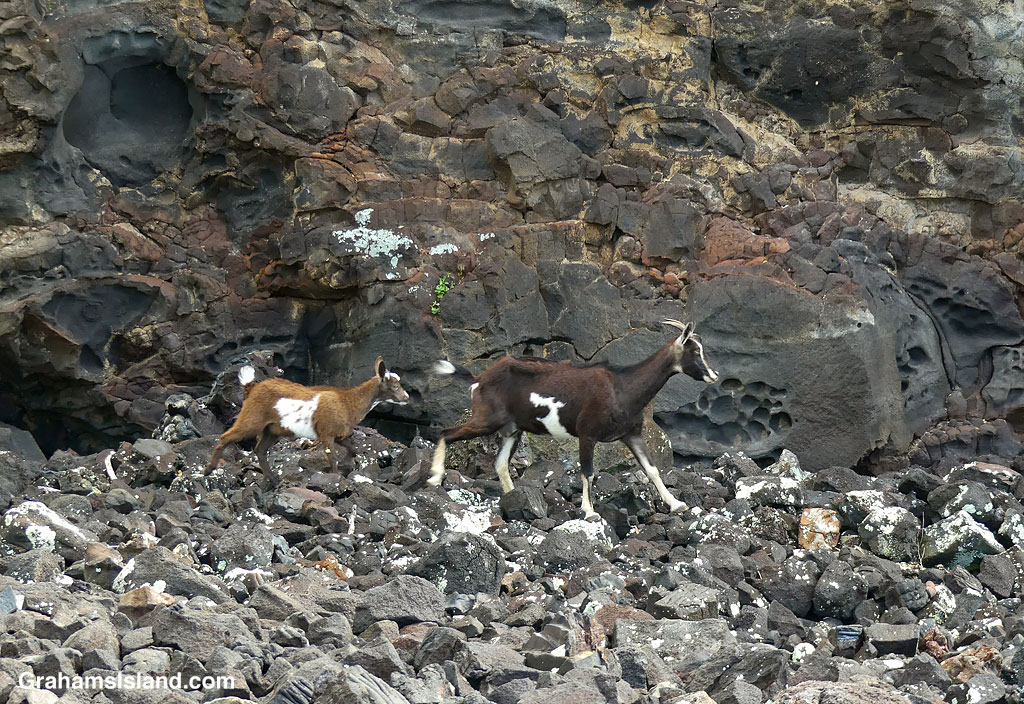
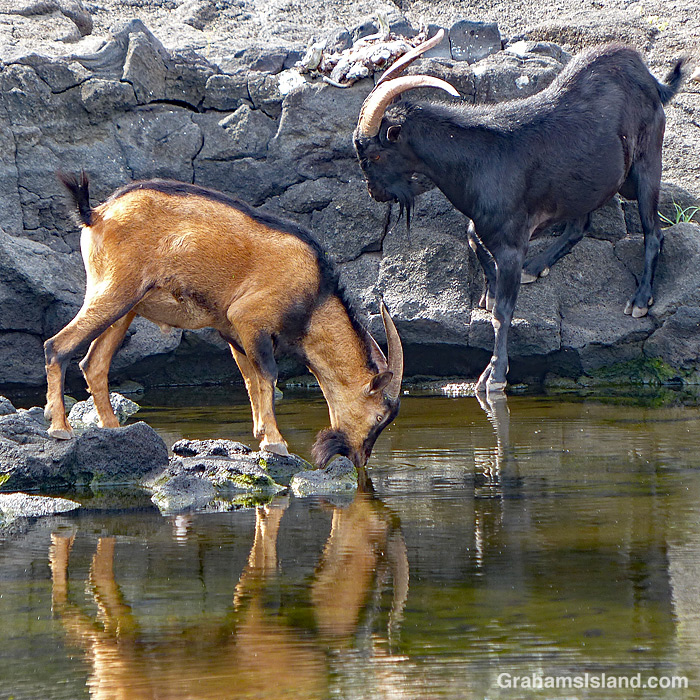
I was hiking the 1871 trail, south of Pu’uhonua o Hōnaunau National Historical Park, when I saw these goats scrambling down a rocky slope. I thought they matched the terrain well.
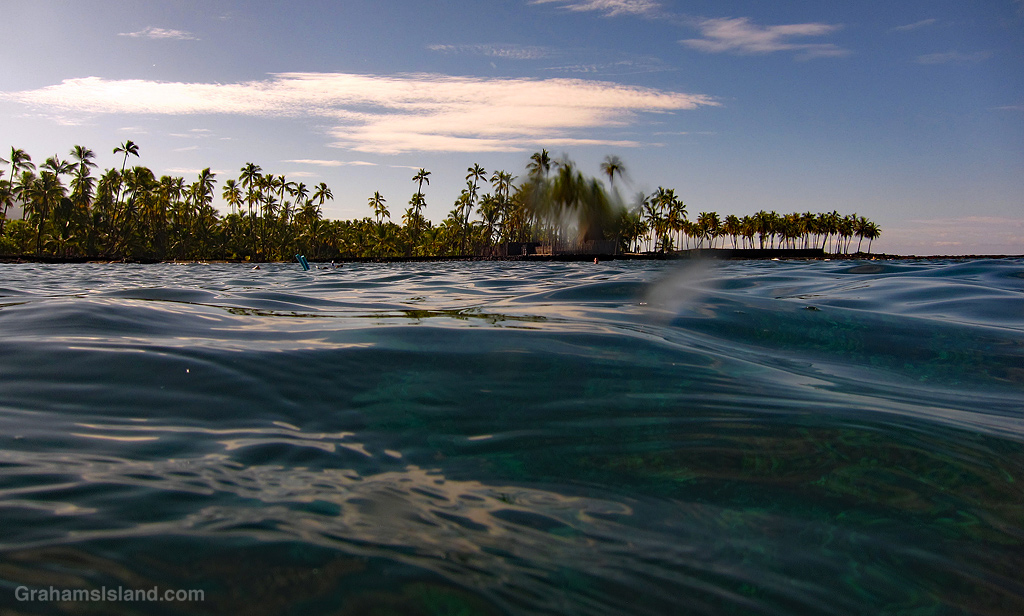
This week’s Sunday Stills challenge theme is ‘Celebrations.’ See more responses here. Since I rarely take photos of people, the usual options for this one were off the table. So I’ve gone with some photos from Pu’uhonua o Hōnaunau National Historical Park.
This site is also known as Place of Refuge and it represented guaranteed forgiveness for those who had broken kapu. The park’s website (here) notes, “Kapu (sacred law) regulated fishing, planting, and the harvesting of other resources. Any breaking of kapu disturbed the stability of society, and the punishment was often death. Any fugitive who had broken kapu could seek refuge and forgiveness within the walls of the Puʻuhonua.” The refuge is bordered by a huge L-shaped wall on land and by the ocean on the other sides.

I imagine some such unfortunate swimming across Honaunau Bay. The palm trees look welcoming, but this is a sacred place, home to Hawaiian royalty, and to important ceremonial sites. One of these is Hale o Keawe, situated at the northern end of the wall, a place of powerful mana, or divine power. It is home to many ki’i, representations of “the akua, or the multitude of Hawaiian gods, deities, and venerated ancestors.” The refuge is on the other side of the Hale.
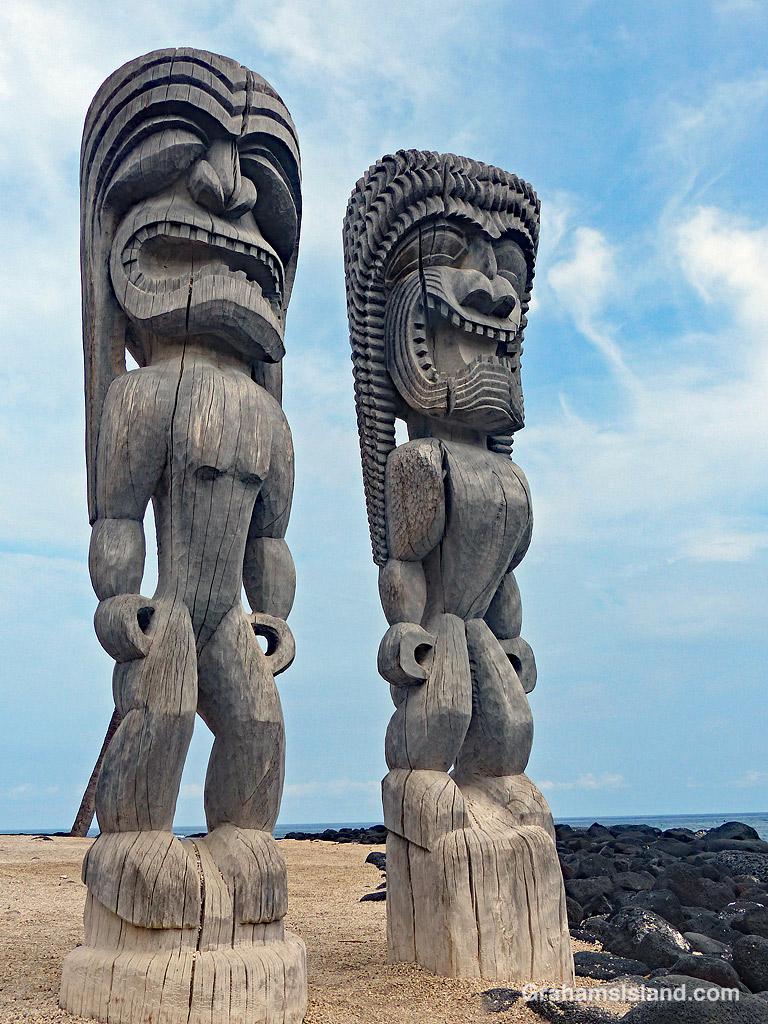
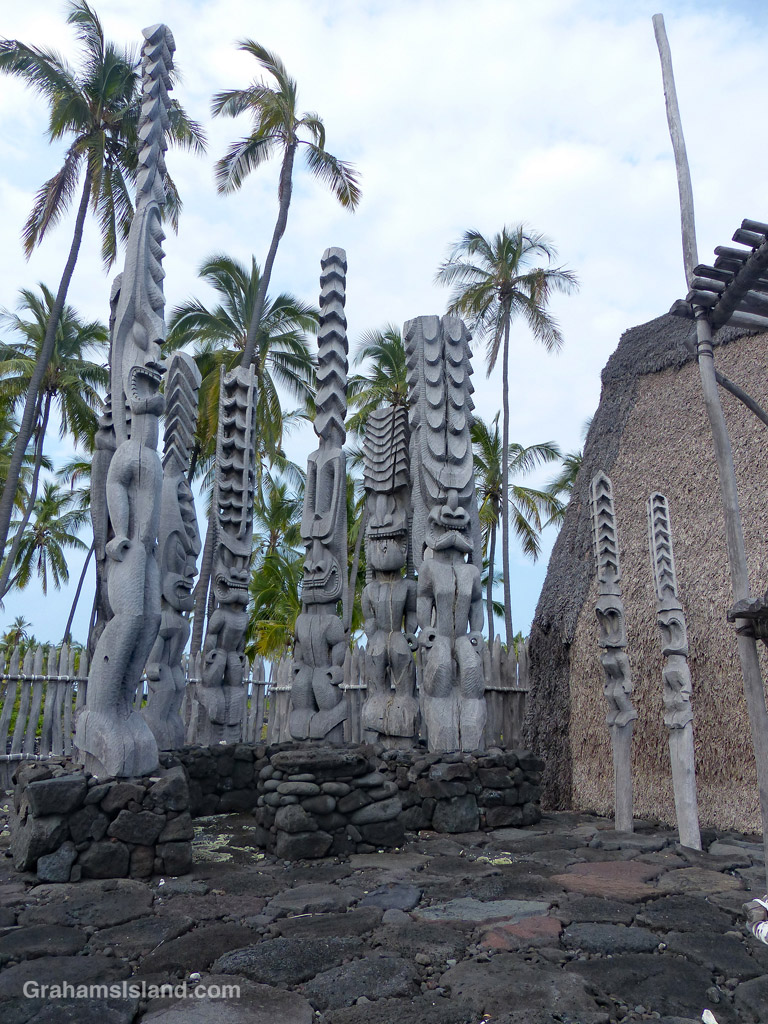
These ki’i would look down on the miscreant swimming toward them, growing in size as they got closer. But so too would the welcoming palm trees and though it is a rocky shore, a few cuts and scrapes would be a small price to pay for salvation.
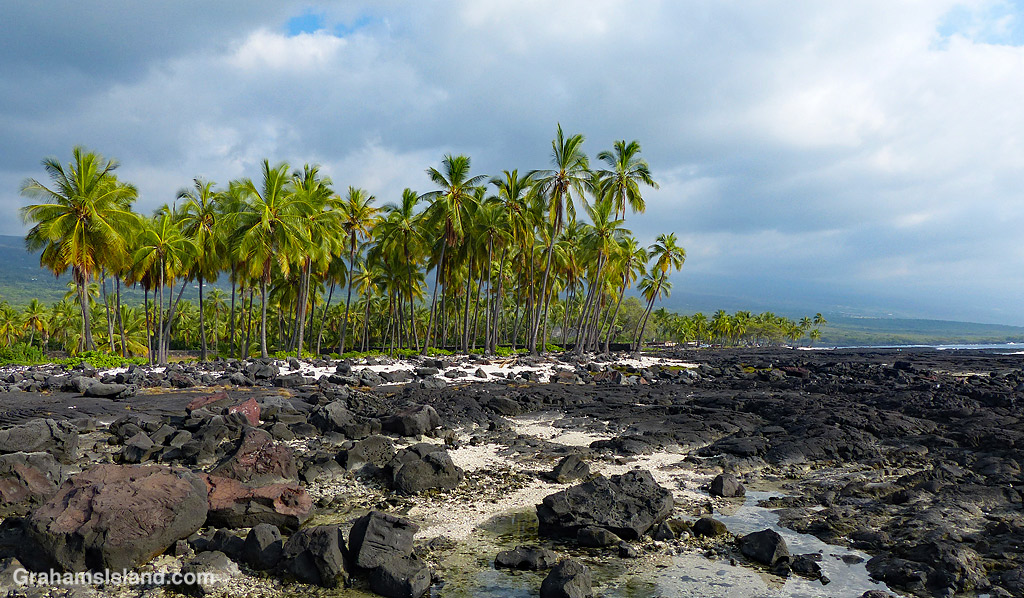
Once ashore, forgiveness was guaranteed and the person was free to reenter society and rejoin family and friends, who would no doubt celebrate the return.
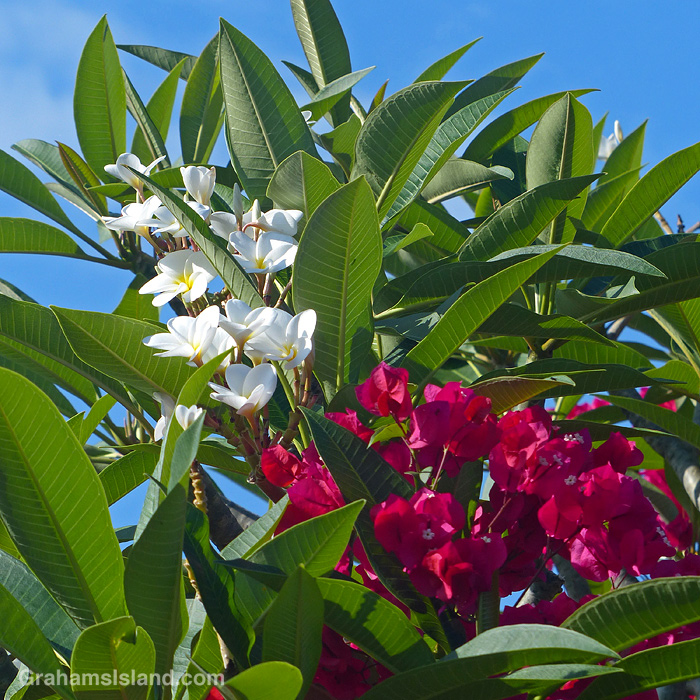
I saw this colorful tableau at the entrance to Pu’uhonua o Hōnaunau National Historical Park. Purple Bougainvillea, white and yellow Plumeria, green leaves, and blue sky. What’s not to like?
 Graham's Island