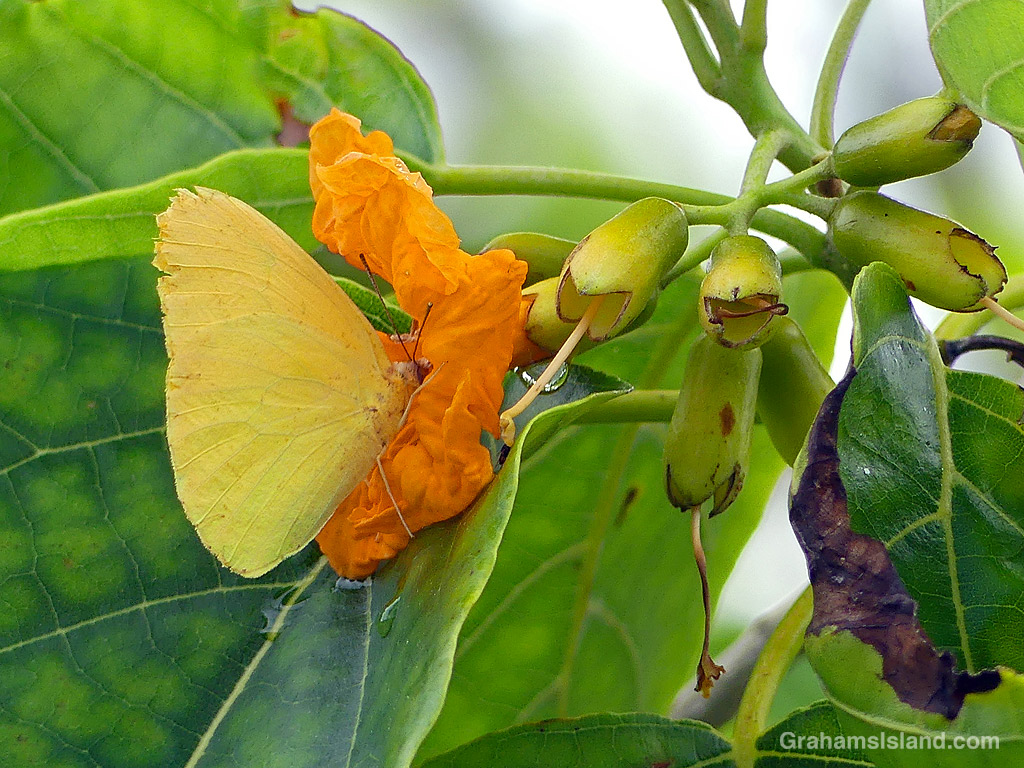
A Large Orange Sulphur Butterfly digs in to a native Kou flower.

A Large Orange Sulphur Butterfly digs in to a native Kou flower.

I just think there’s something unreal about this. It looks like an arts installation or a Christmas decoration, rather than a plant. Not that I mentioned this at the time. It looks like it might respond badly.
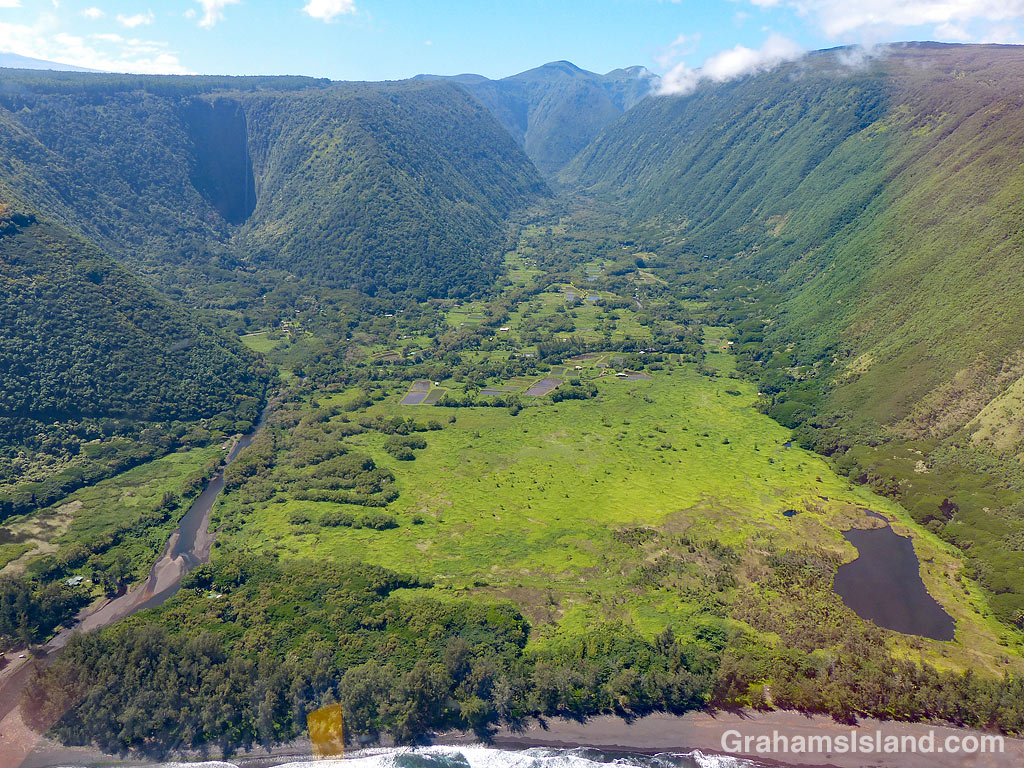
The idea of The Numbers Game is to enter a number into the search bar of your computer and then post a selection of the photos that turn up. This week’s number is 187. Captions are on the photos. You can see more responses here.
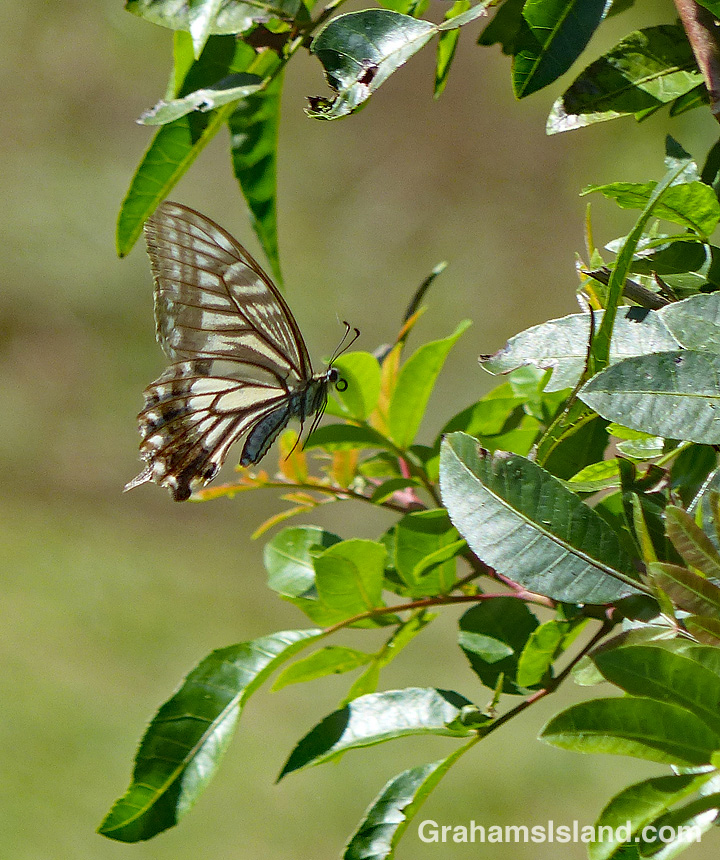
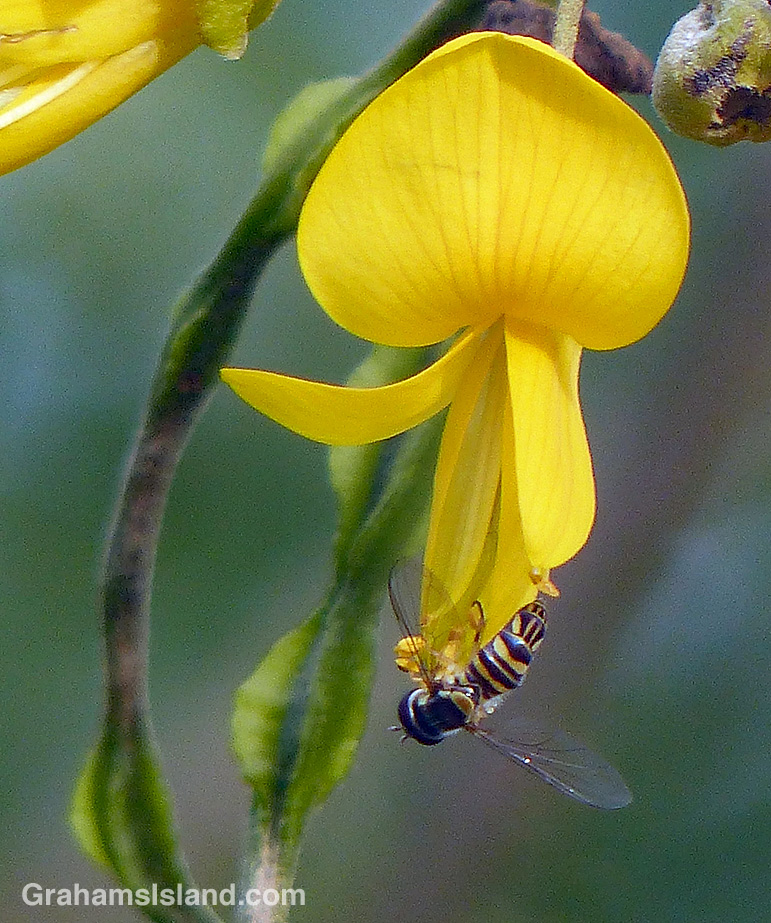
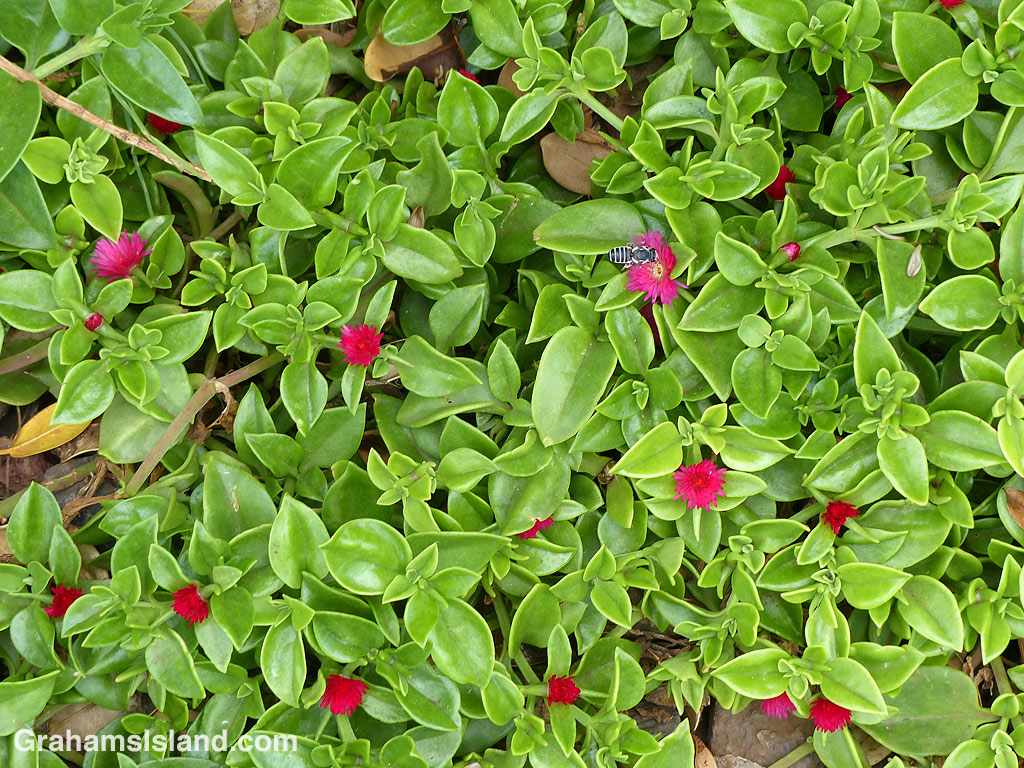
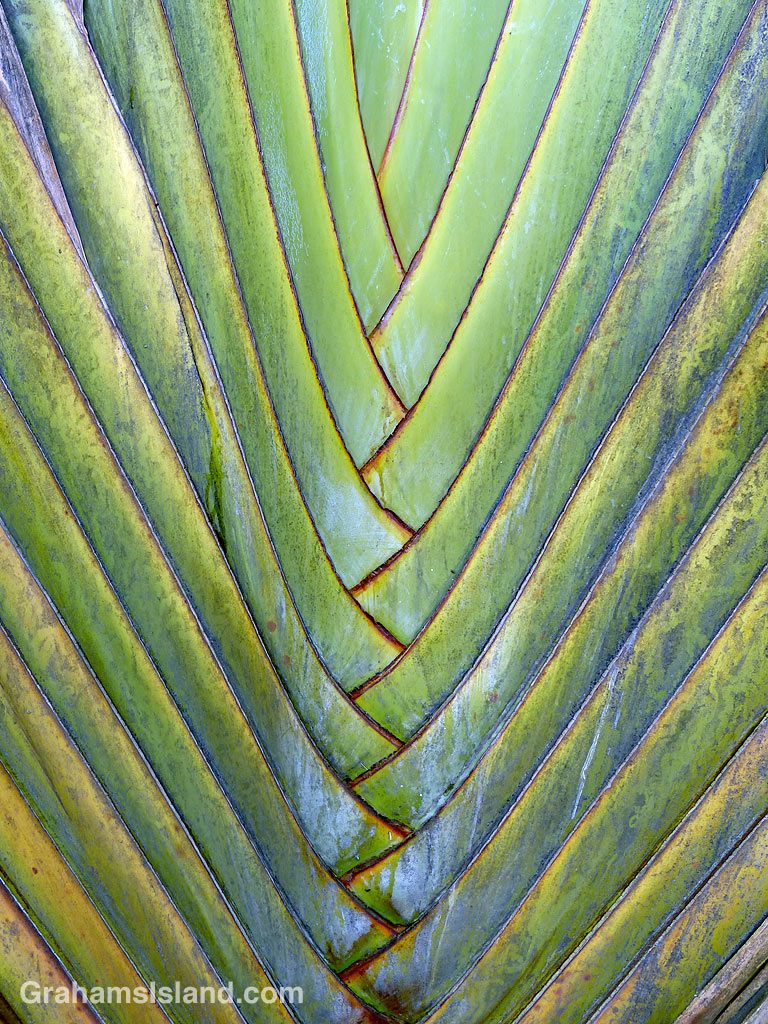
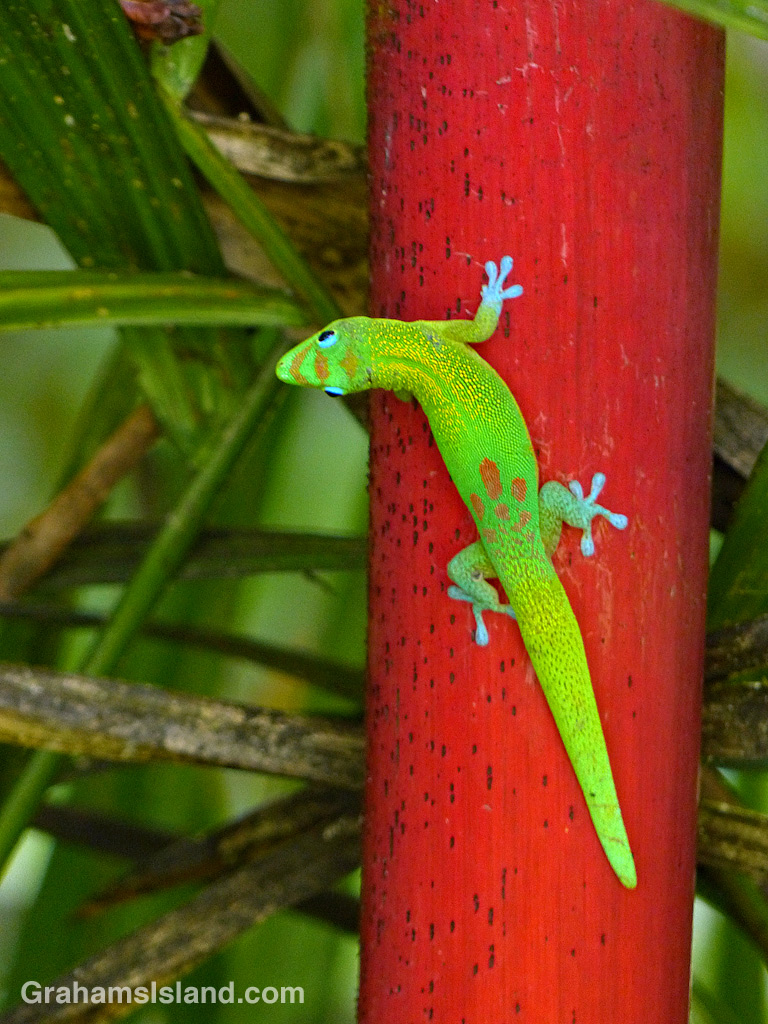
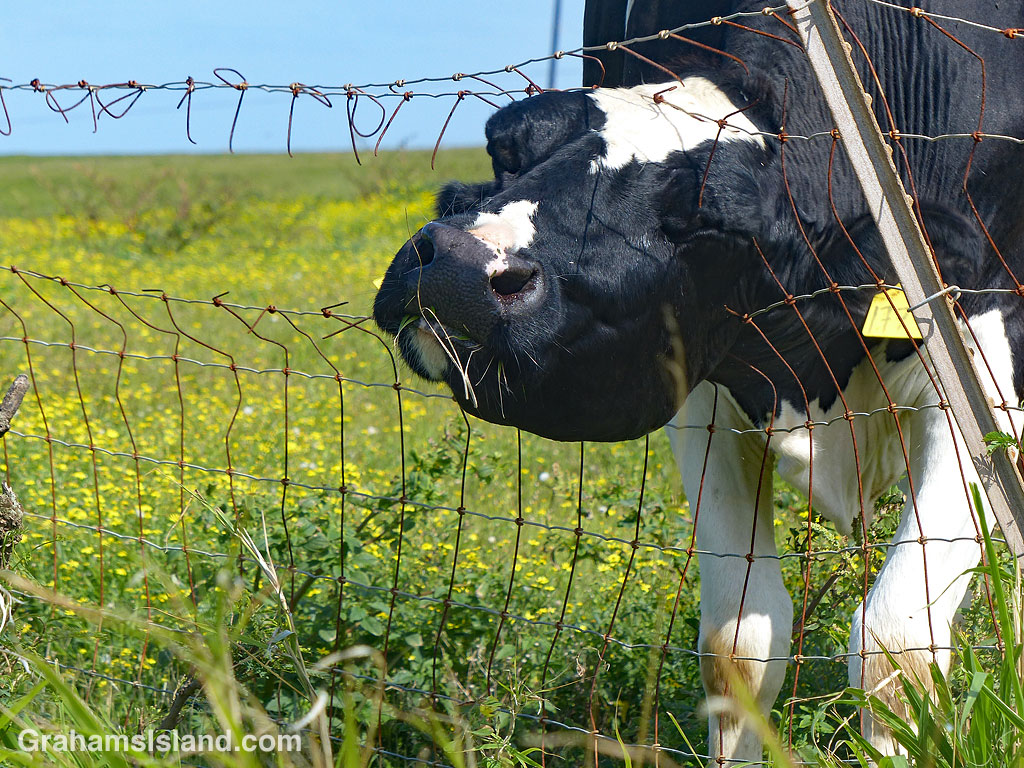
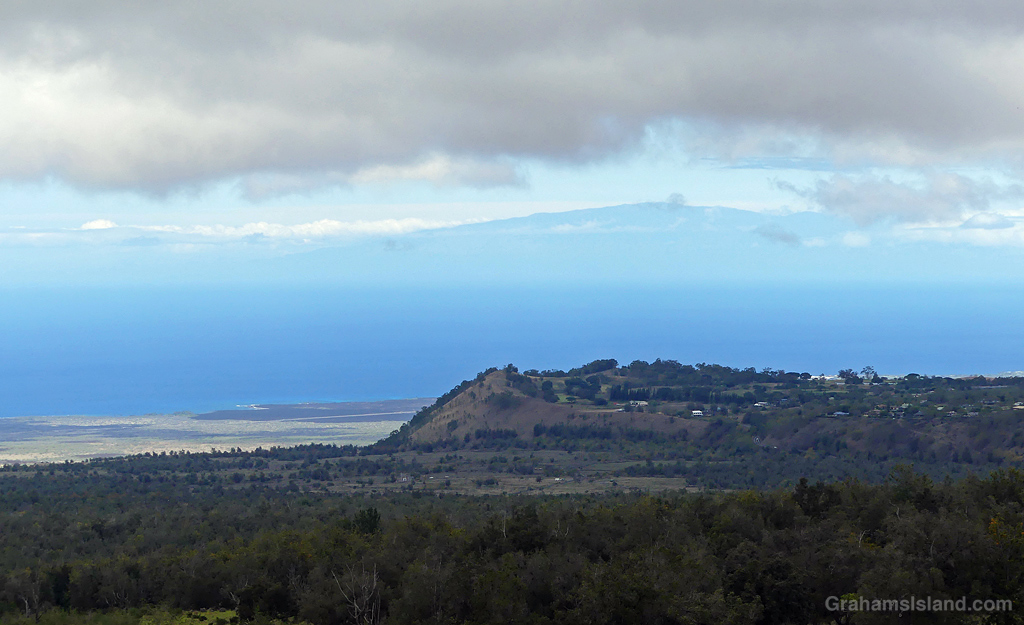
This week’s Sunday Stills challenge theme is ‘Walk in the Park.’ See more responses here. These photos are from my last hike at what is officially known as Pu’u Wa’awa’a Cinder Cone State Park. The hike took place under heavy skies, but the clouds hovered just above the top of the hill and the rain held off until late in the walk.
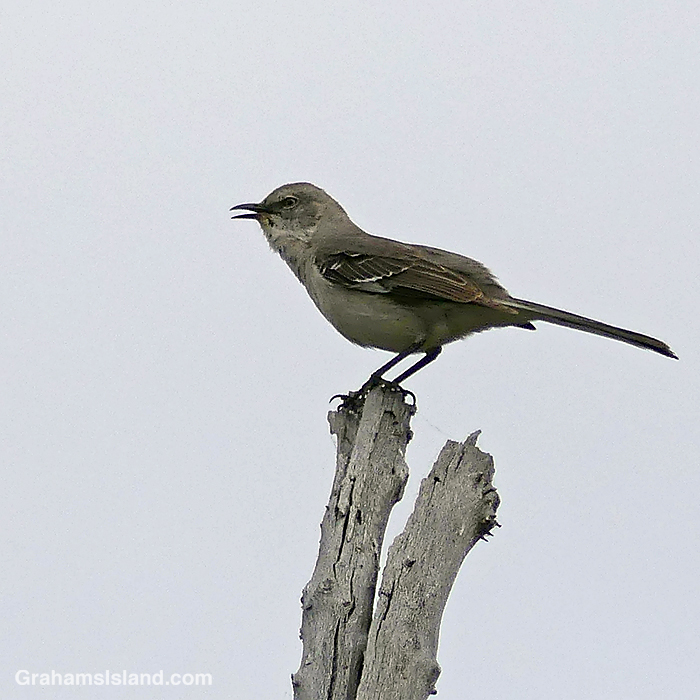
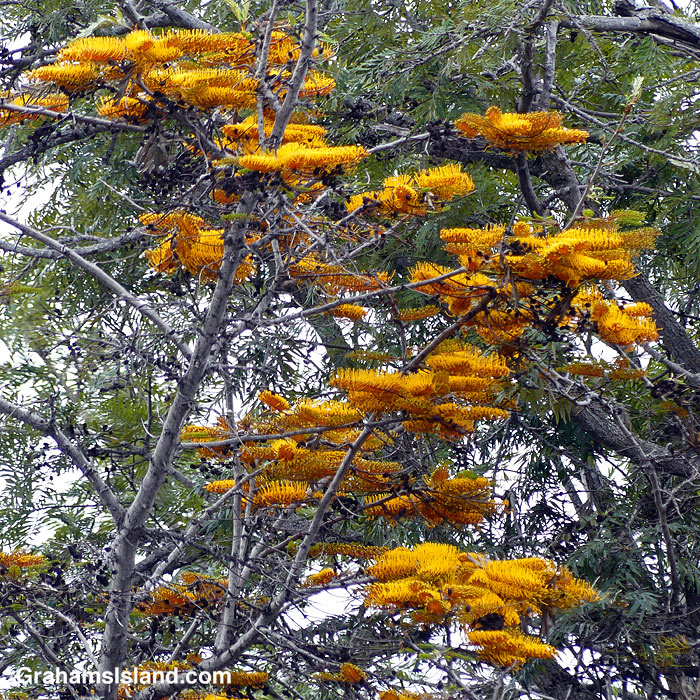
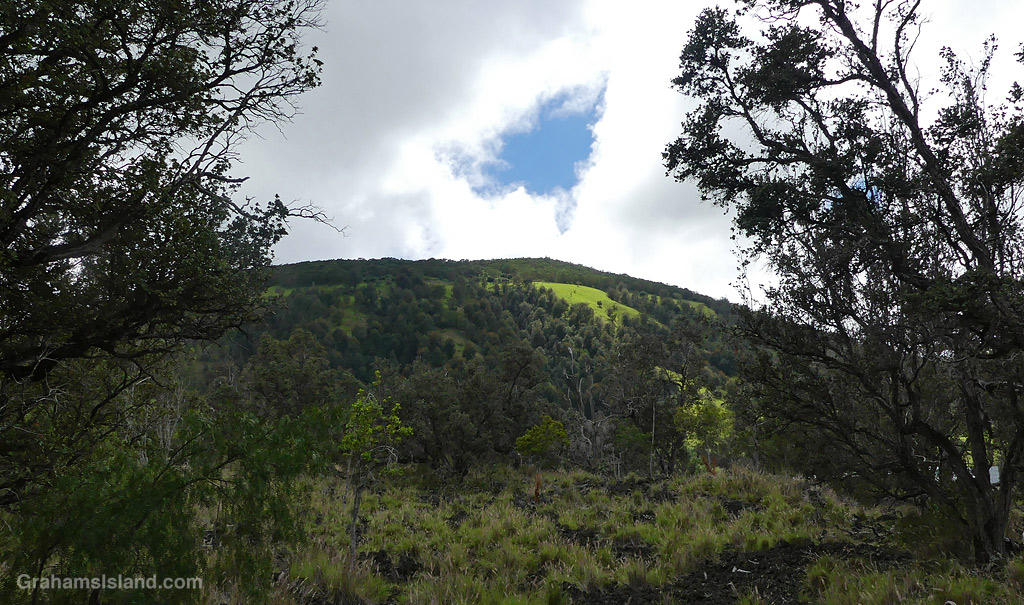
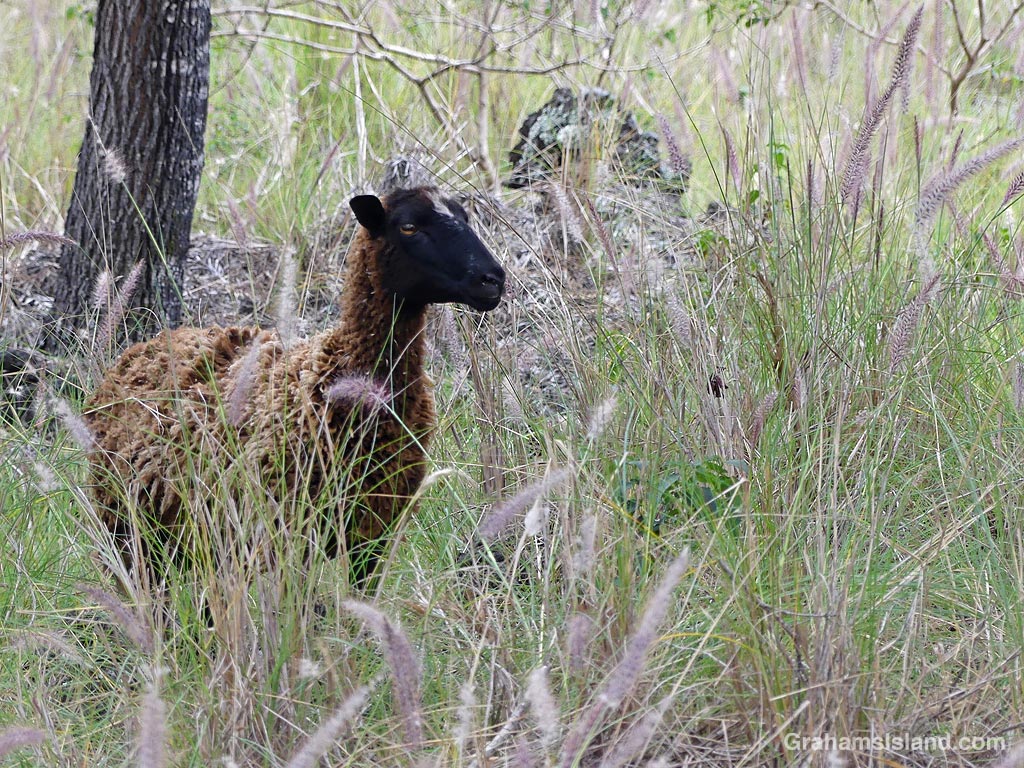
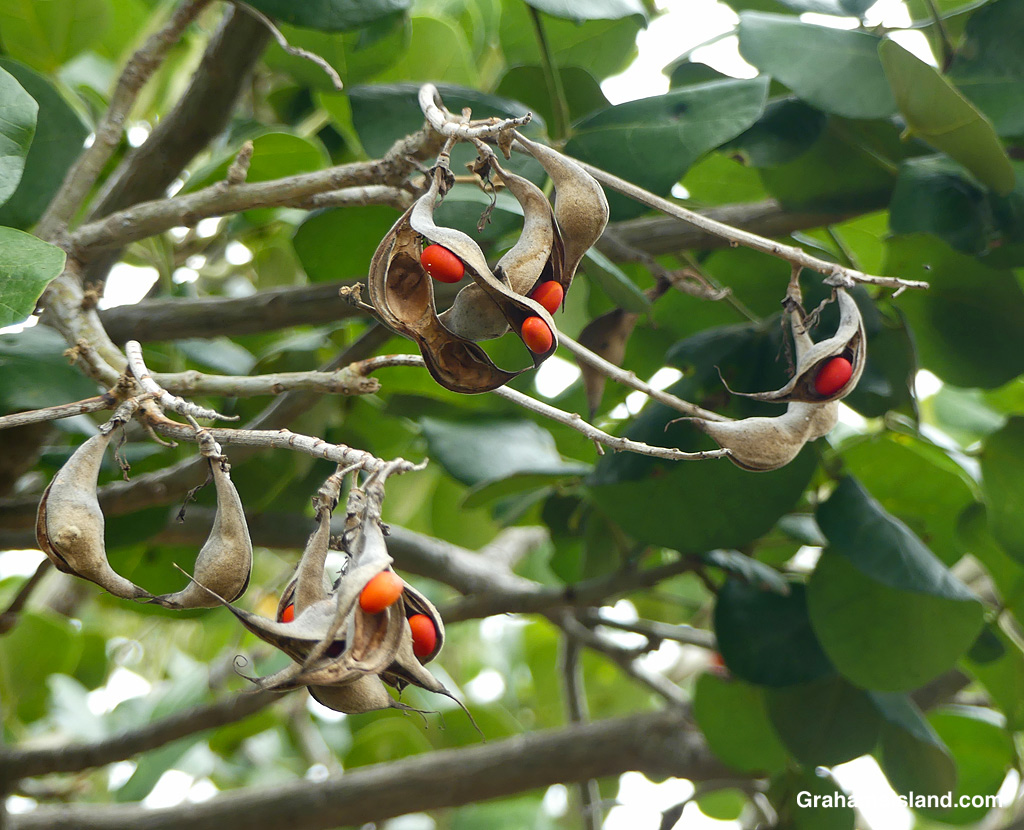
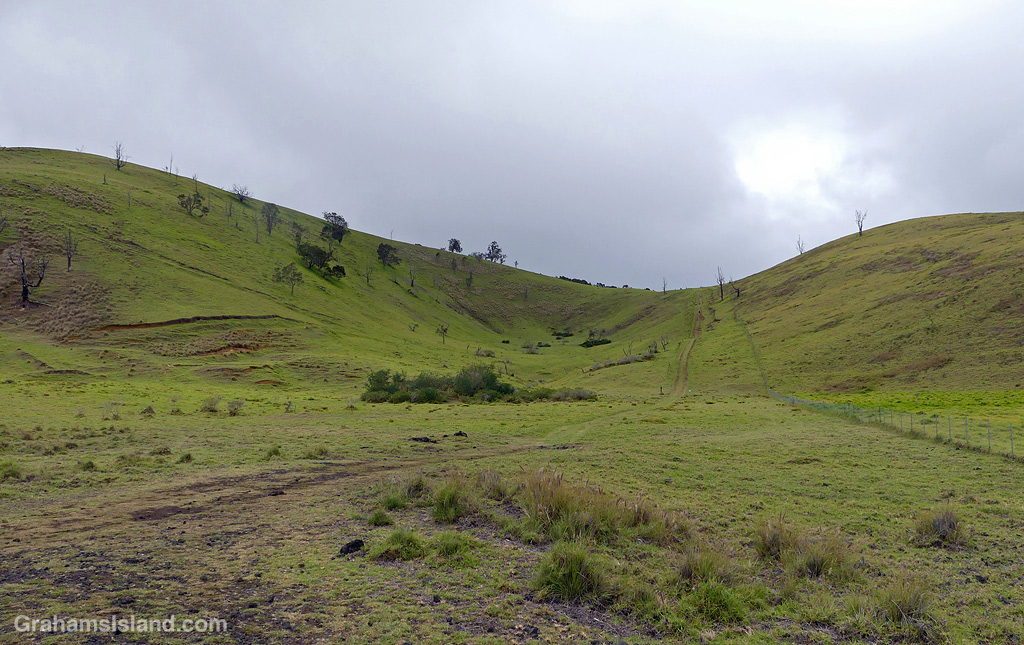
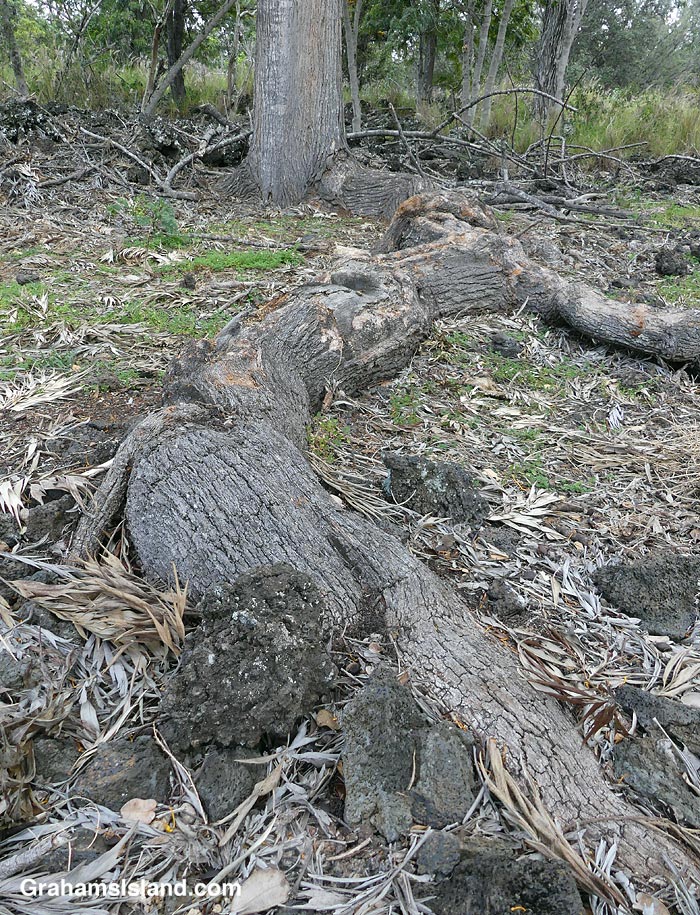
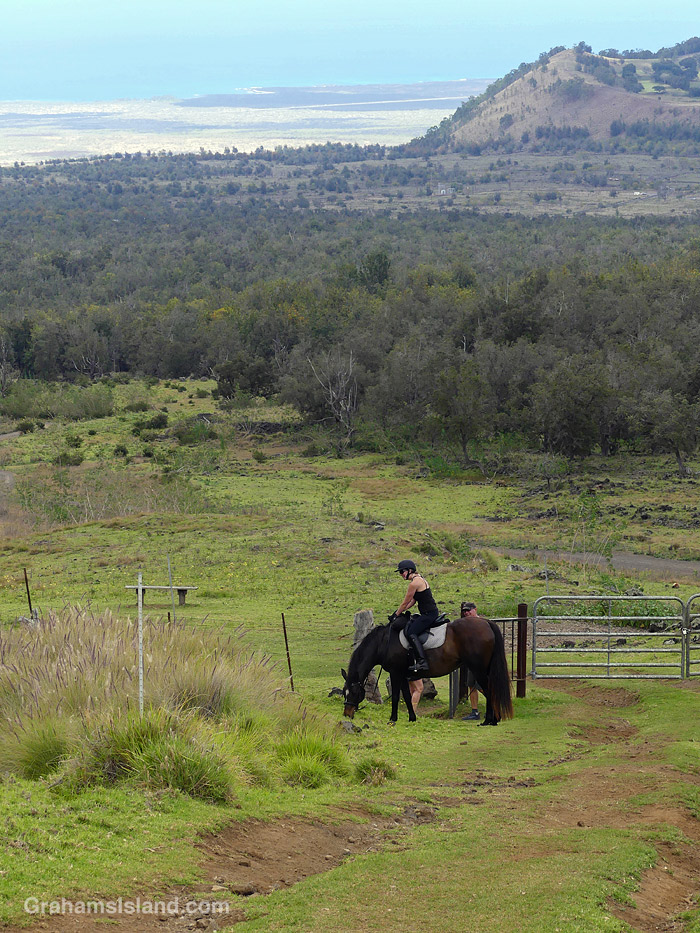
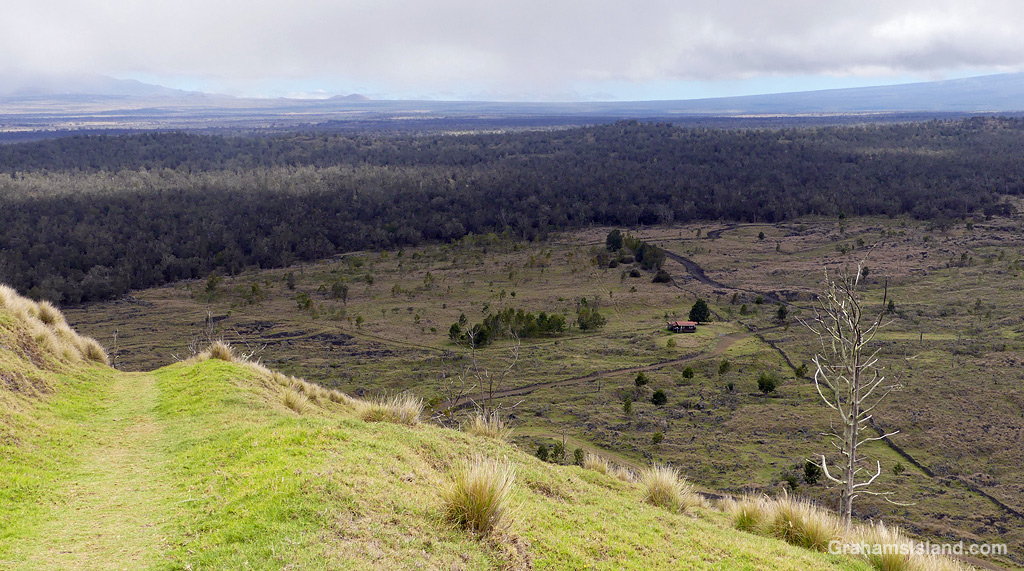
Also posted for Jo’s Monday Walk. See more responses here.
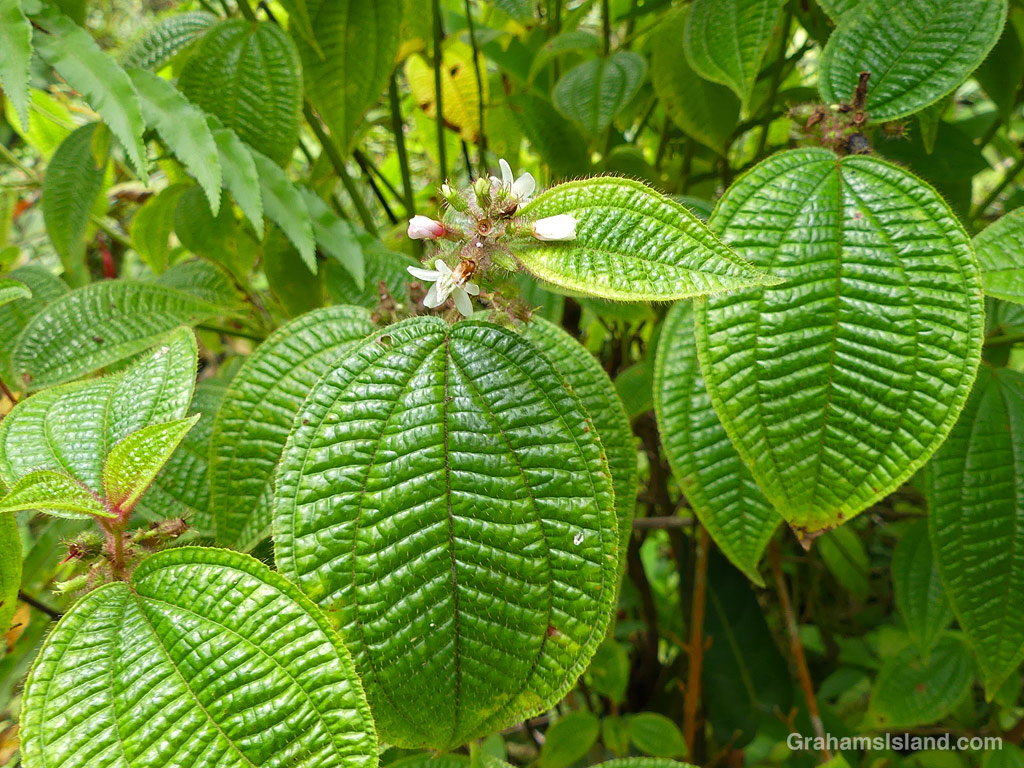
Koster’s Curse (Miconia crenata), also known as soapbush, is one of the worst invasive plants in Hawaii. Introduced in the 1940s, it has spread across all the islands and its growth habits and prolific seed spread threatens anything in its path.
Ironically, it is named after a sugar planter in Fiji who was believed to have introduced the plants there and shared seeds elsewhere. However, it’s thought that it was actually a neighbor of his, a coffee planter named William Parr, who was the guilty party!
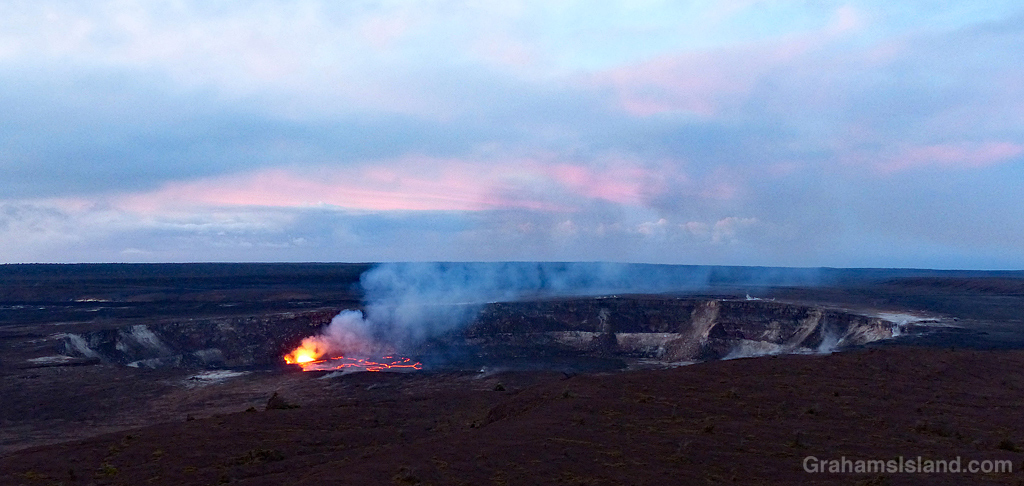
The idea of The Numbers Game is to enter a number into the search bar of your computer and then post a selection of the photos that turn up. This week’s number is 186. Captions are on the photos. You can see more responses here.


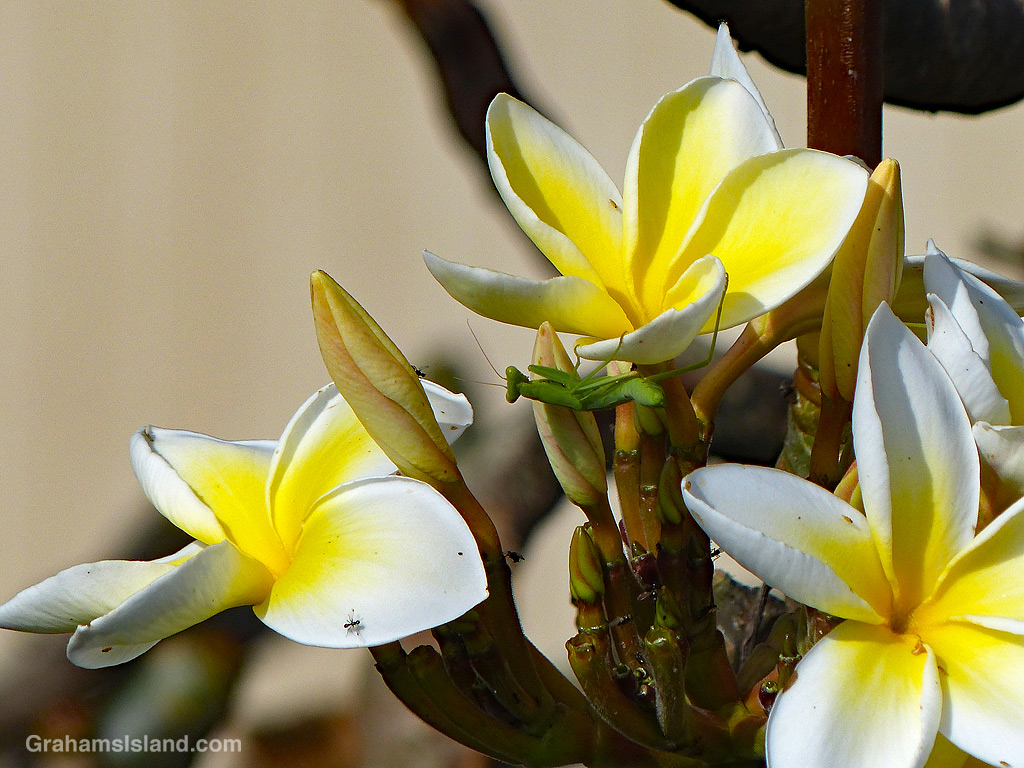
This week’s Sunday Stills challenge theme is ‘Celebrate Spring or Autumn.’ See more responses here.
Since we’re a little shy on seasonal changes here, I’m going with some nominal signs of Spring, namely flowers budding out and blooming.
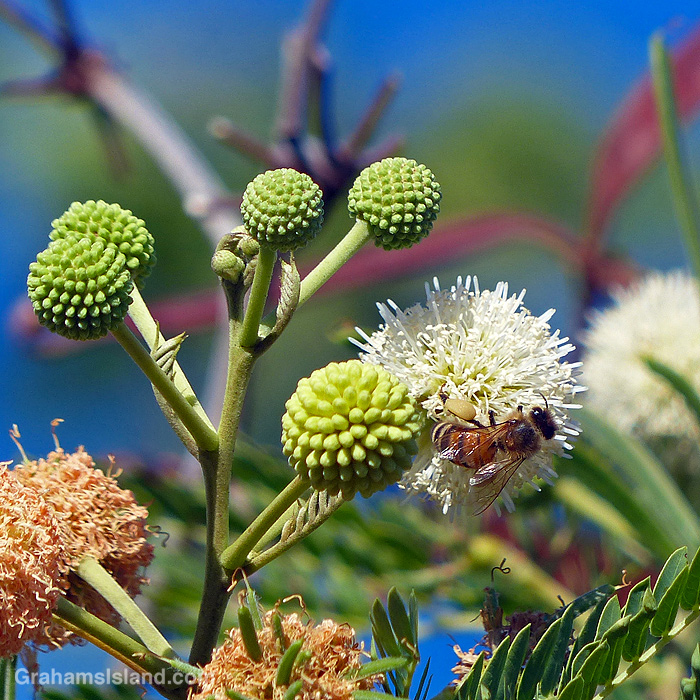
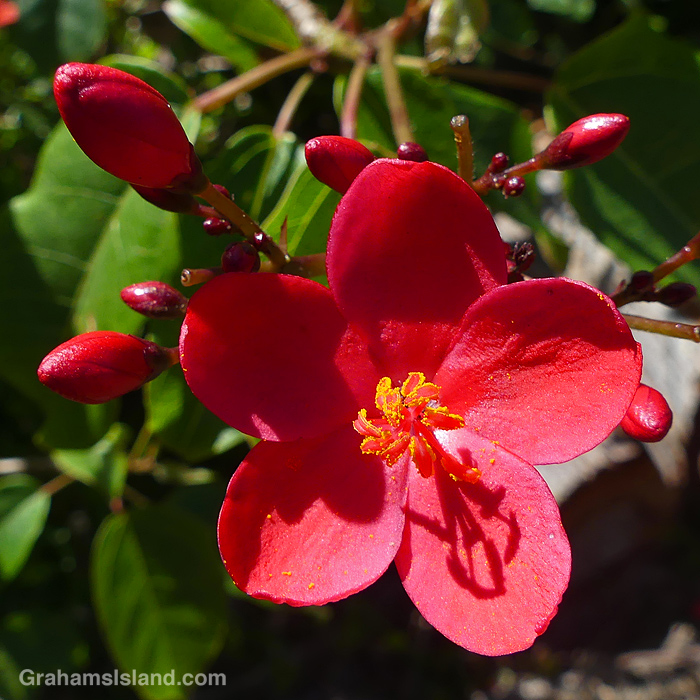
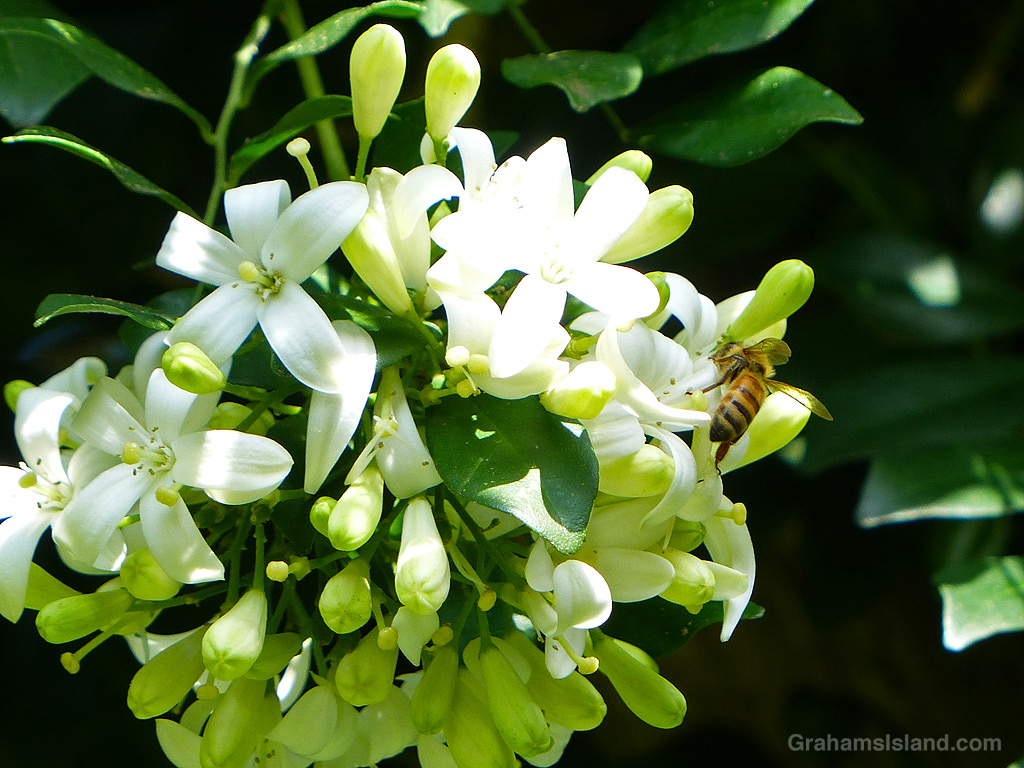
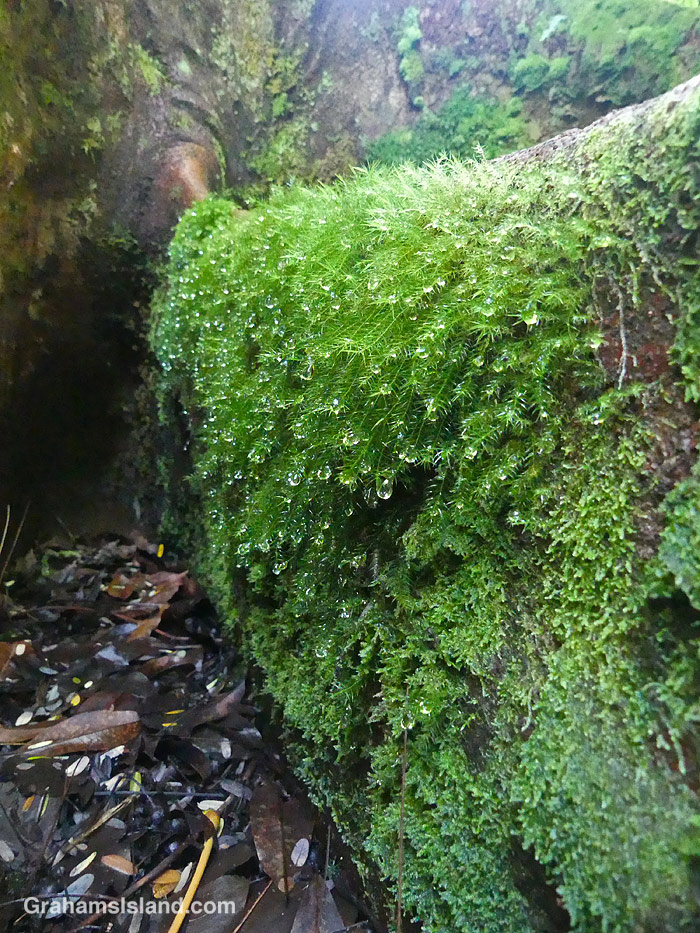
Moss growing on the roots of what I think is a Brazilian Firetree (Schizolobium parahyba), growing at Hawaii Tropical Botanical Garden.
 Graham's Island