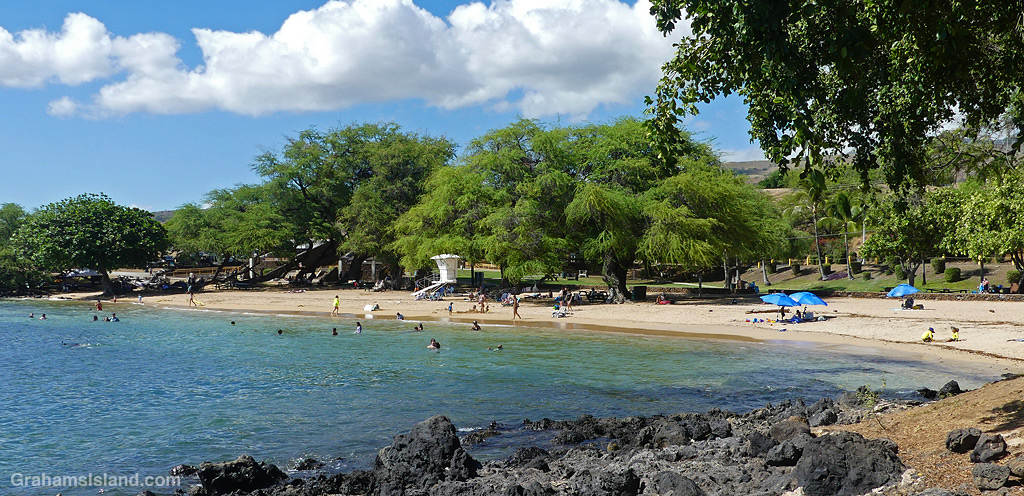
A few days ago I posted photos of people surfing outside the breakwater at Keokea Beach Park (here). This photo shows the sheltered waters inside the breakwater.

A few days ago I posted photos of people surfing outside the breakwater at Keokea Beach Park (here). This photo shows the sheltered waters inside the breakwater.

Last week, I went out to Keokea Beach Park for the first time in quite a while. It’s a scenic little park, with a breakwater protecting a shallow area where kids can get in the water safely, a rarity on this stretch of coast.


Outside the breakwater, waves rolling in from the northeast had lured some surfers into the water. It looked a little hairy, riding those waves, apparently headed for the rocks. But the surfers were angling across the waves, from right to left as I looked at them, and so were pretty safe unless they made a major mistake. Those who did end up in the water were dismounting rather than wiping out.


Spencer Beach Park is a place I visit fairly often. Recently, I had the opportunity to fly to Maui and, while I was in the air, took the usual plethora of photos. Some of these were of the park.
The top photo shows the park with its sandy beach, surrounding trees, and calm blue waters offshore. It also shows how close the recent brush fires came to the park. The building on the left side of the photo is the visitor center for Pu’ukohola Heiau National Historic Site, which adjoins the site.
In the bottom photo, Spencer is at the lower left. To the right is Mauna Kea resort, which did suffer some damage in the fires. Mauna Kea Volcano provides the backdrop.

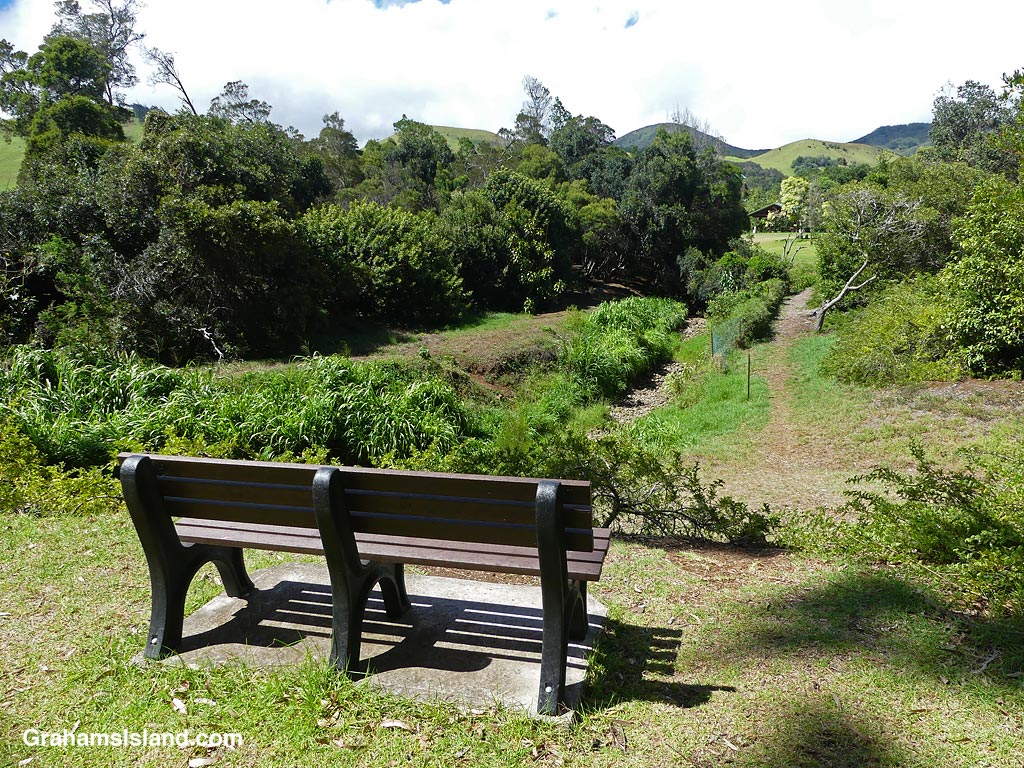
Recently, while waiting to visit my dentist, I walked the trail in the Waimea Nature Park, also known as Ulu La’au. The trail follows the Waikoloa Stream for about a mile from the town center down toward the ocean. It’s a work in progress, with volunteers removing invasive species and planting native and canoe plants in their place.
On my walk, the Waikoloa Stream had water in it, but not much. I think it would be fun to walk there after a heavy rain. But one thing I liked was the abundance of benches, some of which offered nice views of the park, the stream, and the hills surrounding the town.
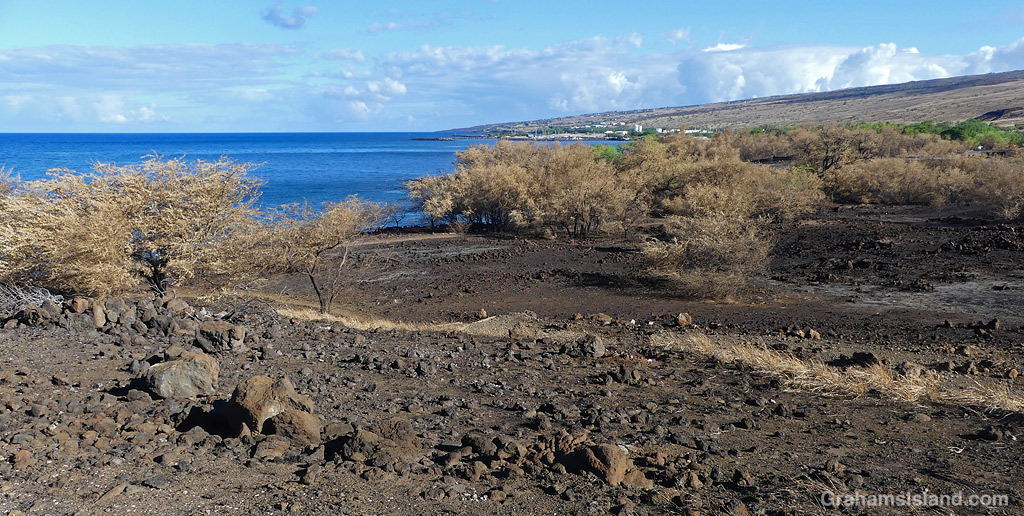
A few days ago, I headed out on the trail from Spencer Beach Park to Mau’umae Beach Beach. I was curious to see how far last month’s brush fire, that burned near Mauna Kea Resort, had reached down by the ocean. A hundred yards into the walk the answer became clear. It reached the shore. Spencer Beach Park was untouched, but the woods on the edge of the park are one tree deep in places.

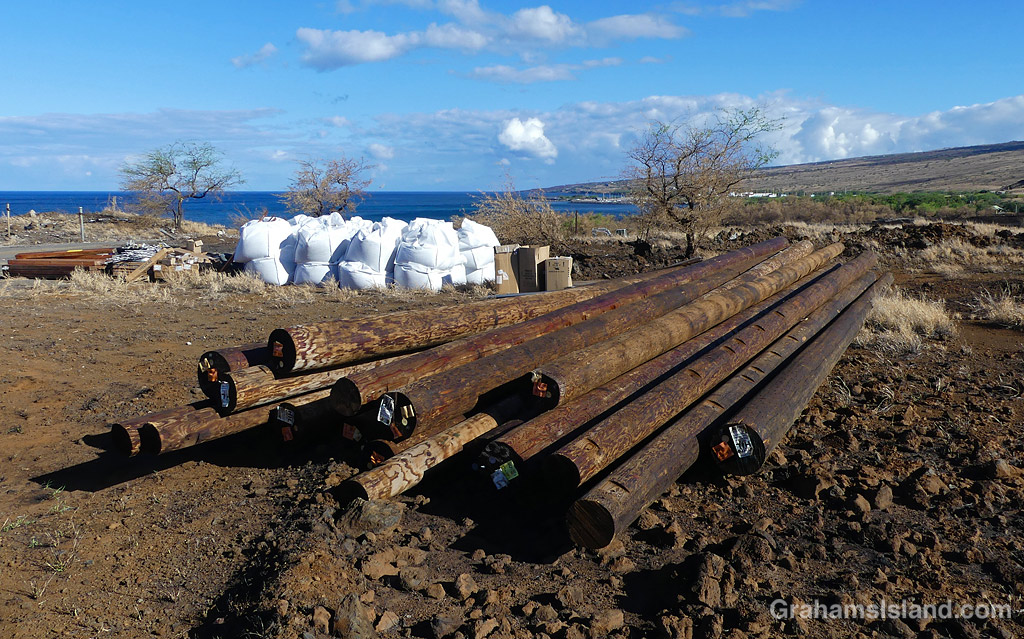
I walked back to Spencer on the service road, a quarter mile inland. The power line ran along the ground or was draped in blackened trees. There was a clump of poles and other supplies in one spot, ready for restoring service.


The vehicle access road to Mau’umae Beach beach is closed now, as two small wooden bridges were destroyed in the fire. Currently, and for the foreseeable future, the only access to the beach will be along the coast trail from Spencer. It’s only a 15 minute walk, but that’s often enough to discourage people from going there.

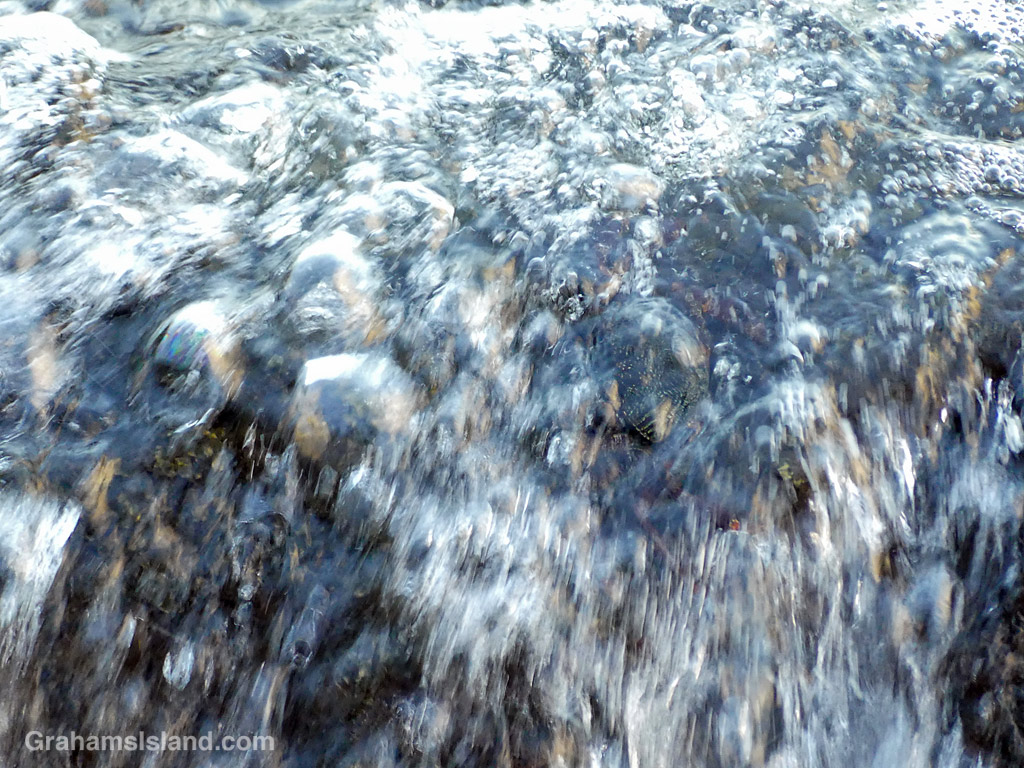
One recent early morning, I spent a while watching A’ama Crabs on the rocks at Spencer Beach Park. This one held its position as the waves washed over it and then receded ….
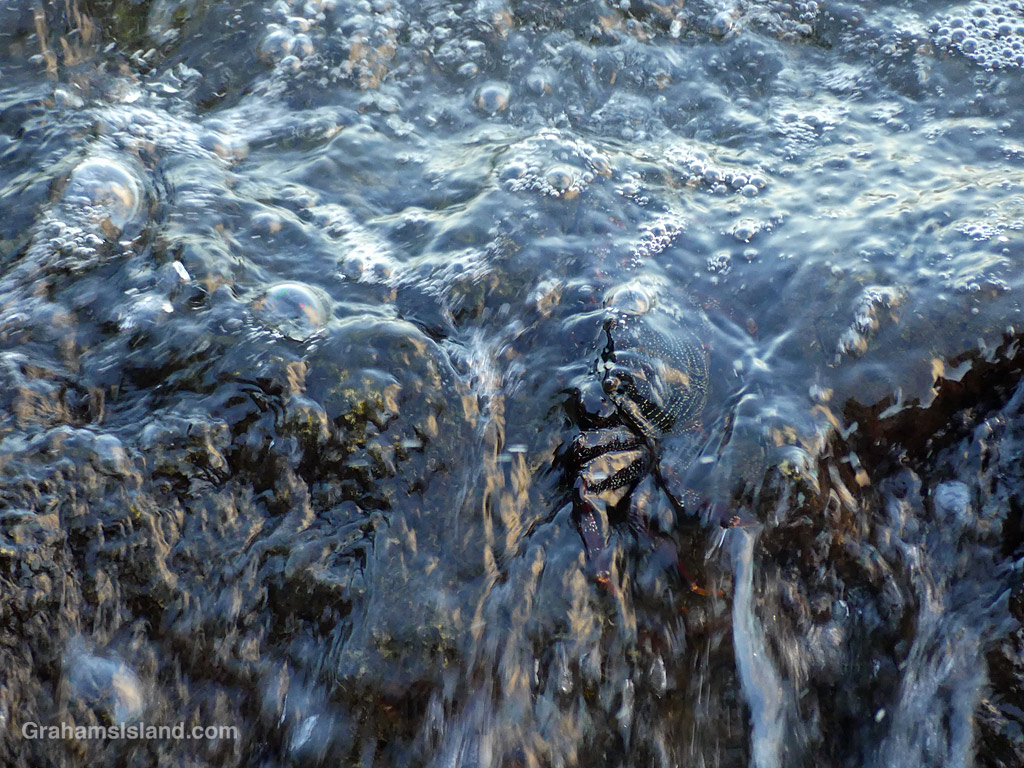
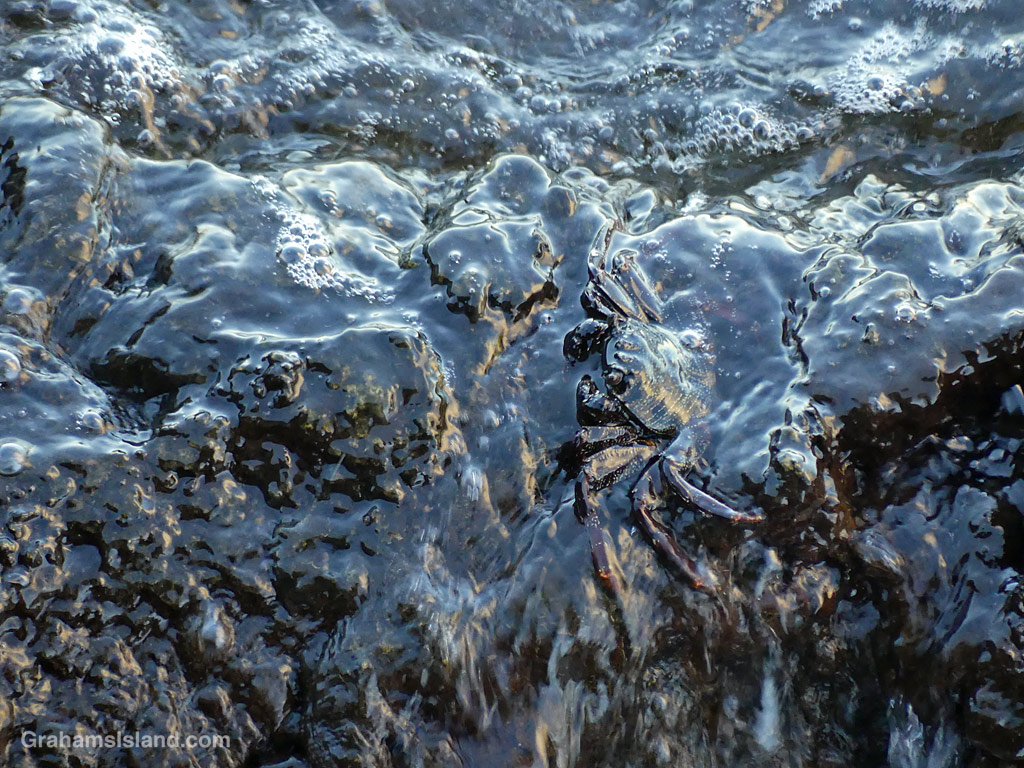
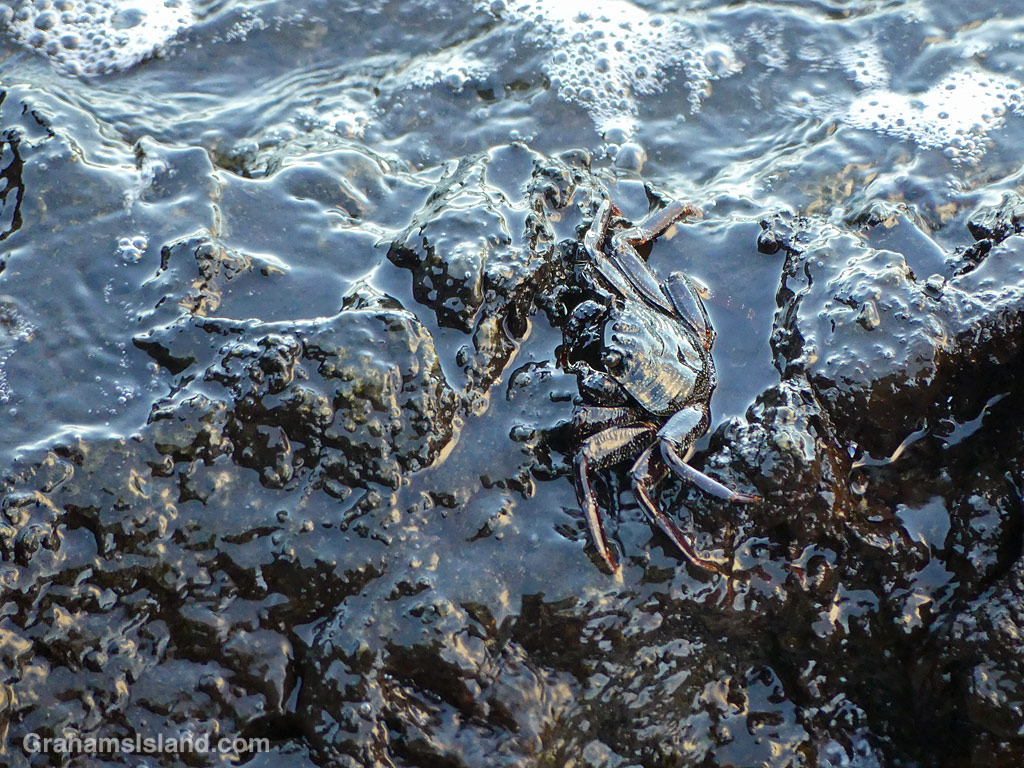
…. Time after time.
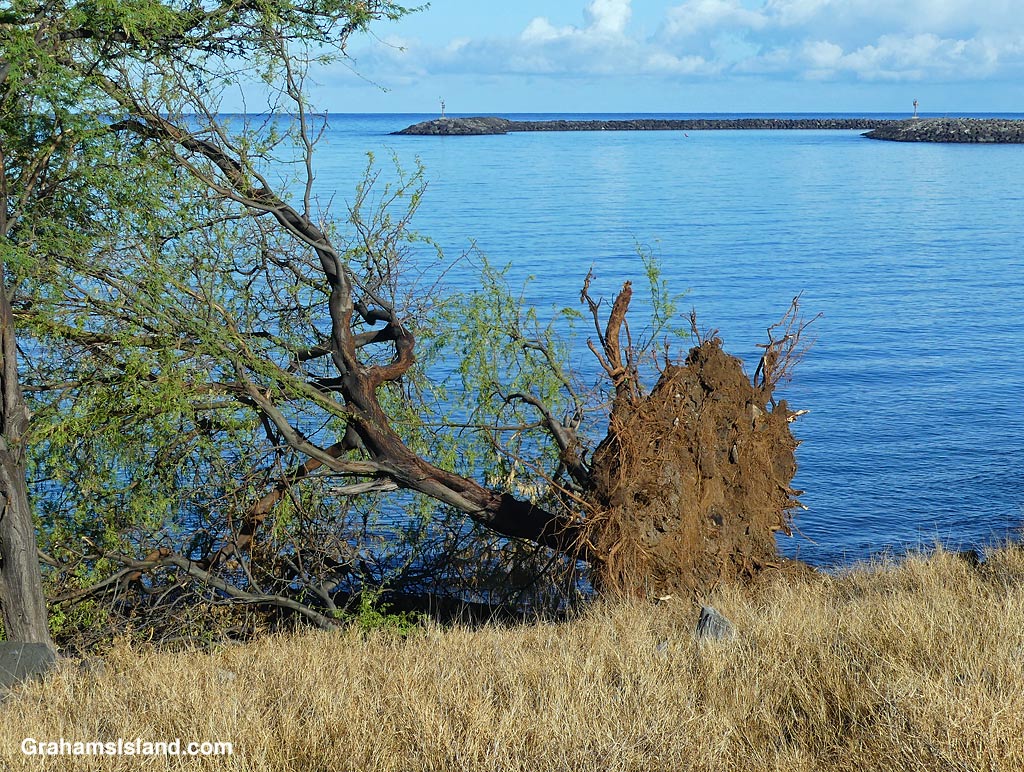
Since the big windstorm of a few weeks ago, I’ve seen a number of Kiawe trees looking like this, on their sides with a disc of roots and dirt exposed. They’ll get cut up and probably used for smoke meat, but it will take a while to clear all of them. This one was below the trail at Pu’ukohola Heiau National Historic Site in Kawaihae.
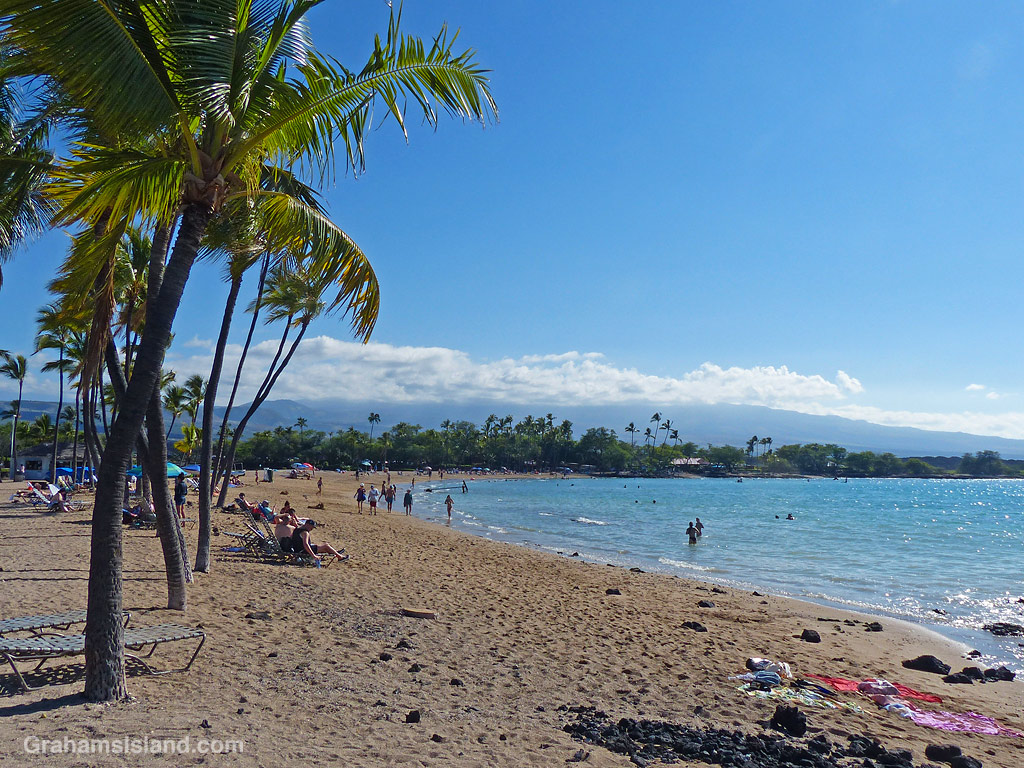
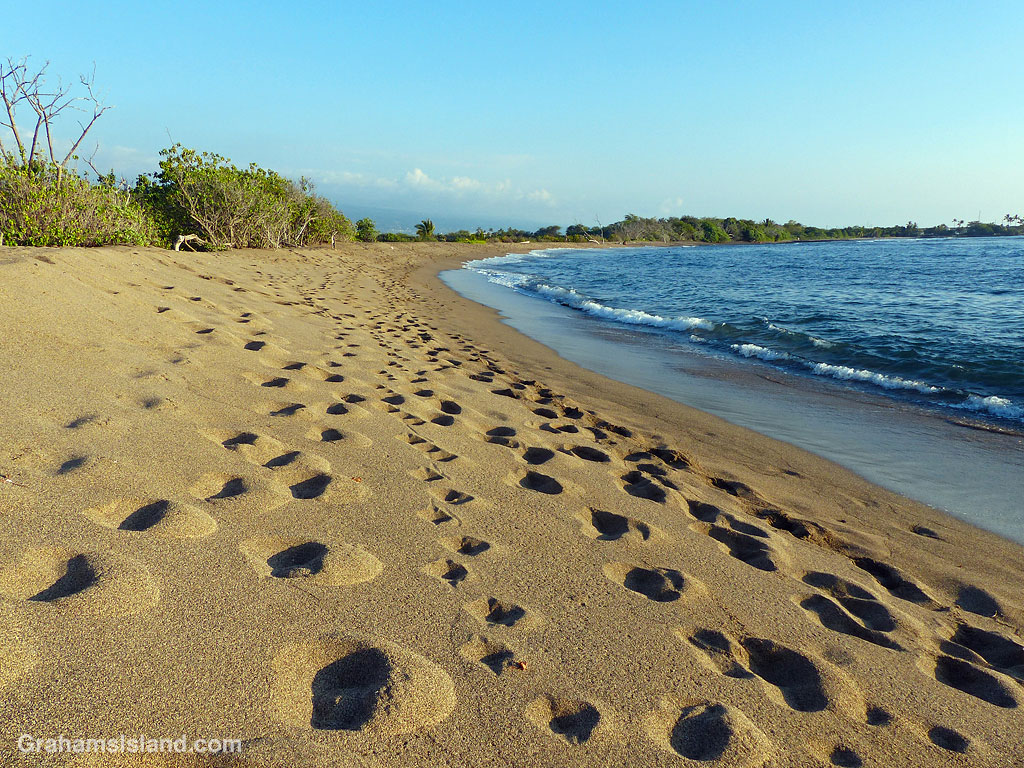
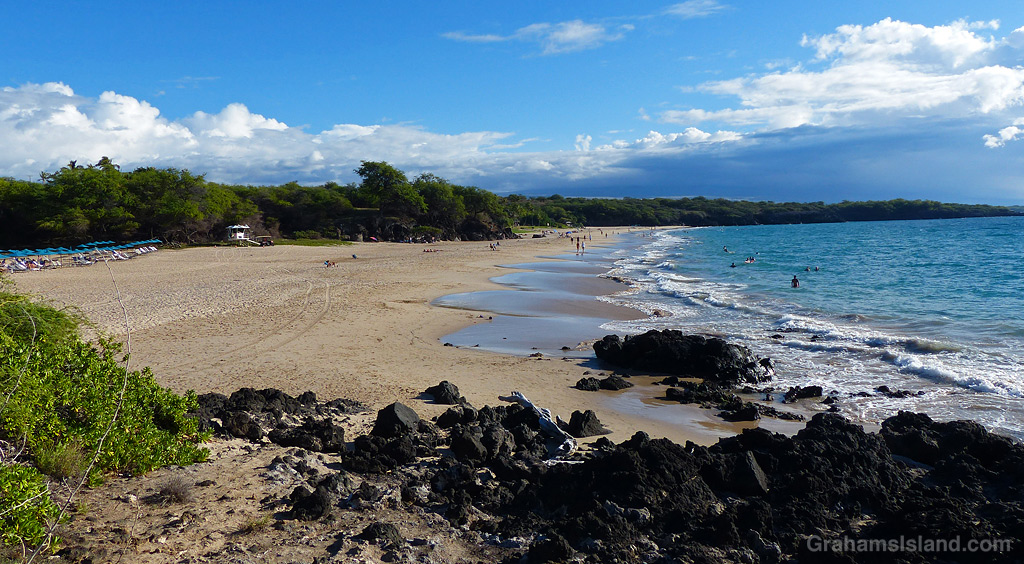
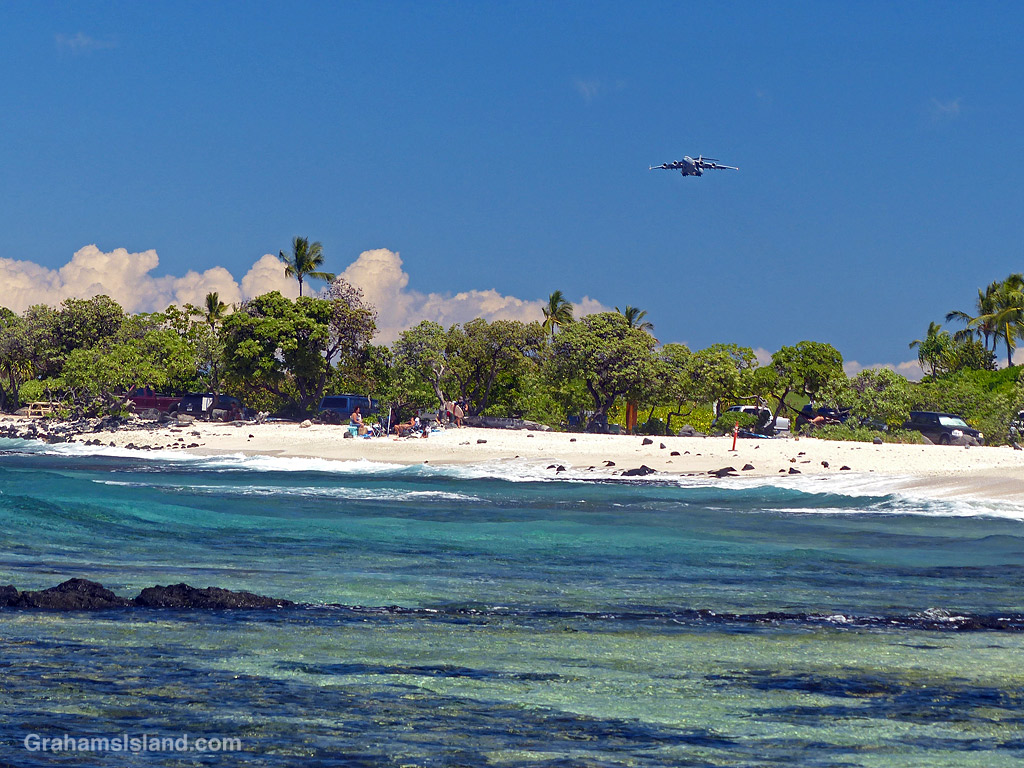
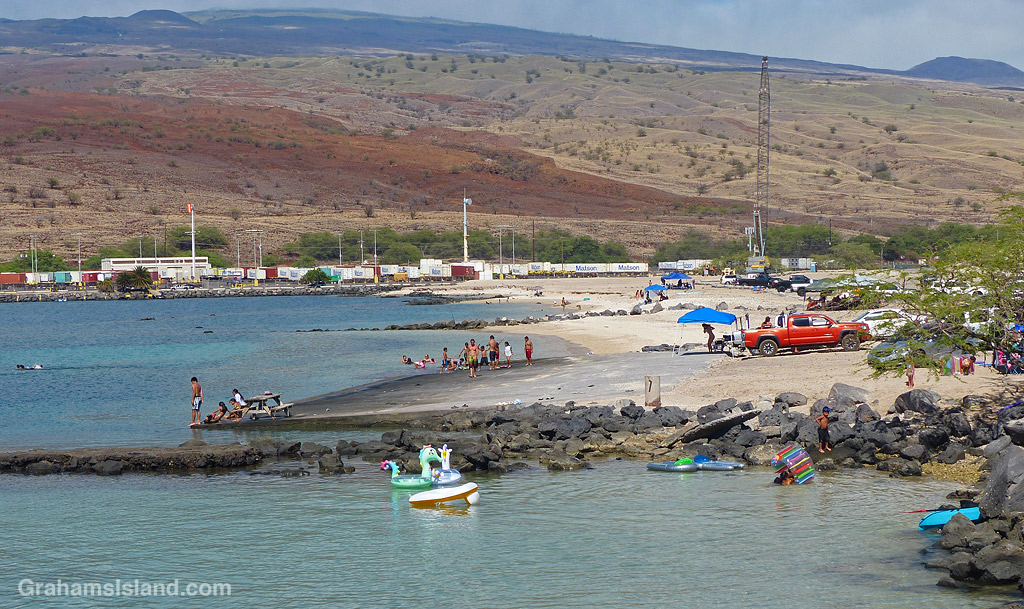
This week’s Sunday Stills challenge theme is ‘Lazy, Hazy Days of Summer.’ See more responses here. Beach scenes seemed appropriate for this, even if some of these photos were taken in the winter! Captions on the photos.