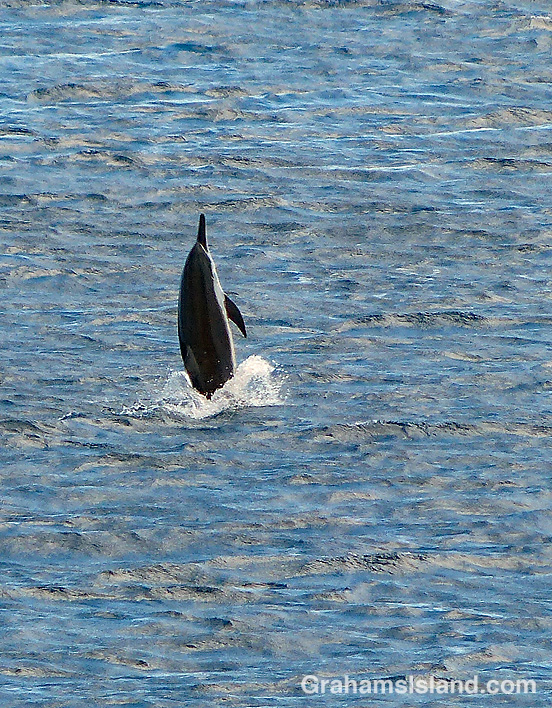
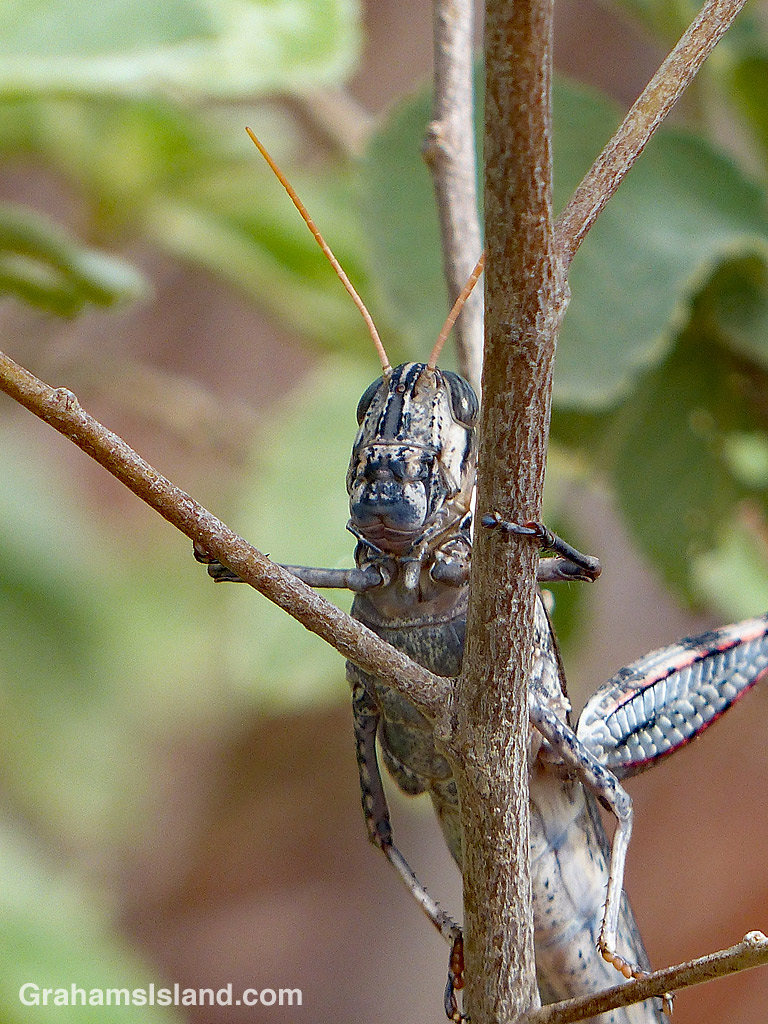
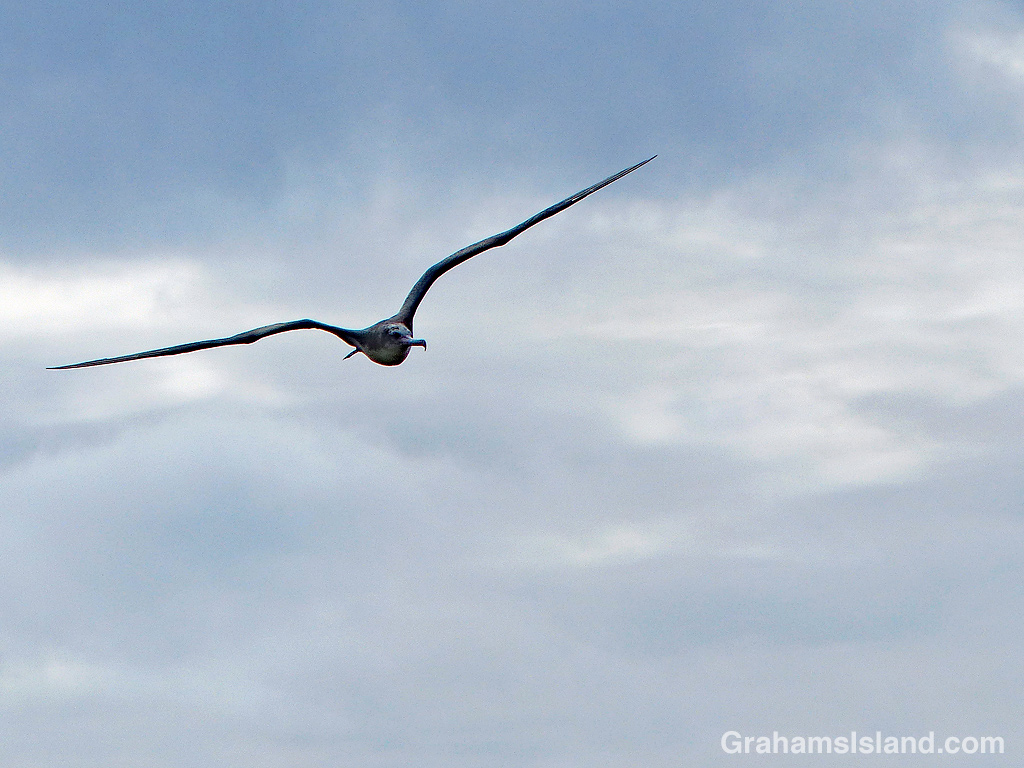
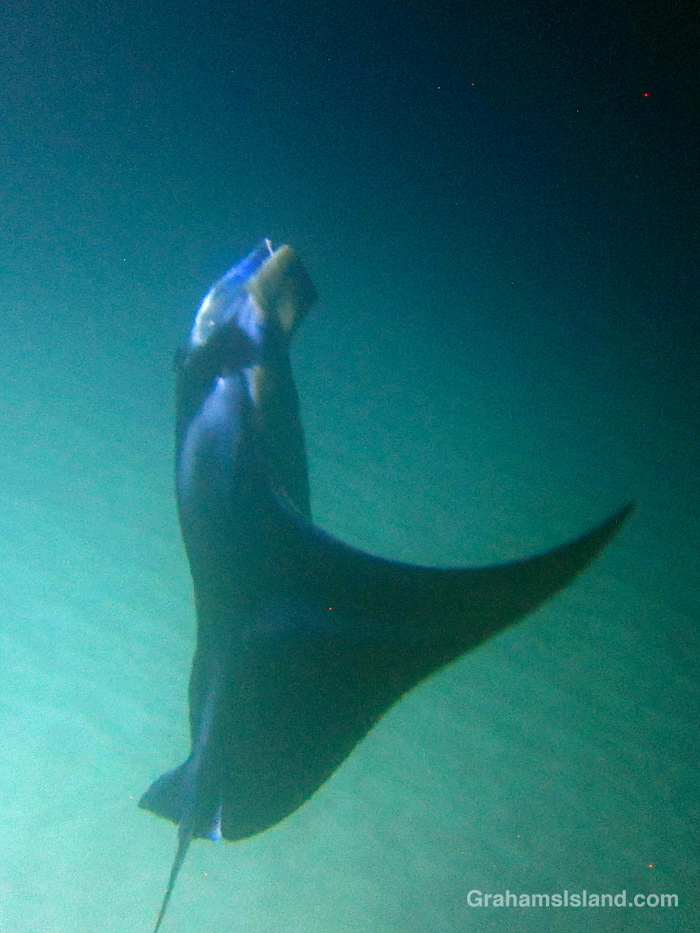
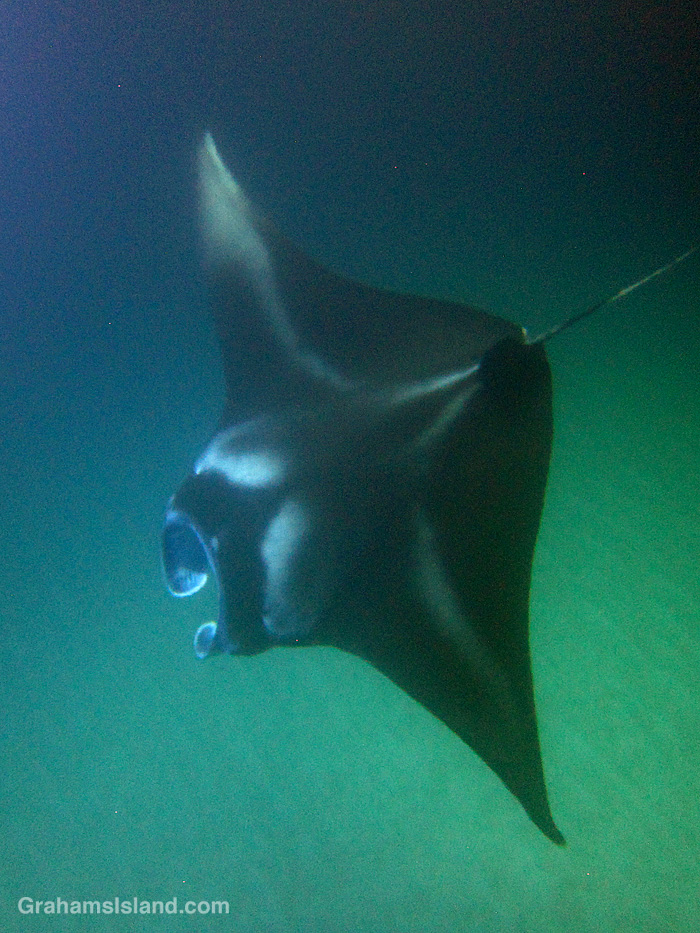
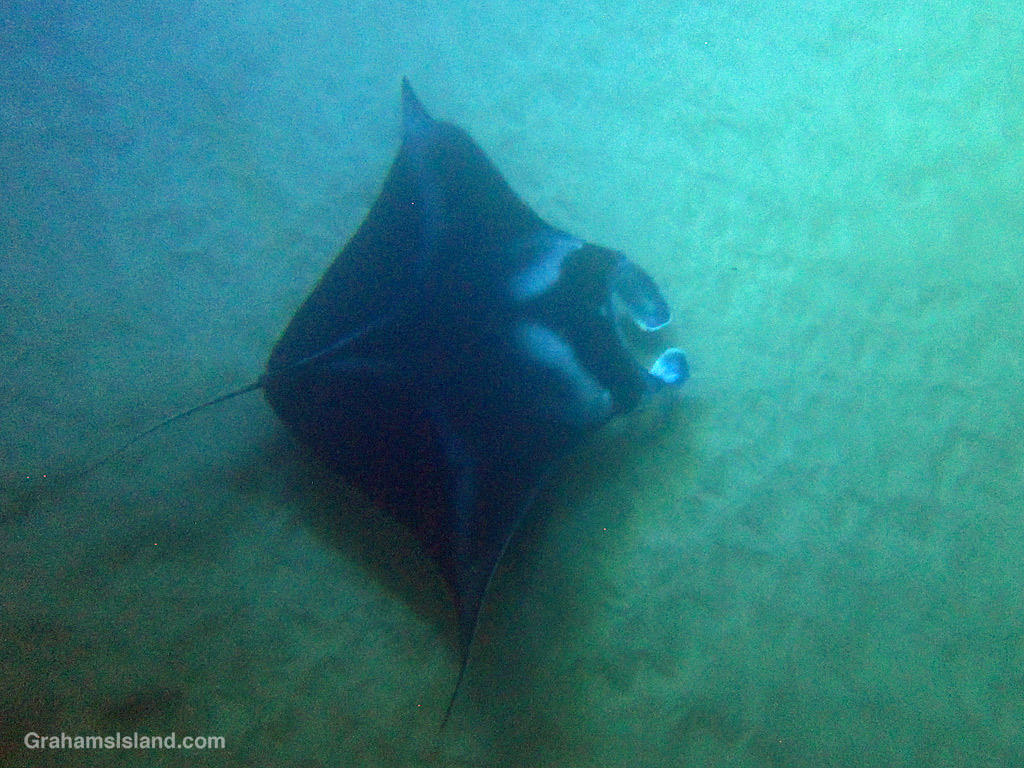
The idea of The Numbers Game is to enter a number into the search bar of your computer and then post a selection of the photos that turn up. This week’s number is 149. Captions are on the photos. You can see more responses here.




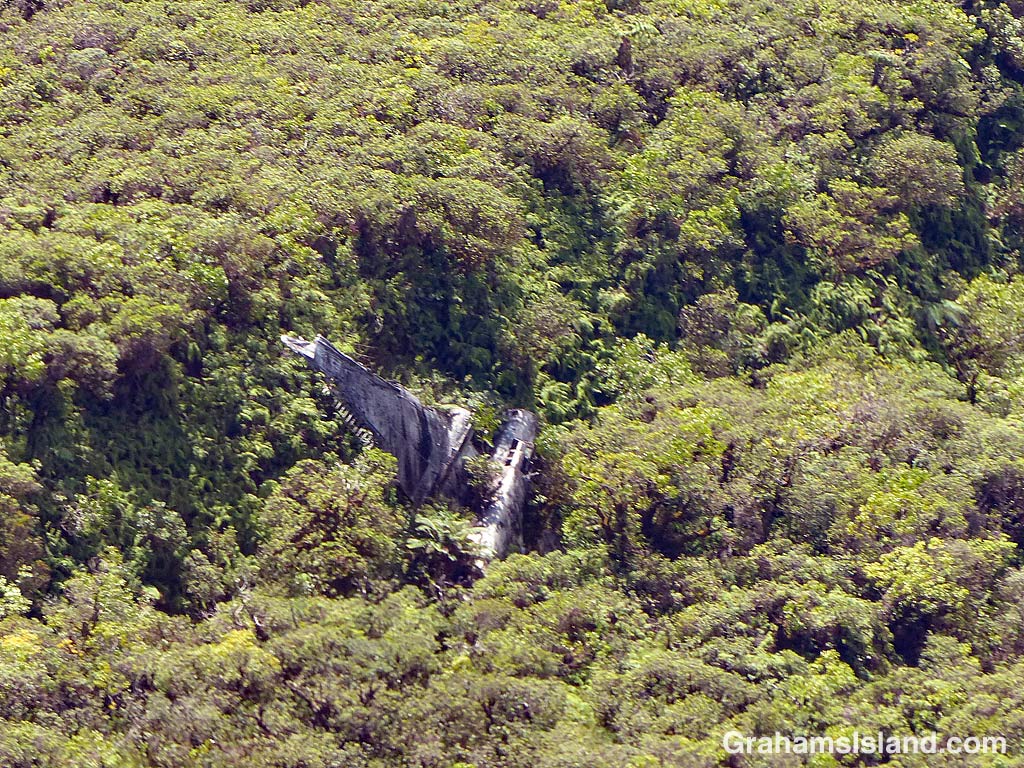

The idea of The Numbers Game is to enter a number into the search bar of your computer and then post a selection of the photos that turn up. This week’s number is 149. Captions are on the photos. You can see more responses here.

A Green Turtle comes up for air off the North Kohala coast.
Posted for Bushboy’s Last on the Card photo challenge.

This week’s Sunday Stills challenge theme is ‘Landscapes.’ See more responses here.
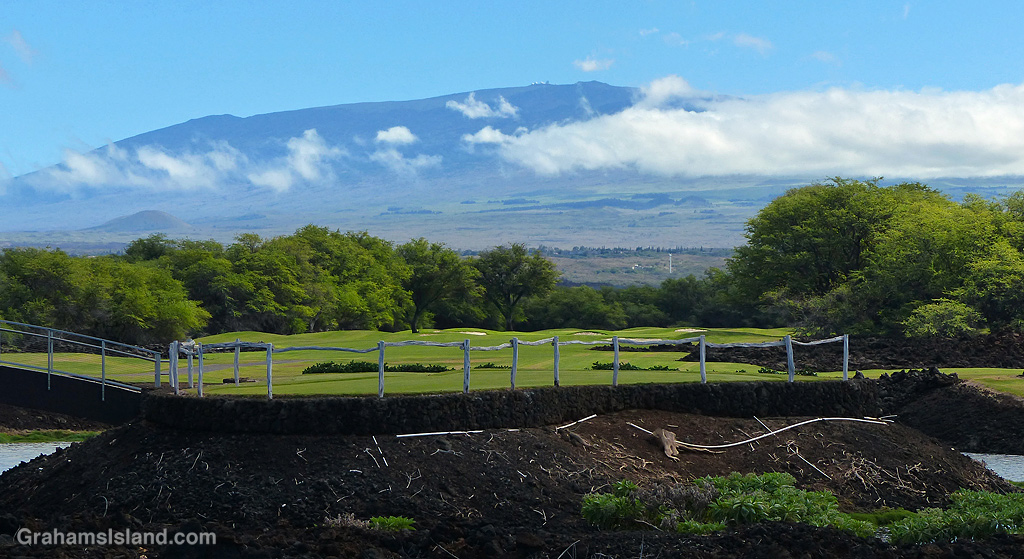
There’s a bit of everything on the Big Island, so these are just few of the landscapes to be seen here. Captions on the photos.


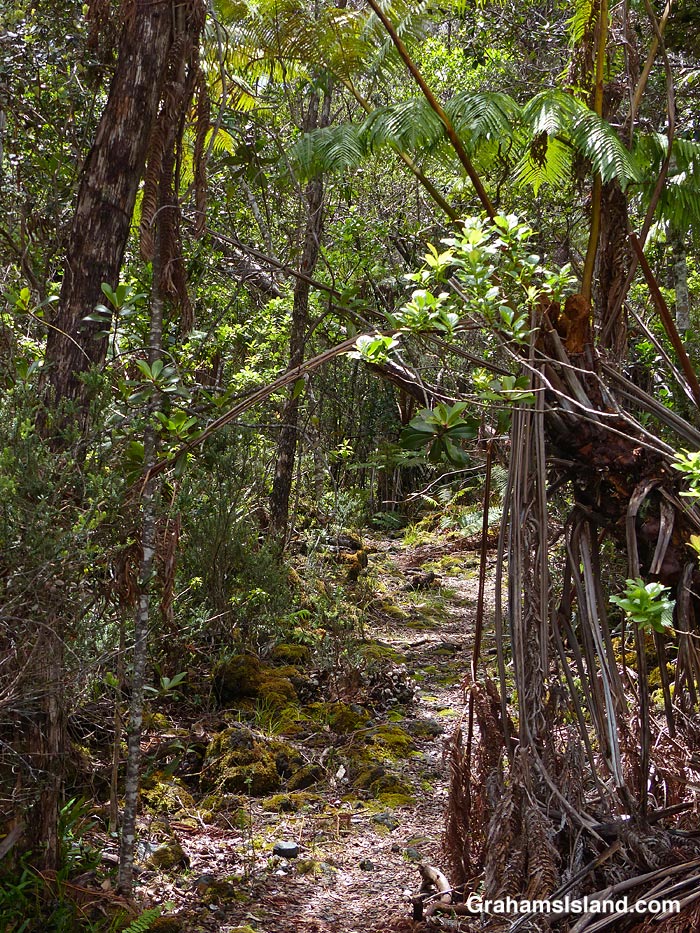



Entering beautiful downtown Hawi (all one block of it) there’s a gully to one side of the road. It’s a steep drop into it, but there’s lots of vegetation to break one’s fall and to cover up the odds and ends dumped there. We get a lot of rain up here, so the vegetation thrives including this palm, all shiny and drooping from the last downpour.
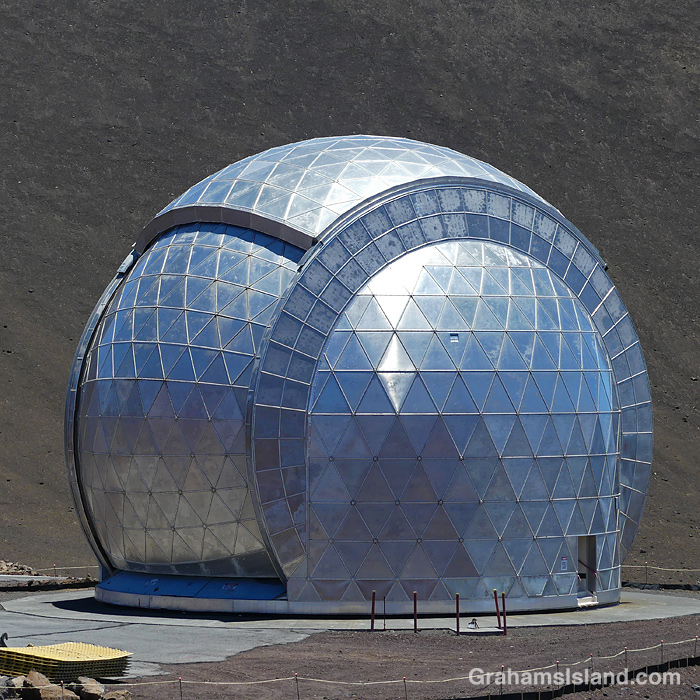
A few weeks ago, I was up at the summit of Mauna Kea with my visiting brother. I took a lot of photos up there including this one of the Caltech Submillimeter Observatory. I’ve always liked this observatory as it’s cute and shiny and has all kinds of different shapes going on.
One other thing it has, is disappeared. A couple of weeks after my visit, the dome was removed, part of a decommissioning process that’s been going on for a while now. Once the pad and underground utilities have been taken out, the site will be restored to its natural state.

While I was waiting to pick up pizza, I was attracted, moth-like, to the lights illuminating the outdoor seating area. So I climbed up on a wall and got some eye-level photos being careful, as one does, not to disturb the two armed officers sitting at the counter.
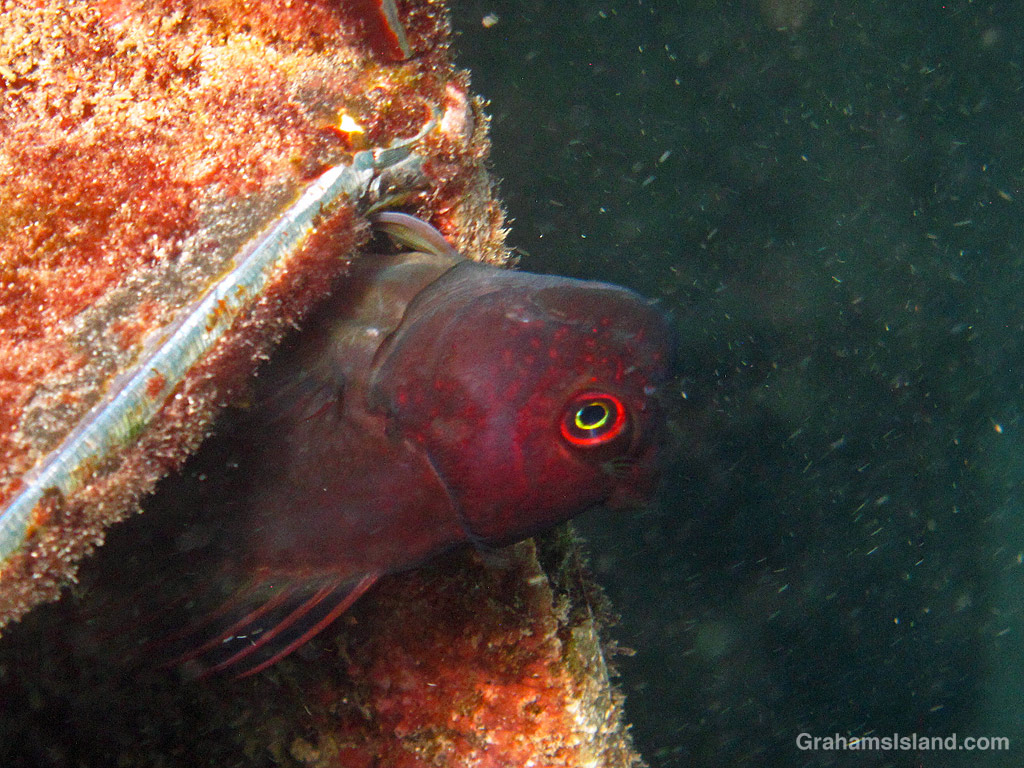
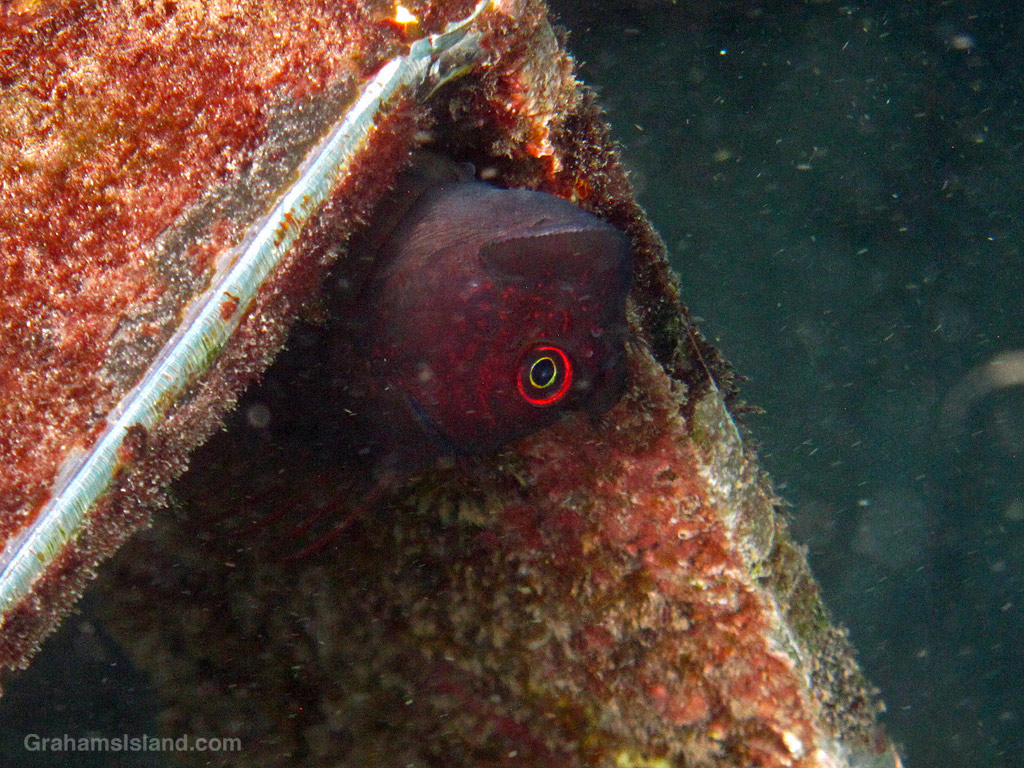
You don’t have to go far to see something interesting in the water. This Scarface Blenny hangs out around the ladder for getting in and out of the water at my local snorkel spot! I’d seen it before, but not been able to get a photo of it.
A few days ago, I had my camera ready as I approached the ladder. Sure enough, I saw the blenny’s head sticking out from below one of the ladder’s rungs. It quickly disappeared, but I hung on to the ladder to see if it would return. It did, and I was able to get a couple of shots.
I thought this was a Gargantuan Blenny, but when I got home and looked at the photos, I realized that the red eye ring and red marks on the face meant this was actually a Scarface Blenny. Both these blennies are endemic but the Scarface Blenny is slightly smaller than the other.

The idea of The Numbers Game is to enter a number into the search bar of your computer and then post a selection of the photos that turn up. This week’s number is 148. Captions are on the photos. You can see more responses here.