Category Archives: Volcanoes

The trail to Pepeiao Cabin

View from Hilina Pali Shelter on the Kau Desert Trail in Hawaii
View from the shelter at the trailhead.

This week’s Sunday Stills challenge theme is ‘Great Outdoors Month.’ See more responses here.

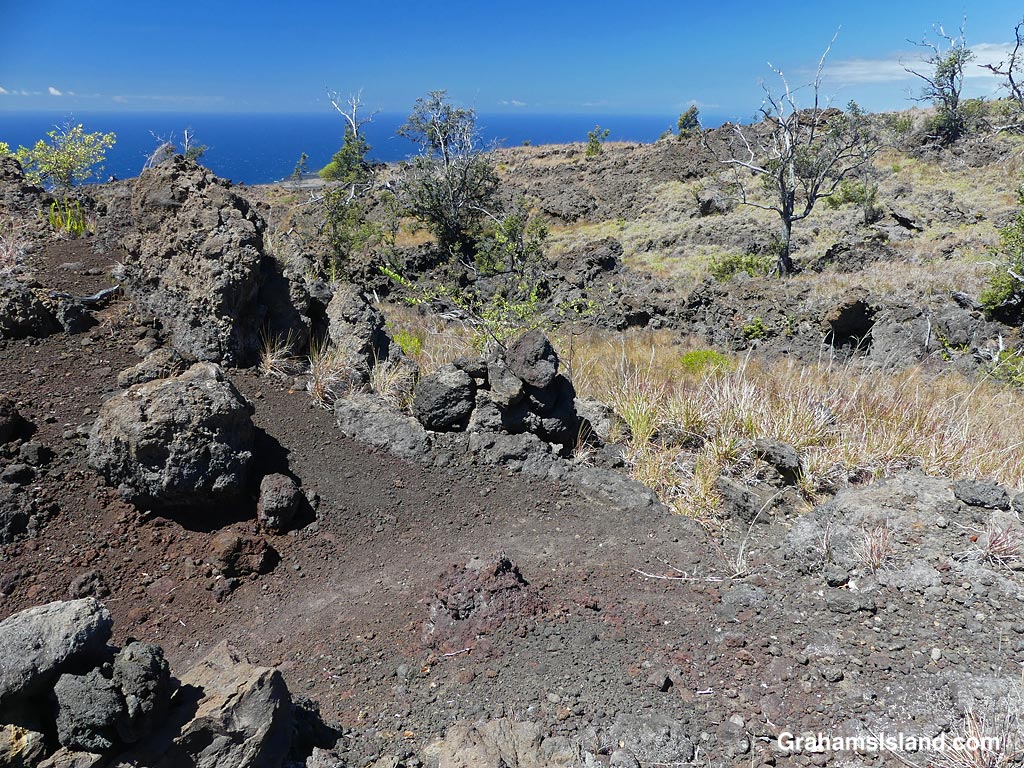
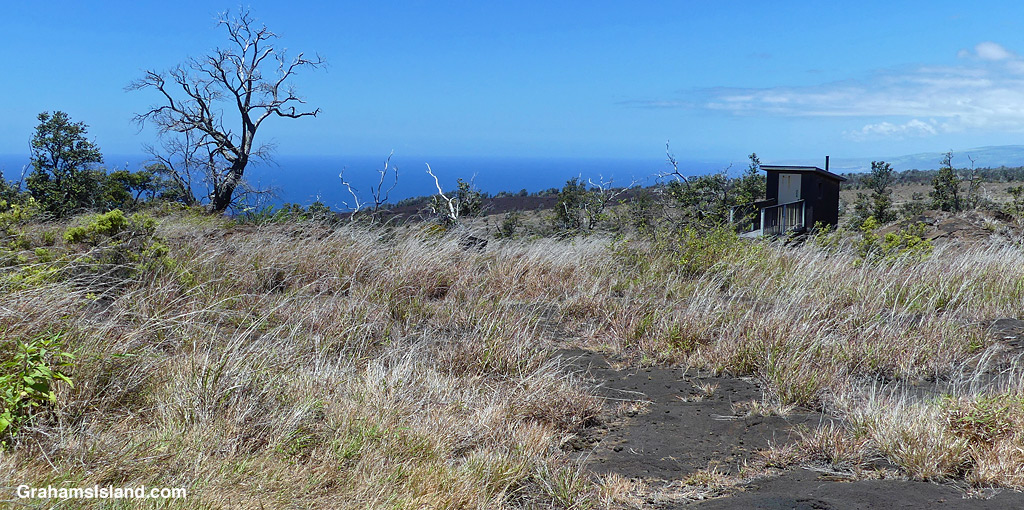
I did this hike, at Hawaiʻi Volcanoes National Park, quite a while ago, but for one reason or another the post never came together and then went missing in my files! This hike started from the lookout at the end of Hilina Pali Road. A few years back, I did a different hike from this starting point that almost did me in (here). This time, having learned from that experience, I stayed on top of the pali (Hawaiian for cliff). My destination was Pepeiao Cabin (pronounced ‘pay-pay-ow’), about five miles away, though the trail is the Ka’u Desert Trail, part of which I’ve hiked from the other end (here).
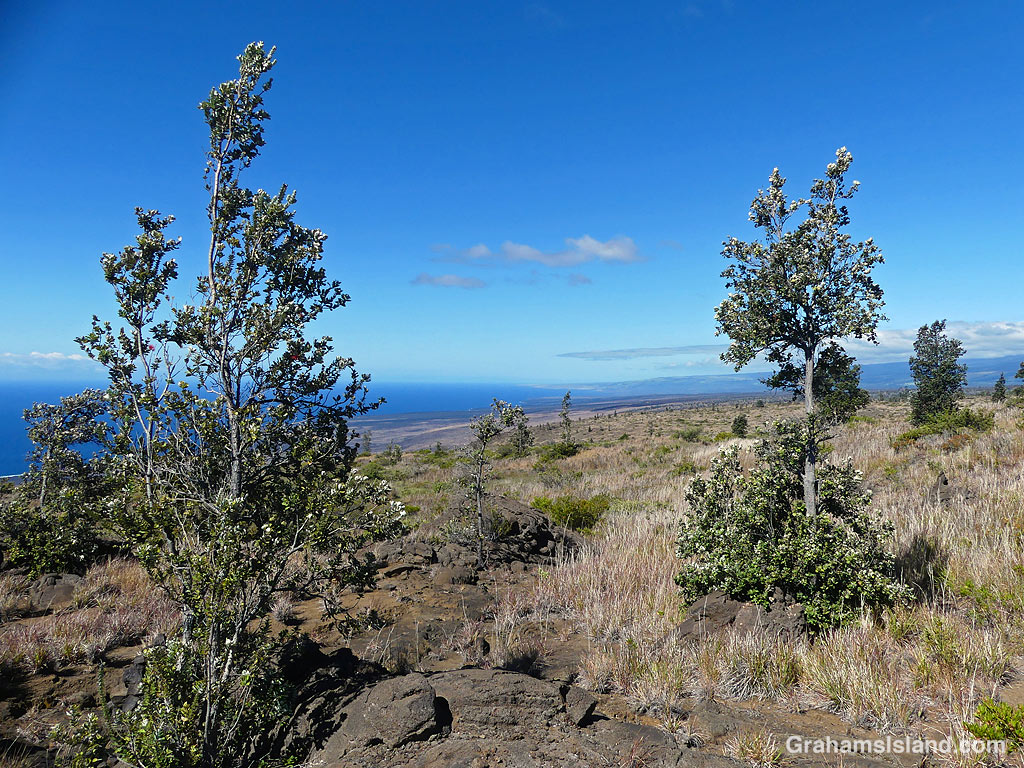
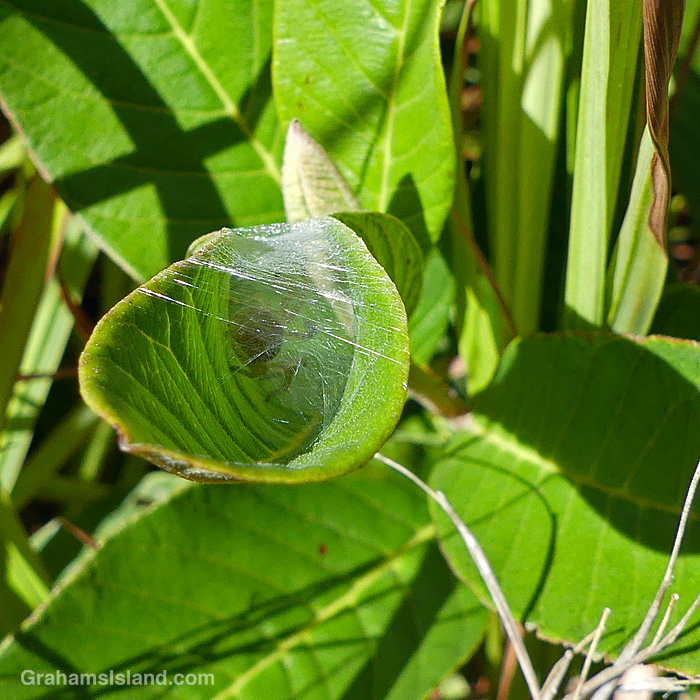
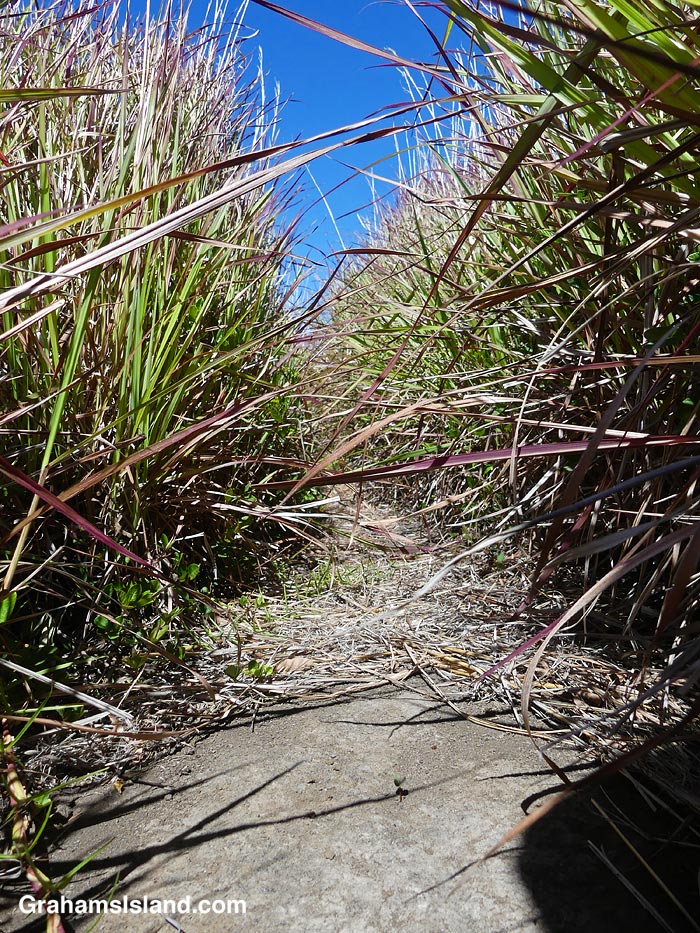
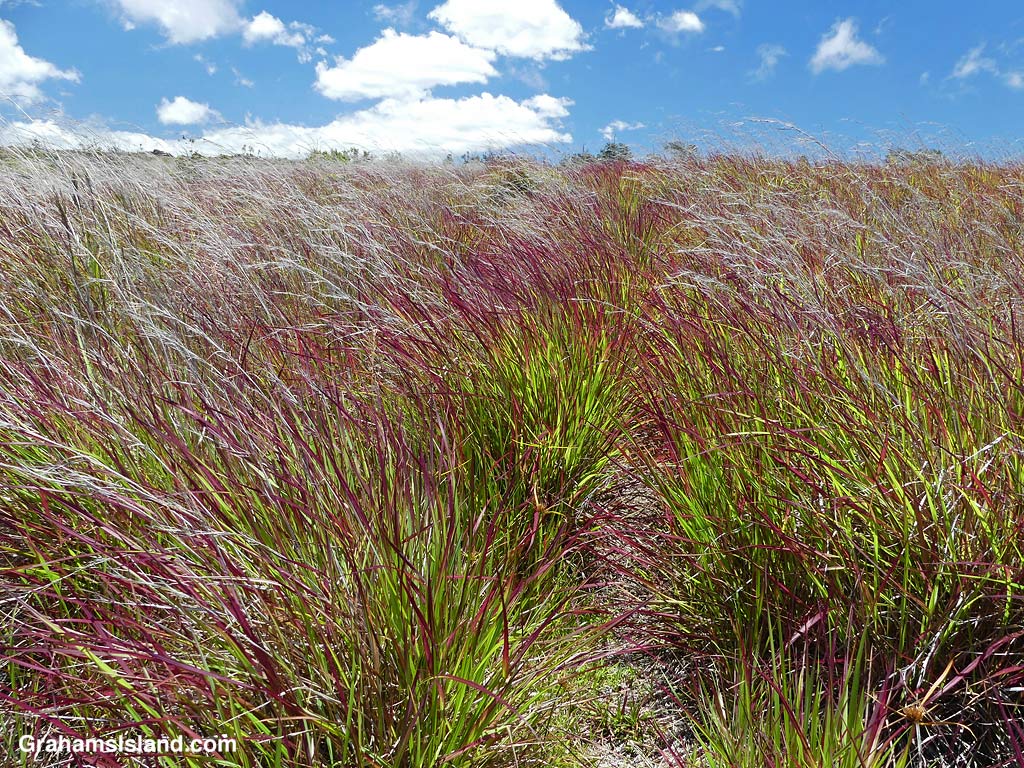
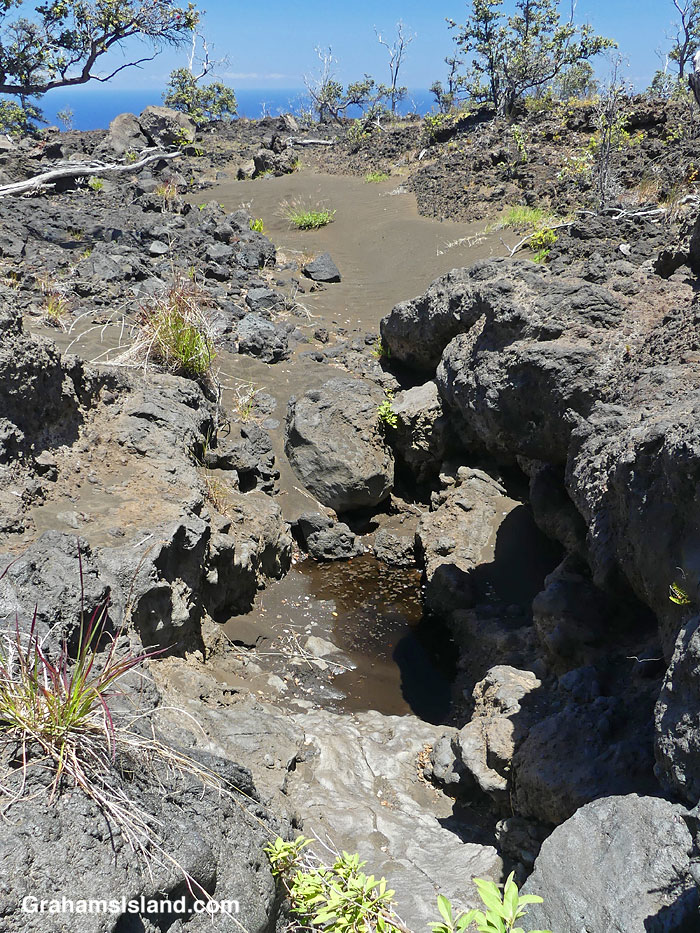
The day was sunny, but not too hot, and with a nice breeze for the most part. The elevation drop (and gain on the return) is only around 500 feet so it wasn’t too strenuous, and the trail was fairly easy to follow. It passes through grassy areas and across lava flows, and is well-marked with cairns. Ohia trees dot the landscape, along with a variety of shrubs and other flowers. I didn’t see too many birds, but there was a decent show of butterflies and bugs. The views were splendid, down to the coast or upslope towards Mauna Loa.
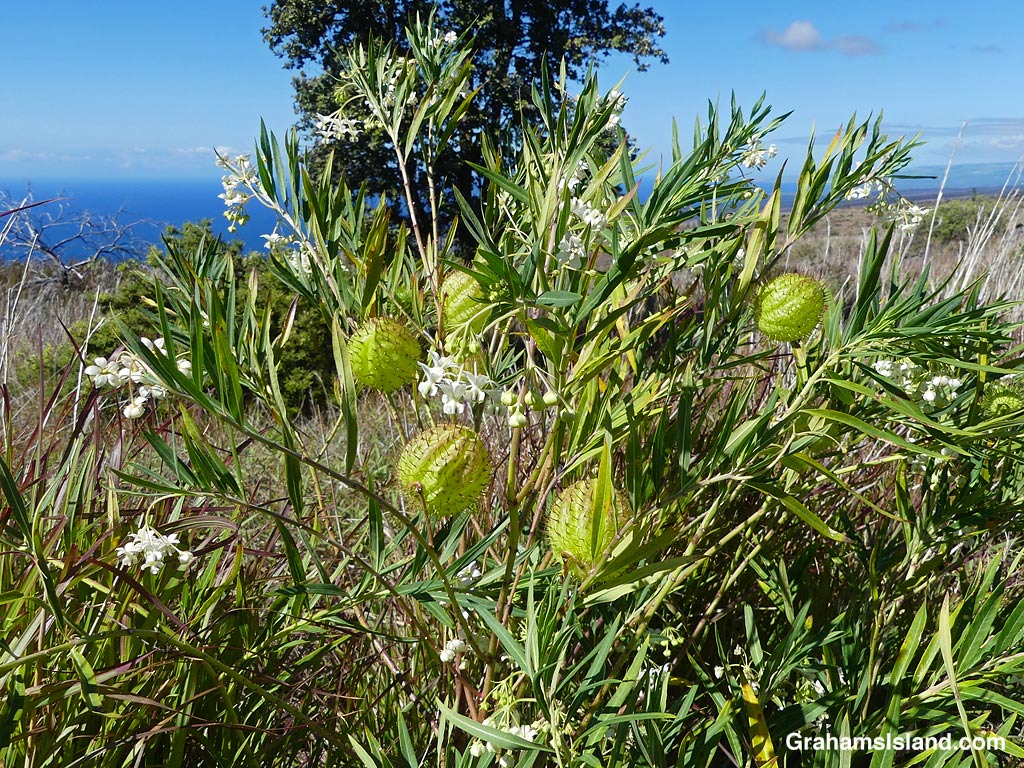
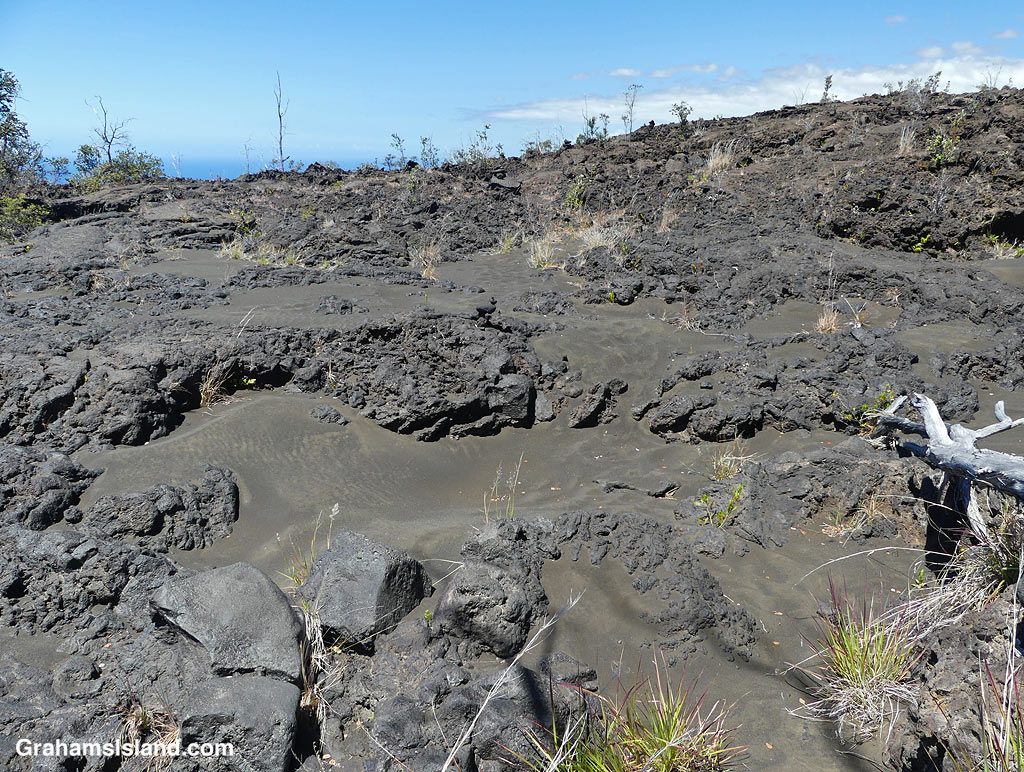
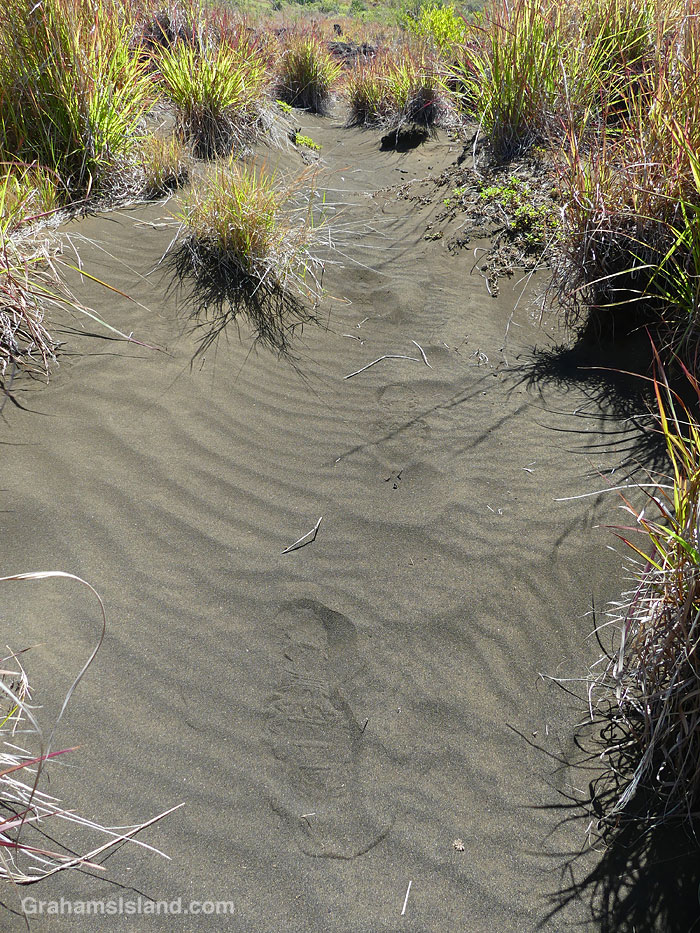
All the backcountry trails I’ve hiked in the park have featured something particularly unusual and interesting. On this hike, I was amazed by the substantial areas of sand on the trail or alongside it. This certainly didn’t get there from the beach, since the elevation is around 2,000 feet. My assumption is that it’s just volcanic rock broken down by rainfall, but just not washed down to the coast. Some of the sand was grassed over and it was like walking through dunes on the coast!
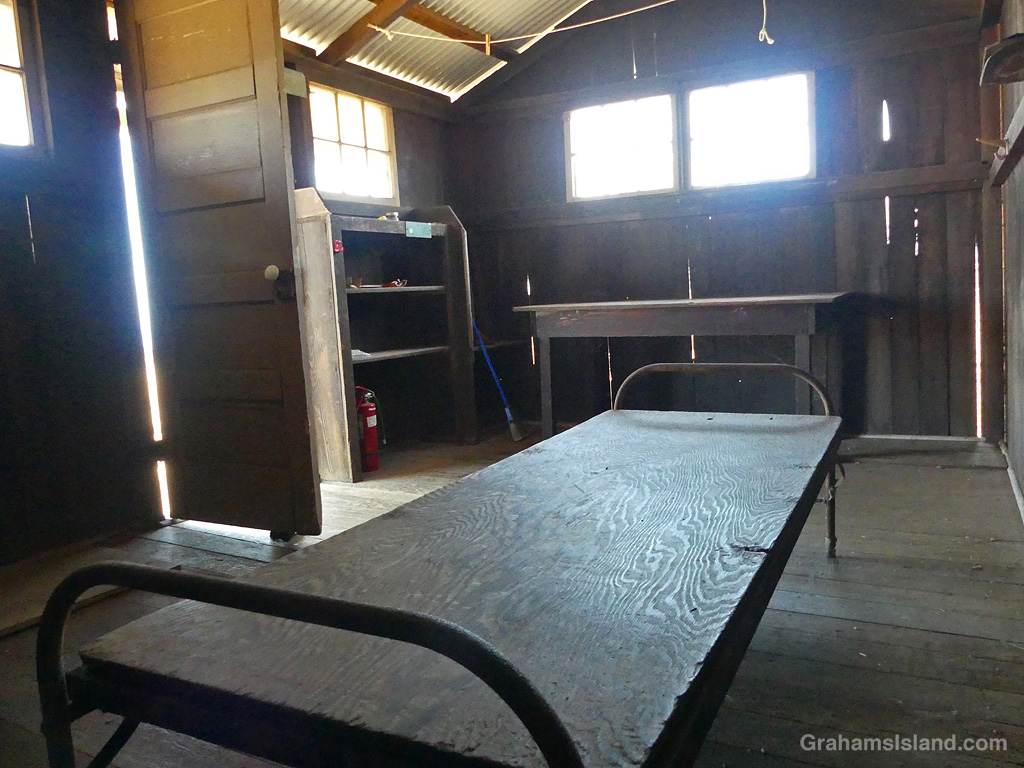
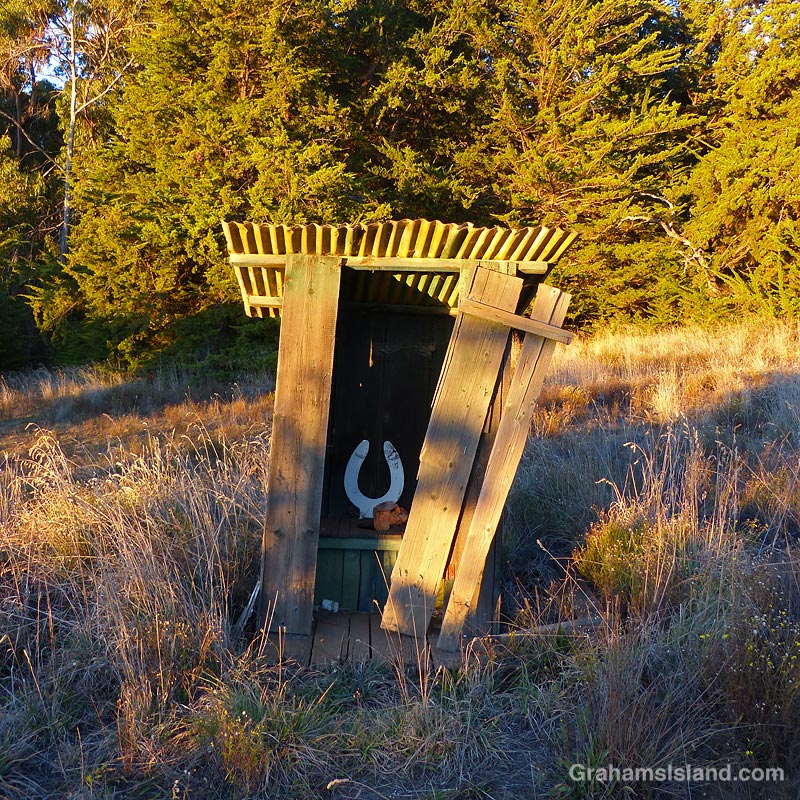
Eventually, I reached Pepeiao Cabin. There are several of these backcountry cabins in the park, and they require a permit to stay at them. This one was typically rustic, with a catchment water tank that may or may not contain water, depending on the weather and use. There’s also an outhouse with a splendid view. Inside, the cabin was basic, but the kind of place I’d be happy to stay in if it was raining outside.
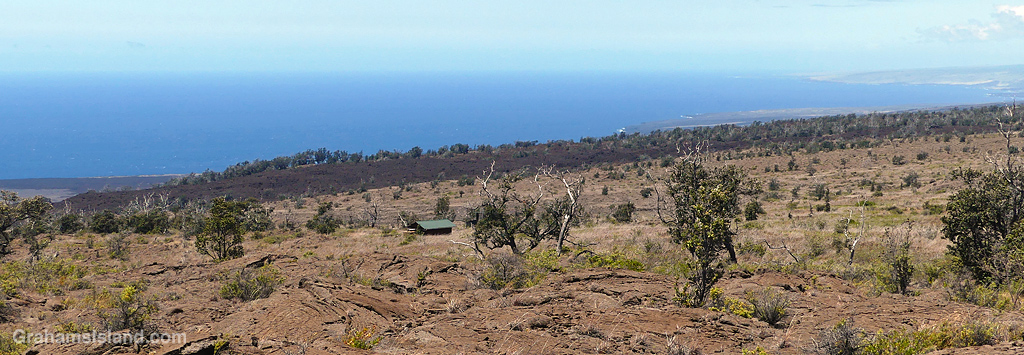
After I got back, I saw that the park website says “Pepeiao is in the southwestern reaches of Hawaiʻi Volcanoes National Park backcountry. The cabin is no longer safe for use and visitors should plan on tent camping.” I was a bit surprised because I’ve certainly stayed in plenty of less salubrious accommodations in my day!

Also posted for Jo’s Monday Walk. See more responses here.

Mauna Kea Silverswords

A Mauna Kea Silversword plsnt growing near the visitor center

Next door the Mauna Kea Visitor Center is an enclosed area where Mauna Kea Silverswords (Argyroxiphium sandwicense subsp. sandwicense) grow. These silverswords are closely related to species found on Mauna Loa and Haleakala on Maui. All silverswords are at risk of extinction. The reasons are the usual suspects: humans, feral sheep and goats, climate change. They also suffer from a lack of genetic diversity. The current burgeoning population of more than 8,000 has been produced from only six wild plants.

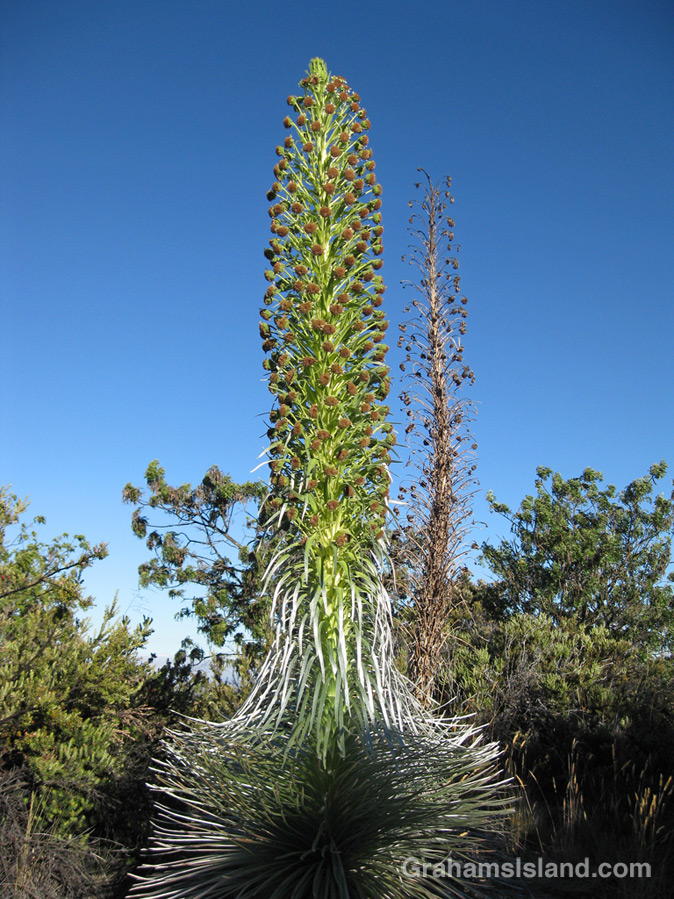
Silverswords can grow for 30 years or more, but once they bloom, they die. I haven’t seen a Mauna Kea Silversword blooming, but I was lucky enough to see Mauna Loa Silverswords blooming not long after I moved to the island (here). The second photo shows one of those plants in bloom. It was over six feet tall!

A silversword blooms on Mauna Loa.

Posted for Becky’s Squares: Move Forward, Reconstruct, Renew, and/or are Burgeoning. See more responses here.
Smithsonian Submillimeter Array

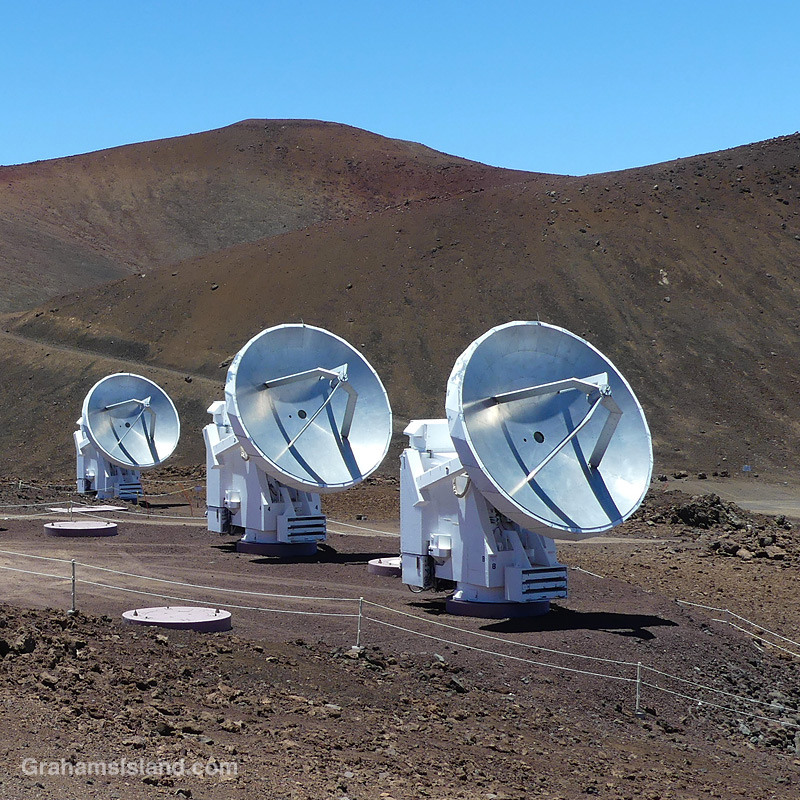
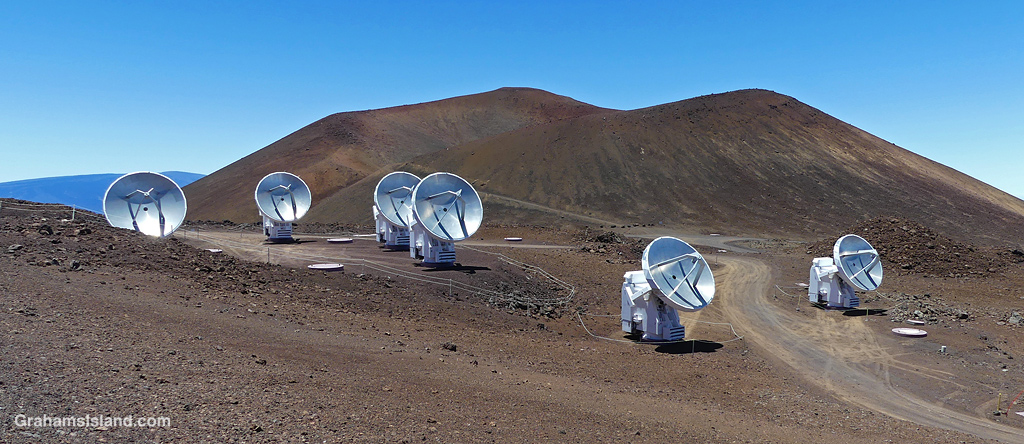
The Smithsonian Submillimeter Array on Mauna Kea, Hawaii

According to their website (here), the Smithsonian Submillimeter Array (SMA) on Mauna Kea “is a type of multiple-antenna observatory known as an interferometer, in this case consisting of eight radio dishes, each 6 meters in diameter. The eight antennas observe the same astronomical object simultaneously. Combining the light measured by all the dishes produces an interference pattern, which results in a sharper image than could be made by any of the individual antennas. For that reason, the eight-antenna interferometer behaves like a single telescope as much as 500 meters (one-third of a mile) across.”

These dishes sit on little concrete pads, which can also be seen in these photos. If a change in the dish configuration is needed, they can be moved from one pad to another. What I’ve always liked about this is that some of these pads are only a few feet apart. I like to imagine conversations along the lines of:
“We need more data from the Invisible Particle Cluster. Let’s move Dish Three over there.”
“You mean, to that pad six feet away. Why didn’t I think of that?”

The Smithsonian Submillimeter Array on Mauna Kea, Hawaii

Of course, there are probably good scientific reasons for moving the dishes around like chess pieces. However, in chess one only has to lean forward, lift an itty-bitty piece of wood, and plunk it on a new square, while giving your opponent a knowing smirk. These dishes are big and heavy. Even Arnold Schwarzenegger, in his heyday, would have trouble moving one without the assistance of special effects.

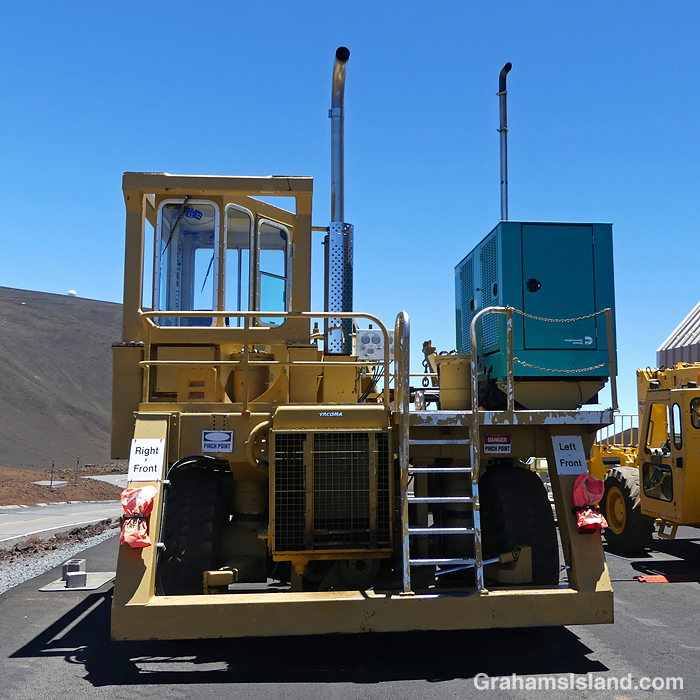
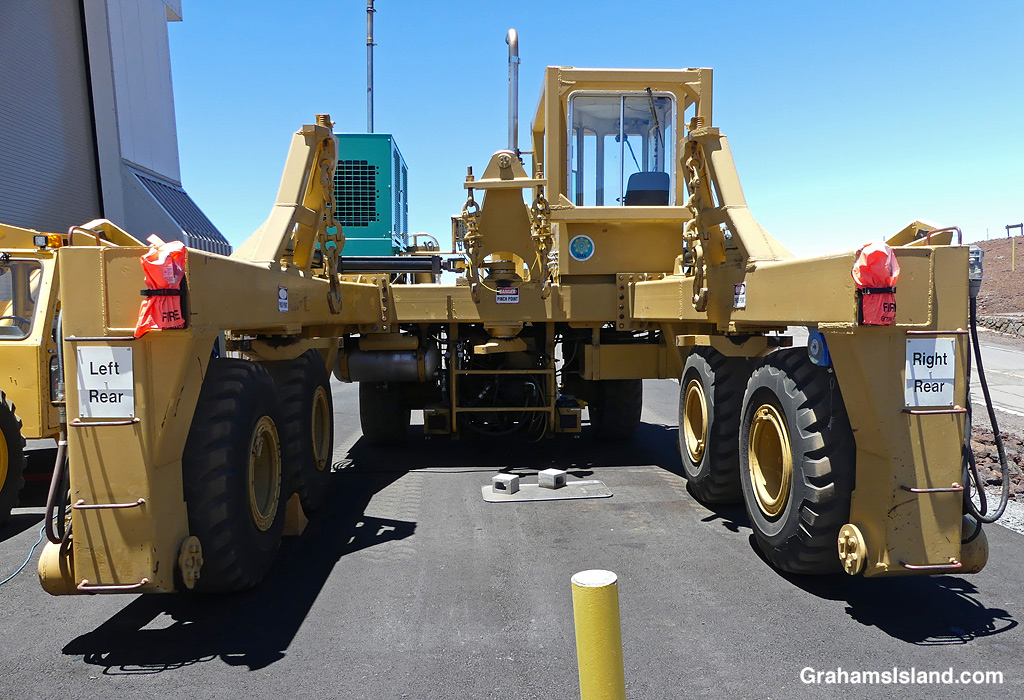
That’s why they have the vehicle below. I suspect this is not something purchased at the local used car dealership. I suspect it costs a good deal more than the combined value of all the vehicles at the local used car dealership.

The machine used to move dishes of the Smithsonian Submillimeter Array on Mauna Kea, Hawaii

It’s something of an out-of-this-world design, which is entirely appropriate. There are two things I really like about this vehicle. One is that the scientific minds have thought it prudent to label the front and back, left and right of it. This way, everyone knows whether the vehicle is moving forwards, backwards, or sideways. The other is that they have also recognized that for safe, efficient operation, it’s important to have, in the cab, a pair of fuzzy dice.

The machine used to move dishes of the Smithsonian Submillimeter Array on Mauna Kea, Hawaii

Posted for Becky’s Squares: Move Forward, Reconstruct, Renew, and/or are Burgeoning. See more responses here.

Waves

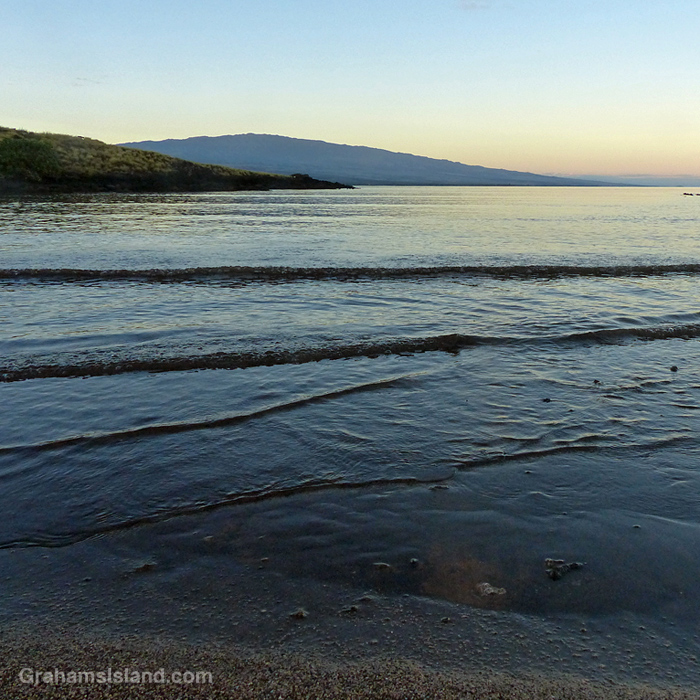
Wavelets in Pelakane Bay Hawaii
A calm morning with little wavelets and a view of Hualalai.

This week’s Sunday Stills challenge theme is ‘Water, Waterscapes and/or Water Safety.’ See more responses here. Captions on the photos.

Also posted for Becky’s Squares: Move Forward, Reconstruct, Renew, and/or are Burgeoning, because waves are always moving forward. See more responses here.
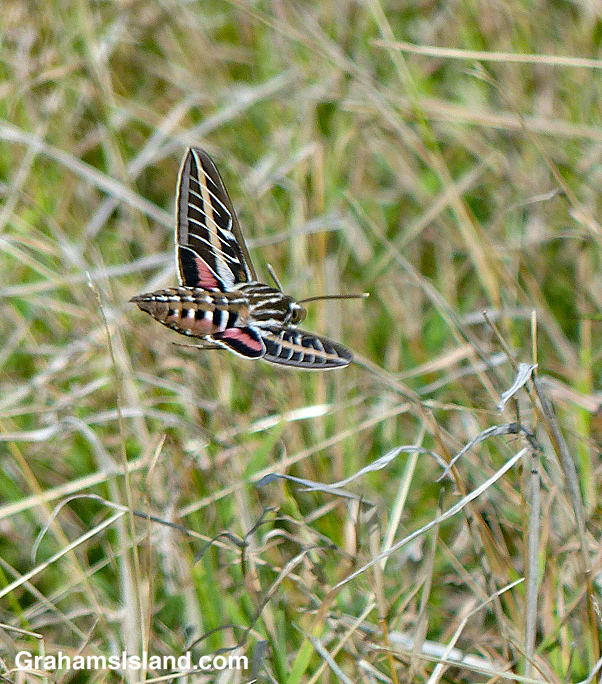
The Numbers Game #20

Moving forward. Having second thoughts!

The idea of The Numbers Game is to enter a number into the search bar of your computer and then post a selection of the photos that turn up. This week’s number is 141. Captions are on the photos.

You can see more responses here.
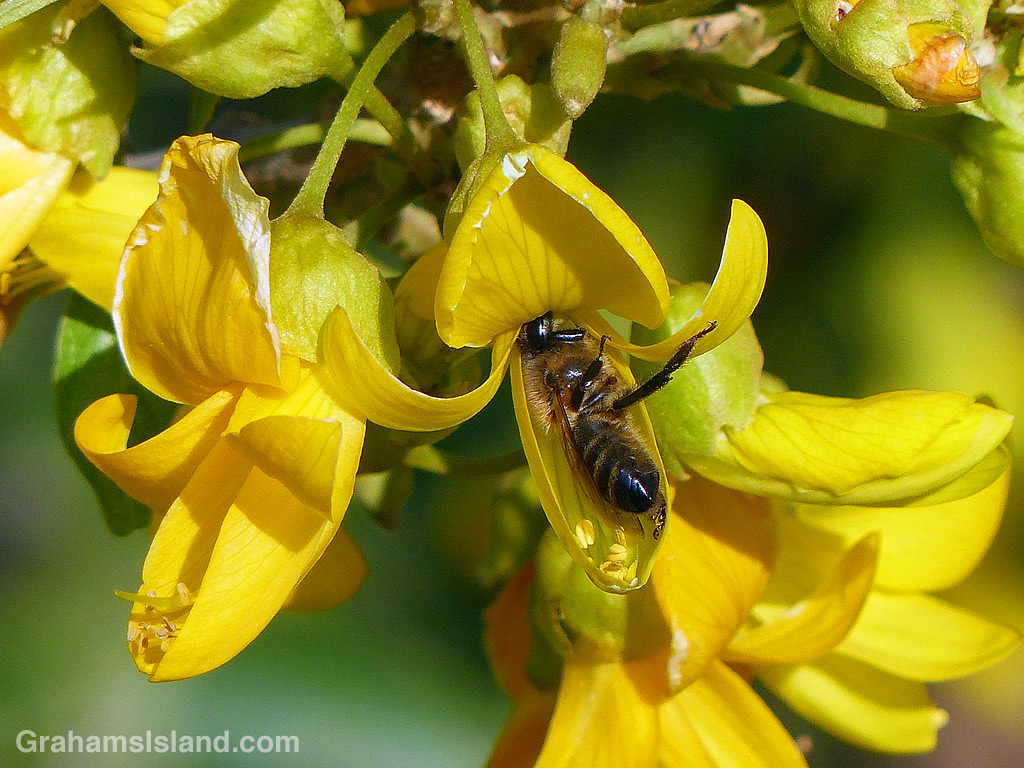
Also posted for Becky’s Squares: Move Forward, Reconstruct, Renew, and/or are Burgeoning. See more responses here.

An Hawaii Amakihi in a Mamane tree.
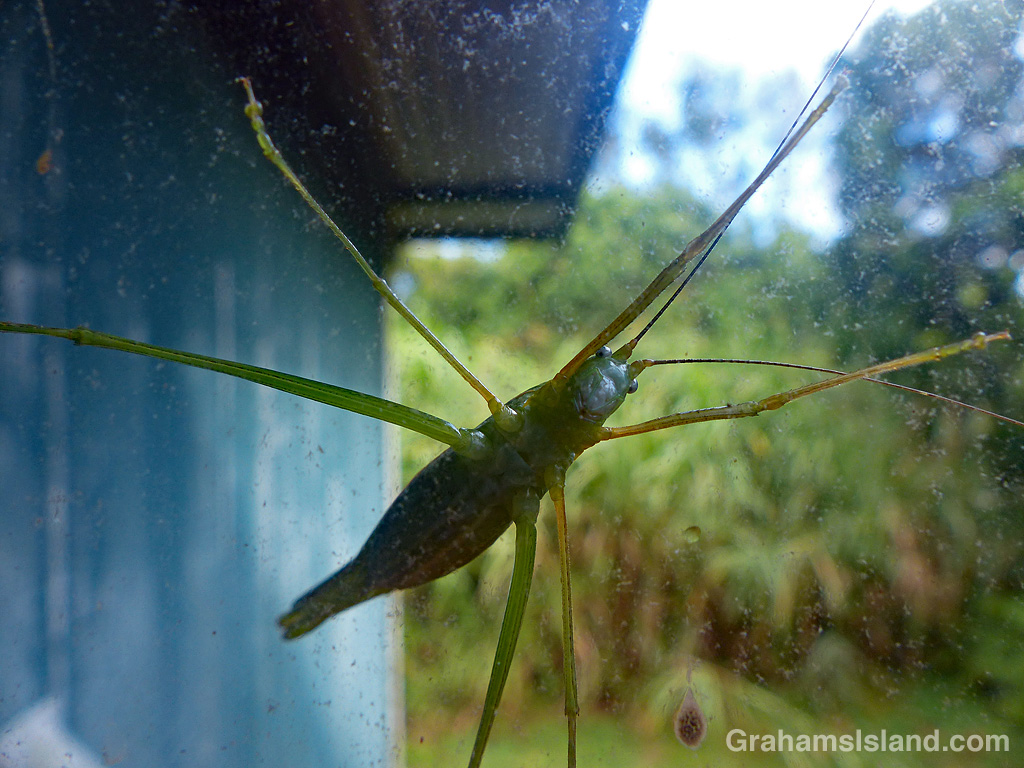
A Katydid says hi.

The Numbers Game #18

Strong winds create whitecaps in Kawaihae Harbor, Hawaii
Strong winds whip up whitecaps in Kawaihae harbor.

The idea of The Numbers Game is to enter a number into the search bar of your computer and then post a selection of the photos that turn up. This week’s number is 139. Captions are on the photos.

You can see more responses here.
A Black-crowned Night Heron snaffles a Tilapia. Original post here.
A pair of Northern Pintails on a pond in Hawaii
There’s always one who’s got to get your attention, as evidenced by these Northern Pintails.

Halemaʻumaʻu crater

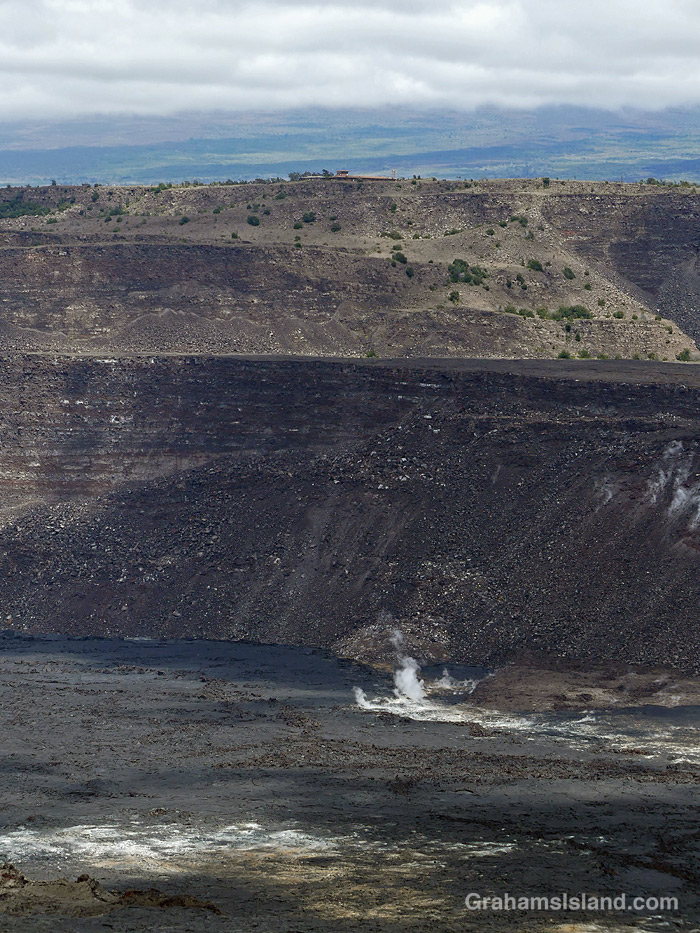
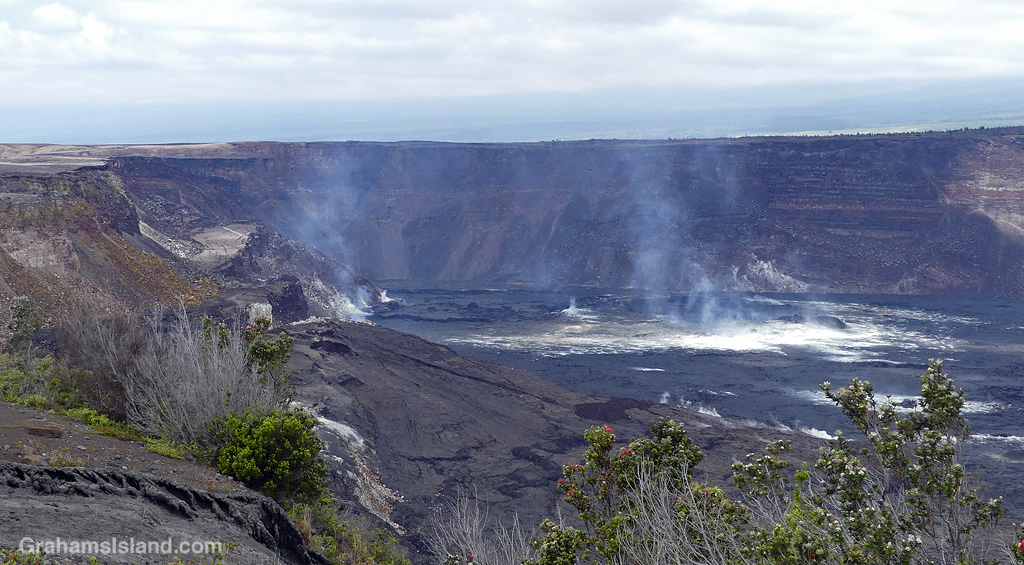
A view of Halemaumau Crater at Kilauea Volcano, Hawaii
Halemaʻumaʻu crater sits within the larger Kilauea calera.
A view of Halemaumau Crater and Jaggar Museum at Kilauea Volcano, Hawaii
Jagger Museum sits on the center of the ridge above Halemaʻumaʻu crater. This view gives an idea of the scale.

This week’s Sunday Stills challenge theme is ‘Earth Day.’ See more responses here.

My brother has been visiting from England and, a few days ago, we went down to Hawaii Volcanoes National Park to check out the scene. The volcano’s last eruption ended in September 2023, and it’s been mostly quiet since then.

We arrived to find the volcano socked in with clouds, but the next morning the skies had lifted and we got some great views. We started at Uēkahuna, a viewing area next door to the Jaggar Museum. The viewing area used to be at the museum, but that was badly damaged during Kilauea’s 2018 eruption and is currently in the process of being removed.

Halemaʻumaʻu crater is a pit crater within the larger Kilauea caldera. By the end of that 2018 eruption, the crater floor had collapsed into a deep pit. A small lake formed at the bottom, but that was boiled away and covered in the next eruption. Subsequent eruptions have continued this process of filling the collapsed pit. I hadn’t been down to view this area for quite a while and I was surprised at how much had been filled in. The whole floor was easily visible from the many viewpoints around the caldera, and while there’s no active lava to be seen, there’s plenty of steam rising.

A view of volcanic cones in Halemaumau Crater at Kilauea Volcano, Hawaii
Volcanic cones, from the last eruption, on the floor of the crater.
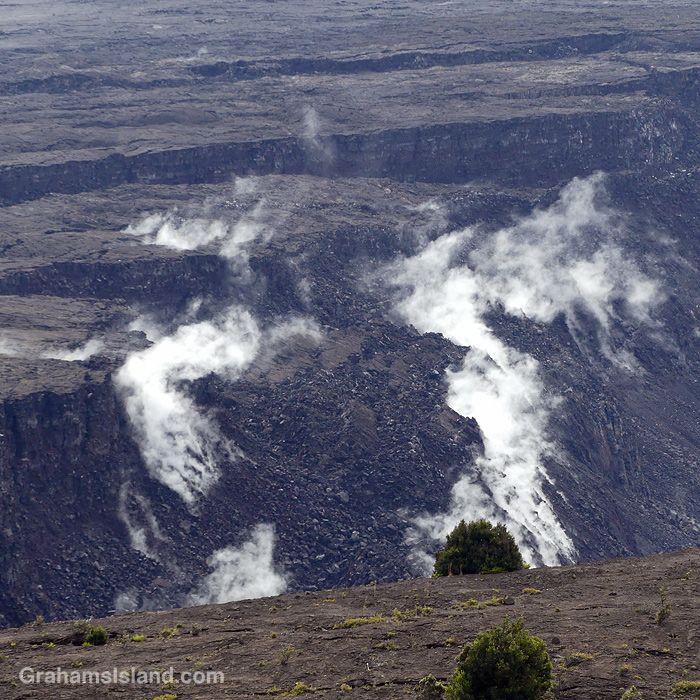
A view of steam rising in Halemaumau Crater at Kilauea Volcano, Hawaii
Steam rises from cracks in the walls of Halemaʻumaʻu crater.

Ironically, yesterday I got an email from the U.S. Geological Survey announcing that ‘Increased seismicity over the past three weeks, indicates heightened activity. Updates will be provided daily while at a heightened state of unrest.’ In other words, watch this space!

For more information about Hawaii Volcanoes National Park, go to nps.gov/havo/.

A view of Halemaumau Crater at Kilauea Volcano, Hawaii
A view of Halemaʻumaʻu crater. On the left, the flat area with a white line on it, is a section of Crater Rim Drive that slid, intact, into the crater!

The Numbers Game #14

The shadow of Mauna Kea stretches out above the clouds.
A favorite photo of mine. The shadow of Mauna Kea stretching out over the clouds!

The idea of The Numbers Game is to enter a number into the search bar of your computer and then post a selection of the photos that turn up. This week’s number is 135. Captions are on the photos.

You can see more responses here.

Sunrise at Upolu on the Big Island of Hawaii
Sunrise at Upolu. I was looking to capture an eclipse, but got this instead.