Tag Archives: Mauna Loa

A new route up Pu’u Wa’a Wa’a

A view of PuuWaaWaa, Hawaii
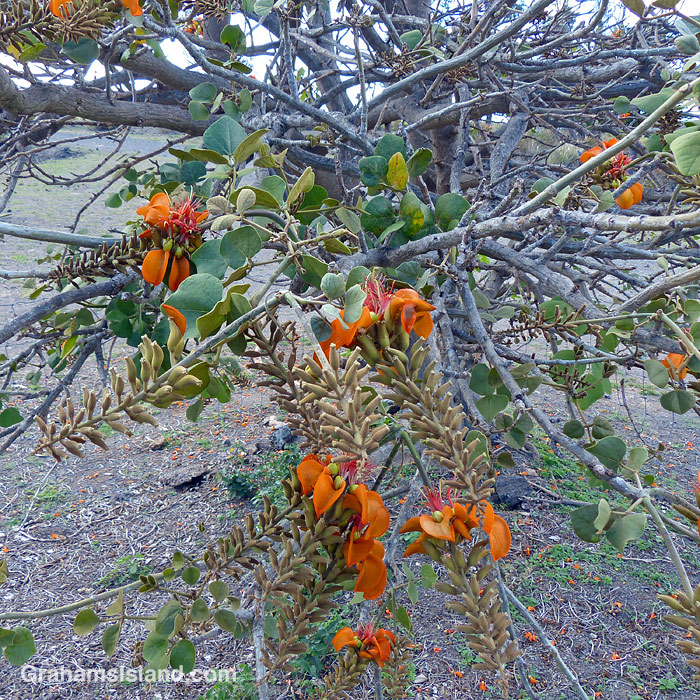
Williwilli flowers at PuuWaaWaa, Hawaii

Pu’u Wa’a Wa’a is a cinder cone on the slopes of Hualalai volcano. The name means “many-furrowed hill,” and it’s a place I like to walk at least once a year, but it had been a while since I was up there. Usually, I go there in the spring when Jacarandas and other flowers are blooming. I also try to go in the early morning, since the area tends to cloud up during the day and the wonderful views become obscured.

A couple of weeks ago I made a late decision to do the hike again since the weather looked unusually good. I got there around 2pm and it will come as no surprise that I spent the first 15 minutes of the hike taking photos of Williwilli flowers on a tree about 20 feet from where I parked! (More of those in a few days.)

Silk oak flowers at PuuWaaWaa, Hawaii

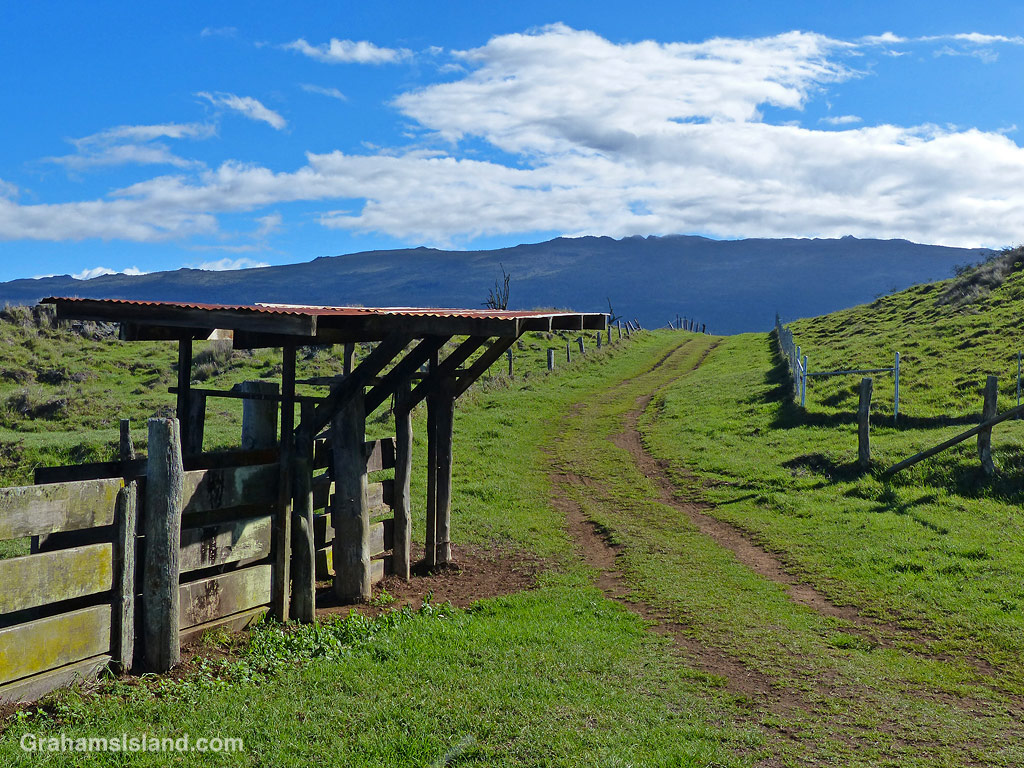
The trail follows an old road up the hill past Silk Oak trees, at the tail end of their flowering and sporting a deep red hue I hadn’t seen before. Turn around, and there are good views of Maui to be had. The old road peters out near an old blockhouse, now lacking doors and windows, which offers shelter to livestock on the ranch here. Off to one side is an old quarry, which cuts into the side of the hill. Usually there are goats in this area, but I didn’t see any on this day. Farther up is what’s left of Tamaki Corral, which dates back around 100 years.
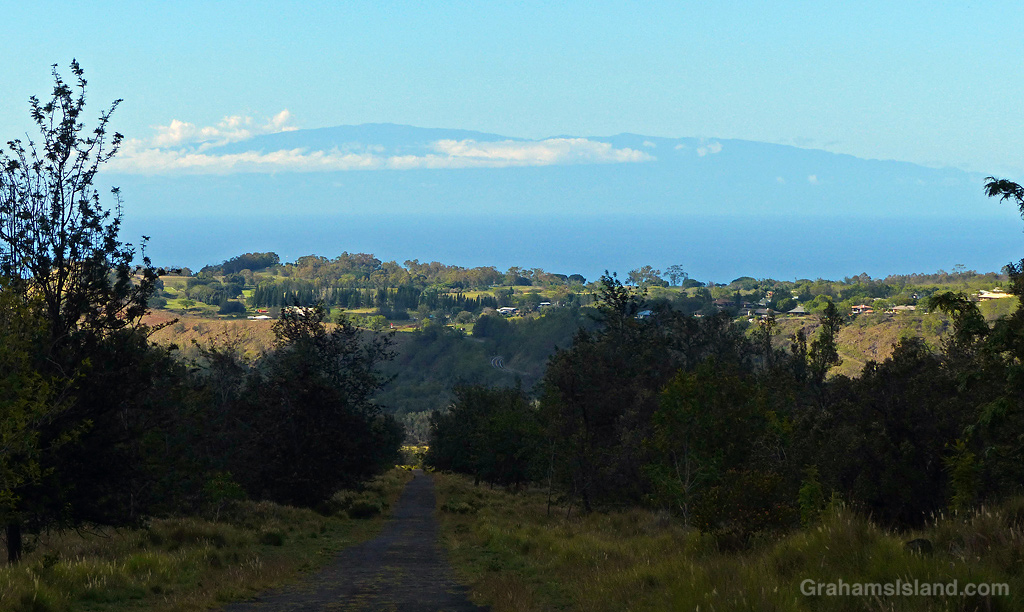
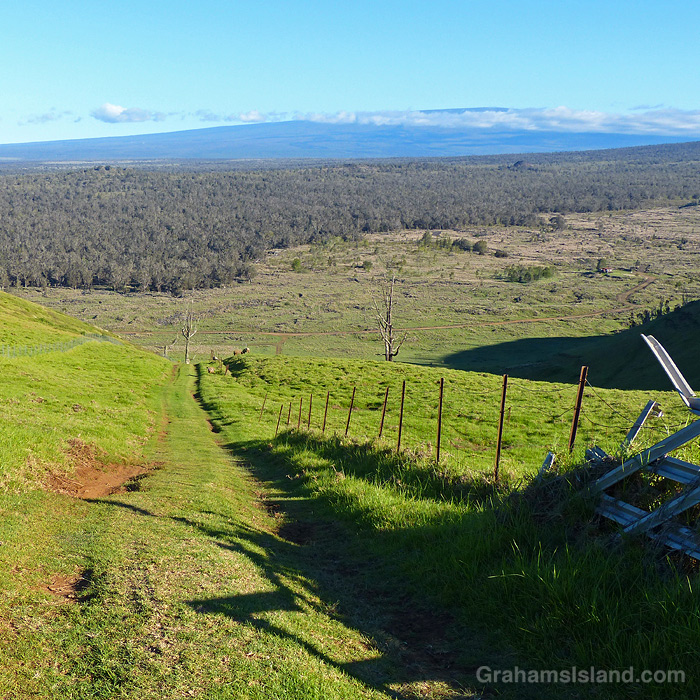
Not far after the corral, the trail climbs steeply toward the top. This was where I found a change in the trail. Whereas before the trail was an out-and-back up a steep slope to the top, now a loop has been created. I took this new option to the top where, on this remarkably clear late afternoon, I had great views of Maui, Kohala Mountain, Mauna Kea, Mauna Loa, and Hualalai. A new sign at the top welcomes hikers to the nearly 4,000 foot summit, and there’s a survey marker at the top riddled with holes, not from gunfire, but to let the wind blow through. There are also a couple of benches where one can sit a while enjoying the views (weather permitting). The hike is steep in places, but not difficult, though not everyone makes it back alive!

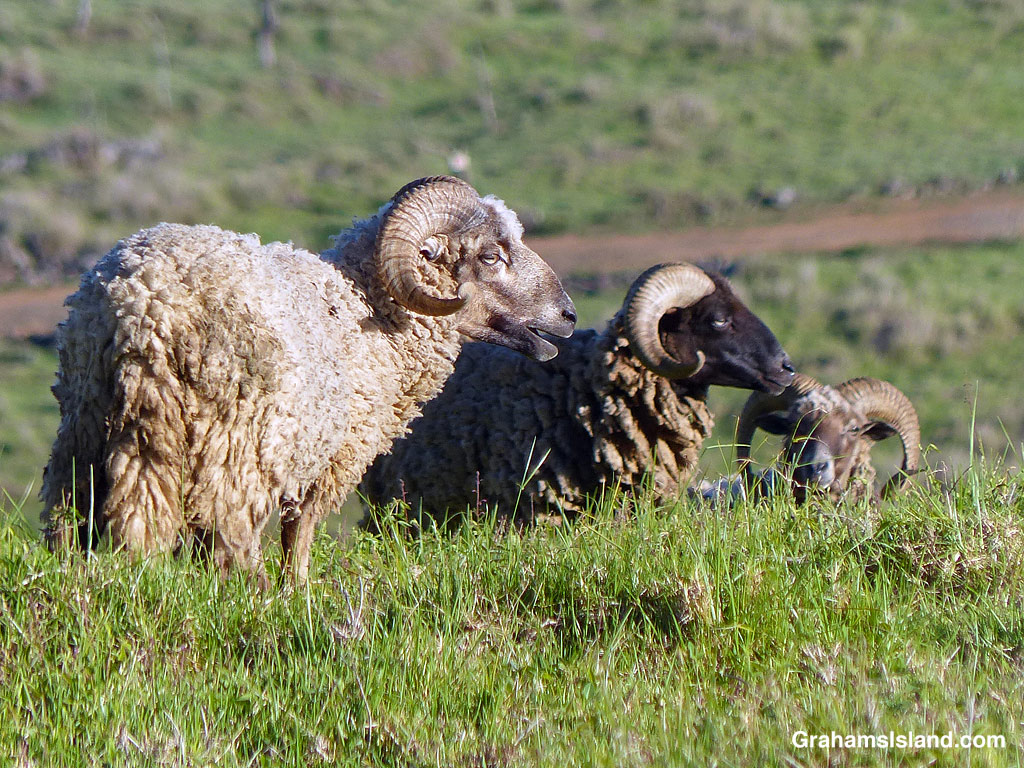
I followed the old trail back down and ran into several sheep, which have the run of the land up here, as the sun dipped behind the ridge.
One other difference I noticed with this afternoon hike was the proliferation of birds. There were large numbers of finches, mostly Saffron Finches flitting about, preparing to roost for the evening. Yellow-fronted Canaries were all over the tree tobacco flowers. I also saw, and heard, several Erckel’s Francolins doing their usual fine job of blending in with the vegetation.

And as I walked back down the hill towards my car, the late afternoon sun still shone, illuminating grasses alongside the trail.

Grasses on PuuWaaWaa, Hawaii

Posted for Jo’s Monday Walk. See more walks here.

Lava in all its colors

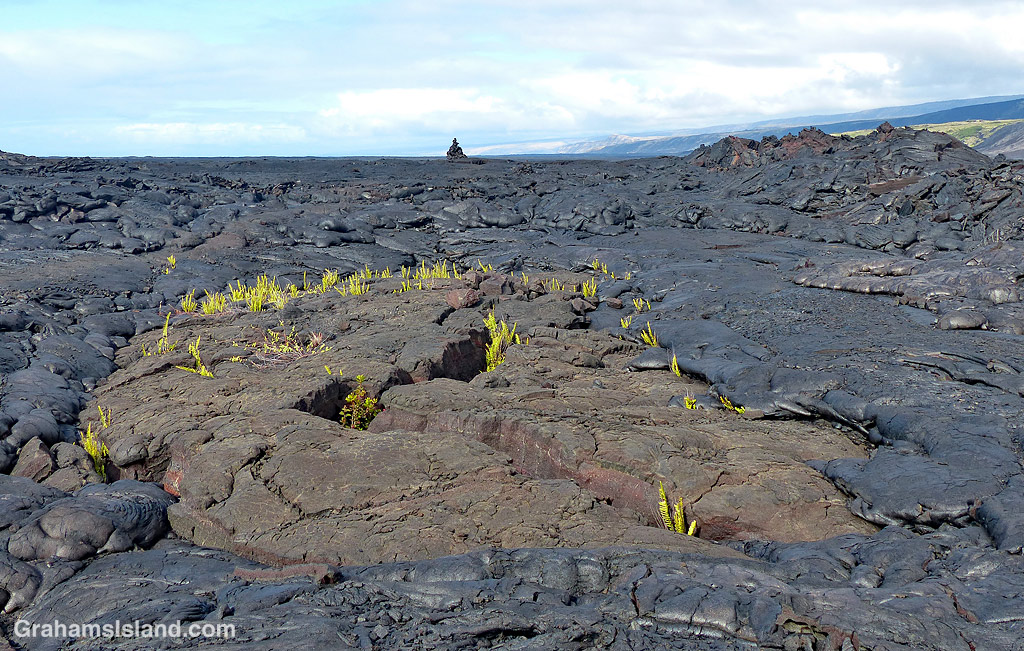
A variety of colors can be seen in this lava on the Puna Coast Trail (posted here).

This week’s Sunday Stills Monthly Color Challenge is ‘Lava.’ See more responses here. I don’t often run photos I’ve posted before, but this seemed like an opportune instance to rerun some older photos that are perfect for this theme. I’ve put captions on the photos and a link to the original posts for those interested in checking them out.

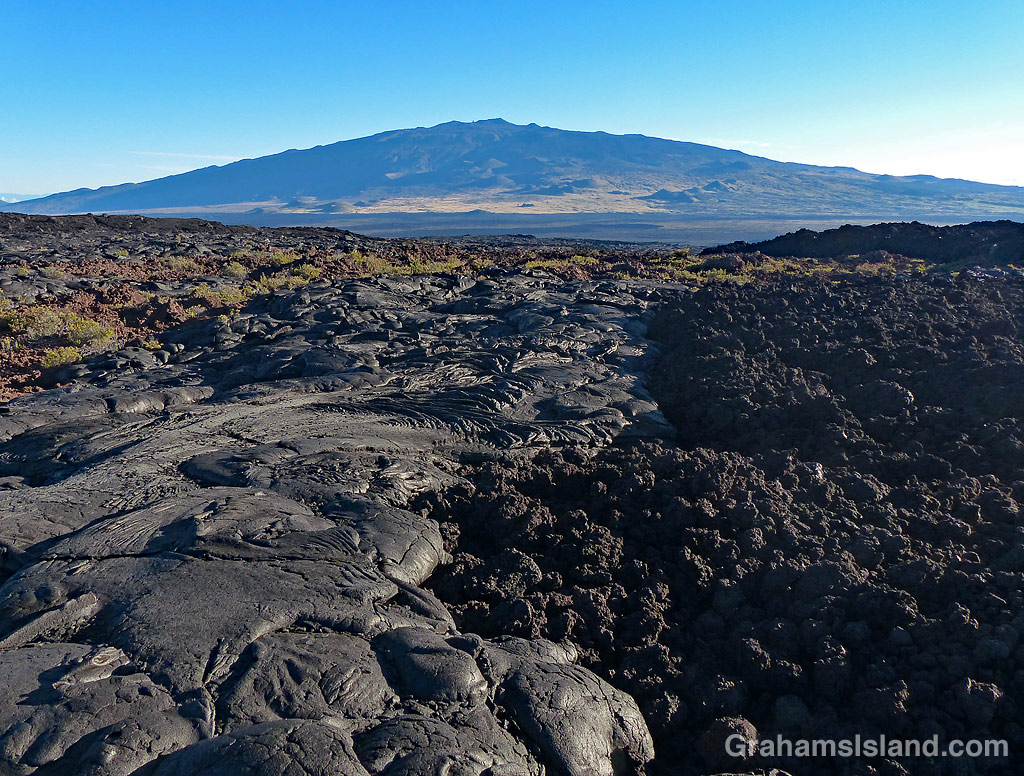
Old brown lava surrounded by black lava from a more recent flow (posted here).

Early morning pu’u

In Hawaii, a pu’u is a hill. These are old cinder cones that dot the landscape from the coast to the top of Mauna Loa and Mauna Kea.

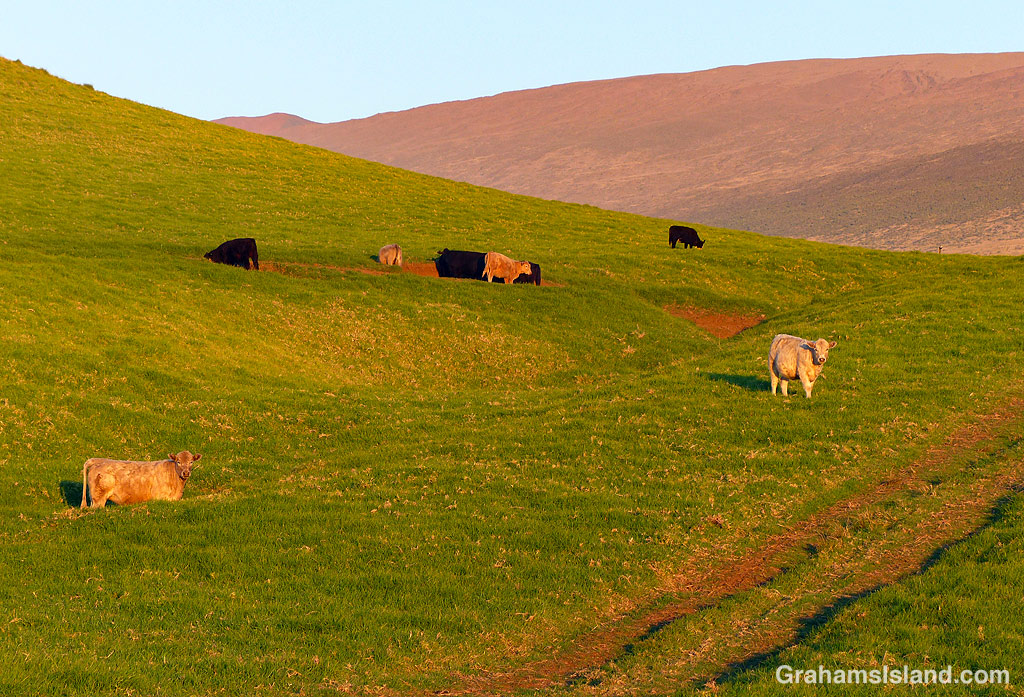
Along Old Saddle Road, the land and it’s pu’us are grass-covered. This pastureland is cattle, horse, and sheep country, with a lot of goats thrown in for good measure. The land is steep and and rough and the grass varied, but the rainfall is heavy enough that there’s a lot of it.

Old Saddle Road is one of my favorite drives on the island, particularly in the early morning (above) and late afternoon (below).

Posted in response to Friendly Friday challenge theme of ‘Splendour in the Grass.’ See more responses here.

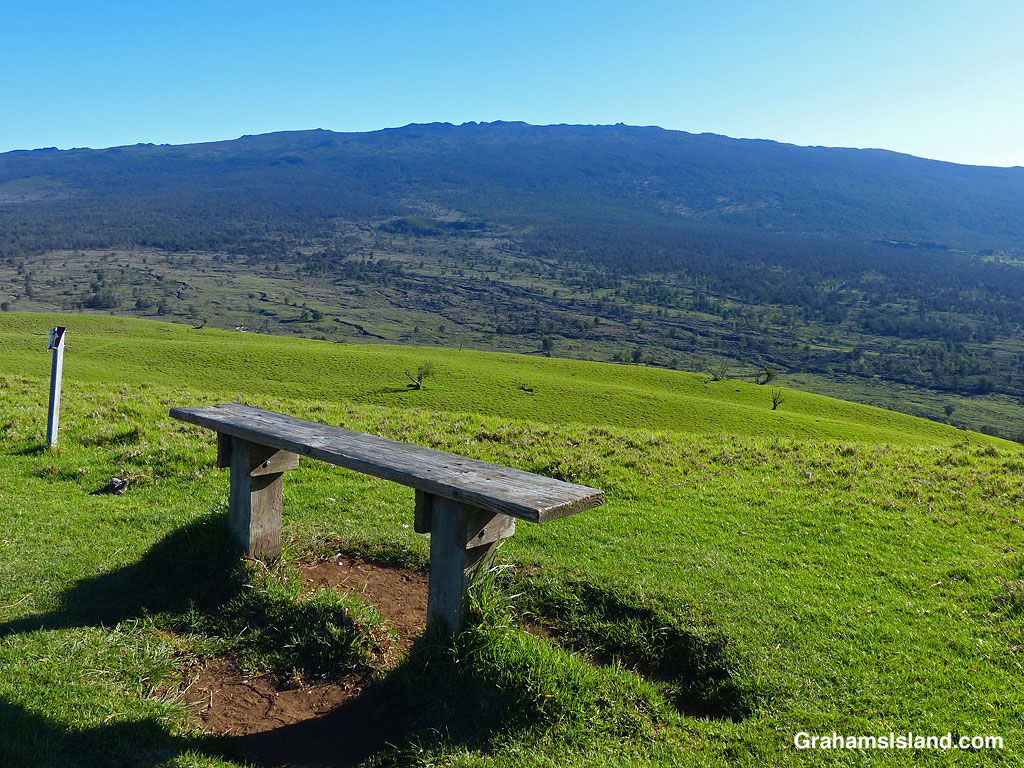
Pu’u Wa’awa’a bench

One of the nice things about the hike up Pu’u Wa’awa’a is the selection of benches available for rest and contemplation, on the way up and at the top. This bench sits halfway up the steep slope that accesses the top of the hill. It gives a good view of Mauna Loa and the pastures on and around Pu’u Wa’awa’a. If you’re lucky, you might even see a dung beetle or three doing what they do.

Alien cloud

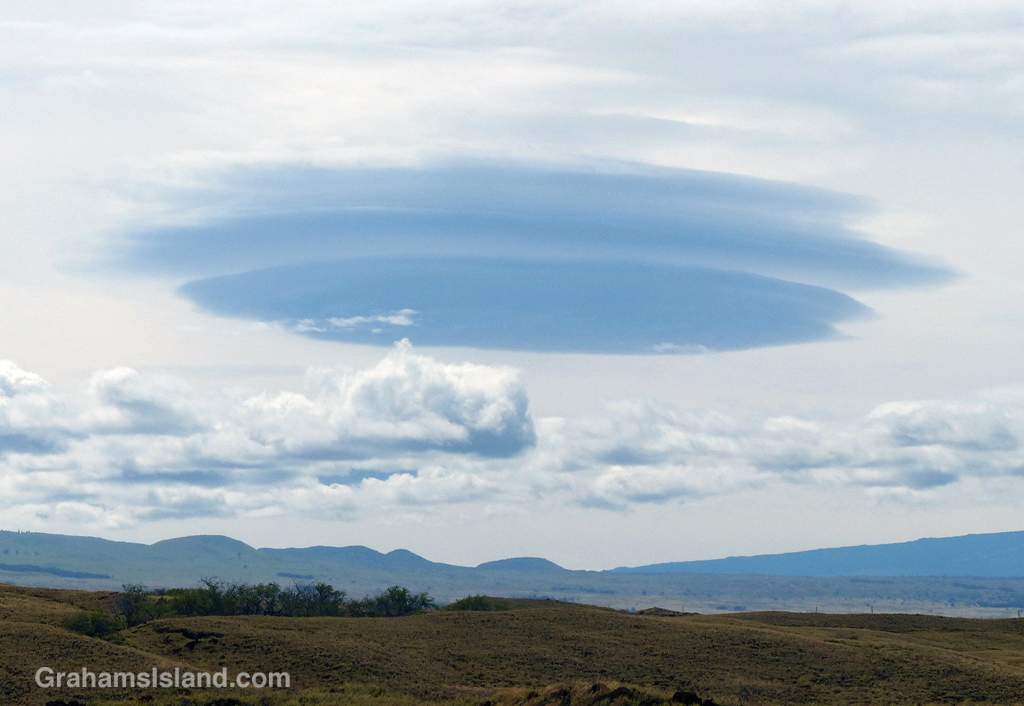
This vary strange looking cloud formation appeared one day atop the saddle between Mauna Kea and Mauna Loa. It hung around there for a long time before suddenly disappearing into space. No, not really. Instead, the lower level clouds continued to build and eventually obscured the view of the alien cloud. All very mysterious.

Snow on Mauna Kea

This past week or so has been a bit bleak weather-wise. At one point we had a high wind warning, winter storm warning, flash flood warning, and a high surf warning. The warnings were justified. Winds blew at 40 to 50 knots with higher gusts. Rain bucketed down. Surf pounded the shorelines. It was an unfortunate week to be vacationing here.

Meanwhile, up on Mauna Kea and Mauna Loa, the winter storm warning produced a decent snowfall giving those peaks a Christmassy look, albeit a few weeks too late.

I’iwi

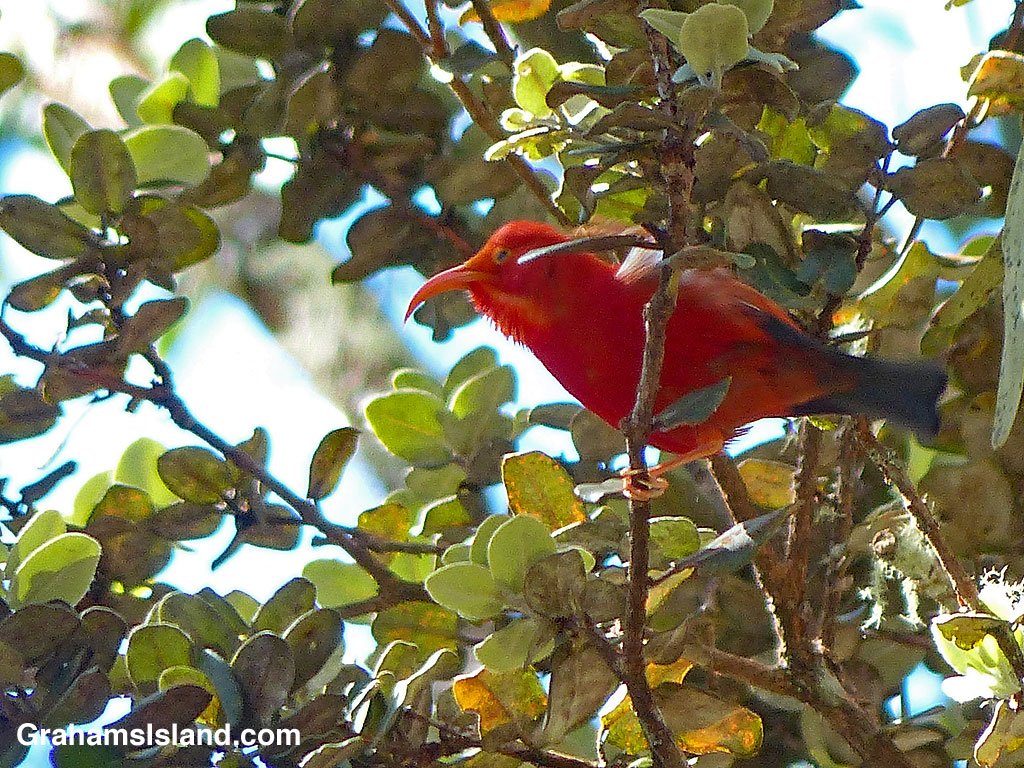
I saw this I’iwi (Drepanis coccinea) on a trail off of Saddle Road, between Mauna Kea and Mauna Loa. These bright red birds are native Hawaiian honeycreepers and in the old days, the feathers of the birds were collected to make cloaks for Hawaiian royalty.

The curved bill is suited for feeding on native lobelias, but a decline in those plants has seen the I’iwi adapt to feeding on other native plants including ʻōhiʻa lehua, māmane, and ohelo.

While the numbers of I’iwi are still fairly good, particularly on the Big Island and Maui, they have suffered, like other birds, from loss of habitat. In addition, They are susceptible to avian malaria, spread by mosquitoes. Consequently, I’iwi are doing better at higher elevations, such as where this photo was taken at around 6,000 feet.