
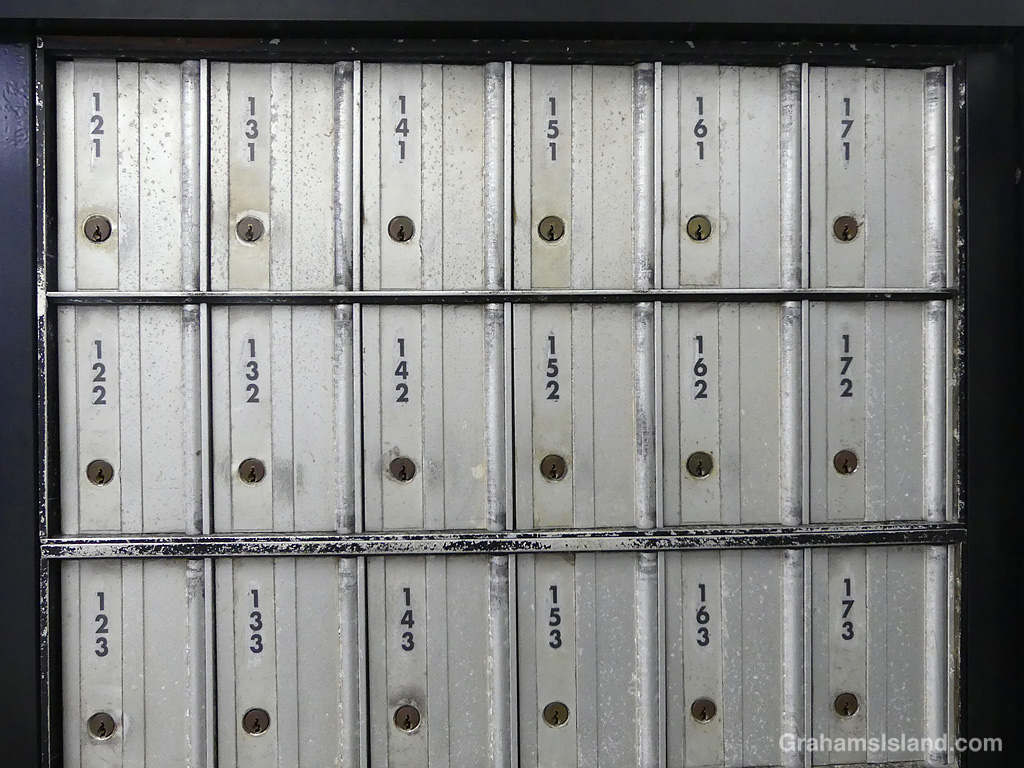
The idea of The Numbers Game is to enter a number into the search bar of your computer and then post a selection of the photos that turn up. This week’s number is 139. Captions are on the photos.
You can see more responses here.

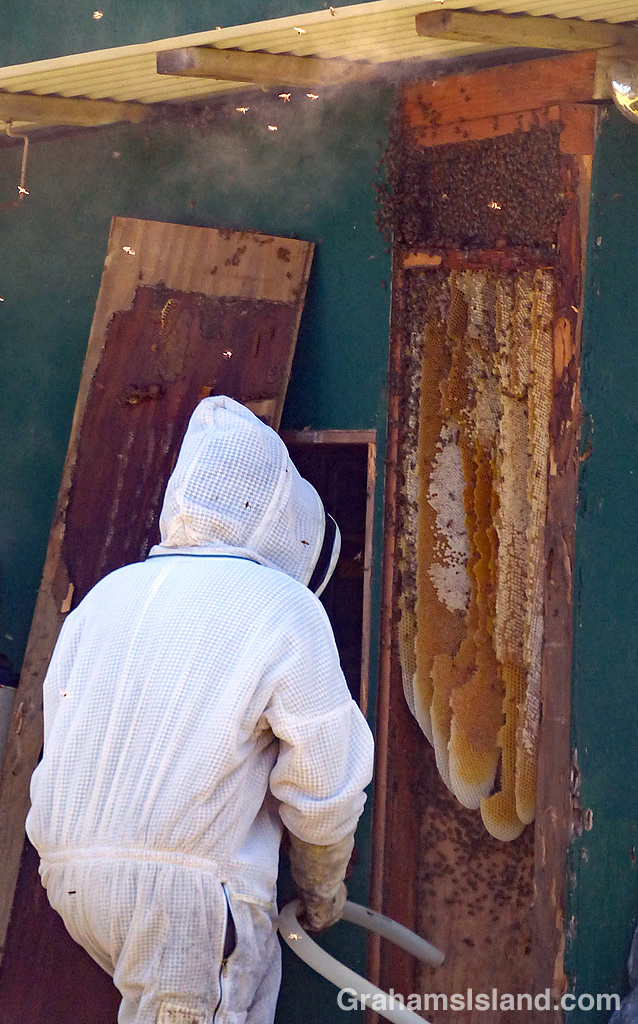



The idea of The Numbers Game is to enter a number into the search bar of your computer and then post a selection of the photos that turn up. This week’s number is 139. Captions are on the photos.
You can see more responses here.

This week’s Sunday Stills challenge theme is ‘Earth Day.’ See more responses here.
My brother has been visiting from England and, a few days ago, we went down to Hawaii Volcanoes National Park to check out the scene. The volcano’s last eruption ended in September 2023, and it’s been mostly quiet since then.
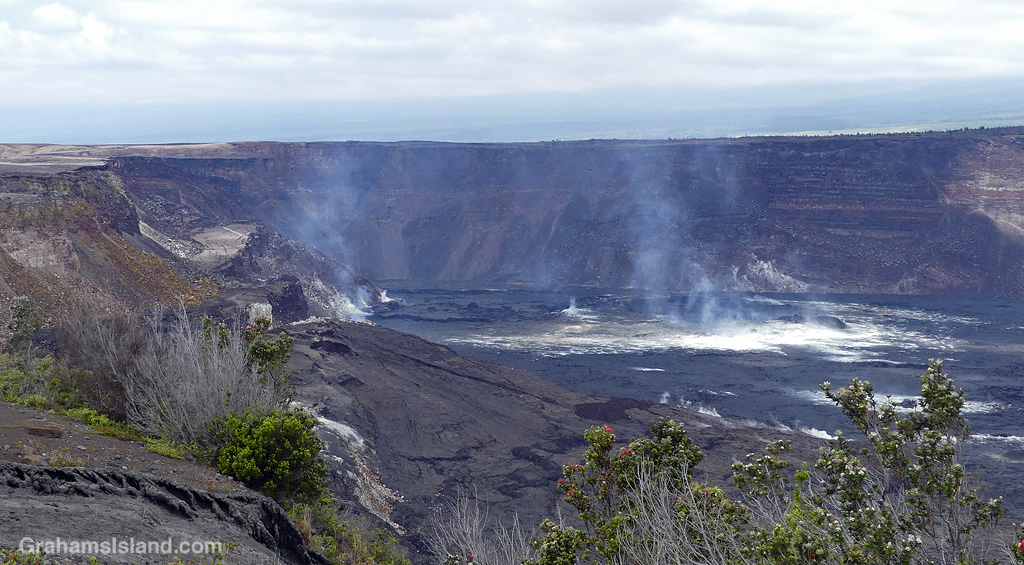
We arrived to find the volcano socked in with clouds, but the next morning the skies had lifted and we got some great views. We started at Uēkahuna, a viewing area next door to the Jaggar Museum. The viewing area used to be at the museum, but that was badly damaged during Kilauea’s 2018 eruption and is currently in the process of being removed.
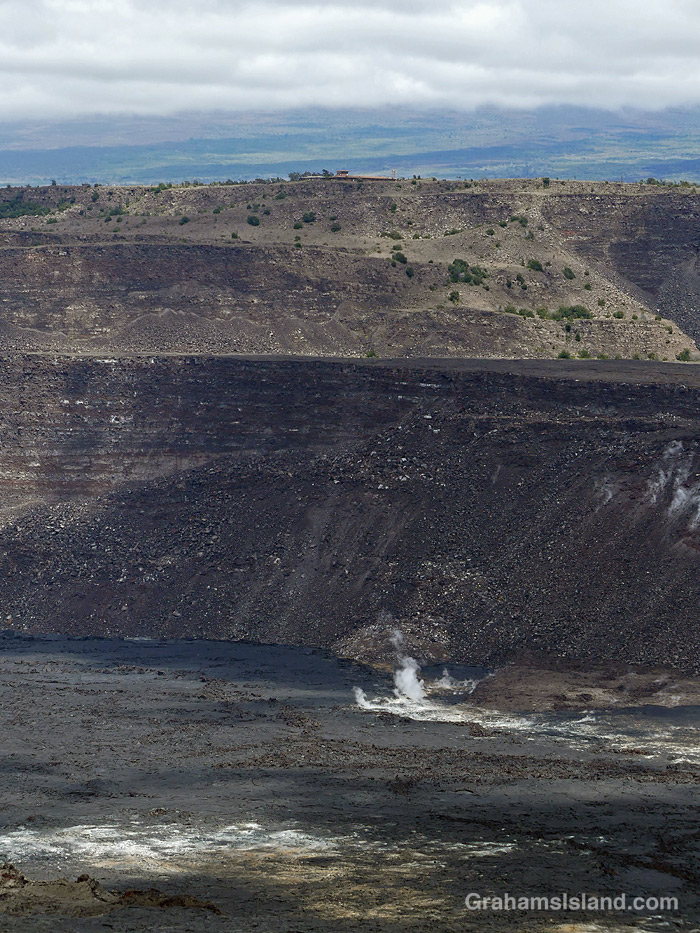
Halemaʻumaʻu crater is a pit crater within the larger Kilauea caldera. By the end of that 2018 eruption, the crater floor had collapsed into a deep pit. A small lake formed at the bottom, but that was boiled away and covered in the next eruption. Subsequent eruptions have continued this process of filling the collapsed pit. I hadn’t been down to view this area for quite a while and I was surprised at how much had been filled in. The whole floor was easily visible from the many viewpoints around the caldera, and while there’s no active lava to be seen, there’s plenty of steam rising.

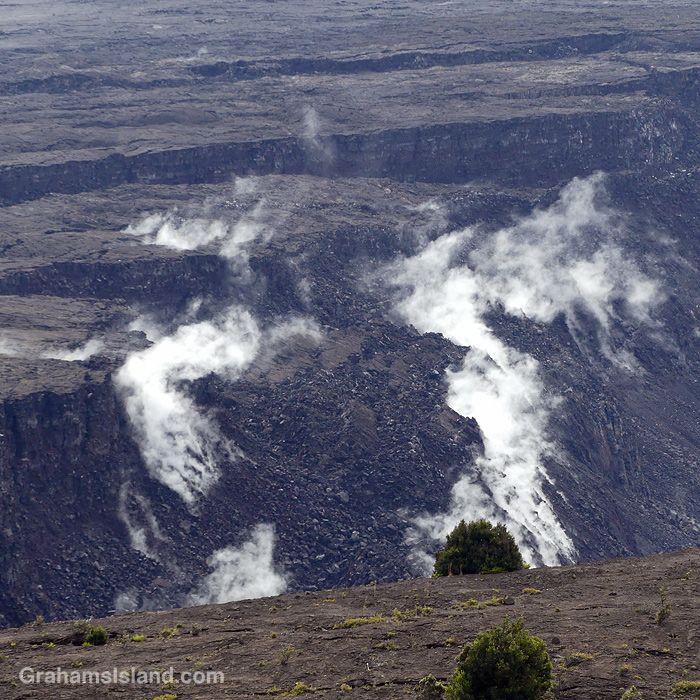
Ironically, yesterday I got an email from the U.S. Geological Survey announcing that ‘Increased seismicity over the past three weeks, indicates heightened activity. Updates will be provided daily while at a heightened state of unrest.’ In other words, watch this space!
For more information about Hawaii Volcanoes National Park, go to nps.gov/havo/.

The idea of The Numbers Game is to enter a number into the search bar of your computer and then post a selection of the photos that turn up. This week’s number is 135. Captions are on the photos.
You can see more responses here.


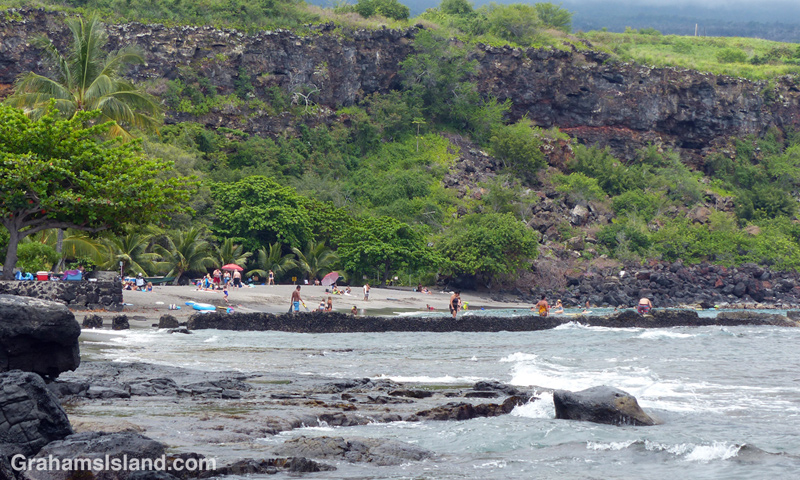
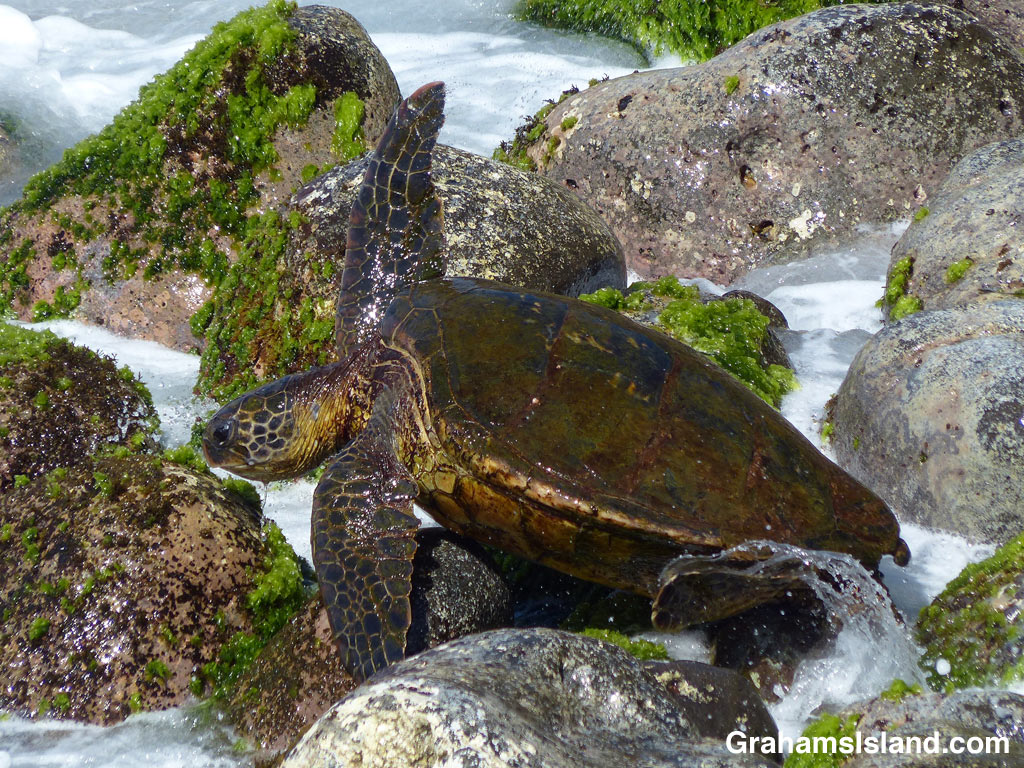
The idea of The Numbers Game is to enter a number into the search bar of your computer and then post a selection of the photos that turn up. This week’s number is 133. Captions are on the photos.
You can see more responses here.
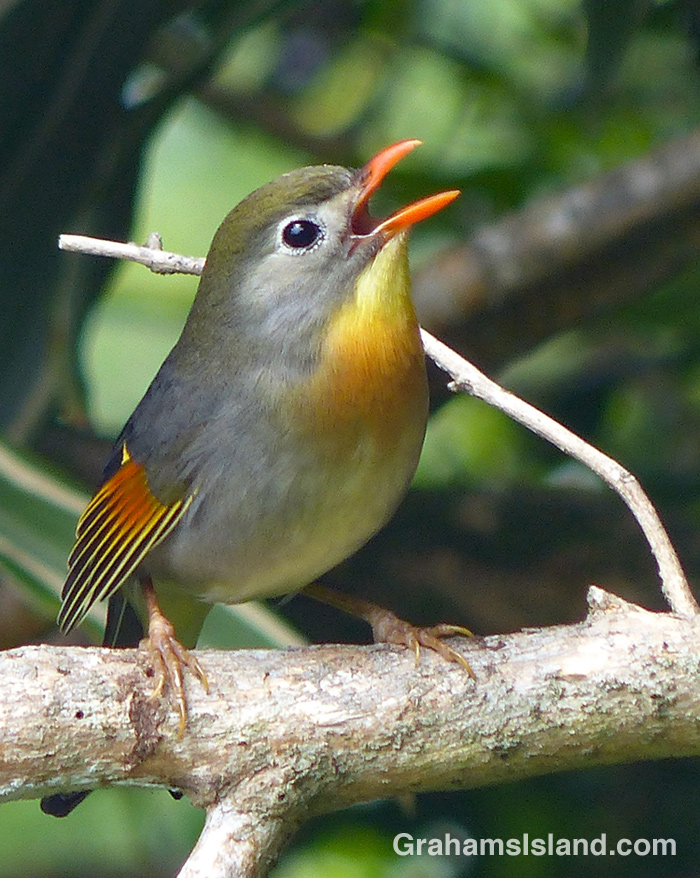
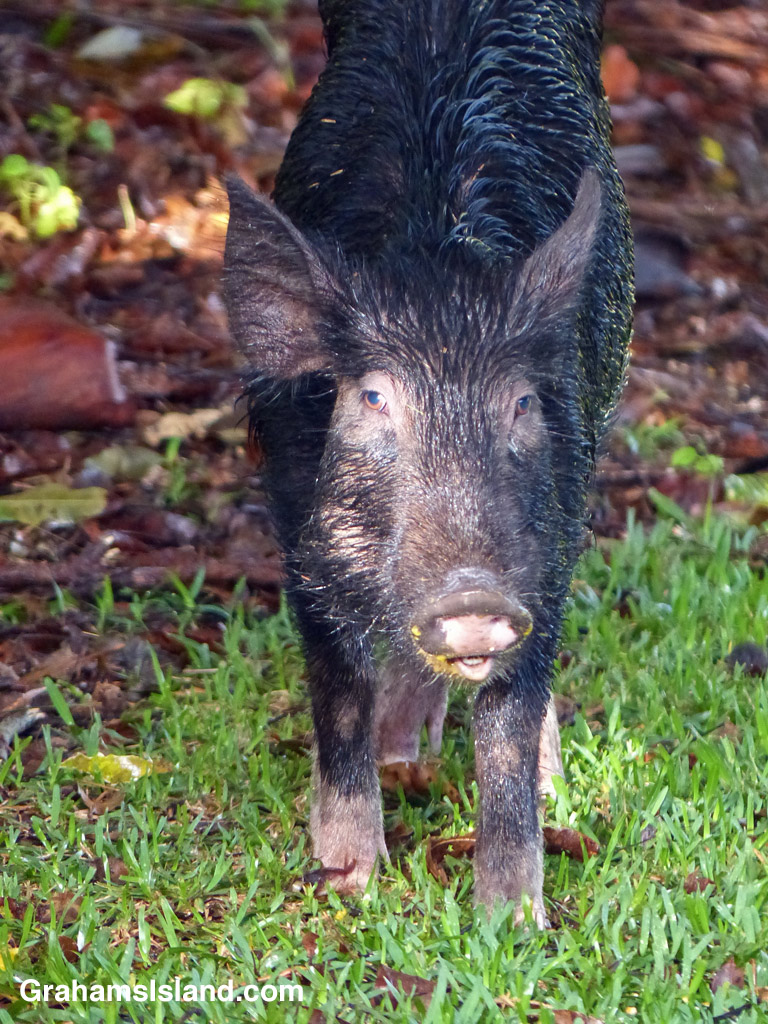

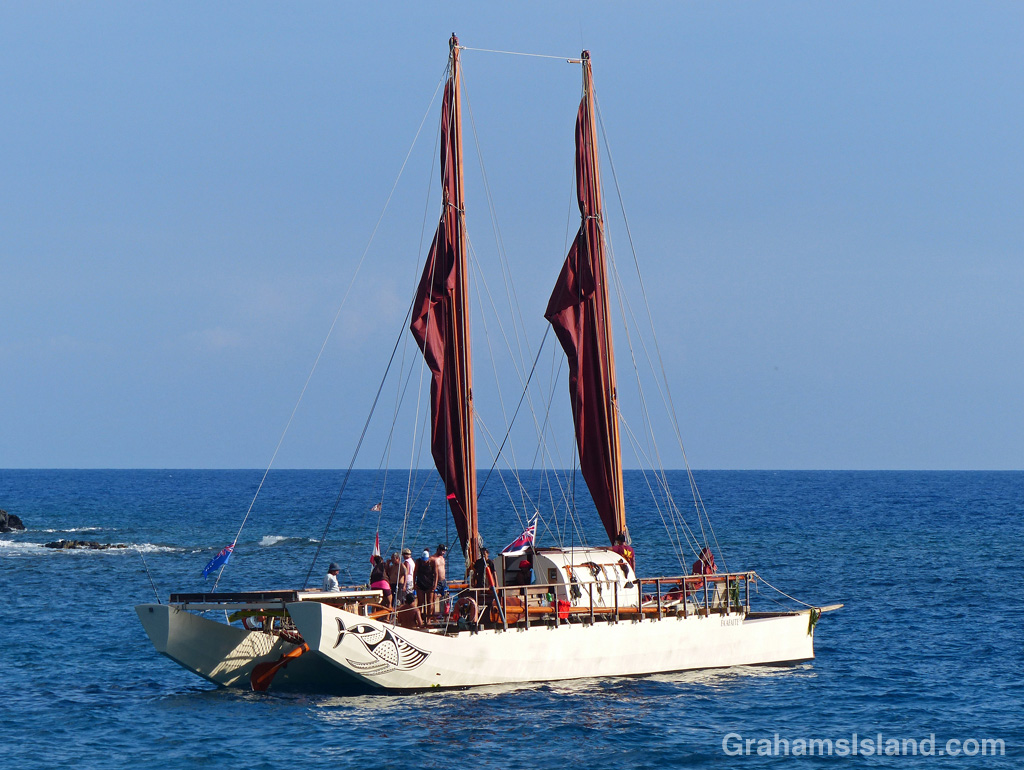
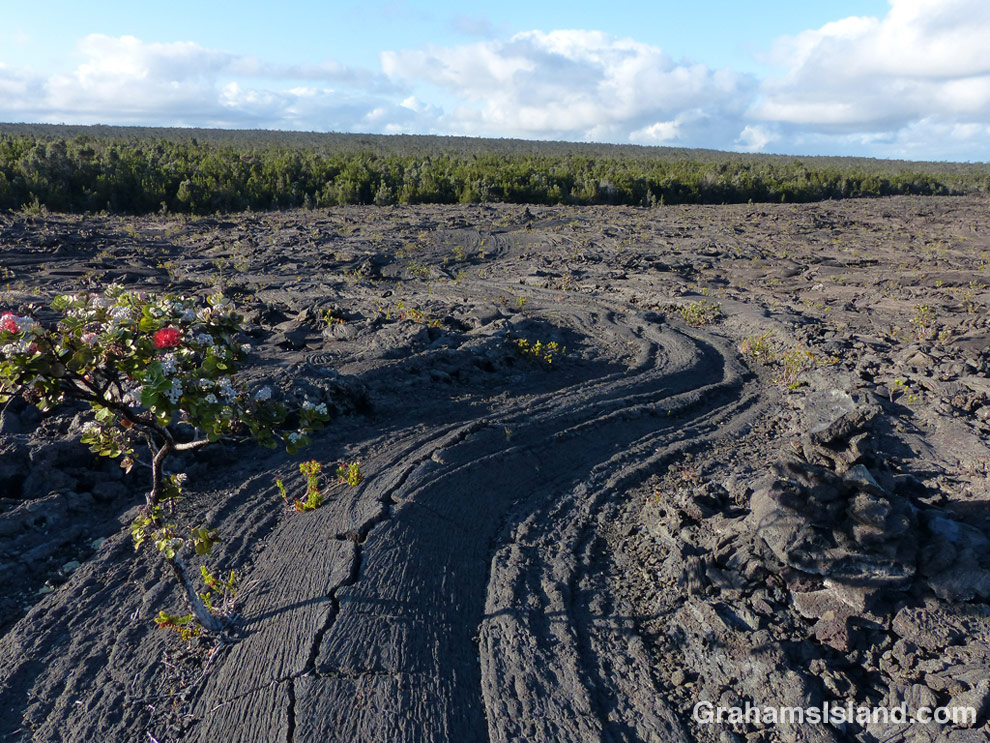
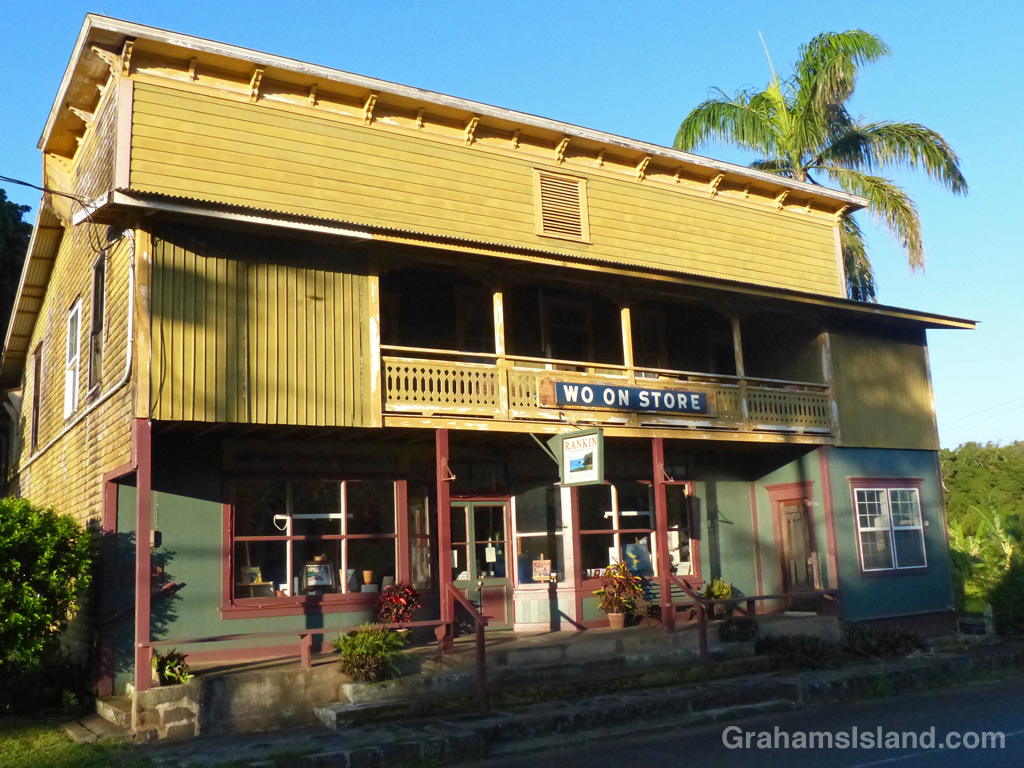

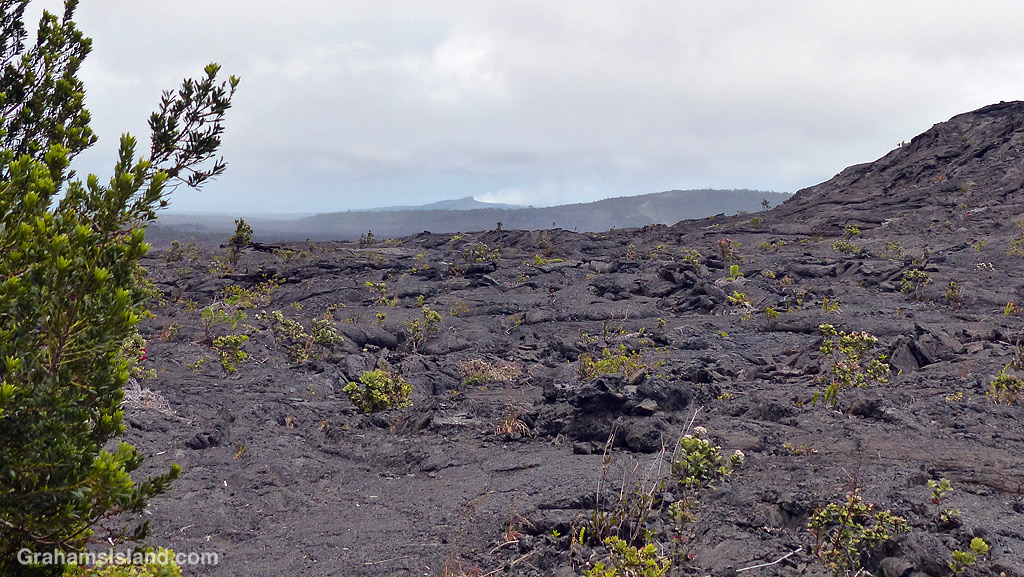
The idea of The Numbers Game is to enter a number into the search bar of your computer and then post a selection of the photos that turn up. This week’s number is 132.
You can see more responses here.

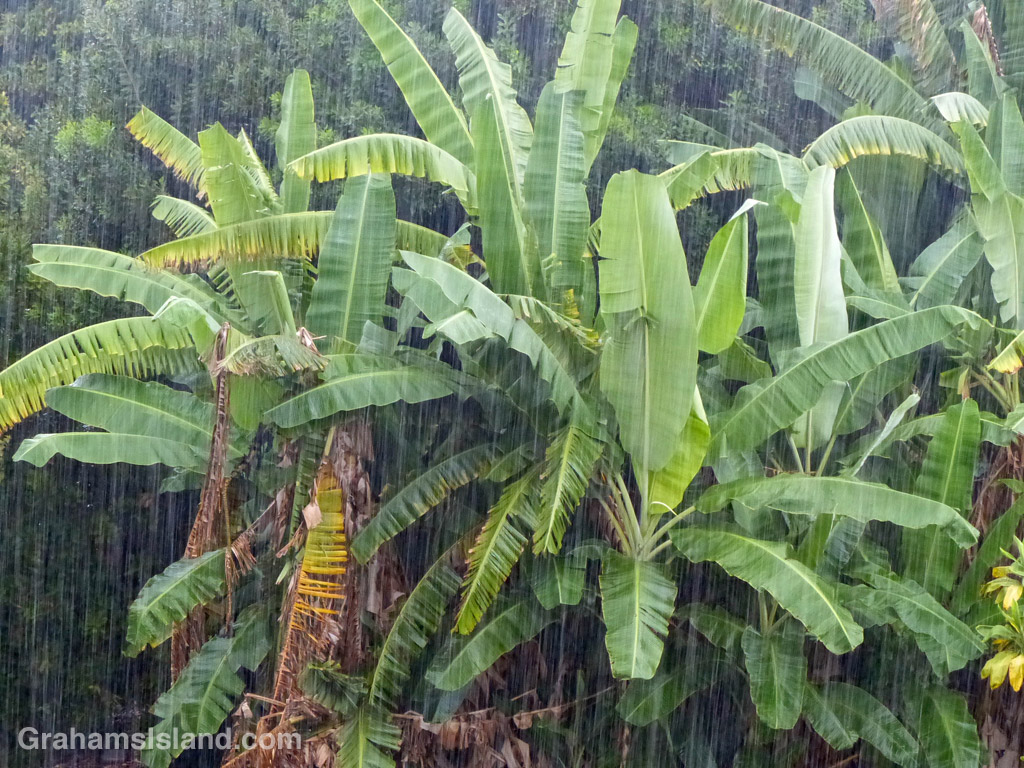
… They go together in this week’s Sunday Stills challenge theme of ‘Rainy Days.’ See more responses here.
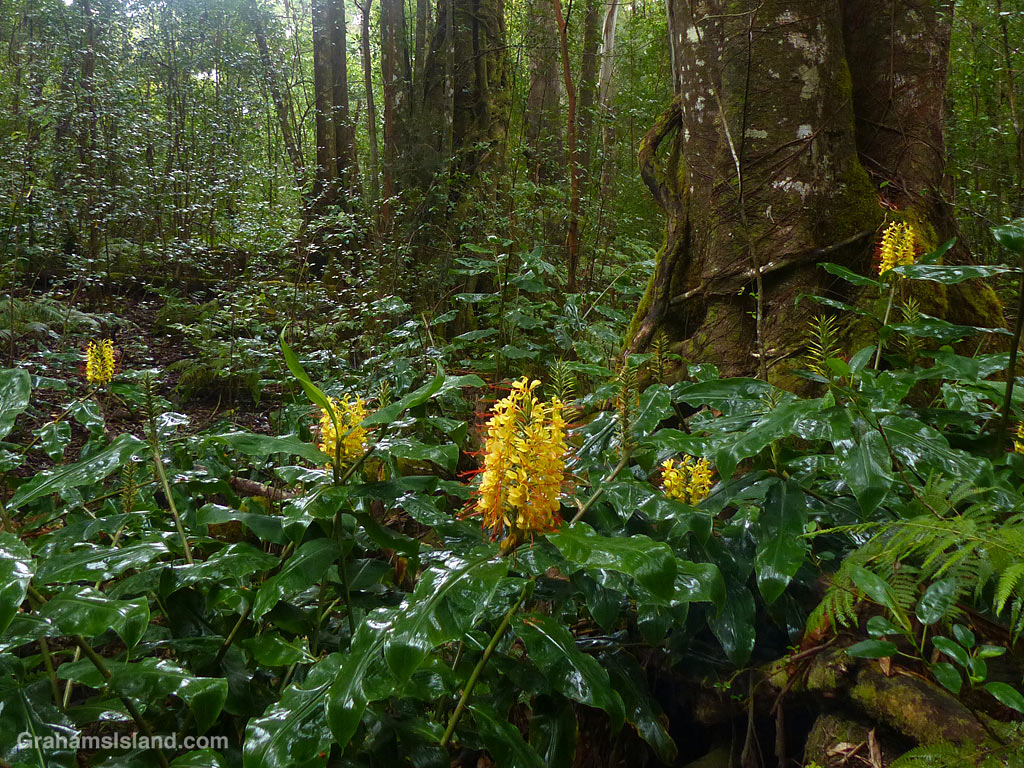
There’s plenty of rain on the Big Island. Most falls on the wet east side, but the dry west side can get its share too. Hilo, on the wet side, averages around 140 inches of rain a year, and just to the west of Hilo is an area that gets more than 200 inches a year. In contrast, Kawaihae, on the Kohala coast, gets around 10 inches of rain annually, though I suspect last year was one of its wetter ones.
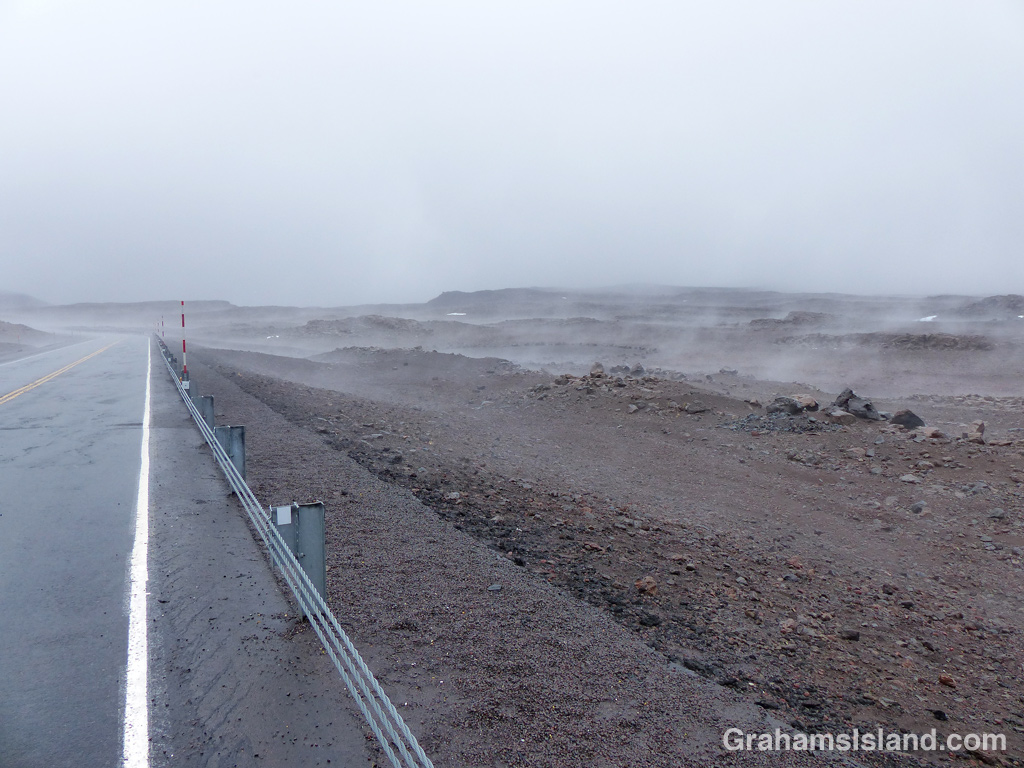
Where I live, on the northern end of the island, we get around 50 inches of rain a year, but being on the shoulder of Kohala Mountain, that figure can change quickly going a mile east or west, or a mile up the hill or down toward the ocean.
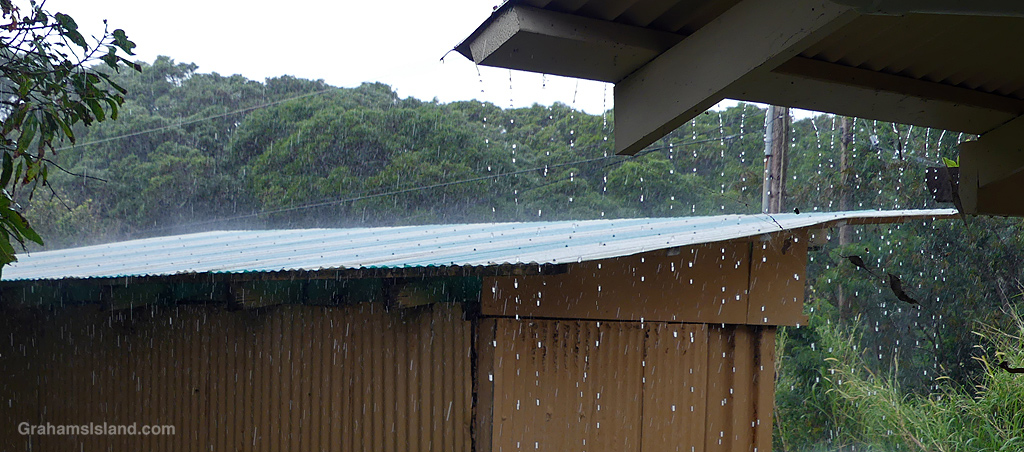
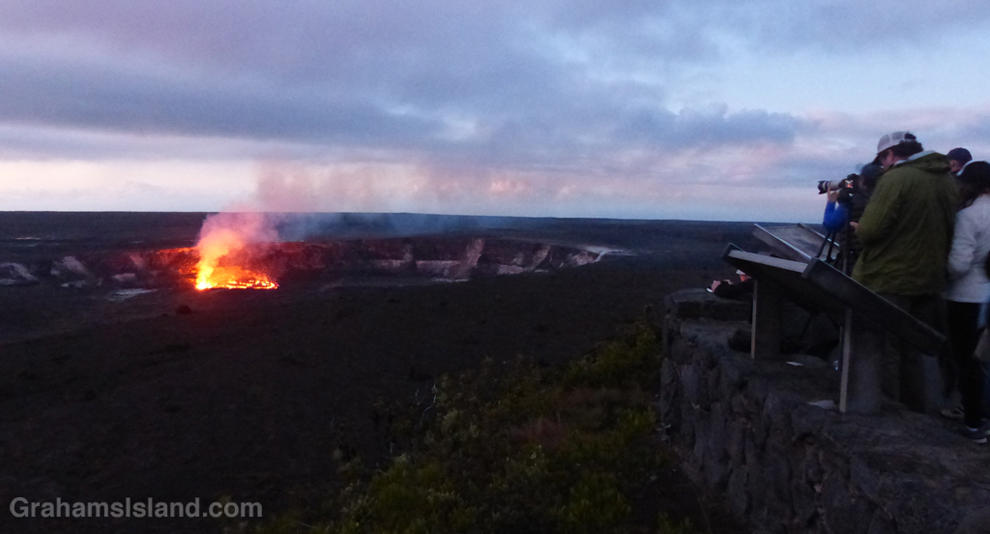
This week’s Sunday Stills challenge theme is ‘Iconic Places and Spaces.’ See more responses here.
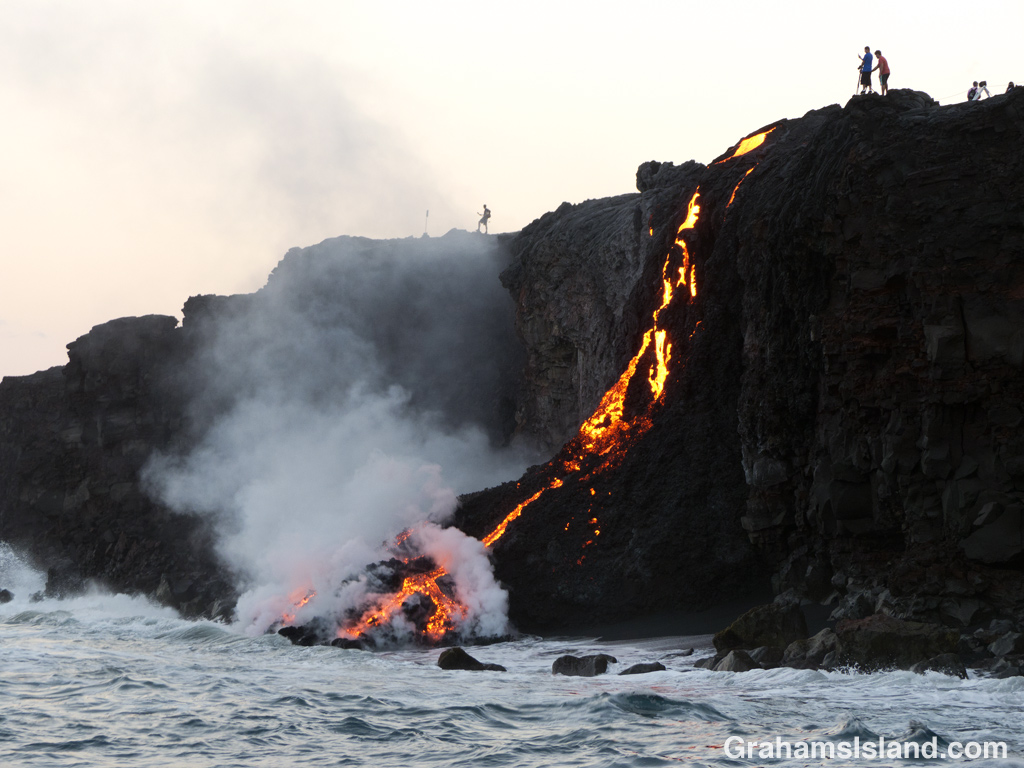
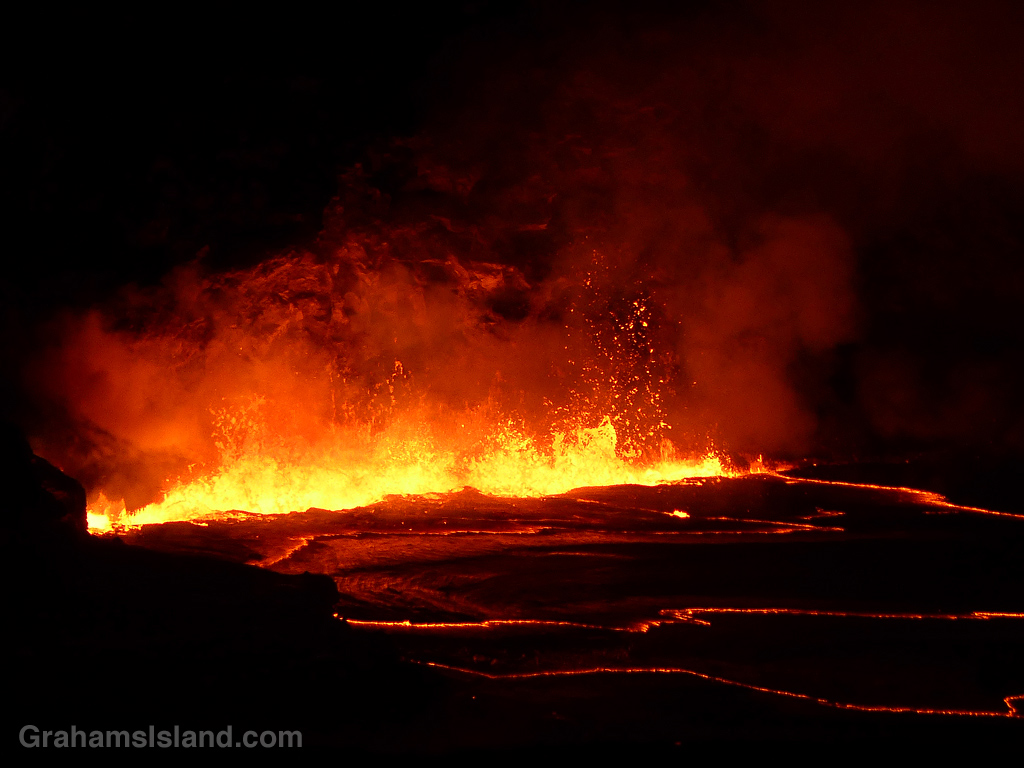
I wasn’t sure what to post for this, but Kilauea is about as iconic as anything on the island, so I thought I’d post some photos from volcanic activity that I’ve seen since I moved here. Captions on the photos with a link to the original post.



A view of Mauna Kea from the Pu’u O’o Trail, the last time I hiked there.
 Graham's Island