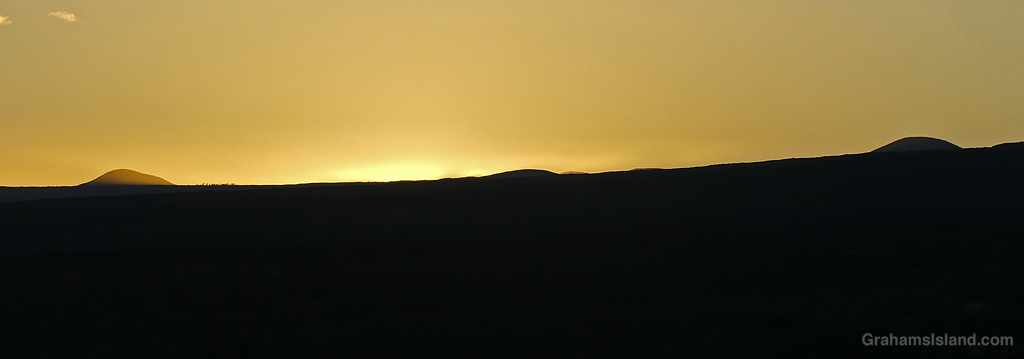
Here you go.
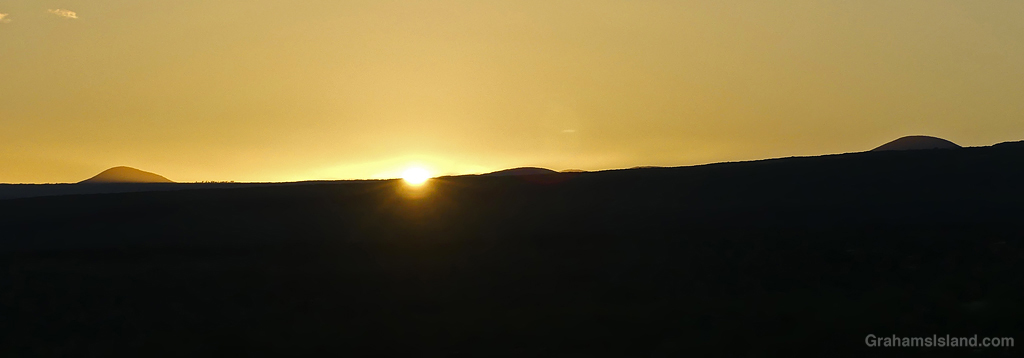

Here you go.
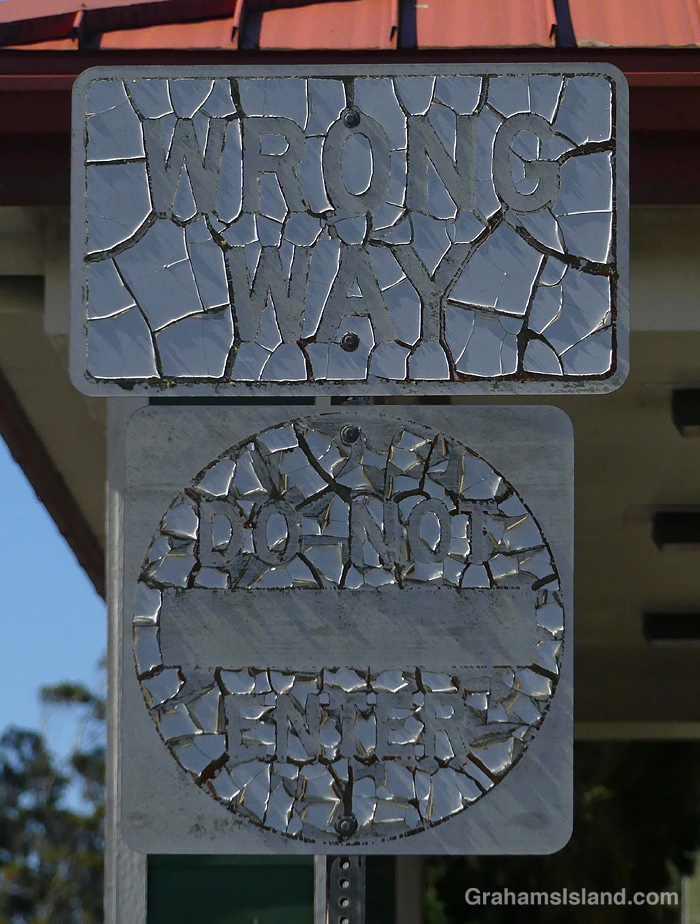
These signs could use a little TLC – OK, a lot – but I rather like them just the way they are!
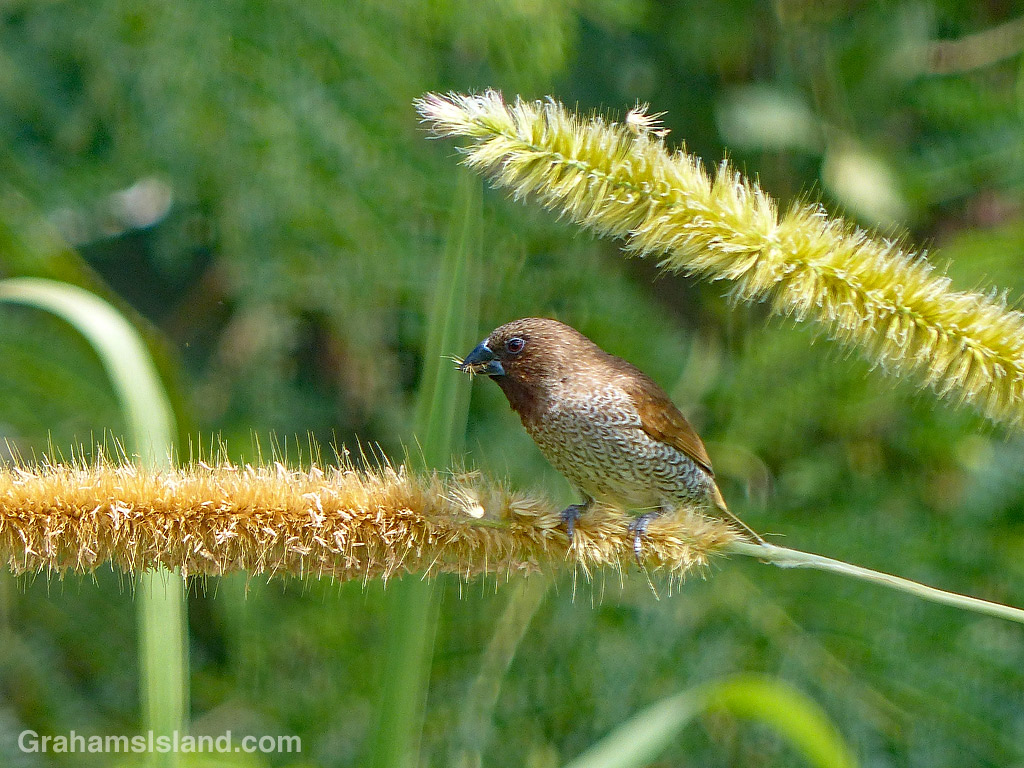
The idea of The Numbers Game is to enter a number into the search bar of your computer and then post a selection of the photos that turn up. This week’s number is 209. Captions are on the photos. You can see more responses here.
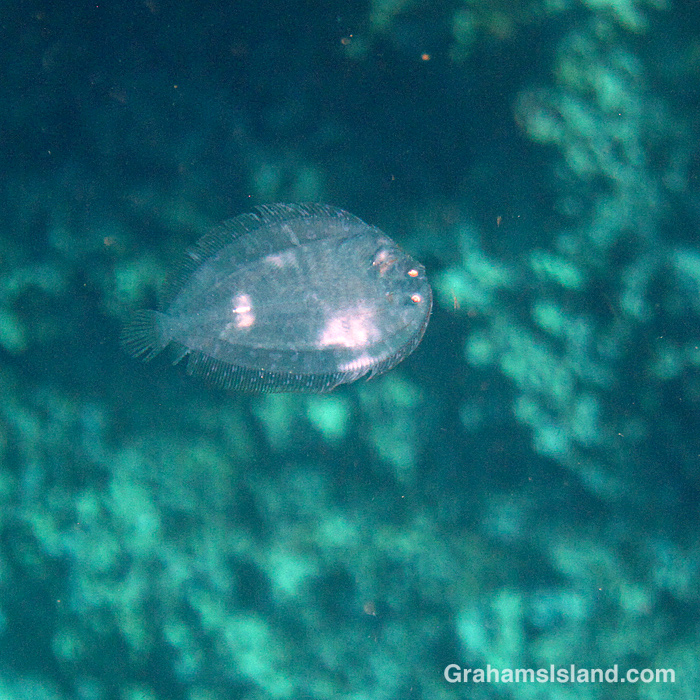
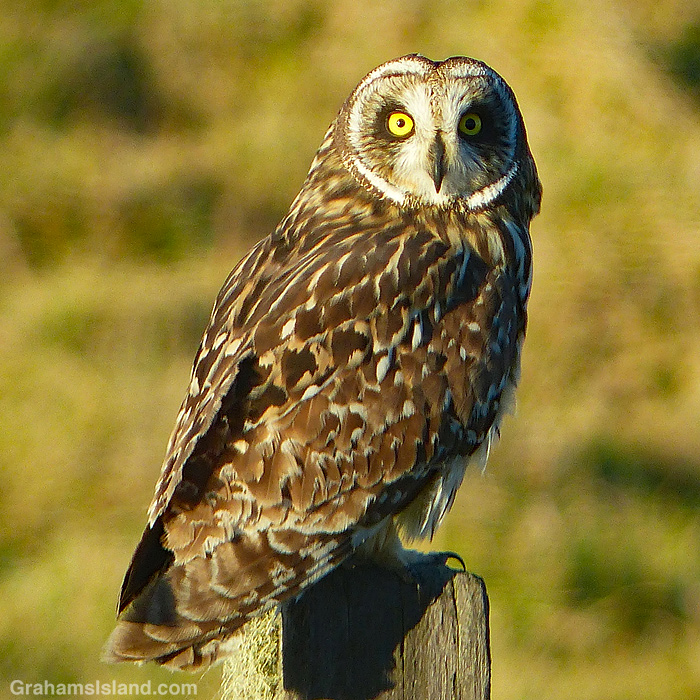
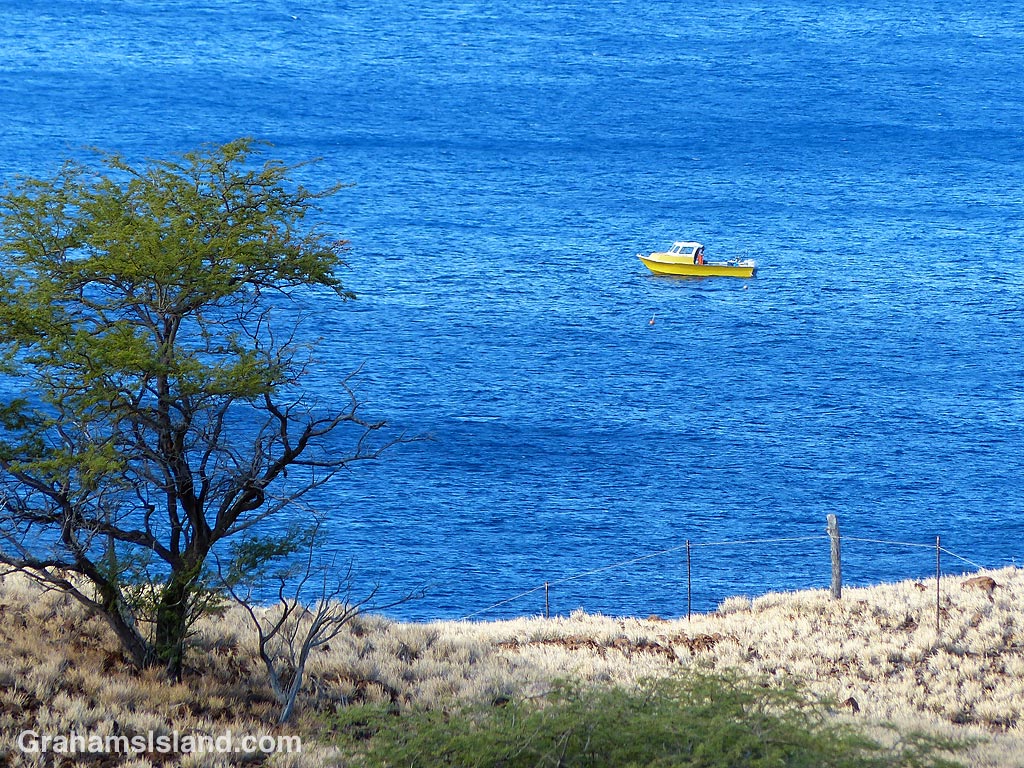
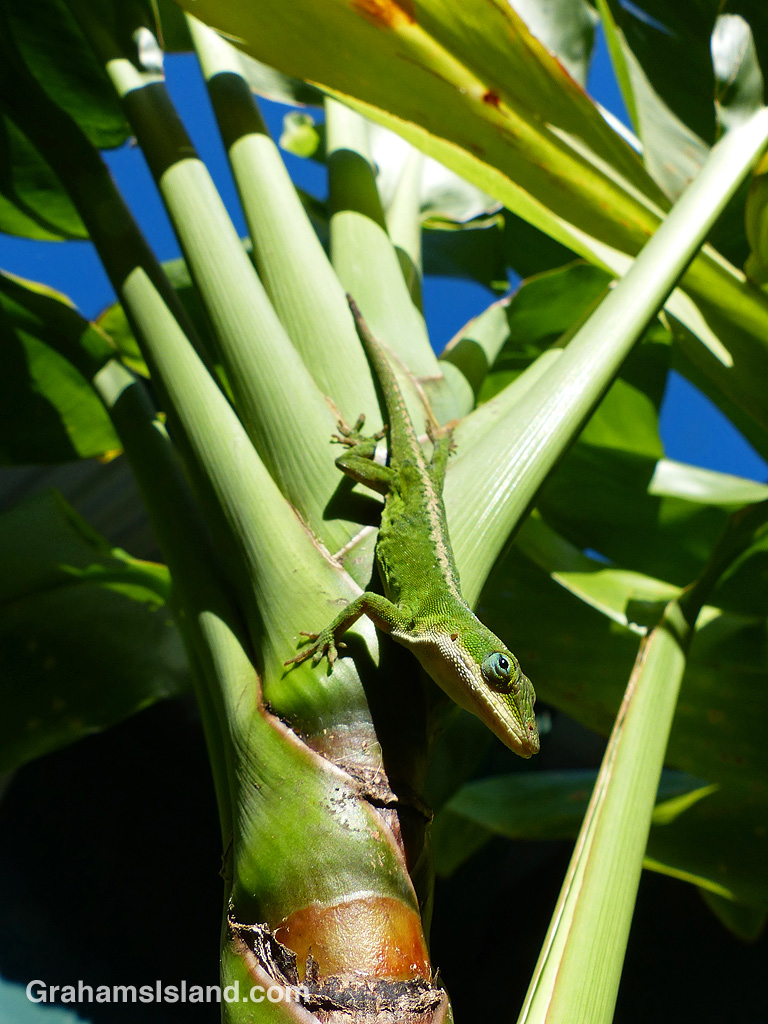
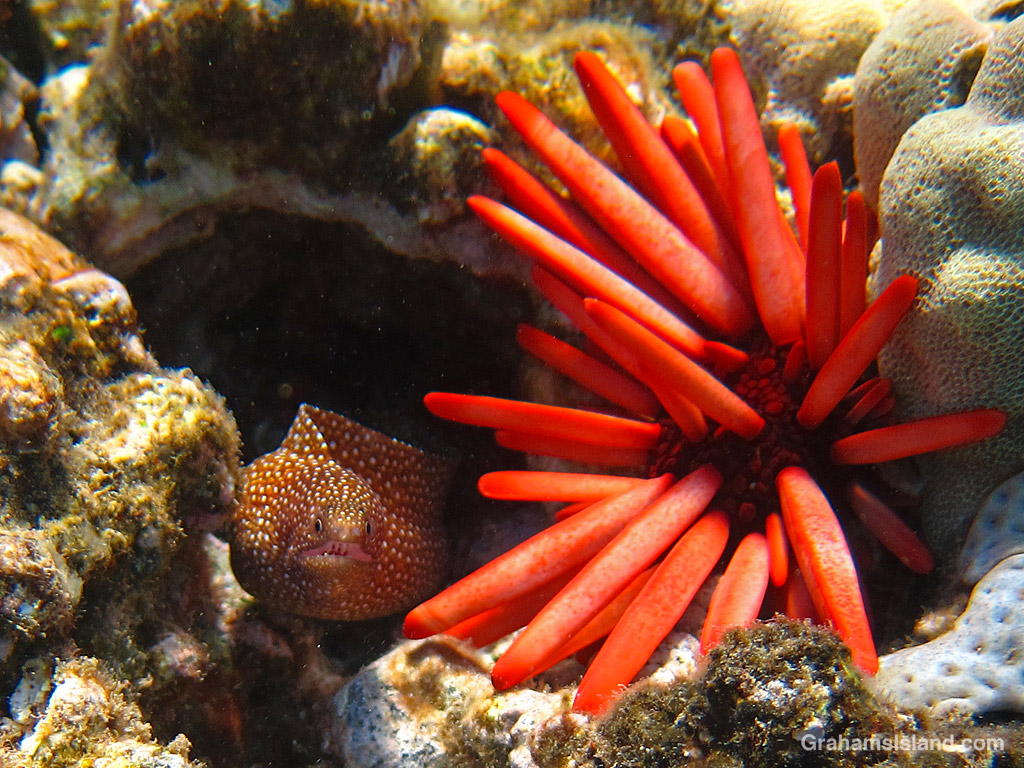
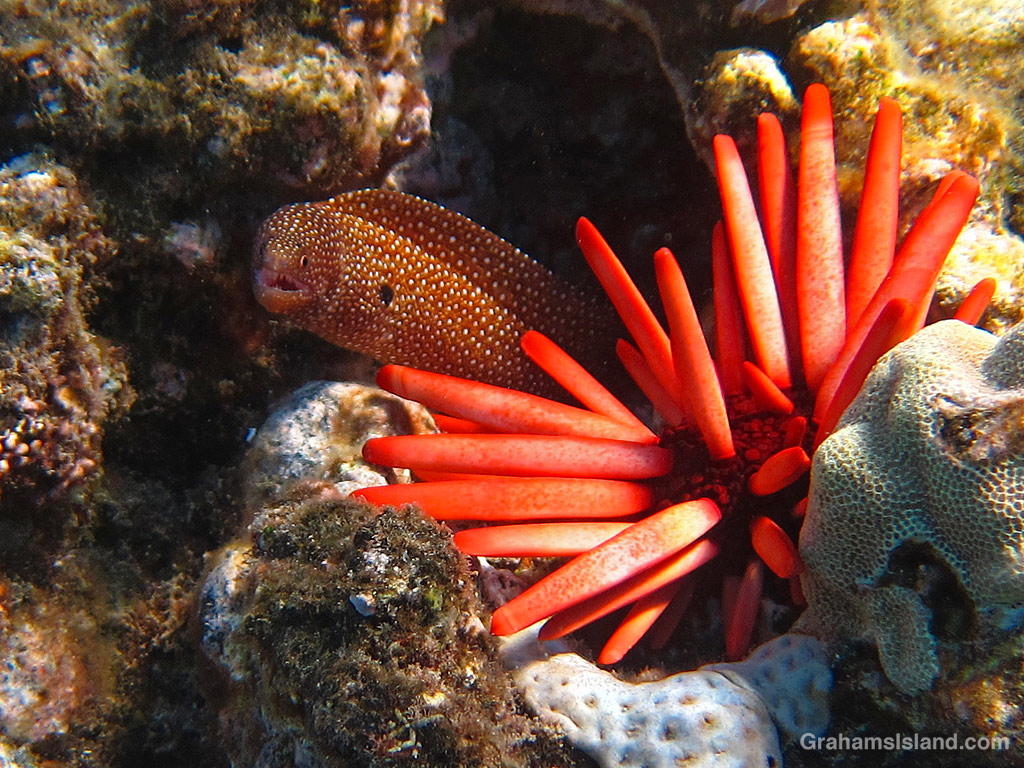
This is the smallest Whitemouth Moray Eel I’ve seen here. It was in a hole in the rock high up in the water so I could get quite close. I’ve taken a lot of eel photos over the years and I thought, even as I took these photos, it would be ironic if this little eel shot out and was the first one to bite me. Happily, it remained where it was, next to a Red Pencil Urchin, which gives a sense of scale.
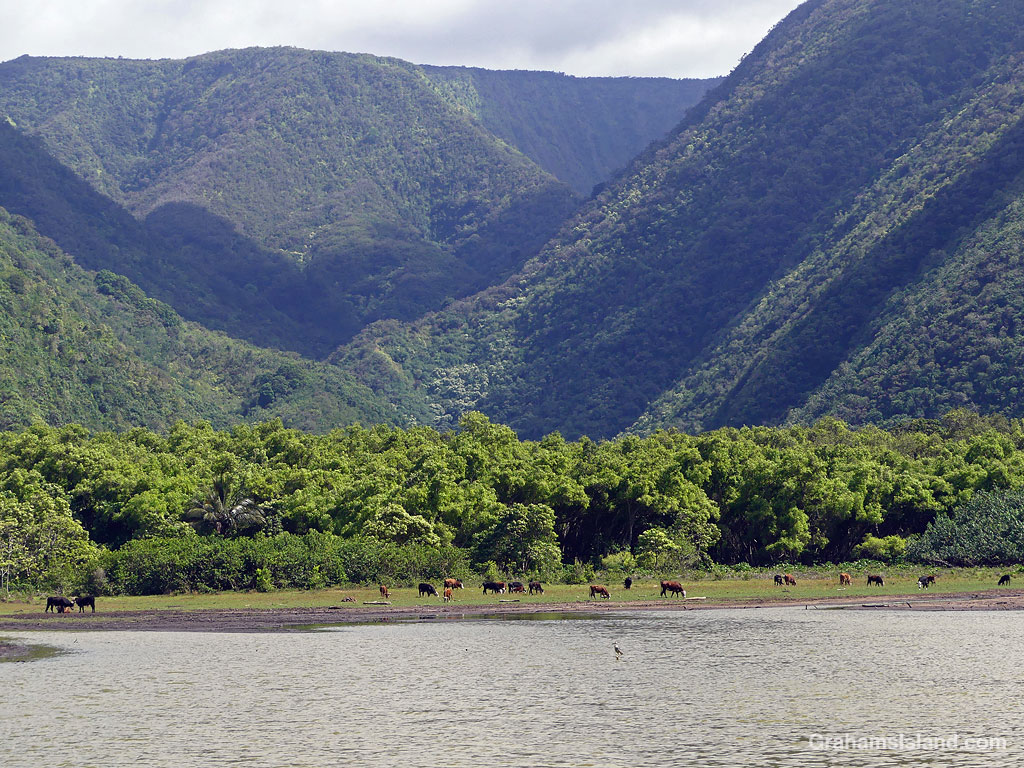
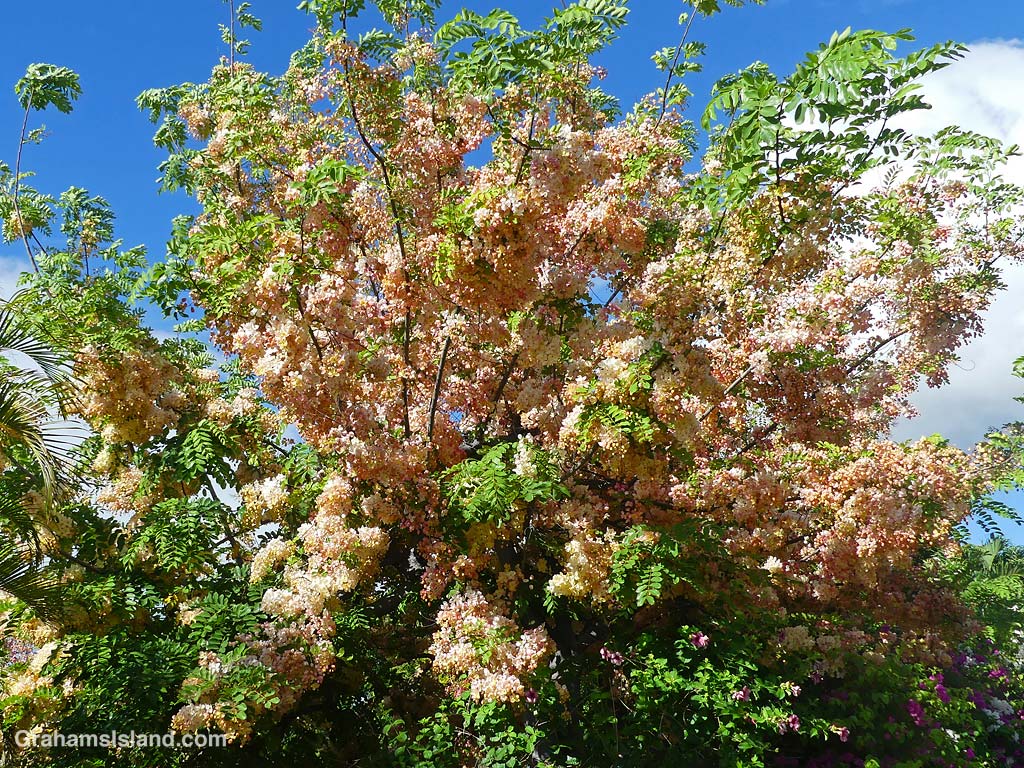
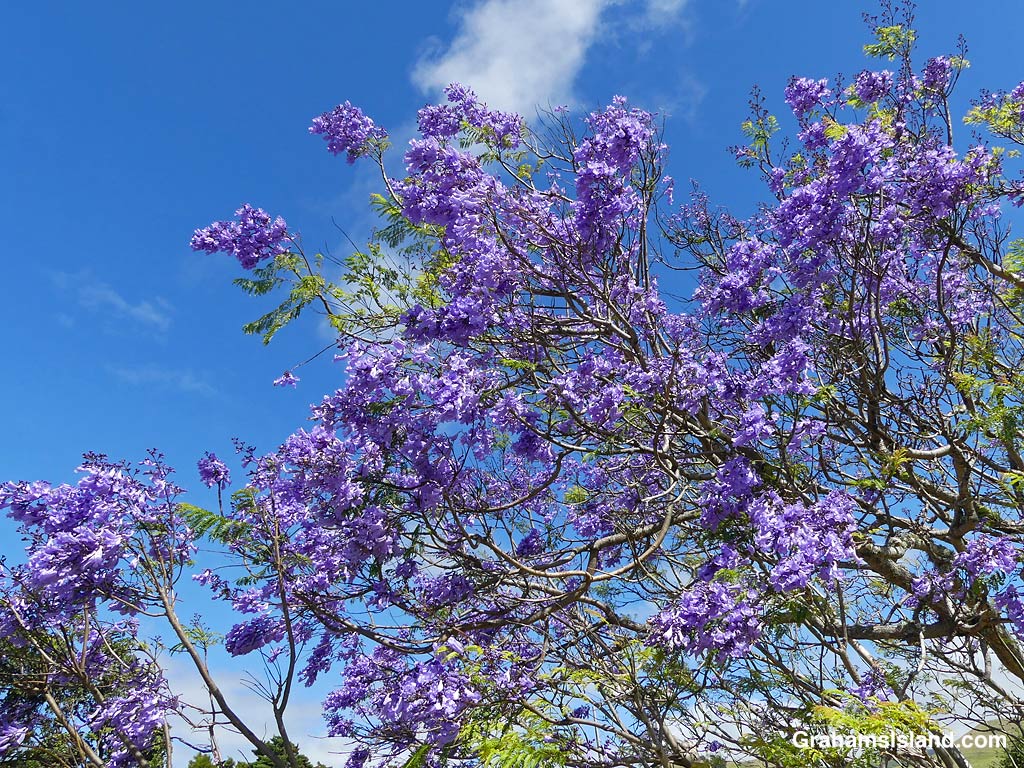
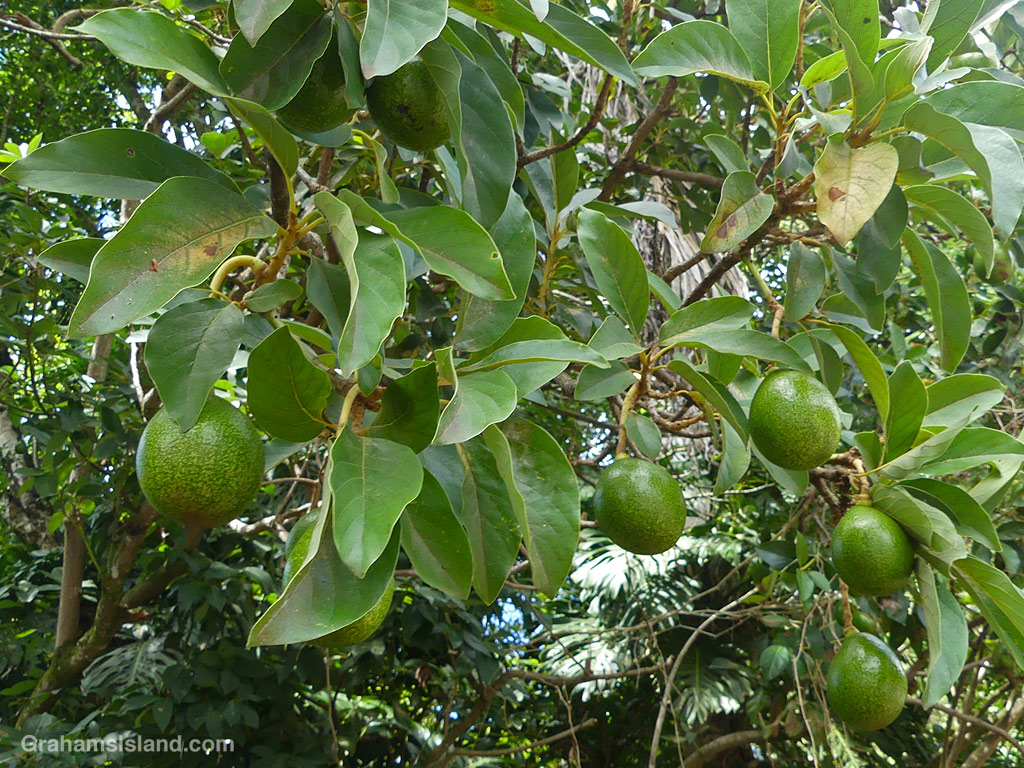
This week’s Sunday Stills challenge theme is ‘Trees.’ See more responses here.
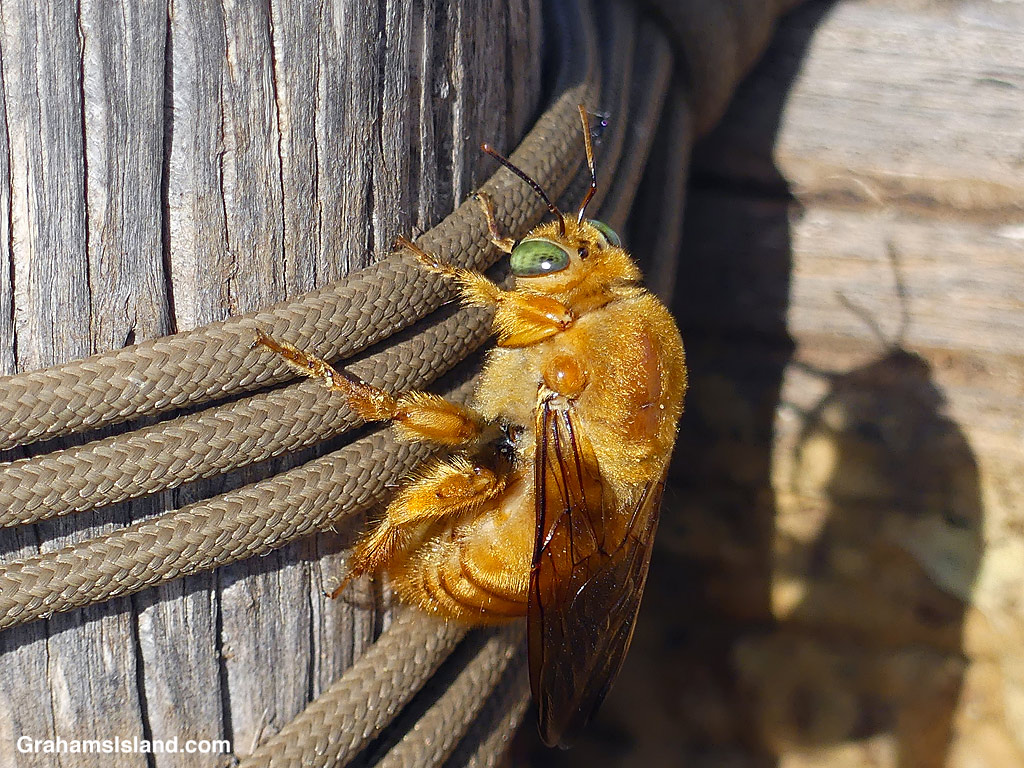
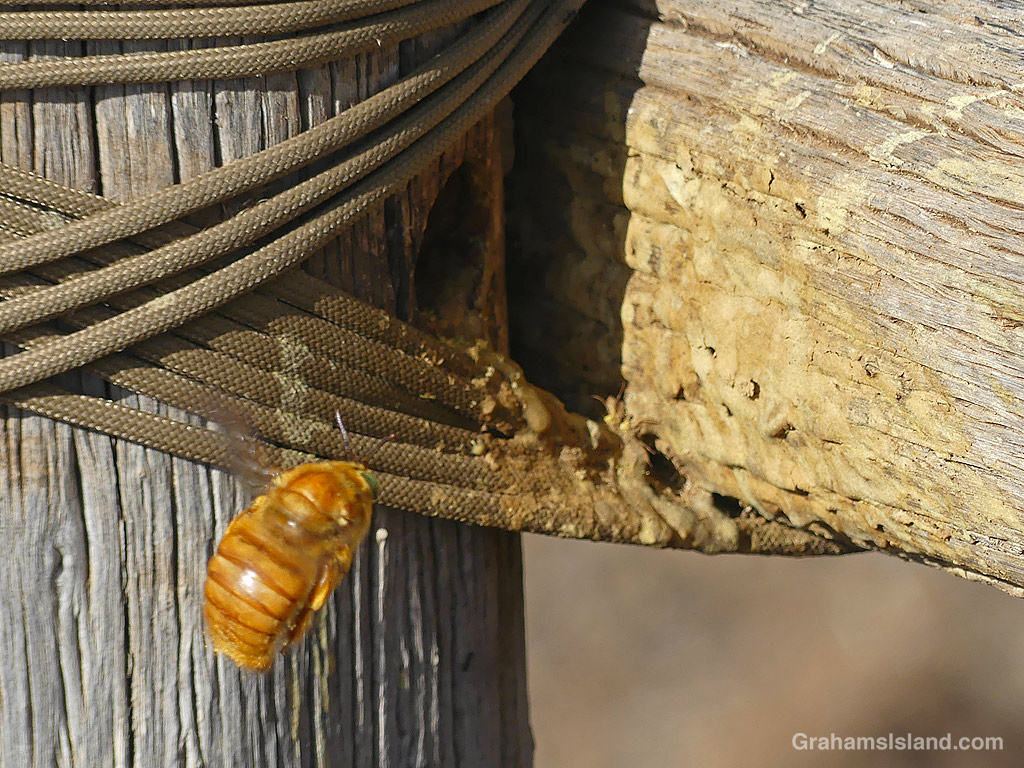
I recently posted (here) phone photos of a female carpenter bee heading for home. Last week, I returned with my camera to see what they were up to, and I was very happy to see this male bee visiting the same home as the one in the previous post.
Male bees are a lovely orange/brown and are smaller than the females, but still pretty big. Another way they differ is that, while female bees have a stinger but rarely use them, male bees don’t have a stinger at all.
I’ve seen a few male bees before, but this is the first time I’ve been able to get photos.
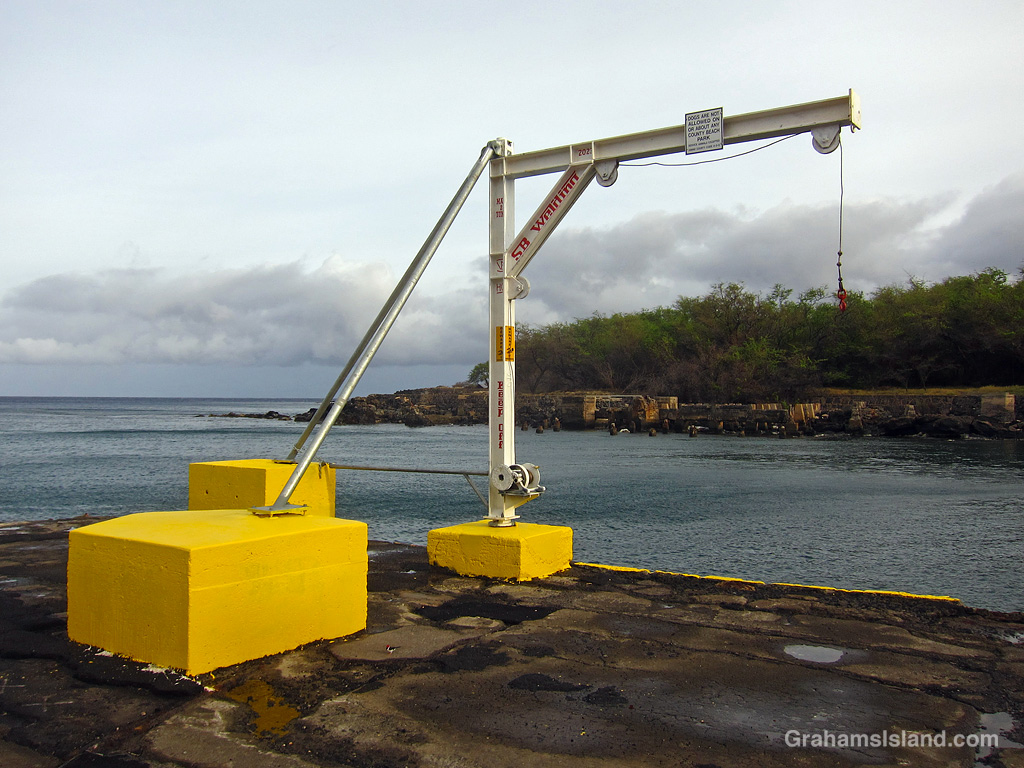
This is the boat launch hoist at Mahukona. I’ve posted about this before, being buried by high surf (here), when it was in bad shape (here), after it was removed (here), and the dramatic signs on the new boat hoist (here).
I was going to post this photo, taken on March 10, 2024, to show the new hoist, but thought I’d wait to get a photo of a boat actually being launched. A blessing ceremony was held on April 4, 2024, which was front page news in the local monthly newspaper. But in the ensuing year and a half I’ve not seen any boat launched. For some time now the only difference in the scene is that the wire and hook have been removed. Not going to be launching boats without that.
I don’t know what’s happened, not being on social media and the like, but I’ve heard that the Army Corps of Engineers nixed the operation. A clue as to why that might be can be seen in the photo. The parking lot is a patchwork of patches over patches, where water regularly fountains up through the cracks.
I’ve no idea what will happen next with this, but it’s Hawaii, so it won’t happen soon.

I had seen this flower some time ago and thought it would be easy to identify. No such luck. At the time, I didn’t realize it was an orchid. But then I saw this one at the Hilo Orchid Show with a handy tag attached. Problem solved.
It’s also known as the bottlebrush orchid and hails from northeastern Australia and areas nearby.
 Graham's Island