Tag Archives: Mauna Kea

Smithsonian Submillimeter Array

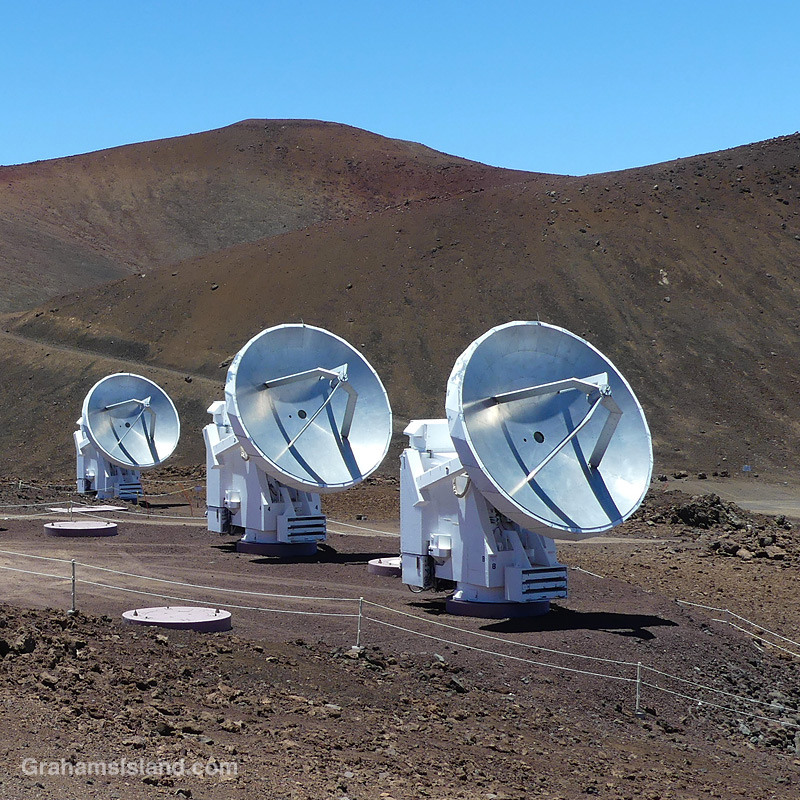
The Smithsonian Submillimeter Array on Mauna Kea, Hawaii

According to their website (here), the Smithsonian Submillimeter Array (SMA) on Mauna Kea “is a type of multiple-antenna observatory known as an interferometer, in this case consisting of eight radio dishes, each 6 meters in diameter. The eight antennas observe the same astronomical object simultaneously. Combining the light measured by all the dishes produces an interference pattern, which results in a sharper image than could be made by any of the individual antennas. For that reason, the eight-antenna interferometer behaves like a single telescope as much as 500 meters (one-third of a mile) across.”

These dishes sit on little concrete pads, which can also be seen in these photos. If a change in the dish configuration is needed, they can be moved from one pad to another. What I’ve always liked about this is that some of these pads are only a few feet apart. I like to imagine conversations along the lines of:
“We need more data from the Invisible Particle Cluster. Let’s move Dish Three over there.”
“You mean, to that pad six feet away. Why didn’t I think of that?”
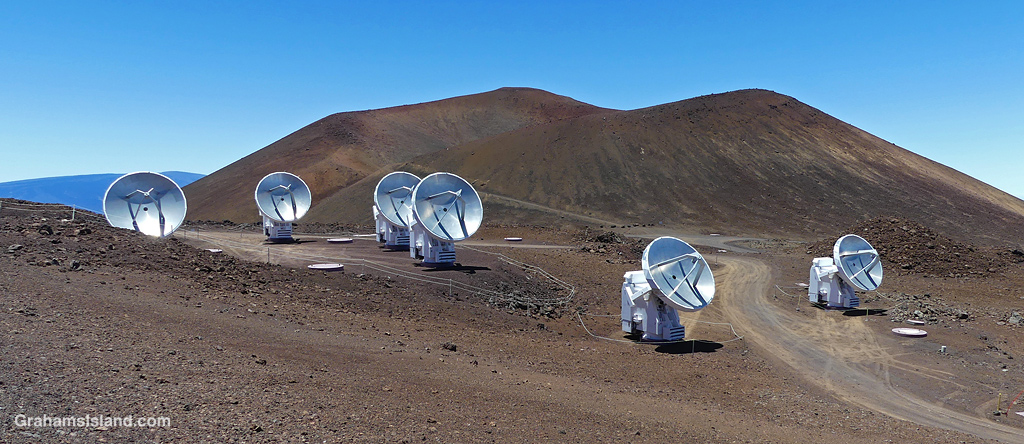
The Smithsonian Submillimeter Array on Mauna Kea, Hawaii

Of course, there are probably good scientific reasons for moving the dishes around like chess pieces. However, in chess one only has to lean forward, lift an itty-bitty piece of wood, and plunk it on a new square, while giving your opponent a knowing smirk. These dishes are big and heavy. Even Arnold Schwarzenegger, in his heyday, would have trouble moving one without the assistance of special effects.

That’s why they have the vehicle below. I suspect this is not something purchased at the local used car dealership. I suspect it costs a good deal more than the combined value of all the vehicles at the local used car dealership.
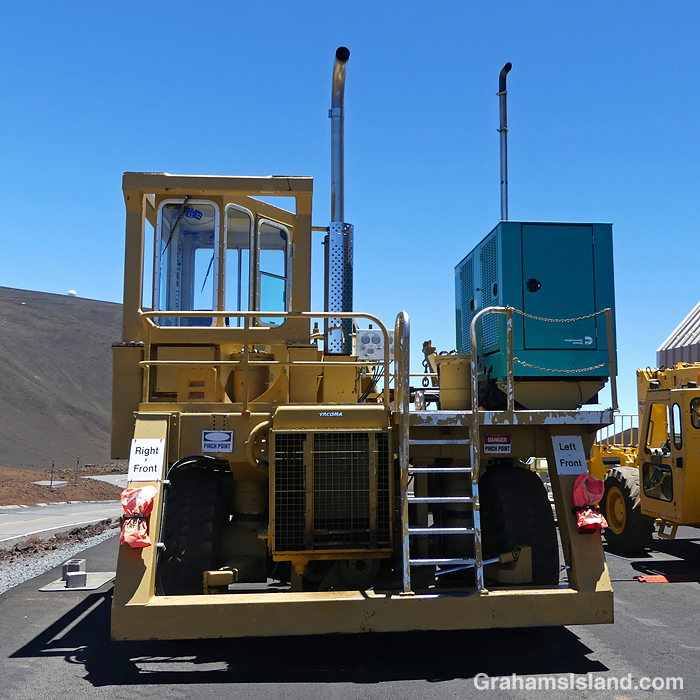
The machine used to move dishes of the Smithsonian Submillimeter Array on Mauna Kea, Hawaii

It’s something of an out-of-this-world design, which is entirely appropriate. There are two things I really like about this vehicle. One is that the scientific minds have thought it prudent to label the front and back, left and right of it. This way, everyone knows whether the vehicle is moving forwards, backwards, or sideways. The other is that they have also recognized that for safe, efficient operation, it’s important to have, in the cab, a pair of fuzzy dice.
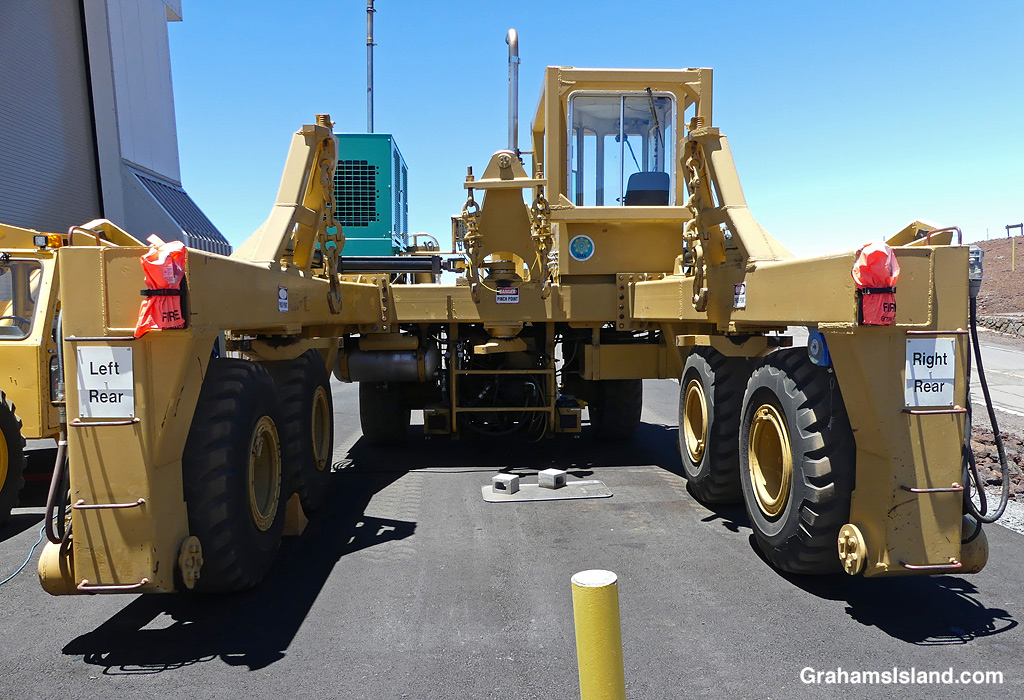
The machine used to move dishes of the Smithsonian Submillimeter Array on Mauna Kea, Hawaii

Posted for Becky’s Squares: Move Forward, Reconstruct, Renew, and/or are Burgeoning. See more responses here.

The Numbers Game #22

A Bristle-thighed Curlew snags a snack at Kiholo Hawaii
A Bristle-thighed Curlew moves forward to grab a breakfast snack.

The idea of The Numbers Game is to enter a number into the search bar of your computer and then post a selection of the photos that turn up. This week’s number is 143. Captions are on the photos. You can see more responses here.

Also posted for Becky’s Squares: Move Forward, Reconstruct, Renew, and/or are Burgeoning. See more responses here.

Waves

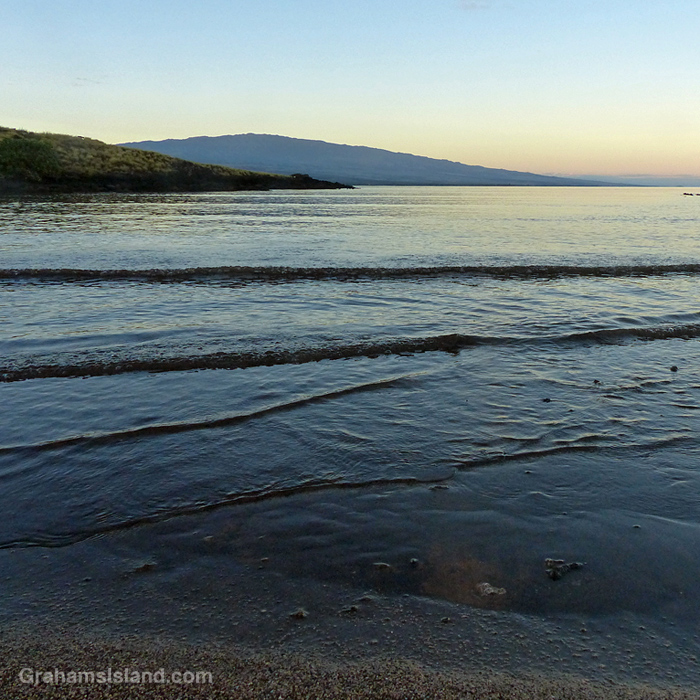
Wavelets in Pelakane Bay Hawaii
A calm morning with little wavelets and a view of Hualalai.

This week’s Sunday Stills challenge theme is ‘Water, Waterscapes and/or Water Safety.’ See more responses here. Captions on the photos.

Also posted for Becky’s Squares: Move Forward, Reconstruct, Renew, and/or are Burgeoning, because waves are always moving forward. See more responses here.

The Numbers Game #14

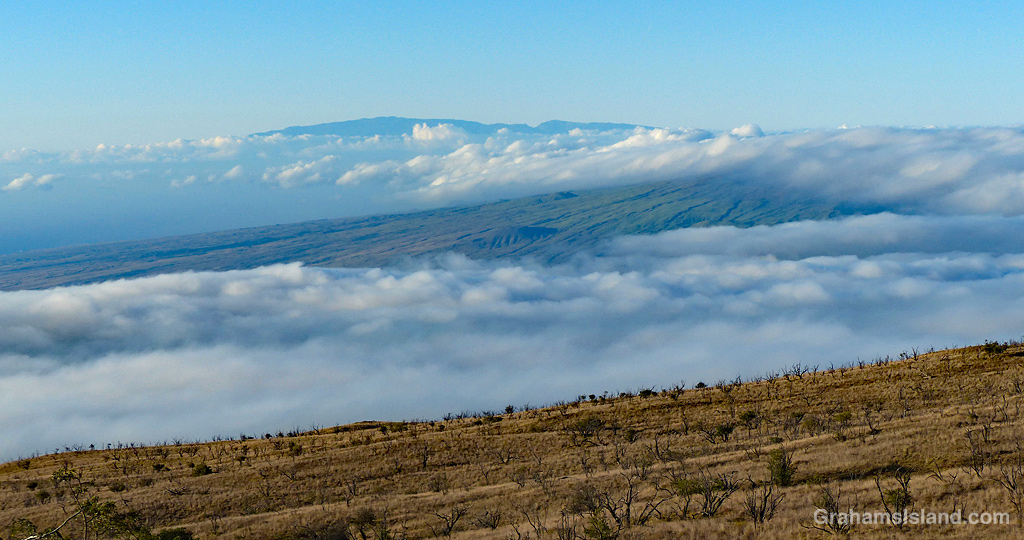
The shadow of Mauna Kea stretches out above the clouds.
A favorite photo of mine. The shadow of Mauna Kea stretching out over the clouds!

The idea of The Numbers Game is to enter a number into the search bar of your computer and then post a selection of the photos that turn up. This week’s number is 135. Captions are on the photos.

You can see more responses here.

Sunrise at Upolu on the Big Island of Hawaii
Sunrise at Upolu. I was looking to capture an eclipse, but got this instead.

Rainy days and Sundays …

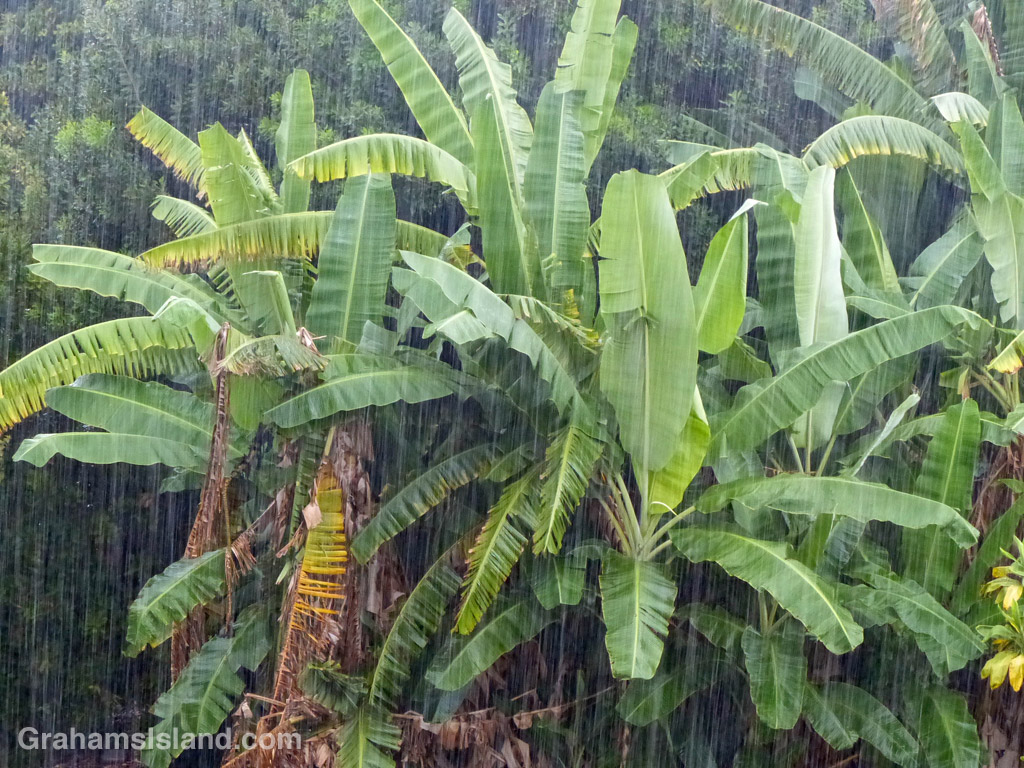
Banana plants thrive in heavy tropical rain.
Rain lashes banana plants in Captain Cook.

… They go together in this week’s Sunday Stills challenge theme of ‘Rainy Days.’ See more responses here.

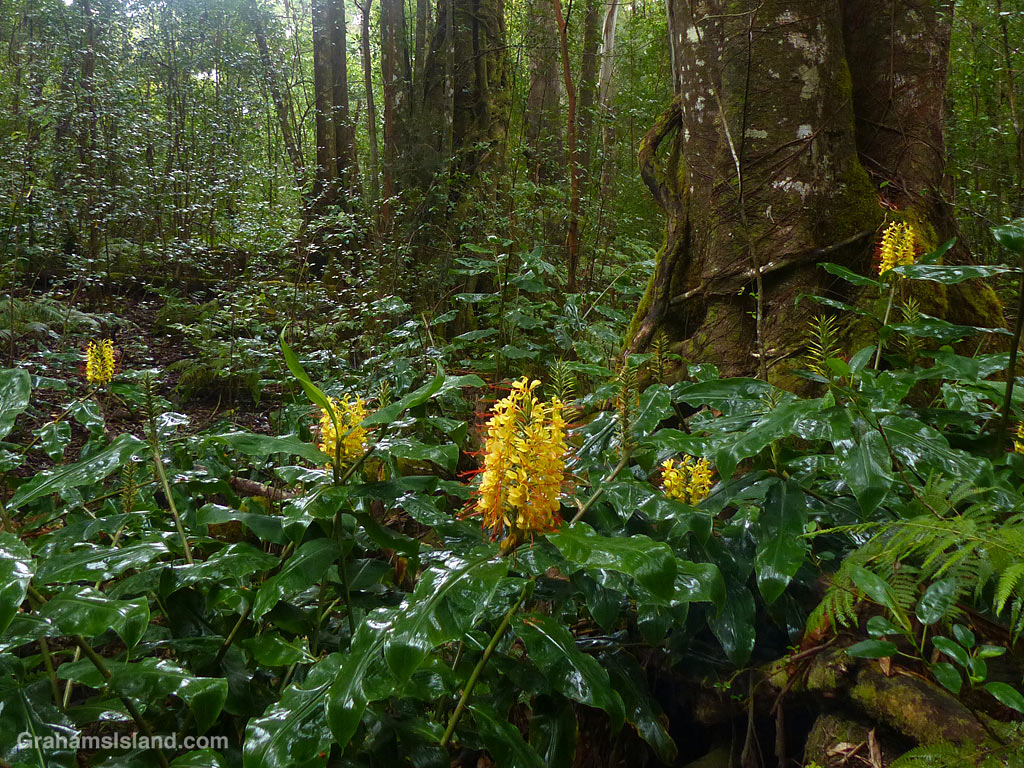
Kahili ginger in the rain in Kalopa park Hawaii
Kahili Gingers illuminate a wet day in Kalōpā Forest Reserve.

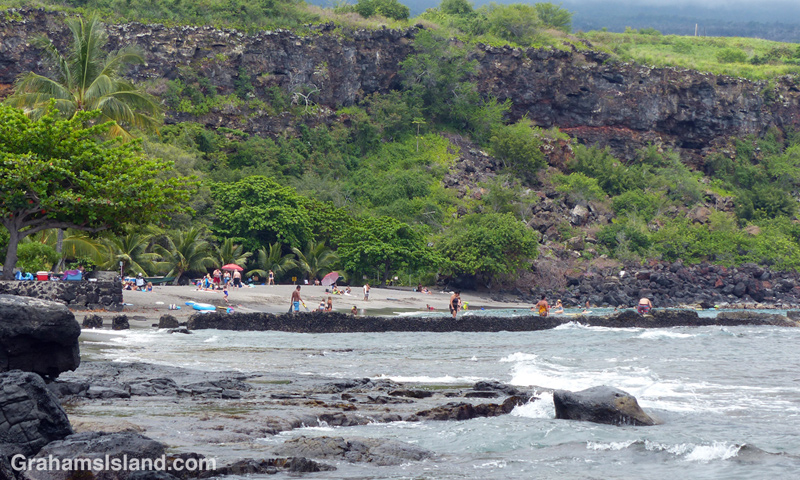
There’s plenty of rain on the Big Island. Most falls on the wet east side, but the dry west side can get its share too. Hilo, on the wet side, averages around 140 inches of rain a year, and just to the west of Hilo is an area that gets more than 200 inches a year. In contrast, Kawaihae, on the Kohala coast, gets around 10 inches of rain annually, though I suspect last year was one of its wetter ones.

Cloud and rain on Mauna Kea
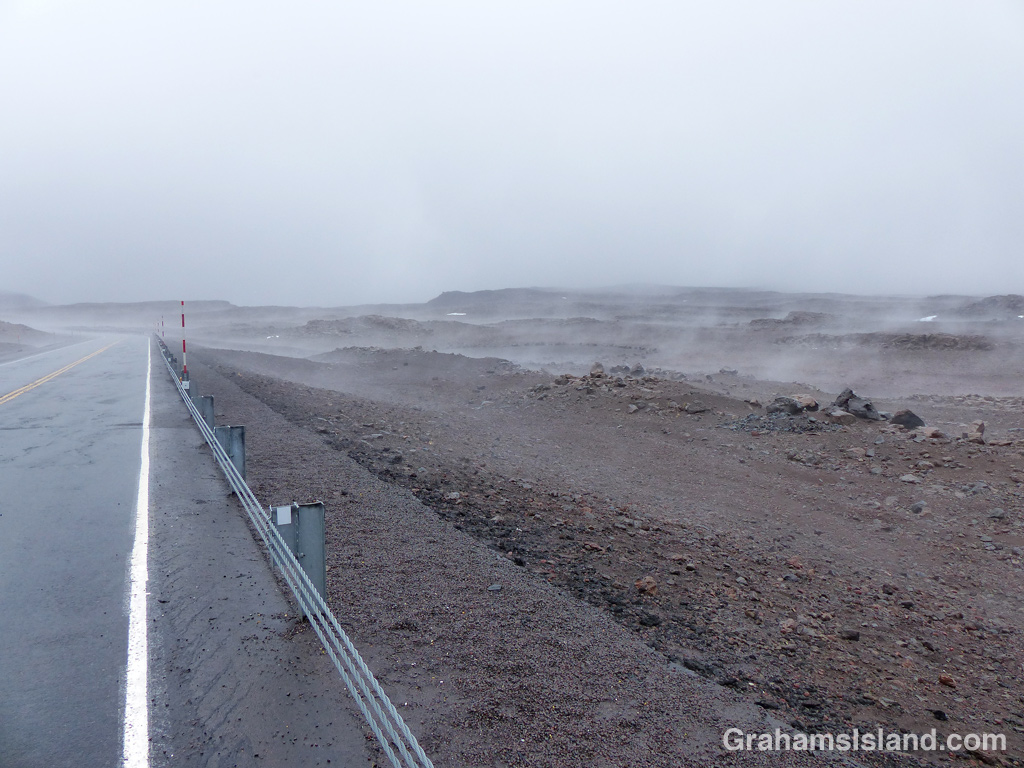
The highway to the Mauna Kea visitor center awash with rain.

Where I live, on the northern end of the island, we get around 50 inches of rain a year, but being on the shoulder of Kohala Mountain, that figure can change quickly going a mile east or west, or a mile up the hill or down toward the ocean.

Rain falls in Hawi, Hawaii
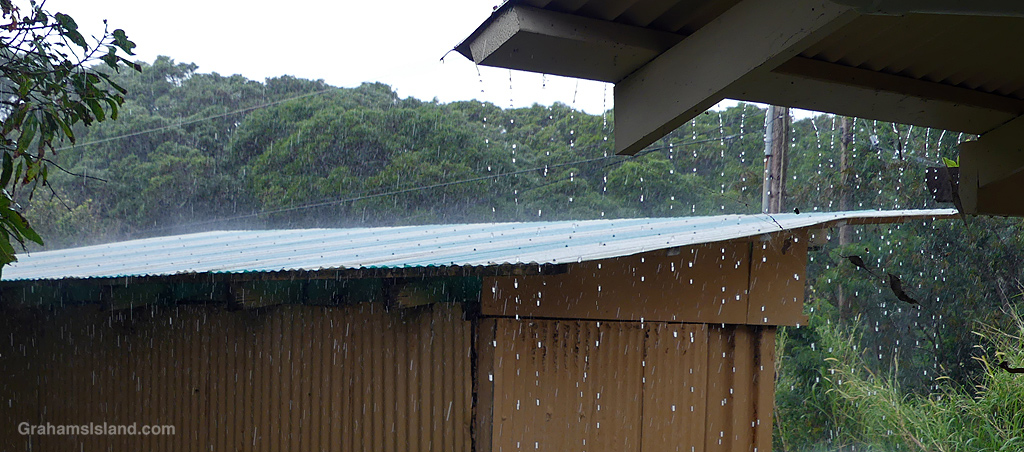
Looking out the window as a passing shower dumps a load of rain.

The Numbers Game #6

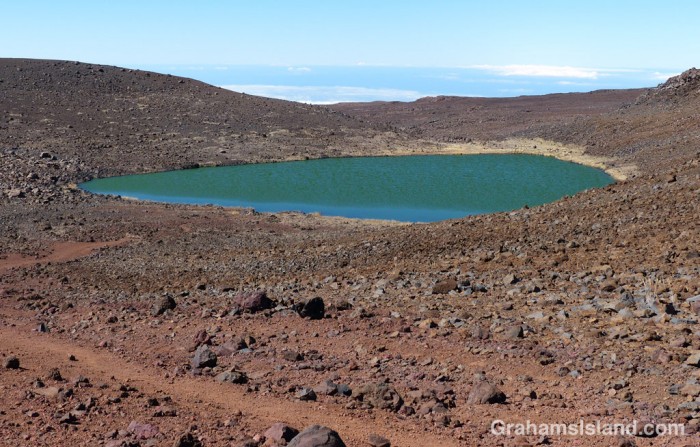
Lake Waiau near the summit of Mauna Kea.

The idea of The Numbers Game is to enter a number into the search bar and then post a selection of the photos that turn up.

This week’s number is 127. As with last week’s post, three of these photos haven’t run before.

You can see more responses here.