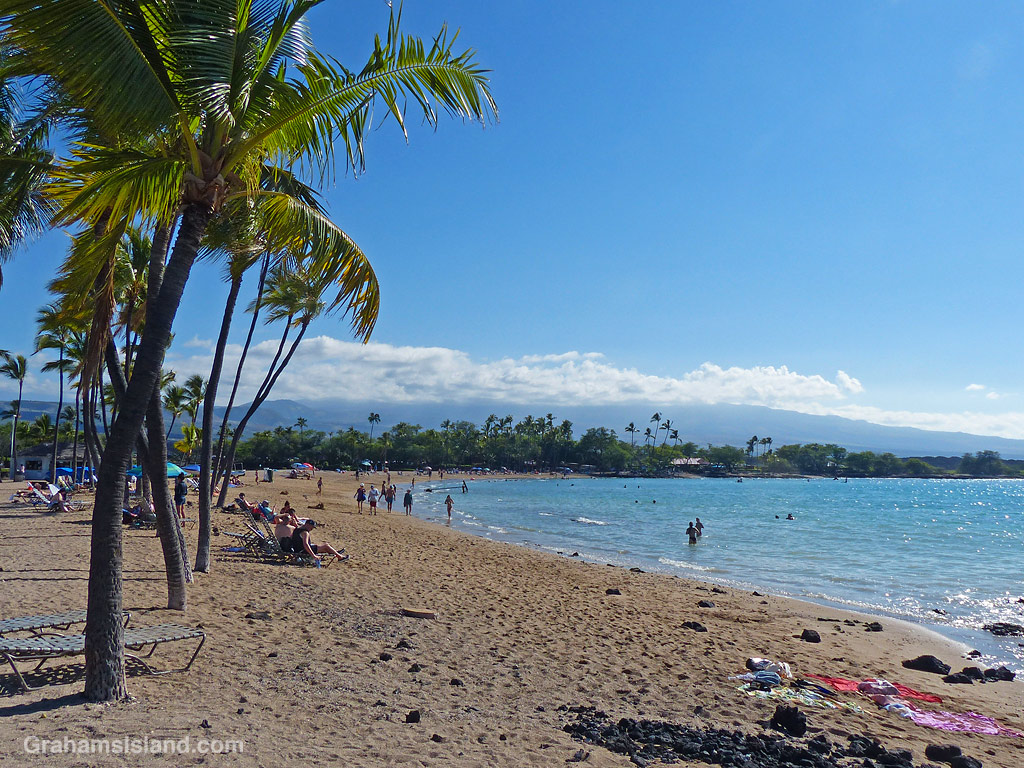
This week’s Sunday Stills challenge theme is ‘Lazy, Hazy Days of Summer.’ See more responses here. Beach scenes seemed appropriate for this, even if some of these photos were taken in the winter! Captions on the photos.
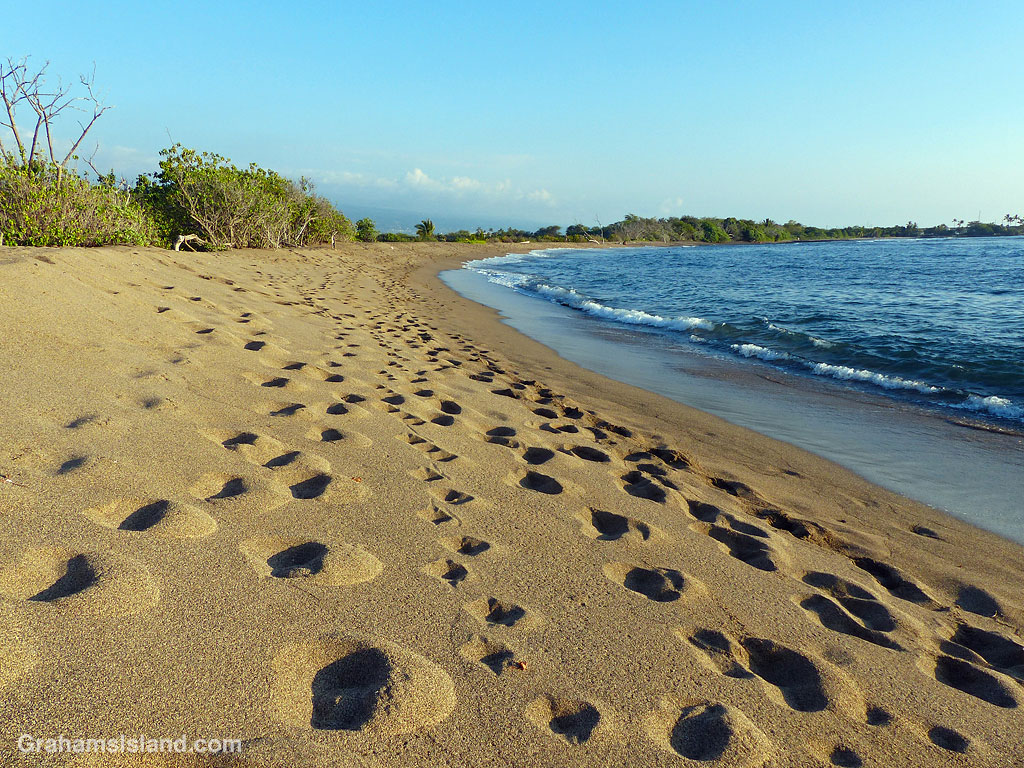
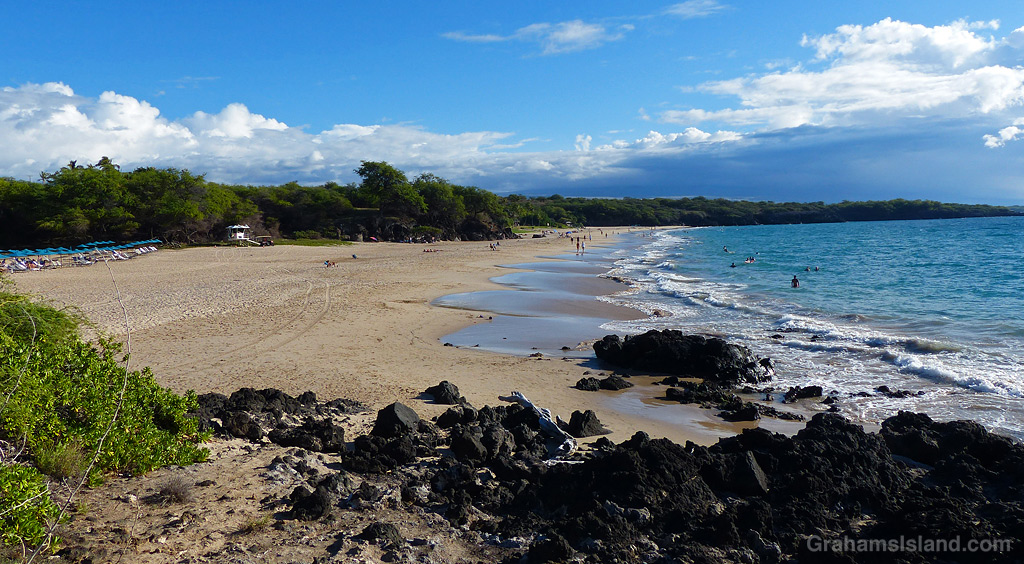
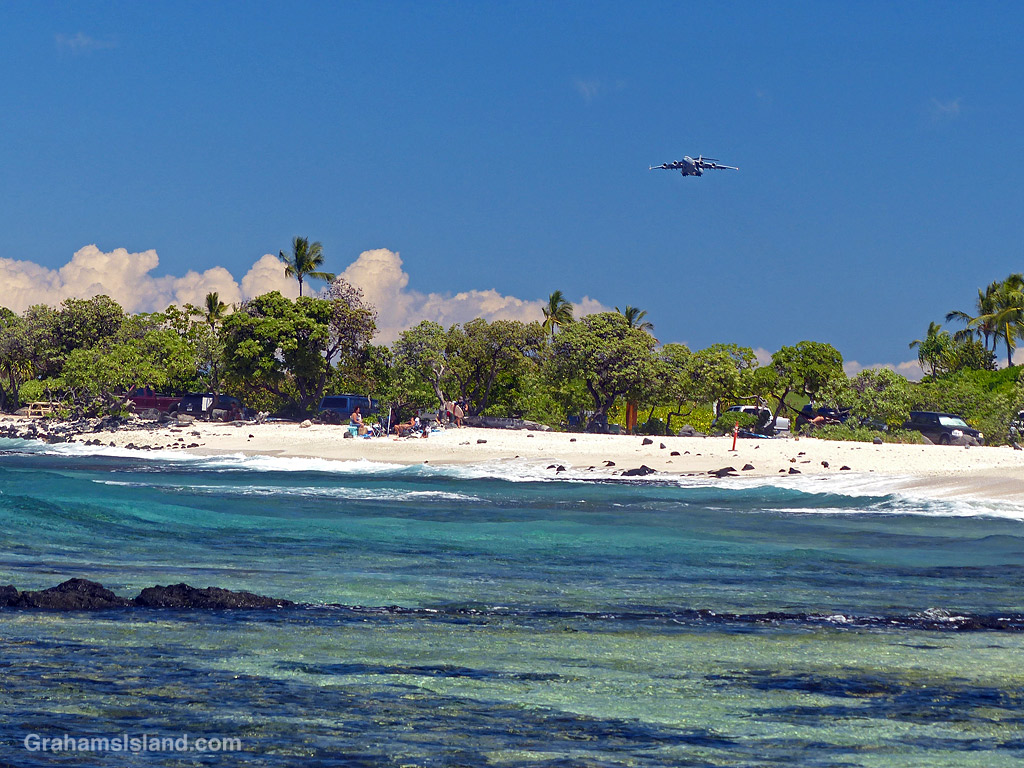
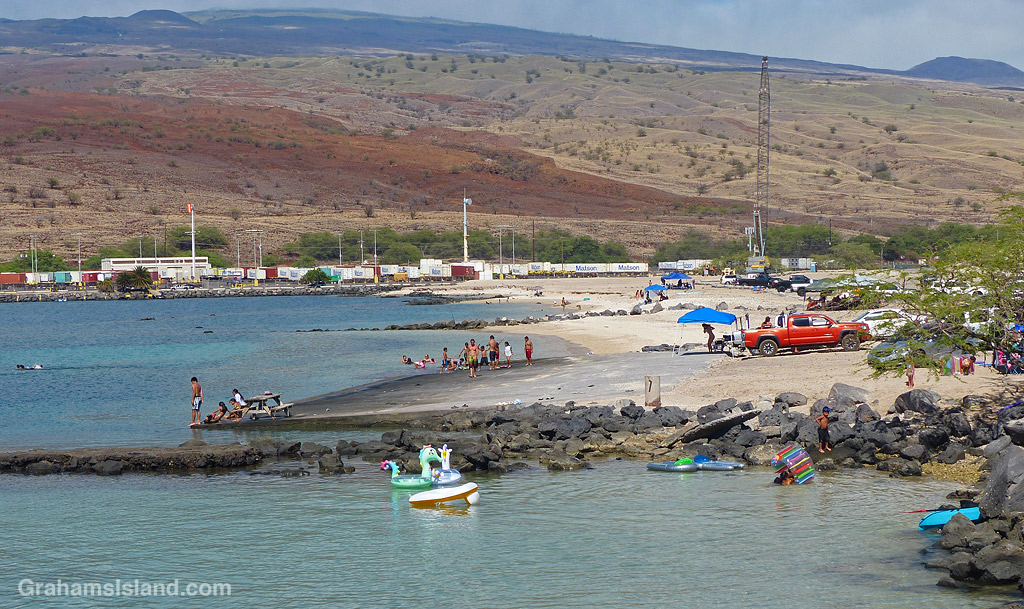
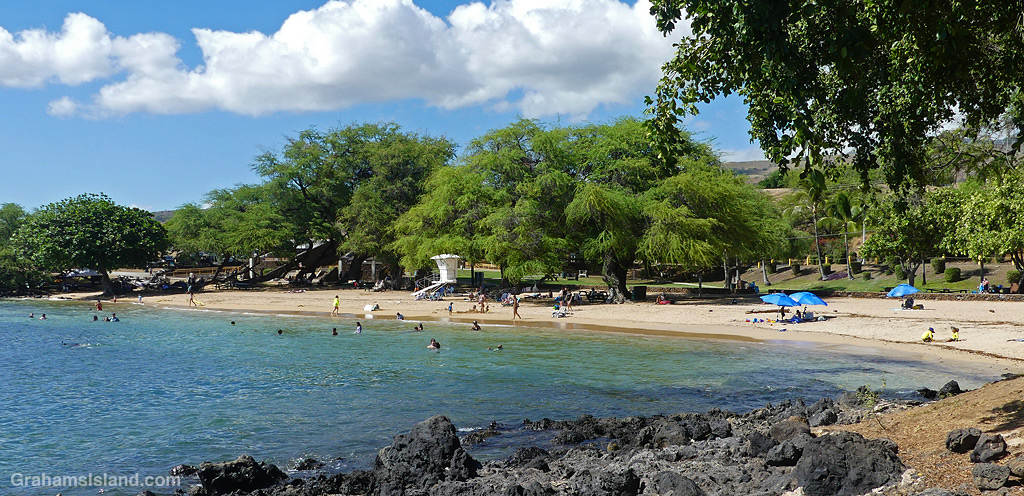

This week’s Sunday Stills challenge theme is ‘Lazy, Hazy Days of Summer.’ See more responses here. Beach scenes seemed appropriate for this, even if some of these photos were taken in the winter! Captions on the photos.

A gecko goes about its business on the other side of a spider lily leaf.
Posted for Bushboy’s Last on the Card photo challenge. See more responses here.

This week’s Sunday Stills challenge theme is ‘Double Trouble.’ See more responses here.
A pair of juvenile Black-crowned Night Herons spell trouble for small fish living in the pool behind Pelekane Beach in Kawaihae.

Giant Porcupinefish can inflate themselves into a ball. When they do so, long spines along the back become raised and stick out, making them an extremely unpleasant proposition for any predator. Oh, and they’re poisonous, too. Trouble, indeed.
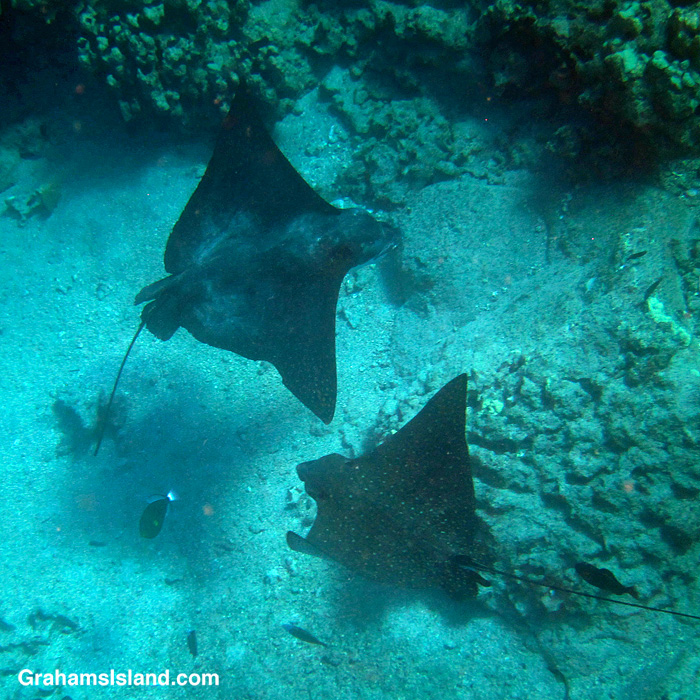


Spotted Eagle Rays hunt for molluscs and other creatures hiding in the sand. They root out prey with their duck-like bills.
Wild pigs can dig up a garden in no time, searching for worms and the like, but they go bananas over fallen fruit. These two were slurping down fallen mangoes.
This cow looked very suspicious of these cattle egrets, especially the one on its back. But they weren’t up to any trouble, just waiting for the cow to start grazing again and stir up some insects for them.

The Gold Dust Day Gecko on the left isn’t licking the paint. He’s sticking out his tongue and leaning to make his body look bigger in a challenge to the other gecko. The other one was singularly unimpressed and chased off his adversary.
This week’s Sunday Stills challenge theme is ‘Let’s Get Small.’ See more responses here.
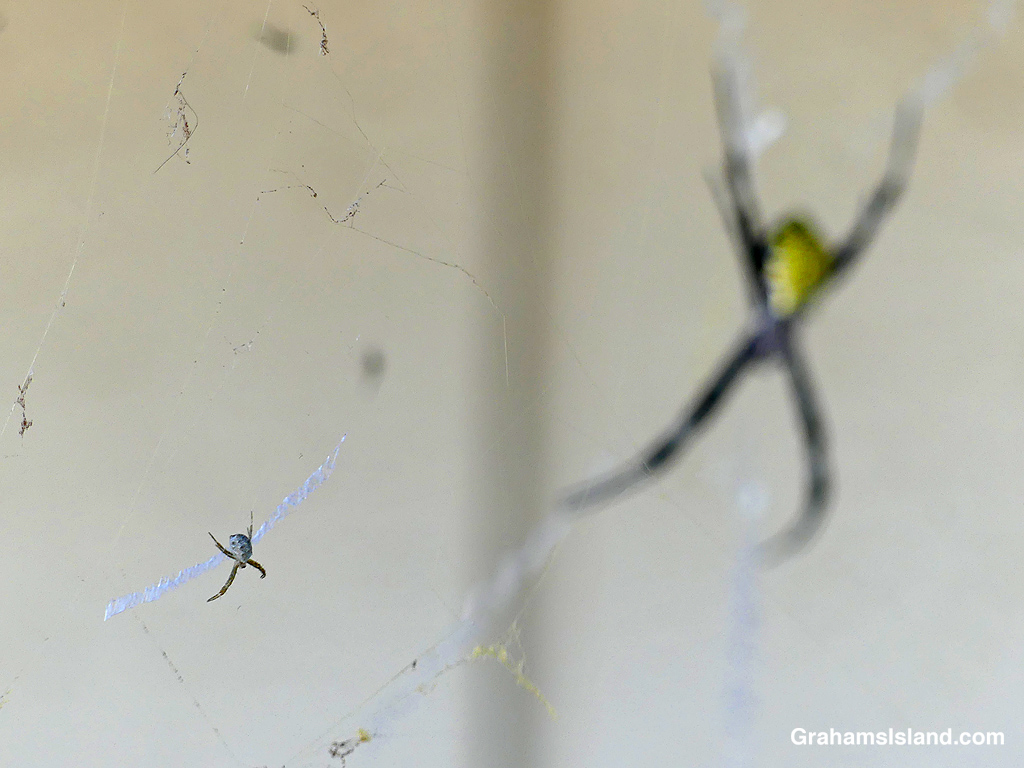
Sorry to start off (above) with spiders, for those with aversions to them, but this one is very small. It’s a tiny female Hawaiian Garden Spider, probably no more than a quarter-inch across, though if it survives, it will grow to be as big as the other one in the photo.
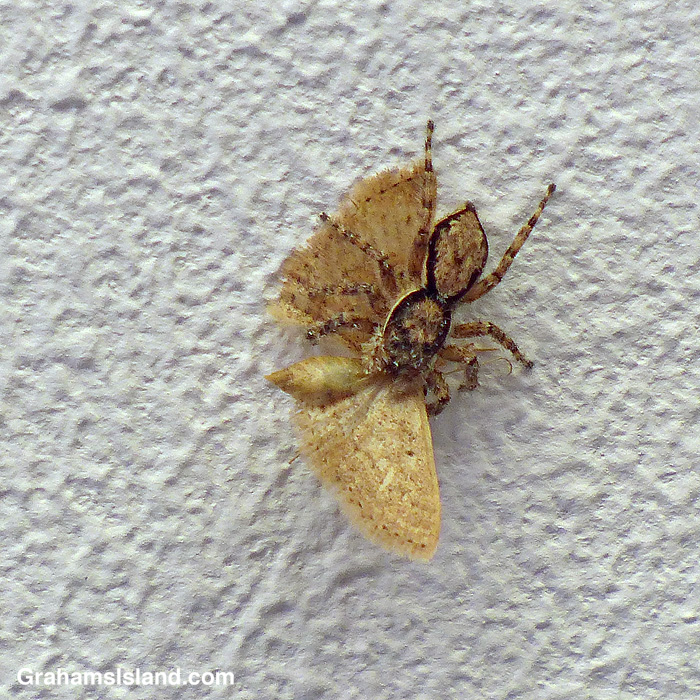
In the gallery below, a Seven-spotted Ladybug putters about in some very green leaves. Another spider, this time a jumping spider no bigger than the little one at the top, has jumped a moth bigger than itself. Finally, what I think is a hover fly pretending to be a wasp with its black and yellow markings.


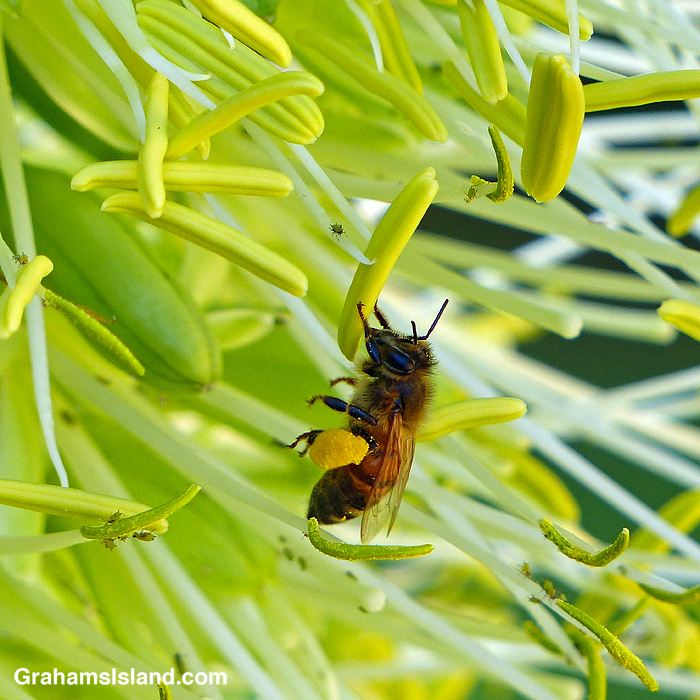
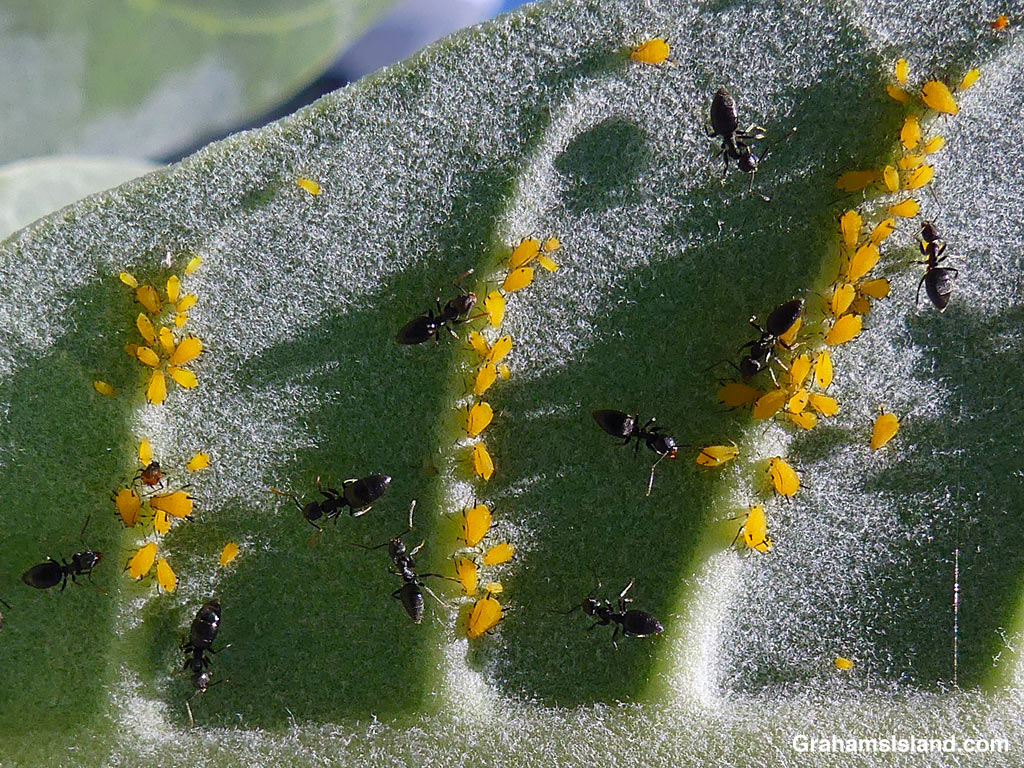
Finally, a Camponotus variegatus ant or carpenter ant. Next, a bee collecting pollen on an agave attenuata. Note the tiny aphids sharing the flower. And finally ants and aphids on the leaf of a Hawaiian Crown Flower. In this symbiotic relationship, the aphids produce sweet goodies for the ants to eat and the ants provide protection against the aphids’ predators.

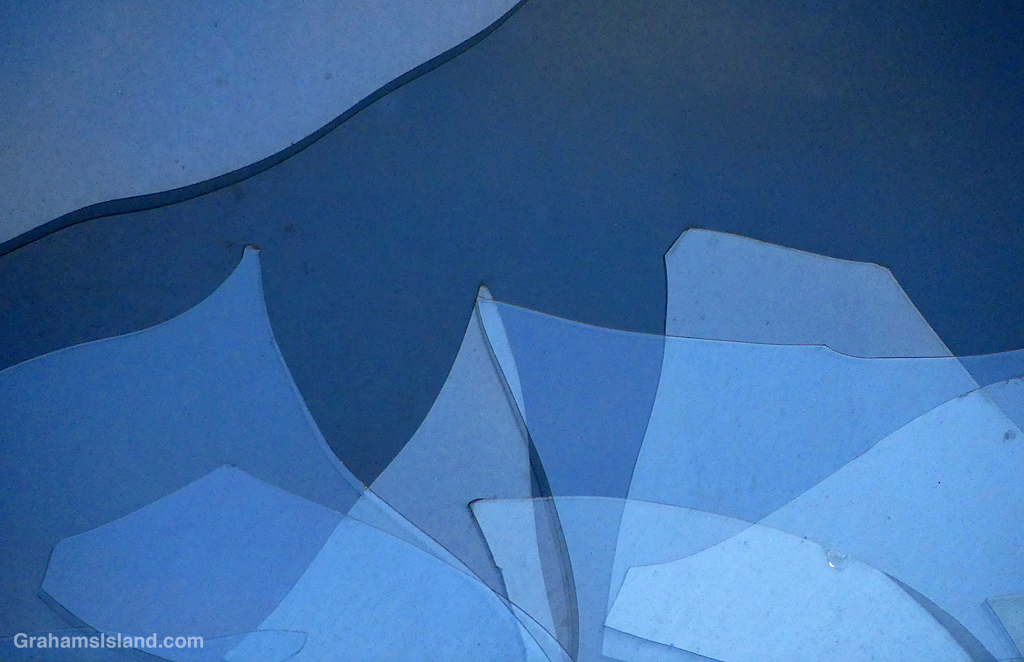
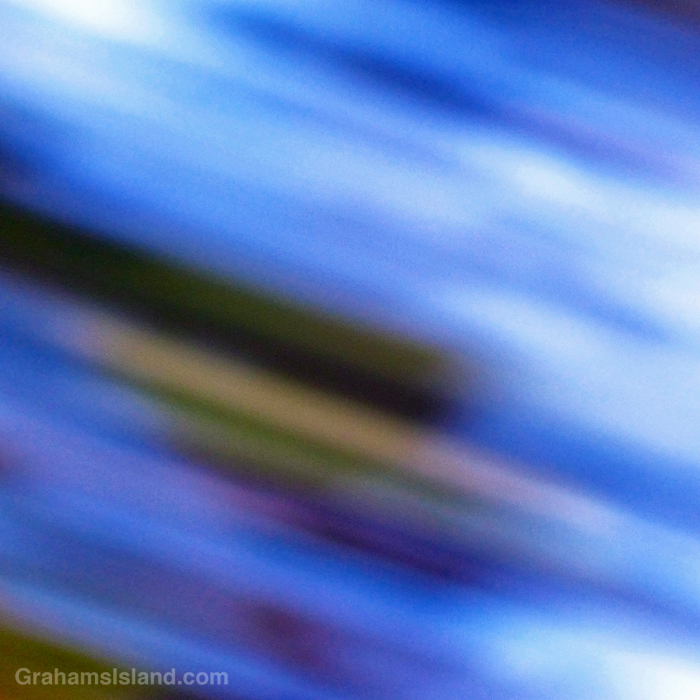
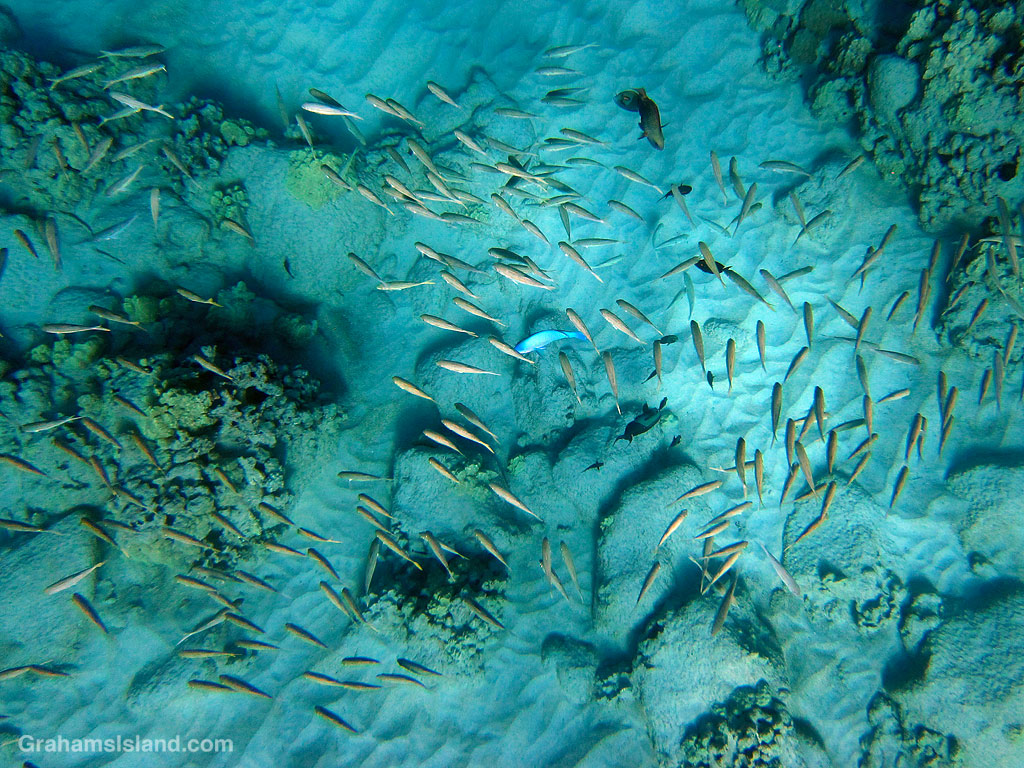
The Sunday Stills Monthly Color Challenge theme is ‘Blue.’ See more responses here. After sorting through some photos, I found a cluster of abstract blues that I like so here they are.



This week’s Sunday Stills challenge theme is ‘Historical.’ See more responses here.
Here are a few more photos from this year’s celebrations commemorating the birthday of King Kamehameha I, the king who united the Hawaiian islands. The ceremony began with a welcome blown on conch shells.


The procession was led by the four Royal Societies in Hawaii. They are descendants of Hawaiian Ali’i including King Kamehameha I himself. Ali’i were the ruling class who were seen as the link between the people and the gods.


Hula dances were performed honoring the king. Hula was created by early Hawaiian settlers. It is often accompanied by chants and the movements are a visual representation of those chants. The subject matter can be anything from light entertainment to a sacred honoring of a god or goddess. Western missionaries disapproved of hula and encouraged Hawaiian rulers to ban it, but while there were some restrictions it was never driven completely underground as happened with some other traditional Hawaiian activities.


See more photos from the Kamehameha Day celebrations here.

On my last swim, I saw this Wedgetail Triggerfish slip into this crevice in the rocks. I thought it might have disappeared, but there it was, wedged in, side on. It might have been protecting eggs laid in there or just waiting for me to move on!
This fish is also known as the Picasso Triggerfish. In Hawaiian, it’s called humuhumu-nukunuku-ā-pua-a and it’s the official state fish.
Posted for Bushboy’s Last on the Card photo challenge. See more responses here.

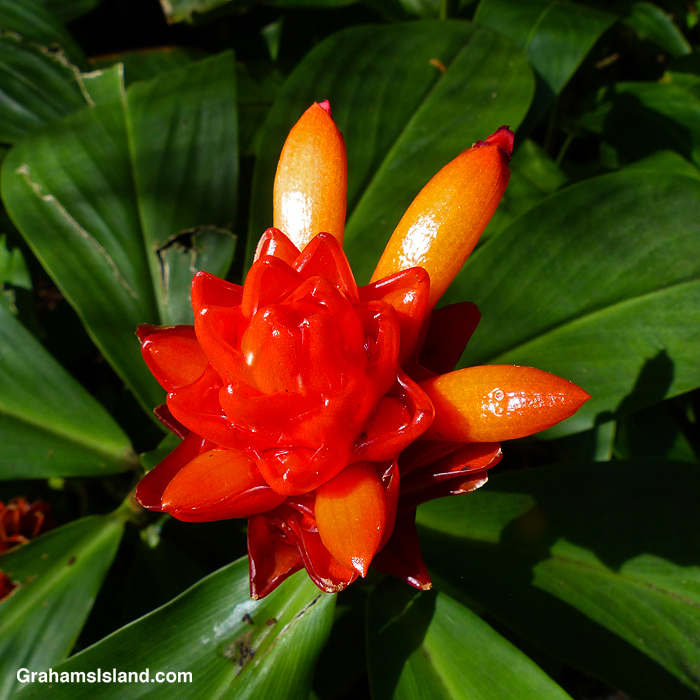
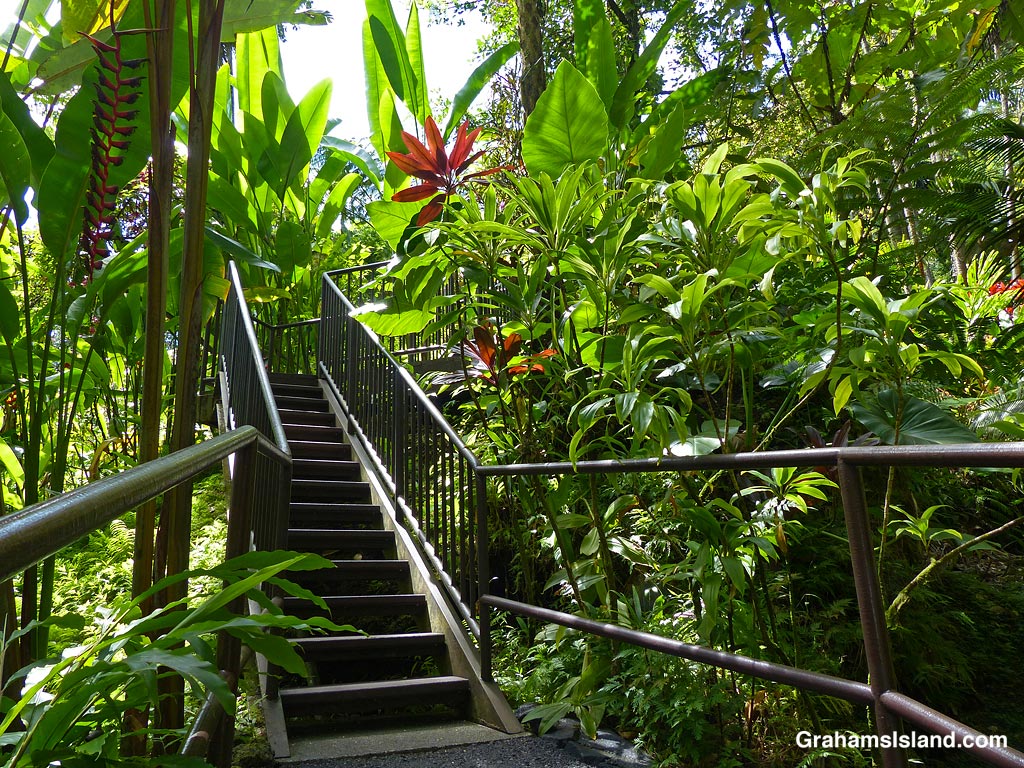
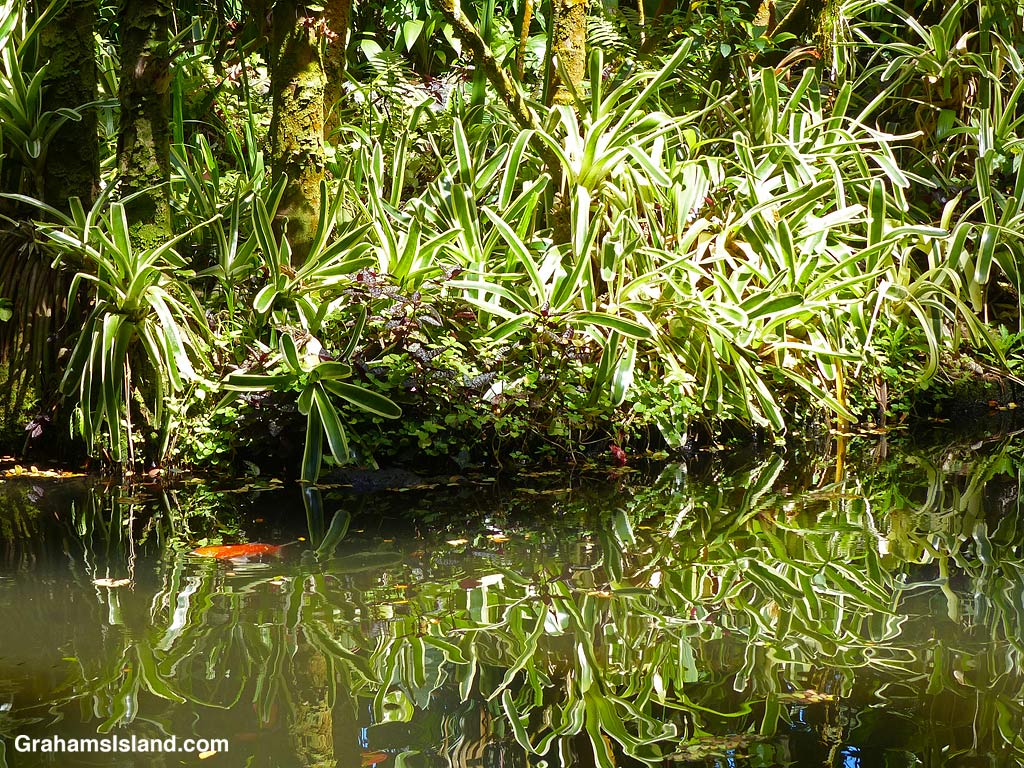
This week’s Sunday Stills challenge theme is ‘Plant Life.’ See more responses here.
Here are a few plants seen on my last visit to Hawai’i Tropical Bioreserve & Garden. For more information about Hawai’i Tropical Bioreserve & Garden, go to htbg.com.